
Ever watch your cat take two tiny sips from the water bowl and just walk away? You start wondering if they’re really getting enough to drink. Here’s the…

Cat Health & Wellness
Why is My Cat Throwing Up? Common Causes and When to See a Vet
Thinking about bringing a cat into your home? Here’s something every future cat parent should know upfront: cat vomiting happens more than you’d expect, but it’s not something…

Cat Health & Wellness
Cat Nutrition 101: How to Choose the Best Food for Your Cat’s Diet
Ever stood in the pet food aisle, staring at fifty different bags, with no clue which one your future cat actually needs? You’re picking out cat food for…
Cat Health & Wellness
The Essential Cat Vaccine and Preventative Care Guide (Fleas, Ticks, & Worms)
Did you just bring home a new cat, or are you still thinking it over? That mix of excitement and “wait, what do I actually need to do”…
Cat Health & Wellness
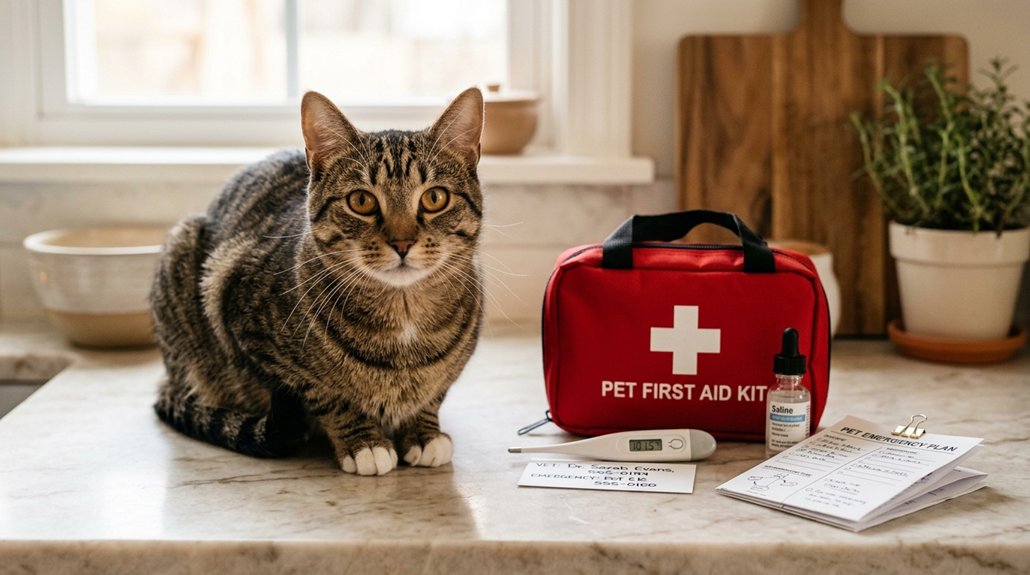
How to Prepare for Unexpected Cat Health Issues
Preparing for unexpected cat health issues requires attentiveness and readiness. Recognize emergencies like breathing difficulties and urinary problems. Build a first aid kit with essentials: gauze, bandages, and…

Cat Health & Wellness
Caring for Kittens and Senior Cats: Essential Health Tips for Every Life Stage
So you’re thinking about bringing home a kitten, or maybe you’ve got your eye on a sweet senior cat at the shelter. Either way, you’re probably wondering what…
Cat Health & Wellness
When to Go to an Emergency Vet for a Cat
If your cat shows signs like persistent vomiting, difficulty breathing, or urinary straining, it’s critical to get them to an emergency vet. These symptoms could indicate severe health…
Cat Health & Wellness
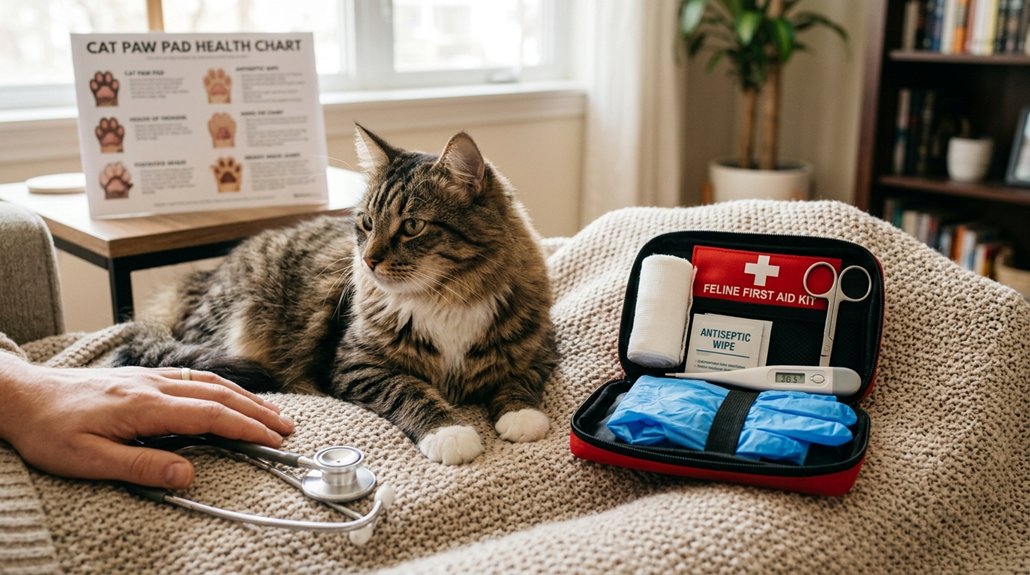
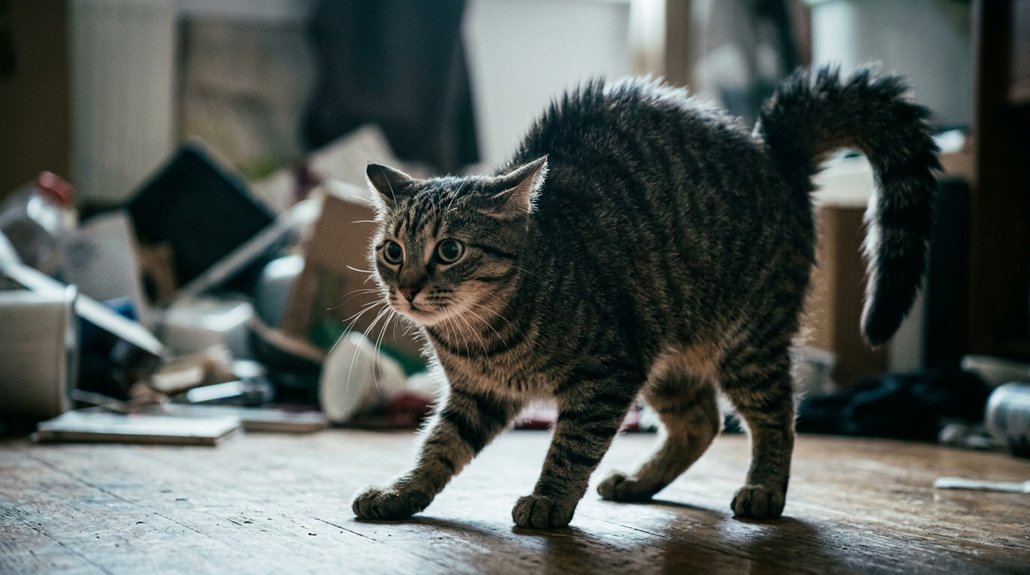
First Aid Tips Every Cat Owner Should Know
Knowing essential first aid for cats can save lives. If your cat is choking, inspect the airway and remove obstructions with tweezers. For severe bleeding, apply direct pressure…
Cat Health & Wellness
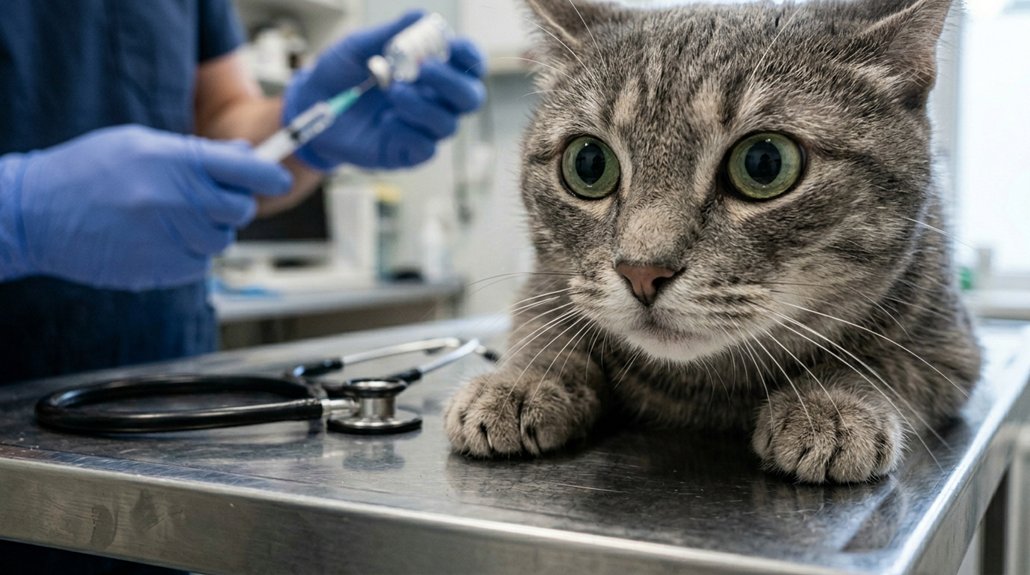
How to Recognize an Emergency in Cats
Recognizing a cat emergency involves observing specific signs. Look for urinary blockage symptoms like frequent litter box visits with little success. Bleeding wounds require immediate pressure; a large…
Cat Health & Wellness
What to Do in a Cat Health Emergency
In a cat health emergency, stay calm and immediately assess your cat’s condition. Recognize signs like panting, behavioral changes, or bleeding. Contact your vet and prepare your cat…
Cat Health & Wellness
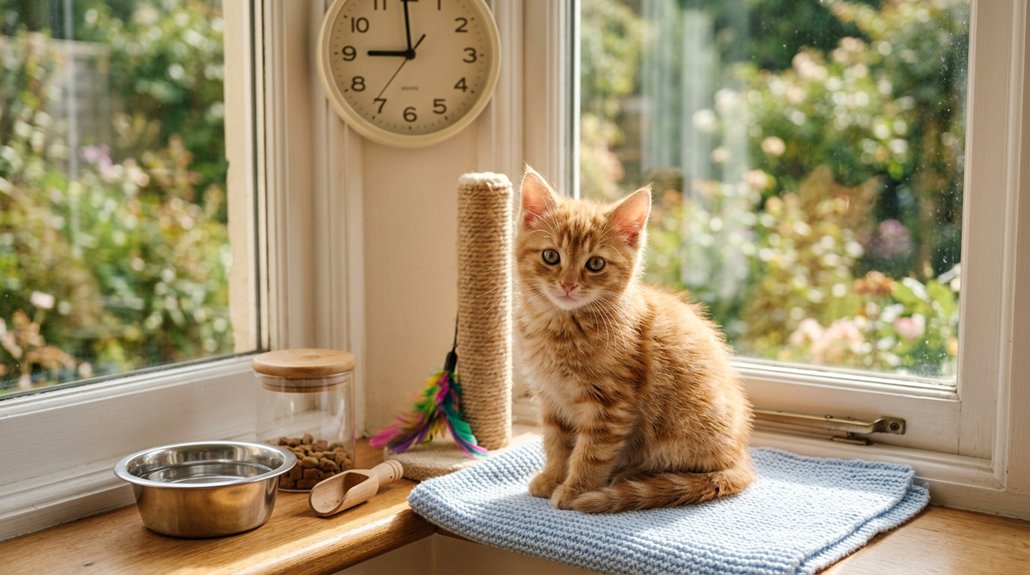
How to Build a Healthy Routine for a Kitten
To build a healthy routine for your kitten, focus on nutrition, play, rest, and veterinary care. Feed high-quality, kitten-specific foods and maintain a consistent feeding schedule with social…

Cat Health & Wellness
When to Start Vet Visits for a Kitten
Start your kitten’s vet visits at around eight weeks old to guarantee their health and well-being. During this initial visit, they’ll receive vaccinations against diseases like feline distemper…

Cat Health & Wellness
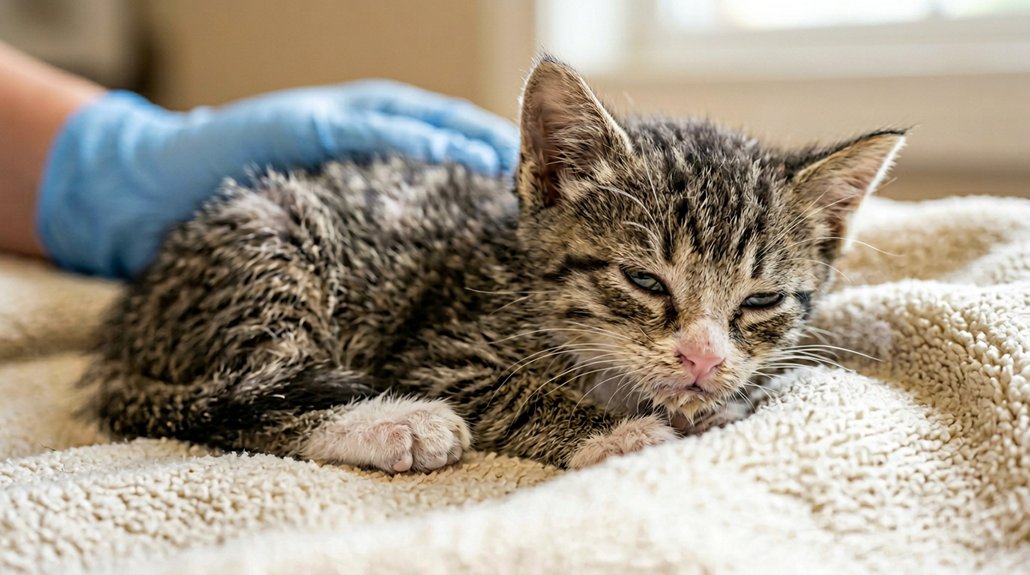
How to Keep Your Kitten Healthy Early On
To keep your kitten healthy early on, secure your home environment by removing hazards and providing safe toys. Schedule regular vet visits for vaccinations, health assessments, and parasite…
Cat Health & Wellness
Common Health Issues in Kittens
Kittens are prone to health issues due to their immature immune systems and unique vulnerabilities. They can easily contract respiratory infections, showing signs like sneezing and nasal discharge.…
Cat Health & Wellness
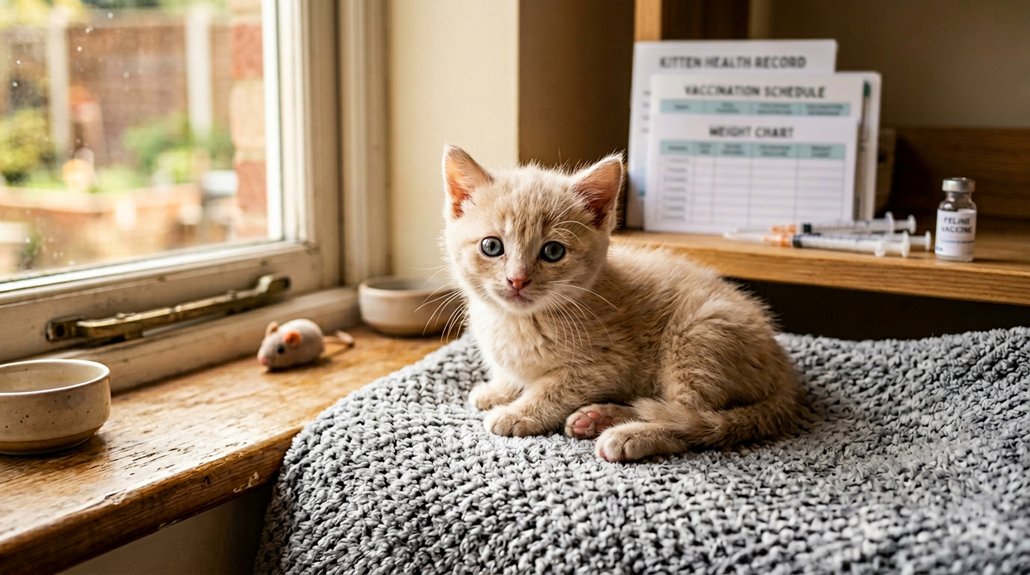
Kitten Health Guide: What to Expect in the First Year
In your kitten’s first year, prioritize safety by securing hazards and creating a cozy space. Schedule a vet visit early, follow vaccination timelines, and plan for routine check-ups.…