
Bringing home a new kitten is exciting, but maybe you’re a little nervous too. What if she grows up shy? What if she never warms up to your…
Kittens
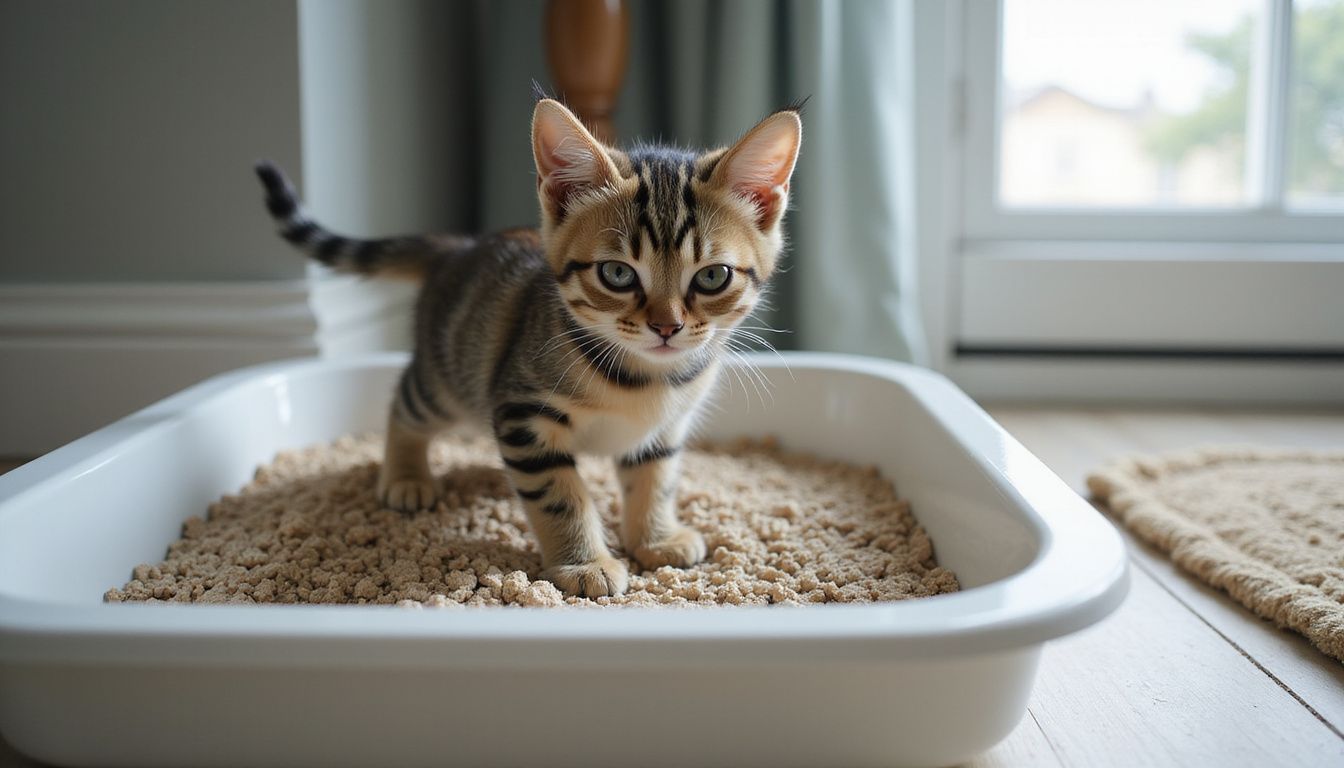
How to Litter Train a Kitten: Setup, Schedules, and Troubleshooting Common Mistakes
Thinking about adopting a kitten but worried about the mess that might come with her? That worry is completely normal. Here’s the good news. Kittens come wired with…
Kittens
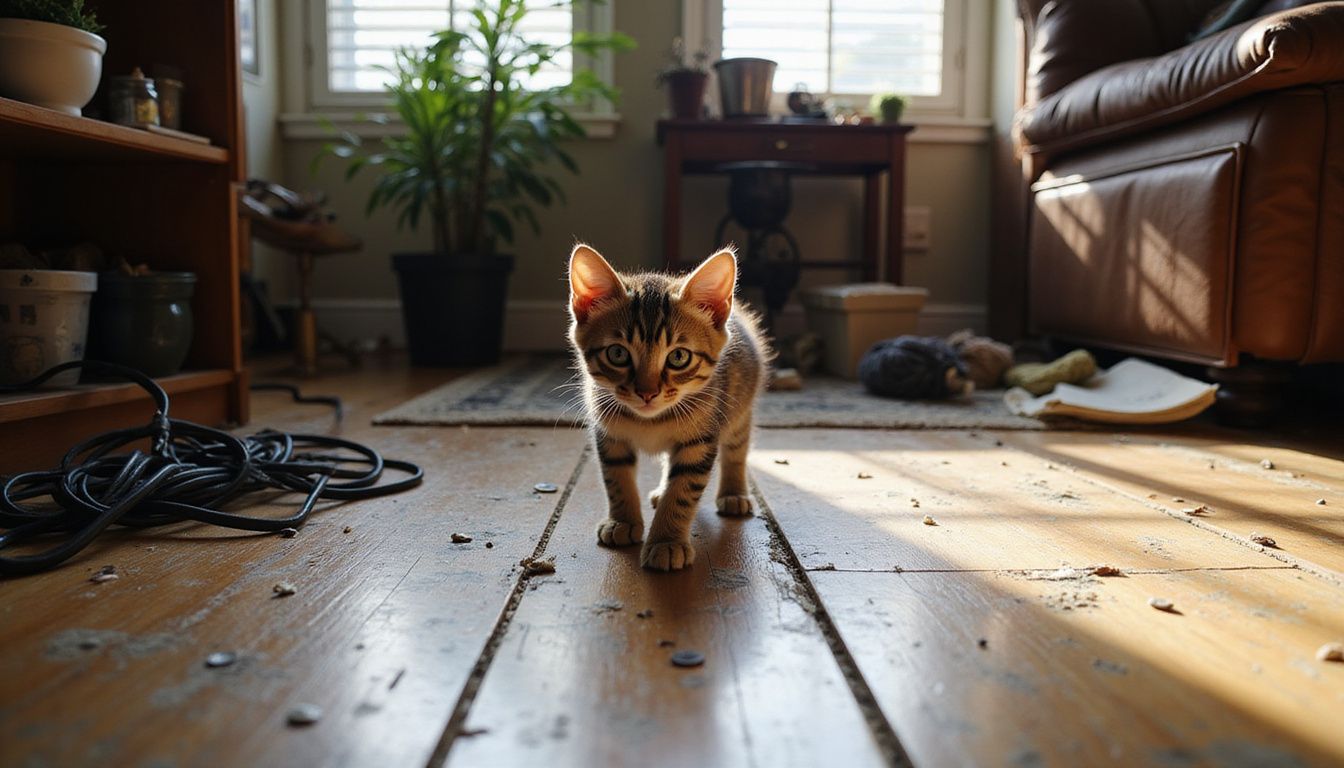
New Kitten Checklist: How to Kitten-Proof Your Home and Survive the First Night
Did you just say yes to bringing home a kitten? That excitement can turn into panic fast, once you realize your cozy living room looks like a minefield…

Kittens
Kitten Feeding Guide 101: What to Feed, Best Schedules, and Foods to Avoid
So you just brought home a tiny kitten, and now you’re standing in the pet food aisle feeling completely lost. Every bag of kitten food and can looks…
Kittens
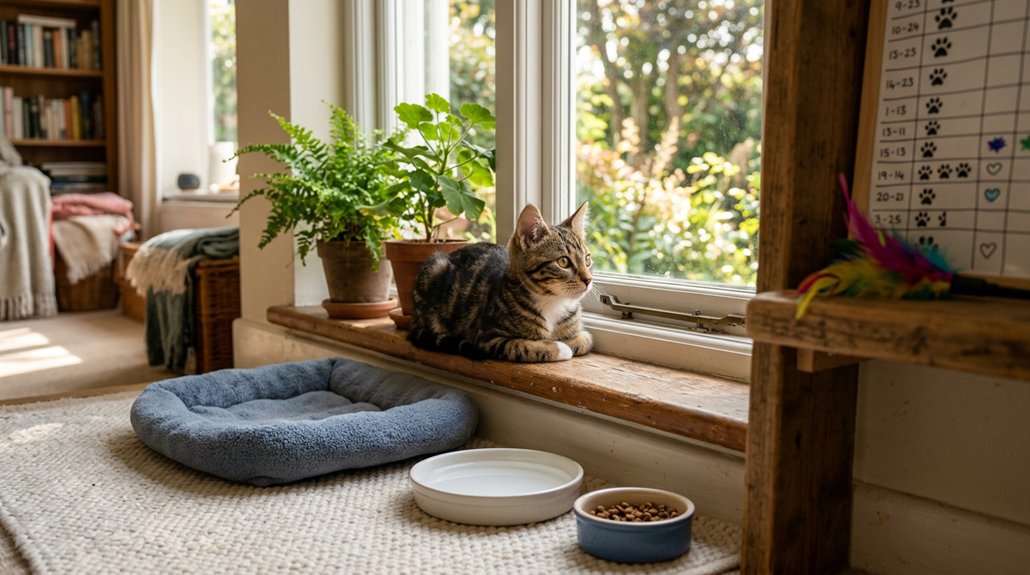
How to Help Your Kitten Grow Into a Healthy Cat
To help your kitten grow into a healthy cat, guarantee a balanced diet with at least 30% protein, following AAFCO guidelines. Regular vet visits are essential for vaccinations…
Kittens
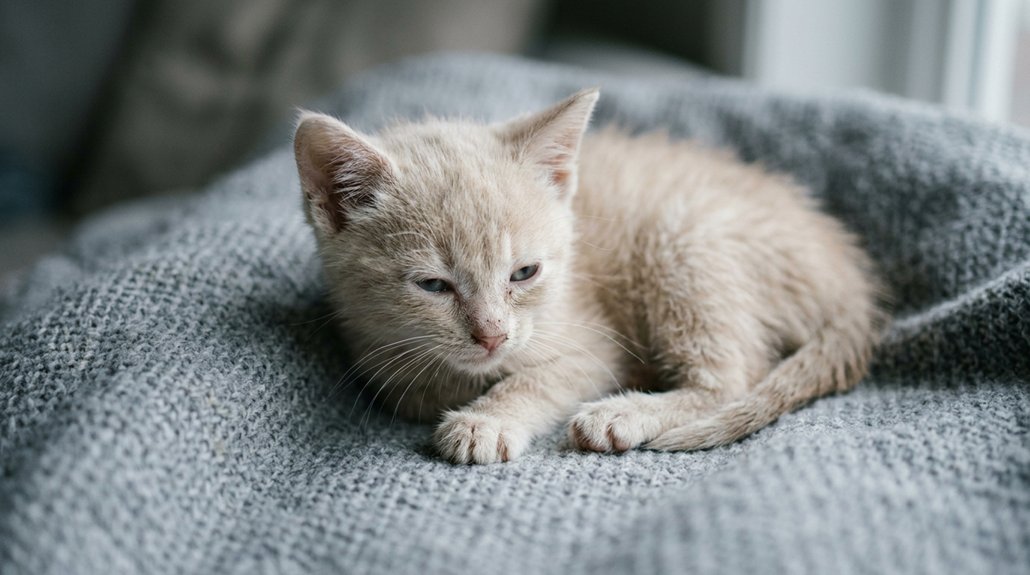
Signs Your Kitten Might Be Sick
If your kitten suddenly refuses food or water for over 24 hours, becomes excessively lethargic, or shows signs like respiratory distress, nasal discharge, or digestive issues, it might…
Kittens
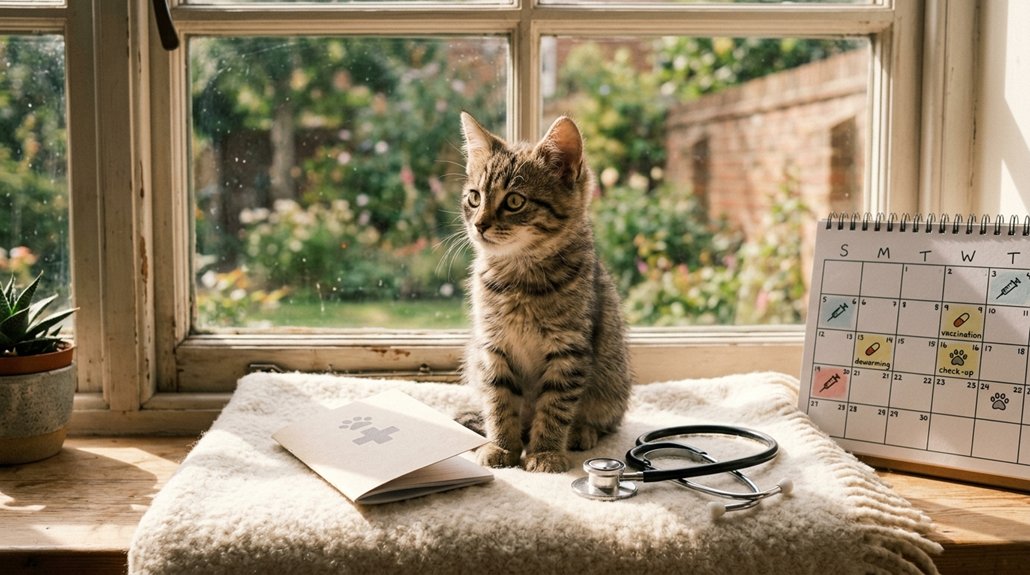
How Often Should You Take a Kitten to the Vet?
You’ll want to take your kitten to the vet within the first week of adoption for a thorough health check and to discuss vaccinations and preventive care. Regular…
Kittens
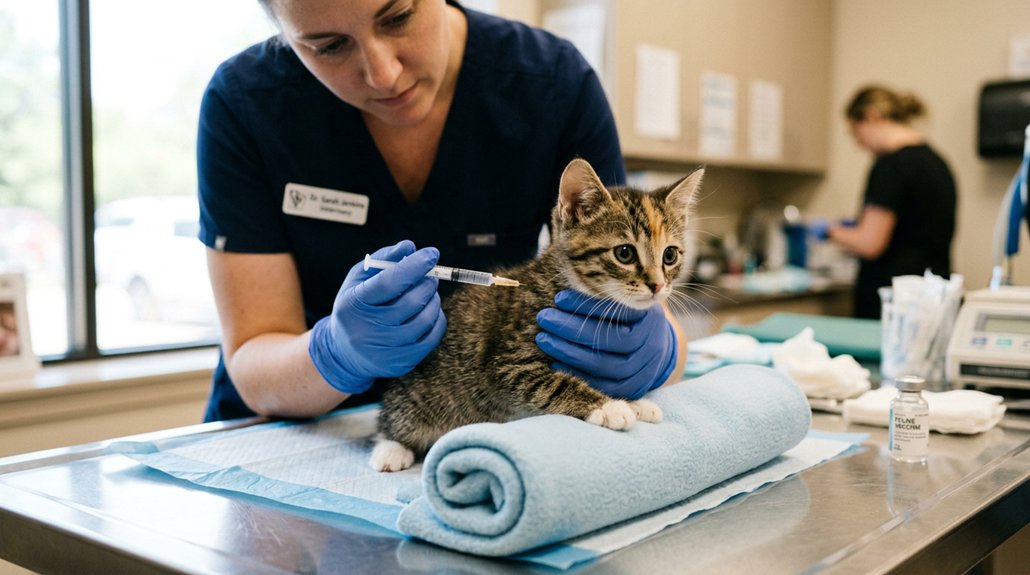
Kitten Vaccination Schedule: What to Expect
You’ll start your kitten’s vaccination schedule with the FVRCP vaccine at 6-8 weeks, with boosters every 3-4 weeks until 16 weeks. Rabies shots follow at 14-16 weeks, and…
Kittens
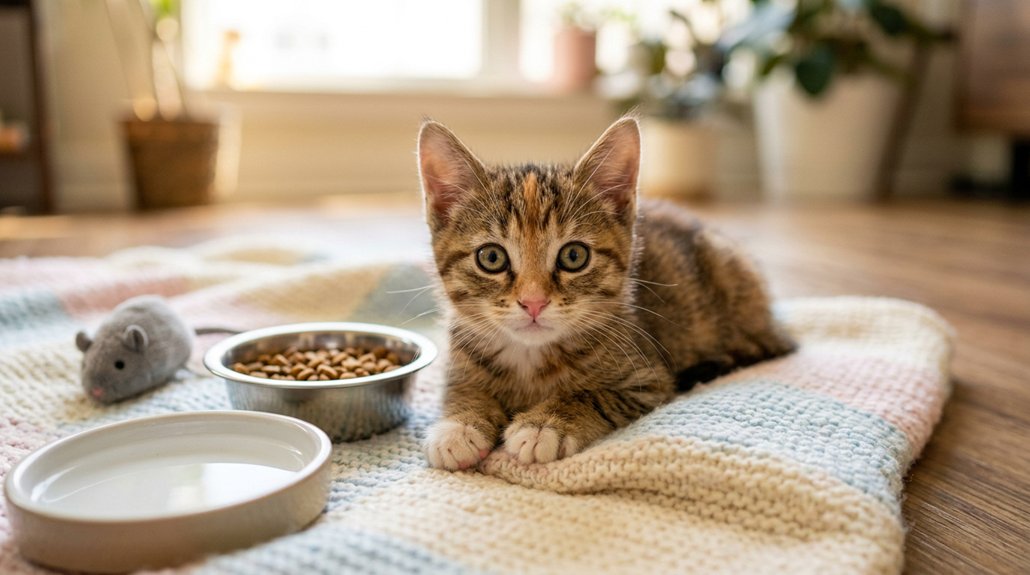
How to Keep a Kitten Healthy in the First Months
To keep your kitten healthy in the initial months, guarantee a hazard-free home environment with essential supplies like feeding bowls and cozy bedding. Implement a balanced diet, shifting…
Kittens
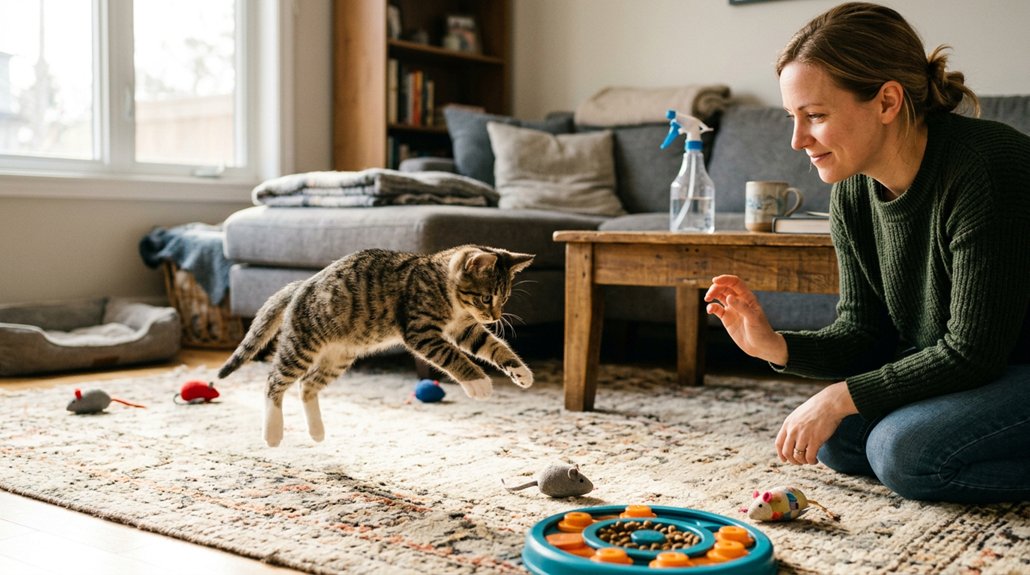
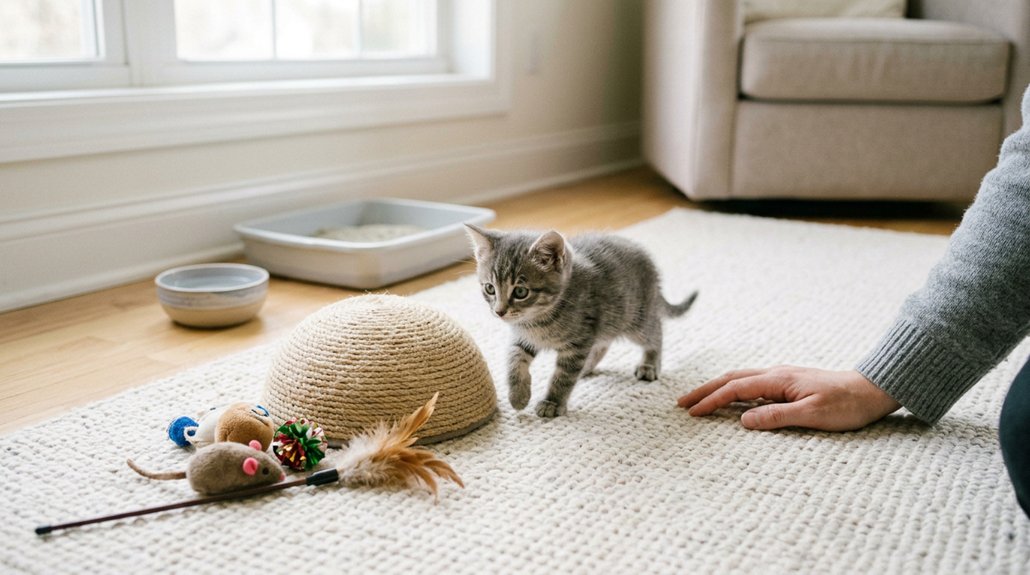
What to Do When Your Kitten Acts Out
Your kitten’s misbehavior is a normal part of their growth process. It’s essential to understand the underlying causes, like lack of stimulation or stress. Redirect unwanted actions with…
Kittens
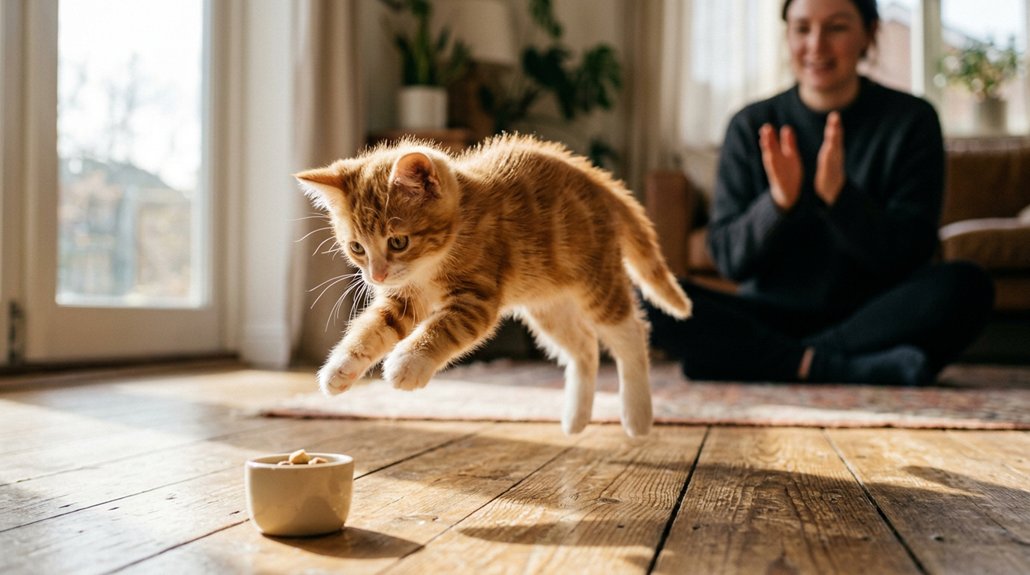
How to Avoid Overwhelming a New Kitten
To prevent overwhelming a new kitten, establish a cozy, secure space with hiding spots, and kitten-proof it for safety. Implement consistent routines for feeding, play, and rest, allowing…
Kittens
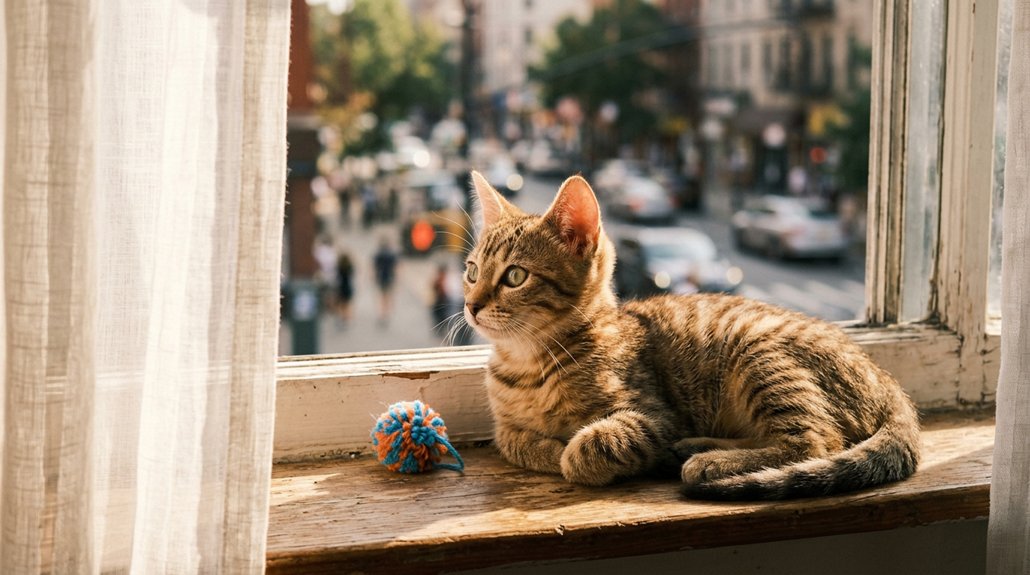
How to Keep a Kitten Focused During Training
To keep a kitten focused during training, choose a quiet, distraction-free space and use soothing tones. Keep sessions brief, under 15 minutes, and focus on one command at…
Kittens
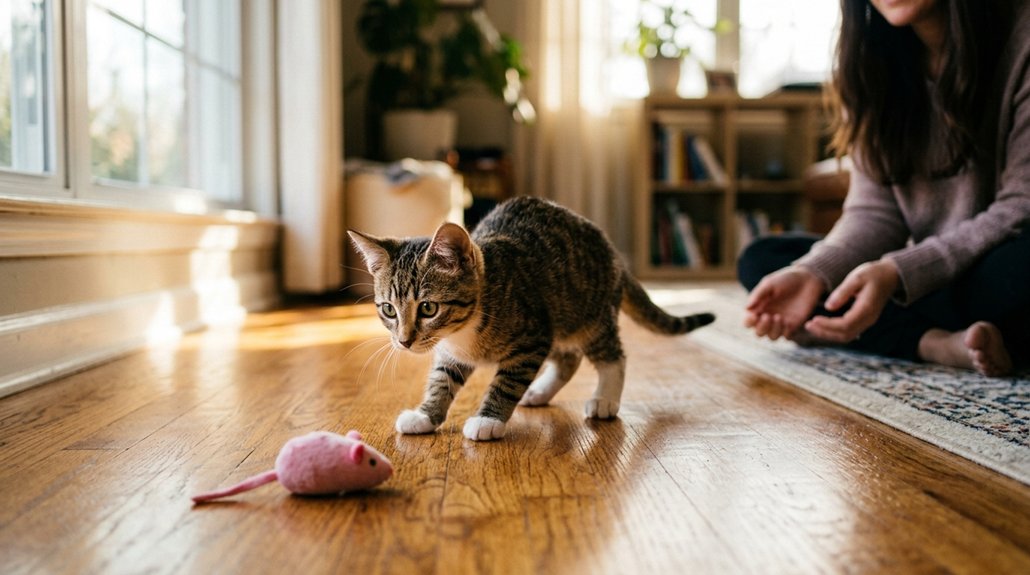
Why Your Kitten Ignores You
Your kitten might ignore you because of their independent nature, rooted in solitary instincts. Environmental stressors like loud noises or changes in routine can also lead them to…
Kittens
How to Handle a Kitten That Won’t Listen
Handling a kitten that won’t listen involves patience and understanding their natural behaviors. Create a stimulating environment with climbing spaces and toys to keep them engaged. Use positive…
Kittens
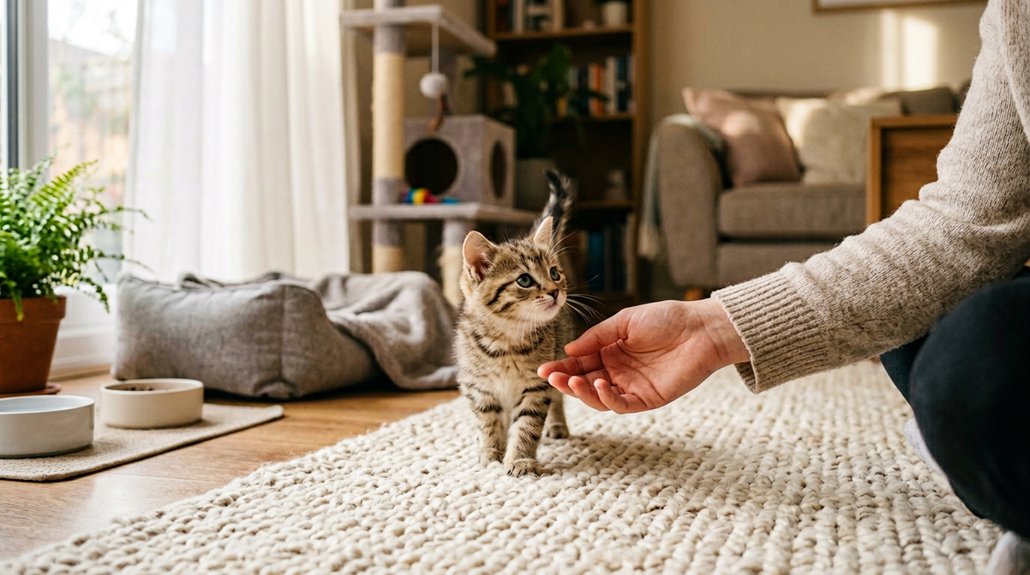
How to Build Trust With a New Kitten
To build trust with a new kitten, create a cozy and safe environment with consistent routines and gentle handling. Recognize their behavior and emotions; use treats and praise…