
Thinking about bringing a cat into your home? Here’s something every future cat parent should know upfront: cat vomiting happens more than you’d expect, but it’s not something a healthy cat should do on a regular basis.
The good news is that most causes are manageable once you know what to look for.
I’ll walk you through the common reasons cats throw up, how to tell when it’s a quick fix versus a trip to the vet, and what steps to take right now if your cat’s stomach is acting up. By the end, you’ll know exactly what your cat’s vomit is trying to tell you.
Key Takeaways
- Cat vomiting stems from hairballs, diet changes, parasites, toxins, kidney disease, and hyperthyroidism, so veterinary diagnosis is the only way to pin down the real cause.
- Multiple vomiting episodes within hours, blood in the vomit, lethargy, or an inability to keep food down mean you need emergency vet care right away.
- Chronic vomiting, officially defined as lasting more than three weeks, can signal serious conditions like inflammatory bowel disease, kidney disease, or cancer.
- Vets diagnose vomiting through physical exams, blood tests, X-rays, ultrasound, and endoscopy, with costs ranging up to $1,500, or exploratory surgery running over $2,000.
- Gradual 7 to 10 day diet changes, smaller frequent meals, a steady feeding schedule, and regular parasite prevention all cut down on vomiting episodes.
Common Causes of Cat Vomiting
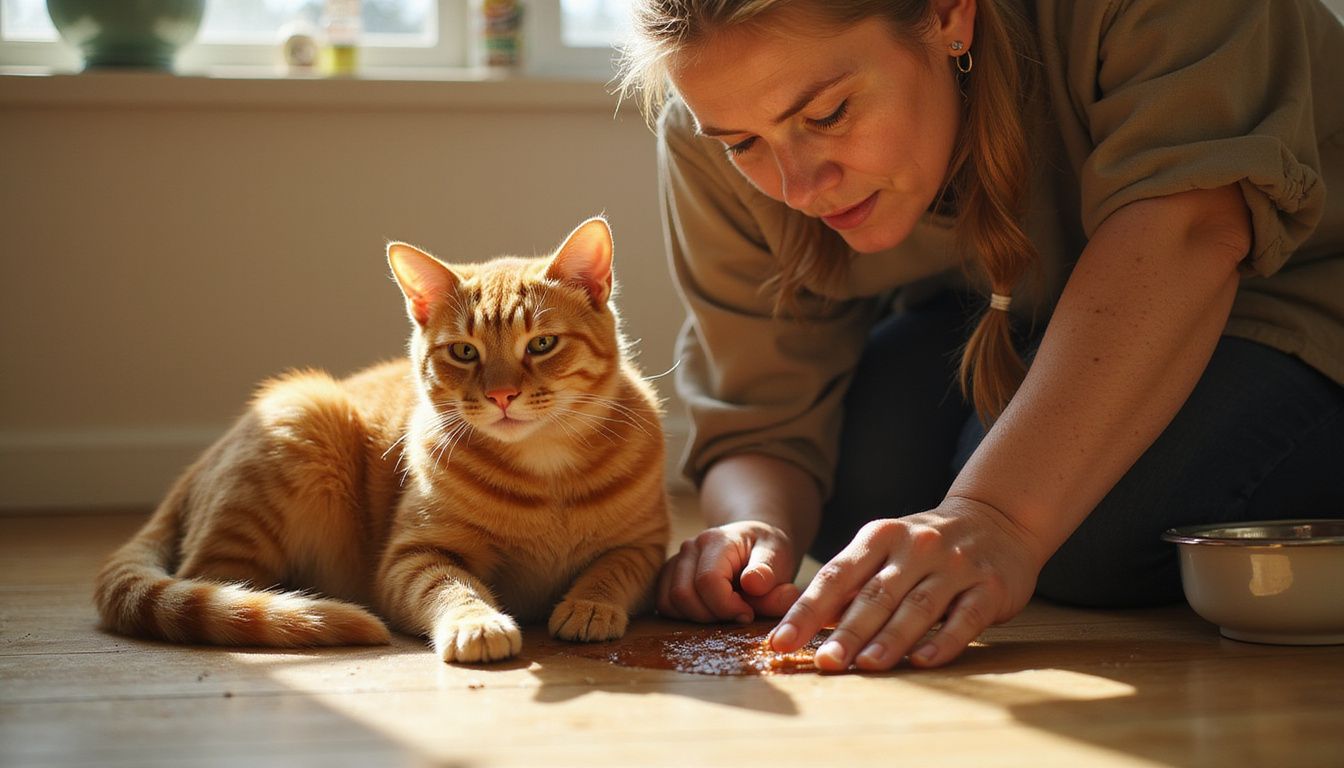
Your cat throws up for lots of reasons, and most of them you can manage with the right information and veterinary care. From hairballs to food sensitivities, kidney disease to intestinal parasites, the causes range from minor to serious.
Understanding what triggers your cat’s vomiting puts you in the driver’s seat of their health, especially if you’re a new pet owner still learning your cat’s quirks.
What Causes Hairballs in Cats?

Hairballs form when cats groom themselves and swallow loose fur. Cats with long hair, or cats who overgroom, shed more hair into their digestive system.
This fur travels through the stomach and intestines, then bunches up into a ball shape. Most cats cough up a hairball a few times a month without any real problems.
Many pet owners think occasional hairball vomiting is just part of cat ownership, something to accept without worry. But newer research is challenging that old idea.
Frequent hairball vomiting might actually signal gastrointestinal disease rather than a normal, harmless event. According to recent diagnostic reviews using the American College of Veterinary Internal Medicine (ACVIM) guidelines, nearly half of cats who come in for chronic vomiting, the kind owners blame on hairballs, actually turn out to have a chronic enteropathy like inflammatory bowel disease. That’s a big number, and it’s exactly why “just a hairball” deserves a second look if it keeps happening.
Cats with sensitive stomachs or food sensitivities may vomit more often. Some cats also groom excessively because of stress, anxiety, or skin problems, which just means more hair going down the hatch.
In one small review of eighteen indoor longhaired cats tracked for four weeks, twelve produced hairball-type vomit at least once a week. Four of those cats vomited hairballs three or more times weekly, which was enough to trigger a full gastrointestinal workup.
The key difference here is frequency. Occasional hairballs are very different from vomiting that shows up week after week, and what looks normal might actually need a vet’s eyes on it.
If your cat vomits hairballs multiple times a week, call Garden State Veterinary Specialists or your local vet to rule out gastrointestinal disease through physical exams and diagnostic imaging.
How Can Diet Affect My Cat’s Vomiting?

Your cat’s diet plays a huge role in preventing vomiting, just like grooming habits do. Food intolerances and sudden diet changes can make your cat’s stomach rebel.
Introducing new food too fast upsets the digestive system and sends dinner right back up. Eating something they shouldn’t, like grabbing food off the counter, can cause the same problem.
Switching foods gradually over 7 to 10 days helps your cat’s stomach adjust without a fight. Feeding smaller meals throughout the day, instead of one or two big ones, also helps prevent overfilling the stomach.
Here’s a real example that shows how well this works.
One cat owner switched their newly adopted adult domestic shorthair from a grocery store fish formula to a hydrolyzed protein therapeutic diet over nine days. Vomiting dropped from five times a week before the switch to just once the following week, with appetite and stool quality improving within ten days.
Establishing regular feeding times also improves digestion. Your cat thrives on routine, so feeding at the same hours each day supports a calmer stomach.
Recent diet changes and new medications, prescribed or over the counter, are both worth mentioning to your vet if vomiting starts up. Talk with your veterinarian about the best food and nutrition plan for your cat’s specific needs, since they can rule out food allergies, kidney disease, or other internal medicine concerns tied to vomiting.
Could Intestinal Parasites Make My Cat Throw Up?

Diet plays a big role in vomiting, but parasites can cause just as much trouble. Intestinal parasites are something a lot of new cat owners overlook.
Roundworms, tapeworms, and hookworms live inside your cat’s digestive system and irritate the intestinal lining, which triggers nausea and vomiting. Kittens and outdoor cats face higher risks, so staying alert really matters here.
According to the Companion Animal Parasite Council, up to 17% of cats in North America carry roundworms. That’s why vets recommend testing kittens at least four times during their first year of life, even if you never see a single worm.
If you do spot worms in vomit or stool, they usually look like spaghetti noodles, and that’s a clear sign your cat needs a vet visit right away.
A three-month-old outdoor kitten was brought to Greater Staten Island Veterinary Services after the owner spotted worms in both vomit and stool. The fecal test confirmed roundworm eggs. After two rounds of pyrantel spaced two weeks apart, the vomiting cleared up within five days, and the follow-up test came back negative.
Your vet will run a fecal exam, checking a stool sample under a microscope for eggs or parasites. Once diagnosed, deworming medications like pyrantel or praziquantel work fast to clear the infection and stop the vomiting.
Getting your newly adopted cat dewormed at that first appointment, whether at Greater Staten Island Veterinary Services or your own local vet, sets a solid foundation for good pet health.
What Should I Know About Toxin Ingestion in Cats?

Your cat faces real danger from toxins hiding around your home. A 2026 report from the ASPCA Animal Poison Control Center found they helped over 334,000 animals exposed to toxic substances in 2025 alone, with human medications, household cleaners, and plants like lilies topping the list.
That’s not a small number, and it’s exactly why keeping the ASPCA poison control hotline saved in your phone is such a good idea before you even bring a cat home.
Lilies are especially deadly. Even a small amount can cause severe kidney damage, and antifreeze tastes sweet to cats, making it tempting even though it destroys their organs fast.
Vomiting is just the first warning sign. Other symptoms include lethargy, loss of appetite, and unusual behavior.
If your cat has eaten a known toxin, emergency veterinary care isn’t optional, it’s essential. Blood tests can reveal exposure to substances like antifreeze, giving your vet the information needed to start treatment fast.
Diagnosing toxin exposure is tricky for vets, so your knowledge of what your cat got into becomes the most valuable clue they have. Tell your vet exactly what your cat may have eaten, when it happened, and what symptoms showed up first.
Some toxins cause vomiting within hours, while others quietly damage organs before symptoms even appear. Quick action and honest communication with your vet team can mean the difference between recovery and tragedy.
How Do Kidney Disease and Hyperthyroidism Cause Vomiting?
Beyond toxins your cat might swallow, organ problems are another serious cause of vomiting worth knowing about before you adopt an older cat. Chronic kidney disease and hyperthyroidism rank among the most common culprits, and both need your attention.
Chronic kidney disease damages your cat’s ability to filter waste from the blood. As toxins build up in the system, nausea follows, and vomiting starts.
Your vet can catch kidney issues early through blood tests that measure waste levels like creatinine and BUN. Early detection matters a lot here, because vomiting is often one of the first signs that kidney problems are getting worse.
Without treatment, your cat’s condition can worsen quickly, leading to dehydration and organ failure. Your cat may also drink more water and pee more often as the disease progresses.
Hyperthyroidism is an endocrine disorder where the thyroid gland pumps out too much hormone. According to the Cornell Feline Health Center, this condition affects roughly 10% of senior cats, typically those over 8 years old, making it one of the more common health issues you’ll want to watch for as your cat ages.
This hormonal imbalance speeds up your cat’s metabolism dramatically, creating stomach upset and vomiting. Cats with hyperthyroidism often lose weight despite eating more than usual, and elevated calcium levels can make the nausea even worse.
Your vet performs blood tests to measure thyroid hormone levels and confirm the diagnosis. Diabetic ketoacidosis, another endocrine disorder, triggers vomiting through a similar chain reaction, and both conditions respond well to proper treatment once caught.
Acute vs. Chronic Vomiting

Your cat’s vomiting pattern matters more than you might think. Some cats throw up once and never again, while others battle this problem day after day.
Knowing the difference changes how your vet approaches treatment, so let’s break down both patterns.
What Are the Signs of Acute Vomiting in Cats?
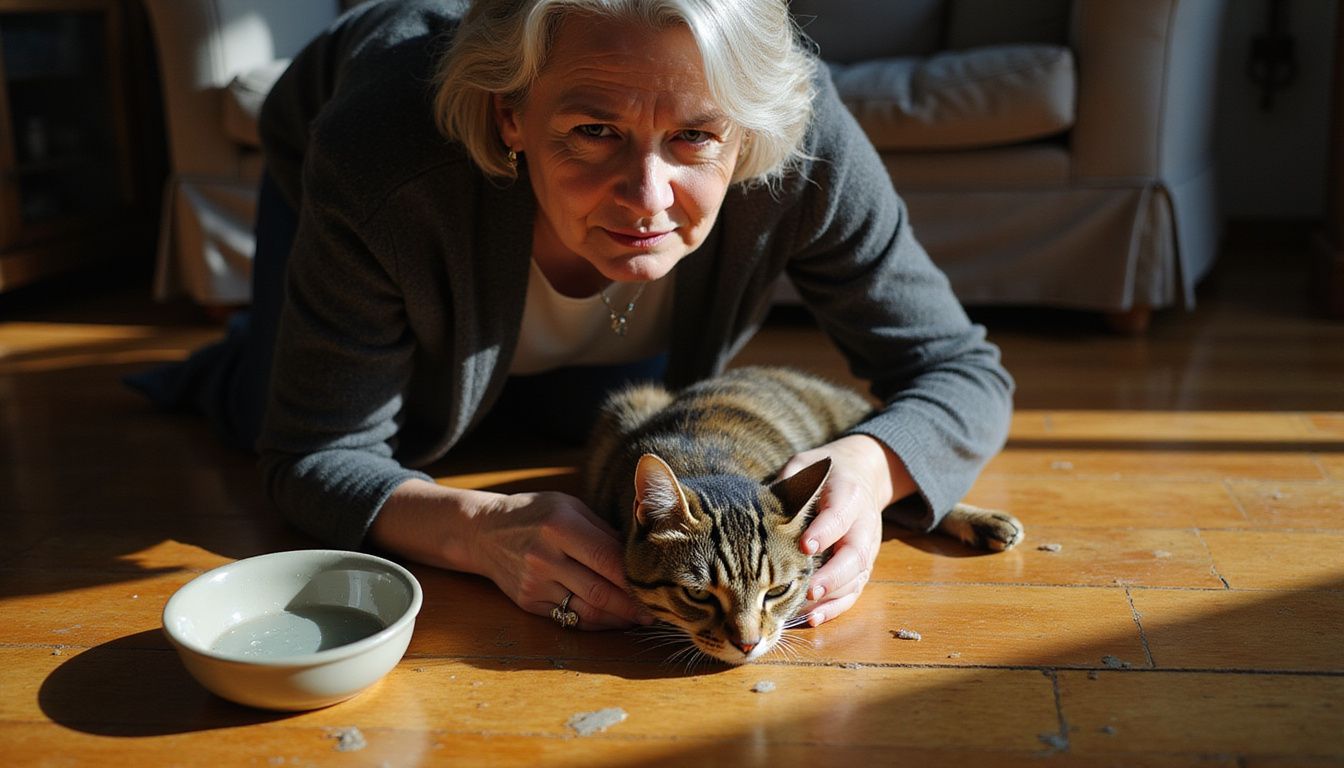
Acute vomiting strikes suddenly and demands fast attention. Recognizing these signs helps you catch serious problems before they spiral.
- Multiple vomiting episodes within a few hours signal acute vomiting that needs emergency care. This rapid-fire pattern differs from occasional hairballs and points to something serious.
- Vomiting blood, called hematemesis, means you need emergency care right now. This symptom points to internal bleeding or serious gastrointestinal damage.
- Inability to keep water down alongside repeated vomiting creates dangerous dehydration fast. Cats lose fluids quickly and can face serious complications within hours.
- Loss of appetite paired with diarrhea and vomiting suggests a bigger health crisis. These three symptoms together call for urgent care.
- Vomiting on an empty stomach, or dry heaving, often signals a foreign body or acute gastrointestinal distress.
- Vomiting combined with sneezing, excessive drinking, or inappropriate elimination can point to conditions like feline infectious peritonitis or diabetic ketoacidosis.
- Lethargy after vomiting tells you something serious is draining your cat’s energy. Combined with vomiting more than three times, this needs immediate evaluation.
- Constipation alongside vomiting suggests a blockage or foreign object stuck in the digestive tract, which usually requires imaging to locate.
- Inability to keep any food down after eating points to acute vomiting that needs a vet’s assessment before your cat declines quickly.
How Can I Tell If My Cat Has Chronic Vomiting?

Acute vomiting strikes suddenly and passes quickly, but chronic vomiting tells a different story about your cat’s health. According to the American College of Veterinary Internal Medicine, vets officially define chronic vomiting as episodes that persist for more than three weeks, whether that’s daily, weekly, or off and on with one or two instances per episode.
That three-week mark is a helpful line in the sand. Here’s how to spot the pattern before it gets there:
- Track vomiting frequency over several weeks. If your cat throws up regularly, not just once in a blue moon, that signals a chronic issue rather than a random upset stomach.
- Notice if your cat vomits at least once monthly, even if episodes come and go. This separates chronic vomiting from occasional hairballs or dietary indiscretion.
- Watch for vomiting that happens daily or almost every day without improving. This kind of pattern points to serious conditions like inflammatory bowel disease, cancer, kidney disease, or hyperthyroidism.
- Check if your cat still eats normally between episodes. Cats with chronic vomiting often keep their appetite, but changes in eating signal an acute crisis instead.
- See if your cat seems comfortable and acts like themselves otherwise. Lethargy, weight loss, or behavior changes mean you should call your vet right away.
- Document any vomiting that happens less than once a week without other symptoms. This still isn’t considered normal and deserves a vet visit for proper guidance.
If your cat’s condition shifts suddenly, from stable chronic vomiting to acute distress, that’s a sign to seek emergency care from facilities like those in Toms River, NJ, or Staten Island, NY.
When to See a Vet
Your cat’s vomiting might signal a problem that needs immediate attention, so knowing the red flags could save their life. GSVS Veterinary Emergency Care in Toms River stands ready to help when your cat shows symptoms that can’t wait for a regular appointment.
What Symptoms Mean My Cat Needs Immediate Veterinary Care?

Your cat’s health can change fast, and some signs demand urgent action. Here’s what should send you straight to an emergency vet:
- Multiple vomiting episodes within a single day signal serious trouble; contact emergency vet care right away.
- Blood in your cat’s vomit means internal bleeding or serious inflammation; get to an emergency clinic immediately.
- Extreme weakness, an inability to stand, or collapsing during attempts to walk all mean your cat needs urgent care now.
- Pale gums combined with rapid breathing suggest shock or serious illness; get to a vet facility fast.
- A racing heart rate alongside other distress signs shows your cat’s body is in crisis mode.
- Cats with pre-existing conditions like diabetes, kidney disease, or hyperthyroidism who start vomiting need same-day care to prevent complications.
- Known toxin ingestion demands emergency care since poison can trigger vomiting and organ failure within hours.
- Dehydration signs, like sunken eyes or dry gums combined with vomiting, mean your cat may need fluids at an emergency facility.
- Repeated vomiting lasting more than a few hours suggests something serious is happening inside.
- Behavioral changes like hiding, refusing food, or extreme lethargy paired with vomiting warrant immediate emergency care.
- Signs of abdominal pain, like hunching or crying out, need urgent evaluation to rule out life-threatening conditions.
How Often Is Vomiting Too Frequent for My Cat?

If your cat throws up more than two to three times in a row, that’s your signal to call the vet. One incident might not raise a red flag, but patterns matter.
Vomiting that happens multiple times within 24 hours demands immediate attention. Vomiting of blood or bile also signals a serious problem.
Refusal to eat or drink for over 12 hours, paired with vomiting, means your cat needs emergency care at a facility like GSVS Veterinary Emergency Care in Toms River. Continuous vomiting without food retention can even trigger secondary health issues, like liver disease, so don’t wait and hope it clears up on its own.
Chronic vomiting, even a few times a month, is no longer considered normal. Many cat owners dismiss occasional vomiting as typical cat behavior, but that thinking can backfire.
Frequent episodes usually point to underlying conditions like intestinal parasites, kidney disease, hyperthyroidism, or other pet health concerns. A vet can run blood tests and physical exams to pinpoint what’s going on, and imaging or advanced tests help find the root cause when basic diagnostics don’t give clear answers.
Diagnosing the Cause of Vomiting
Your vet starts with a physical exam, checking your cat’s belly and listening to stomach sounds. Blood tests come next, catching kidney disease, hyperthyroidism, and other conditions that cause vomiting.
How Do Vets Use Physical Exams and Blood Tests for Diagnosis?
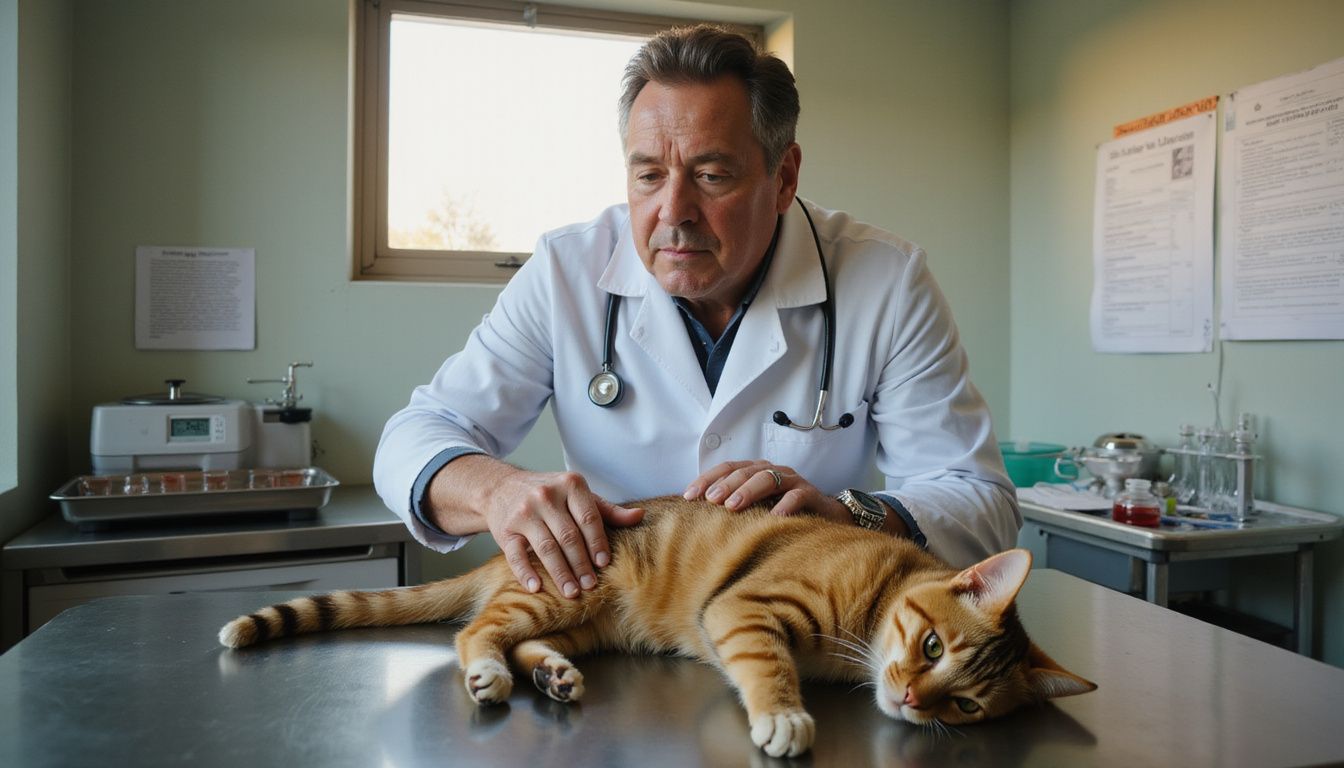
Your vet starts with a hands-on physical exam, feeling your cat’s abdomen for signs of pain, masses, or other abnormalities. This helps spot weight loss and check for heart issues that might be tied to the vomiting.
The vet listens to your cat’s heart and lungs, checks their belly, and looks at their overall body condition. These observations form the foundation of the whole process, often pointing toward specific conditions before any lab work even begins.
Blood work and urinalysis do the real detective work. These tests evaluate organ function and catch endocrine disorders like diabetes and hyperthyroidism, both common causes of vomiting.
Blood tests can also reveal toxin exposure, like antifreeze, and help rule out issues affecting the kidneys, liver, and pancreas. Combining physical findings with lab results gives your vet a clear picture, so treatment decisions come with real confidence.
What Imaging or Advanced Tests Help Find the Cause?
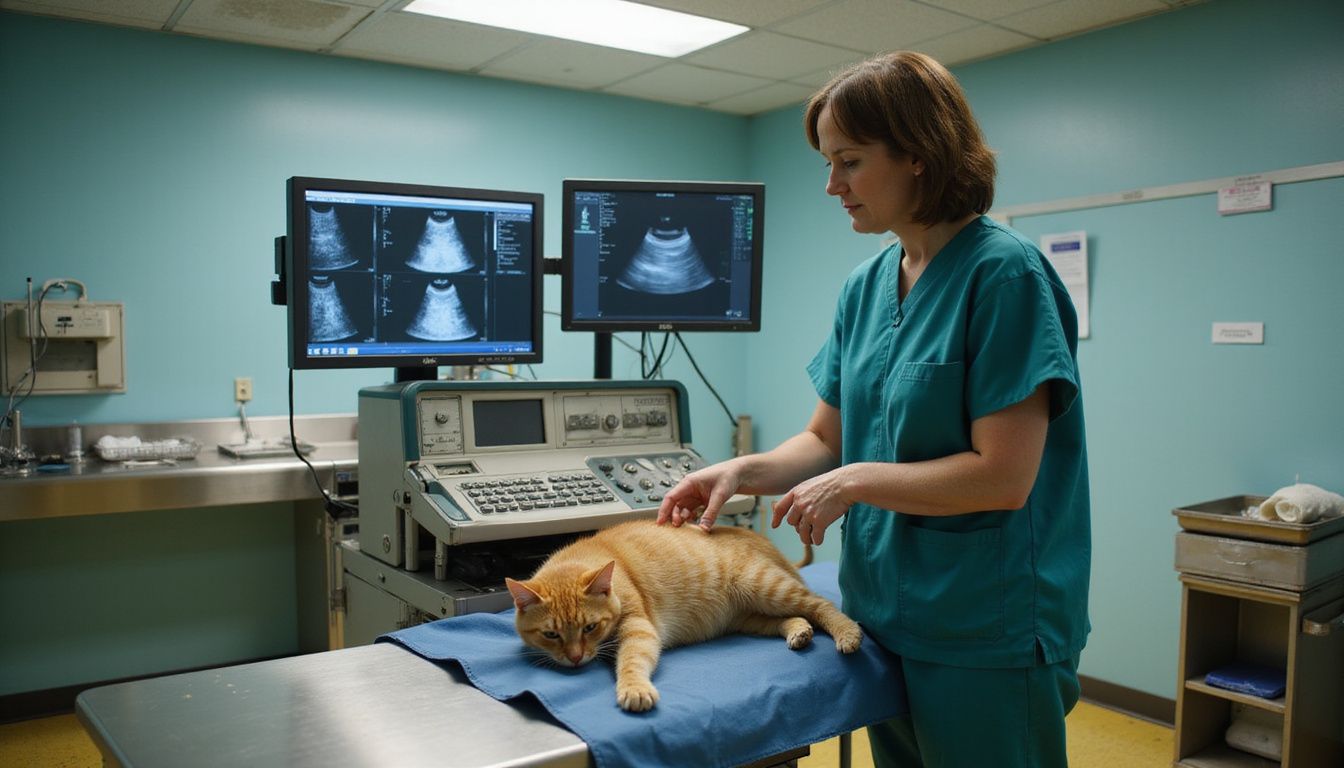
When your cat keeps throwing up, your vet uses imaging tools and advanced tests to find the real problem. Clinics usually take a step-by-step approach, starting simple and only escalating if needed, which also helps you plan financially.
| Diagnostic Step | What It Does | Typical Cost |
|---|---|---|
| Bloodwork and urinalysis | Checks organ function and hormone levels | Around $250 |
| Abdominal X-ray | Shows organ size, foreign bodies, or tumors | Around $150 |
| Ultrasound | Examines organ structure and can collect tissue samples | Around $450 |
| Endoscopy | Inspects the stomach and upper intestines directly | Up to $1,200 to $1,500 |
| Exploratory surgery | Locates and treats issues other tests can’t find | Around $2,300, including anesthesia and hospitalization |
Here’s what each of these tools actually tells your vet:
- Abdominal X-rays show organ size, spot foreign bodies, and reveal tumors. This is usually the first imaging step in most cat health investigations.
- Barium studies use a special dye to spot foreign objects stuck in the intestines and measure how well food moves through the gut.
- Ultrasound looks at organ structure in detail and lets vets collect tissue samples for a definite diagnosis, working especially well for suspected organ disease.
- Endoscopy uses a small scope to look directly at the stomach and upper intestines, letting your vet spot foreign objects and collect samples without full surgery.
- Exploratory surgery becomes necessary when vomiting won’t quit despite other tests, or when a foreign body is strongly suspected, and it may be needed for intestinal cancer or inflammatory bowel disease.
Recovery time varies a lot between these options. Endoscopy usually means just a few hours of recovery, while exploratory surgery takes weeks of healing.
Cardiology, oncology, and neurology specialists sometimes get involved if vomiting links to heart disease, cancer, or nervous system problems. These experts help solve the trickier cases that a general exam can’t fully explain.
Conclusion

Your future cat’s vomiting could stem from hairballs, diet changes, parasites, toxins, or something bigger like kidney disease and hyperthyroidism. Spotting the difference between acute vomiting, which strikes suddenly, and chronic vomiting, which sticks around for weeks, helps you act fast and protect your pet’s health.
Blood in the vomit, multiple episodes within hours, or lethargy all mean it’s time for emergency care at facilities like GSVS Veterinary Emergency Care in Toms River or MyVCA locations.
Simple habits like feeding smaller meals, avoiding sudden diet shifts, and keeping up with regular checkups catch problems before they turn serious.
Your vet has plenty of tools, physical exams, blood tests, X-rays, ultrasound, and sometimes endoscopy, to figure out what’s going on, then tailor treatment with fluids, anti-vomiting medication, or diet changes.
Taking these steps now, whether that’s prevention or catching a problem early, gives your future feline companion the best shot at a happy, healthy life.
FAQs
1. What are the common vomiting causes in cats?
Hairballs are actually the most common reason, especially in long-haired breeds. Cats also throw up from eating too fast, sudden diet changes, or food sensitivities. According to the Cornell Feline Health Center, occasional vomiting once or twice a month is usually normal, but frequent episodes need attention.
2. Should I change my cat’s diet if it keeps throwing up?
Yes, diet often plays a big role in stomach upset. Your vet might recommend a sensitive stomach formula or a gradual switch to higher-quality protein sources.
3. When should I take my cat to see a vet?
If your cat vomits more than twice in 24 hours, or you see blood or signs of pain, get to a vet right away. GSVS Veterinary Emergency Care in Toms River is available for urgent cases like these.
4. Can vomiting in cats be linked to other health problems?
Absolutely. Vomiting can signal issues like kidney disease, hyperthyroidism, or dental infections that make swallowing painful.
5. Do dogs throw up for the same reasons as cats?
Dogs and cats share some triggers like dietary indiscretion, but cats are unique because of their grooming habits and hairball formation. If you’re in Eatontown, NJ, MYVCA offers new pet owner guidance to help you understand what’s normal for your future cat.