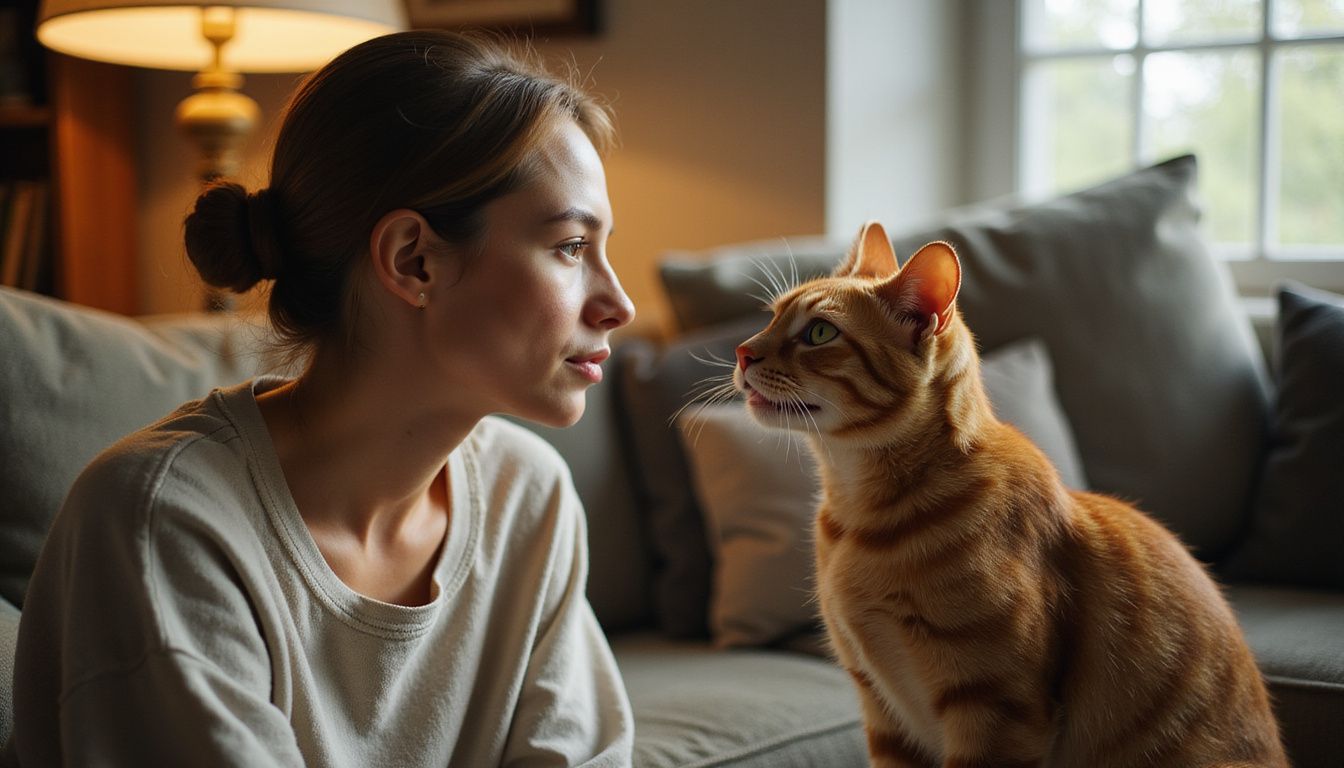
Ever catch your cat staring at you, letting out a strange little chirp, and wonder what in the world is going on in that furry head? If you’re…

Cat Behavior
How to Stop Cat Biting and Aggression: Step-by-Step Training & Redirecting Tips
Ever been mid-cuddle with your cat, feeling all warm and happy, when suddenly, a bite lands on your hand? That sting catches almost every cat owner off guard…
Cat Behavior
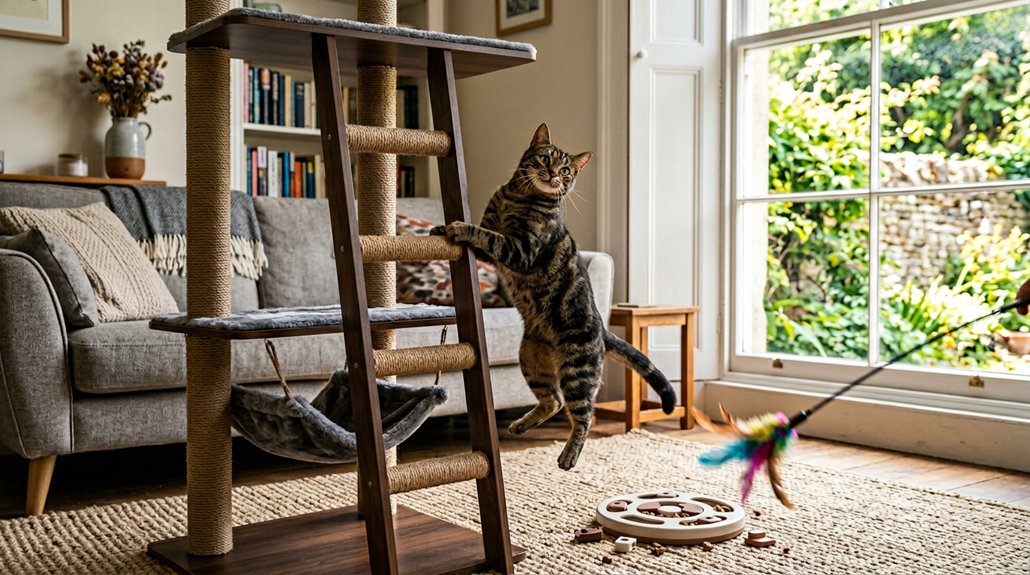
How to Keep Your Cat Mentally Stimulated at Home
To keep your cat mentally stimulated, use puzzle feeders and interactive toys that promote cognitive challenges. Schedule short play sessions around peak activity times, utilizing wand toys and…
Cat Behavior
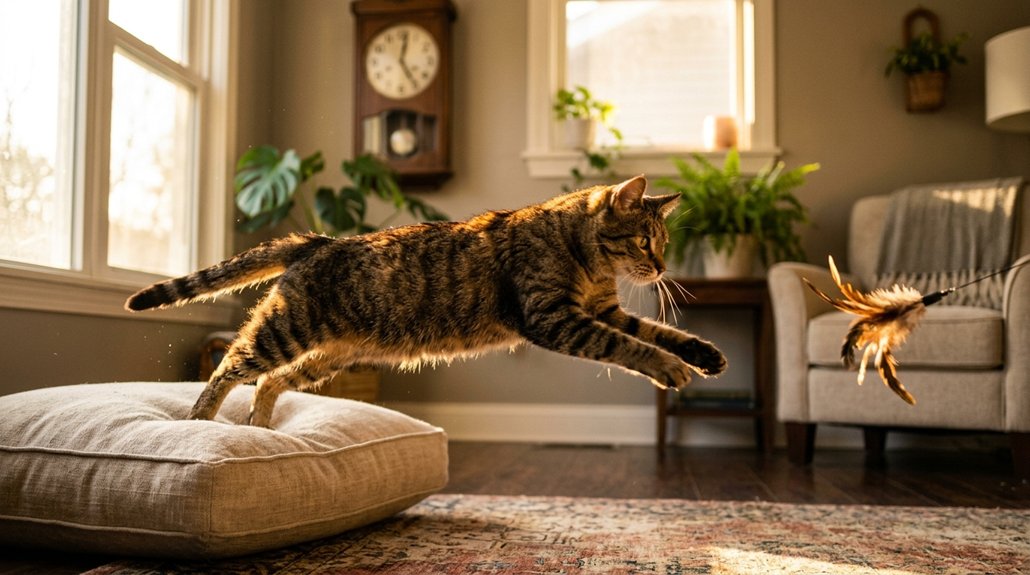
Why Cats Get Sudden Bursts of Energy
Cats experience sudden bursts of energy, known as zoomies, due to instinctual behaviors and energy management. These bursts often follow periods of rest when cats release stored energy.…
Cat Behavior
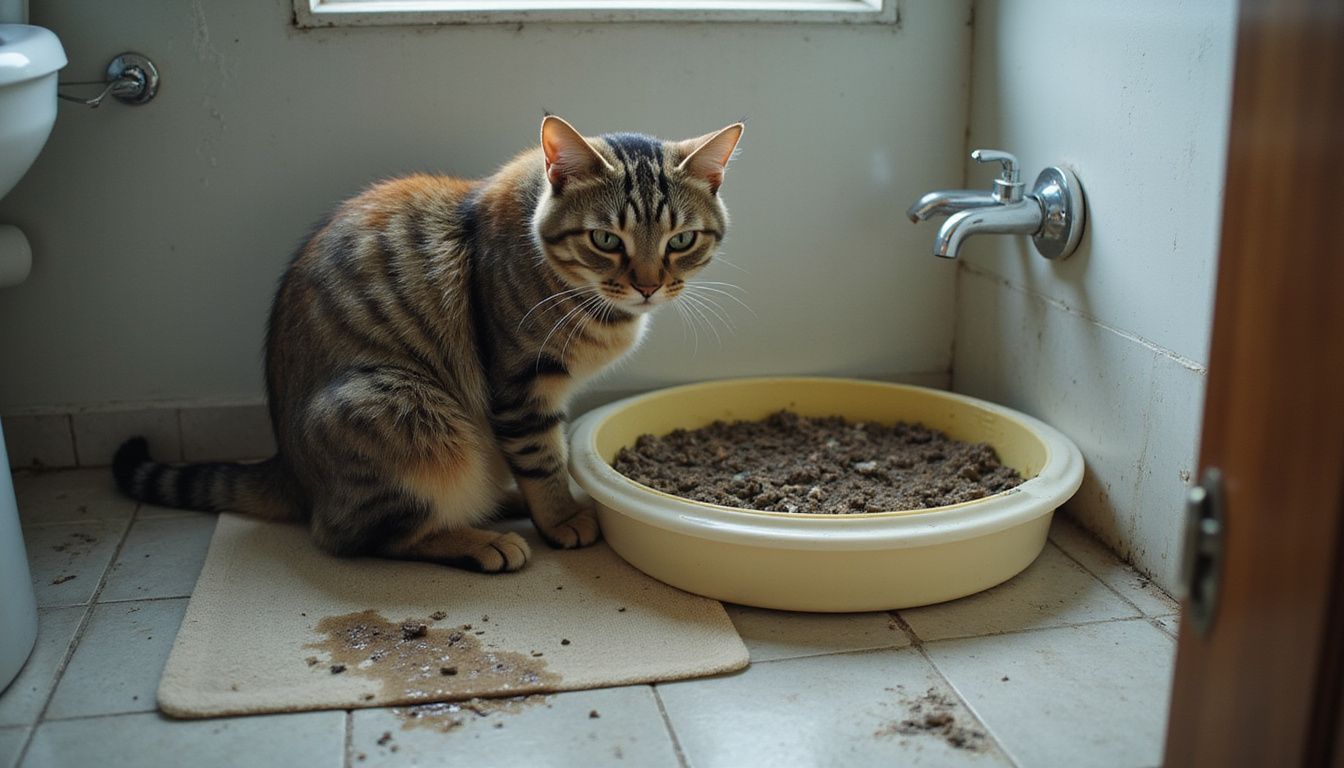
Why Cats Avoid the Litter Box: Common Causes, Solutions, and How to Fix It
Thinking about bringing a cat into your home, but worried about what happens if litter box training doesn’t go smoothly? You are not alone in that worry. Litter…
Cat Behavior
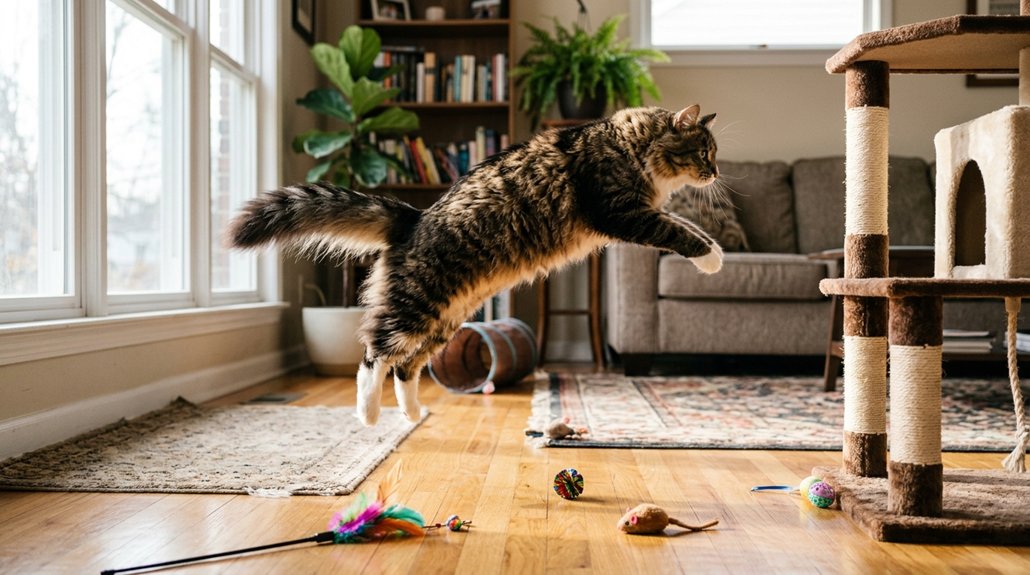
How to Manage High-Energy Behavior in Cats
To manage high-energy behavior in cats, recognize their crepuscular nature and engage them during peak activity times with brief play sessions. Use rotating and interactive toys to sustain…

Cat Behavior
What to Do When Your Cat Is Overactive at Night
To manage your cat’s nighttime overactivity, implement a structured play schedule involving 15-20 minutes of interactive play before sleep using engaging toys. Maintain a consistent feeding regimen to…
Cat Behavior
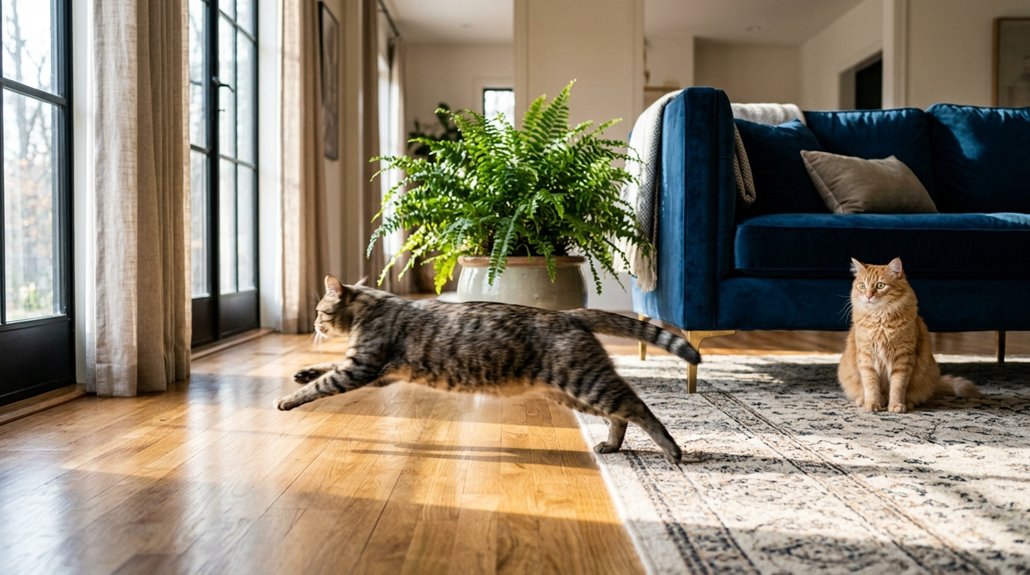
Why Cats Zoom Around the House (and When It’s Normal)
Cats zoom around due to frenetic random activity periods (FRAPs), a normal expression of pent-up energy and innate crepuscular behavior, particularly noticeable at dawn and dusk. It’s common…
Cat Behavior
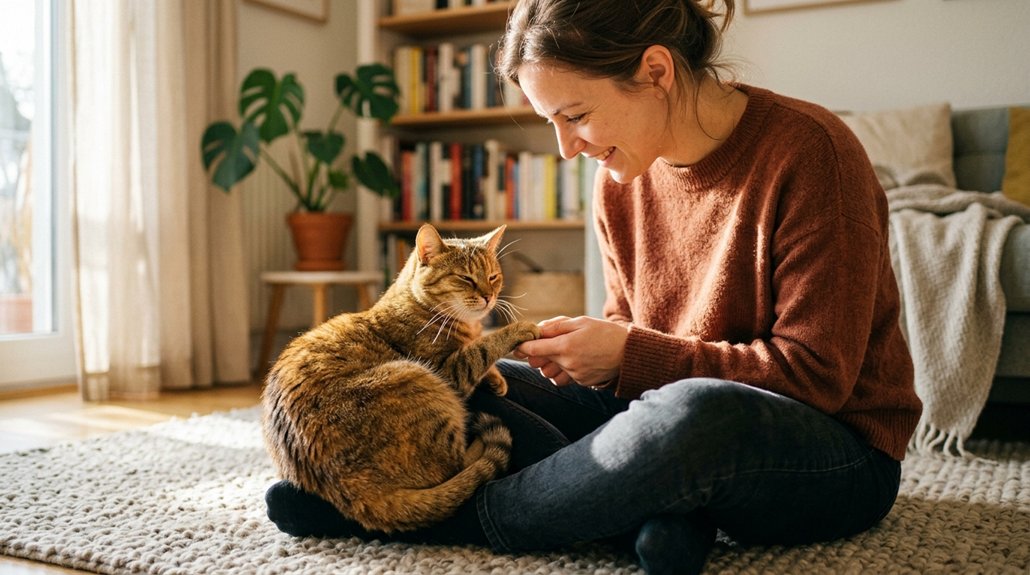
How to Build a Stronger Bond With Your Cat
Prioritize meeting your cat’s basic needs by providing easy access to food, water, and safe spaces. Respect their personal space, allowing independence and decompression in low-traffic areas. Engage…
Cat Behavior
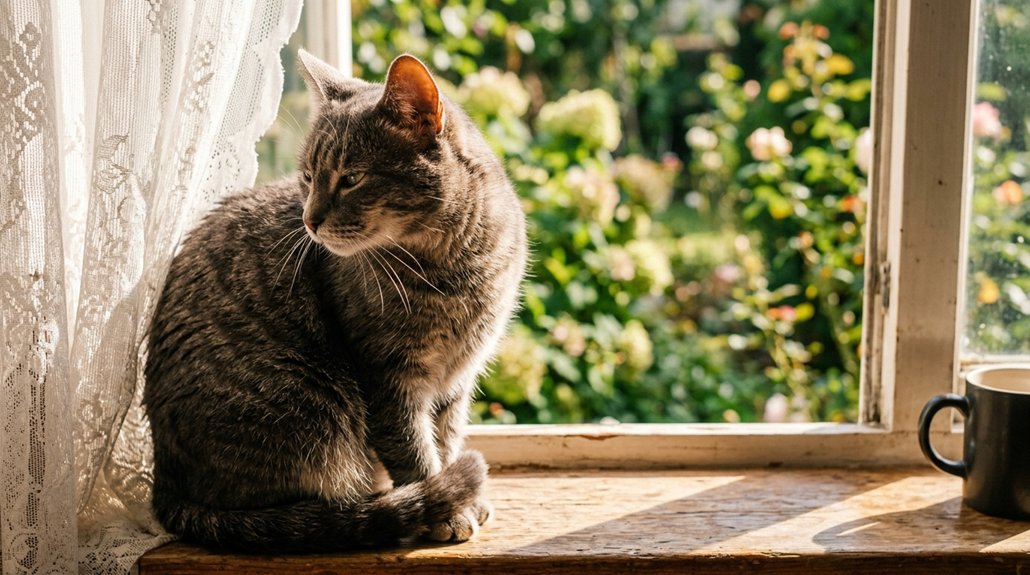
Why Your Cat Ignores You Sometimes
Cats may ignore you due to their inherent independence, rooted in their evolutionary background as solitary hunters. This aloofness might also stem from environmental factors or playful distractions.…
Cat Behavior
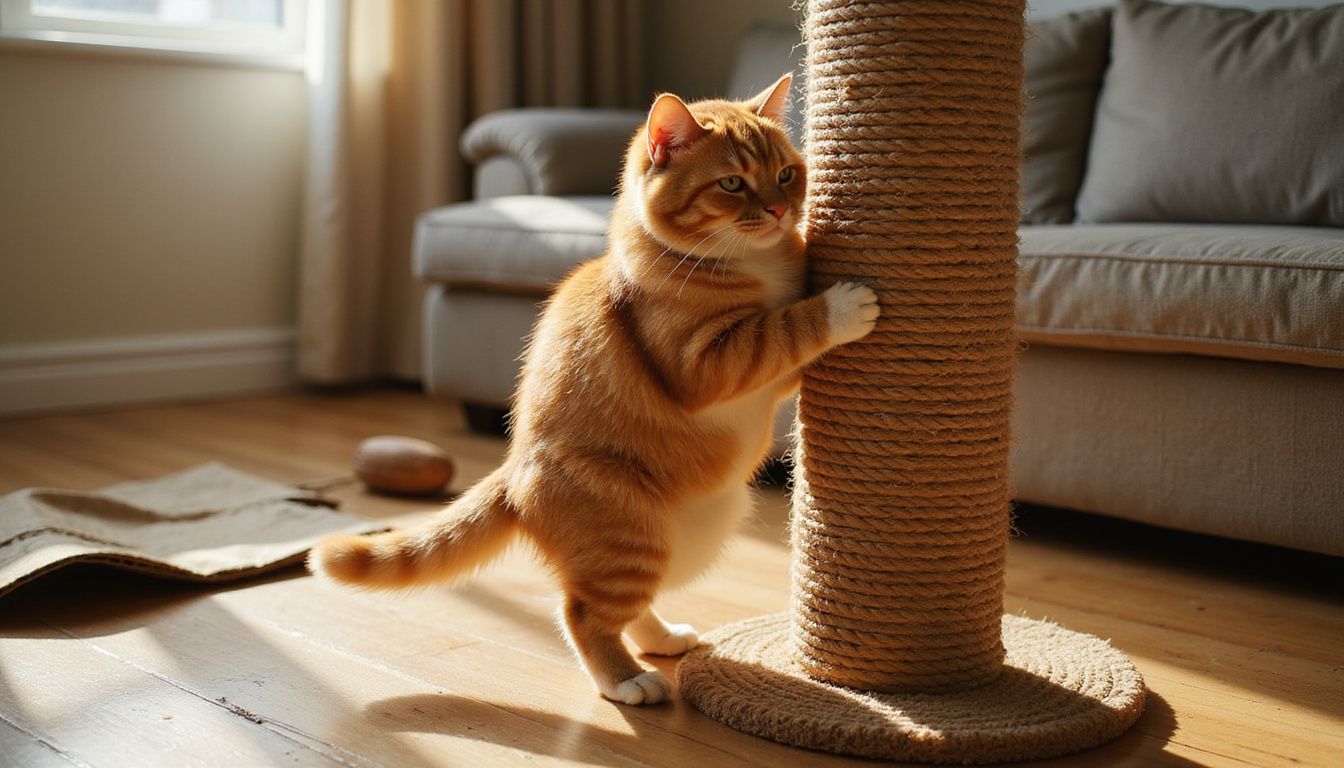
Why Cats Scratch: Alternatives to Declawing & How to Protect Your Furniture
Thinking about bringing home a cat, but worried about your favorite armchair? You’re picturing claw marks on your couch before you’ve even picked a name for your new…
Cat Behavior
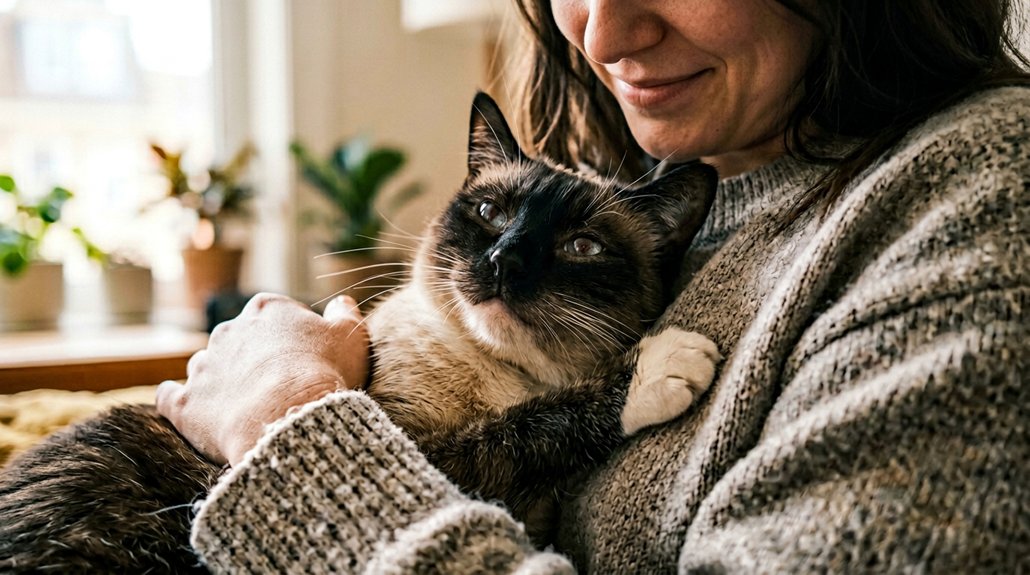
How Cats Show Affection (and What It Means)
Cats display affection through various behaviors and vocalizations, signaling their desire for closeness. When cats headbutt or give head rubs, they’re marking you with pheromones and showing attachment.…
Cat Behavior
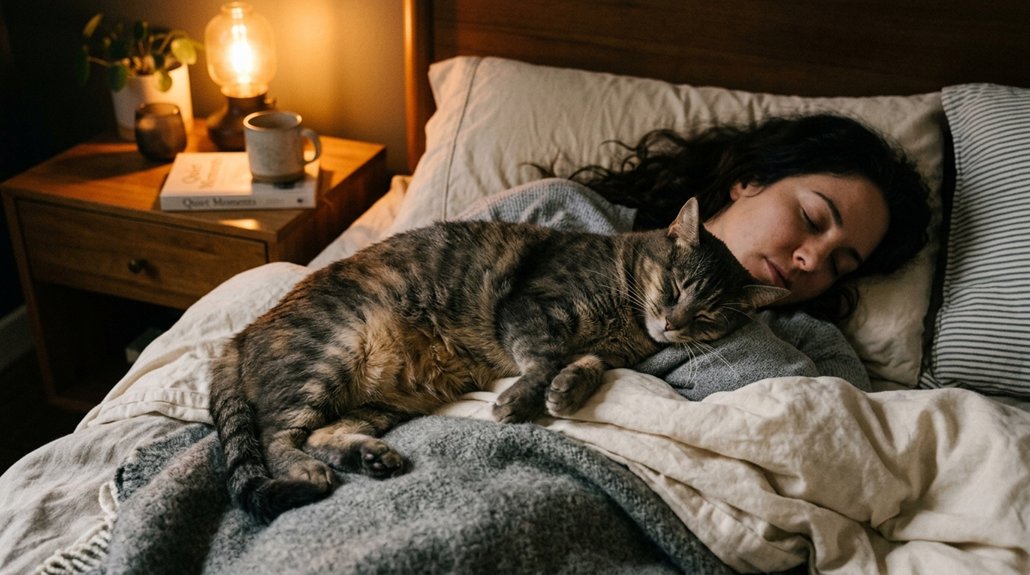
What It Means When Your Cat Sleeps on You
When your cat sleeps on you, it signifies deep trust and affection, reflecting a strong emotional bond. This behavior indicates your cat’s instinctual need for warmth and security,…
Cat Behavior
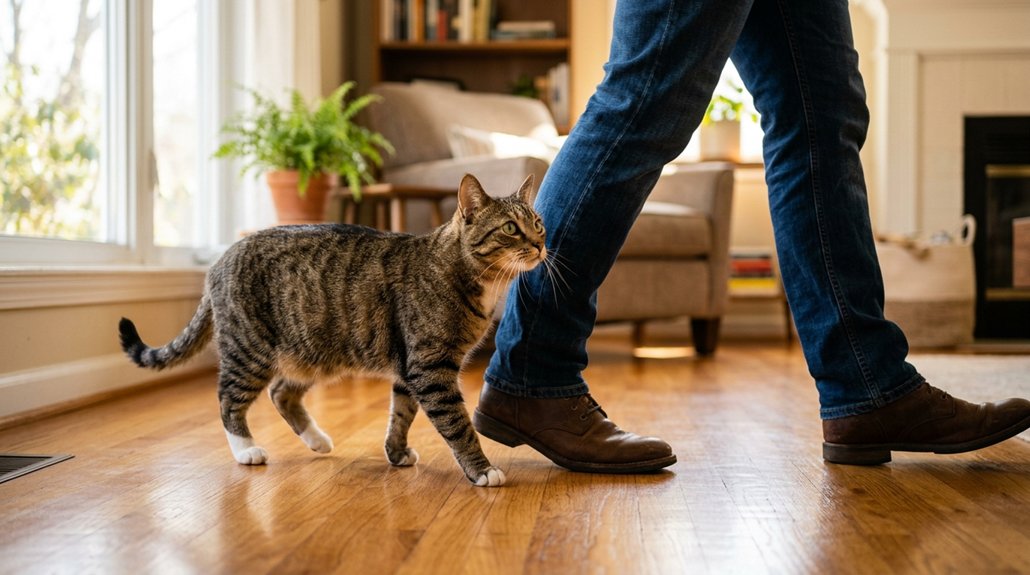
Why Cats Follow You Everywhere
Your cat follows you everywhere due to a combination of strong social bonding, curiosity, and protective instincts. As mealtime approaches, their trailing behavior often signals hunger. Routine and…
Cat Behavior
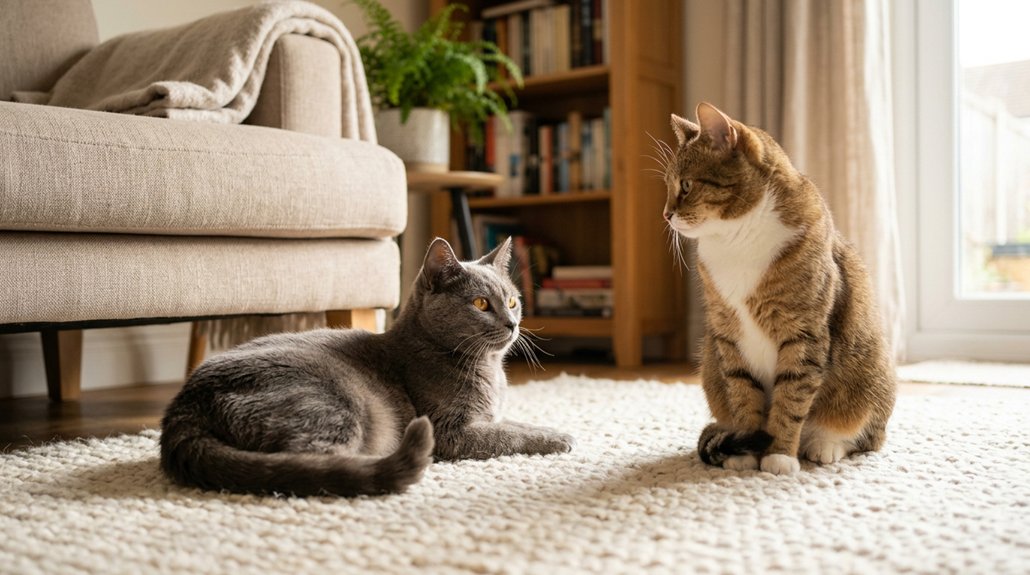
Signs Your Cats Are Bonding (or Not)
You can observe if your cats are bonding by noting behaviors such as curling up together, mutual grooming, or playful interactions like gentle chasing. These actions indicate trust,…