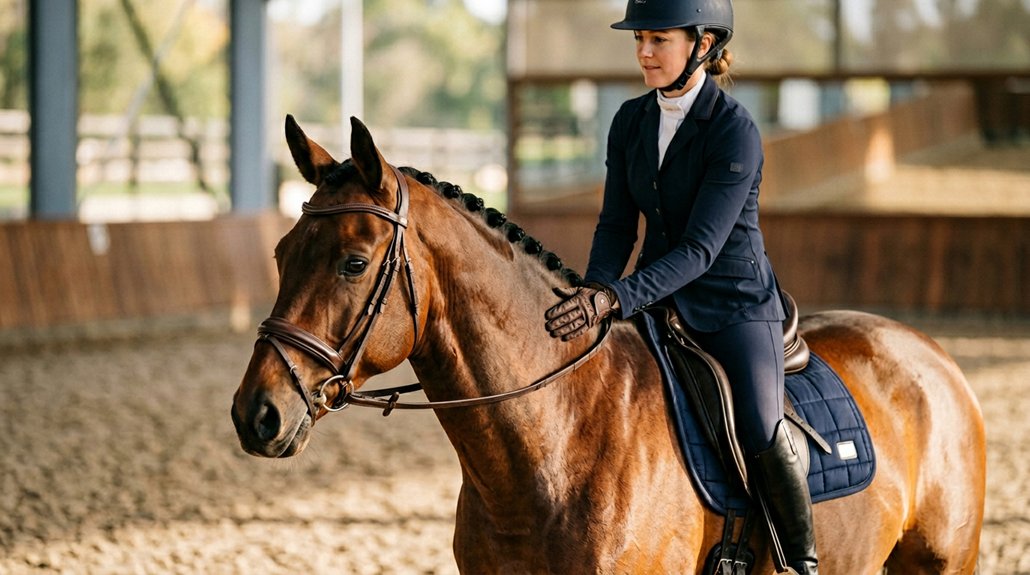
To build a strong rider-horse relationship, focus on understanding and trust. Start with respectful initial contact, paying attention to nonverbal cues like ear position and muscle tension. Prioritize…

Behavior & Training
How to Lead a Horse Properly and Safely
To lead a horse properly and safely, start with a well-fitted halter and a lead rope. Hold the rope correctly, standing on the horse’s left side. Use clear…
Behavior & Training
How to Improve Your Horse’s Ground Manners
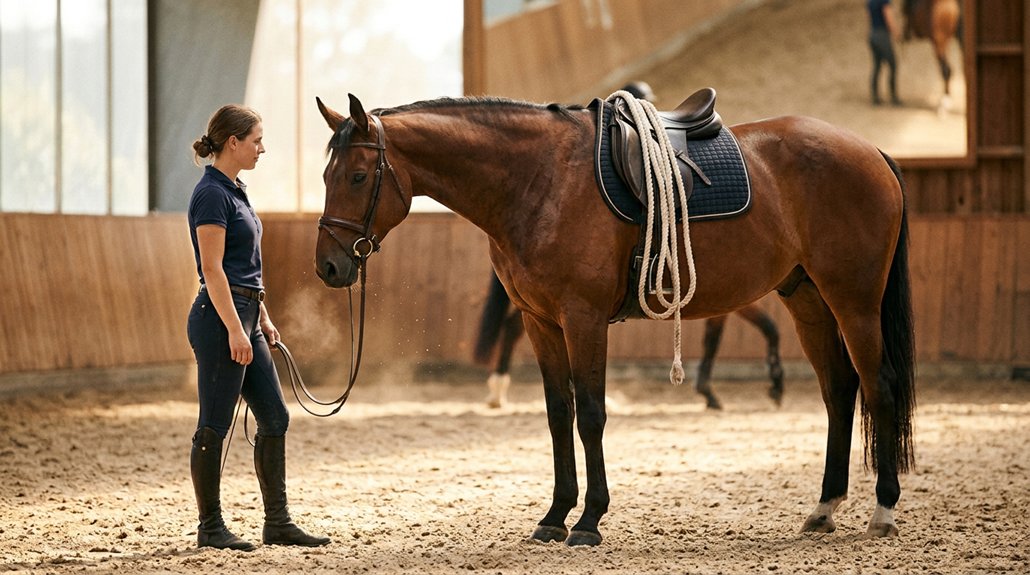
To improve your horse’s ground manners, establish clear personal space boundaries using body language and consistent reminders. Practice leading with precision, ensuring your horse stays slightly behind your…
Behavior & Training
How to Prepare a Horse for First-Time Riders
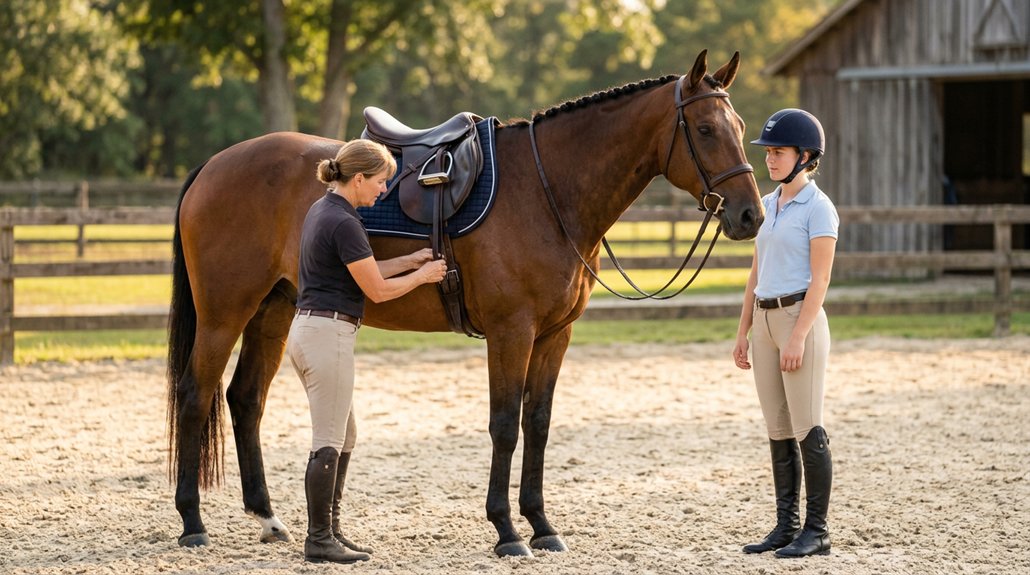
To prepare a horse for first-time riders, recognize its comfort signals like ear and tail positions. Build trust through groundwork, ensuring the horse sees you from both eyes.…
Behavior & Training
How to Train a Horse for Riding
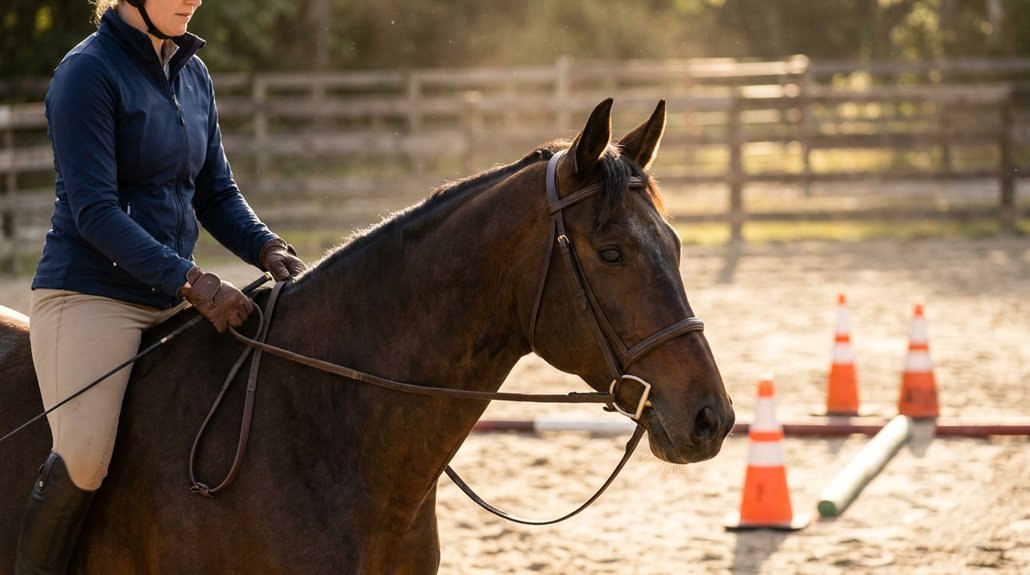
Begin training a horse for riding by focusing on groundwork to establish trust and communication. Use basic commands and gradual exposure to new stimuli to build confidence. Introduce…
Behavior & Training
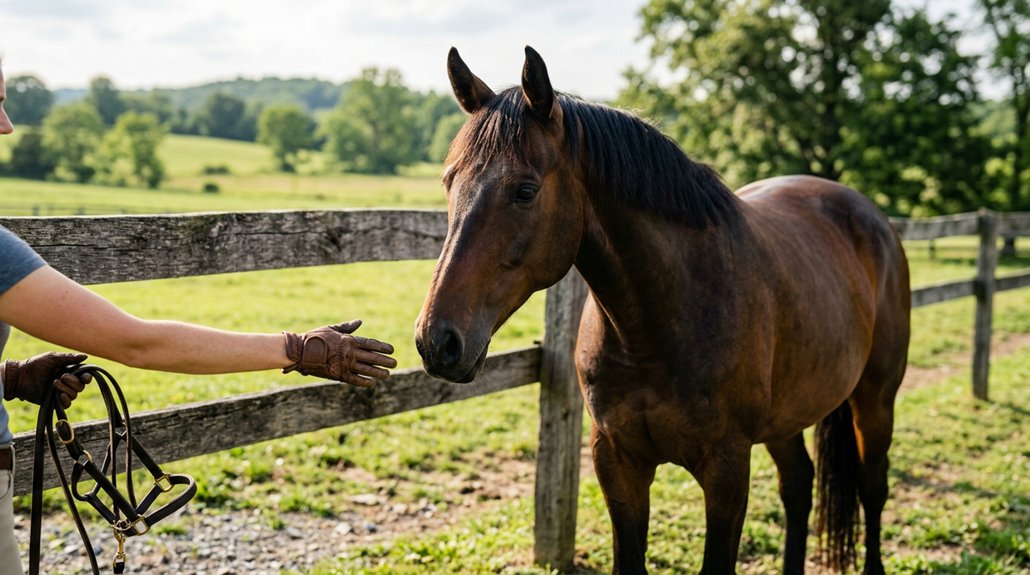
How to Set Boundaries With a Horse
To set boundaries with a horse, balance empathy and technique. Use consistent body language to signal personal space, reinforcing this without aggression. Gentle pressure and non-verbal cues help…
Behavior & Training
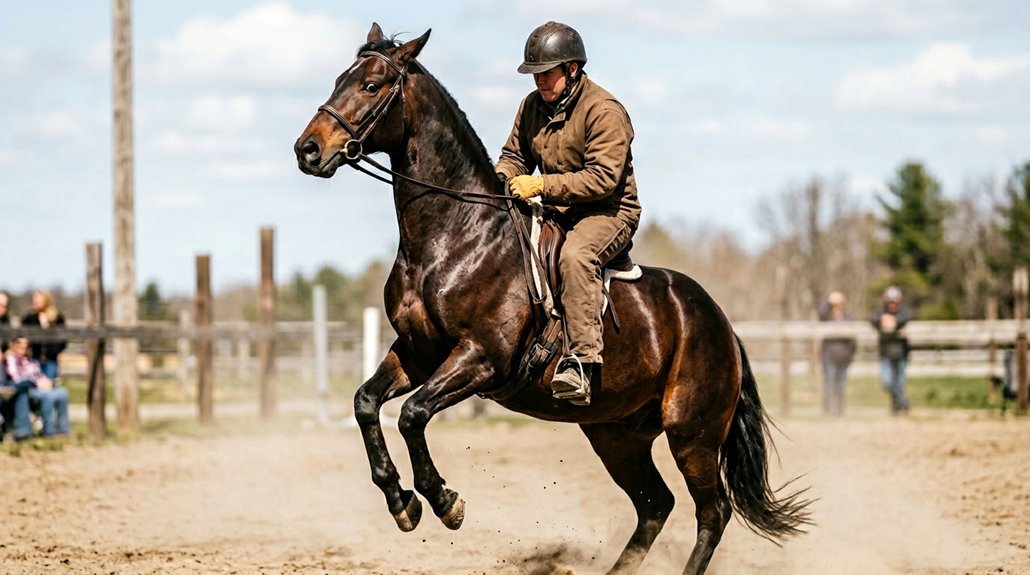
What to Do When a Horse Becomes Dangerous
When a horse becomes dangerous, stay calm, avoid sudden movements, and maintain a safe distance to de-escalate aggression. Identify triggers like overcrowding or pain, and document incidents to…
Behavior & Training
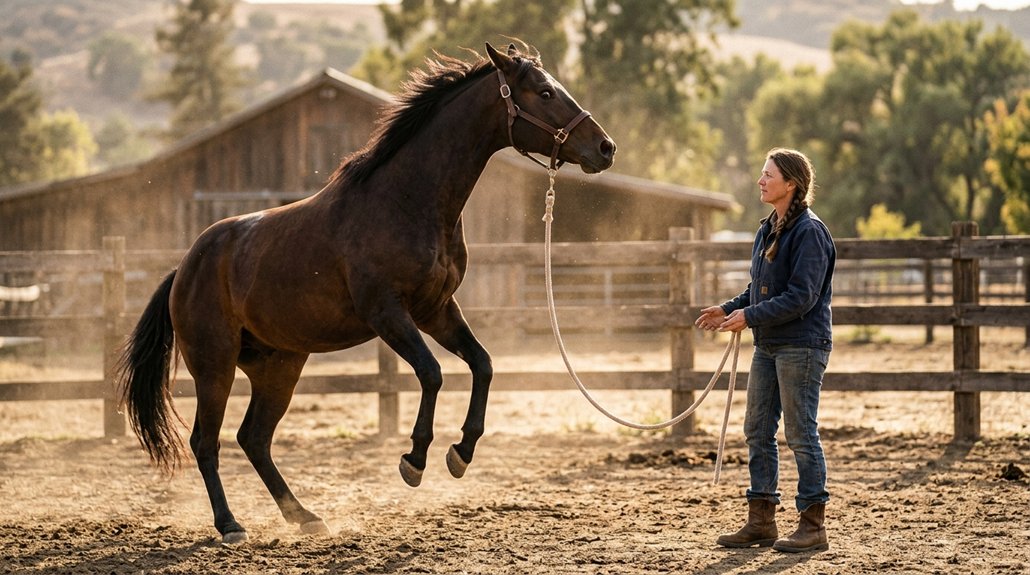
How to Handle Aggressive Behavior in Horses
To handle aggressive behavior in horses, first observe early signs such as pinned ears or rapid tail movements. Identify triggers like inadequate leadership or pain. Utilize pressure halters…
Behavior & Training
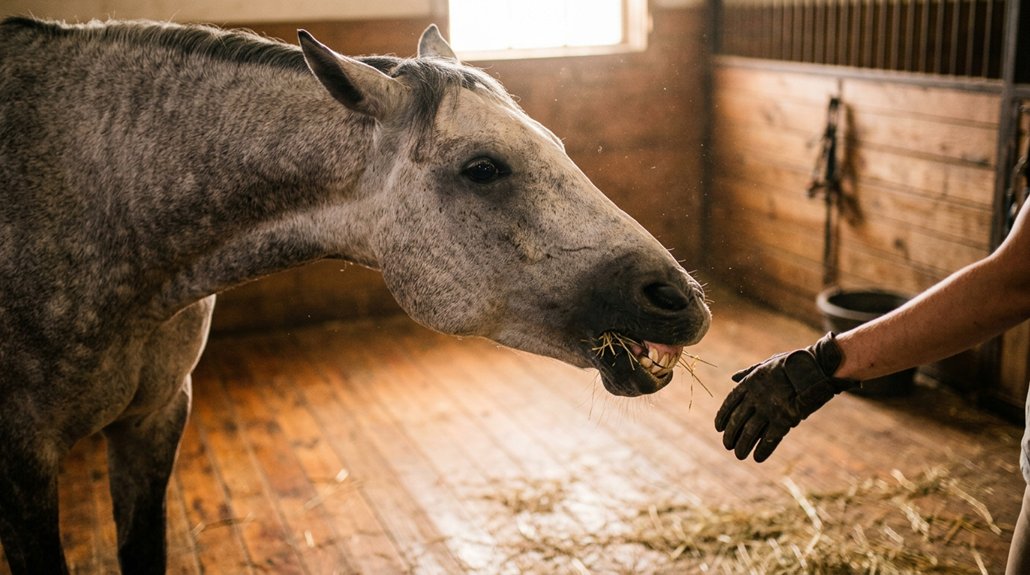
Why Horses Bite and How to Fix It
Horses bite for various reasons, including expressing natural instincts, boredom, or discomfort. Understanding these triggers is essential. Address biting by observing context, using positive reinforcement, and ensuring proper…
Behavior & Training
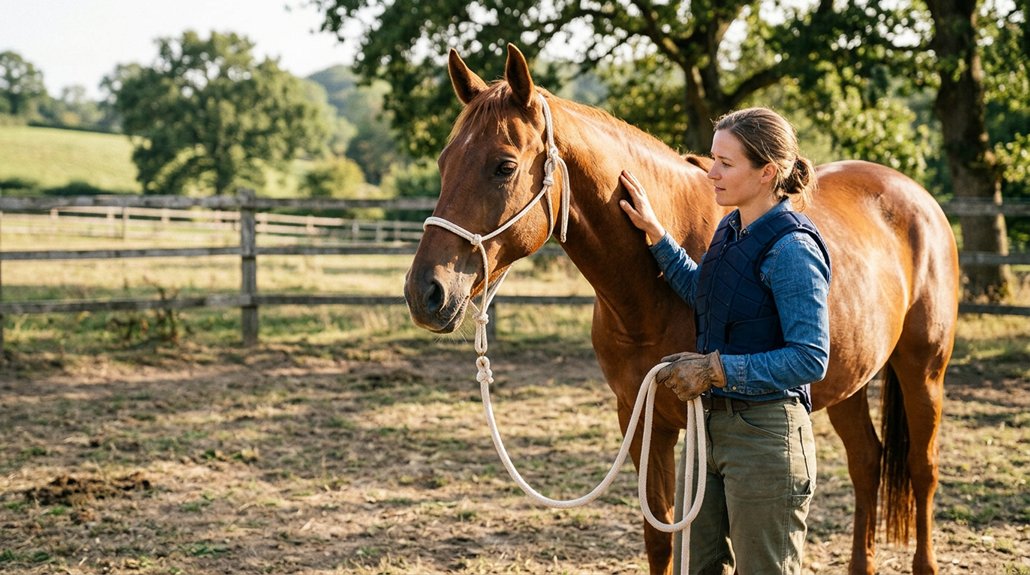
How to Stop a Horse From Biting or Kicking
To stop a horse from biting or kicking, monitor its body language for warning signs like pinned ears or pawing. Use firm verbal corrections and distraction techniques when…
Behavior & Training
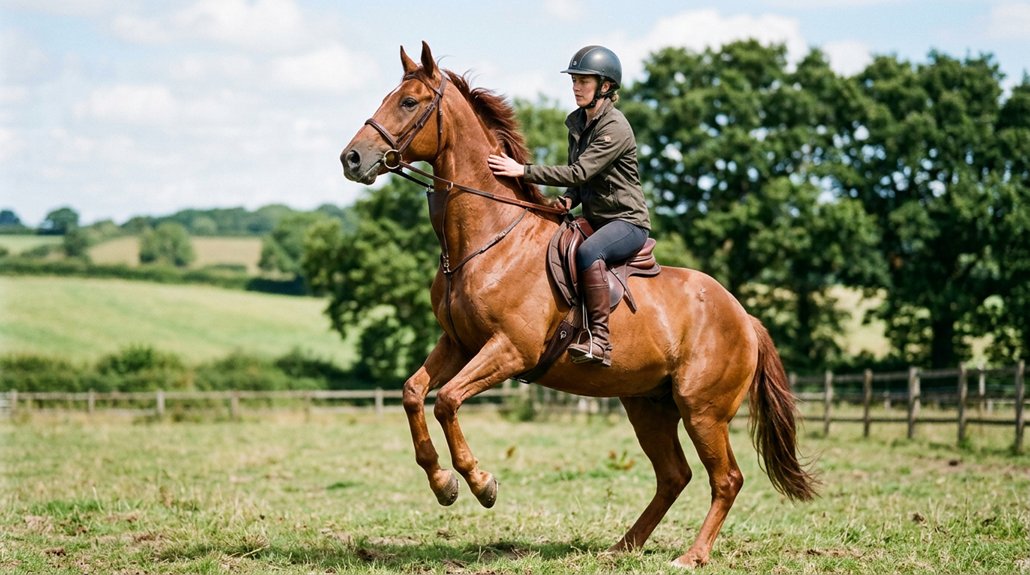
What to Do When Your Horse Is Easily Startled
When your horse is easily startled, focus on understanding its instincts and creating a soothing environment. Keep the stable clutter-free and introduce routines to lower anxiety. Pay attention…
Behavior & Training
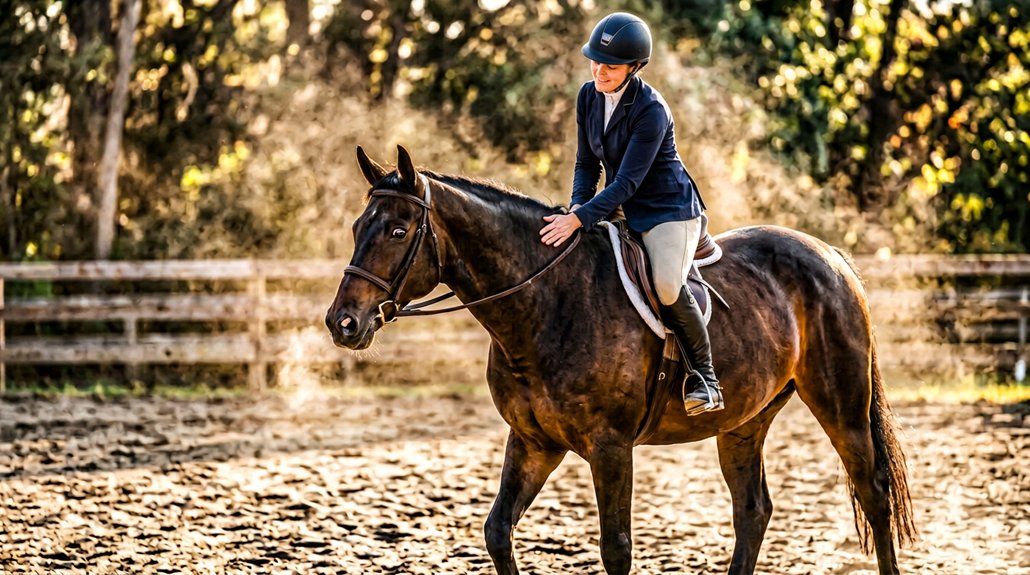
How to Build Confidence in a Fearful Horse
To build confidence in a fearful horse, focus on understanding its instincts and creating a predictable environment. Use groundwork techniques like approach and retreat to foster trust, while…
Behavior & Training
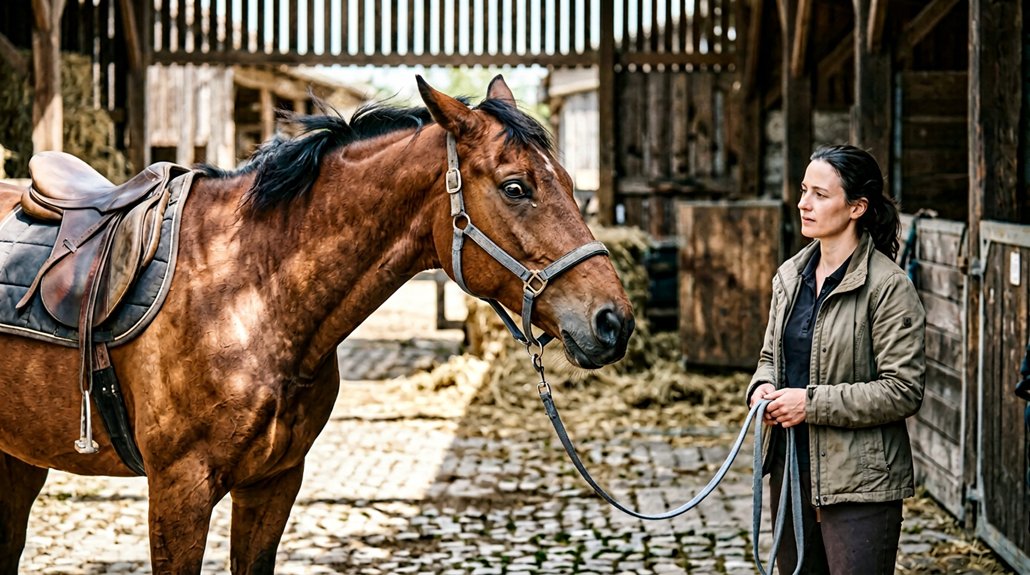
How to Calm an Anxious Horse
To calm an anxious horse, recognize environmental triggers and physiological signs like increased heart rate and pacing. Set achievable goals, fostering resilience and confidence. Create a secure environment,…
Behavior & Training
Why Horses Spook and How to Manage It
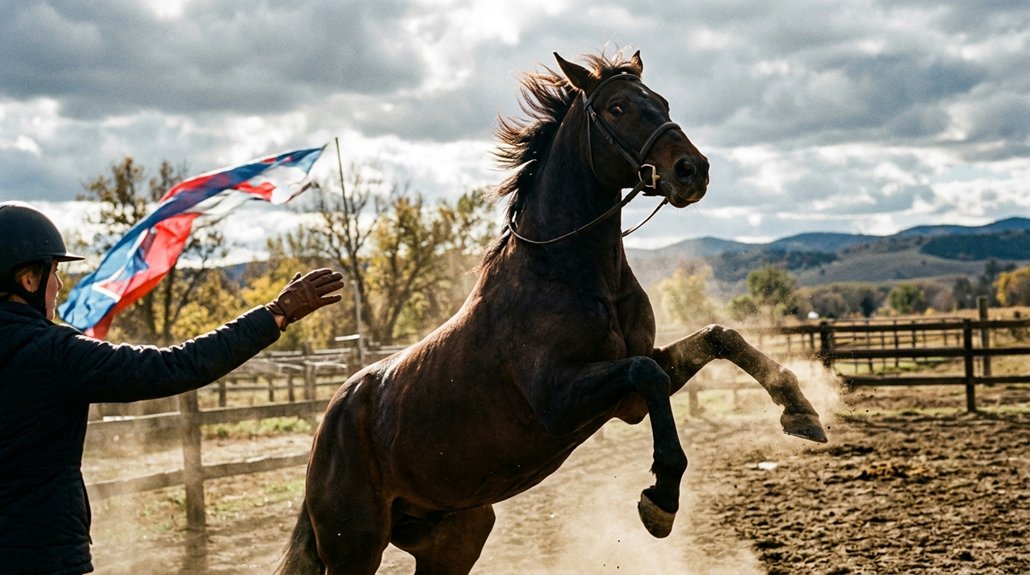
Horses spook because their acute senses are wired for survival, making them react to unfamiliar stimuli. Your anxiety can amplify their nervousness, so staying calm is essential. Building…
Behavior & Training
How to Handle a Nervous or Spooky Horse
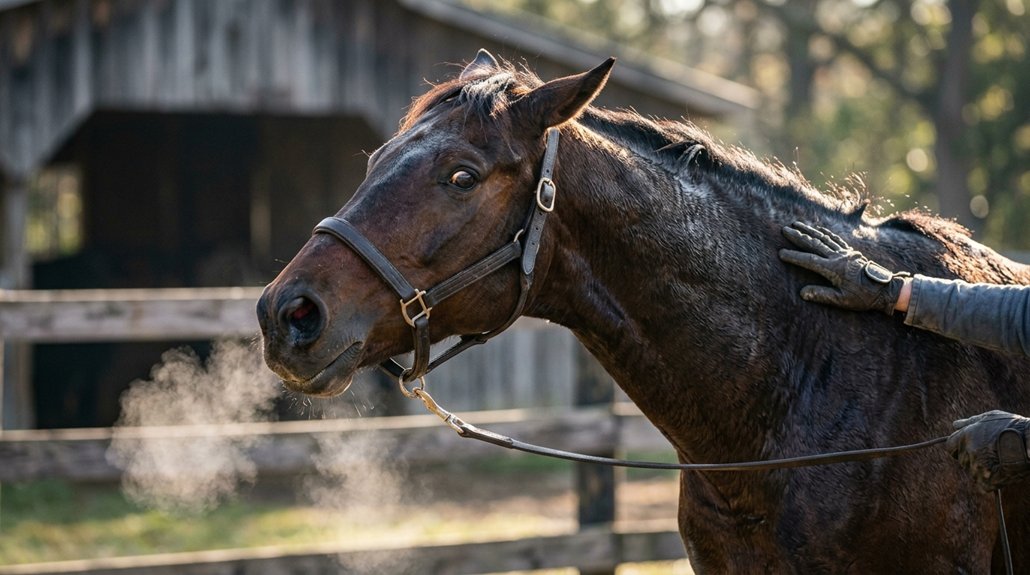
To handle a nervous or spooky horse, understand their triggers by observing sudden movements, noises, and new objects. Create a calm training environment, stay composed, and use positive…