
Ever catch your cat just staring off into space, and something about it feels off? You can’t quite explain why, but your gut says something’s wrong. Here’s the…
Cat Health & Wellness
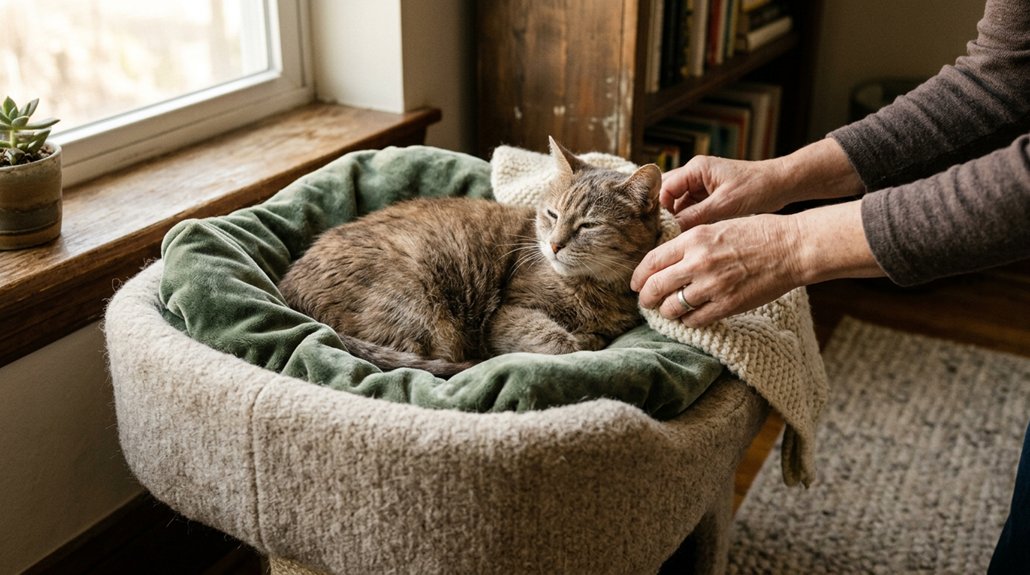
How to Keep an Older Cat Comfortable
To keep an older cat comfortable, create cozy corners with soft, warm beds and use ramps for areas they love but struggle to reach. Position their food, water,…
Cat Health & Wellness
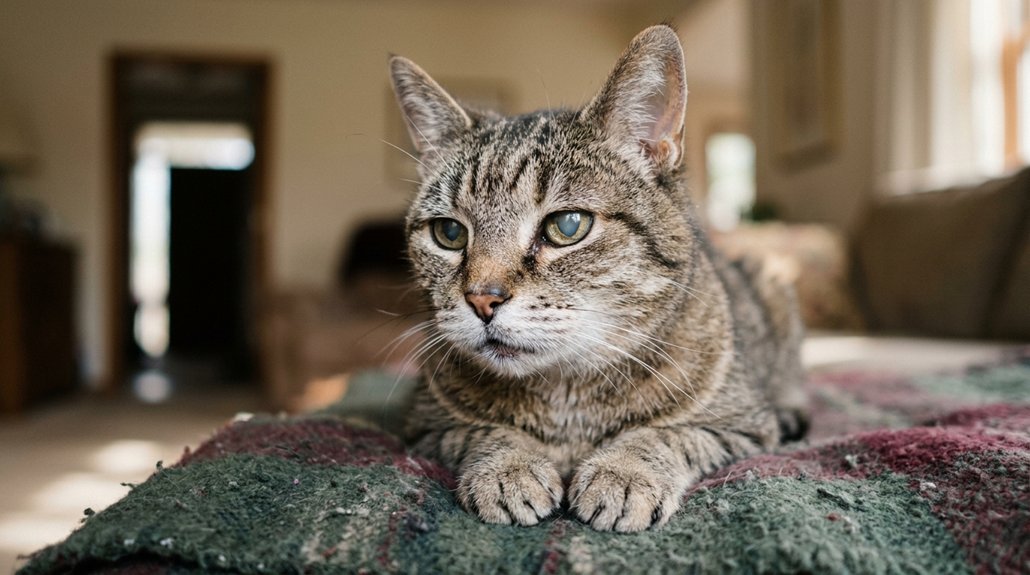
Signs Your Cat Is Aging Faster Than Normal
If your cat’s sleeping considerably more than usual, showing reluctance to play, or struggling with mobility, these may signal accelerated aging. Rapid weight changes or declining dental health…
Cat Health & Wellness
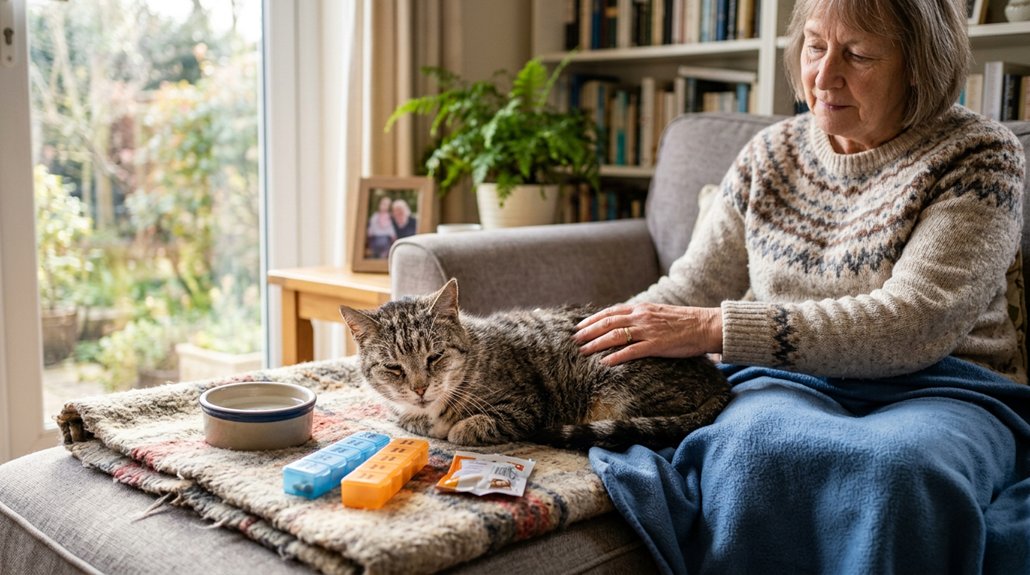
How to Care for a Senior Cat at Home
Caring for a senior cat involves tailored strategies to accommodate their changing needs. Regular grooming and accessible environments prevent discomfort and mobility issues. Diet and hydration adjustments, like…
Cat Health & Wellness
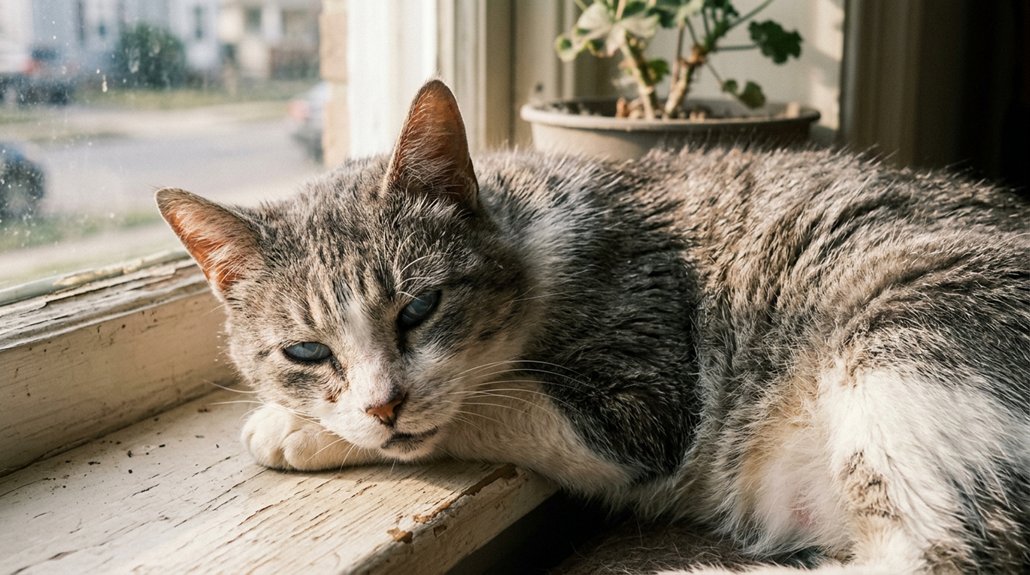
Common Health Issues in Older Cats
As your cat ages, expect common health concerns such as arthritis, kidney disease, obesity, and dental issues. Regular veterinary check-ups every six months are essential for early detection…
Cat Health & Wellness
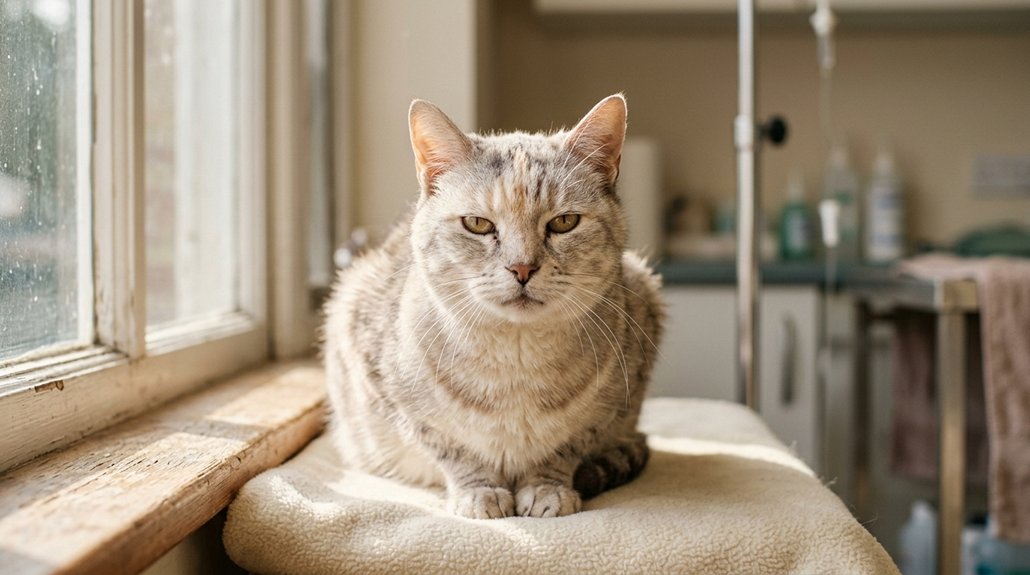
Senior Cat Health: What to Expect as Your Cat Ages
As your cat ages into its senior years, expect shifts in dietary needs, behavior, and health. Cats over 11 years require lower phosphorus and easily digestible proteins to…

Cat Health & Wellness
Best Foods for Supporting Cat Health
To support your cat’s health, prioritize a diet rich in high-quality animal proteins, essential amino acids like taurine and arginine, and healthy fats. Include vitamin A and B…
Cat Health & Wellness
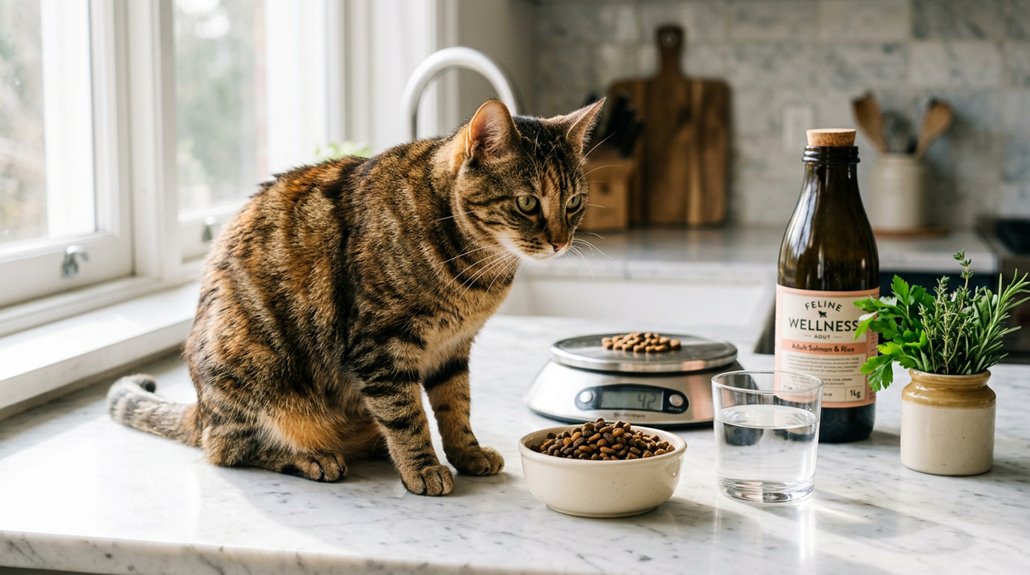
How Diet Affects Your Cat’s Health
Your cat’s diet markedly impacts their health, influencing their energy levels, coat quality, and longevity. As obligate carnivores, cats need high-protein diets from animal sources, rich in essential…
Cat Health & Wellness
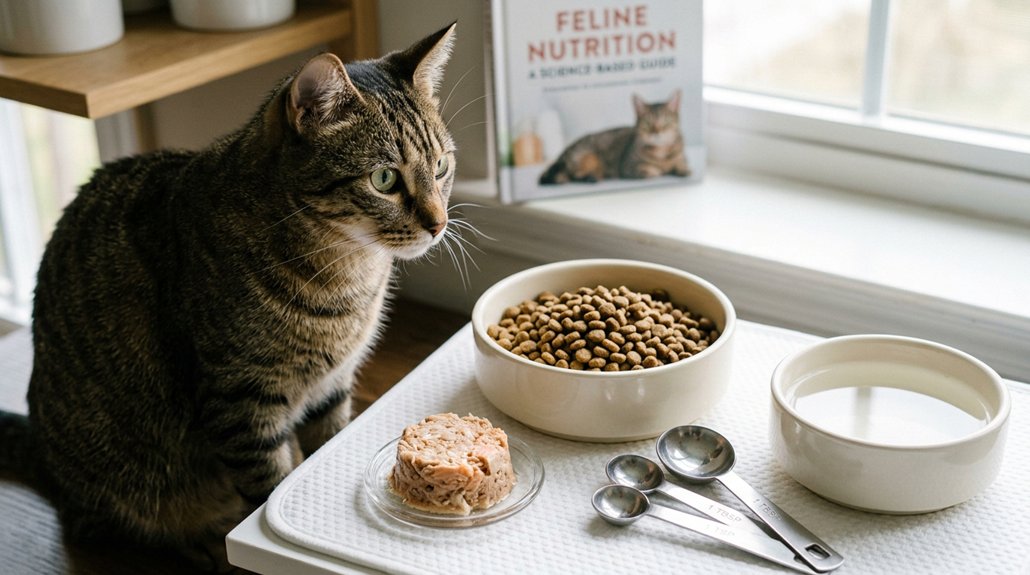
Cat Nutrition Basics: What Every Owner Should Know
Understanding cat nutrition is vital for your pet’s well-being. Cats are obligate carnivores, necessitating a diet rich in animal-based proteins and essential nutrients like taurine and vitamin A.…
Cat Health & Wellness
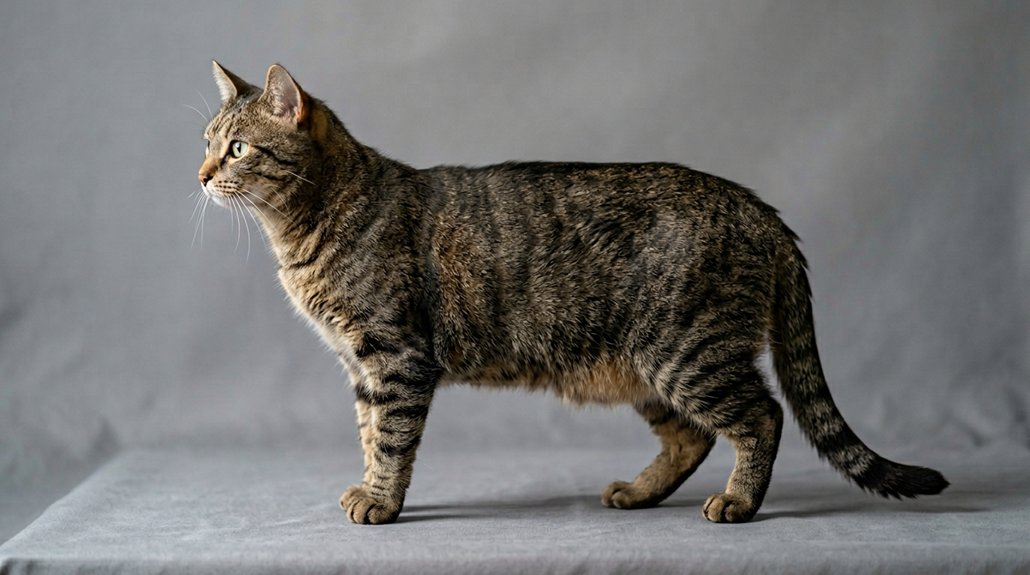
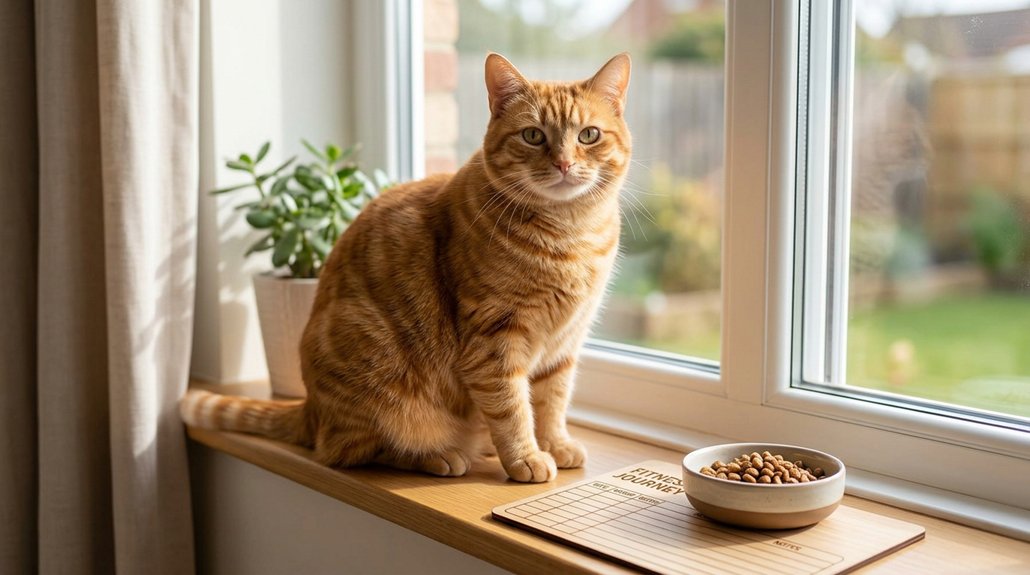
What Is a Healthy Weight for Your Cat?
A healthy weight for your cat generally ranges from 8 to 12 pounds, but this varies by breed, age, and lifestyle. For example, Abyssinians usually weigh 6-8 pounds,…
Cat Health & Wellness
How to Help an Overweight Cat Lose Weight
To help your overweight cat lose weight, consult your veterinarian for a customized weight loss plan and Body Condition Score assessment. Shift to a veterinary-prescribed diet with controlled…
Cat Health & Wellness
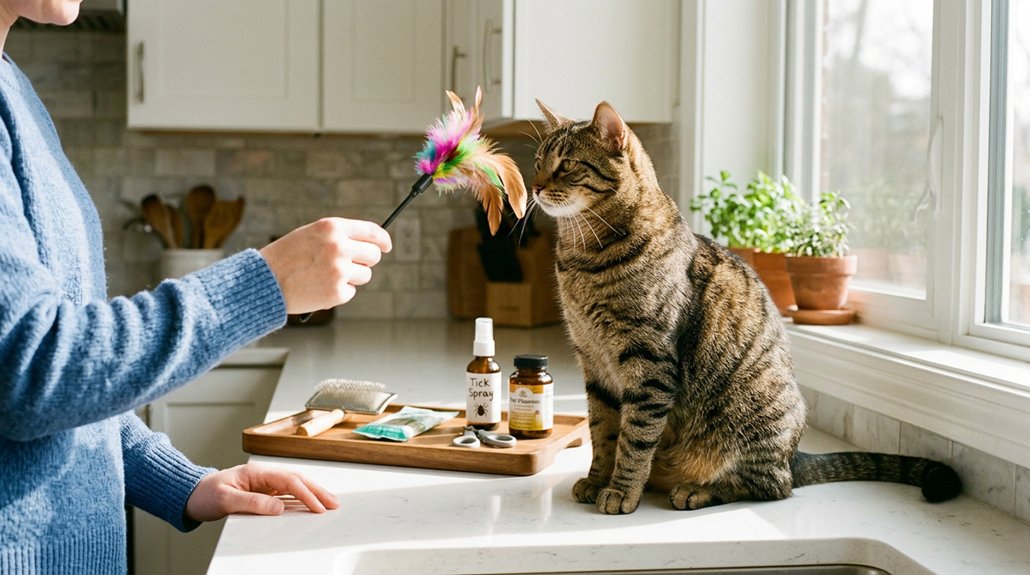
Preventative Care Tips for Keeping Your Cat Healthy
To keep your cat healthy, guarantee a balanced diet with high-quality food meeting AAFCO standards, and combine wet and dry options. Schedule regular vet visits for essential vaccines…
Cat Health & Wellness
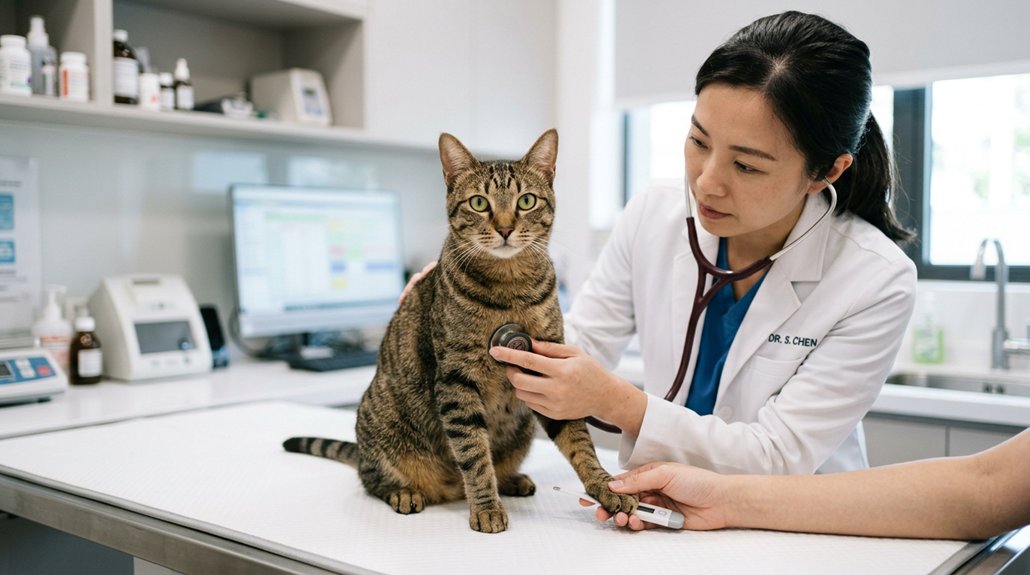
Why Regular Checkups Are Important for Cats
Routine vet visits are essential for your cat’s health and longevity. They establish a healthy baseline, allowing for the early detection of potential issues. Regular checkups can catch…
Cat Health & Wellness
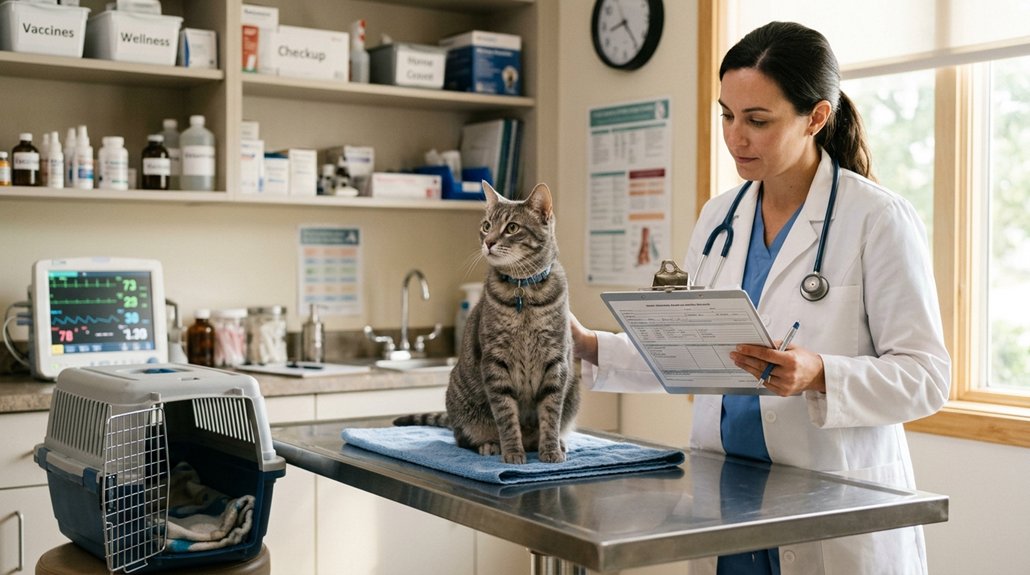
How Often Should You Take Your Cat to the Vet?
You should take your kitten to the vet within the first week of adoption and follow a vaccination schedule every 3–4 weeks until 16 weeks old. Adult cats,…

Cat Health & Wellness
What Vaccines Does Your Cat Really Need?
Your cat needs core vaccines like rabies and FVRCP for protection against serious diseases and legal compliance. Even indoor cats benefit from these, as they face risks from…