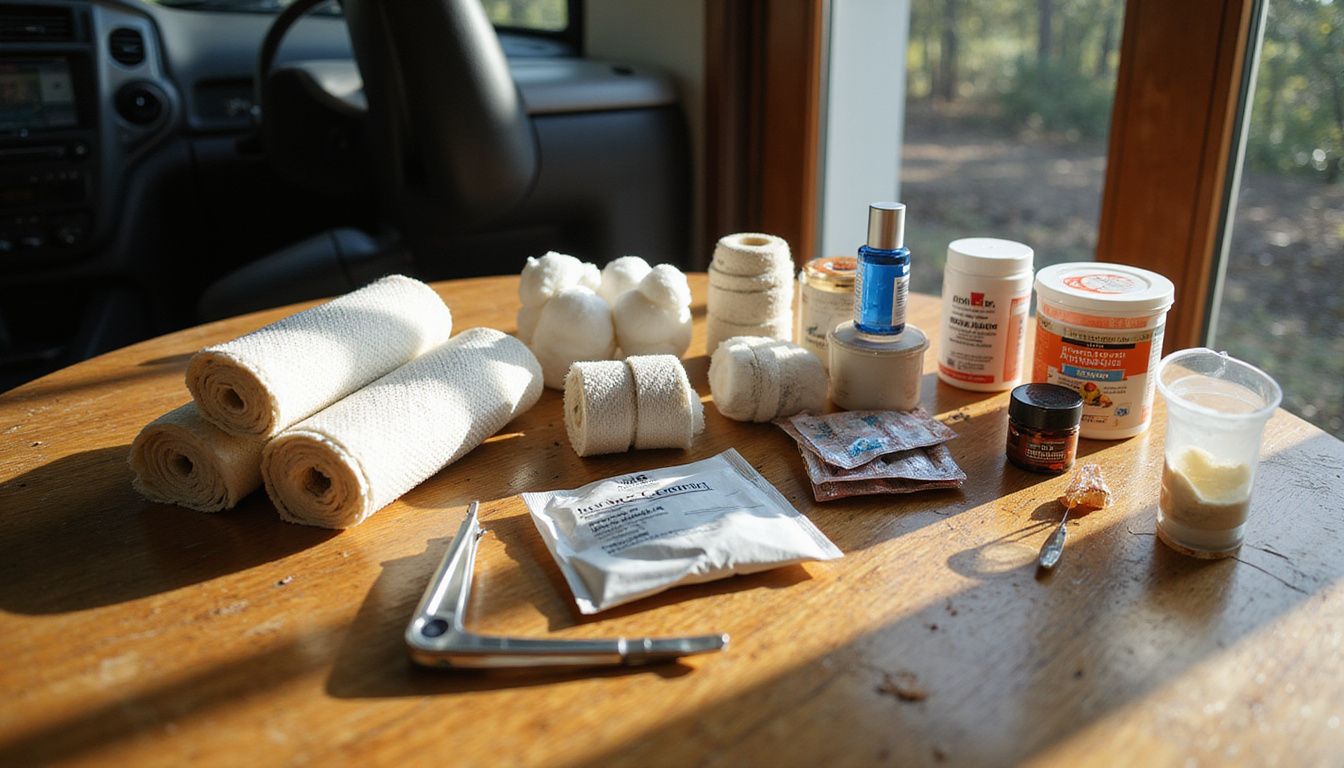
Your dog’s first aid kit acts as a safety net for those “uh-oh” moments. It’s stocked with supplies that handle everything from tiny scrapes to sudden emergencies, and…

Dog Health & Wellness
Caring for an Aging Pet: Common Senior Dog Health Issues and Solutions
Ever catch yourself staring at your dog’s graying muzzle and wondering where the time went? That slower walk to the food bowl and those extra afternoon naps are…
Dog Health & Wellness
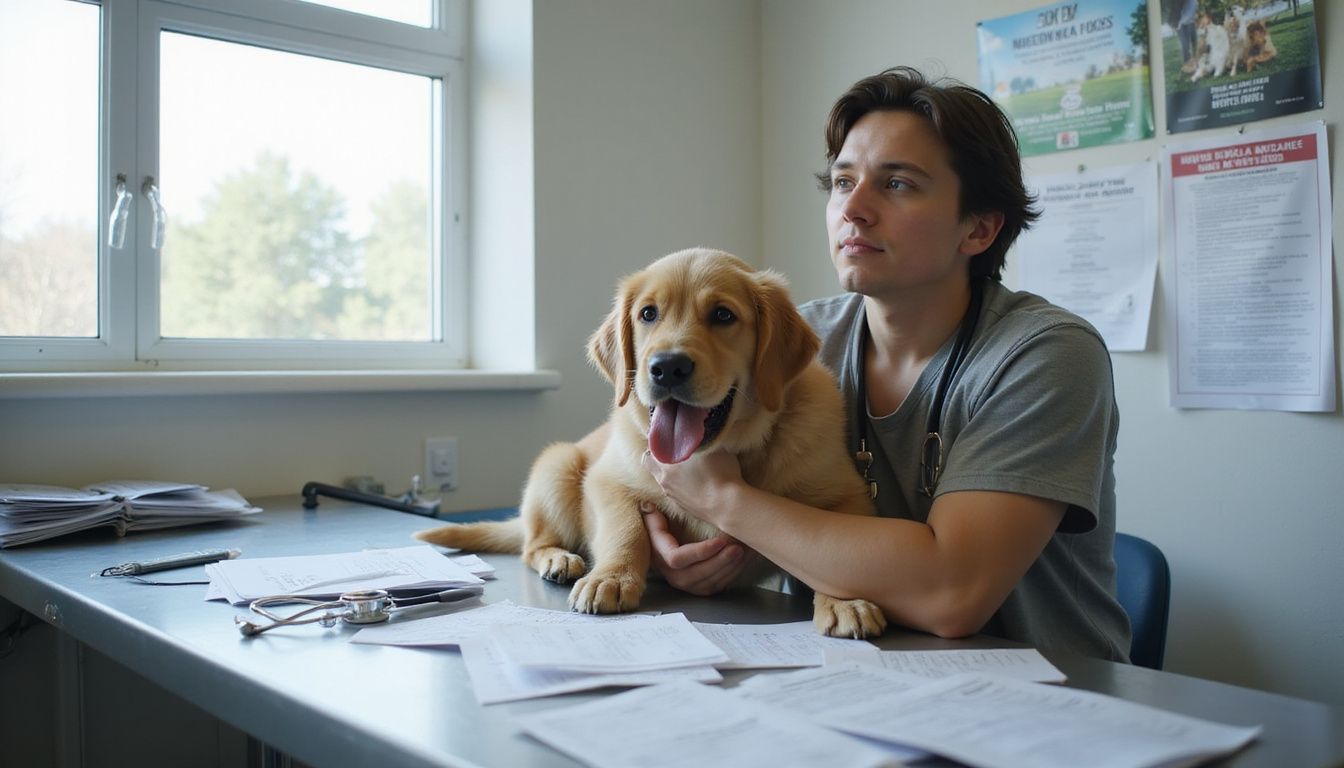
The Essential Dog Vaccine and Preventative Care Guide (Fleas, Ticks, & Heartworm)
You just brought your new dog home. Now you’re staring at a stack of paperwork about vaccines, flea treatments, and heartworm prevention. Your head might be spinning already.…
Dog Health & Wellness
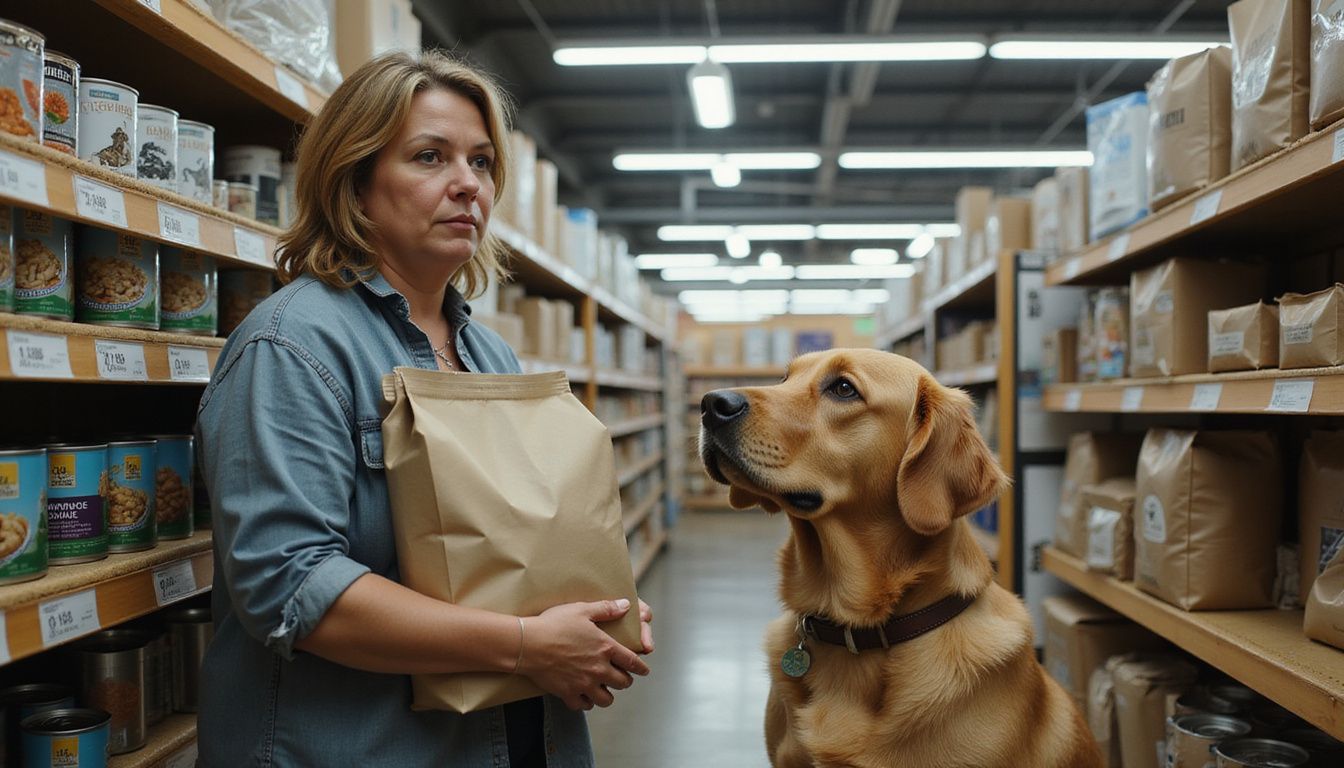
Dog Nutrition 101: How to Choose the Best Food for Your Dog’s Diet
Your dog needs specific nutrients to stay healthy and strong. Age, breed, size, and how active your dog is all shape what your pup should eat each day.…

Dog Health & Wellness
Dog Skin Allergies, Hot Spots, and Ear Infections: Symptoms and Treatment
Is your dog scratching at your bedroom door again tonight? You lie there listening to that thump-thump-thump of a paw against fur, wondering what’s actually going on under…
Dog Health & Wellness
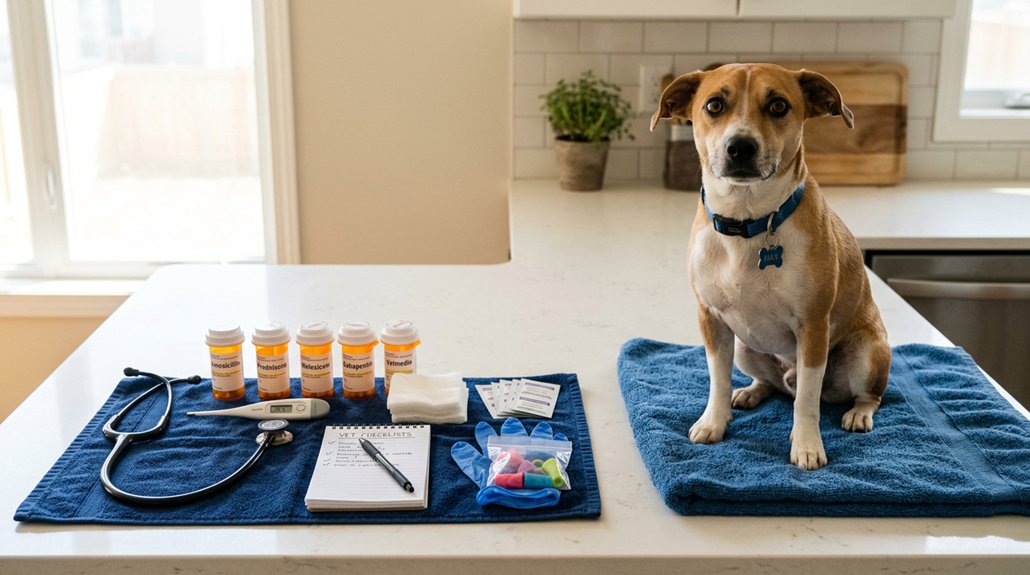
How to Prepare for Unexpected Dog Health Issues
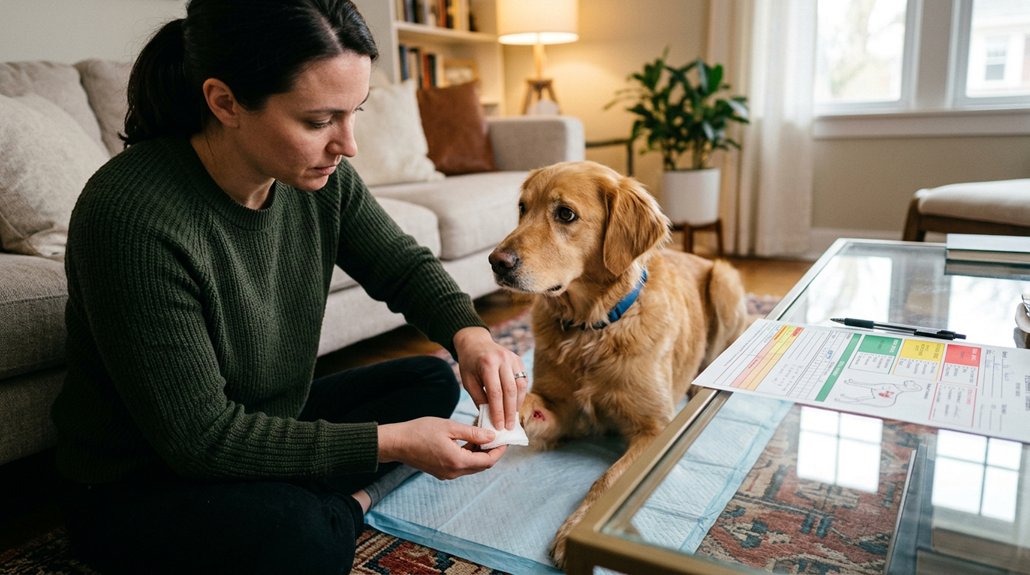
To prepare for unexpected dog health issues, regularly schedule veterinary check-ups and keep vaccinations current. Create a first-aid kit with essentials like bandages, antiseptic wipes, and a digital…
Dog Health & Wellness
When to Go to an Emergency Vet
If your pet shows signs like difficulty breathing, uncontrolled bleeding, or persistent vomiting, it’s crucial to get emergency veterinary care immediately. These symptoms may lead to serious health…
Dog Health & Wellness
First Aid Tips Every Dog Owner Should Know
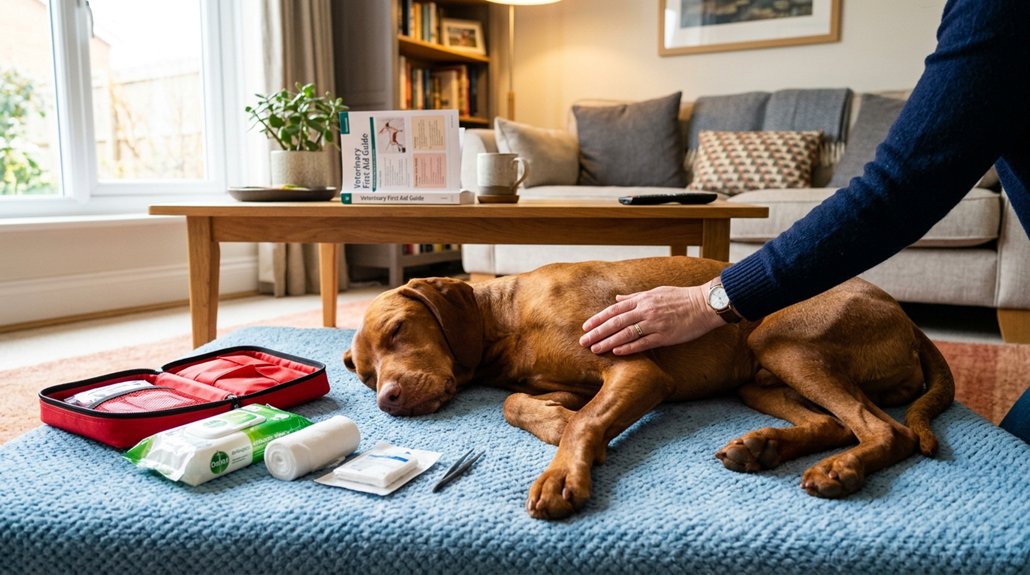
You should always have a well-stocked dog first aid kit with essentials like gauze pads, adhesive tape, and a thermometer. If your dog bleeds, apply pressure and elevate…
Dog Health & Wellness
How to Recognize an Emergency in Dogs
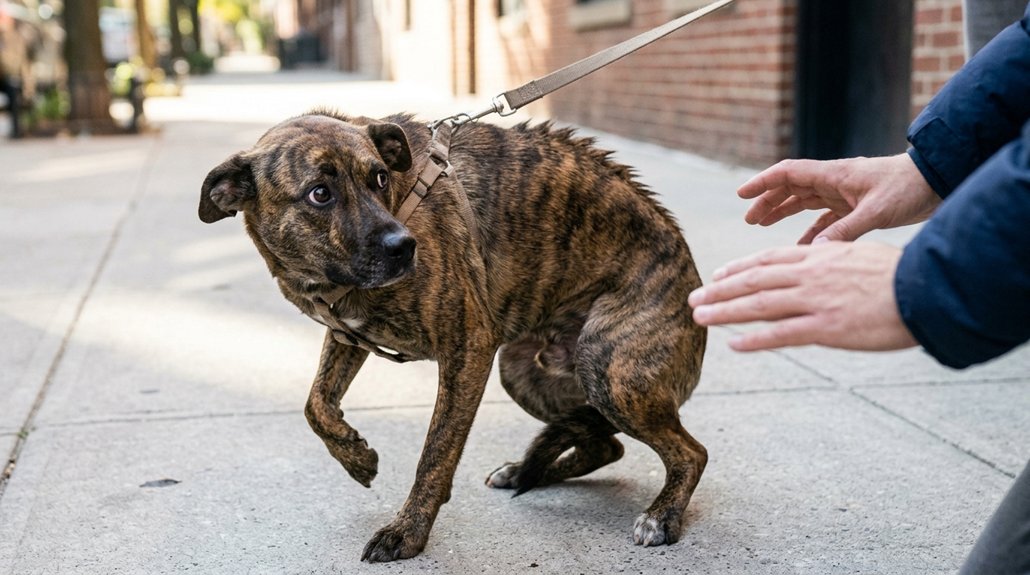
To recognize an emergency in dogs, watch for sudden behavioral changes like aggression, withdrawal, or uncharacteristic vocalization. Look for signs of distress such as seizures, collapse, or difficulty…
Dog Health & Wellness
What to Do in a Dog Health Emergency
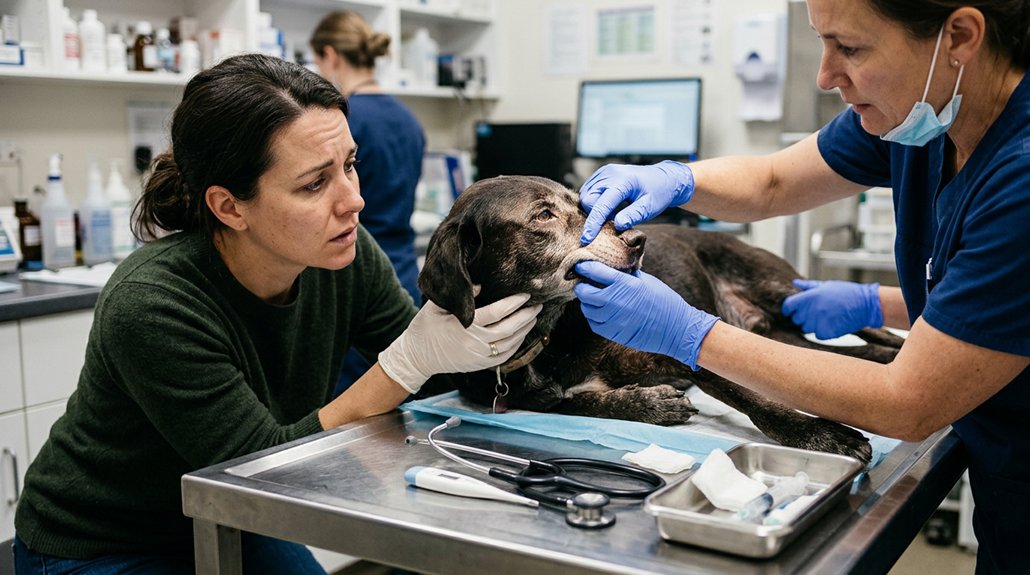
In a dog health emergency, quick action is essential. First, assess the environment for safety, then calmly comfort your dog to reduce stress. Contact your vet immediately, detailing…
Dog Health & Wellness
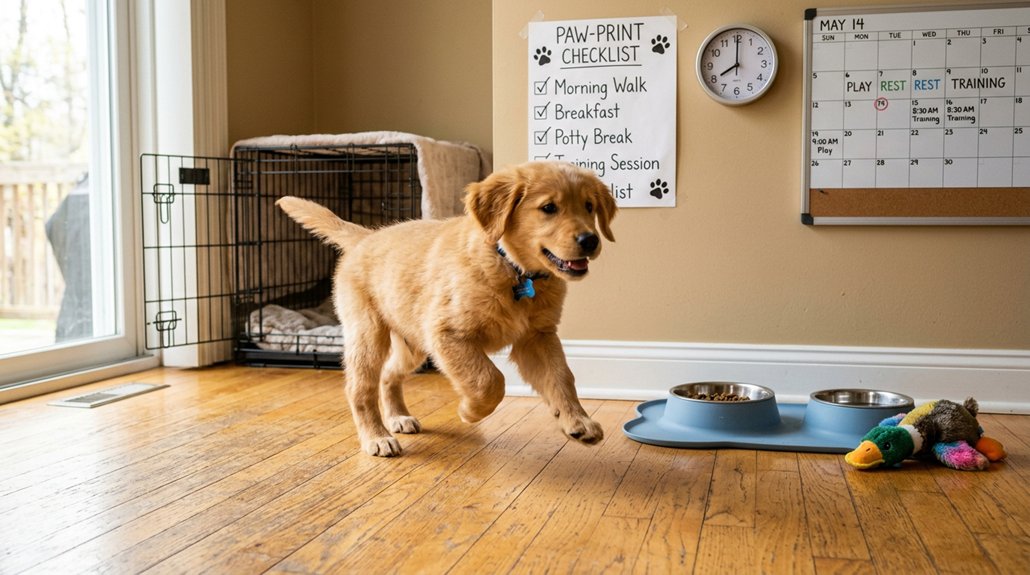
How to Build a Healthy Routine for a Puppy
Establishing a healthy routine for your puppy is essential for their development and well-being. Consistent feeding times and potty breaks every two to four hours help set expectations.…
Dog Health & Wellness
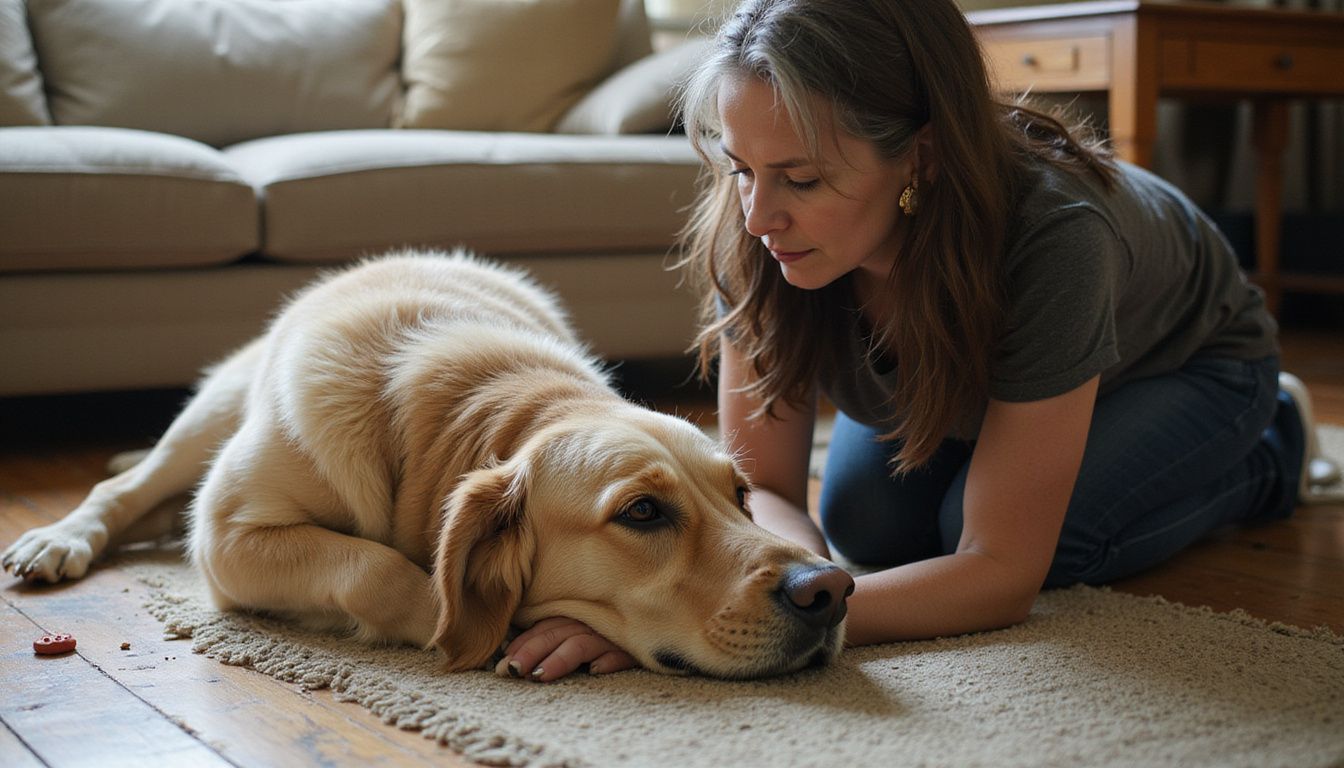
Is My Dog Sick? Common Signs of Illness and When to See a Vet
Has your dog seemed a little off lately? Maybe your pup skipped breakfast, sleeps more than usual, or acts grumpy for no reason at all. Dogs are experts…

Dog Health & Wellness
When to Start Vet Visits for a Puppy
Schedule your puppy’s first vet visit within the first week of bringing them home. Early visits are essential for detecting health issues and initiating vaccinations, protecting against severe…

Dog Health & Wellness
How to Keep Your Puppy Healthy Early On
To keep your puppy healthy early on, schedule a vet visit within days of bringing them home for vaccinations and deworming. Choose food that meets AAFCO guidelines, feeding…
Dog Health & Wellness
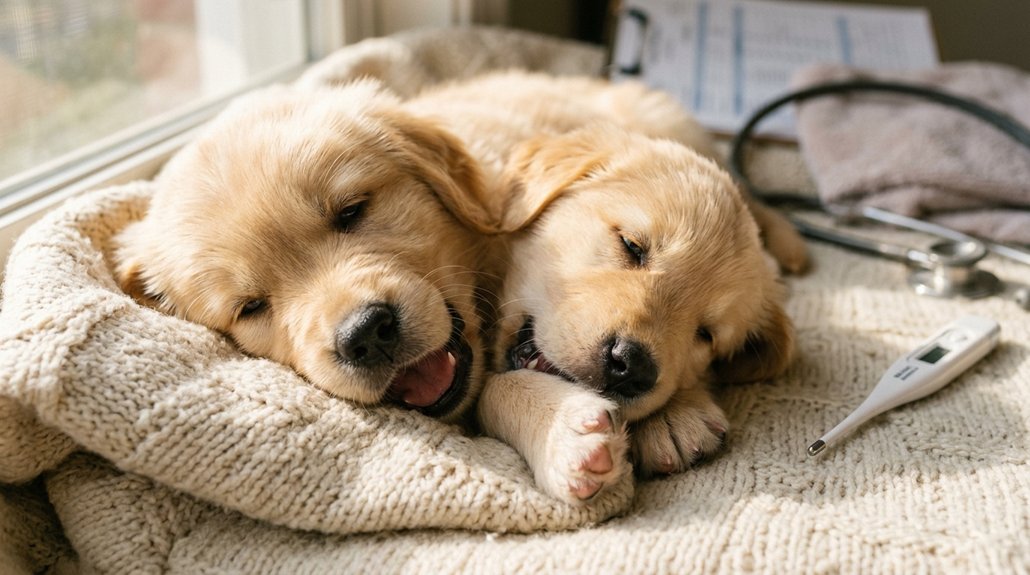
Common Health Issues in Puppies
You’ll find that common health issues in puppies include viral infections like parvovirus and distemper, which are preventable through timely vaccinations. Parasites such as fleas, ticks, and worms…