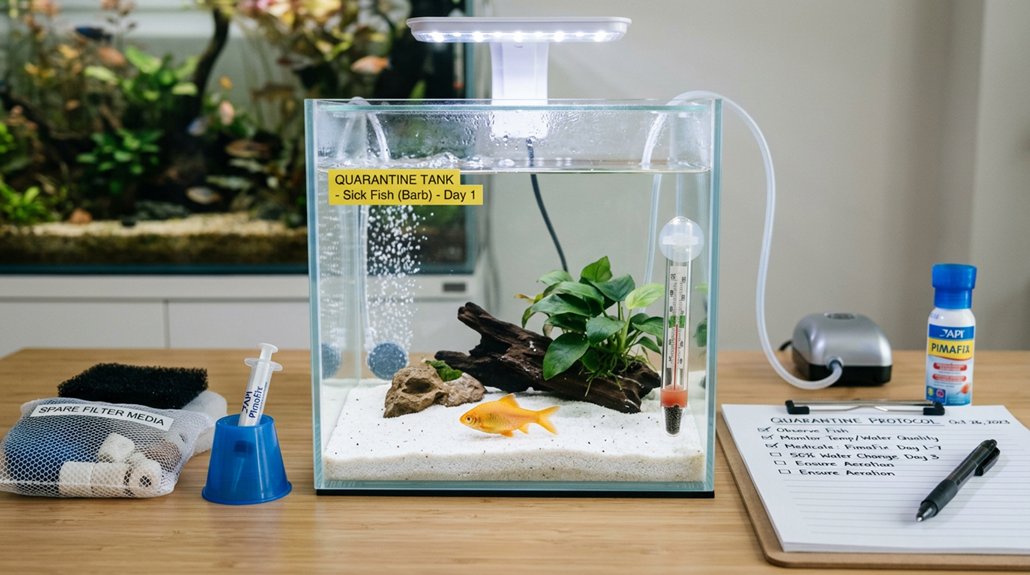
Quarantine a sick fish in a separate hospital tank, not the display tank, so you can limit pathogen spread and observe the cause before treatment. Use a bare-bottom…
Fish Health & Problems
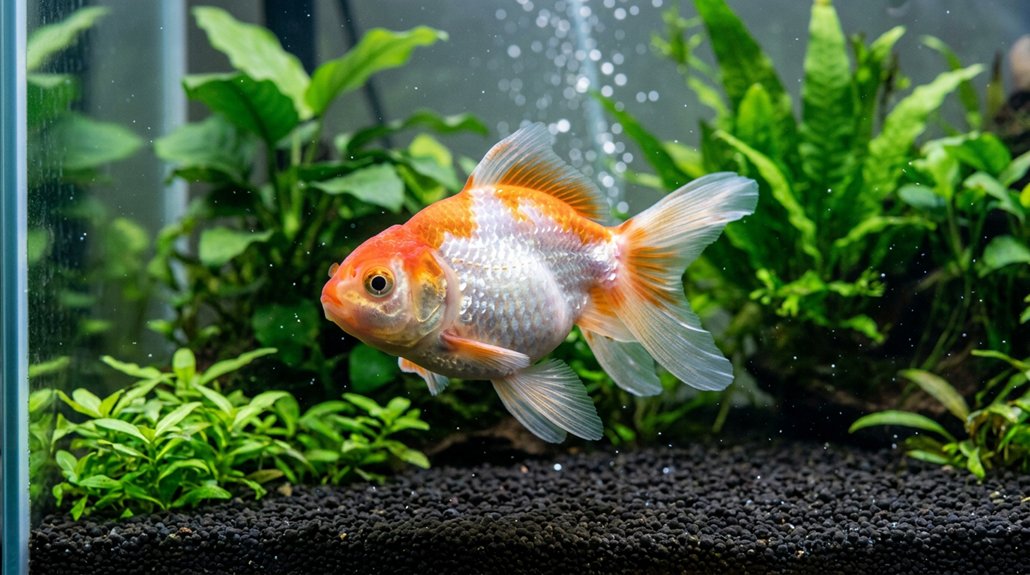
What to Do if Your Fish Have White Spots
If your fish have white spots, assume ich and act fast. Quarantine affected fish, stop adding new fish, and remove carbon or Purigen and UV before dosing. Improve…
Fish Health & Problems
How to Treat Fungal Infections in Fish
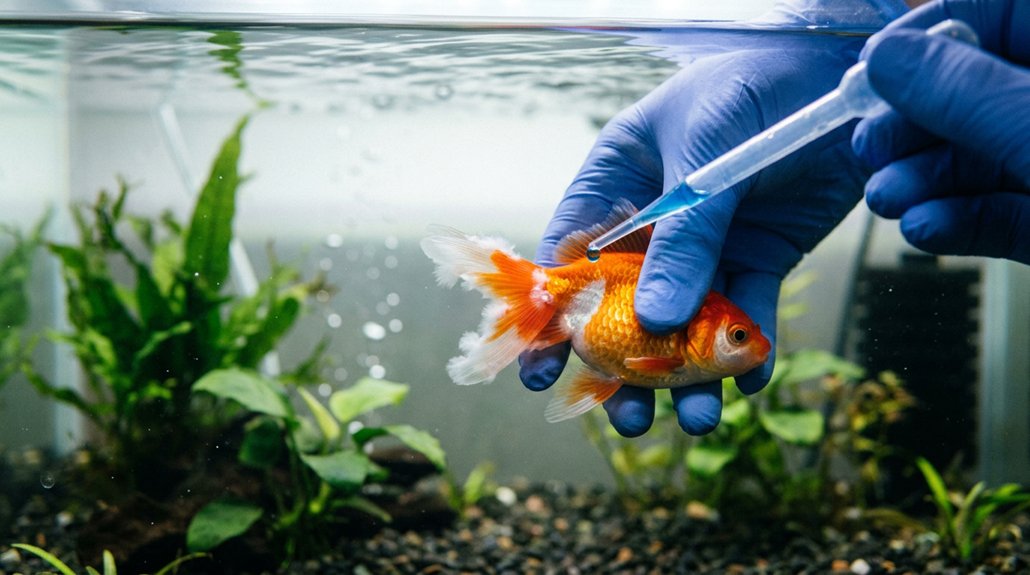
You treat fish “fungus” by fixing water quality first, because most cases are opportunistic water-molds on damaged tissue. Test ammonia, nitrite, nitrate, pH, temperature, and salinity, then do…
Fish Health & Problems
Ich in Fish: Symptoms, Causes, and Treatment
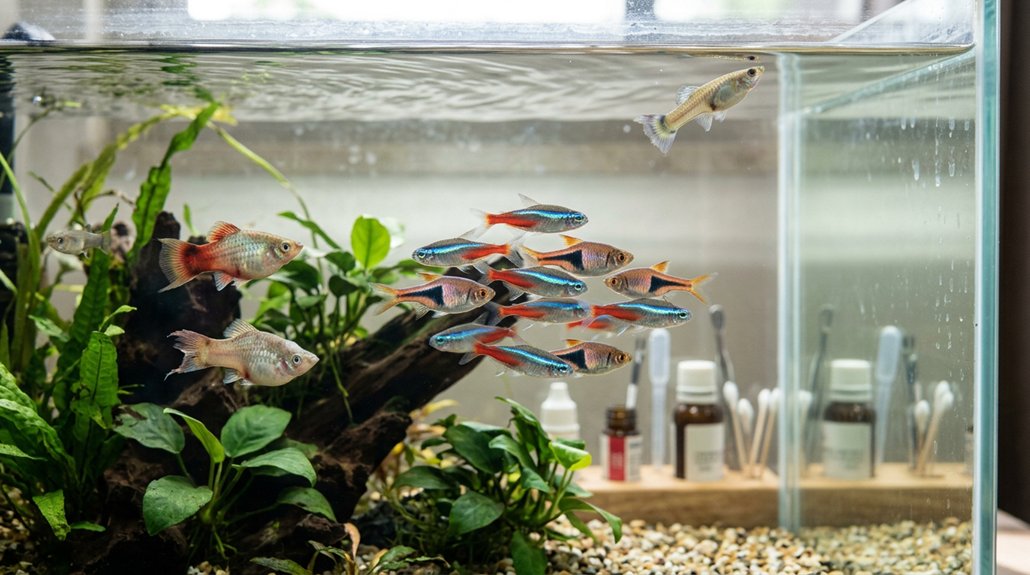
Ich in fish is a highly contagious parasitic disease caused by Ichthyophthirius multifiliis in freshwater and Cryptocaryon irritans in marine tanks. You’ll usually see small white salt-like spots,…
Fish Health & Problems
Common Fish Diseases and How to Treat Them
Common fish diseases often show up as flashing, clamped fins, white spots, dusty coating, ulcers, fin fraying, swollen eyes, or abnormal buoyancy. You should isolate the fish, test…
Fish Health & Problems
Why Water Quality Is the #1 Cause of Fish Death
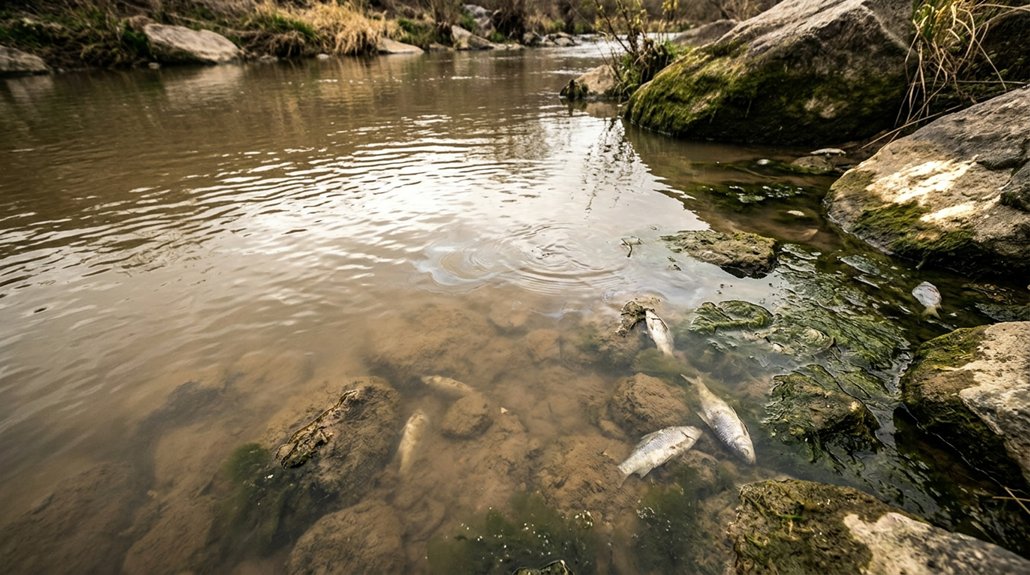
Water quality is the #1 cause of fish death because you can lose dissolved oxygen, stable pH, and safe chemistry faster than fish can adapt. When oxygen drops,…

Fish Health & Problems
How to Stabilize Water Parameters in Your Aquarium
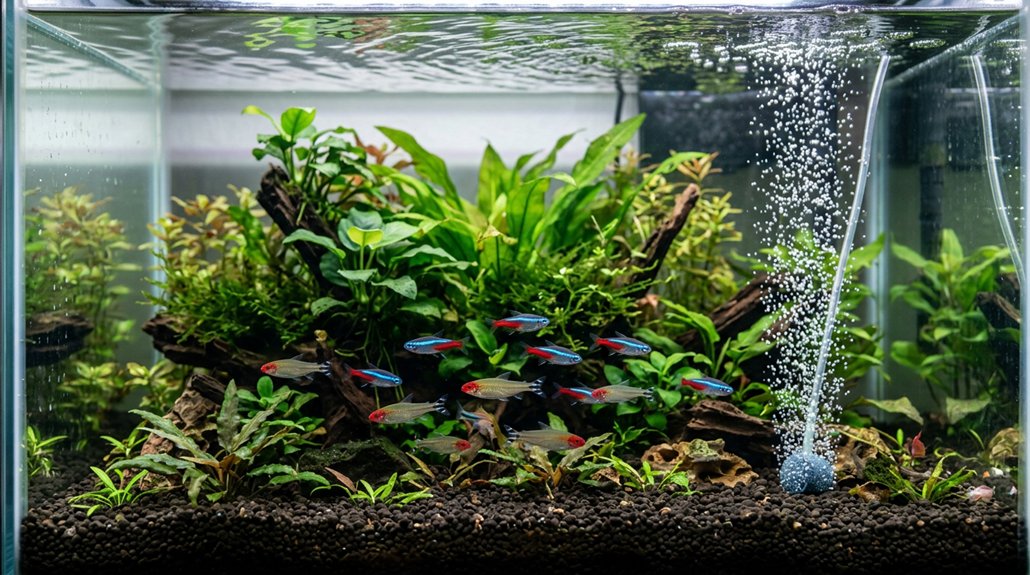
Start with clean, conditioned RO/DI water or a quality dechlorinator, then test before you change anything. Keep ammonia and nitrite at 0, track nitrate, pH, KH, and GH,…
Fish Health & Problems
What Causes Nitrite and Nitrate Problems in Fish Tanks
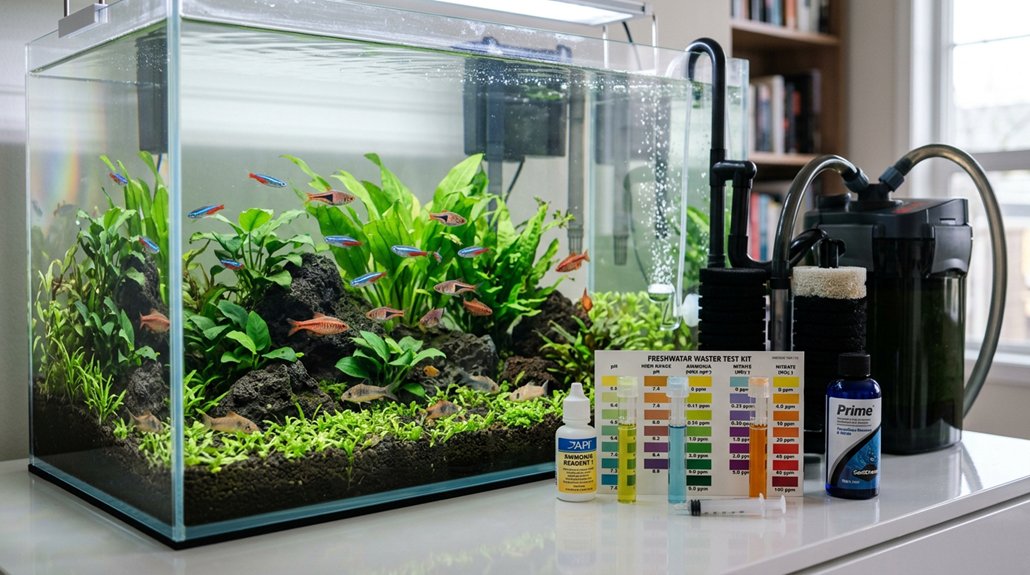
Nitrite and nitrate problems in your fish tank usually mean the nitrogen cycle is out of balance. Nitrite spikes often happen in new tanks, after overstocking, overfeeding, or…
Fish Health & Problems
How to Fix High Ammonia Levels in Your Aquarium
High ammonia is an emergency, so stop feeding now, remove uneaten food and waste, and do a 25–50% water change with dechlorinated, temperature-matched water. Test ammonia, nitrite, and…
Fish Health & Problems
What Is Ammonia Poisoning in Fish?
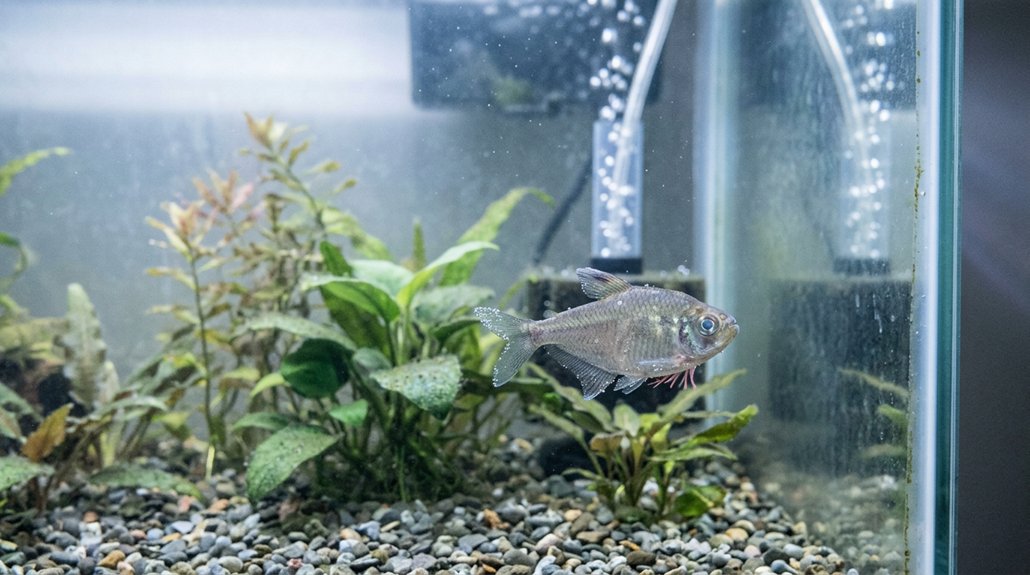
Ammonia poisoning in fish is a serious water-quality emergency caused when ammonia builds up in your tank from waste, uneaten food, or an uncycled filter. It irritates and…
Fish Health & Problems
How to Test Water Quality in a Fish Tank
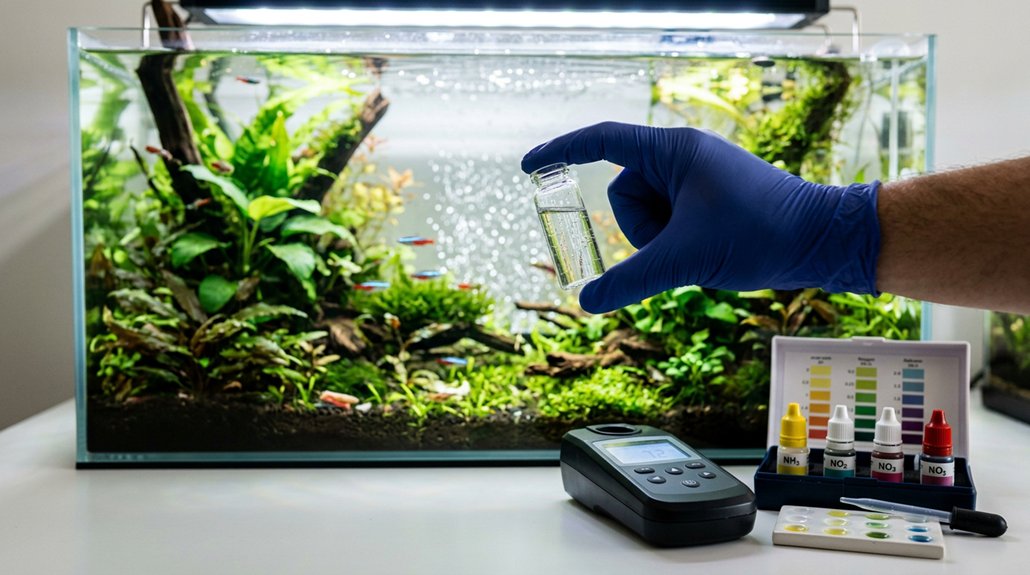
Test your aquarium water by checking ammonia first, then nitrite, nitrate, pH, GH, KH, chlorine, and salinity if needed. Use test strips for fast screening, but confirm abnormal…
Fish Health & Problems
How to Keep Aquarium Water Clear and Healthy
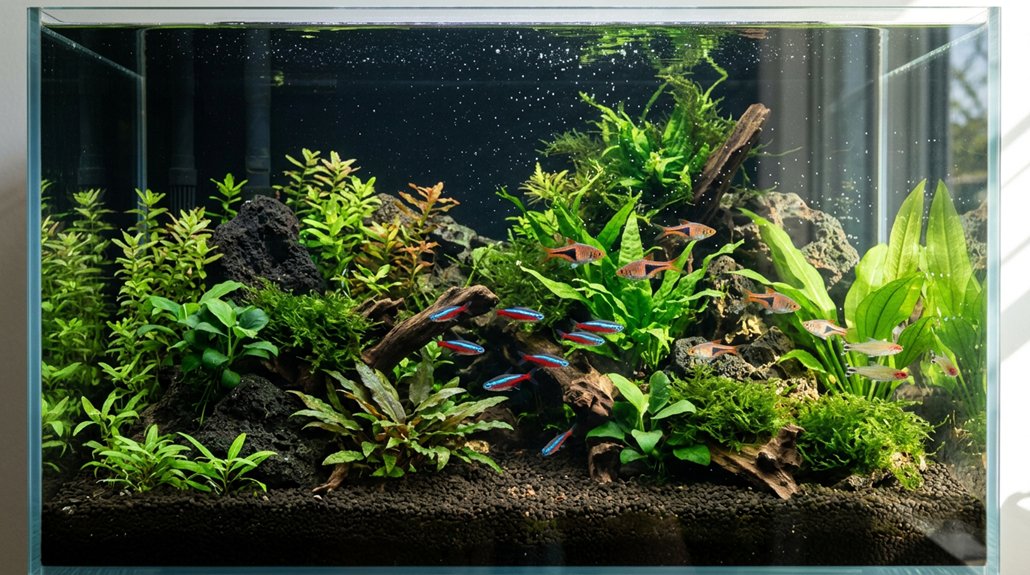
You keep aquarium water clear and healthy by controlling organic load, light, and nutrient buildup before they drive cloudiness or blooms. Feed only what fish eat in 2–5…
Fish Health & Problems
What Causes Algae in Aquariums and How to Control It
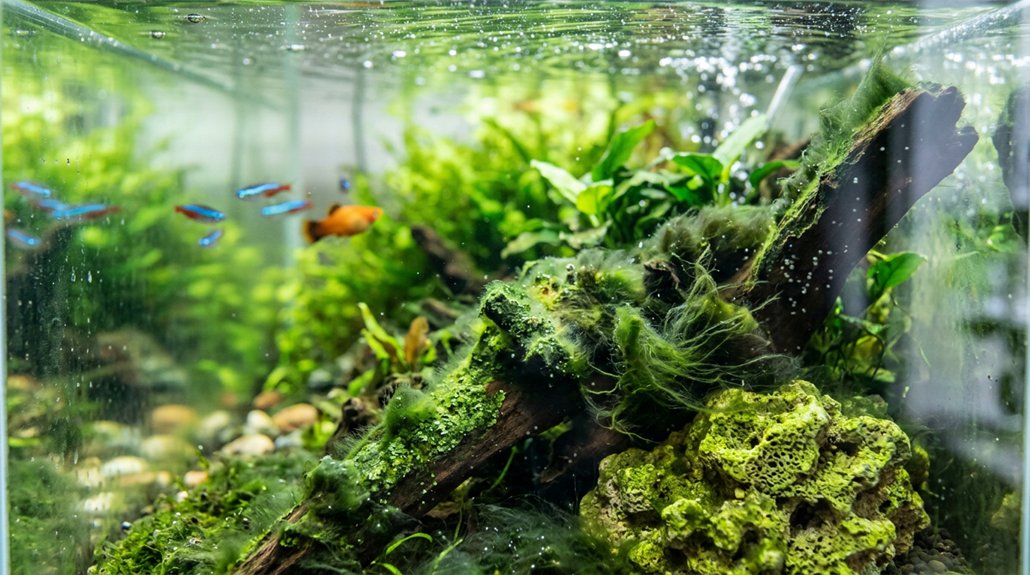
Algae in your aquarium usually appears when excess nitrate and phosphate, overfeeding, waste buildup, strong light, and poor circulation favor rapid photosynthesis. You can control it by keeping…
Fish Health & Problems
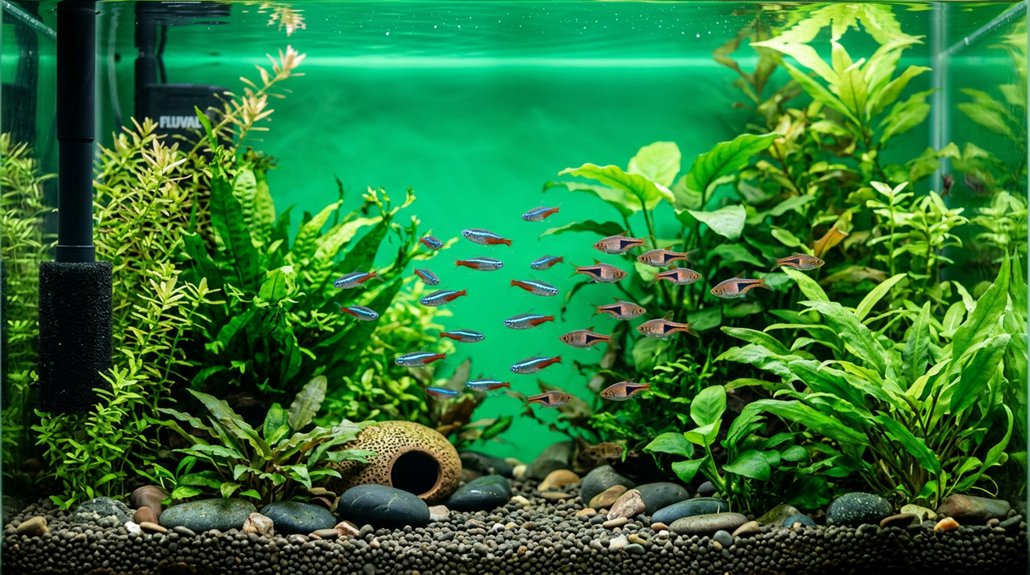
How to Fix Green Water in a Fish Tank
You fix green water by lowering nutrients and removing suspended algae fast. Do a 30–50% water change, vacuum the substrate, and rinse or replace filter floss in removed…
Fish Health & Problems
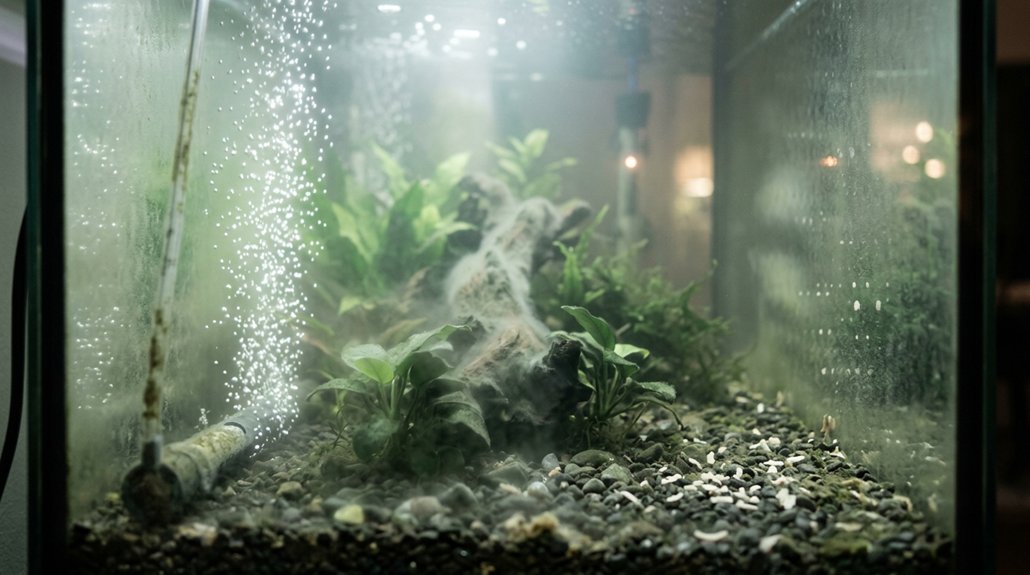
Why Your Fish Tank Water Is Cloudy (and How to Fix It)
Your fish tank water is usually cloudy because of a bacterial bloom, algae growth, tannins, or suspended debris from waste or disturbed substrate. Test ammonia and nitrite first;…