Behavioral changes in cats often stem from health issues like hyperthyroidism or dental disease, environmental stressors such as loud noises or territorial threats, and dietary imbalances. Social dynamics…
Cat Adoption
Common Mistakes When Bringing a Cat Home
When bringing a new cat home, don’t neglect creating a cat-friendly space with climbing structures and secluded retreats. Avoid rushing introductions; let your cat explore gradually to reduce…
Kittens
Can You Train a Kitten Like a Dog?
Training a kitten shares similarities with dog training, yet demands unique strategies that respect a kitten’s independent nature. You should focus on short, frequent sessions with high-value treats…
Living with Cats
Practical Tips for Keeping a Cat-Friendly Home
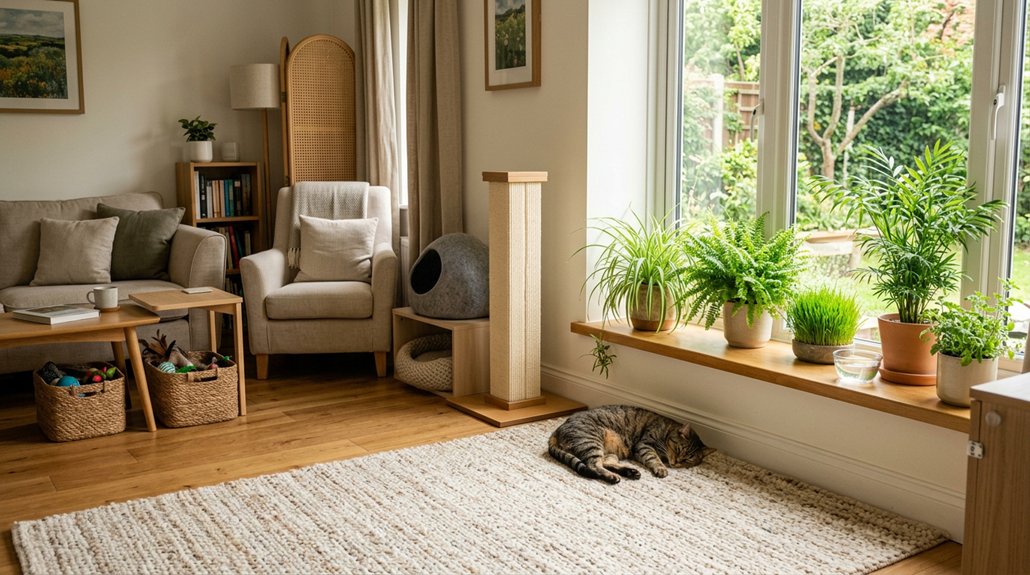
To create a cat-friendly home, integrate cozy hideaways and raised platforms for feline exploration. Use wide, shallow feeding bowls in peaceful locations, and provide multiple water sources like…
Cat Breeds
Smartest Cat Breeds and What Makes Them Intelligent
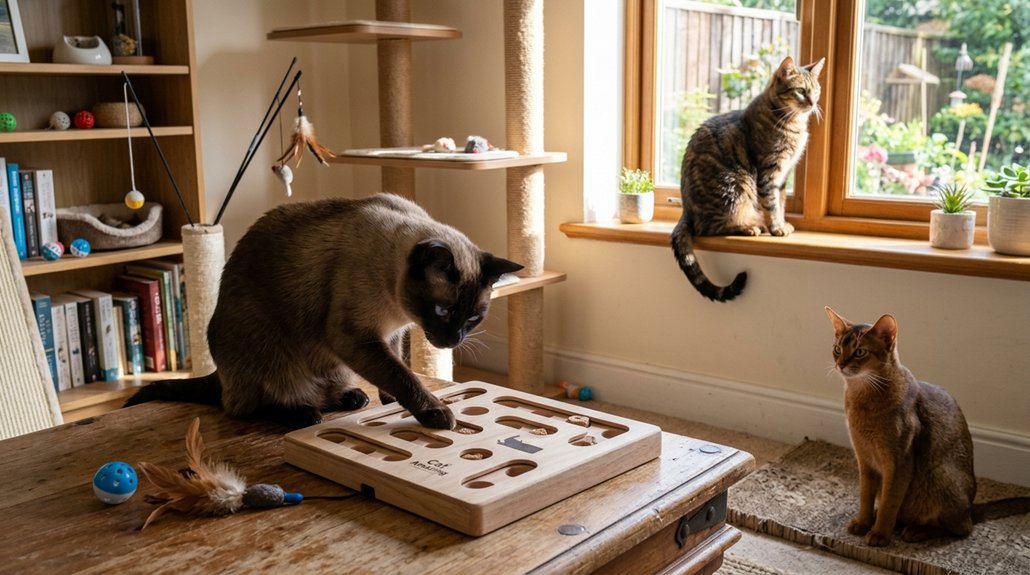
You’ll find that breeds like Siamese, Abyssinian, Bengal, Ragdoll, and Scottish Fold are incredibly smart and interactive. These cats exhibit remarkable problem-solving skills and are highly trainable, fostering…
Cat Health & Wellness
Preventative Care Tips for Keeping Your Cat Healthy
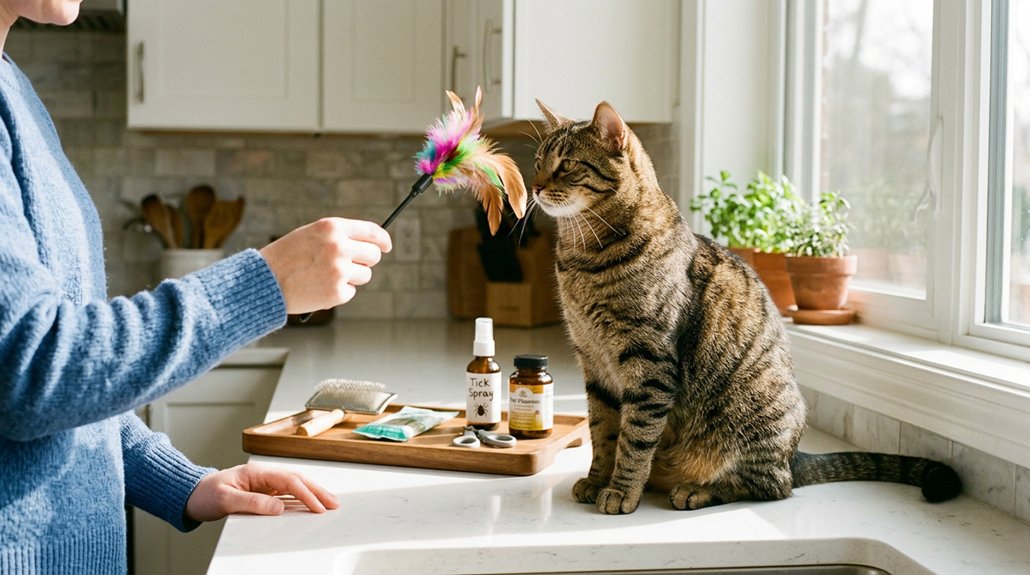
To keep your cat healthy, guarantee a balanced diet with high-quality food meeting AAFCO standards, and combine wet and dry options. Schedule regular vet visits for essential vaccines…
Cat Behavior
How to Reduce Anxiety in Cats at Home
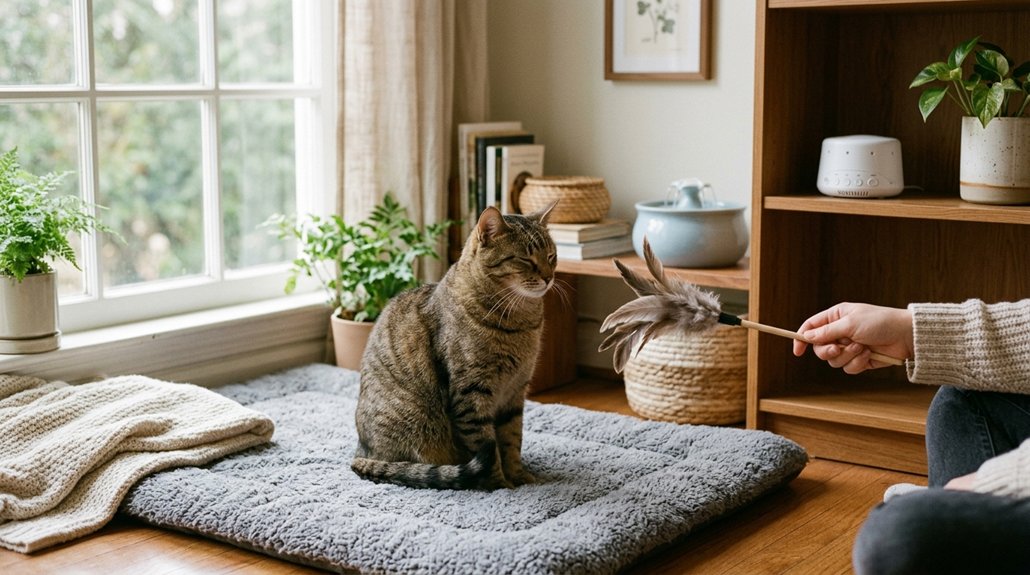
To reduce anxiety in cats at home, recognize symptoms like excessive grooming or restlessness. Create a calming environment with safe zones and minimize noise. Employ pheromone diffusers and…
Cat Adoption
How to Help a Newly Adopted Cat Adjust
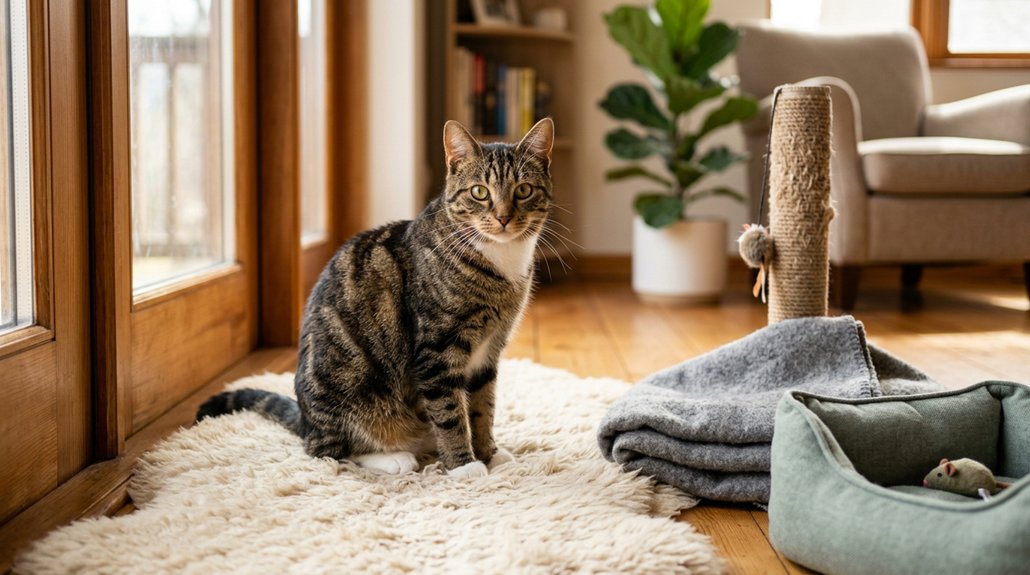
To help your newly adopted cat adjust, set up a quiet safe room with essentials like a litter box and bedding. Choose a sturdy, well-ventilated carrier for transport,…
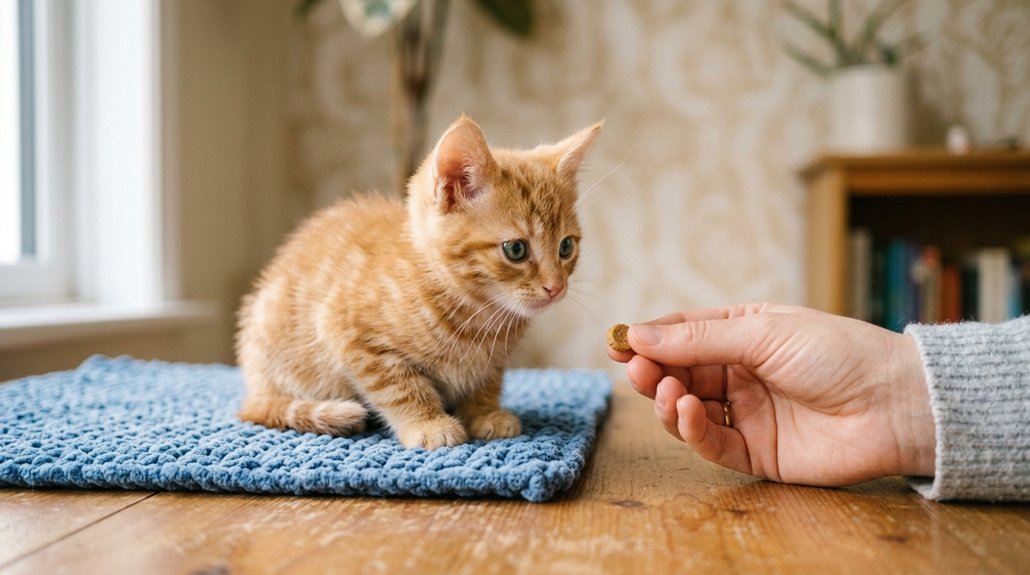
Kittens
How to Start Basic Training With a Kitten
Start kitten training by creating a safe, distraction-free environment. Use positive reinforcement with treats and praise to encourage good habits. Introduce your kitten to a designated training area,…
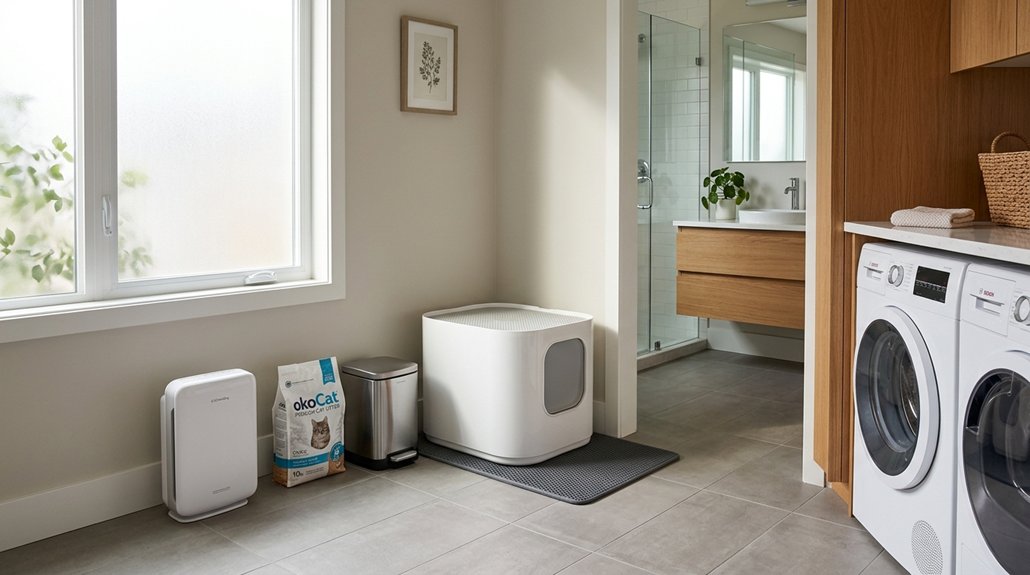
Living with Cats
How to Manage Litter Box Odor in Your Home
To manage litter box odor, scoop waste daily and completely change the litter every 1-2 weeks. Choose clumping litter with natural odor-control agents like baking soda or activated…
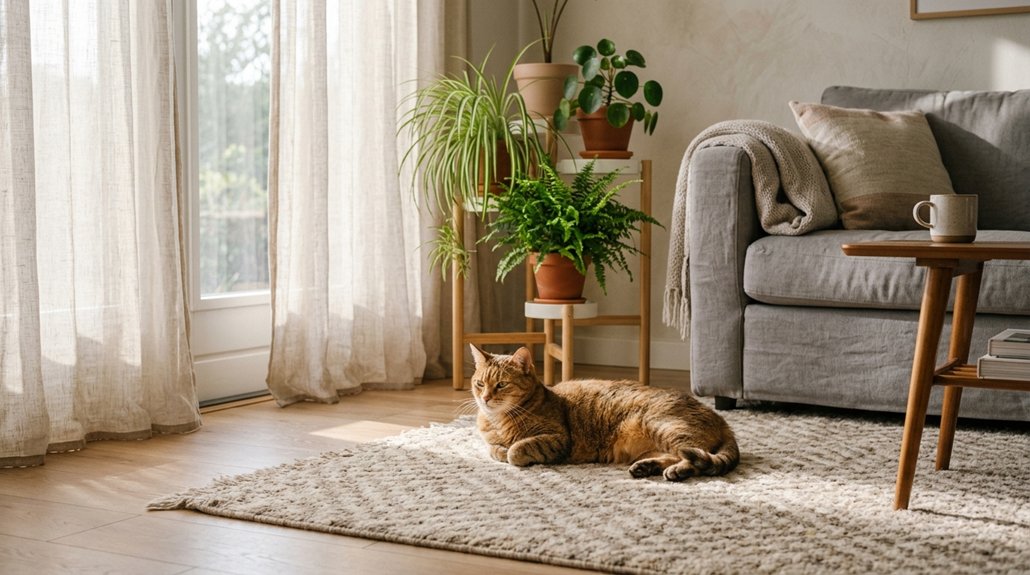
Cat Breeds
Best Cat Breeds for Low-Energy Households
If you’re seeking tranquil companions for a low-energy household, consider breeds like Ragdolls, Persians, British Shorthairs, and Exotic Shorthairs. These cats thrive in peaceful settings, offering gentle companionship…
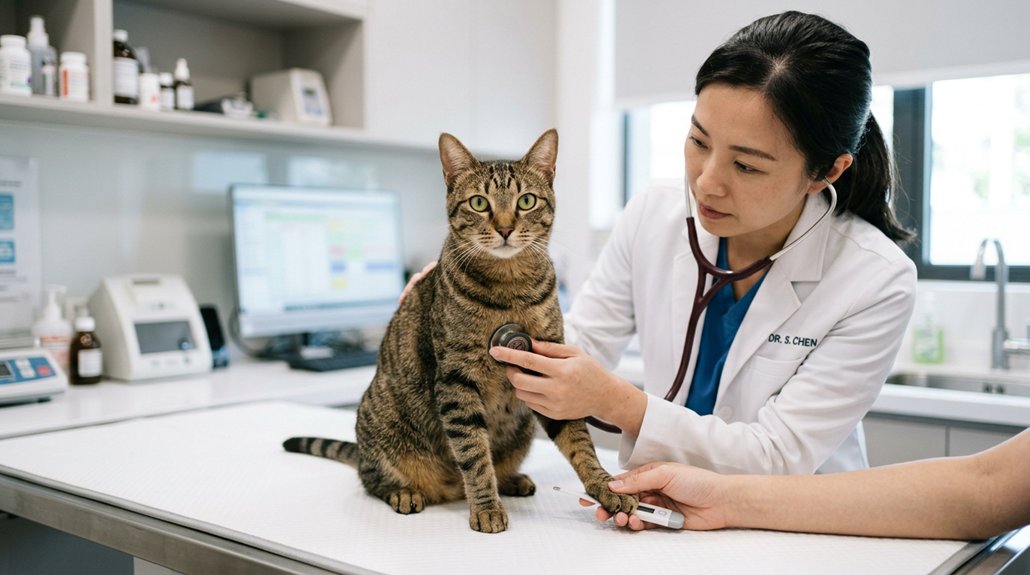
Cat Health & Wellness
Why Regular Checkups Are Important for Cats
Routine vet visits are essential for your cat’s health and longevity. They establish a healthy baseline, allowing for the early detection of potential issues. Regular checkups can catch…
Cat Behavior
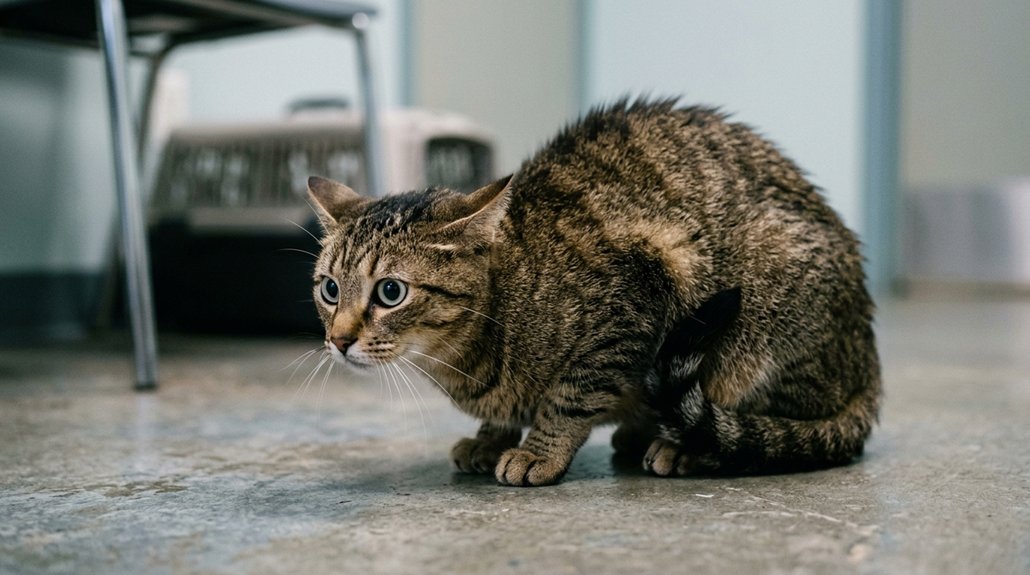
Signs Your Cat Is Stressed or Anxious
To identify if your cat is stressed or anxious, watch for increased vocalizations, frequent hiding, or changes in eating habits. Excessive grooming can lead to bald spots, while…
Cat Adoption
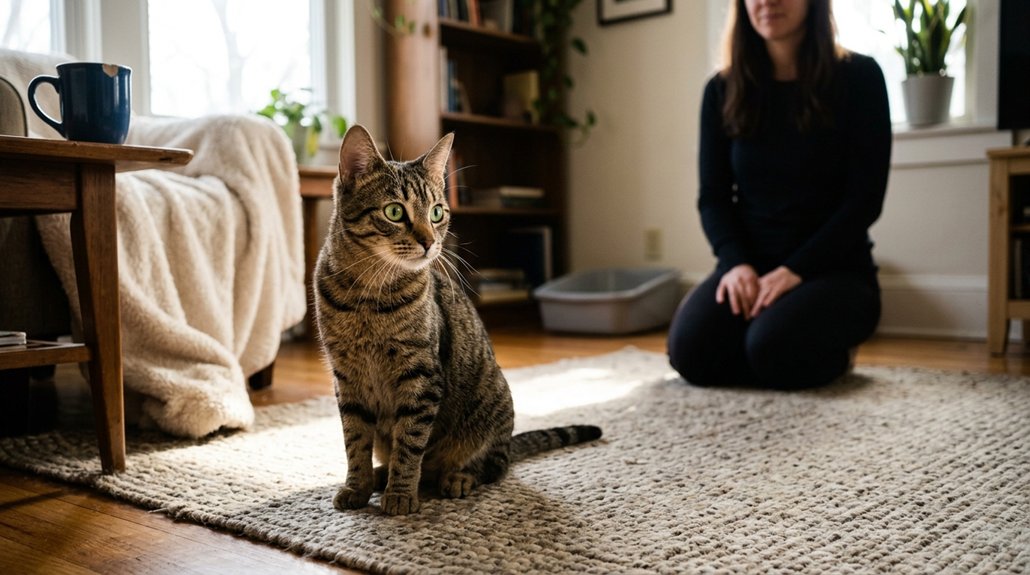
First Week With a Rescue Cat: What to Expect
During your rescue cat’s first week, expect signs of anxiety like hiding and reduced appetite. Establish a cozy space with essentials, ensuring it’s safe and secure. Implement a…
Kittens
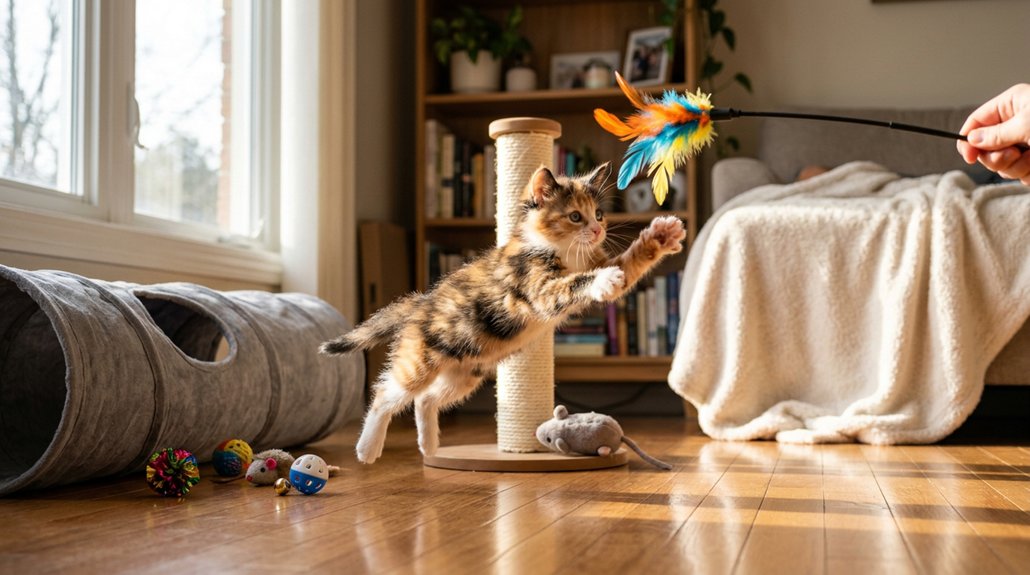
How to Keep a Kitten Entertained Indoors
To keep your kitten entertained indoors, create an engaging play environment with interactive toys and puzzle feeders. Install vertical climbing structures like cat trees for adventure. Encourage healthy…