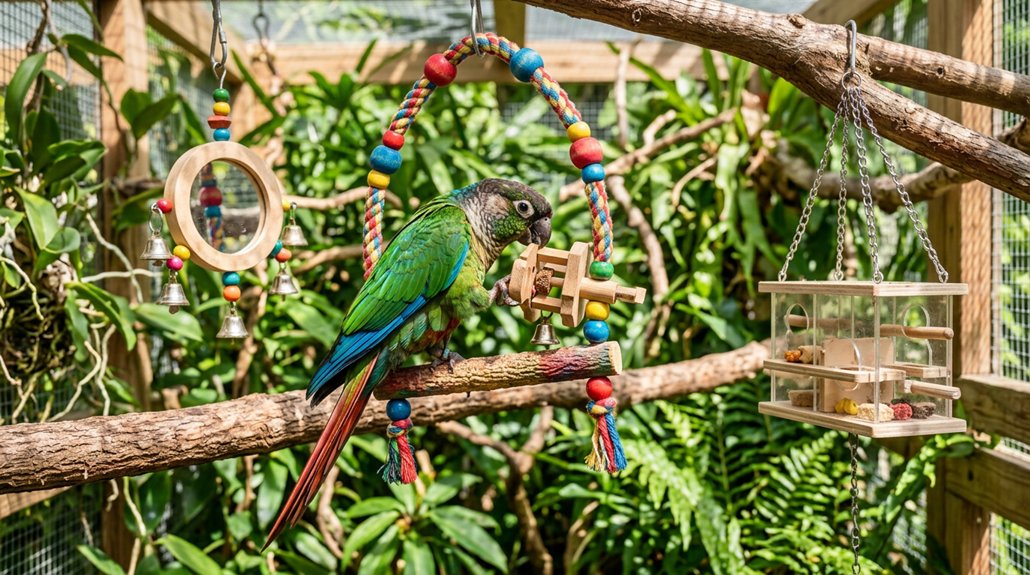
Keep your bird mentally stimulated by giving daily foraging tasks, rotating toys every 7–14 days, and turning at least one meal into a puzzle or scatter-feed. Offer short…
Bird Behavior & Handling
How Long It Takes to Train a Pet Bird
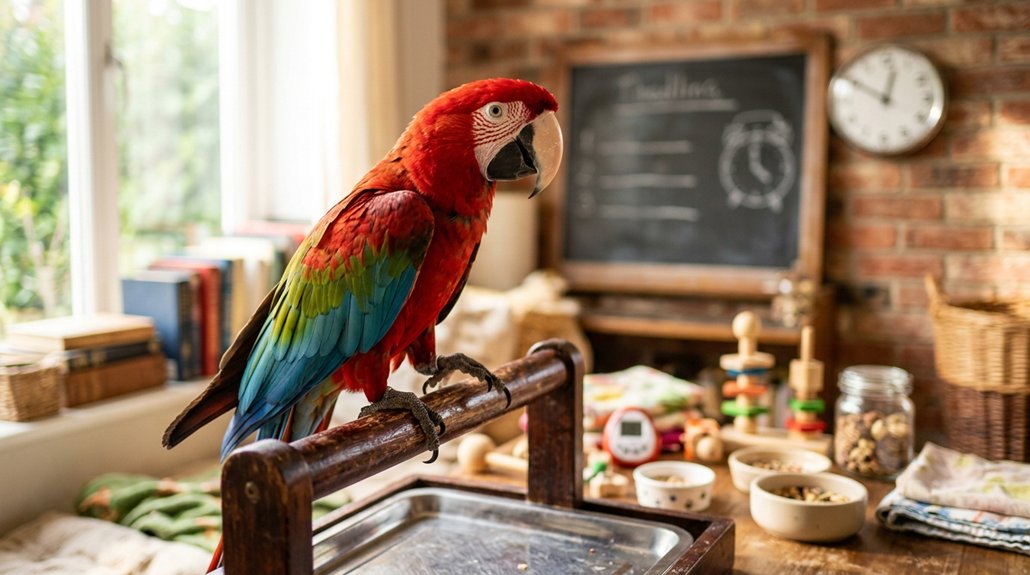
A pet bird can learn simple cues like step-up or targeting in about 7 to 10 days, and a cooperative bird may show basic progress in a week.…
Bird Behavior & Handling
How to Use Positive Reinforcement With Birds
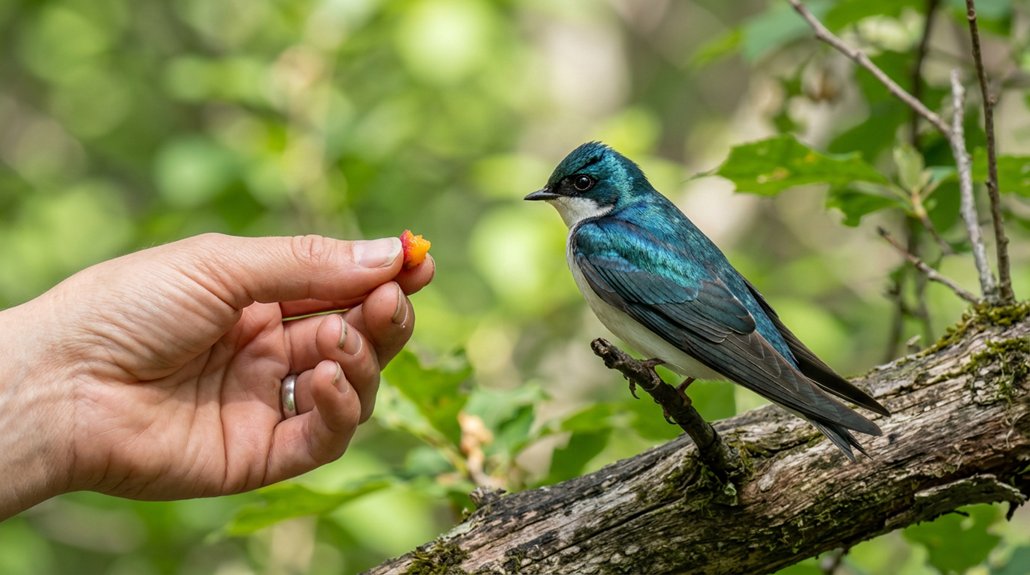
You use positive reinforcement with birds by rewarding the exact behavior you want right away, usually with a tiny high-value treat and a clear marker like a click…
Bird Behavior & Handling
Basic Bird Training Commands Every Owner Should Know
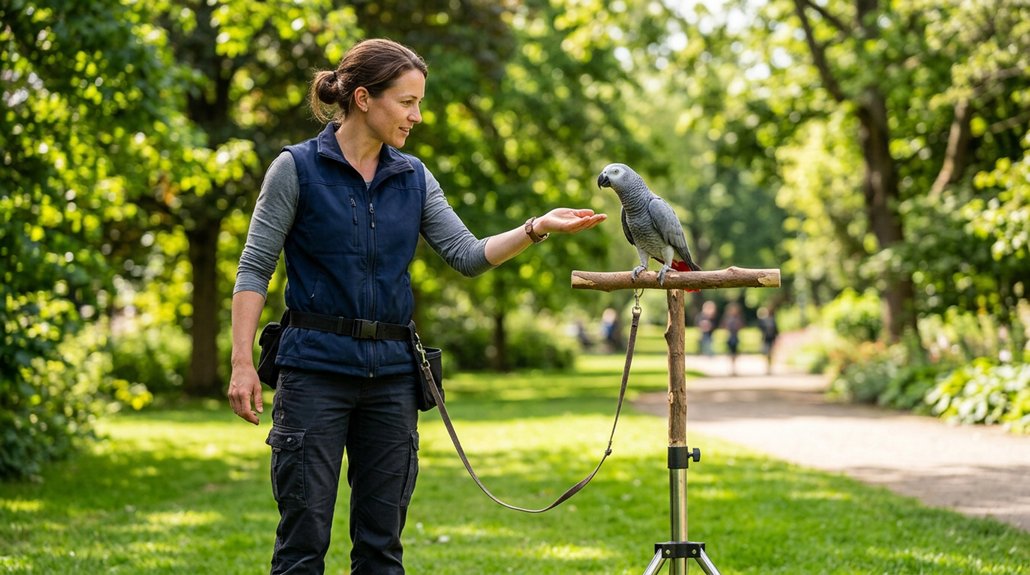
You only need a few basic bird training commands: sit, place, recall, heel, down, stand, and a clear release like “OK.” Use one word for one behavior, and…
Bird Behavior & Handling
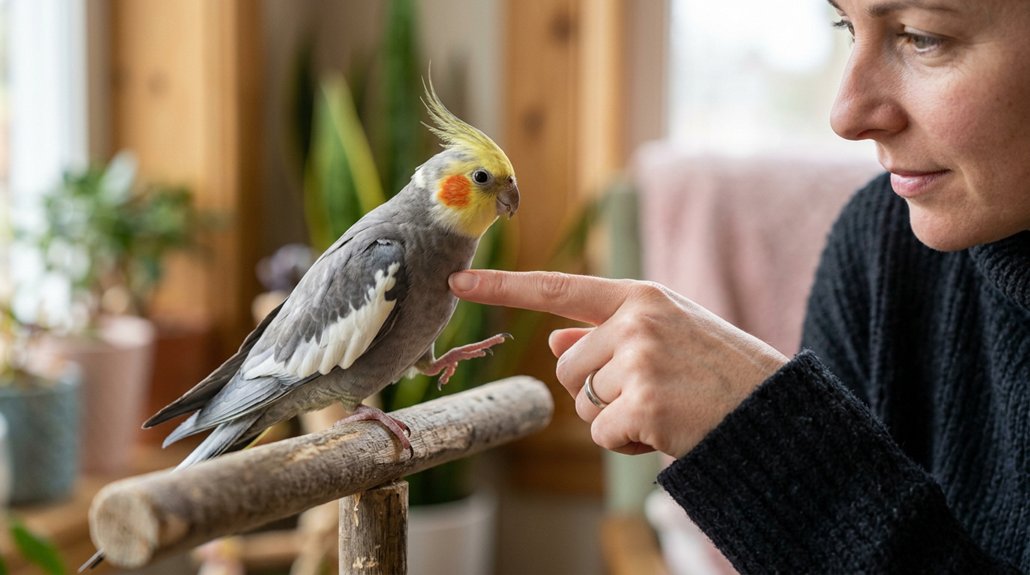
How to Train a Bird to Step Up
Start in a calm, quiet space with the cage open and your bird relaxed, not rushed. Offer a tiny high-value treat, like cashew or almond, and let your…
Bird Behavior & Handling
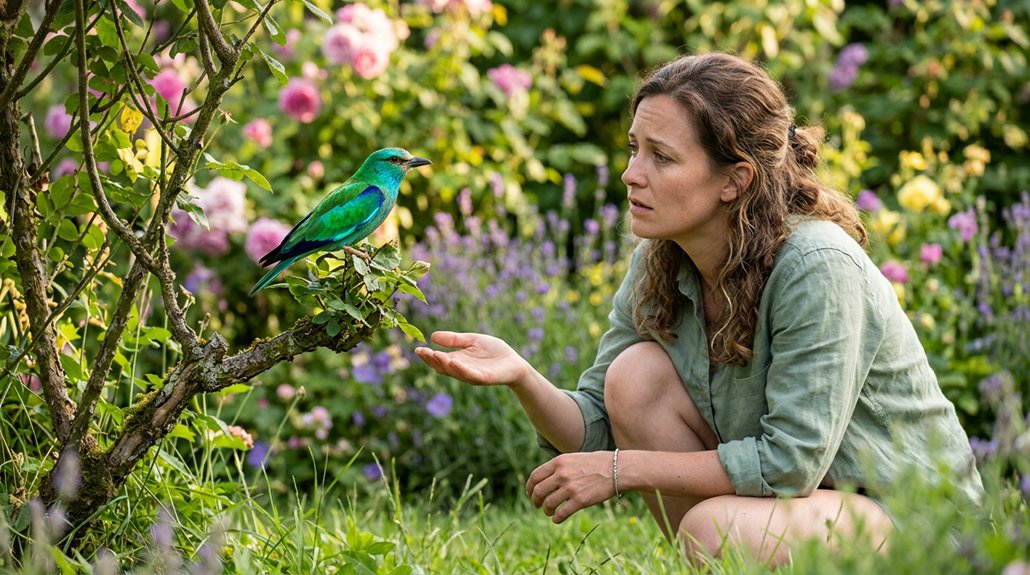
What to Do When Your Bird Won’t Come to You
Stop chasing your bird and work at the edge of its flight distance. Watch for early stress cues like leaning back, crouching, stepping aside, stiffening, or feather compression,…
Bird Behavior & Handling
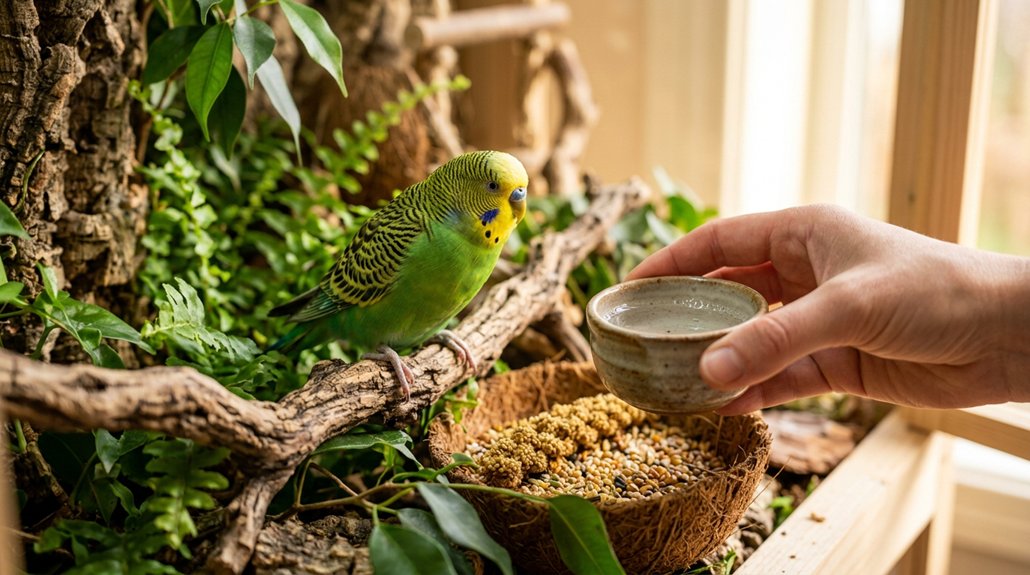
How to Help a Bird Adjust to a New Home
To help your bird adjust to a new home, keep the first 48–72 hours quiet, low-traffic, and predictable. Set up the cage with the same perch placement, toys,…
Bird Behavior & Handling
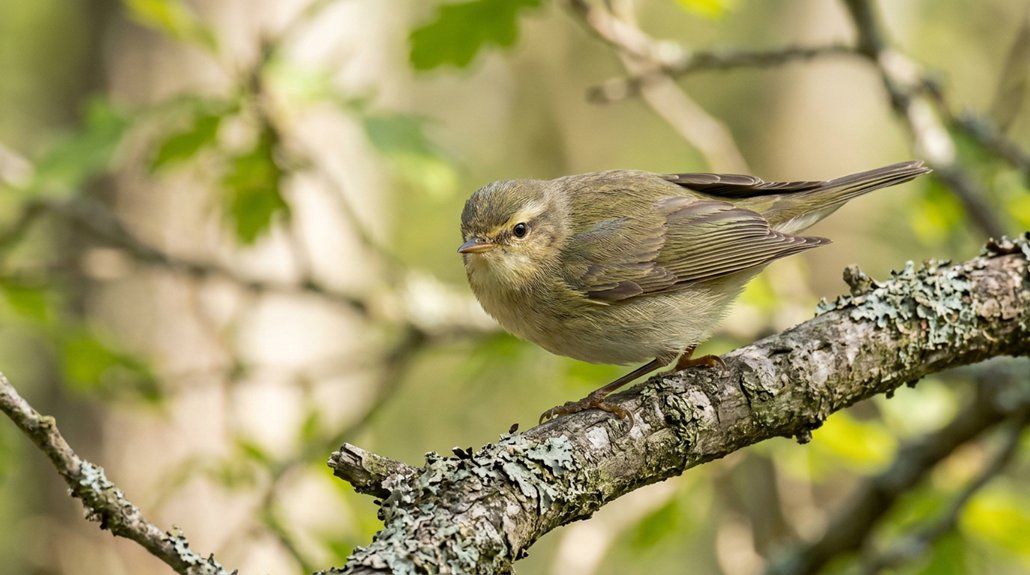
How to Handle a Nervous or Skittish Bird
To handle a nervous or skittish bird, watch for fear signals like slicked feathers, rapid breathing, wide eyes, freezing, or biting. Move slowly, speak softly, and avoid direct…

Bird Behavior & Handling
How to Gain a Bird’s Trust Over Time
You gain a bird’s trust over time by moving slowly and letting it set the pace. Watch for comfort cues like a lowered head, relaxed body, soft sounds,…
Bird Behavior & Handling
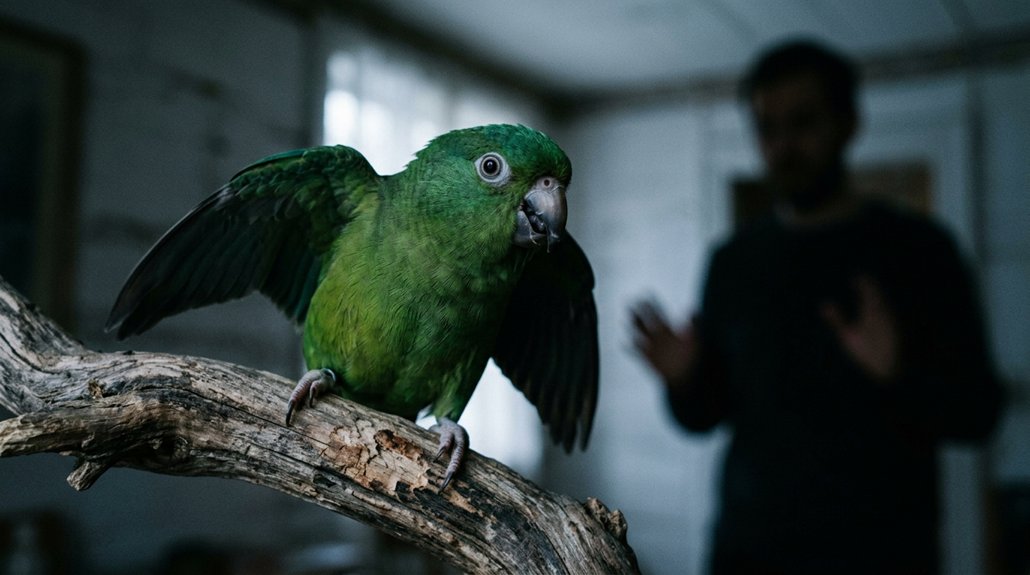
Why Your Bird Is Afraid of You
Your bird is afraid of you because your hands, speed, and direct approach can feel like a predator threat. Fast movements, reaching from behind, staring, or forcing restraint…
Bird Behavior & Handling
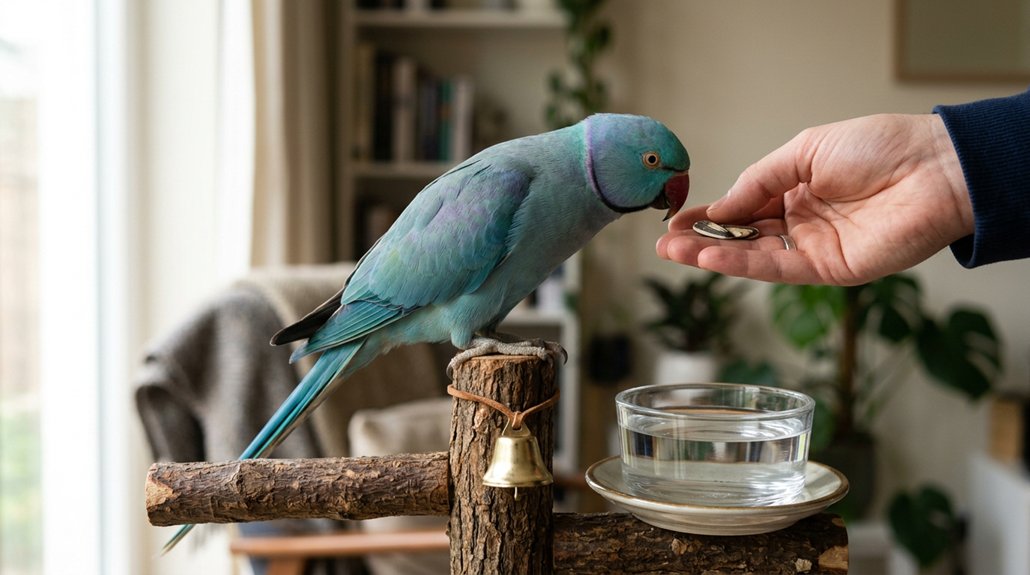
Best Ways to Manage a Noisy Pet Bird
You can manage a noisy pet bird by making sure it gets 10–12 uninterrupted dark hours, keeping a predictable daily routine, and not rewarding screams with attention. Ignore…
Bird Behavior & Handling
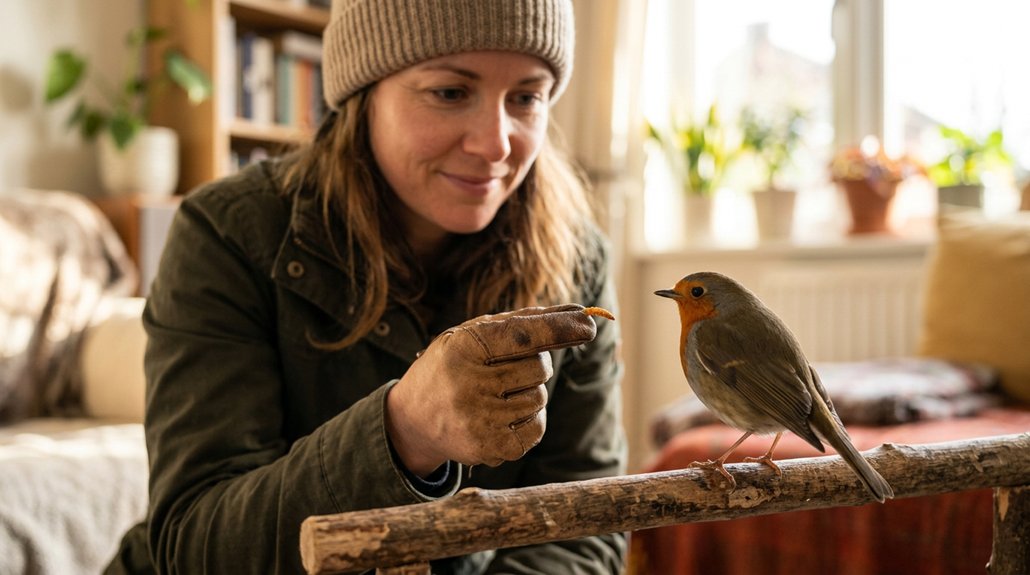
How to Train a Bird to Be Quieter
You can train your bird to be quieter by rewarding 1–2 seconds of silence with a click or short marker, then giving a tiny high-value treat right away.…
Bird Behavior & Handling
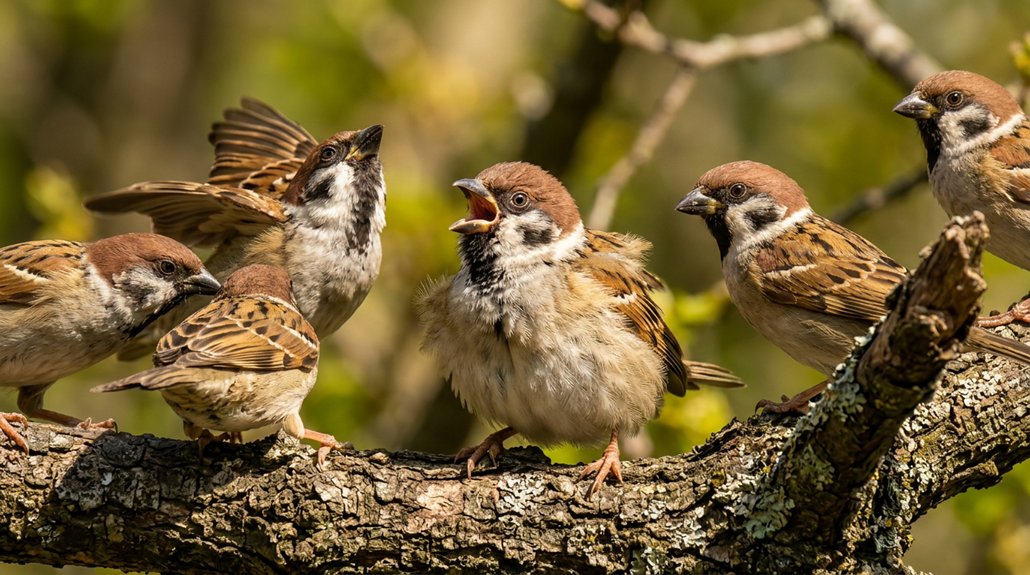
What Causes Loud Behavior in Birds
Birds often get loud when they are communicating, seeking attention, or reacting to stress. You may hear more calling at dawn, dusk, or during breeding season, when hormones…
Bird Behavior & Handling
How to Reduce Excessive Noise in Pet Birds
You can reduce excessive noise in pet birds by keeping a consistent sleep schedule with 10–12 hours of darkness, feeding a vet-recommended diet, and providing daily foraging, toys,…
Bird Behavior & Handling
Why Your Bird Is Screaming and What to Do
Your bird is screaming because it is trying to communicate a need, react to a trigger, or repeat behavior that has been reinforced. Check first for pain, illness,…