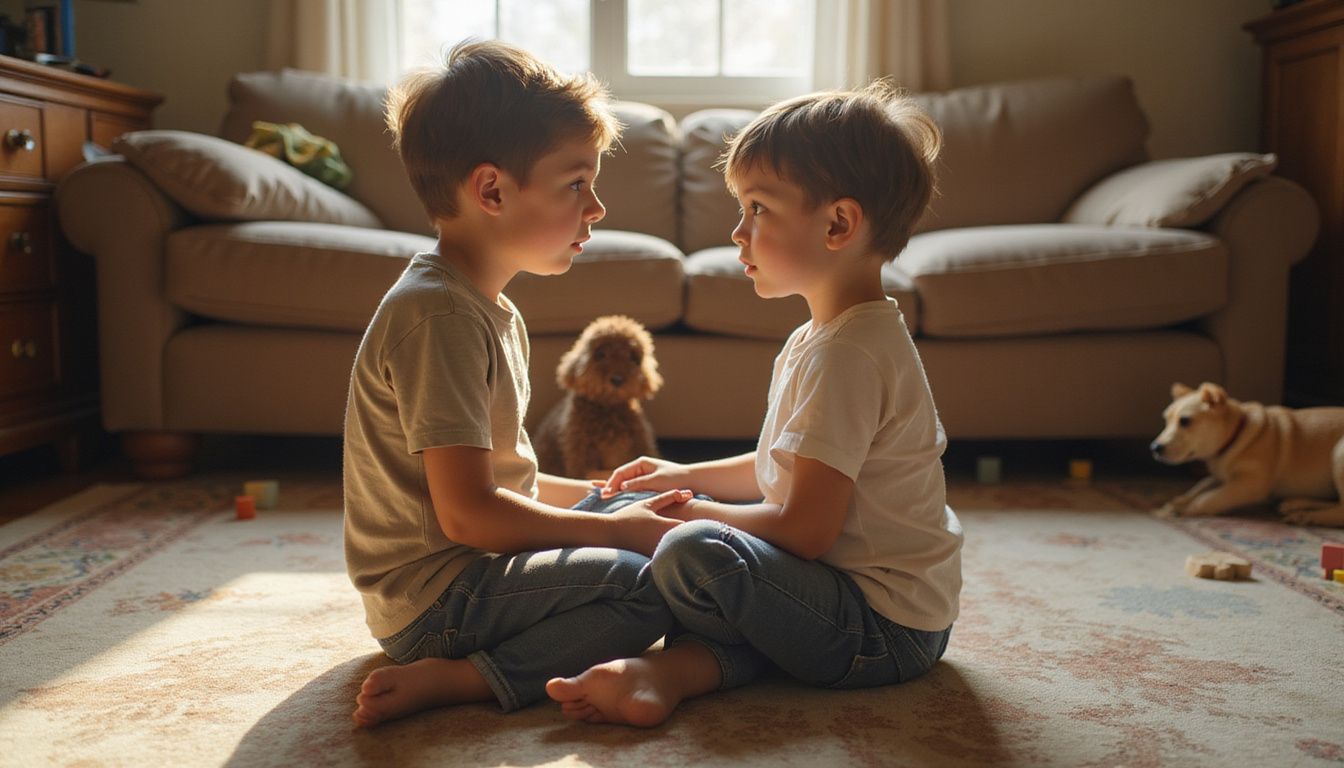
Ever picture your kids curled up on the couch with a new dog, then wonder if real life will actually look that peaceful?
I get that worry. It’s a fair one to have.
Here’s something that might ease your mind a bit: a dog’s upbringing, training, and socialization shape their behavior just as much as their breed does. Breed isn’t destiny. How you raise a pup, and how well their dog temperament fits your family, matters just as much.
I’m going to walk you through exactly what to look for, so you can find a dog whose personality meshes with your children’s energy and style. Grab a cup of coffee, and let’s go through it together.
Key Takeaways
- Match your dog’s energy level with your children’s activity level. High-energy breeds like Labradors suit active kids, while calm breeds like Bernese Mountain Dogs fit reserved children better.
- Watch a dog’s stress recovery time and their tolerance for loud noises and sudden movements. This tells you if they’ll thrive safely in a house full of kids.
- Skip delicate toy breeds like Chihuahuas around young children. They get hurt easily and may nip when startled by unpredictable child behavior.
- Teach kids to respect a dog’s safe space. Avoid bothering them during meals or rest, and watch for stress signals like yawning or turning away.
- Work with a professional trainer or adoption counselor. They run temperament tests and know breed traits well enough to match the right dog with your family’s needs.
How to Assess Your Children’s Activity Levels and Personalities
Your kids already have their own personalities and energy levels. Your job is to match those traits with a dog that fits your family’s daily routine.
Which dog breeds suit high-energy children?
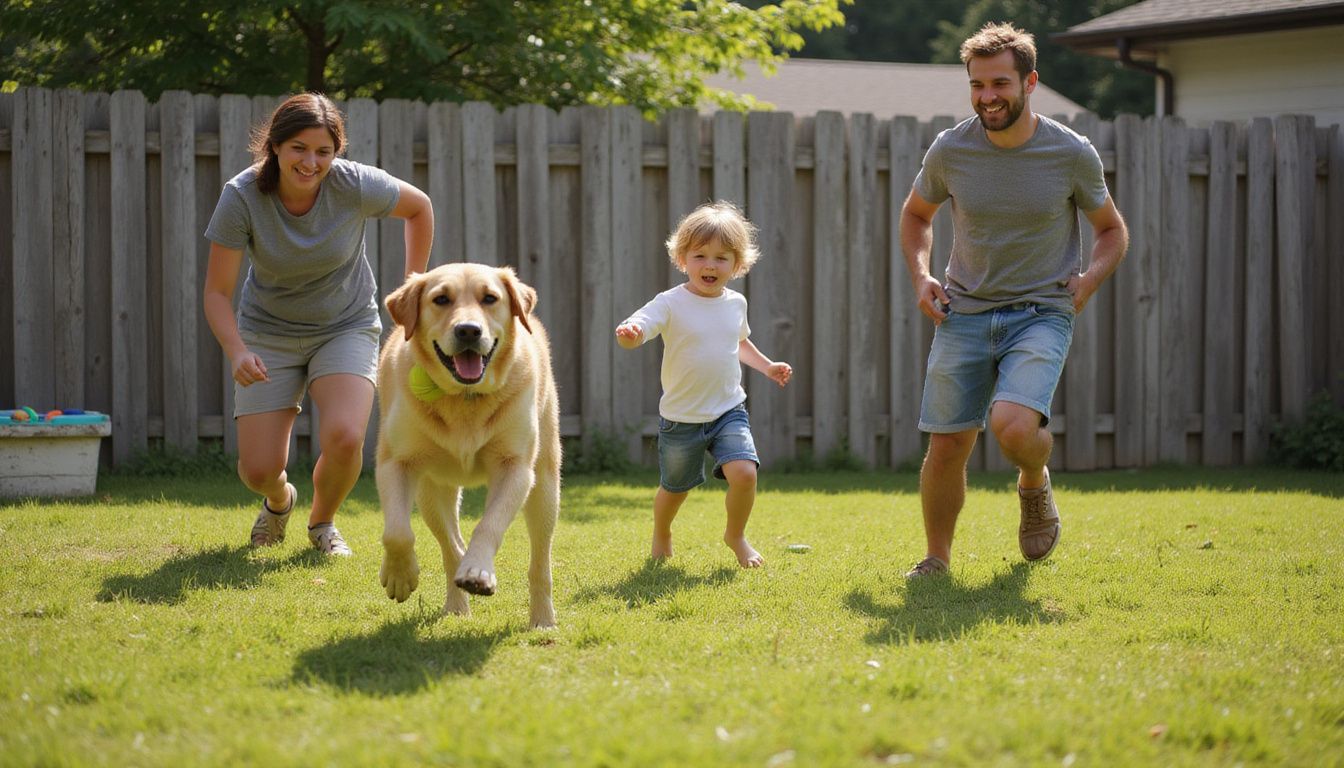
When your kids bounce off the walls and never run out of steam, matching them with the right dog breed makes a real difference.
| Dog Breed | Energy Level Match | Key Characteristics | Daily Activity Needs |
|---|---|---|---|
| Labrador Retriever | High-energy children; active, boisterous kids | Friendly and tolerant nature. Can match active children’s pace. Known for enthusiasm and playfulness. Gentle enough for family life, energetic enough to keep up. | Needs a lot of daily activity. These dogs thrive on running, fetch, and interactive games. Exercise prevents behavioral problems. |
| Golden Retriever | Energetic homes with older children | Known for a gentle demeanor and high trainability. Great for families who enjoy outdoor adventures. Very patient with kids who want constant playtime. | Needs regular exercise and mental stimulation. Long walks, swimming, and fetch games keep them satisfied. |
| Beagle | Active kids who enjoy play and exploration | Friendly and playful temperament. Good match for active kids seeking a spirited companion. Medium size balances energy with manageability. | Moderate to high activity levels needed. These dogs love sniffing games, hiking, and interactive play. |
Picking a high-energy dog for active children works when both sides speak the same language: movement, play, and adventure. Labrador Retrievers stand out here. These dogs have a friendly, tolerant nature that matches active kids’ pace perfectly. Kids running around? Labradors run faster. Kids throwing balls? Labradors fetch them all day long.
Golden Retrievers rank right up there for energetic homes. They’re known for a gentle demeanor and high trainability, so boisterous older kids find them ideal companions. These dogs don’t just tolerate activity, they crave it.
Beagles offer another solid option. They’re friendly and playful, and their medium size helps them handle active play without overwhelming younger children.
One thing separates success from struggle here: exercise. High-energy dogs like Labradors and Golden Retrievers need real daily activity, not just a quick walk around the block. Skip that exercise, and you’ll see destructive chewing, nonstop barking, and a frustrated pup fast.
According to 2024 shelter data from Human Animal Support Services (HASS), unmanaged energy that turns into “nuisance behaviors” like excessive barking or jumping is the second leading cause of adoption returns. Many families give up on a dog within just 3 days of bringing them home.
- Nonstop barking or whining
- Chewing furniture, shoes, or baseboards
- Jumping on people constantly
- Restless pacing indoors
Dog personalities vary even within one breed. Some Labradors run calmer than others, and some Beagles bring more drive than their littermates. Meeting a dog in person, before you commit, shows you their real personality instead of just a breed stereotype.
What dog breeds are best for calm or reserved children?
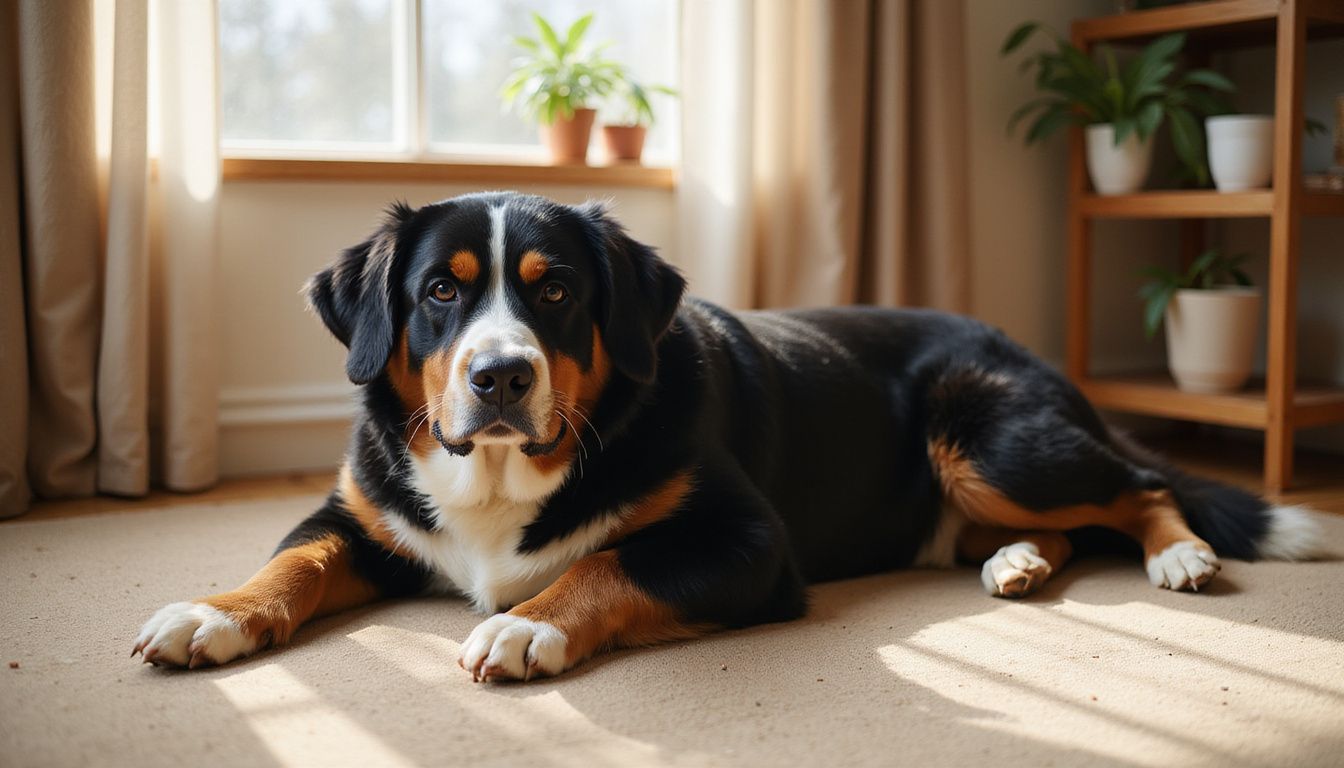
Your calm or reserved child needs a dog that matches their quiet energy and doesn’t demand constant interaction.
| Dog Breed | Temperament Traits | Why It Suits Reserved Children | Key Considerations |
|---|---|---|---|
| Bernese Mountain Dog | Calm, submissive, gentle, loyal | Thrives in quieter households. Prefers a slower pace that matches your child’s reserved nature. Doesn’t need constant stimulation. | Needs moderate exercise. Large size means supervision around toddlers. Loves relaxed family environments. |
| Pug | Laid-back, affectionate, composed | Less startled by loud noises or quick movements. Handles surprises without much anxiety. | Sensitive to heat. Needs short walks. A delicate toy breed, so better suited to older, gentler kids. |
| Basset Hound | Independent, peaceful, content to relax | Perfect for children who respect personal space. Enjoys quiet time without demanding attention. | Bred for tracking, so a strong nose can lead them astray. Needs consistent training. Low exercise needs. |
| Keeshond | Good with children, affectionate, steady | Balances friendliness with a gentle demeanor. Bonds well with quiet kids without being hyperactive. | Medium-sized breed suits most homes. Thrives in calm, structured environments. |
| Mixed Breeds (Mutts) | Varies, but often adaptable and grateful | Many rescue dogs settle into quiet homes beautifully. Older mutts often prefer peace over activity. | Needs careful behavior assessment around kids. Ask adoption counselors about the dog’s history. |
Your reserved child benefits most from a dog that respects boundaries and enjoys quiet downtime together. Looking into a breed’s history helps you understand its genetic background and sociability patterns before you commit.
Older dogs often fit calm households perfectly, since they’ve moved past their rowdy phases. A submissive dog won’t push your quiet child into uncomfortable social situations, and mutts deserve real consideration here too.
Just be sure to observe a mixed breed’s behavior around kids closely for safety and true compatibility. Understanding a dog’s stress recovery matters a lot here too, since some breeds bounce back from surprises fast while others need more time to settle. That’s exactly what we’ll look at next.
How Can You Evaluate a Dog’s Temperament?
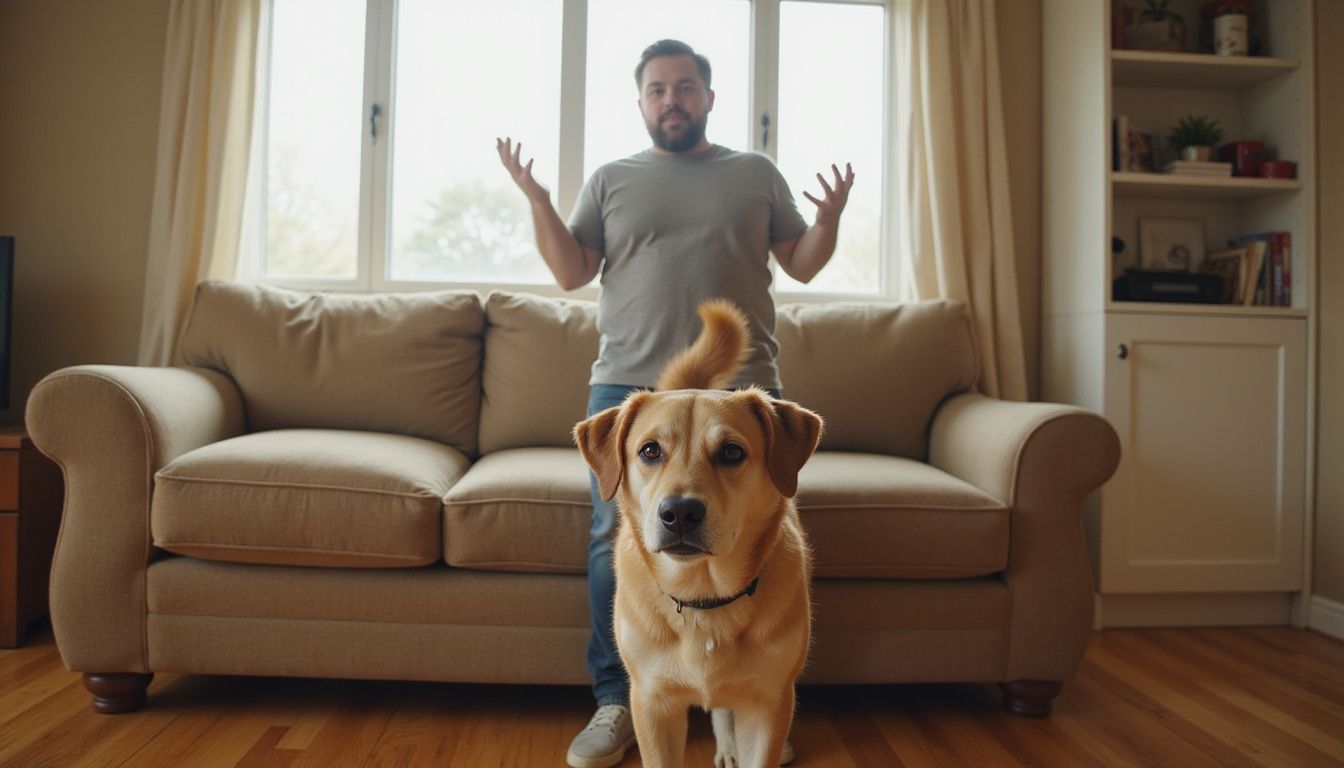
Watch how a dog reacts to loud sounds, fast movements, and new situations. That tells you their true nature.
A dog’s body language tells you everything, from tail position to ear placement, so you can spot stress, joy, or fear before problems start.
How tolerant are dogs to loud noises and sudden movements?
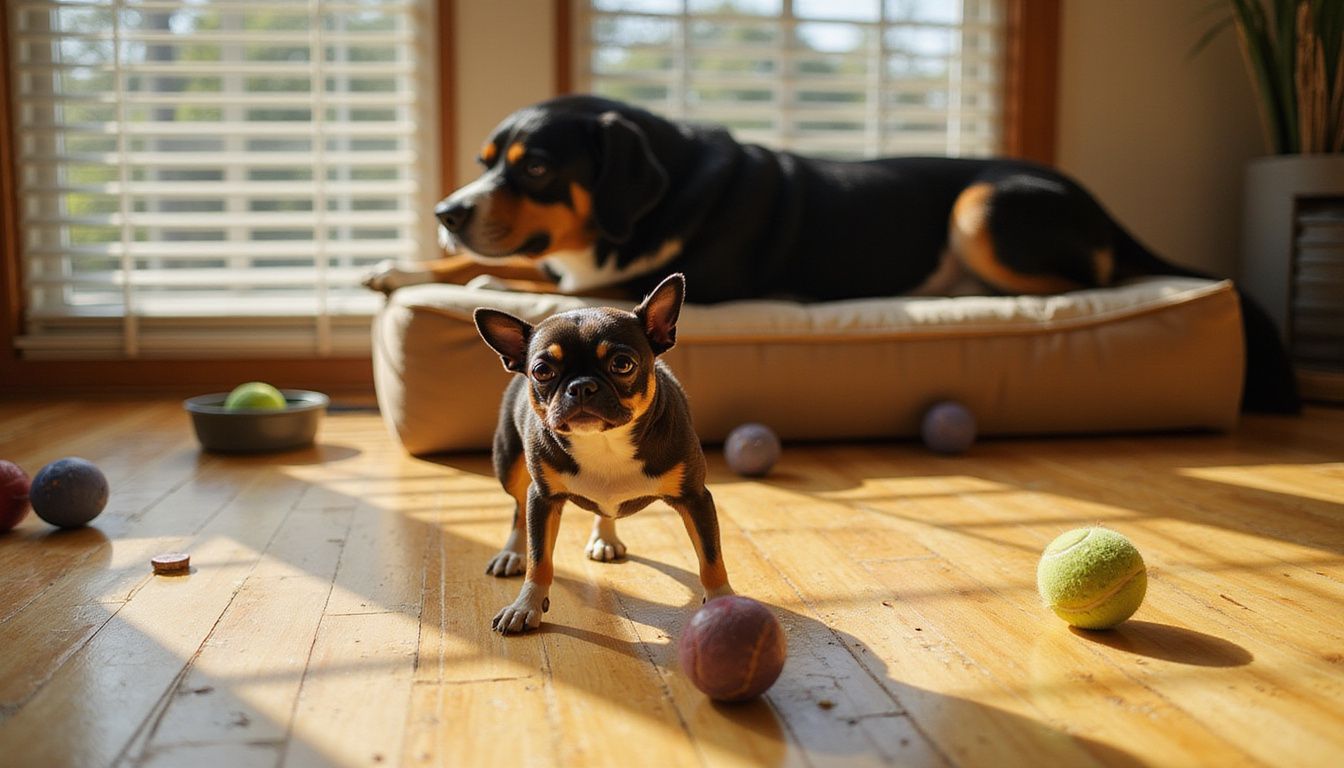
Dogs react differently to loud noises and sudden movements. That tolerance depends heavily on breed and individual personality. Calm, submissive breeds like Bernese Mountain Dogs and Pugs handle erratic sounds and quick movements far better than nervous types.
Your dog’s body language tells the real story here. Some pups freeze or hide during chaos, while others barely flinch.
- Good tolerance: relaxed posture, curious sniffing, quick return to play
- Low tolerance: freezing, hiding, growling, or trying to bolt
- Mixed signals: pacing, panting, or staring without settling
Temperament testing reveals how a potential companion responds to startling stimuli before you bring them home. Dogs that tolerate loud noises and erratic movements typically thrive in homes with children who make noise naturally, and that’s just how kids operate.
Shelter volunteers often run supervised greeting sessions where dogs meet noisy children doing typical household things like running, dropping toys, and brief shouting. One thing that stood out from these observations: recovery speed.
| Recovery Time | What It Looks Like | What It Means for Your Family |
|---|---|---|
| Under 30 seconds | Dog shakes off the startle and returns to normal play or exploring | A strong sign the dog will feel comfortable around kids |
| Over 5 minutes | Dog freezes, retreats, or shows defensive signals | Needs a quieter household or more training before living with active kids |
Quick recovery from surprises strongly predicts how comfortable a dog feels when children move closer afterward. That makes short, staged interactions a genuinely useful tool before adoption. Understanding this tolerance level sets you up well for the next step: evaluating a dog’s overall stress recovery.
How do dogs typically recover from stress or surprises?
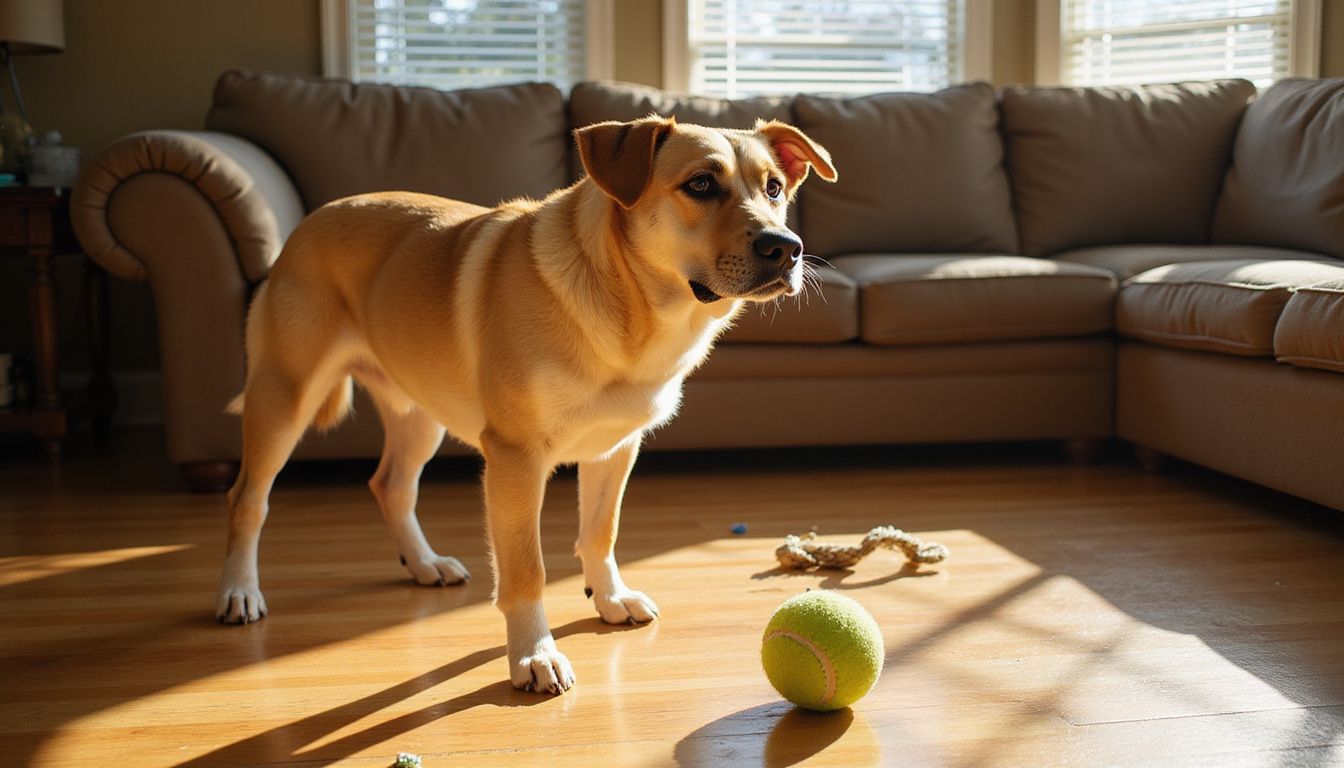
A potential dog’s stress recovery tells you a lot about how well they’ll fit into a family with kids. A dog that bounces back quickly after being startled shows real promise for family life.
Look for pups that shake off surprises within seconds, then return to normal play or exploration. Trainers and adoption counselors can watch for this during temperament testing. As outlined in the widely used Volhard Puppy Aptitude Test, one classic method is the “Umbrella Test,” where a trainer opens an umbrella suddenly a few feet from the dog to measure their startle response and how fast they bounce back.
Some dogs carry genetic stress sensitivity, so individual assessment matters more than breed assumptions alone. Behaviorists trained in dog body language can spot the difference between a dog that recovers well and one that carries anxiety forward.
Your children need to recognize nervous signals too, since stress shows up in body language before bigger problems develop.
- Wide eyes with visible whites
- Yawning outside of naptime
- Lip licking when nothing is nearby to eat
- Tucked tail or lowered body
A dog that stays on high alert after a surprise may struggle with unpredictable kids. Positive reinforcement and gradual exposure can help some dogs improve their stress recovery over time, though it takes patience. Your dog walker, trainer, or doggie daycare staff can support this progress through consistent early socialization.
This foundation shapes everything about how your dog and children will interact, which brings us to the right dog size for your family.
What Is the Best Dog Size for Your Children?
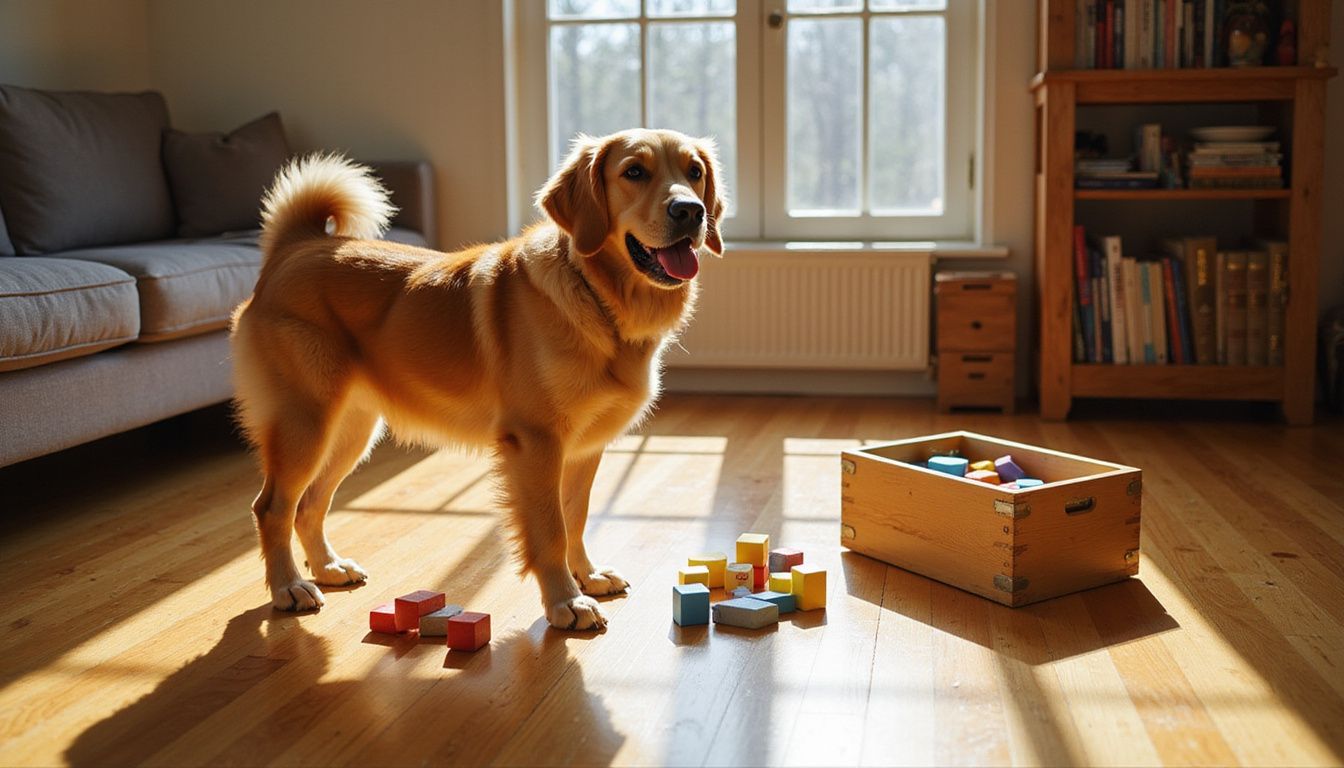
Your dog’s size matters more than you might think when kids are running around your house. A dog that fits your family’s space and your children’s strength keeps everyone safe and happy.
Why avoid delicate toy breeds for young kids?
Tiny dog breeds like Chihuahuas and Pomeranians face real danger around young children. These fragile pups can get seriously hurt from accidental drops or rough handling by toddlers who don’t yet understand their own strength.
Toy breeds also startle easily and may nip when frightened by unpredictable child behavior. Chihuahuas, specifically, show less tolerance and tend to nip more often in response to sudden movements or loud noises. According to a 15-year pediatric facial trauma study by Ohio State University’s Wexner Medical Center, small breeds rank highly for bite frequency mainly because their fragile size makes them more fearful of unpredictable toddler movements, even though large breeds tend to cause more severe tissue damage when they do bite.
That fear response explains a lot. A nip from a toy breed usually isn’t “meanness.” It’s a small, easily startled animal trying to protect itself.
- Fragile bones that break easily from drops or squeezes
- Quick startle response to loud noises or fast movement
- Higher stress in chaotic, high-energy households
- Short hair or fur, which offers less cushion from rough handling
Shelters report that many dogs get surrendered because of mismatches between children’s behavior and a dog’s ability to handle rough play. Monitoring interactions between toy breeds and kids demands constant vigilance, which exhausts most parents.
You need a dog that can handle the chaos of family life, not one that breaks under pressure. A sturdier breed with a solid dog temperament will serve your household far better than a fragile toy dog living in constant fear.
What precautions should be taken with large, energetic dogs around small children?
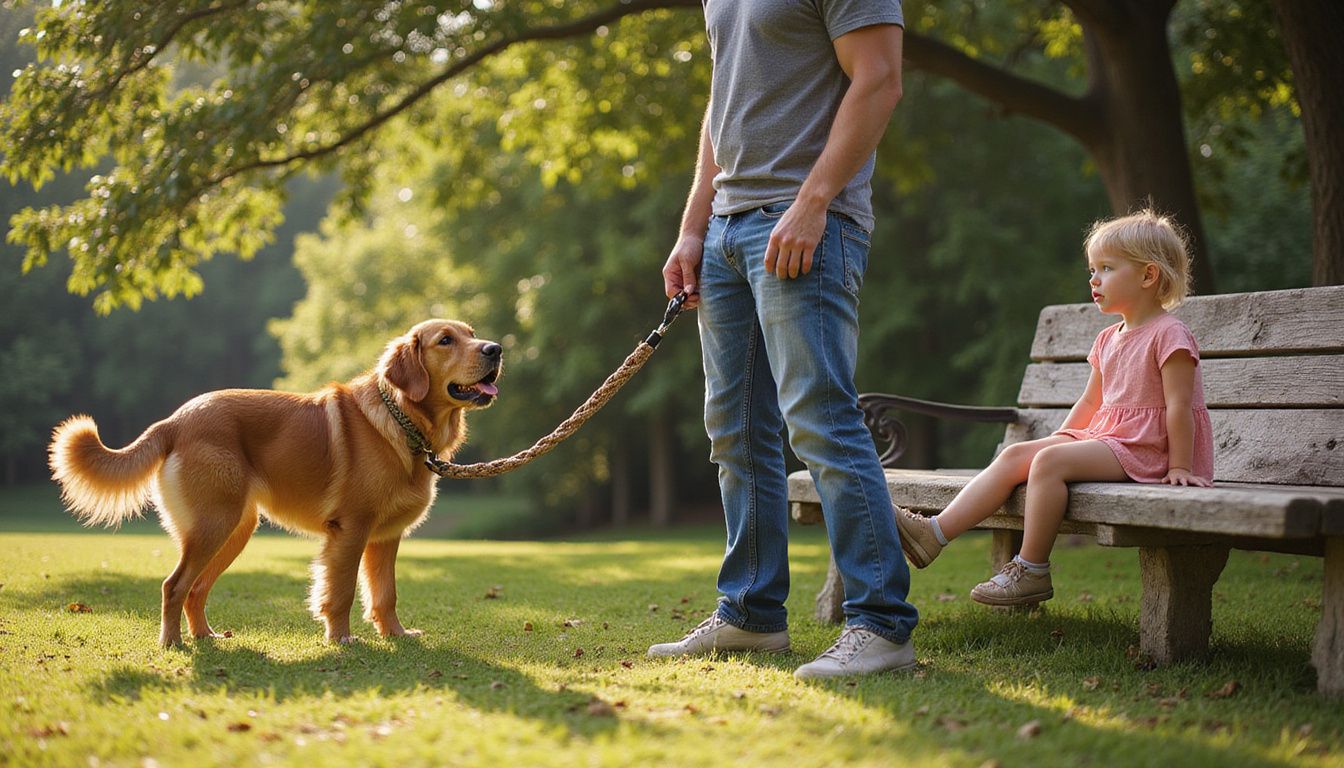
Large, energetic dogs bring joy and chaos in equal measure when small children are around. You need solid precautions to keep both your kids and your future dog safe.
- Keep your large dog on a leash during the first meetings with your children, so you keep control and prevent accidental knockdowns.
- Remember that Newfoundlands and Great Pyrenees look gentle, yet they can accidentally knock over toddlers with their size and enthusiasm.
- Give your high-energy large breed ample space to run and burn off energy safely.
- Assess your dog’s tolerance of small children before adoption by working with trainers or adoption counselors.
- Set up crate training so your pup has a retreat area when interactions with kids feel overwhelming.
- Teach your children proper dog etiquette, especially around meals or rest periods when dogs feel most vulnerable.
- Supervise all interactions between large dogs and small kids, since even a friendly dog might jump or romp without meaning harm.
- Watch for signs of dog anxiety during playtime, and separate kids from the dog if you notice tension building.
- Set up obedience skills training with a professional before bringing your dog home, so commands can prevent dangerous situations.
- Use a car barrier or dog seatbelt during travel to keep your energetic dog contained and prevent driving distractions.
How Can You Teach Children Proper Dog Etiquette?
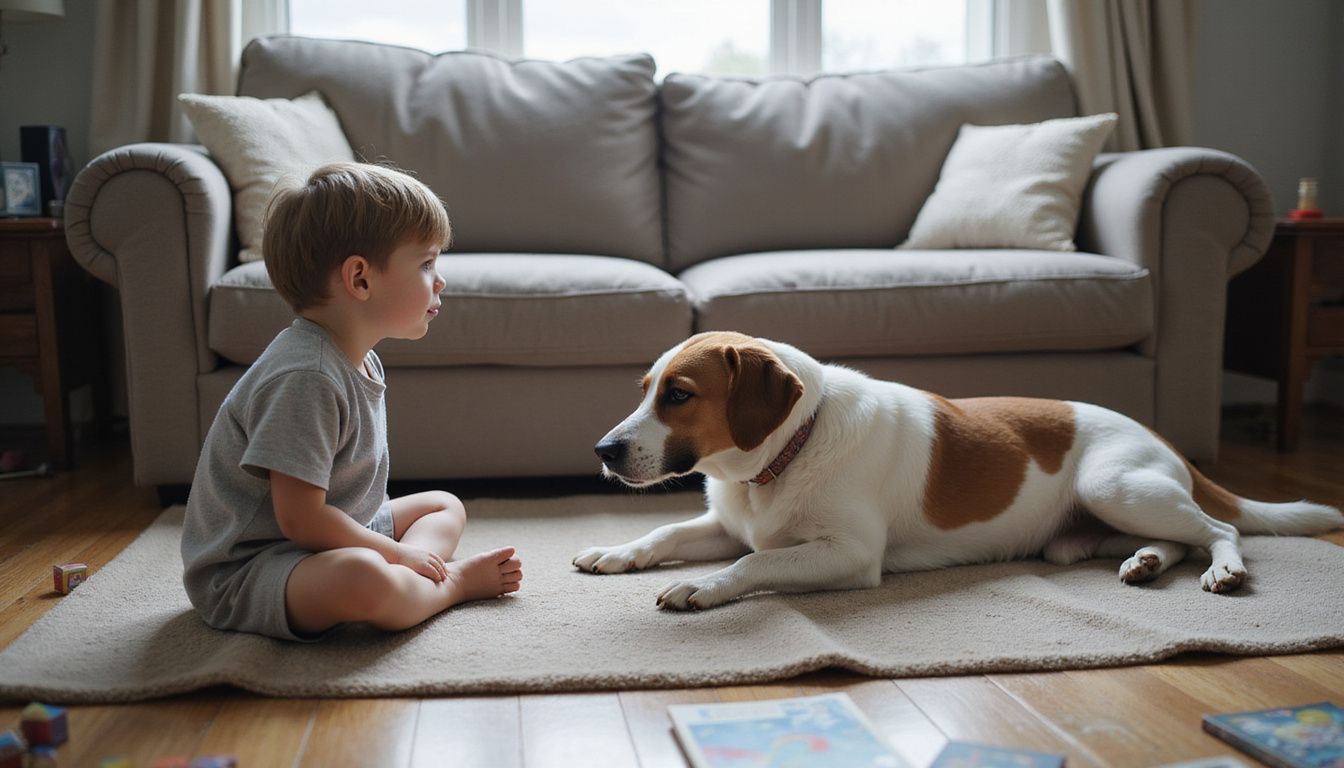
Teaching your kids to read a dog’s body language keeps everyone safe and happy. Kids learn that dogs have boundaries, just like people do, and respecting those limits builds a real bond.
How to help children respect a dog’s safe space?
Here’s a number worth remembering: based on 2023 dog bite statistics from the Allegheny County Health Department, which mirror national CDC trends, over 77% of dog bites to children involve a familiar dog, often the family pet or a friend’s dog. Most happen because the child stepped into the dog’s personal space or bothered their resources.
That statistic proves something important: even the most trusted family dog needs real physical boundaries. Here’s how to set them up.
Creating a safe space:
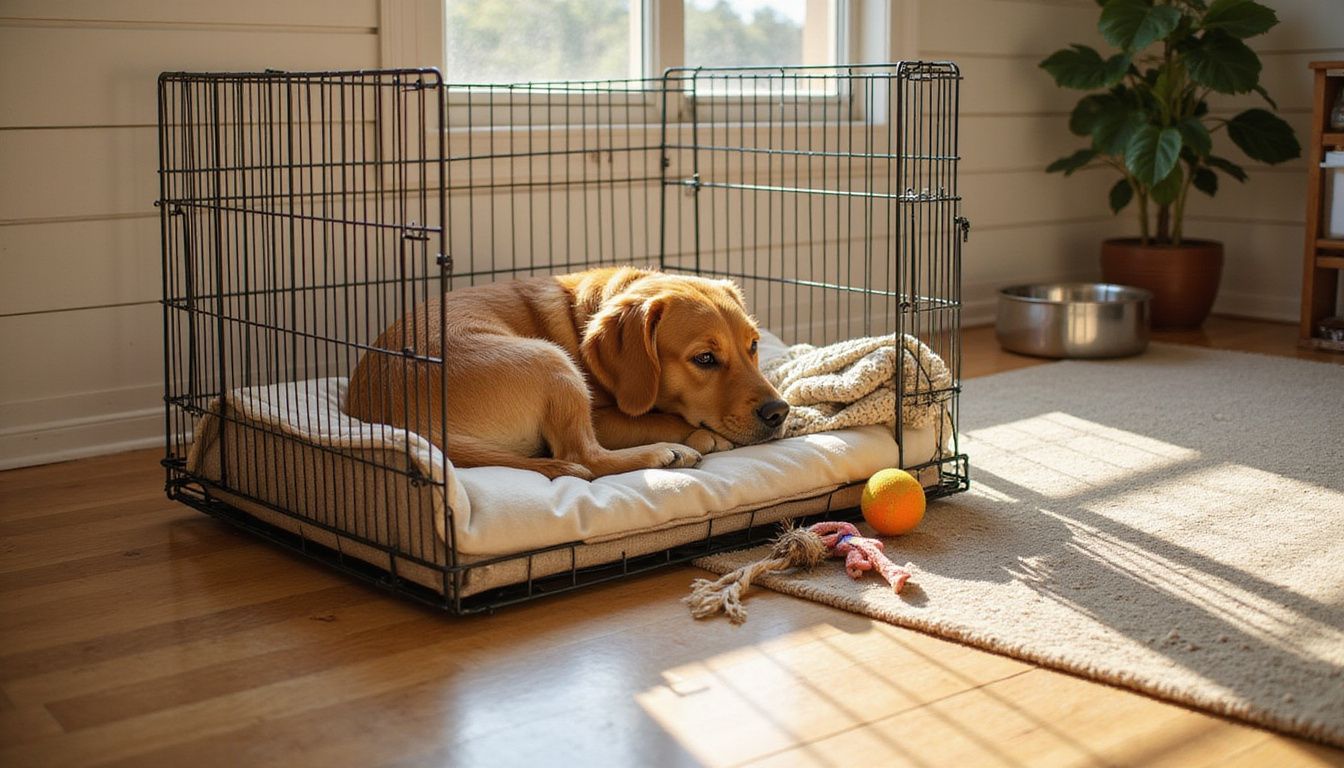
- Set up a designated area like a crate, bed, or exercise pen where kids cannot disturb your dog, giving them a retreat when stressed or tired.
- Establish a house rule that nobody bothers the dog during meals, naps, or rest time to prevent bites.
- Show your children how dogs often seek out adults when tired, so your dog naturally moves toward grown-ups for peace and quiet.
- Teach your kids to watch for stress signals like yawning or turning away, which means the dog needs space right now.
Building respectful habits:
- Explain that calling the dog to them works better than chasing it. If the dog doesn’t come, kids should walk away and leave it alone.
- Use a good walker leash during initial introductions so your dog stays calm while kids learn proper dog socialization skills.
- Reward both your children and your dog when they interact respectfully. Praise kids for waiting patiently, and give the dog treats for staying relaxed.
- Practice basic dog training together as a family, so everyone understands that respecting boundaries strengthens the bond.
One family tracked their progress over six weeks after starting crate training and boundary lessons. In week one, they logged six incidents of their child approaching the dog during meals or rest. After adding crate rules and short daily family lessons on boundaries, incidents dropped to one by week two, and reached zero by week six. By week three, the dog had started using the crate voluntarily for rest four times a day, and mealtimes became calm and predictable for everyone.
Why should children avoid disturbing dogs during meals or rest?
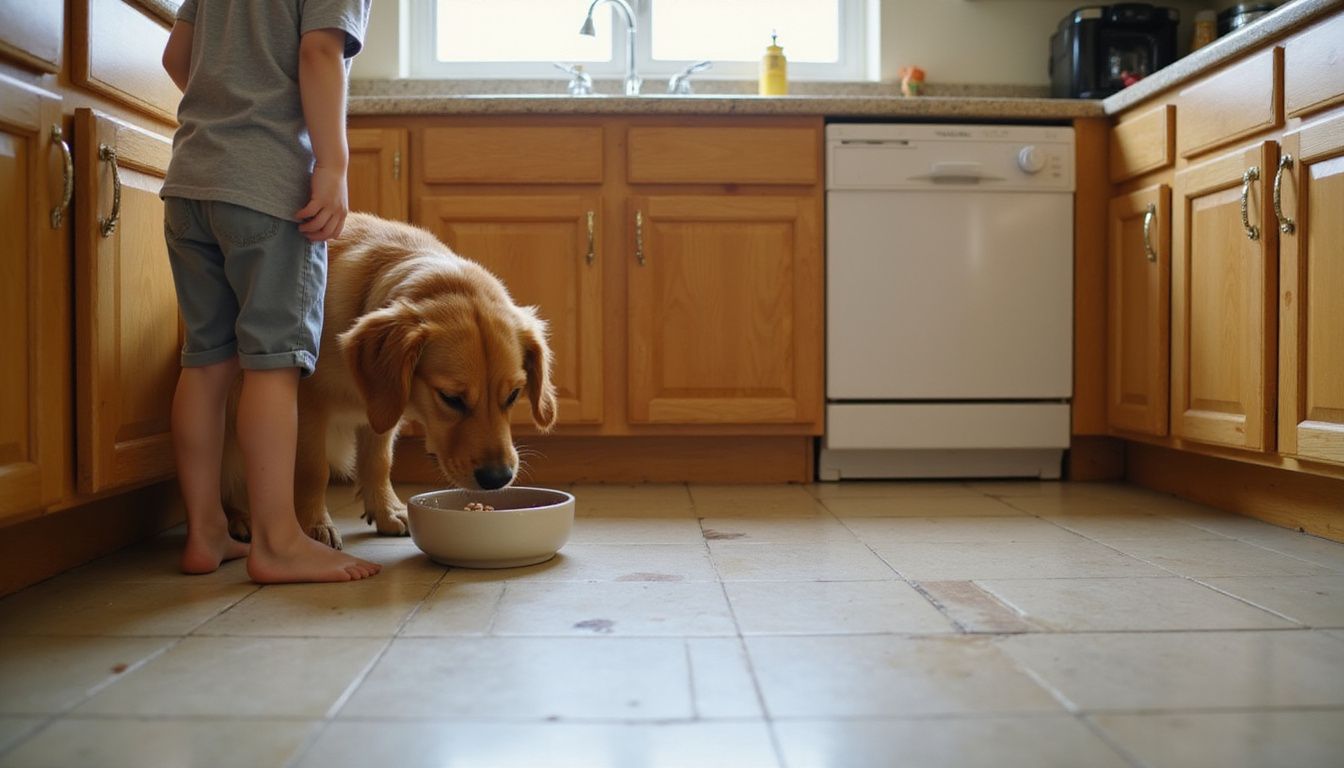
Dogs guard their meals and rest spaces like treasure chests. When a dog eats or sleeps, their brain shifts into protection mode. Disturbing them during these times can trigger resource guarding, where a dog may snap or bite to defend what feels like theirs.
As renowned animal behaviorist Jean Donaldson explains in her book Mine! A Practical Guide to Resource Guarding in Dogs, this behavior is a normal evolutionary survival trait hardwired into dogs to protect food and shelter. It isn’t a sign of a “bad” dog or a dominance problem. It’s biology.
Many dogs end up in shelters because of negative interactions tied to this exact behavior. Kids don’t understand that a sleeping pup or one munching kibble feels vulnerable in that moment. That’s where you come in.
Think of it this way: would you want someone poking you while you eat lunch, or waking you from a deep sleep? Dogs feel the same way, just with sharper teeth.
- Keep the dog’s feeding station and sleeping spot off-limits without adult permission
- Supervise closely during meal and rest times, especially with young kids
- Model the behavior yourself by respecting the dog’s space when they’re eating
- Keep toys away during meals so nothing triggers competition over resources
This simple practice stops most incidents cold. The pillars of good pack leadership start with boundaries, and boundaries start with you setting the example.
Why Involve Experts When Choosing a Dog?
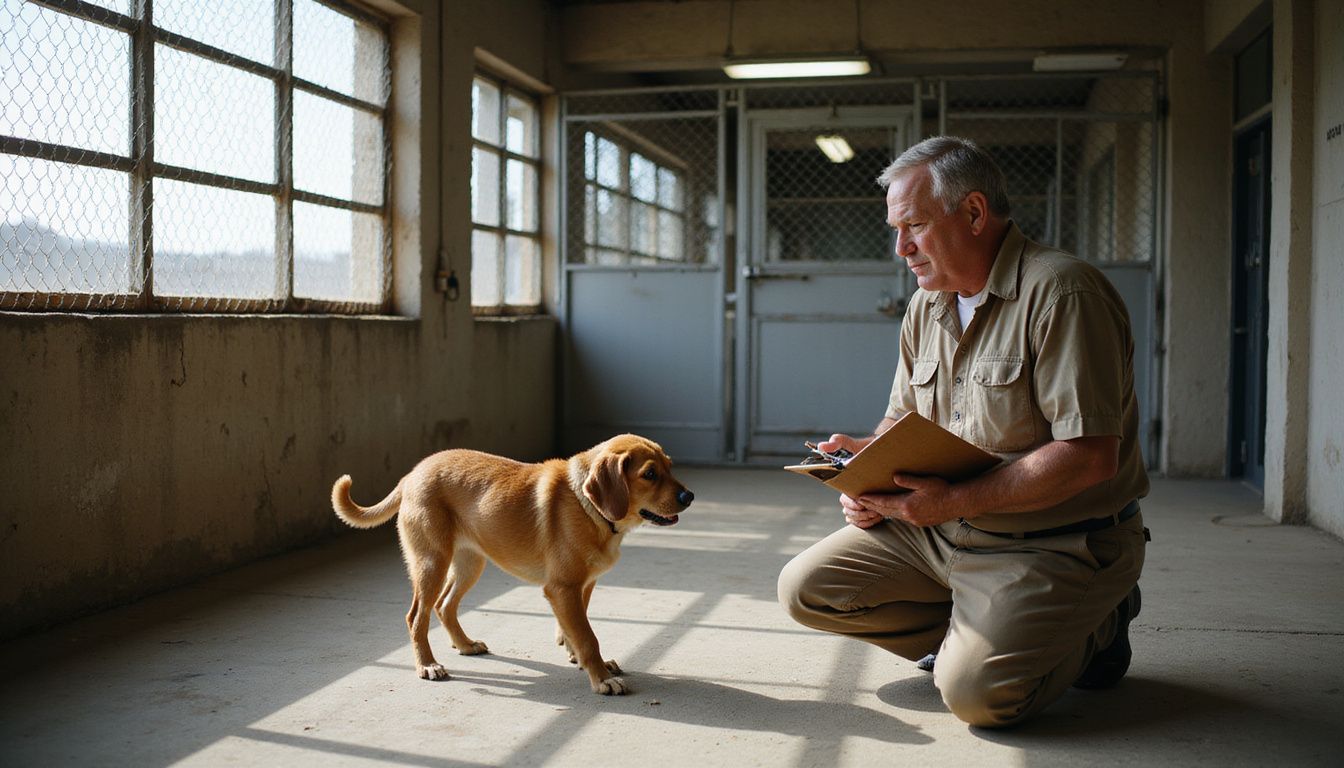
A professional trainer or adoption counselor brings real knowledge to your dog search. They run temperament tests and spot breed traits that match your family’s needs.
How can trainers or adoption counselors assist in dog selection?
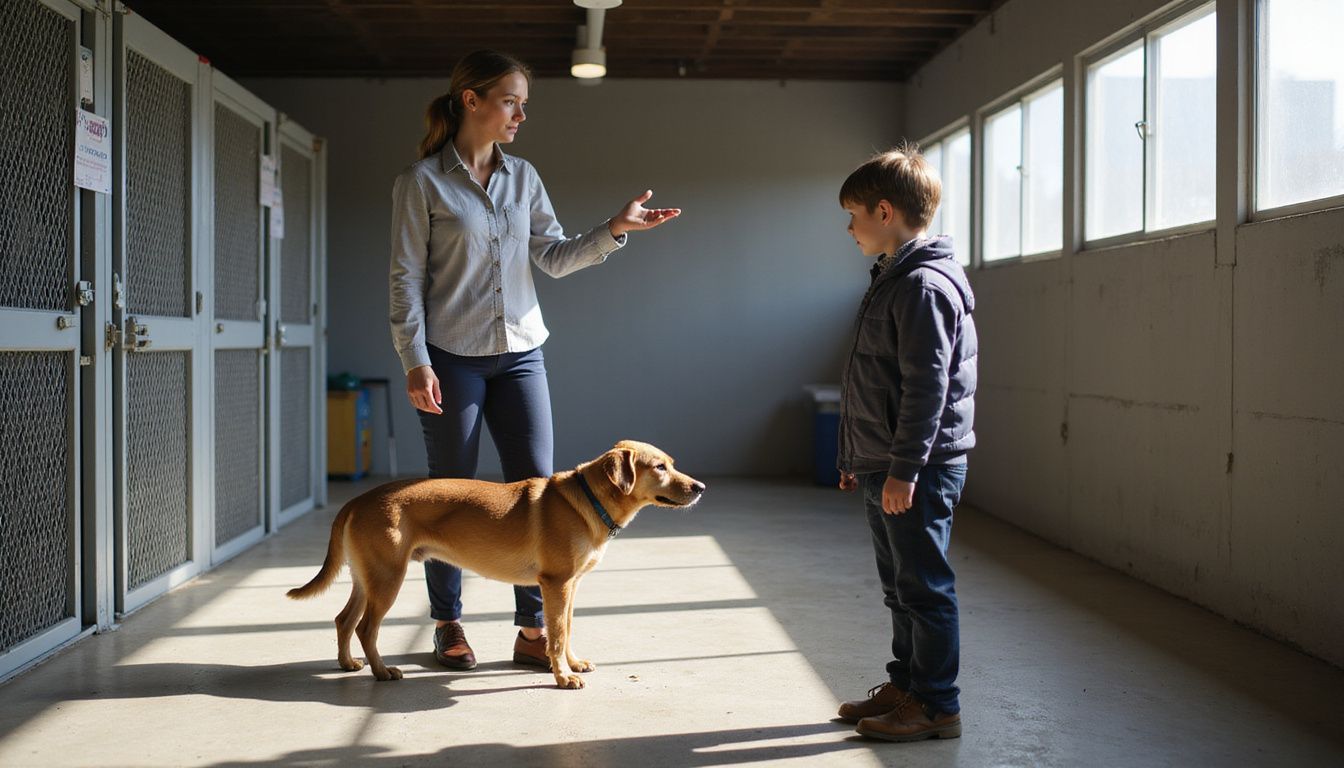
Trainers and adoption counselors bring real expertise to your dog search. They watch how dogs react to loud sounds, handling, and sudden movements during temperament tests, then observe how the dog behaves around children in supervised settings.
Here’s what a good trainer or counselor typically does for your family:
- Recommends specific breeds or individual dogs based on your family’s activity level and your kids’ ages
- Shows you exactly what safe child-dog interactions look like through hands-on demonstrations
- Helps you set house rules and boundaries that fit your household
- Stays involved after adoption to help with any challenges during the adjustment period
This support proves especially valuable in rescue situations, where understanding a dog’s comfort level with children matters most. Their guidance turns the selection process from guesswork into a confident choice backed by real knowledge, and that gives you real peace of mind as you introduce a dog to your kids’ lives.
What should you know about temperament tests and breed traits?
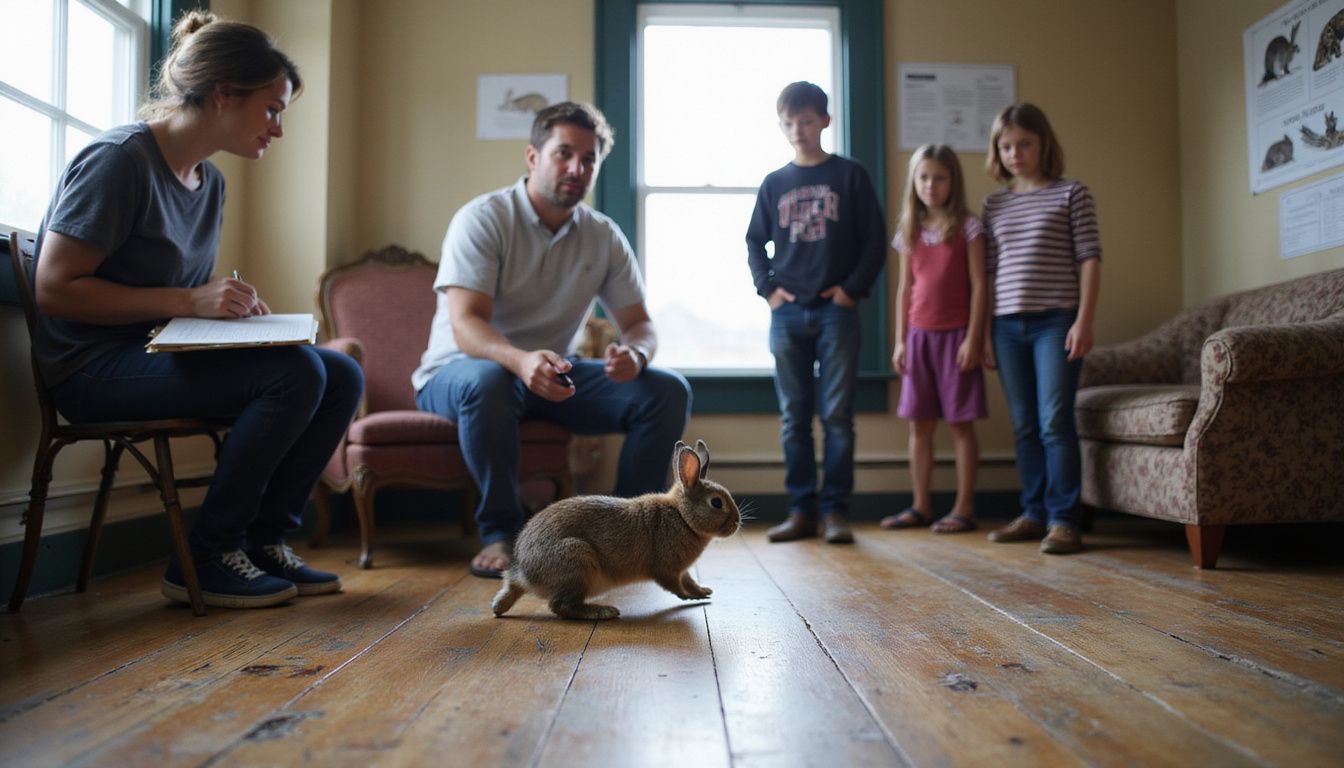
Understanding what temperament tests reveal about your future dog helps you make a smart choice for your family. Top-tier shelters rely on standardized protocols like the ASPCA’s SAFER (Safety Assessment for Evaluating Rehoming) test to systematically check how a dog handles being touched, startling noises, and sharing resources.
| Temperament Tests | What They Measure | Why This Matters for Your Family |
|---|---|---|
| Stress Response Testing | How dogs react to loud noises, sudden movements, and unfamiliar situations. Testers watch whether the dog freezes, backs away, or stays calm. | Active kids create noise and movement. Knowing a dog’s stress tolerance helps prevent panic or injury during playtime. |
| Recovery Time Assessment | How quickly a dog bounces back after something scary or surprising happens. Experts watch whether it settles in minutes or stays anxious for hours. | Dogs that recover fast adapt better to household chaos. Slow-recovering dogs need quieter environments away from unpredictable kids. |
| Handling Tolerance Evaluation | Whether a dog accepts being picked up, petted, or held without struggling or biting. Handlers gently test comfort with human touch. | Young kids often grab or hold pets tightly. Dogs with high handling tolerance fare much better with eager hands. |
| Sociability Indicators | How a dog interacts with people and other animals. Tests reveal whether the dog seeks attention, avoids contact, or shows curiosity toward new faces. | Social dogs engage with children more readily. Shy dogs prefer minimal interaction and do better in calm households. |
| Genetic Predispositions | Breed history reveals inborn traits like prey drive, territorial behavior, or nervousness. Some breeds carry genes for higher stress sensitivity. | Knowing genetic background helps prevent surprises. Certain breeds match high-energy kids better; others suit calm, gentle families. |
| Individual Variation Assessment | The recognition that individual temperament doesn’t always match breed generalizations. Watching actual behavior matters as much as breed reputation. | Two dogs from the same breed can have opposite personalities. Meeting your potential pet shows their real nature, not just a stereotype. |
Adoption counselors and trainers can interpret these test results for your specific situation. They’ll ask about your children’s ages, activity levels, and how much time your family spends at home.
Your lifestyle and your kids’ personalities shape which dog actually fits your home, not just breed reputation. Talking with experts before adoption gives you real confidence that you’re matching the right dog temperament with the right family.
Conclusion
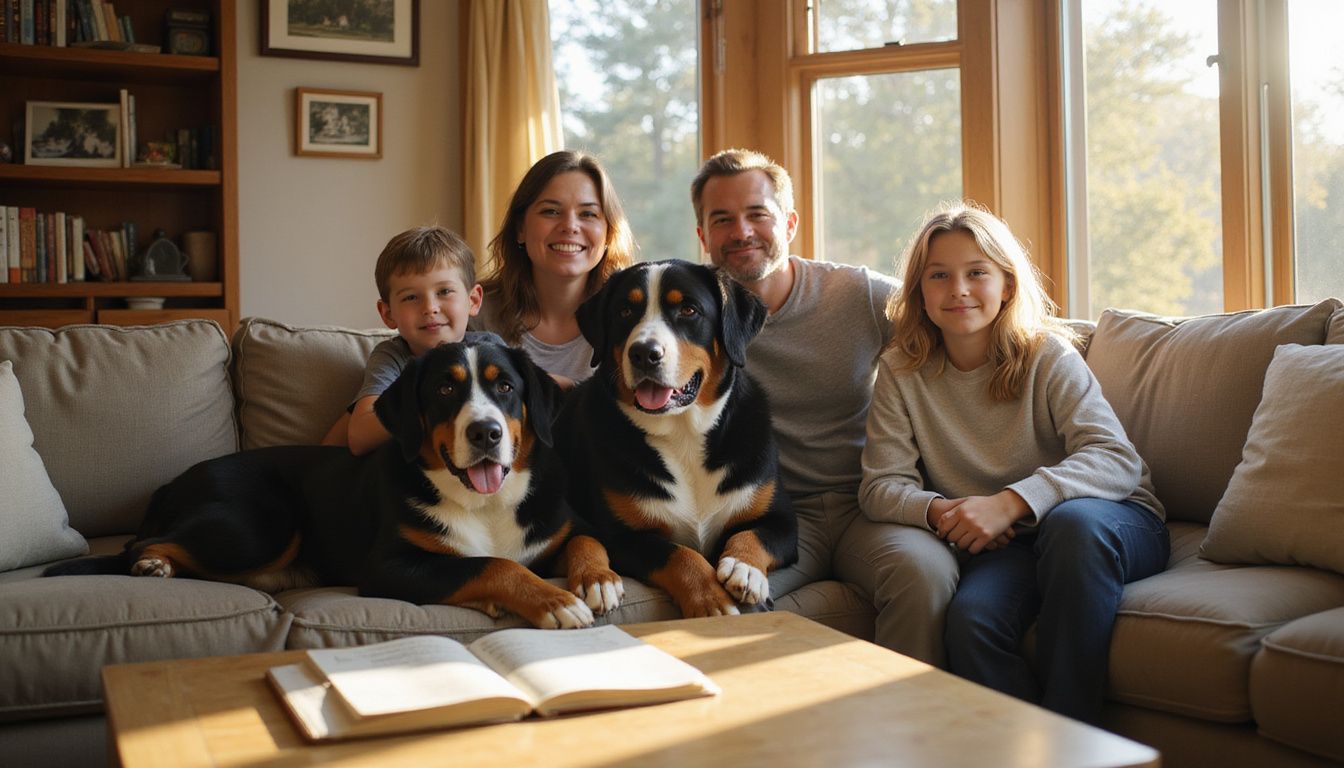
You’ve now got a real playbook for matching dog temperament with your children’s energy, from picking a high-energy Labrador Retriever for active kids to choosing a calm Bernese Mountain Dog for a quieter home.
Checking a dog’s stress tolerance and teaching your kids proper dog etiquette builds a safer, happier household for everyone.
Trainers and adoption counselors can guide you through temperament tests and breed traits, making the whole selection process a lot more straightforward.
Take time to assess your family’s needs now. It prevents problems later and sets you up for years of real joy with a new companion.
Start your search with confidence. The right match between your children and a furry friend is closer than you think.
FAQs
1. How do I know if a dog will be gentle with my kids?
Watch how the dog reacts around noise and quick movements. A 2019 study in the journal Applied Animal Behaviour Science found that dogs who showed calm curiosity rather than fear or overexcitement around children were significantly more likely to become safe family pets. Ask the breeder or shelter, like Petworks in Gorham, Maine, about the pup’s early behavior around kids.
2. What should I do when a dog meets a baby for the first time?
Keep the first meeting slow and let the dog sniff a blanket with the baby’s scent before they meet face to face. Dog behavior expert Donna Duford suggests praising calm behavior right away to set the tone.
3. Are certain breeds better suited for families?
Doodle mixes often make great family pets, and doodle ambassador groups praise their friendly, low-shedding nature. Temperament matters more than breed, though, and George, a well-known therapy dog featured on Facebook, proves any breed can bond beautifully with kids if trained right.
4. How can I help my dog and children build trust over time?
Start with short, supervised visits and reward gentle play with treats or praise. Bill Bishop Jr., a longtime dog trainer, says trust grows through consistent routine, not luck.
5. What tools help keep feeding time calm around kids?
An automatic feeder keeps mealtime steady and reduces food guarding, which helps dogs feel secure in busy homes. Even actress Isabella Rossellini, known for her love of animals, has spoken about how daily structure builds calmer, happier pets.