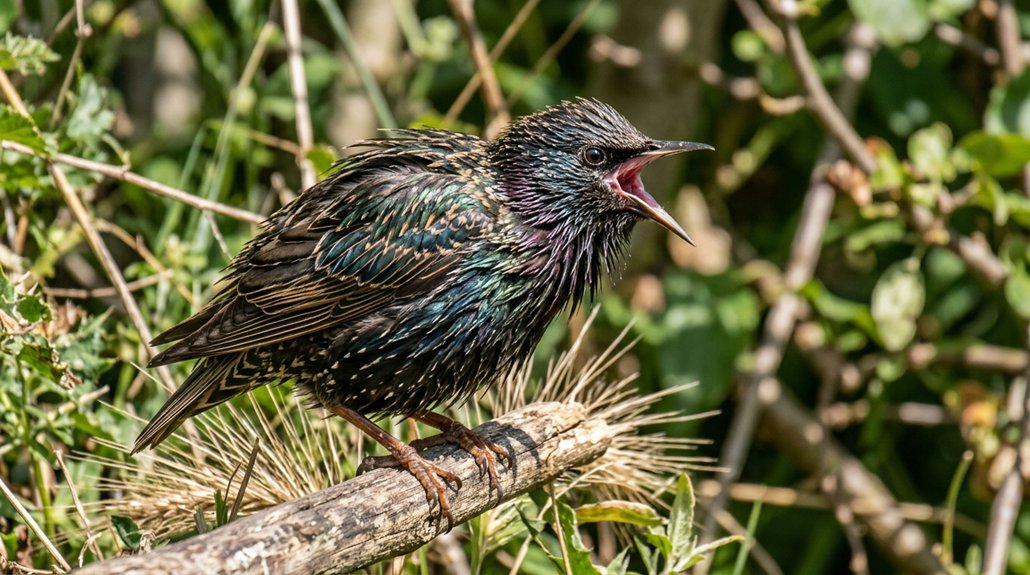
Your bird is screaming because it is trying to communicate a need, react to a trigger, or repeat behavior that has been reinforced. Check first for pain, illness, hunger, or a safety issue, then ignore attention-seeking screams without eye contact, scolding, or rushing over. Offer a simple replacement call, reward quiet, and keep sleep, feeding, and interaction routines steady. Add foraging, flight, and play to reduce boredom, and you’ll see what else shapes the pattern.
Key Takeaways
- Birds scream to communicate, seek attention, warn of danger, bond socially, or defend territory.
- Sudden screaming can signal illness, pain, hormonal changes, or other medical problems.
- Environmental triggers like dawn, dusk, doorbells, reflections, pets, and loud noises often set off screaming.
- Do not reinforce screaming; avoid eye contact, scolding, approaching, or letting the bird out in response.
- Provide more sleep, foraging, exercise, and routine, and teach a quiet replacement call for attention.
Why Birds Scream
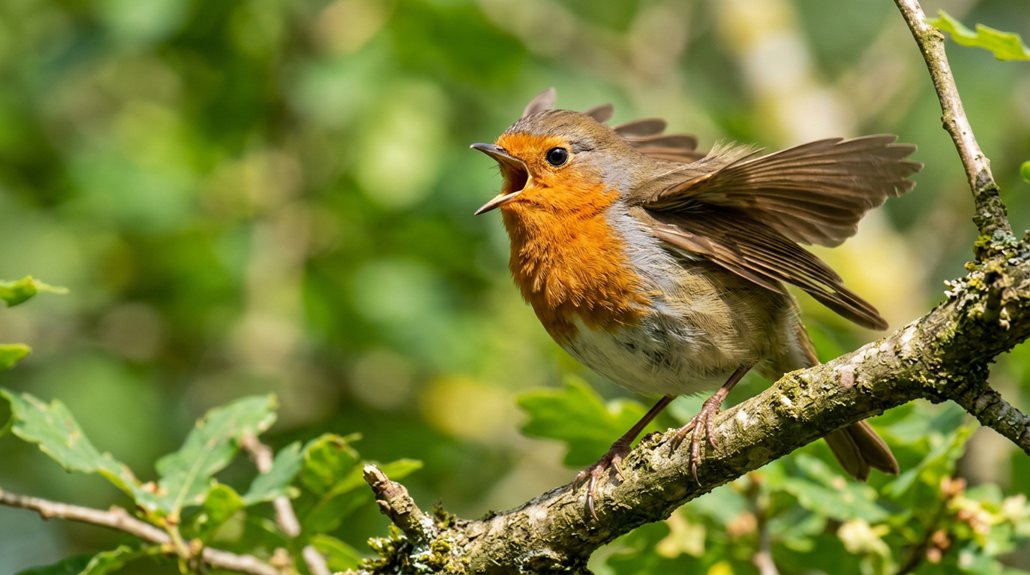
Birds, especially parrots, often scream as a normal form of flock communication, not simply as “bad” behavior. When you hear it, you’re often hearing contact calling, alarm, attention-seeking, social bonding, or a territorial display. In many parrots, the behavior becomes more frequent when they’re under-stimulated, under-exercised, or denied foraging and flight opportunities. Screaming can also be learned: if you approach, scold, cover the cage, or otherwise respond immediately, you may reinforce it. Likewise, removing a perceived need, such as letting the bird out after it screams, can increase future bouts. Illness, breeding-related hormonal shifts, insufficient sleep, and abrupt household changes can raise rate and intensity. Specific cues, including doorbells, pets, dawn, dusk, reflections, or loud TV, can also set it off.
What Triggers Bird Screaming?
Birds often scream in response to predictable triggers rather than without cause: dawn and dusk flocking instincts, boredom or under-stimulation, separation from their human “flock,” sudden environmental changes, and hormonal or medical stressors can all raise vocalization. You’ll often hear a dawn chorus about 10–20 minutes after sunrise or before sunset, which is normal flock signaling. If your bird isn’t getting daily foraging, toys, or flight opportunities, frustration can escalate. When you leave the room or the house, your bird may call to re-establish contact. Loud TVs, vacuums, dogs, reflections, or new furniture can act as environmental alarms. Hormonal surges and pain or illness can intensify screaming, too. If vocalization changes suddenly, schedule an avian vet exam promptly.
Stop Reinforcing Screaming
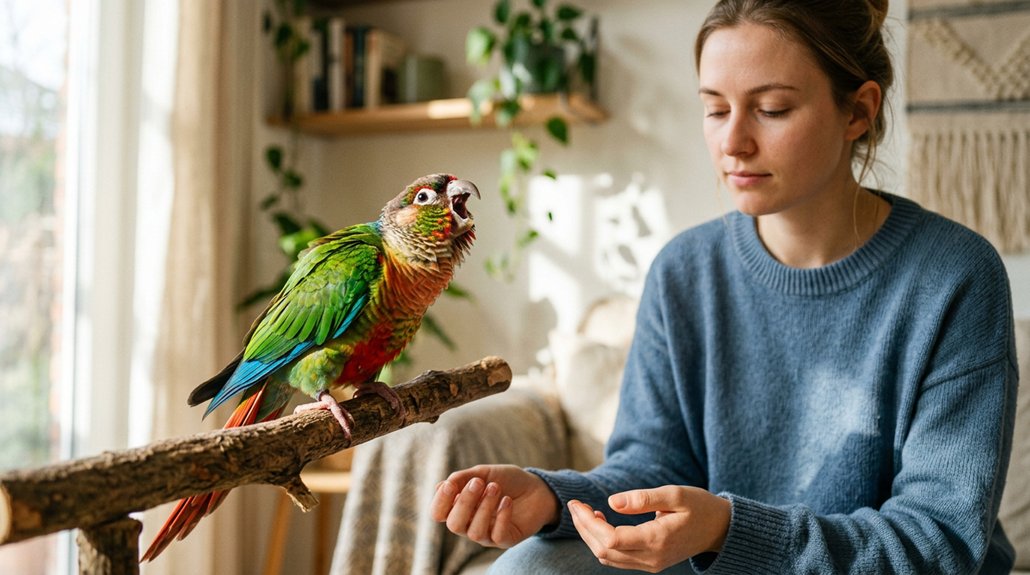
If screaming reliably gets your attention, it will likely keep happening. You need attention withdrawal: don’t approach, scold, or make eye contact after a scream, because any of those can reinforce it. After first checking health, food, and safety, calmly leave the room or turn away to ignore screams every time they occur. Consistency matters; if one loud episode works, the behavior can strengthen. Expect an extinction burst, with louder or longer screaming for days or weeks, and don’t give in. Freeze movement and sound when you’re not present, so you’re not accidentally rewarding the noise. Resume normal interaction only after a quiet, calm interval. At the same time, reinforce a different sound immediately, so your bird learns that quiet alternatives, not screaming, produce attention.
Teach a Replacement Call
Once screaming is no longer being reinforced, teach a single replacement call that can reliably earn attention. Choose one simple signal, such as a short whistle or an attention phrase like “Mommy here,” and make that the only sound that gets immediate response. During early sessions, use differential reinforcement: ignore screams, then give instant, enthusiastic attention and a treat every time the chosen call occurs. Start with continuous reinforcement so every correct attempt pays off, then thin to intermittent rewards once it’s reliable. Practice by briefly leaving the room or opening a door to prompt calling, and respond within 1–2 seconds. If screams intensify, don’t give in; wait for the replacement call and continue calmly, so it outcompetes the old behavior.
Use Enrichment, Sleep, and Routine
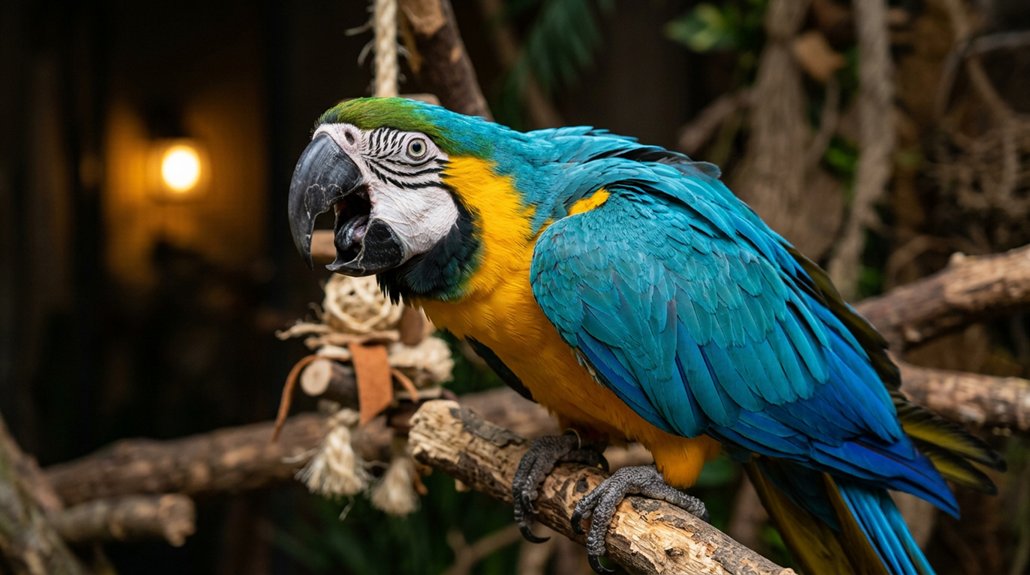
Even when you’ve reduced reinforcement for screaming, management still matters because unmet sleep, social, and activity needs can keep the behavior going. Give your bird 10–12 hours of uninterrupted sleep each night; a Consistent bedtime helps prevent stress-related morning and evening screaming. Provide 2–4 Foraging toys or destructible items daily, and rotate them weekly to maintain novelty and reduce boredom-driven vocalizing. Schedule at least two 15–30 minute sessions of training or one-on-one interaction at predictable times so your bird’s social needs aren’t met by screaming. If your bird is flighted, add 30–60 minutes of flight, playstand time, or foraging flights to burn excess energy. Keep feeding, out-of-cage time, and sleep on a stable routine, and consider a brief afternoon “scream time” window.
Frequently Asked Questions
What to Do When Your Bird Starts Screaming?
Check for injury, hunger, water, or cage hazards first. If you’re safe, ignore the scream, reward quiet instantly, and use behavior training and noise desensitization for triggers. Offer enrichment, and stay consistent.
What Does It Mean if a Bird Is Screaming?
It usually means you’re hearing a natural flock call, not a drama queen audition. Your bird may be doing vocal development, territorial signaling, or expressing fear, boredom, pain, or alarm. A vet check can rule out illness.
How to Get a Bird to Calm Down?
You calm your bird by reducing stimulation, rewarding quiet with positive reinforcement, and adding environmental enrichment. If screaming’s sudden or with fluffed feathers, appetite loss, or lethargy, you’ll need an avian vet exam first.
Are Birds Scared of Screaming?
Yes—birds can be scared of screaming. Their noise sensitivity, flight instincts, and predator alarms make loud cries feel threatening. You’ll also notice social signaling responses, like freezing or alert calls, when they’re startled.
Conclusion
When your bird screams, it is usually trying to tell you something, not giving you a personal attack worthy of a thousand alarms. By identifying triggers, stopping reinforcement, teaching a replacement call, and improving enrichment, sleep, and routine, you can reduce screaming over time. Stay consistent and patient. If the behavior persists or worsens, your bird may need a veterinary check or behavior consultation to rule out pain, stress, or another underlying issue.