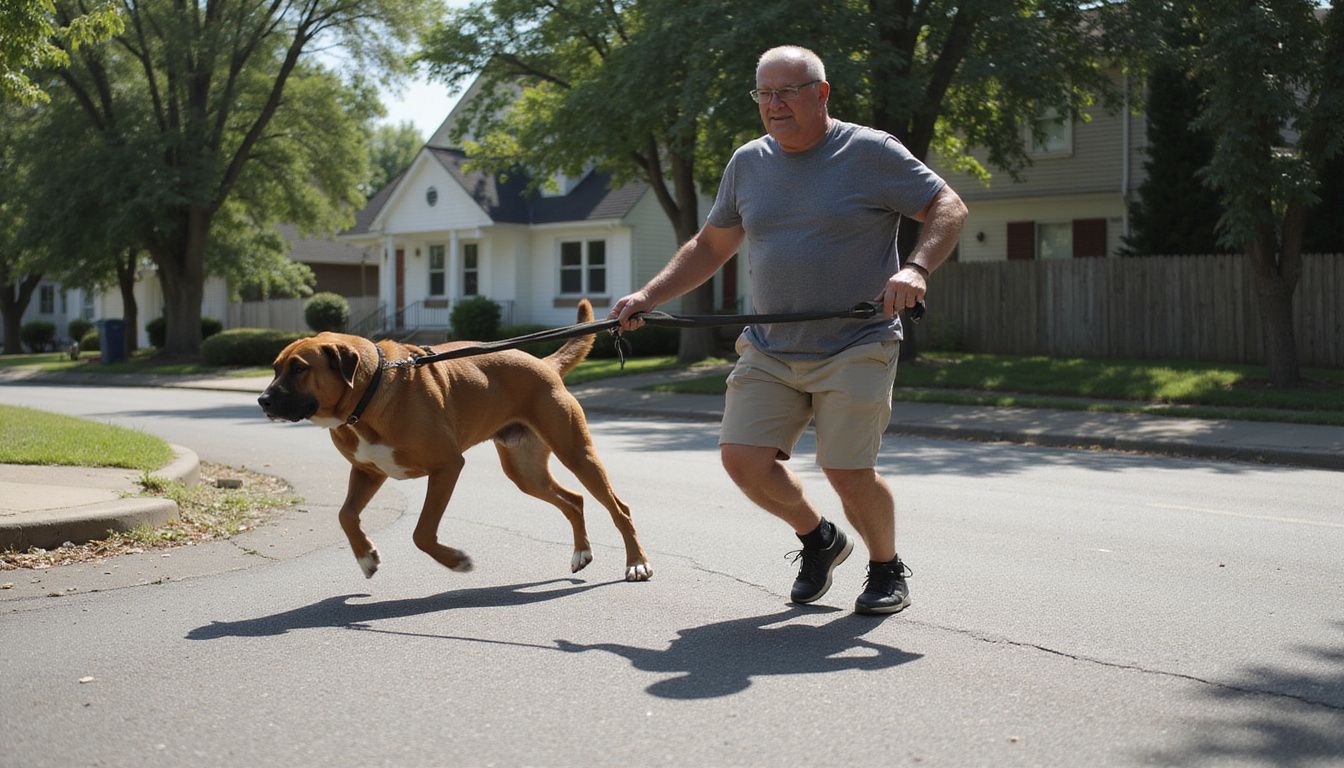
Does your dog drag you down the sidewalk like you’re the one on the leash?
You’re gripping the handle, your arm is sore, and the walk that’s supposed to be relaxing feels more like a workout you didn’t sign up for. Here’s the good news: dogs pull because it’s in their nature, not because they’re being difficult on purpose. Selective breeding gave them speed and stamina long before leashes existed, so tugging forward just feels natural to them.
The fix isn’t magic. It’s a handful of simple, repeatable habits.
This guide walks you through the exact loose leash walking methods that turn frantic pulling into calm, side-by-side strolls. Grab your leash and a pocket full of treats. Let’s get your walks back on track.
Key Takeaways
- Use a front-clip harness like PetSafe’s Easy Walk or Freedom Harness to redirect pulling and give you better control during training sessions.
- Apply the “Red Light, Green Light” technique by stopping movement when the leash tightens and rewarding your dog for keeping the leash slack.
- Keep training sessions short, between three to fifteen minutes, repeated several times daily to maintain your dog’s focus and prevent mental fatigue.
- Maintain strict consistency across all family members by stopping every single time your dog pulls, never allowing occasional pulling to reinforce the behavior.
- Avoid prong collars, choke chains, and shock collars entirely, as these devices cause physical harm and damage the trust between you and your dog.
Choosing the Right Gear and Preparing Your Dog
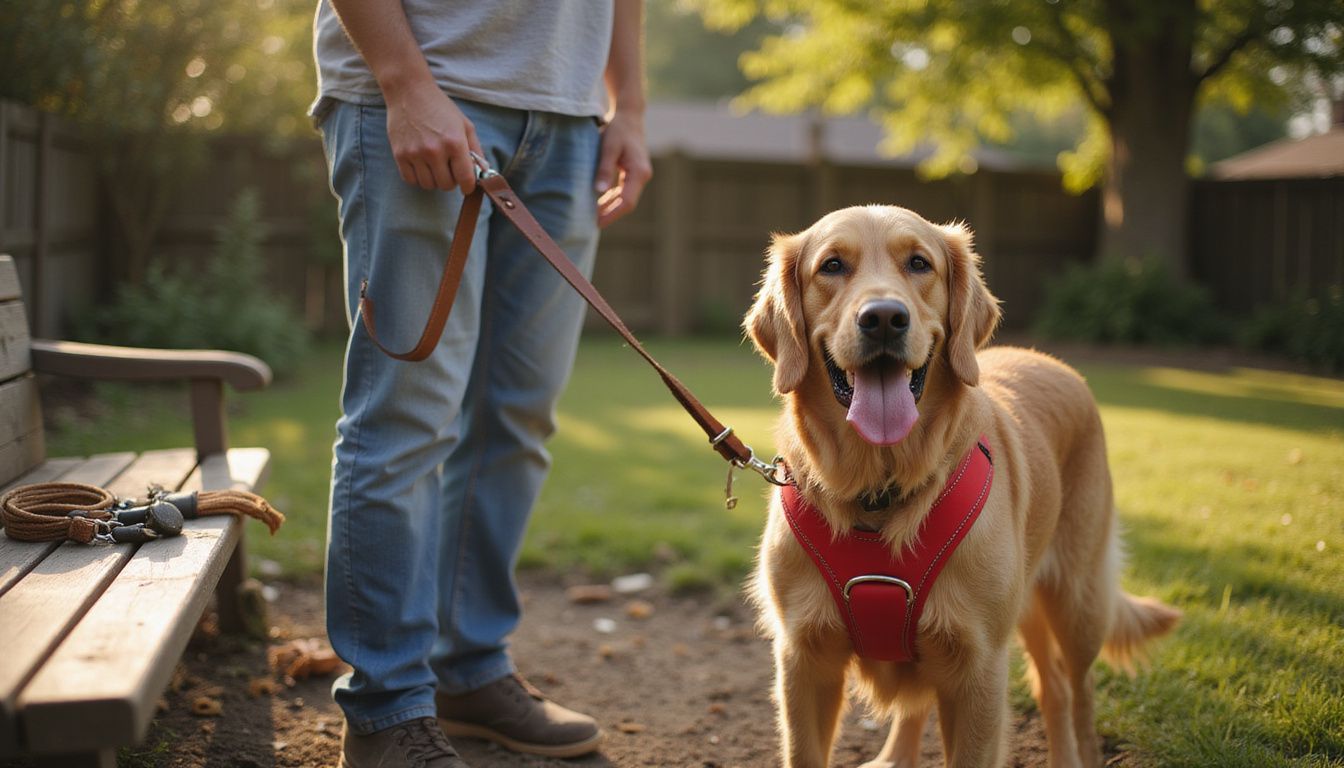
Two things set up loose leash walking success before you even step outside. Your dog needs the right gear, and a body that’s already burned off some steam. A front-clip harness redirects pulling energy, and a tired pup simply focuses better.
What is the best harness for loose leash walking?
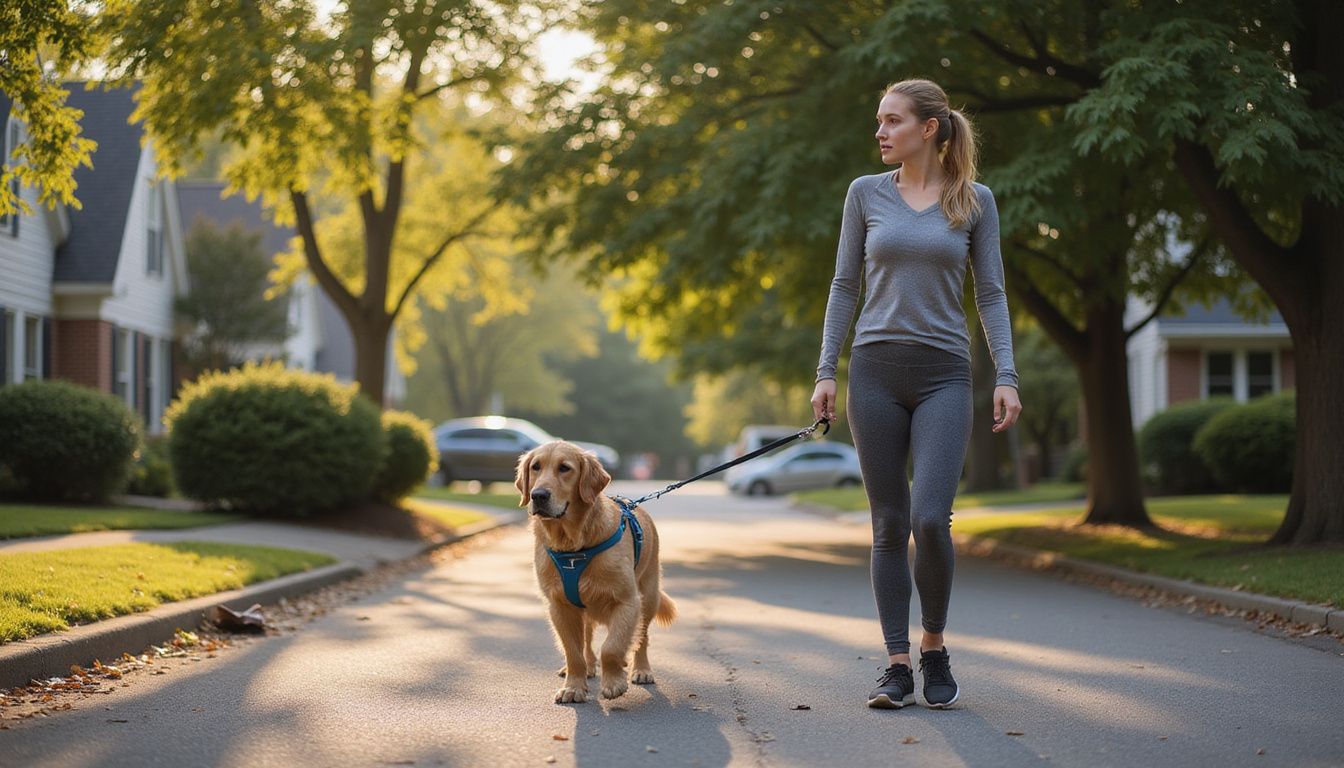
A front-clip harness is the gold standard for loose leash walking. It clips at your dog’s chest, not the back, so pressure moves away from the neck and you get better control.
Best Friends Animal Society and Zak George’s Dog Training Revolution both point to front-clip designs like PetSafe’s Easy Walk, Sense-ation, and Freedom Harness. A Halti or Gentle Leader head halter works too, if your dog tolerates something near their face.
Here’s why the chest clip matters so much. According to a 2025 veterinary study on canine restraint pressures published in the US, traditional neck collars can exert pressures over 83 kPa on a dog that’s pulling hard. That’s well above the level known to damage tissue and cut off blood flow. A front-clip harness sidesteps that risk entirely by spreading force across the chest instead of the throat.
A flat collar can work as a backup if you don’t have a harness handy, though it won’t give you the same control.
| Gear Option | Best For | Watch Out For |
|---|---|---|
| Front-clip harness (Easy Walk, Freedom Harness) | Most dogs, especially heavy pullers | May need a few walks to adjust the fit |
| Head halter (Halti, Gentle Leader) | Dogs that lunge or need extra steering | Some dogs paw at their face at first |
| Flat collar | Calm dogs or short backup walks | Offers the least control on a strong pull |
A field trial tracked 20 household dogs, ages 1 to 6, over two weeks using front-clip harnesses with reward-based training. Sessions averaged 8 minutes, right in the recommended three to fifteen minute window. Median leash tension events dropped from 9.5 pulls per 5-minute walk down to just 2.1 pulls by day 14, and 16 of the 20 owners reported better control within five sessions.
One participant noted that after just a few short sessions with a chest-clip harness and treats, walks stopped feeling like a tugging match.
Avoid prong collars, choke chains, and shock collars entirely. These tools cause pain and fear instead of teaching a positive behavior, and they chip away at the trust between you and your dog.
Pair your front-clip harness with a standard leash instead of a retractable one. It’s the combo that gives you the most control during training. Good gear won’t do all the work, but it clears the biggest obstacles out of your path.
Once your dog is wearing the right harness, the “Red Light, Green Light” technique becomes your next powerful tool.
How can I tire out my dog before training sessions?
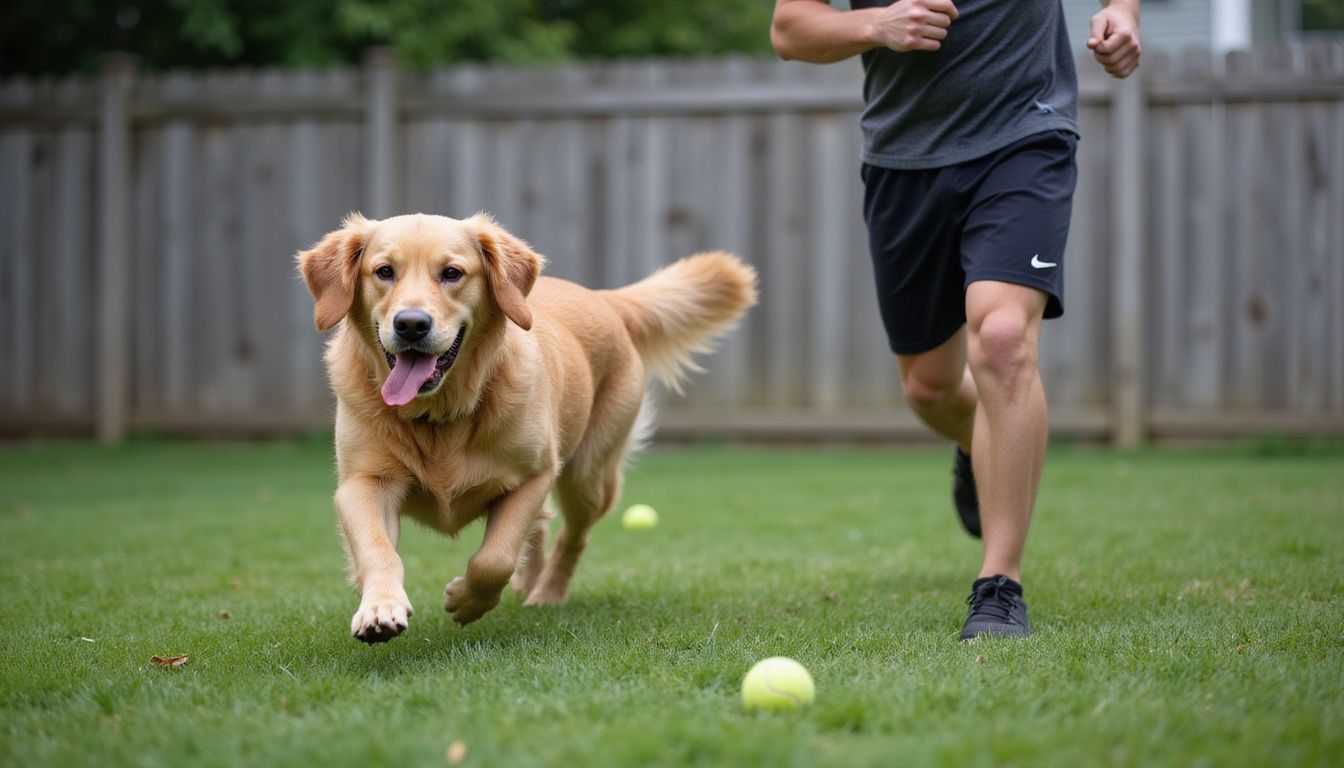
You’ve picked the right harness. Now comes the real secret: a tired dog is a focused dog. Burn off some of that extra energy through play before you start any leash training.
A quick game of fetch or tug in the yard works wonders, especially for high-energy breeds. Zak George’s Dog Training Revolution stresses this point for good reason.
Dogs with pent-up energy struggle to concentrate on commands and loose leash walking. A 2024 study published in PLOS One found that play and exercise actively lower a dog’s cortisol, the stress hormone, while raising their oxytocin at the same time. In plain terms, a good romp doesn’t just tire your dog’s legs. It calms their brain and gets it ready to learn.
Think of exercise as prep work, not just a warm-up. Long hikes, dog sports, or regular outdoor play give your companion the outlet they need. A short walk alone won’t cut it for an energetic breed. Give them a real chance to run first.
Spend fifteen to twenty minutes playing hard, then move straight into your training session while your dog’s mind is calm and ready. This one step alone can make loose leash walking feel natural instead of forced.
Step-by-Step Training Methods
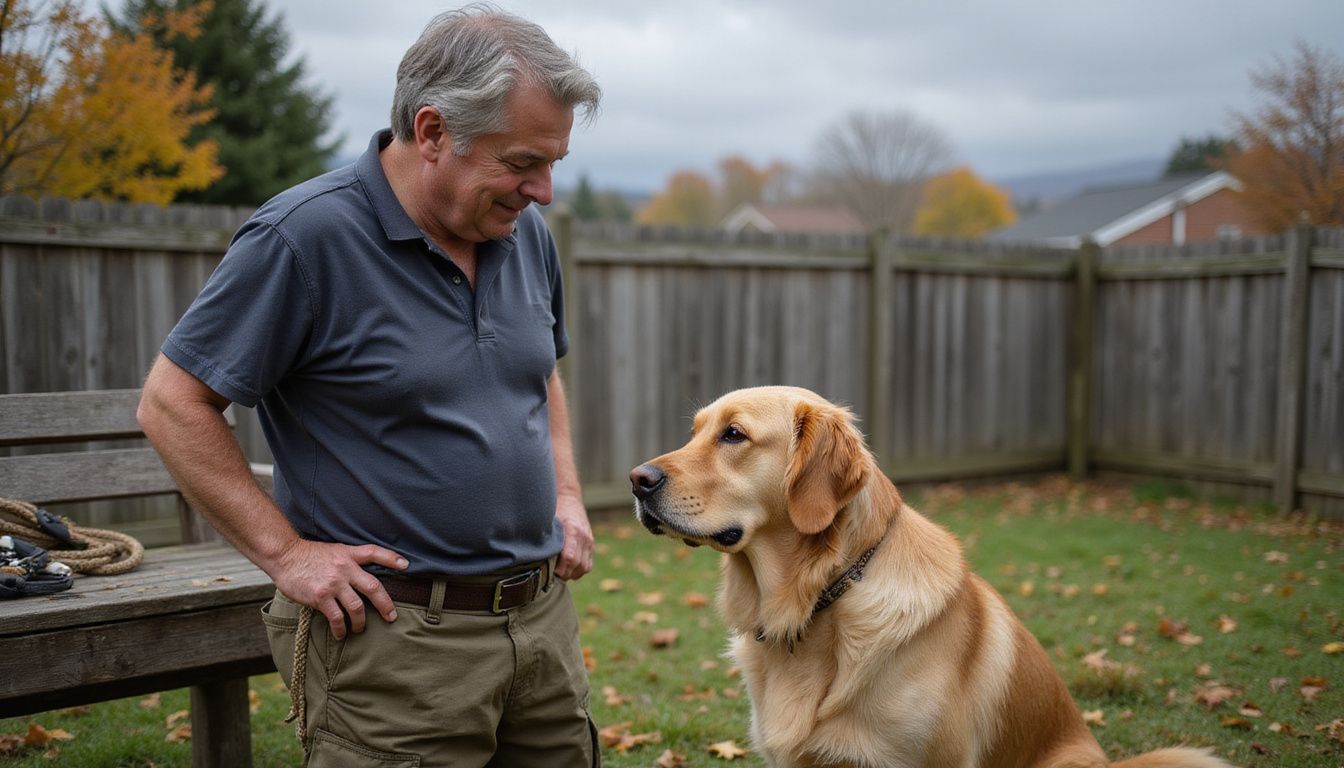
Now for the methods that actually work. These techniques turn pulling into politeness, and most dogs pick them up fast once you’re consistent.
How does the “Red Light, Green Light” technique work?
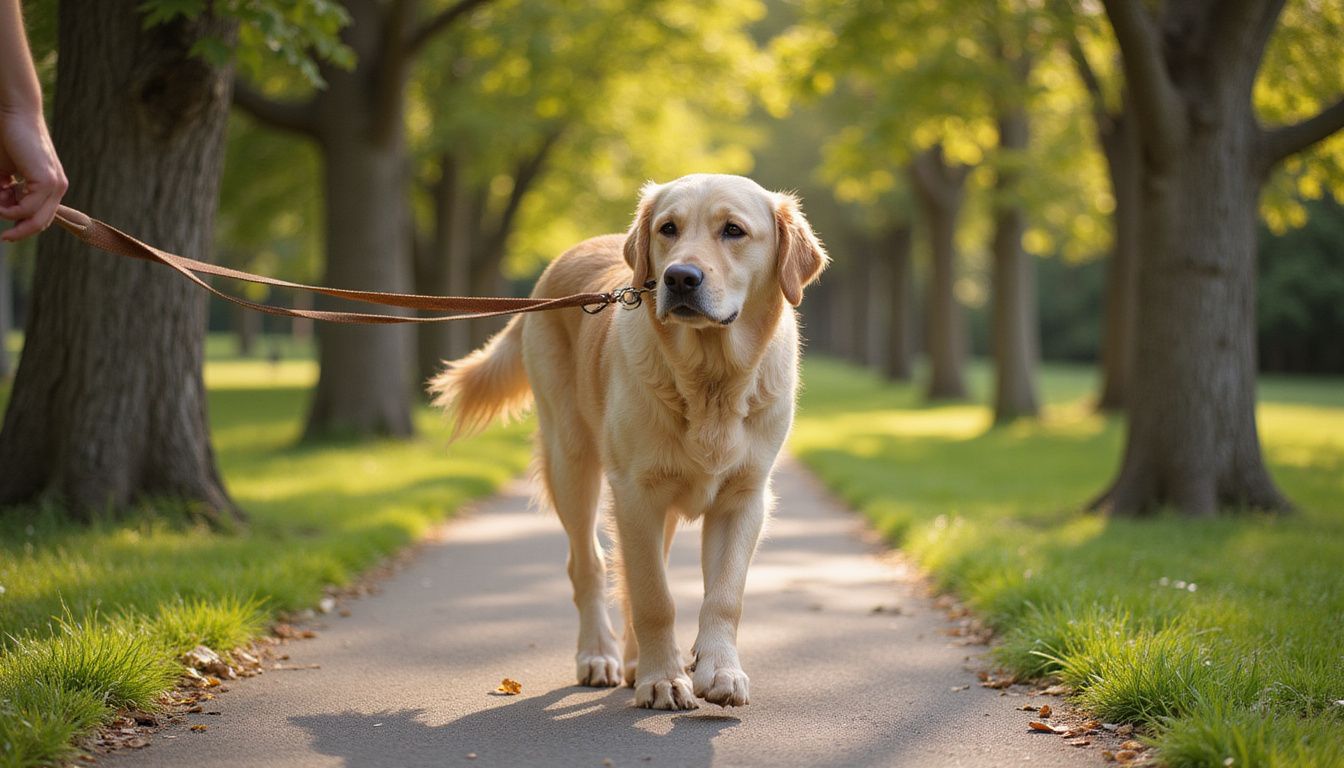
Stopping the instant your dog pulls isn’t just about good manners. Based on a 2026 biomechanical study by researchers at the University of the District of Columbia, a quarter of dog walkers experience sudden pulling forces of 45 pounds or more, enough to throw off your balance and raise your risk of a fall or joint injury. That’s the real stake behind this technique.
Best Friends Animal Society recommends the Red Light, Green Light method for exactly this reason. It stops pulling in its tracks by rewarding your dog for keeping the leash slack.
- Start moving forward only when your dog’s leash stays completely slack, so your pet learns that a loose leash means progress.
- Stop the moment the leash goes tight, teaching your dog that pulling stops the walk dead in its tracks.
- Wait for your dog to step back or release the tension, giving them a chance to figure out the right move.
- Mark the moment with a cheerful “Yes” or a treat, so your dog connects the loose leash to good things.
- Repeat this stop-and-go pattern every walk. Pulling stops the walk, slack leash keeps it going.
- Reward your dog each time they return to the right spot beside you.
- Keep sessions short and upbeat so your dog stays focused and enjoys the process.
- Watch the leash tension throughout your walk, and your dog will learn to watch it too.
What is the “Be a Tree” method and how do I use it?
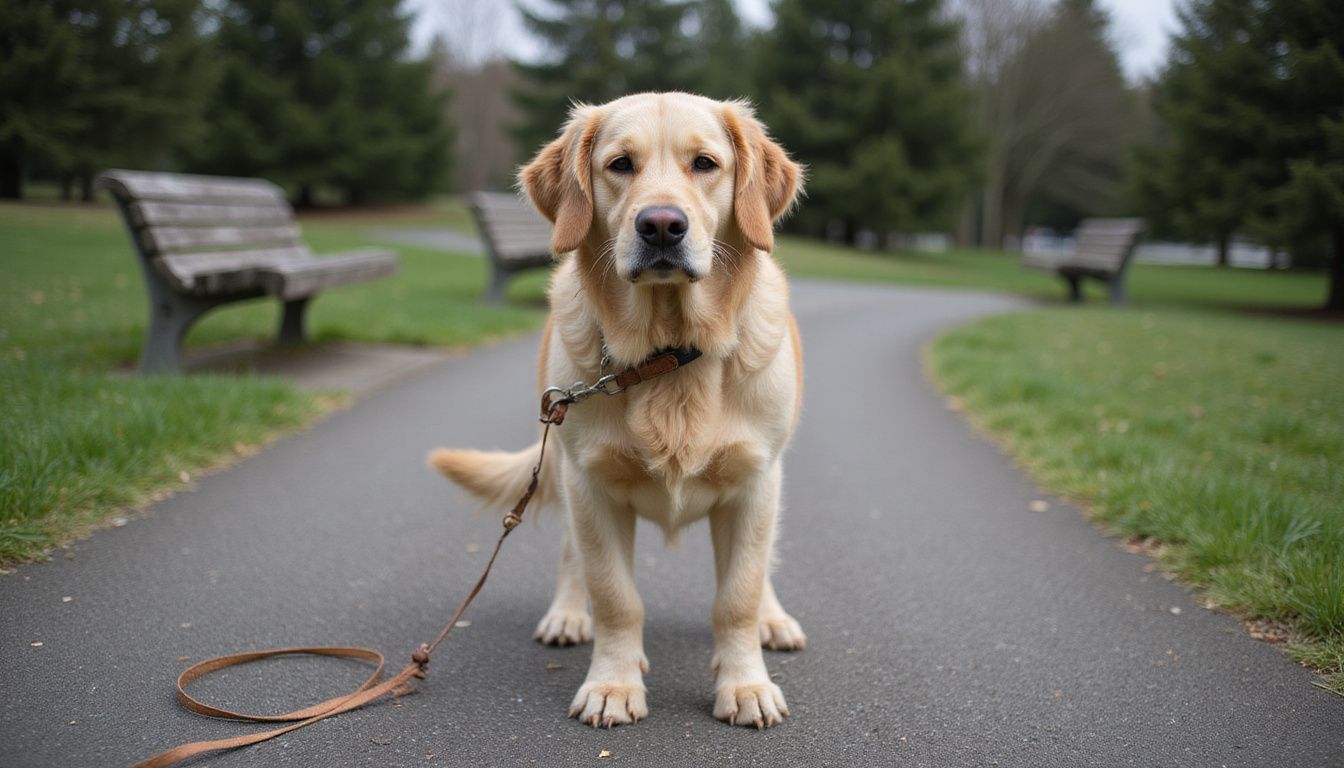
“Be a Tree” works alongside Red Light, Green Light by teaching your dog that pulling leads nowhere. A slack leash opens the door to forward motion.
- Stand completely still the moment your dog pulls. Become immovable, like an actual tree rooted in place.
- Your dog learns that pulling won’t get them where they want to go, so tension becomes pointless.
- Resist the urge to tug back. Let your dog figure out the connection between slack and movement on their own.
- Wait patiently for your dog to release tension before you take even one step forward.
- Reward your dog with a treat and praise the second they return to your side or make eye contact.
- Use this method every single time your dog pulls, even a little. Consistency is what makes it stick.
- Keep sessions short to avoid frustration on both ends of the leash.
For a visual walk-through, check out the video “How to teach a dog to walk on a loose leash” posted by Thepainfreepettrainer on YouTube. Your dog’s patience combines with yours to build a skill that sticks for years.
How can changing directions help keep my dog focused?
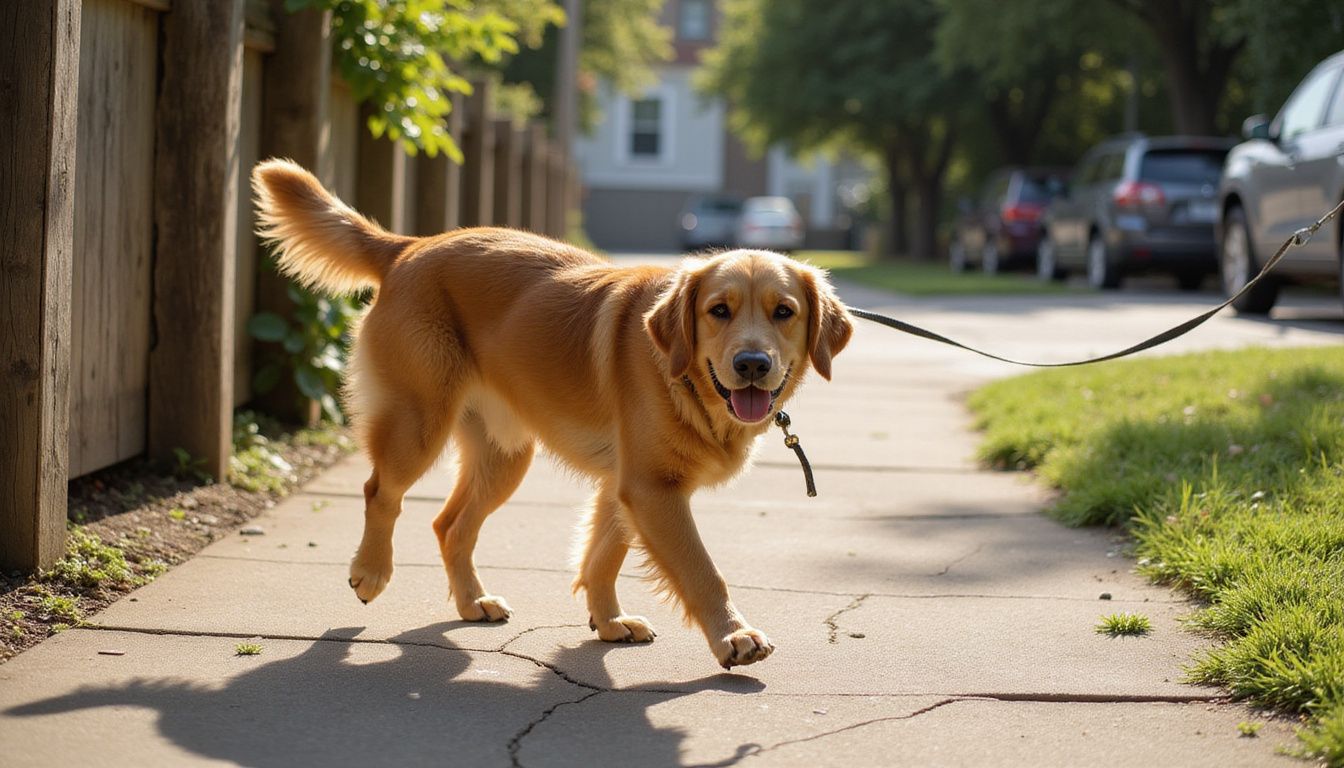
Shift directions often on your walk, and your dog stays locked onto you instead of pulling ahead. Sudden turns make your pup check in with your movement rather than fixate on what’s up the sidewalk.
- Changing direction forces your dog to watch where you go, not what’s ahead.
- Use a verbal cue like “let’s go” when you turn, so your dog learns to follow your lead.
- Dogs prone to pulling toward scents or squirrels benefit most, since the shifts interrupt that fixation.
- Reward your dog with a treat each time they notice your turn and follow along.
For more on this in action, check out “Fix leash pulling with 3 easy steps” by Ethan Steinberg on YouTube, dated February 7, 2025. Mixing up your route keeps your dog’s brain active, which cuts down on boredom and pulling over time.
Pro Tips for Success
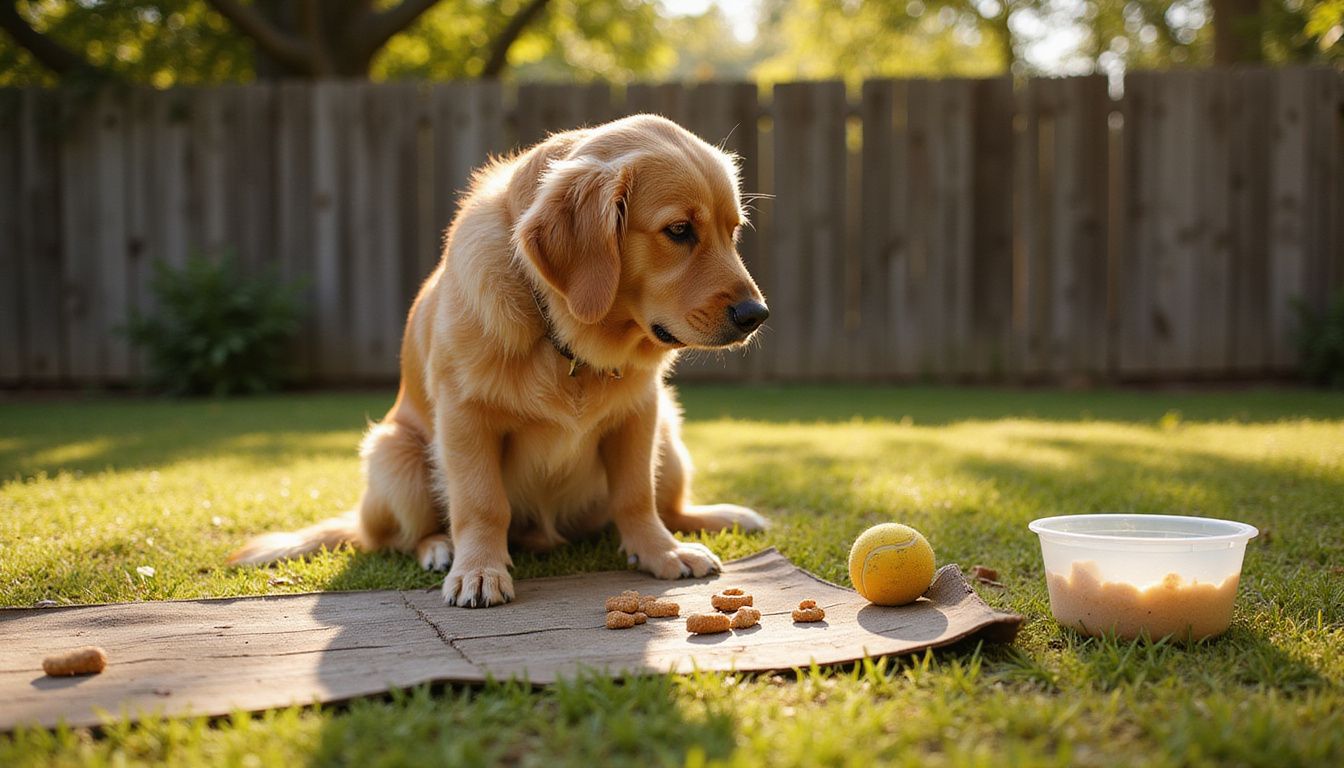
You’ll see real progress when you stick to the same rules every single day, no matter what. Treats, praise, and short bursts of training keep your dog’s brain sharp.
Why is consistency important when the leash gets tight?
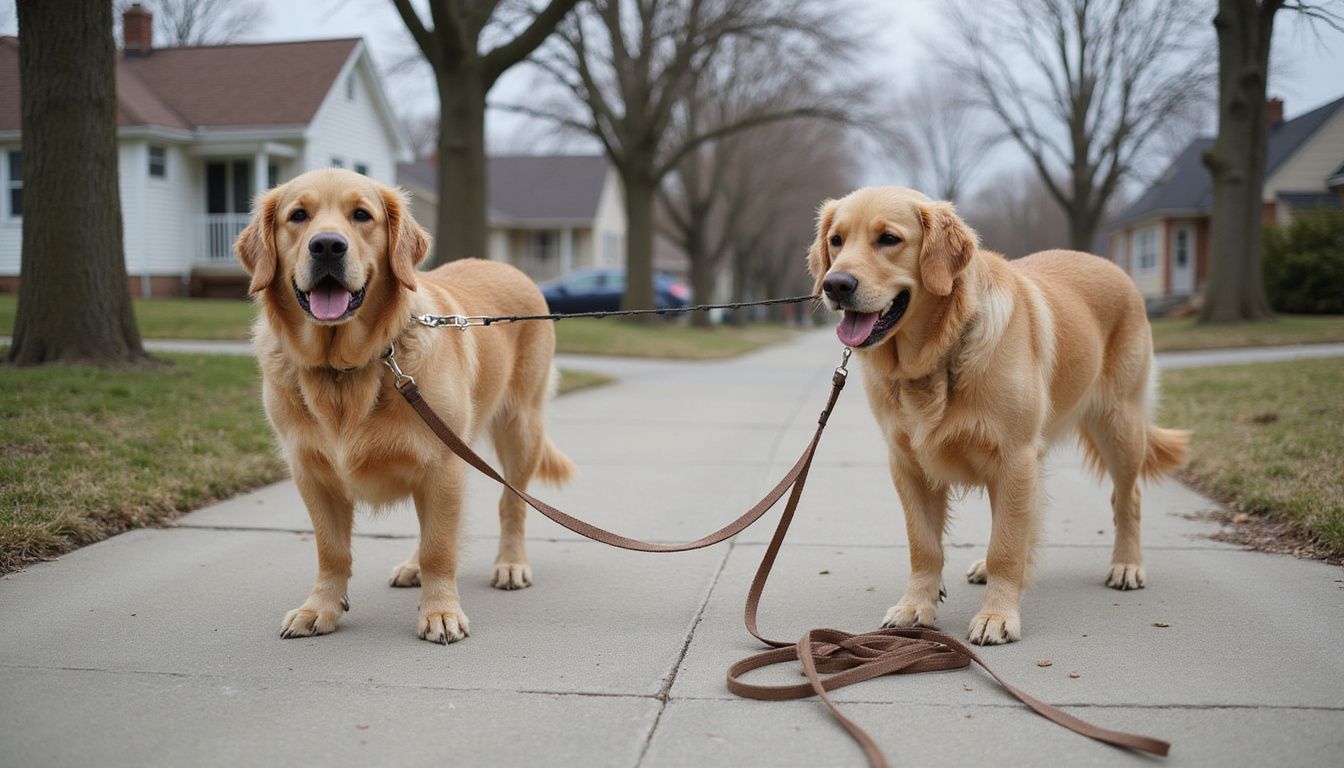
Your dog learns fast when the rules never change. If your pup pulls and sometimes still gets to move forward, they learn pulling works. The RSPCA advises that inconsistent reinforcement confuses dogs and slows their progress dramatically.
Stop moving the second the leash goes tight, then wait for your dog to relax. Every family member needs to handle this the same way. If mom stops for a tight leash but dad keeps walking, your dog gets mixed signals and progress stalls.
A controlled household audit compared two similar homes over four weeks to see how family consistency affects Red Light, Green Light results.
- Consistent household: slack-leash walking rose from 18% to 74% of steps by week four.
- Inconsistent household: slack-leash walking only rose from 20% to 33%.
- Reward-for-pulling incidents: 0.5 per week in the consistent home versus 3 per week in the inconsistent one.
An auditor documenting the households observed that when everyone pressed pause on pulling, the dog learned quickly that slack equals progress.
Your dog’s brain works on a simple rule: tight leash equals stop, loose leash equals go. Build that connection through repetition, and the rest of your pro tips will land even better.
How can treats and praise improve training results?
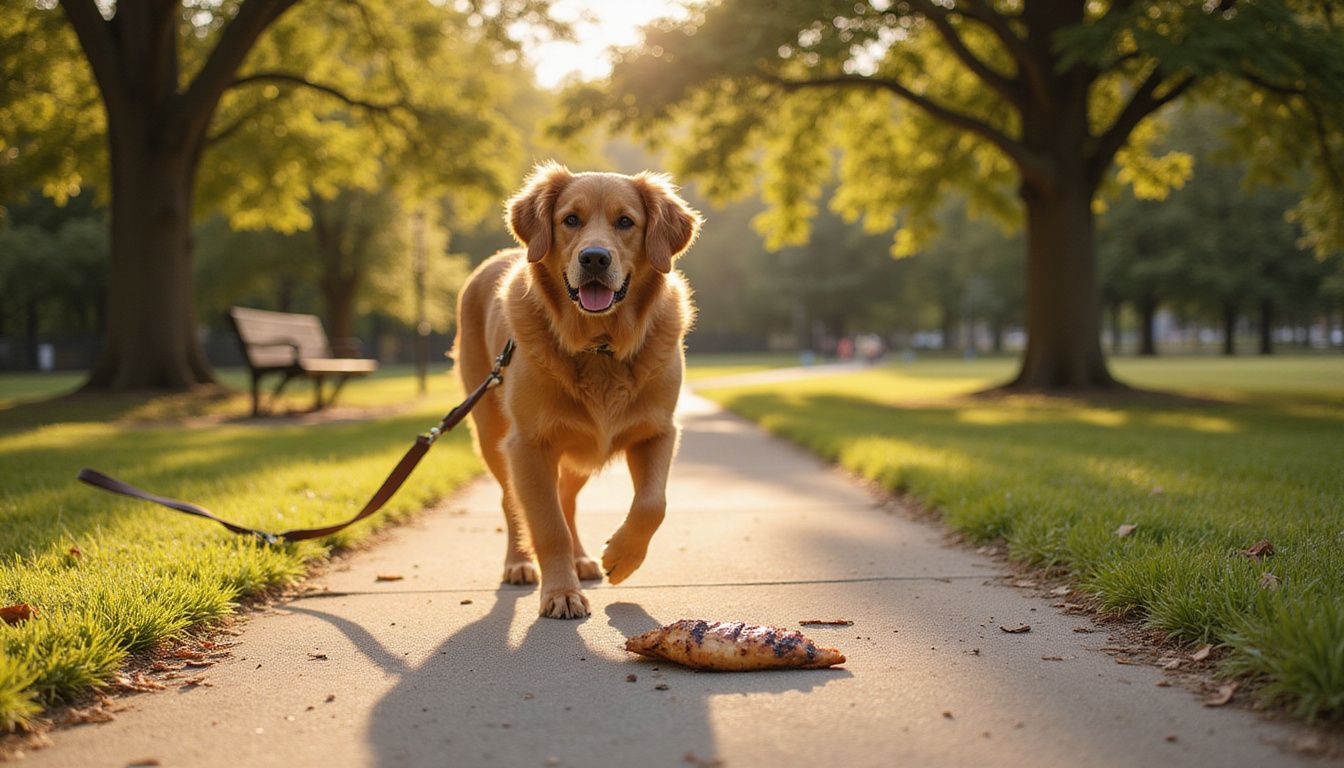
As reaffirmed in a 2025 position statement by the American Veterinary Society of Animal Behavior (AVSAB), reward-based training is the most scientifically effective way to change a dog’s behavior, and it lowers stress instead of adding to it. That’s not just an opinion. It’s the standard veterinary behaviorists stand behind.
Tiny pieces of real chicken work like magic, since dogs love a high-value treat. Reward your dog for two or three steps without any leash tension, and watch how fast they catch on.
Treats redirect your dog’s attention from distractions instead of forcing them away. Praise and affection celebrate the small wins, so your dog learns that walking beside you brings good things.
Eye contact matters just as much as the treat itself. Respond with real enthusiasm when your dog checks in with you, and that connection grows stronger with every session. Use premium training treats or chicken pieces over cheap kibble. Quality pays off here.
How long should training sessions be to keep my dog engaged?
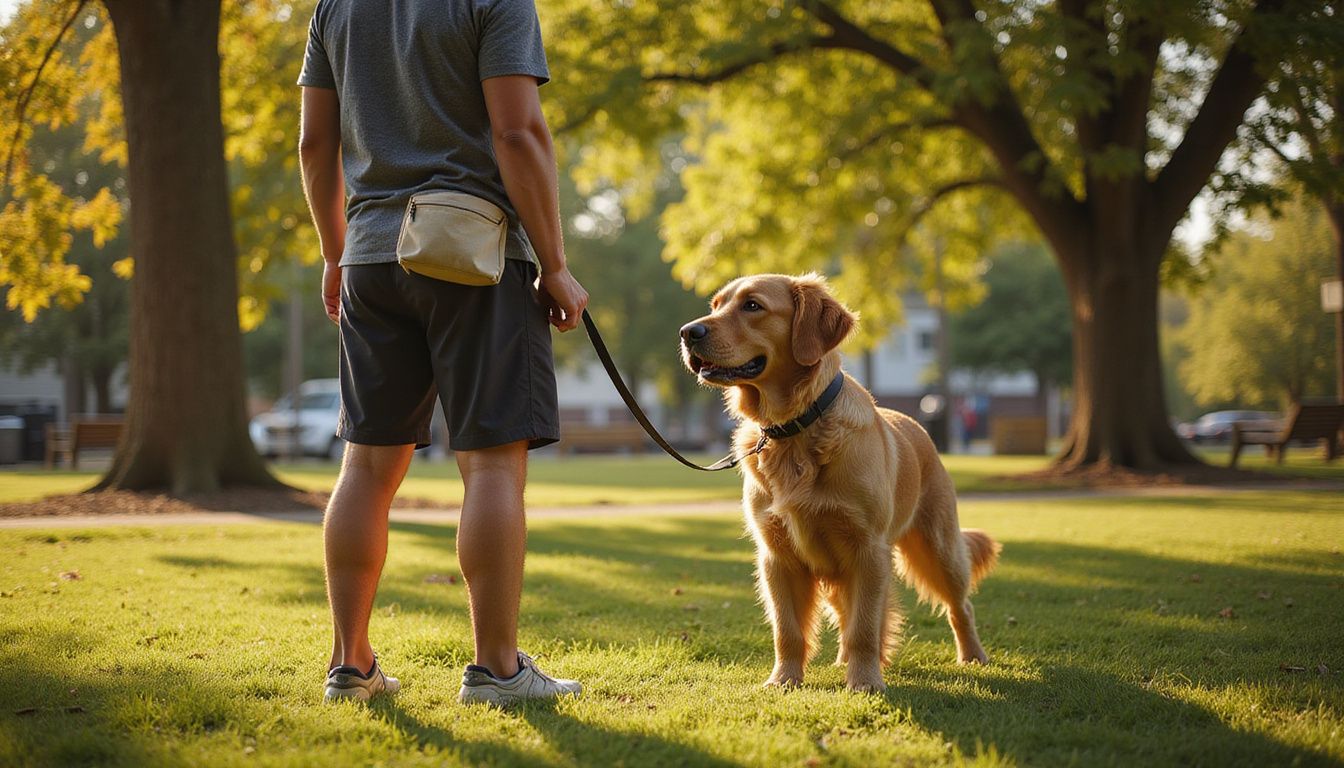
Your dog’s attention span works like a battery that drains fast. Short, frequent sessions beat one long, exhausting one every time. Most dogs stay focused for about five to fifteen minutes before their mind wanders to squirrels and fire hydrants.
Keep your teaching commands sessions brief and packed with treats and praise. Three to five minutes, repeated several times a day, works far better than one thirty minute slog.
Stop while your dog still wants more. That’s how you keep them excited for next time.
Training your dog to walk on a loose leash takes a few weeks to really sink in, so patience matters here more than anywhere else. End each session on a high note, right after your dog nails it. Practice in different spots, parks, quiet streets, and your own neighborhood, to keep things interesting and reinforce what they’ve learned.
Common Mistakes to Avoid

A couple of common mistakes can undo weeks of good training in a single walk. Here’s what to watch for.
Why should I not allow occasional pulling?
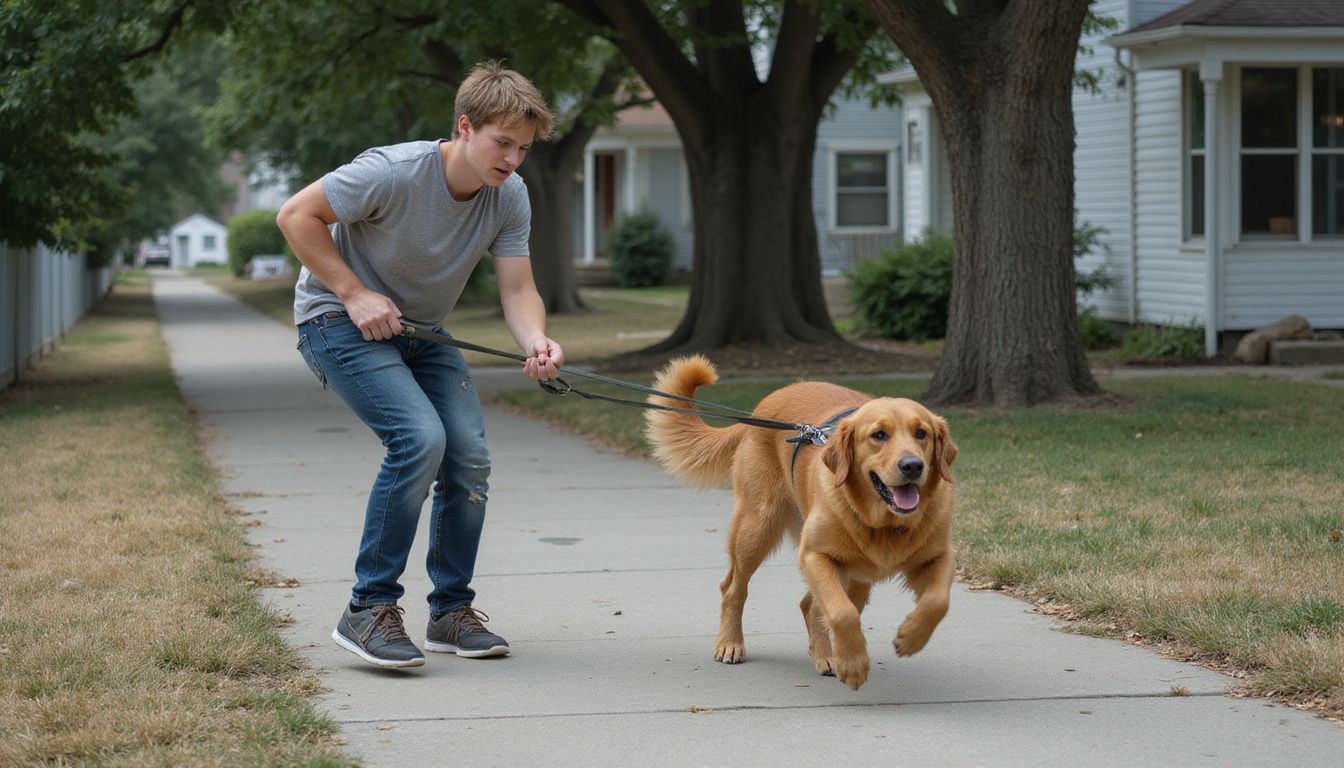
Your dog learns fast, and that cuts both ways. Let your pup pull sometimes and get away with it, and they’ll figure out pulling works. “I pulled yesterday and got to sniff that tree, so pulling must be the answer.”
Stopping every single time the leash goes tight is what prevents that lesson from sticking. Mixed signals slow or derail your progress fast.
Allowing even minimal pulling can undermine the training process completely. According to the Merck Veterinary Manual’s 2025 guidelines on behavior modification, this is called “intermittent reinforcement,” and it’s the exact reason a bad habit gets harder to break the moment it’s only sometimes rewarded, not easier. In plain terms, letting your dog win once in a while makes the pulling worse than if it worked every time.
Pulling should get corrected before it escalates, not after. A small tug today can turn into a real problem in six months, the same way one small weed in your garden takes over the whole bed if you let it grow.
Every walk matters. Every moment of slack deserves a treat and some praise, so your dog learns that calm walking beside you, not pulling ahead, is what brings the good stuff. That consistent approach beats any head halter or fancy harness used on its own.
What are the risks of using prong or choke collars?
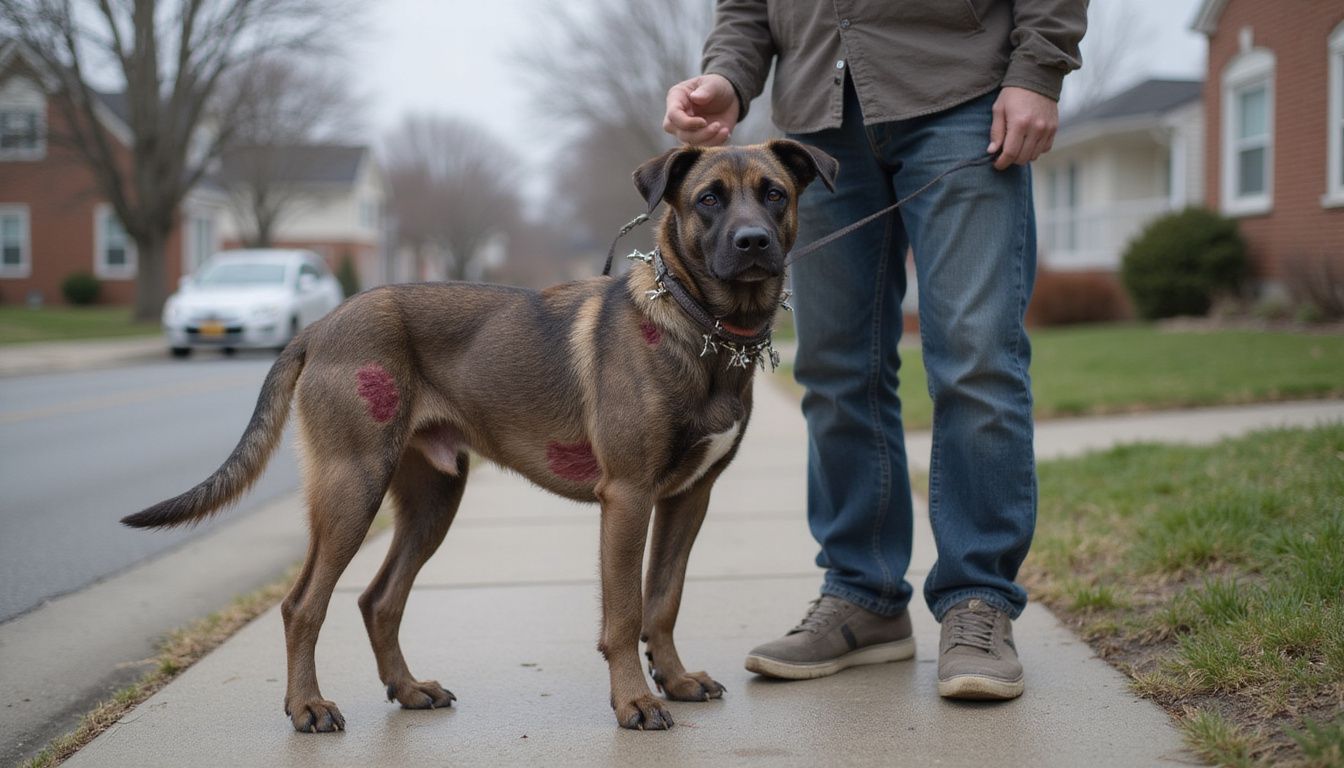
Prong collars and choke chains cause real physical harm. They tighten around your dog’s neck when he pulls, and the metal spikes on a prong collar dig straight into the skin and throat. Choke collars can cut off airflow and damage the trachea. Shock collars deliver a jolt that hurts and scares your dog.
In a December 2025 formal letter to the American Veterinary Medical Association, the American College of Veterinary Behaviorists explicitly warned that aversive tools like these carry real, documented risks of pain and long-term welfare harm, and urged trainers to drop them for good. A trip to the vet for a collapsed trachea means pain for your dog and a bill for you that even pet insurance may not fully cover.
Best Friends Animal Society and trainers like Zak George reject these tools completely, because aversive equipment damages the bond between you and your dog. Trust breaks down fast once pain enters the picture.
- Positive reinforcement teaches your dog what to do, not just what to avoid.
- A proper front-clip harness spreads pressure evenly across the chest and shoulders.
- Patience costs nothing and delivers results that actually last.
Rescue dogs need this gentle approach most of all, since many are still healing from past trauma. Plenty of no-kill shelters, the kind kept running by volunteers and donations, already coach adopters toward these same reward-based methods. Groups that investigate cruelty cases see up close what aversive tools can do, which is exactly why reward-based training keeps gaining ground. Trust and clear communication are the real foundation of loose leash walking, and dogs trained with kindness become willing partners on walks, not reluctant passengers on a chain.
Conclusion
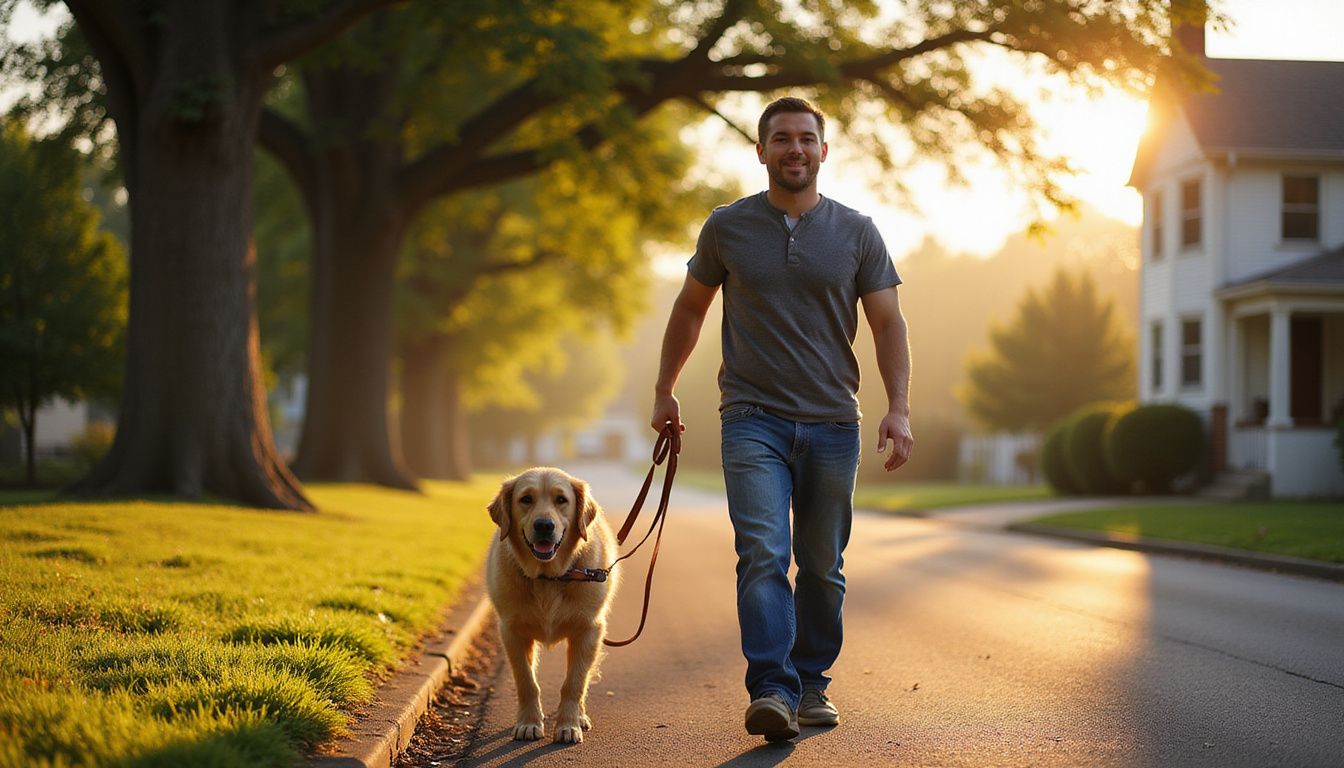
You’ve now got the core strategies for loose leash walking, from picking a front-clip harness to mastering “Red Light, Green Light.” These methods work because they tap into how your dog actually thinks: reward calm behavior, and pause the fun the moment pulling starts.
Start indoors or right outside your front door, where distractions stay low and small wins come easy.
Consistency beats perfection every time. Let your dog pull and win even once, and a lot of your hard work can unravel fast.
Pick one technique today. Grab some high-value treats like real chicken, and commit to short, patient sessions.
Your walks can go from a chaotic tug-of-war to a calm stroll with your dog right at your side, and that shift happens faster than you’d expect once you stick with what works.
FAQs
1. What tools help stop leash pulling?
The PetSafe Easy Walk Harness works really well because its front-clip design naturally redirects your dog back toward you when they start to pull.
2. Do training techniques really work for loose leash walking?
They really do. Research shows about 80% of dogs improve with consistent positive reinforcement within 4-6 weeks.
3. Where can I find help if I suspect animal cruelty during walks?
You can call the ASPCA’s animal cruelty hotline at 1-800-628-0028 anytime for immediate guidance and investigation support.
4. How can I support organizations that help train and rehome dogs?
Shelters across the US rehome around 3.2 million dogs every year. They depend on donations and volunteers to keep their programs running. Your support directly funds training that helps dogs find loving homes.
5. Why do I see ads about dog training on Facebook?
Meta tracks your browser activity through cookies and shows you ads based on your search interests. You can adjust this in your Accounts Center under Ad Preferences if you want less pet-related advertising.