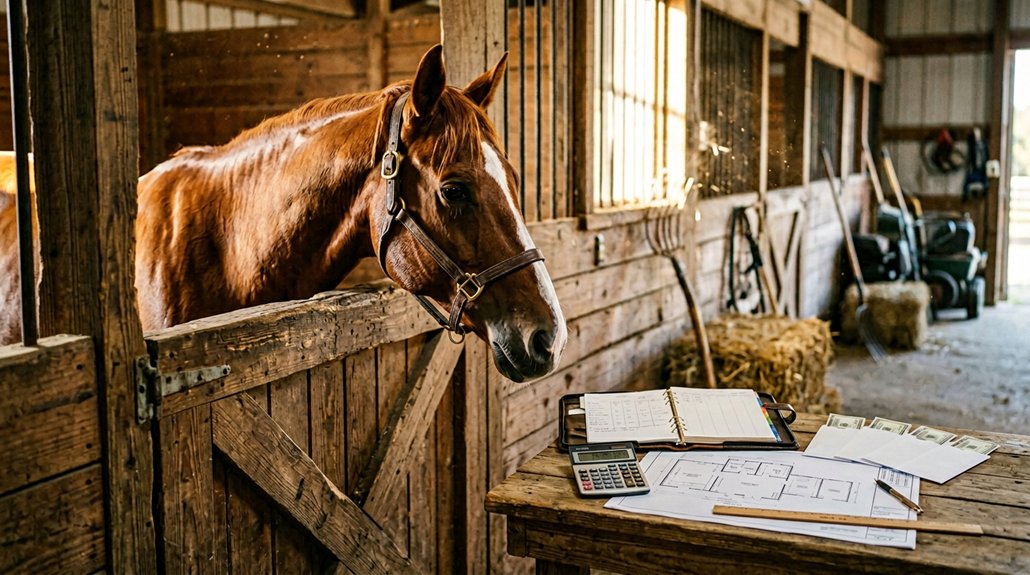
Budgeting for horse ownership involves understanding essential costs like feed, boarding, and routine veterinary care, which can total between $3,000 and $10,000 annually. Prioritize high-quality hay and consider…
Health & Wellness
Horse Vaccination Schedule: What to Expect
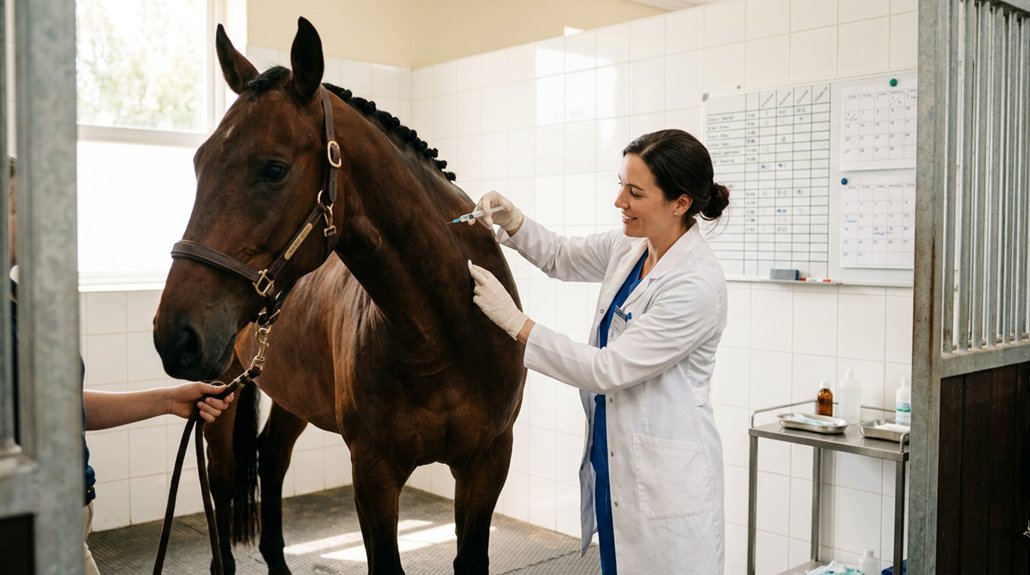
Your horse’s vaccination schedule is essential for protection against serious diseases like rabies and West Nile Virus. Core vaccines, including EEE/WEE, Tetanus, and Rabies, are administered annually, while…
Horse Breeds
Best Horse Breeds for Cold Climates
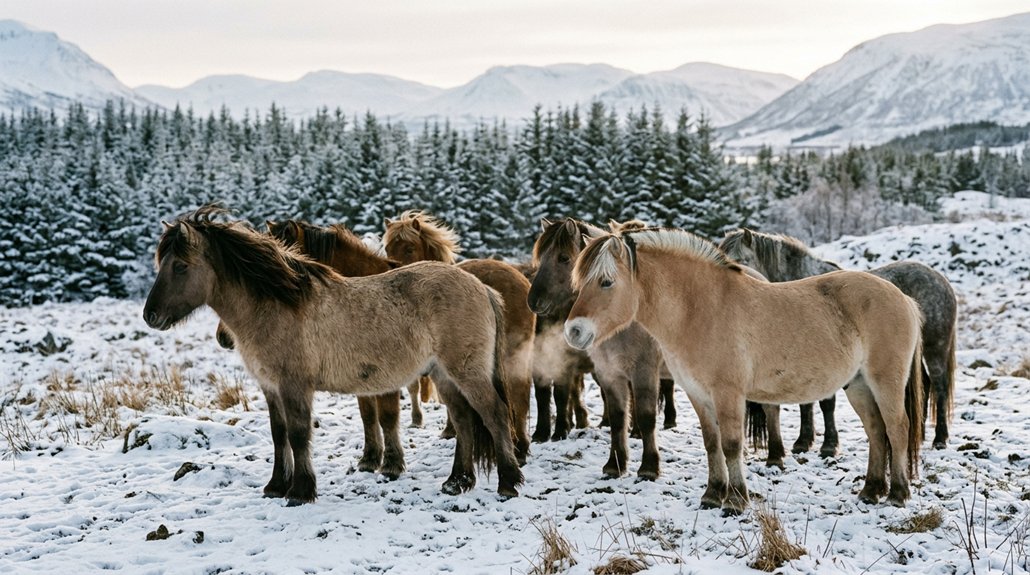
You’ll find that cold-hardy horse breeds like Icelandic Horses, Norwegian Fjords, and Canadian Horses thrive in sub-zero temperatures due to their dense coats and energy-efficient metabolisms. These breeds…
Behavior & Training
What to Do When a Horse Becomes Dangerous
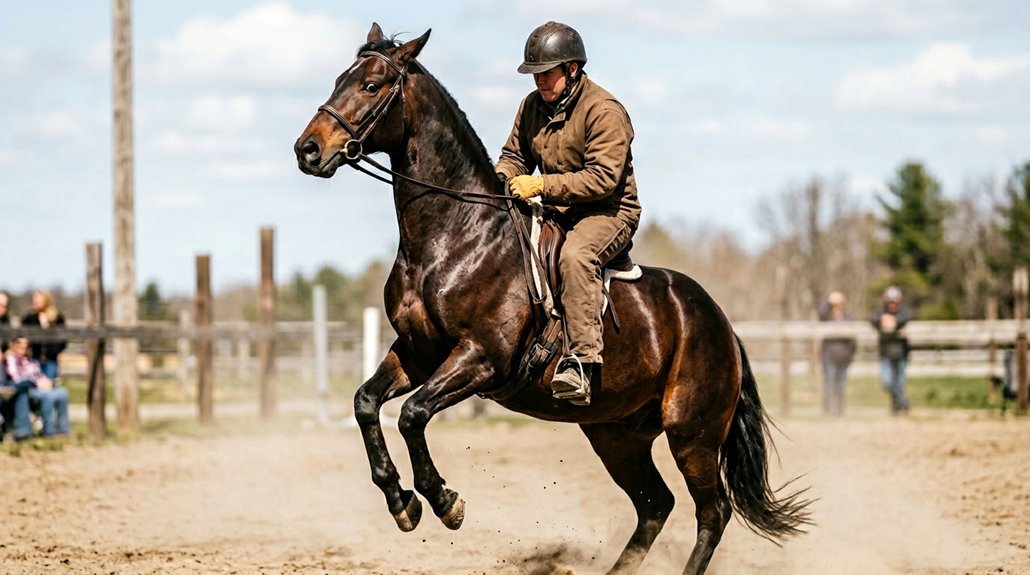
When a horse becomes dangerous, stay calm, avoid sudden movements, and maintain a safe distance to de-escalate aggression. Identify triggers like overcrowding or pain, and document incidents to…
Horse Ownership
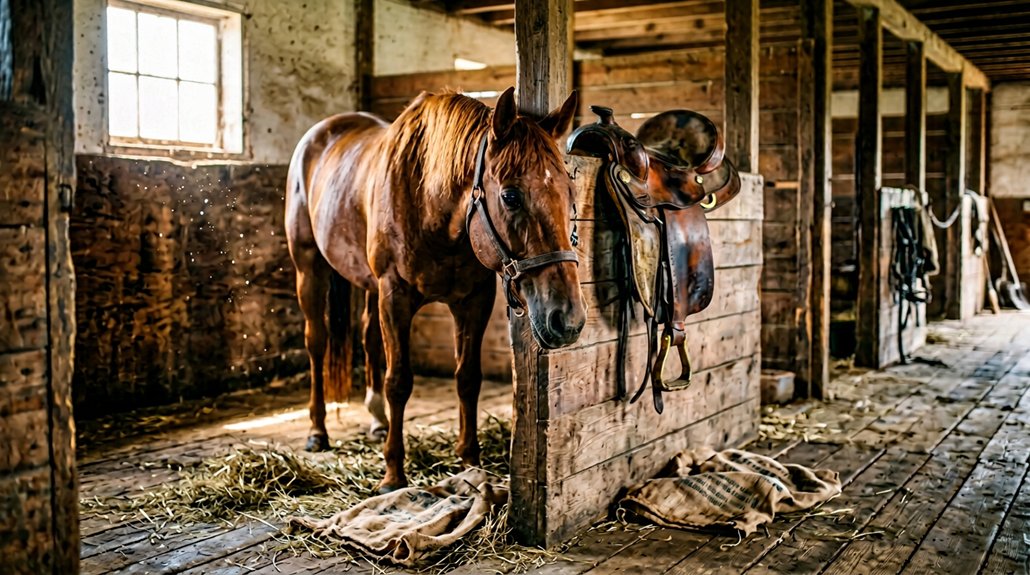
Hidden Costs of Owning a Horse No One Talks About
Owning a horse involves hidden costs that often surprise new owners. Beyond initial buying and visible expenses, prepare for emergencies requiring savings or insurance, unexpected vet bills from…
Health & Wellness
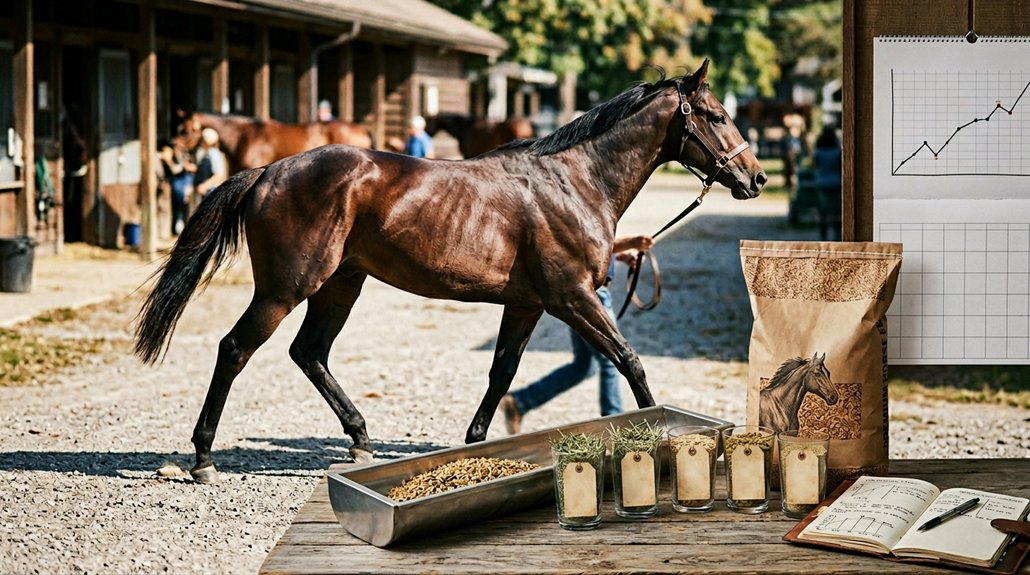
How Diet Affects a Horse’s Performance and Health
Your horse’s diet is vital for its performance and health. Prioritize fiber-rich forage to align with natural grazing instincts, preventing sugar spikes and related health issues. Avoid high-grain…
Horse Breeds
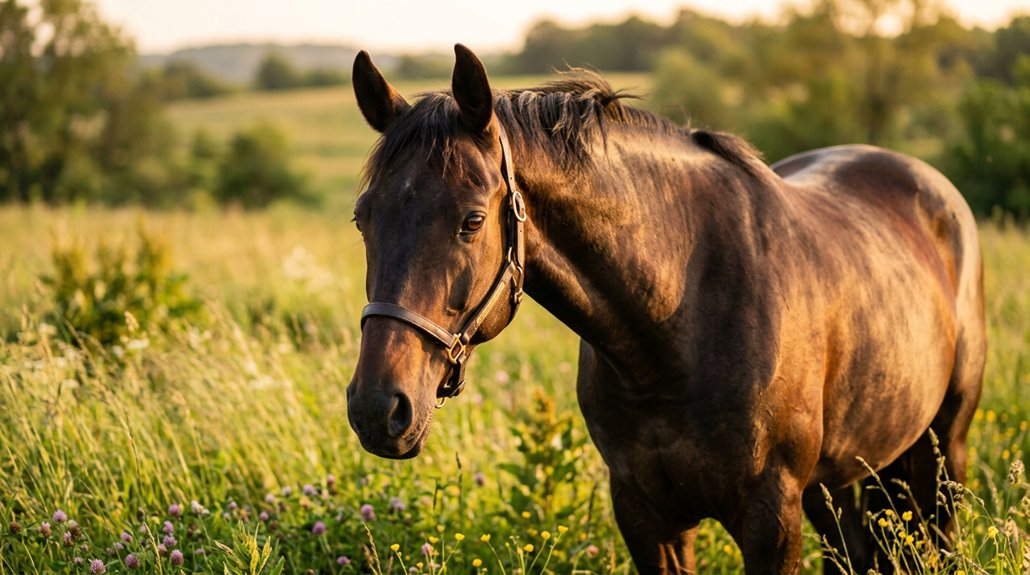
How Horse Breed Affects Behavior and Temperament
When choosing a horse, consider that breed heavily influences behavior and temperament. Genetic factors may account for up to 60% of these traits. Hot-blooded breeds like Arabians are…
Behavior & Training
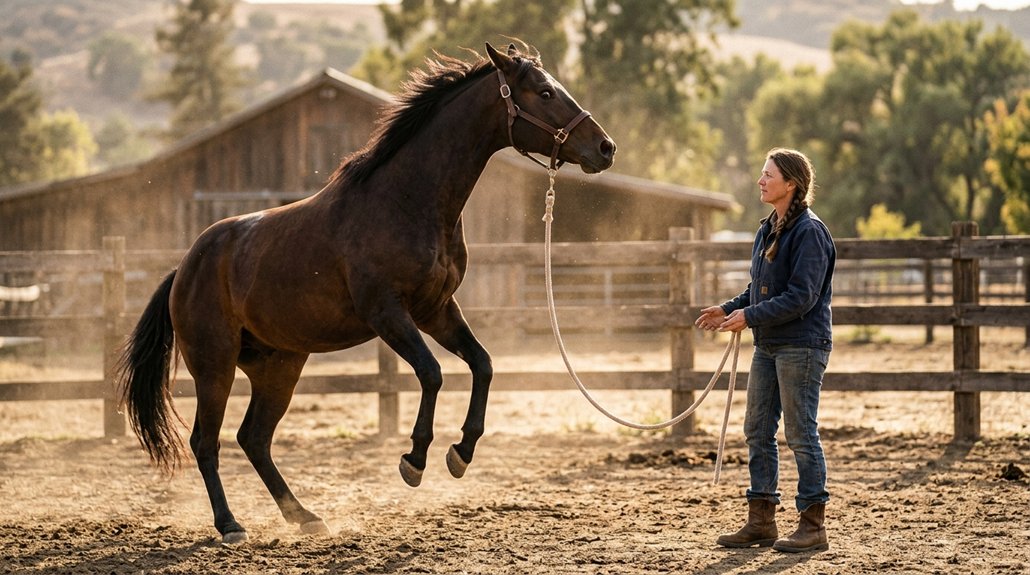
How to Handle Aggressive Behavior in Horses
To handle aggressive behavior in horses, first observe early signs such as pinned ears or rapid tail movements. Identify triggers like inadequate leadership or pain. Utilize pressure halters…
Horse Ownership
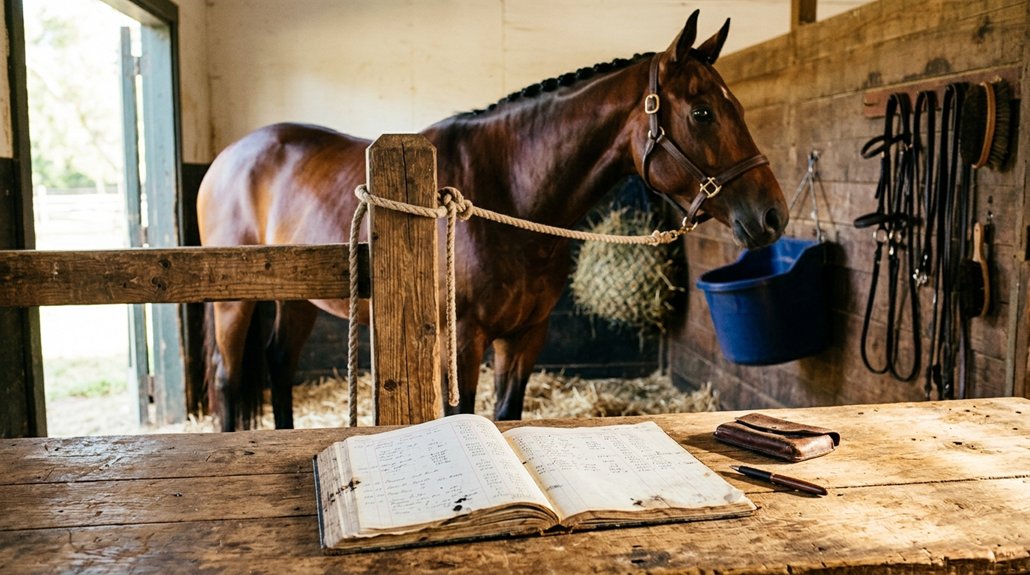
What It Really Costs to Board a Horse Each Month
Boarding a horse each month varies widely, costing between $150 and $2,500. Costs hinge on the type—pasture, partial, or full board—and your geographic location, with urban centers demanding…
Health & Wellness
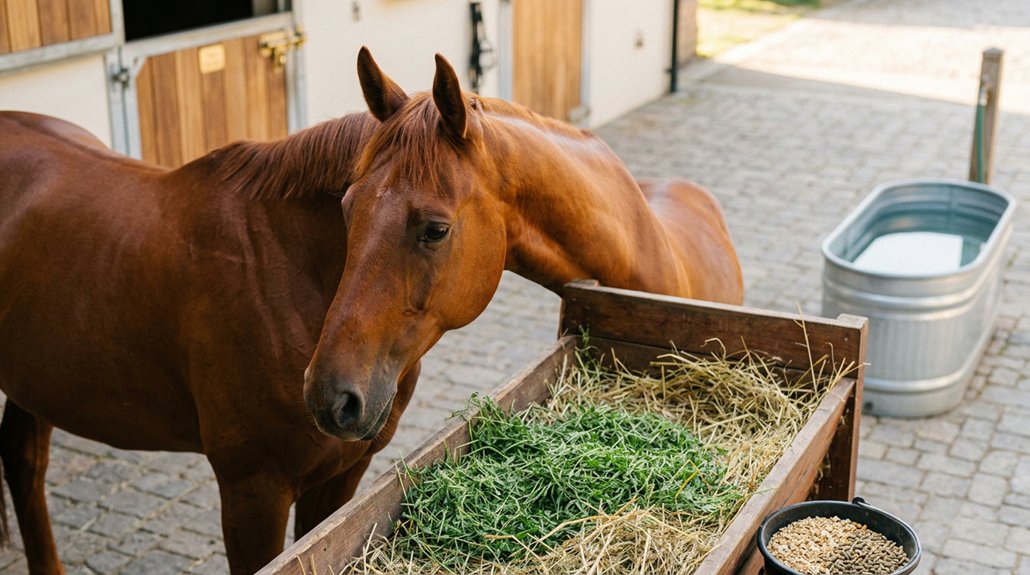
Best Diet for Maintaining a Healthy Horse
To maintain a healthy horse diet, prioritize high-quality forage, like grass or legume hay, making up 1-2% of the horse’s body weight daily. Use grains sparingly, matching the…

Horse Breeds
High-Energy Horse Breeds That Need Experienced Owners
High-energy horse breeds like Thoroughbreds, Arabians, and Akhal Tekes require skilled, experienced handlers. These breeds are known for their athleticism and spirited temperaments, demanding vigilant exercise routines and…
Behavior & Training
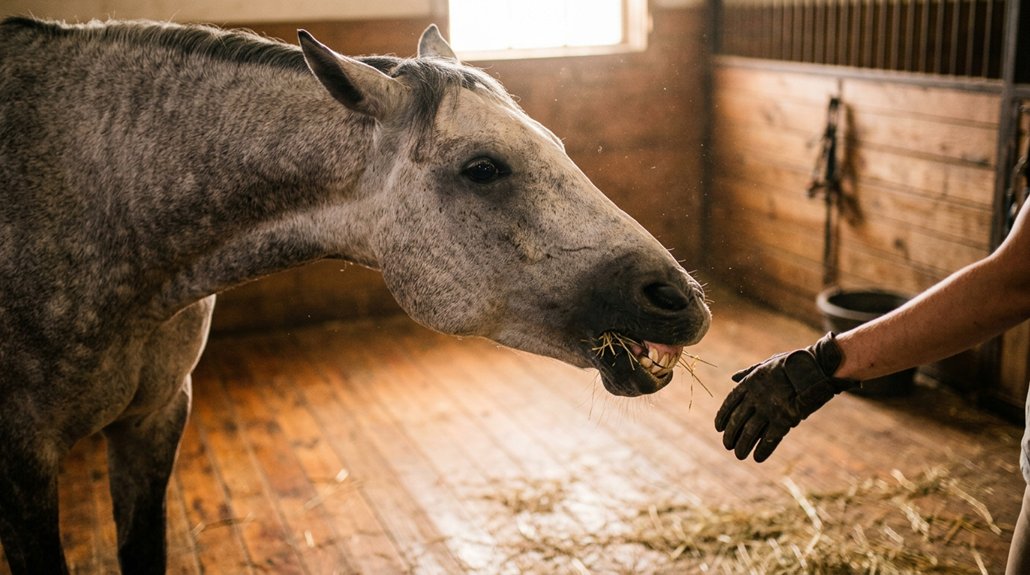
Why Horses Bite and How to Fix It
Horses bite for various reasons, including expressing natural instincts, boredom, or discomfort. Understanding these triggers is essential. Address biting by observing context, using positive reinforcement, and ensuring proper…

Horse Ownership
How to Match a Horse to Your Experience Level
To match a horse to your experience level, start by evaluating whether you’re a beginner, advanced beginner, intermediate, or advanced rider. Choose a horse with a temperament and…
Health & Wellness
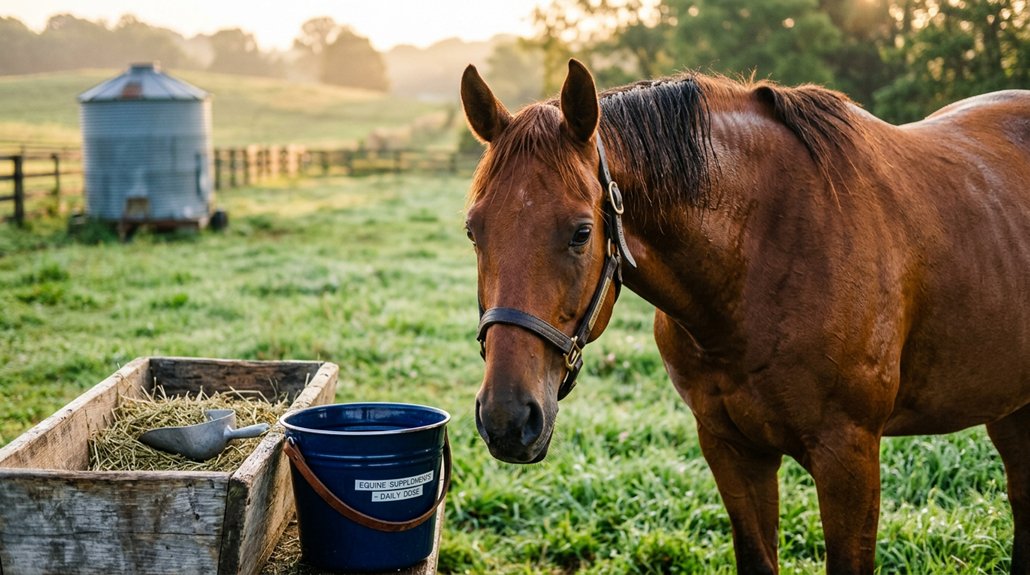
How Much Should a Horse Eat Each Day?
Your horse should consume 1.5-2.5% of its body weight daily in high-quality hay and supplements. For instance, a 1,000-pound horse needs about 20 pounds of hay, with adjustments…
Horse Breeds
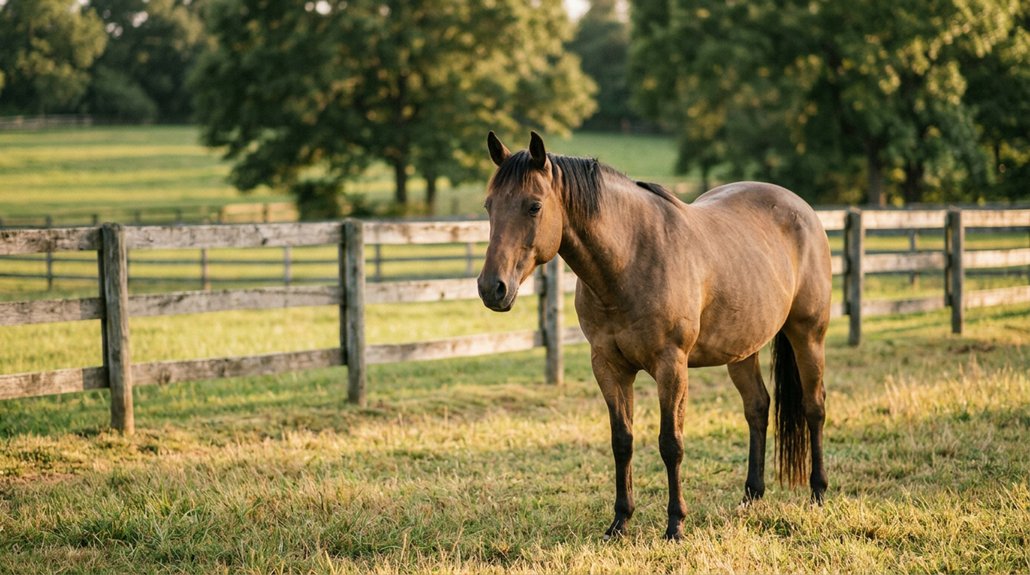
Low-Maintenance Horse Breeds for Easier Care
You’ll find low-maintenance horse breeds offer resilient and adaptable companions. Breeds like the American Quarter Horse, Appaloosa, Morgan Horse, and Mustang require minimal care, featuring hardy attributes and…