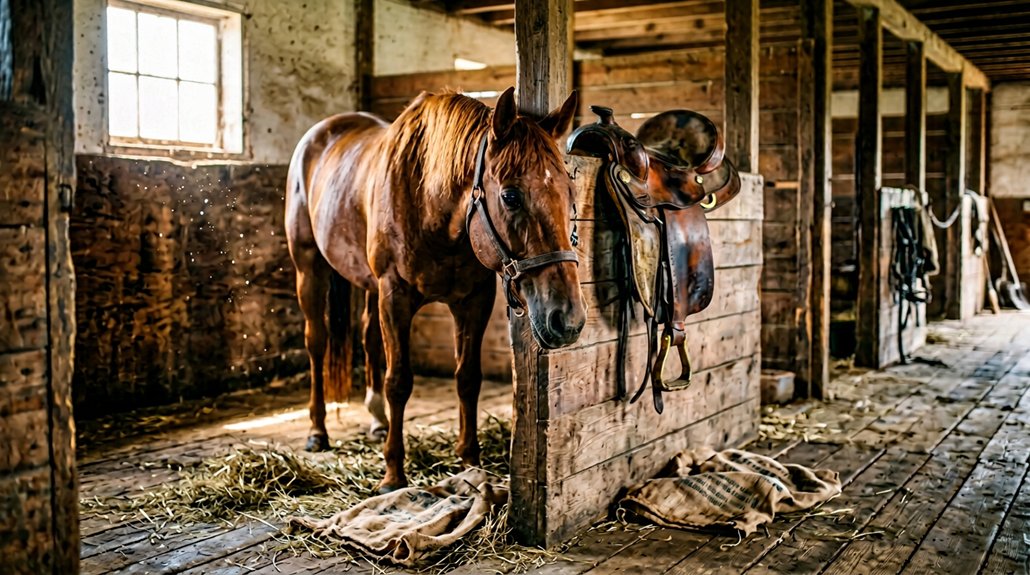
Owning a horse involves hidden costs that often surprise new owners. Beyond initial buying and visible expenses, prepare for emergencies requiring savings or insurance, unexpected vet bills from neglected vaccinations, and routine tack maintenance. Stable management has costs like manure management and pest control, while pasture care demands regular investment. Emotionally, the demands can be tough, requiring time and resilience. Discover more about maneuvering through these challenges and ensuring a balanced and informed approach to horse ownership.
Key Takeaways
- Emergency veterinary care can significantly increase annual health expenses, often overlooked in initial budgeting plans.
- Tack repair and maintenance require ongoing costs, impacting overall expenses more than initial purchasing does.
- Seasonal and specialized stable management tasks, such as pest control and snow removal, introduce unanticipated costs.
- Emotional readiness and time investment are hidden demands, often leading to personal sacrifices not initially anticipated.
- Routine pasture and fencing maintenance are necessary to avoid safety hazards, unexpectedly adding to financial obligations.
Strategies to Handle Unexpected Costs for Horse Owners
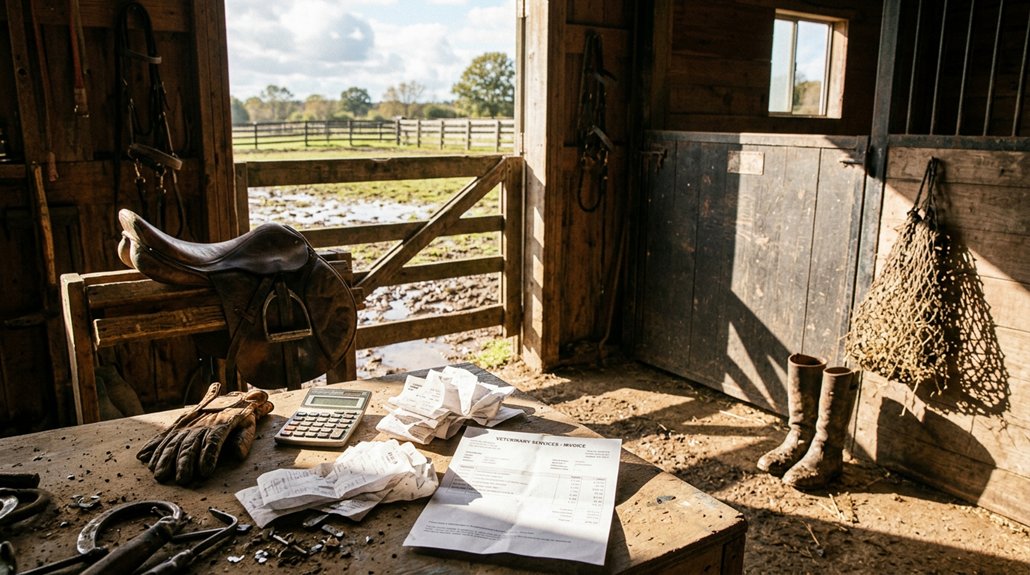
While the joy of horse ownership is immeasurable, the financial uncertainties it presents can be intimidating. Creating an emergency fund designated for equine care is essential; it provides a safety net for unexpected veterinary costs, which can easily amount to thousands for emergencies like colic or injuries. Alongside this, considering horse insurance is wise; it offers financial protection against high medical expenses that arise without warning. By allocating funds wisely, you can better handle unforeseen situations. Additionally, participating in work-off programs at stables is a practical method to reduce boarding costs, allowing savings to be redirected towards unforeseen expenses. By vigilantly tracking recurring costs and maintaining a structured budget, you’re more equipped to address sudden financial strains emerging from the responsibilities of horse ownership.
Hidden Health Costs: What Could Go Wrong?
Having a structured budget is just the beginning of smart horse ownership. While you may plan for routine vaccinations and dental work, unexpected health issues like colic or injuries might require emergency care, leading to bills that could reach thousands. Routine veterinary costs, ranging from $200 to $350 annually, can skyrocket when unseen factors come into play. Emergencies such as eye injuries or severe lacerations demand immediate attention, adding unforeseen expenses. Proper preventative care can avert certain crises, but neglecting routine vaccinations may result in severe health complications, affecting both your horse’s well-being and financial stability. Anticipating hidden health costs is essential, as emergency vet visits can happen at any time, often when least expected. Smart planning helps mitigate such financial strains.
Tack and Gear Maintenance: Costs Beyond Initial Purchase
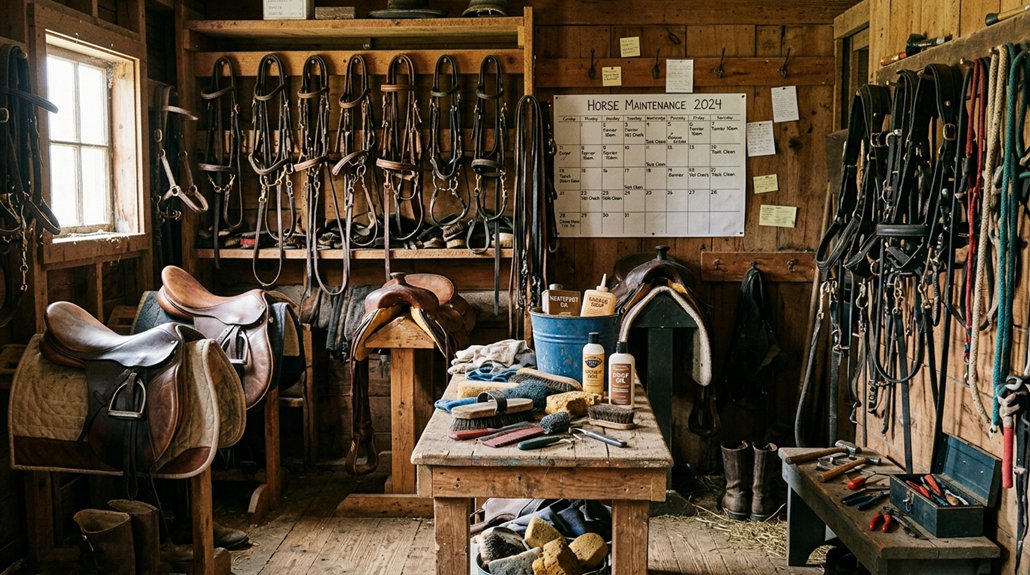
Investing in quality tack and gear is a significant component of horse ownership, but it’s crucial to reflect on the ongoing maintenance that guarantees their longevity and functionality. Tack maintenance, such as cleaning and conditioning leather saddles and bridles, makes certain your investment lasts, yet incurs costs for cleaning supplies. Equipment requires proper storage—temperature control and moisture protection are essential, often necessitating climate-controlled cabinets. Repairs and gear replacement for worn items are unavoidable; a saddle might need re-stitching or padding swapped out, with repairs costing between $100 and $500. Furthermore, specialized gear like boots, fly masks, or bits frequently need replacement, adding further expenses. Preventative care helps avoid costly replacements and maintains your horse’s safety, highlighting the significance of consistent maintenance.
Surprising Stable and Pasture Expenses Not in Boarding Fees
Beyond the initial costs of tack and gear maintenance, horse owners often encounter unexpected financial responsibilities tied to stable and pasture upkeep. Manure management, for instance, demands specialized equipment and labor, turning into a hefty, unanticipated expense over time. Pest control is another necessity; keeping rodents and insects at bay to guarantee a healthy stable environment can greatly inflate operational costs. Seasonal requirements also include snow removal during winter months, which catch many owners off guard financially. Fencing and shelter maintenance demand regular attention, with repairs possibly draining your budget when faced with harsh weather conditions. Finally, regular inspections for pasture quality—considering weed spraying and fertilization—form essential, ongoing investments vital for maintaining optimum horse health and productivity.
Preparing for the Emotional and Physical Demands of Horse Ownership
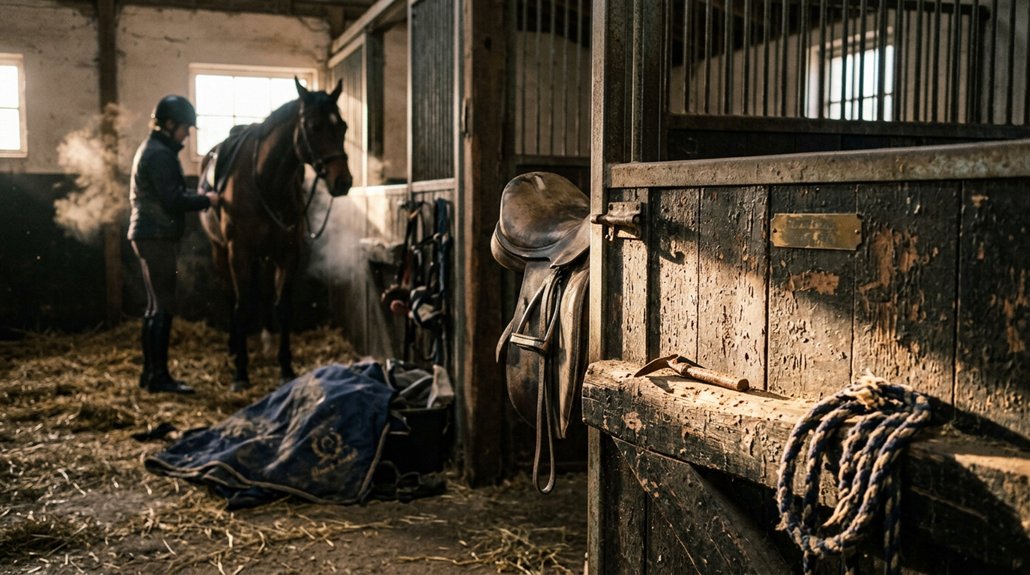
When you decide to welcome a horse into your life, it’s essential to prepare for the emotional and physical demands this commitment entails. You’ll need emotional resilience to face tough care decisions, like addressing severe health issues or considering euthanasia. These choices, coupled with the unpredictable nature of horse health, can impose an emotional burden and financial strain. Time management becomes vital, as you’ll often dedicate two hours per barn visit and up to 20 hours weekly for at-home care. This investment requires balancing personal and social activities, as emergencies can interrupt at any time. Regular grooming, maintenance, and unforeseen veterinary bills further challenge your time and energy, necessitating a proactive approach to these inherent responsibilities.
Frequently Asked Questions
What Is the 1/2/3 Rule in Horses?
The 1/2/3 rule in horses advises you to budget for double the costs of essentials like horse care, training expenses, and stable maintenance, beyond feed quality. It’s a guide to avoid underestimating true ownership expenses.
What Is the Most Expensive Thing About Owning a Horse?
Picture towering stacks of hay and bursting vet bills. The most expensive aspect of horse ownership isn’t just one thing; it’s the cumulative burden of veterinary expenses, feed costs, hoof care, and skyrocketing insurance premiums. Plan accordingly.
What Smells Do Horses Love?
Horses love the apple scent and mint aroma, reminiscent of treats they adore. You’d notice their fondness for earthy smells after rain and sweet molasses too. It’s like engaging a sense of security and comfort for them.
What Does It Mean When a Horse Stomps His Front Foot?
When your horse stomps his front foot, it’s like thunder warning of an approaching storm. This equine behavior might signal irritation or impatience, but under the surface, it could mean discomfort or a pesky fly onslaught.
Conclusion
Owning a horse is as much an emotional journey as it is a financial commitment. Did you know that unexpected expenses can add up to 30% more than anticipated each year? It’s essential to budget wisely and prepare for the unseen. While the bond with your horse can be deeply rewarding, it demands both emotional strength and financial readiness. By acknowledging and planning for these hidden costs, you guarantee a fulfilling and responsible ownership experience.