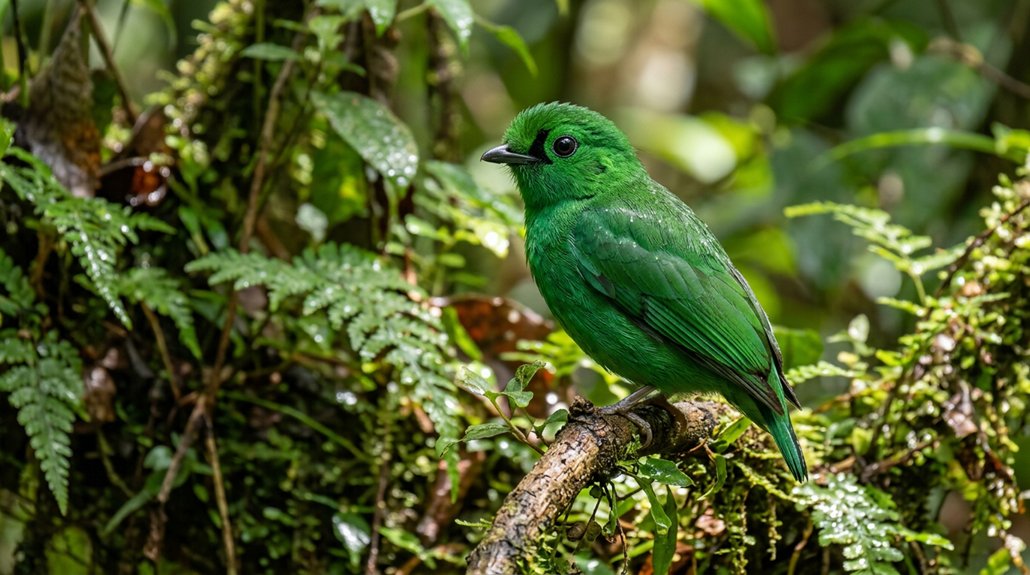
If you want the most intelligent birds for training and interaction, African grey parrots are the benchmark for vocal learning, word use, and concept learning. Corvids like crows, ravens, and jays excel at problem-solving, tool use, and memory. Cockatoos and macaws learn routines quickly, while budgerigars and mynahs can be highly trainable for mimicry. Your best choice depends on space, time, and long-term commitment, and the details get more specific from here.
Key Takeaways
- African grey parrots are the top choice for speech, word learning, and basic concept training.
- Corvids like crows, ravens, and jays excel at problem-solving, tool use, and delayed planning.
- Cockatoos and macaws learn interactive routines quickly and can master complex tricks with consistent training.
- Budgerigars, lovebirds, and mynahs are highly trainable for mimicry and repeated behavior shaping.
- Choose species based on lifespan, space, noise tolerance, and desired interaction level.
Which Birds Are Smartest for Training?
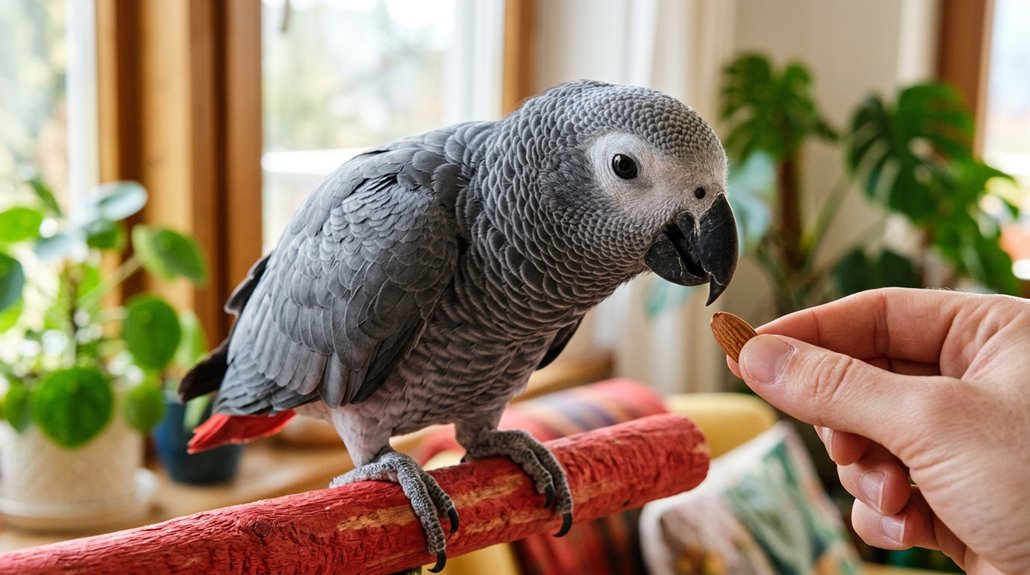
When you’re choosing birds for training, African grey parrots are often the benchmark because they combine strong vocal learning with unusually advanced cognition, including word learning, same/different concepts, and even basic numerical understanding. You’ll also find corvids highly capable: crows, ravens, and jays excel in problem-solving, corvid toolmaking, and delayed planning, which makes them excellent for cognitive tasks. Cockatoos and macaws learn tricks quickly and can adapt to interactive routines with precision. If you need route learning or distance-based conditioning, pigeon homing offers reliable performance across long trials and complex cues. Smaller parrots, such as budgerigars and lovebirds, plus mynahs, can be highly trainable too, especially for mimicry and repeated behavioral shaping.
Why Parrots Learn So Fast
Parrots tend to learn so fast because their brains are built for fast, flexible processing: they pack an unusually high neuron density, often two to four times that seen in many mammals, which supports rapid vocal learning and problem solving. You’re seeing a compact neural architecture that can encode sounds, actions, and associations efficiently. Their long juvenile period also extends social imprinting, so repeated contact sharpens imitation and response learning. In species such as African greys and macaws, strong sociality creates a sensitive window for training, while curiosity-driven exploration strengthens motor learning. Their specialized auditory and vocal-motor systems let them map words to objects, colors, and contexts, and some can learn conceptual contrasts like same or different. That combination makes parrots unusually fast, adaptable learners.
Best Talking Birds for Pet Owners
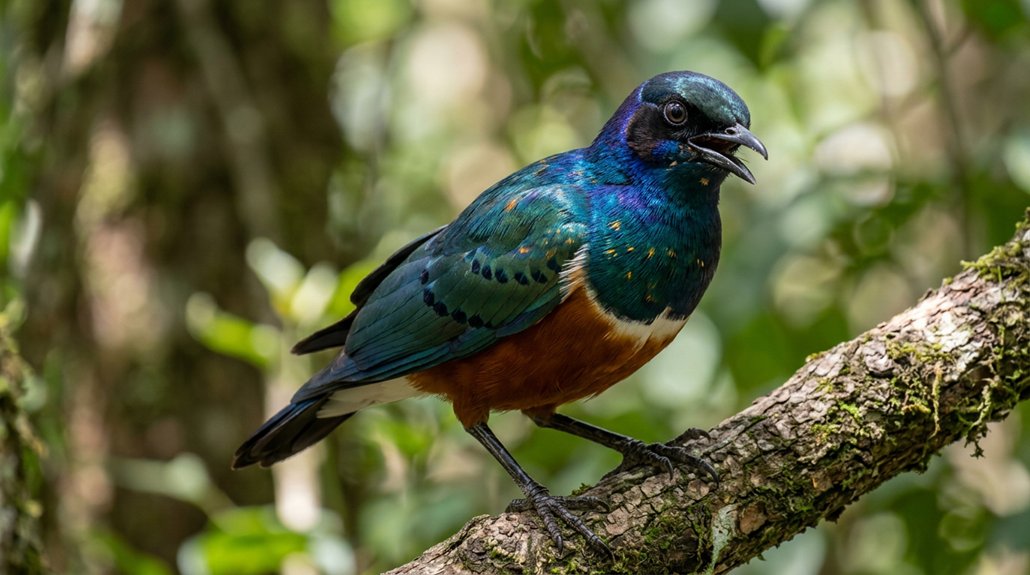
If you want the most capable talking bird for a home setting, African grey parrots are usually the benchmark: individuals such as Alex learned more than 100 words and used them contextually to identify objects, colors, and abstract concepts. For clear alternatives, compare species below for vocal enrichment and social bonding.
| Species | Speech quality | Best for |
|---|---|---|
| African grey | Exceptional | Advanced owners |
| Amazon parrot | Clear, extensive | Interactive homes |
| Budgerigar | Small but trainable | Beginners |
| Mynah bird | Highly articulate | Speech mimicry |
| Cockatoo/macaw | Variable | Committed owners |
Amazon parrots often develop large vocabularies, while budgies can learn many phrases relative to size. Mynahs reproduce speech patterns with precision. Cockatoos and macaws may speak well, but they need decades of daily contact and consistent care.
How Pet Birds Use Memory and Problem-Solving
Pet birds often rely on memory systems that are more specialized than simple mimicry. When you train corvids, you’re tapping episodic like memory: crows, ravens, and jays can remember your face, past interactions, and hidden food sites for years. Parrots, especially African greys, use associative memory to map words to objects and concepts, so they’re able to retain labels and abstract rules. Hoarding species such as scrub jays and Clark’s nutcrackers can relocate thousands of caches months later, which makes hidden-reward tasks effective. Some cockatoos and parrots also show causal reasoning, multi-step problem solving, and tool innovation, adapting objects to reach goals. Because learning styles vary, you’ll get better results by matching task difficulty to each bird’s motivation, memory profile, and flexibility.
Which Bird Is Best for You?
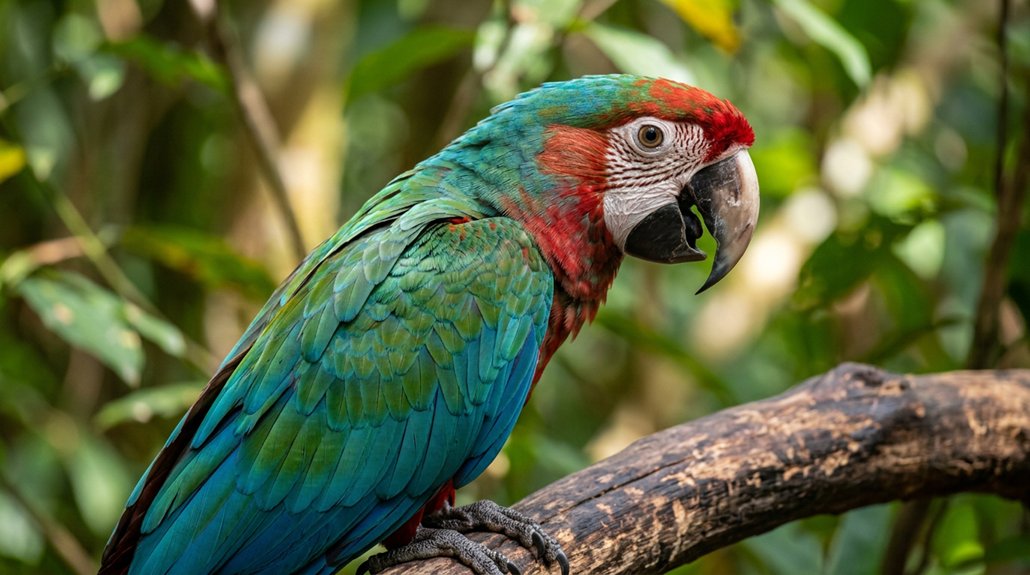
Choosing the right training bird depends on what you want from the relationship, how much space and time you can provide, and how long you’re prepared to commit. If you want the strongest vocabulary and concept learning, an African grey may suit you, but its 50–80 year lifespan demands exceptional planning. If you prefer interactive problem-solving, kea or Goffin cockatoos can match complex tasks. For social intelligence and challenge, corvids like ravens and crows are highly trainable, though they’ll test your methods and need enrichment. Macaws offer intense bonding and tricks, yet their noise and size raise space requirements. If your behavioral compatibility is better with a smaller bird, budgerigars and cockatiels give you talking and trick training without the long-term burden.
Frequently Asked Questions
What Is the 3 3 3 Rule for Birds?
You follow a 3-3-3 habituation protocol: 3 days for quiet behavioral reset, 3 weeks of gentle routine and limited handling, then 3 months of consistent training, socialization, and enrichment, with species-specific adjustments.
What Is the Most Intelligent Bird Species?
Corvids, especially crows and ravens, are often the most intelligent birds. You’ll see cognitive problem solving and social learning at work, like ravens planning 24 hours ahead, which’s astonishingly advanced avian behavior.
Which Bird Can Talk Like Humans When Trained?
African grey parrots can talk most like humans when trained; you’ll see strong vocal mimicry and, in some cases, language comprehension. Amazon parrots, mynahs, and budgies can also imitate speech clearly with consistent social training.
What Are the Most Trainable Birds?
Parrots and corvids are your brightest apprentices: African greys, macaws, amazons, crows, and ravens learn fastest under positive reinforcement. You’ll need cage enrichment, social contact, and patience, because their minds bloom like gears in sunlight.
Conclusion
So, which intelligent bird should you choose for training and interaction? If you want a companion that learns quickly, remembers patterns, and responds to consistent cues, parrots often stand out. Their strong memory, vocal imitation, and problem-solving skills make them especially engaging pets. However, your best bird depends on your time, patience, and goals. You’ll get the most from a species whose natural abilities match your routine, environment, and expectations.