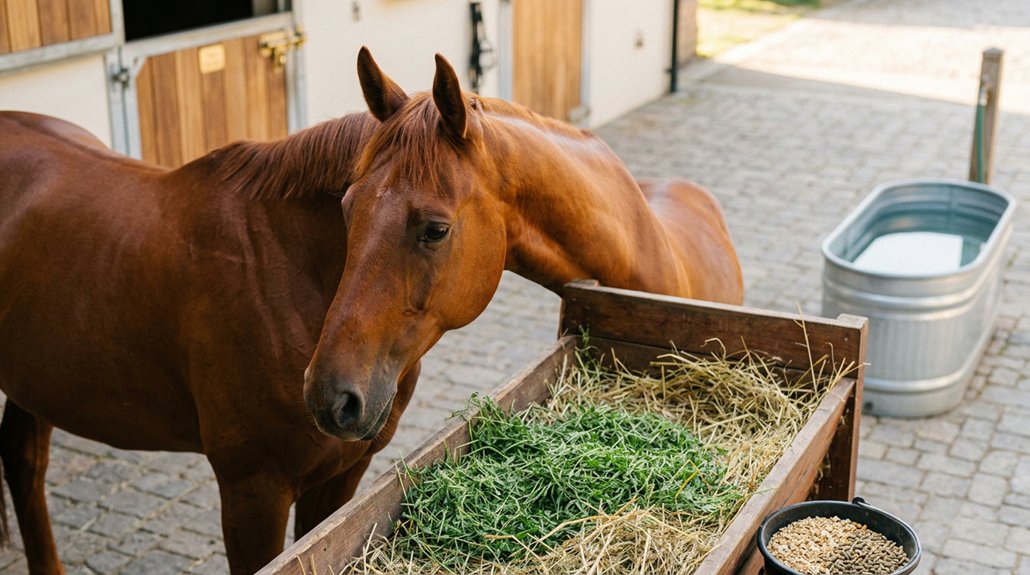
To maintain a healthy horse diet, prioritize high-quality forage, like grass or legume hay, making up 1-2% of the horse’s body weight daily. Use grains sparingly, matching the horse’s activity level and avoid high-starch feeds. A protein-rich diet benefits breeding mares, while senior and metabolically sensitive horses need low-sugar, high-fiber foods. Guarantee 10-15 gallons of fresh water per day. Understanding these essentials sets the foundation for more nuanced nutritional strategies.
Key Takeaways
- Feed high-quality forage comprising 1-2% of the horse’s body weight daily to support digestive health.
- Provide fresh, clean water with a daily requirement of 10-15 gallons per horse.
- Limit grains to less than 50% of the total diet and offer small, frequent meals.
- Adjust dietary needs based on horse type, activity level, and seasonal changes.
- Regularly assess body condition to fine-tune diet and prevent nutritional deficiencies.
How to Promote a Healthy Horse Diet
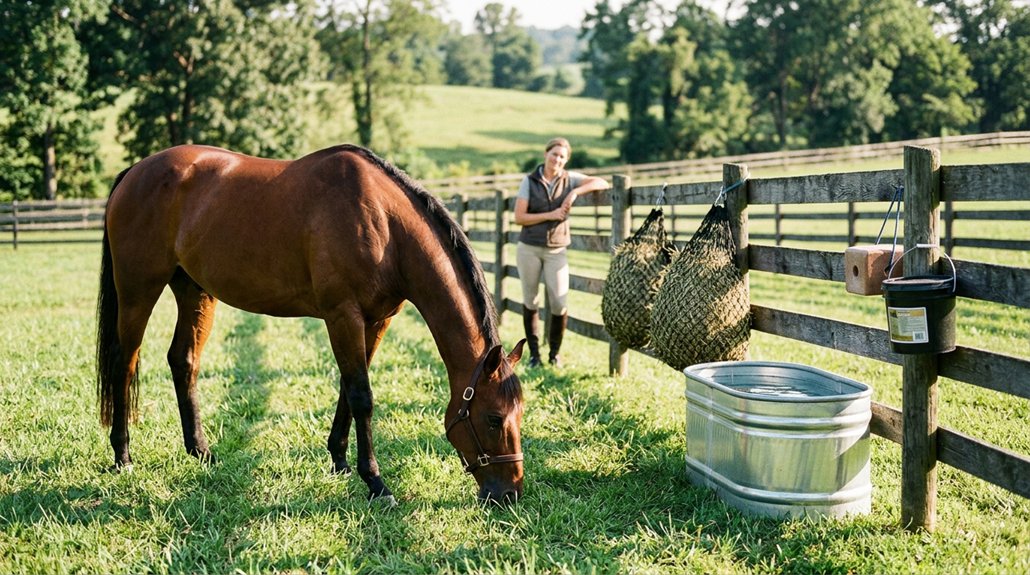
To promote a healthy horse diet, it’s imperative to prioritize high-quality forage, like grass or legume hay, making sure it constitutes 1-2% of the horse’s body weight daily. This primary approach to equine nutrition aligns with your horse’s natural dietary preferences, supporting digestive health and mitigating risks such as colic. While forage should be the cornerstone of their diet, consider concentrated feeds like grains only if increased activity or specific nutritional requirements demand it. Limit these high-starch, high-sugar concentrates to prevent digestive problems like laminitis. Consistently provide fresh, clean water, recognizing your horse needs 10-15 gallons daily. Regularly use a body condition scoring system to fine-tune their diet and consult with an equine nutrition professional for a personalized feeding plan.
The Digestive Needs of Horses
Considering the importance of maintaining a healthy diet for horses, understanding your horse’s digestive needs becomes pivotal. Horses have a complex digestive system that requires ongoing feeding due to their continuous gastric acid production. The foregut handles nutrient absorption, whereas the hindgut utilizes microbes for the fermentation process, breaking down dietary fiber. Prioritize digestive health by ensuring that at least 1-2% of a horse’s body weight in forage is consumed daily. Dietary imbalance or rapid changes can lead to digestive issues like colic or laminitis.
| Digestive Section | Function | Dietary Considerations |
|---|---|---|
| Foregut | Digests starches, proteins | Avoid overload to prevent ulcers |
| Hindgut | Ferments fiber | Supports beneficial fermentation |
| Feeding Need | Continuous | Prevents gastric distress |
| Forage Intake | 1-2% body weight | Essential for digestive health |
Gradually introduce dietary changes over 5-7 days to maintain stability.
Key Nutrients for Optimal Horse Health
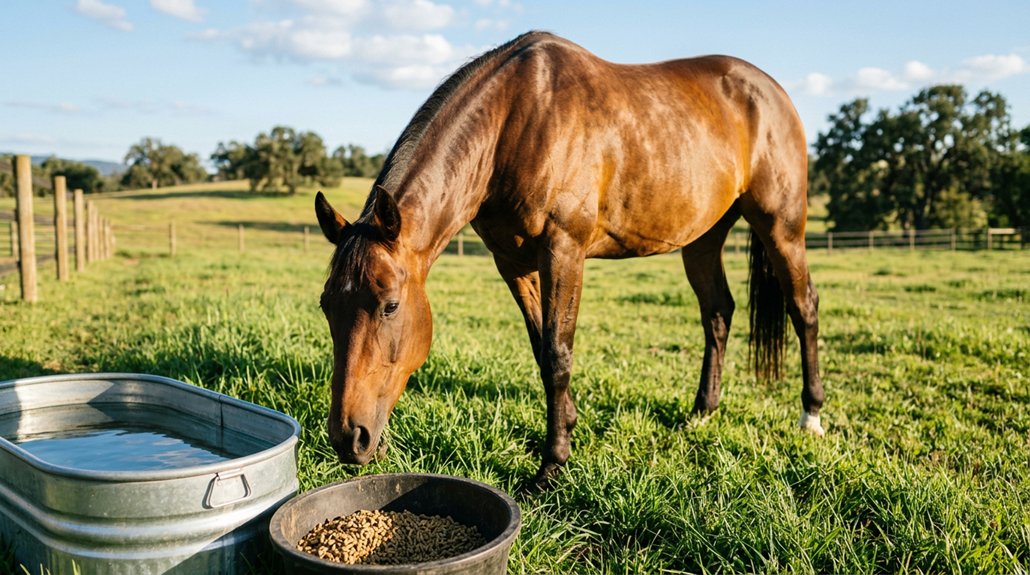
When optimizing your horse’s health, focus on balancing essential nutrient categories such as carbohydrates, proteins, vitamins, and minerals in their diet. Carbohydrates serve as the main energy source, while protein supports muscle maintenance and repair. Don’t forget hydration; your horse will need access to 10-15 gallons of fresh water daily to guarantee proper bodily functions and overall wellness.
Essential Nutrient Categories
A horse’s diet must include a balance of carbohydrates, fats, and proteins to maintain ideal health. Carbohydrates serve as the main energy source, while proteins are essential for muscle maintenance and repair. Fats provide concentrated energy without exceeding 10% of the overall diet for optimal nutrient absorption. Feeding frequency is important since smaller, regular meals enhance digestion and prevent digestive issues. Here’s a practical breakdown of essential nutrients:
- Carbohydrates: Deliver the energy needed for daily activities.
- Proteins: Support muscle health and repair, critical for active horses.
- Fats: Offer a dense energy source, maintaining dietary balance within limits.
- Fiber: Promotes digestive health, requiring horses to consume 1-2% of their body weight daily for proper gut function.
Importance of Hydration
While balanced nutrients form the foundation of a horse’s health, hydration plays an equally essential role in maintaining overall well-being. Horses need between 10 to 15 gallons of clean, high-quality water daily, with demands soaring to 30 gallons for working or lactating horses. Implementing effective hydration strategies is vital to prevent dehydration—it can cause decreased feed intake, constipation, and sluggish capillary refill time. In extreme temperatures, make certain water is not too cold, as it may deter drinking, impacting health. Monitor water consumption regularly, especially if your horse consumes dry hay in winter; inadequate hydration can lead to gut mobility issues. Always prioritize fresh water quality to support digestive health and prevent serious disorders from even minor deficiencies.
Importance of Forage: Comparing Grass, Hay, and Alfalfa Varieties
Forage is the foundation of a horse’s diet and its significance cannot be understated. You should aim to provide 1-2% of your horse’s body weight in dry forage daily. Here are key considerations:
- Forage Types: Opt for varieties like timothy and brome for routine adult horses, offering moderate forage nutrition. Alfalfa’s legume benefits come into play for higher energy needs.
- Hay Quality: It’s essential to choose early-cut hay to guarantee ideal protein and mineral content. Late-harvested hay compromises quality.
- Pasture Management: Keep pastures weed-free and well-maintained through strategic grazing strategies to support nutrition and health.
- Special Needs: Alfalfa is ideal for lactating mares and active horses, providing extra calories and calcium for demanding stages.
Balancing Grains and Supplements Effectively
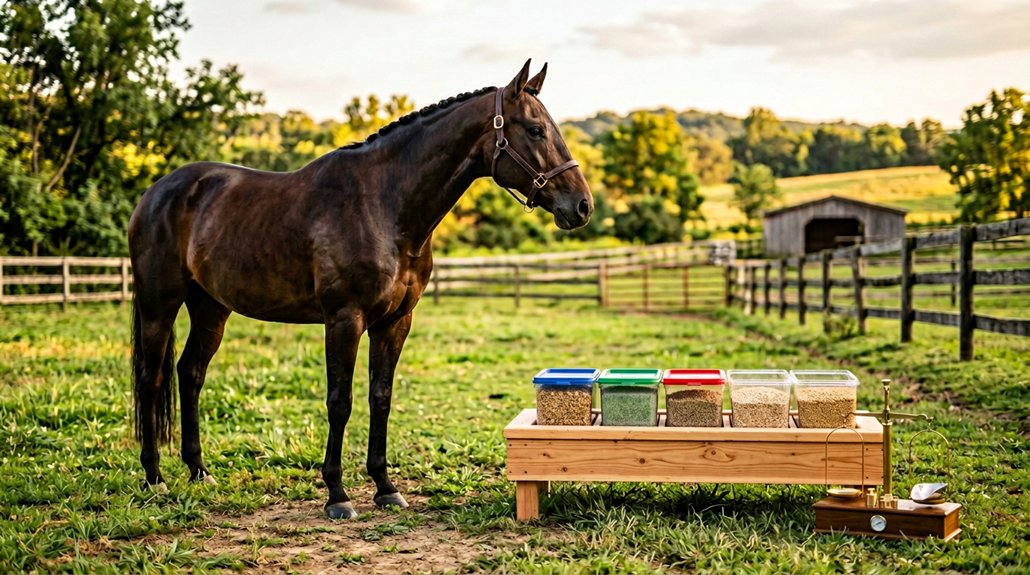
When managing a horse’s diet, it’s crucial to balance grains and supplements to prevent digestive issues and guarantee ideal health. Limit grain types to no more than 50% of the total ration, reducing risks like colic and laminitis. Divide daily grain intake into multiple meals, spaced four hours apart, with each meal under 0.5% of the horse’s body weight. Supplements should be introduced based on specific deficiencies determined through veterinary consultation or diet assessment. If your horse’s diet is forage-only, ration balancers provide protein, vitamins, and minerals at 0.5–0.9 kg per 500 kg horse. Introduce any new grains or supplements gradually over 5-7 days to prevent gastrointestinal upset and ease your horse’s digestive system into adapting effectively.
Creating an Effective Feeding Schedule
Developing an effective feeding schedule is key to maintaining your horse’s health and wellbeing. To enhance nutrient absorption and align with natural digestive rhythms, consider these science-backed practices:
Creating a feeding schedule bolsters horse health by optimizing nutrient absorption and harmonizing digestive rhythms.
- Feeding Frequency & Meal Timing: Feed your horse 2-3 small meals daily to mimic natural grazing, promoting stable digestion and reducing colic risks.
- Portion Control & Grain Balance: Limit concentrate intake to no more than 50% of the diet, with each grain portion not exceeding 0.5% of your horse’s body weight.
- Forage Types & Diet Stability: Provide 1-2% of body weight in forage daily for fiber intake. Introduce dietary changes gradually over 5-7 days to maintain digestive stability.
- Health Monitoring: Regularly observe your horse’s behavior and body condition, adjusting the feeding schedule as needed for peak health.
Customizing Diets for Horses’ Specific Needs
To guarantee your horse maintains ideal health, it’s important to tailor its diet based on lifestyle and specific needs. Start by addressing any nutritional deficiencies and monitor their intake closely, making adjustments as needed. Working with an equine nutritionist or veterinarian can provide valuable insights, whether your horse is a senior requiring easily digestible forage or a performance horse needing extra energy from concentrates.
Tailoring Diet by Lifestyle
Although every horse shares the fundamental need for a nutritionally balanced diet, tailoring their diet based on lifestyle and specific needs is essential for optimizing health and performance. Diet adjustments should account for lifestyle considerations for effective nourishment:
- Active Horses: Performance horses require energy-dense concentrates, making up 1-2% of their body weight in grain, to meet increased caloric demands.
- Breeding Mares: Pregnant or lactating mares benefit from protein-rich feeds such as alfalfa and balanced concentrates suited to their gestational or lactation phase.
- Senior Horses: Older horses benefit from easily digestible feeds like soaked or pelleted hay to accommodate dental challenges.
- Metabolically Sensitive Horses: Horses with metabolic disorders should consume low-sugar, high-fiber forage, avoiding high-starch grains to manage weight and health effectively.
Addressing Nutritional Deficiencies
A proper understanding of equine nutrition is essential when addressing nutritional deficiencies in horses. Focus on nutrient absorption and guarantee their diet includes authentic vitamin sources. Horses on forage-only diets may lack critical vitamins and minerals, so consider fortified feeds or supplements. Assess each horse’s needs based on age, activity, and health. Young, pregnant, or lactating horses might need extra protein and energy. Regular veterinary consultations can pinpoint specific deficiencies and advise on tailored diets. Use body condition scoring to evaluate if your horse is getting enough nutrients and to prevent undernutrition or obesity. Nutrient-dense feeds offer a balanced supply of elements like calcium, phosphorus, and vitamins A, D, and E, reducing reliance on grains or hay alone.
Monitoring and Adjusting Intake
When customizing a horse’s diet, it is crucial to regularly monitor and adjust their intake to meet specific needs. Begin with intake monitoring focused on their body condition. Here’s a structured approach:
- Assess Body Condition Scoring: Regular evaluations help determine if your horse is underweight or overweight, guiding necessary dietary adjustments.
- Monitor Forage Intake: Aim for 1-2% of body weight in daily forage to provide adequate fiber and prevent digestive issues.
- Keep Detailed Feeding Records: Track changes in intake related to activity levels, age, or health status, ensuring customized diet management.
- Introduce Changes Gradually: Adjust diets over 5-7 days to minimize colic risks. Collaborate with a veterinarian or equine nutritionist for tailored plans.
Common Nutrition Mistakes to Avoid
Feeding horses appropriately is essential to their health, and understanding common nutrition mistakes can prevent various health issues. A key error is overfeeding grains. Horses shouldn’t consume more than 50% of their diet from high-starch concentrates, as this can heighten the risk of colic and laminitis. Instead, focus on providing abundant forage, constituting 1-2% of your horse’s body weight daily. Insufficient forage can cause gastrointestinal disruptions and nutrient deficiencies.
Another important factor is diet changes; if needed, shift gradually over 5-7 days to avoid gastrointestinal distress. Regularly assess body condition, adjusting feed to prevent under- or overnutrition. Guarantee your horse’s daily access to 10-15 gallons of fresh water to avoid dehydration, especially when it’s hot or during heavy exercise.
Adjusting Feeding Practices for Seasonal Changes
As seasons change, understanding how to adjust your horse’s feeding practices becomes essential for their health. Dietary shifts should be smooth to accommodate seasonal needs without causing gastrointestinal upset. Consider these key points:
- Winter Adjustments: Horses burn more energy in cold weather. Increase the caloric intake and improve forage quality to maintain body temperature and energy levels.
- Summer Strategies: With abundant pasture, reduce concentrate feed. Manage grazing to prevent overeating and digestive issues.
- Gradual Changes: Modify diets over 5-7 days to avoid upsetting the digestive system during a change in forage or feed concentration.
- Monitor Water Intake: Seasonal weather affects hydration. Always guarantee access to clean, unfrozen water to meet hydration needs and support overall health.
Frequently Asked Questions
How Does Climate Affect a Horse’s Dietary Needs?
Climatic conditions greatly impact a horse’s dietary needs. Seasonal variations alter forage availability, while temperature effects and humidity impacts influence hydration and energy requirements. You’ll need to adjust feed based on these environmental factors for ideal health.
What Treats Are Safe to Occasionally Give My Horse?
You can safely offer your horse carrots, apples, and watermelon as healthy treats. Avoid excessive sugar or processed snacks. Remember, everything in moderation, and always prioritize safe snacks that won’t disrupt their balanced diet.
How Can I Identify Signs of Dietary Deficiencies in Horses?
To identify nutrient deficiencies in horses, watch for performance impacts like lethargy or poor coat condition. Check for signs like weight loss or behavioral changes. Regularly consult a vet for blood tests to guarantee balanced nutrition.
Are There Specific Dietary Needs for Senior Horses?
Ever wonder if senior horses have special dietary needs? Absolutely! Senior horse nutrition demands close attention to their unique fiber requirements. As they age, ensuring adequate fiber is vital for maintaining digestive health and preventing weight loss.
Can Horses Have Food Allergies or Intolerances?
Yes, horses can have food allergies or intolerances. You’ll notice horse allergy symptoms like skin reactions or digestive issues. Managing food intolerances involves identifying triggers through testing, then adjusting the diet to eliminate problematic ingredients.
Conclusion
In the vast tapestry of horse care, a well-crafted diet is the thread that weaves together health and vigor. Mastering the art of nutrition isn’t just about knowing what to feed—it’s understanding the rhythm of their needs. Prioritize forage, balance grains with finesse, and tailor meals to each horse’s unique song. Avoid common pitfalls and adjust with the seasons, and you’ll guarantee your horse gallops through life with the strength of a thousand suns.