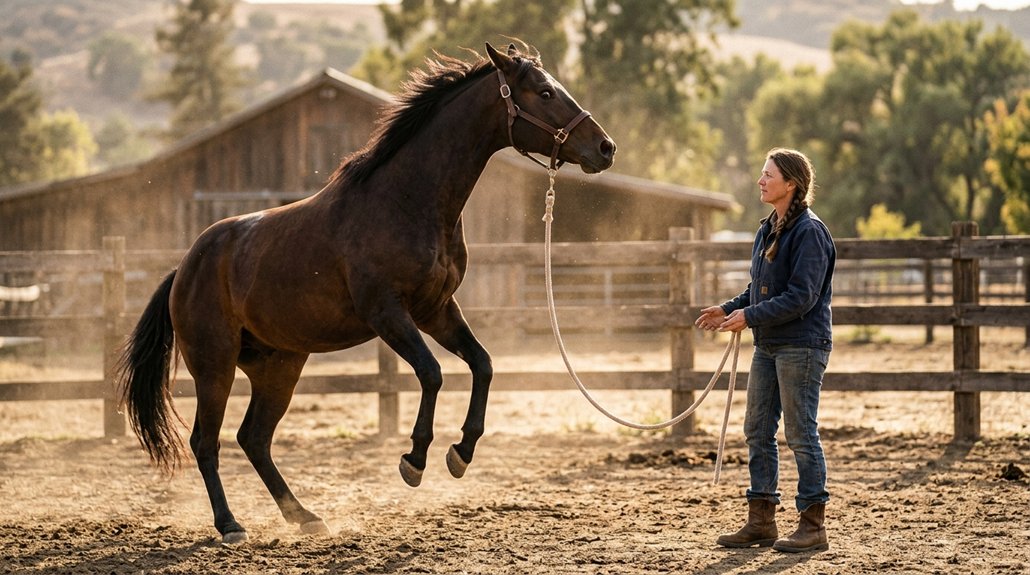
To handle aggressive behavior in horses, first observe early signs such as pinned ears or rapid tail movements. Identify triggers like inadequate leadership or pain. Utilize pressure halters and gradual desensitization for behavior correction, complemented by calming supplements and positive reinforcement. Establish predictable routines and build trust through consistency, gentle engagement, and clear boundaries. Regular veterinary care and consulting equine behaviorists will help tailor a strategy. With structured approaches, explore deeper insights into effective management.
Key Takeaways
- Use pressure halters to establish boundaries and promote positive behavior in horses.
- Gradual desensitization through gentle training can effectively reduce horse aggression.
- Regular veterinary care can identify physical issues contributing to aggressive behavior.
- Positive reinforcement encourages behavior improvement without using punishment.
- Predictable routines and structured interactions foster trust and stability in horses.
Spot Early Aggression Signs in Horses
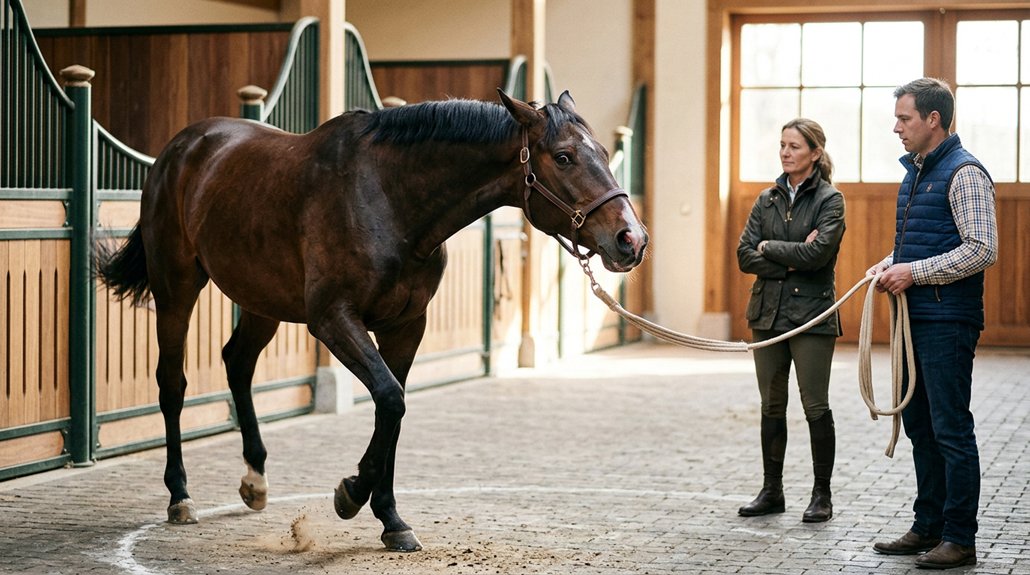
How can you spot early signs of aggression in horses before they escalate? Observing for flattened ears is essential as they denote discomfort or irritation. Keep an eye out for rapid tail lashing, often a precursor to aggressive behavior. Defensive snorting shouldn’t be ignored; it’s a potential indicator that the horse feels threatened. A stiffened posture is another sign suggesting agitation, along with head tossing, which can communicate frustration. Behavioral changes are usually the first to appear, especially during interactions like grooming or handling. Identifying these warning signs early allows you to address issues before they worsen. By staying vigilant and attentive, you can create a safer environment and effectively mitigate the risk of more severe aggressive tendencies developing.
Why Horses Show Aggressive Behavior
When handling horses, understanding the root causes of aggressive behavior is essential. Various aggression triggers can emerge due to inadequate leadership, pain, resource guarding, and misreading body language. Mistrust within the herd often results from a lack of strong leadership, leading to scattered, aggressive behavior. Pain-induced aggression becomes evident when horses display body language such as pinning ears or biting, requiring veterinary attention. Resource guarding over food or space can prompt lunging or biting. Furthermore, fear and ignorance can exacerbate aggression, revealing the necessity for knowledge of equine social signals. Stallions may also show aggression due to sexual competition.
| Aggression Trigger | Observed Behavior |
|---|---|
| Inadequate Leadership | Mistrust, scattered |
| Pain | Pinning ears, biting |
| Resource Guarding | Lunging, biting |
| Fear and Ignorance | Exacerbated aggression |
| Sexual Competition | Heightened aggression |
Proven Strategies to Calm Aggressive Horses
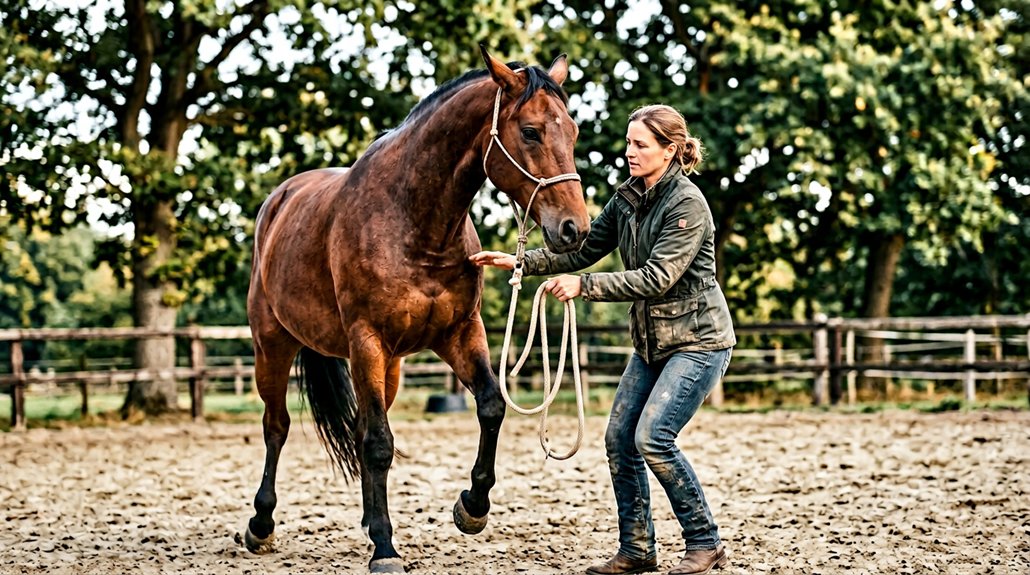
To effectively calm aggressive horses, establishing clear boundaries through pressure halters is essential, as it not only rewards good behavior swiftly but also reinforces strong leadership. These tools allow you to observe and interpret their body language, enabling prompt, corrective actions. Along with utilizing pressure halters, gradual desensitization through gentle training techniques like grooming and tacking can reduce aggression by easing your horse into human interactions. Incorporating calming supplements can also assist during stressful situations, providing temporary relaxation to enhance focus during training sessions. Consistent engagement using positive reinforcement rather than punitive measures is vital in improving behavior. By creating predictable routines, you support a secure environment for the horse, minimizing fear-based responses and promoting calmness.
Fostering Trustful Bonds to Minimize Aggression
To foster trustful bonds and minimize aggression in horses, focus on building strong leadership by being consistent and reliable in your interactions. Encourage positive interaction by spending quality time in calm environments, promoting relaxation and reducing stress. Establish clear boundaries that are adaptable, ensuring horses understand what’s expected and experience a secure, respectful relationship.
Building Strong Leadership
Establishing strong leadership is essential in handling aggressive behavior in horses, as it directly fosters trust and minimizes conflict. Employing effective leadership styles and communication techniques helps maintain this trustful bond. Here’s how:
- Consistent Boundaries: Set clear boundaries with pressure halters. This reinforces respect and the horse’s understanding of your role, thereby establishing leadership.
- Quality Time: Spend distraction-free time with your horse, perhaps in a portable run-in shed. This reassures sensitive horses, fulfilling their need for security and trust.
- Mirrored Communication: Use communication that mirrors natural bonding behaviors among horses. This enhances your interactions and nurtures a positive dynamic between you and your horse.
Encouraging Positive Interaction
Engaging in positive interactions with horses is essential for fostering trustful bonds and minimizing aggression. Spending quality time in a calm, distraction-free environment strengthens these bonds. Techniques like “sharing territory,” where you coexist in a shared space without immediate demands, help build a safer, trust-rich connection and diminish fears. You can encourage understanding by mirroring natural horse bonding behaviors, which establishes clear communication pathways.
Consistent, gentle engagement promotes a nurturing presence, where unconditional care meets the horse’s social needs, reducing aggressive tendencies. Recognizing their social cues and demonstrating patience lays the groundwork for a harmonious relationship. Such engagement not only minimizes aggressive behaviors but also guarantees horses view you as a stable, respectful presence, fostering a secure interaction framework.
Establishing Clear Boundaries
When you establish clear boundaries with horses, using tools like pressure halters, you reinforce leadership that helps horses understand acceptable behavior and minimizes aggression. Engaging in consistent interactions guarantees that each boundary is clearly understood and respected. Learn to utilize pressure techniques effectively, aiming for compassionate corrections that prioritize positive behavioral changes.
Consider these steps to improve your horse’s response:
- Boundary Reinforcement: Use consistent signals and pressure techniques to clearly communicate expectations, promoting respect and understanding.
- Resource Management: Provide ample resources and personal space to ease competition-induced aggression, allowing for a tranquil environment.
- Trust Building: Invest quality time in safe settings, enhancing horse’s acceptance of boundaries and fostering cooperation.
The Essential Role of Veterinary Care in Handling Aggression
In managing aggressive behavior in horses, regular veterinary care is indispensable in pinpointing physical issues like injuries or nutritional imbalances that could be influencing aggression. By conducting thorough evaluations covering orthopedic, dental, and gastrointestinal health, you can address underlying problems effectively. Collaborate with equine behaviorists to design customized behavior plans that integrate veterinary findings, ensuring targeted interventions that foster peaceful interactions.
Assessing Physical Health
A thorough assessment of a horse’s physical health plays a critical role in managing aggressive behavior, as unaddressed pain can often be the root cause of such actions. Horses have a tendency to conceal pain until it becomes extreme, making routine veterinary evaluations indispensable. During these assessments, your vet should focus on:
- Pain assessment: Paying close attention to signs such as pinned ears or biting during handling, which might indicate discomfort.
- Comprehensive checks: Evaluating orthopedic, dental, gastrointestinal, and reproductive health to identify any sources of distress.
- Immediate intervention: Addressing any discovered medical issues, reducing pain-related aggression, and fostering trust between you and your horse.
Customized Behavior Plans
Effective customization of behavior plans can greatly reduce aggressive behavior in horses. Collaborating with qualified veterinarians is essential for conducting thorough behavior assessments and identifying specific triggers. These evaluations help tailor intervention strategies that effectively address aggression. Discovering underlying physical issues such as pain can considerably influence aggressive tendencies; hence, regular veterinary assessments of your horse’s orthopedic, dental, gastrointestinal, and reproductive health are important. Timely interventions for medical discomfort help mitigate aggression at its source. Additionally, integrating both medical and behavioral approaches fosters extensive treatment plans, ensuring the holistic needs of your horse are met. Seeking specialized insight from equine behaviorists enhances understanding of aggression, enabling development of evidence-based techniques for safe, trusting human-horse interactions.
Ensuring Lasting Calm in Aggressive Horses
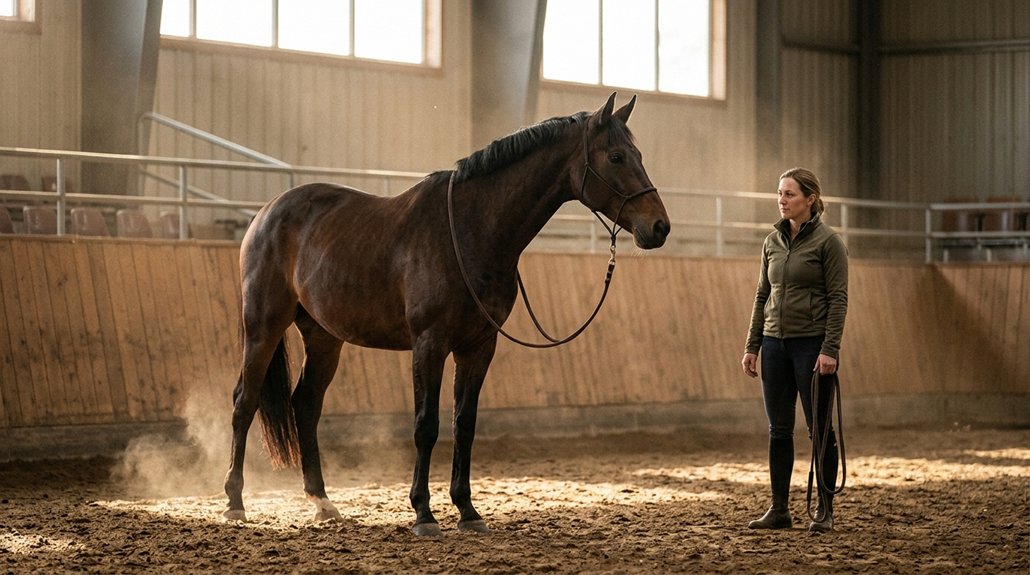
Though challenging, ensuring lasting calm in aggressive horses is not impossible when approached methodically. Focus on promoting emotional stability by influencing key environmental factors. You can achieve this through structured, consistent interactions. Here’s a practical approach:
- Leadership and Boundaries: Establish a clear leadership framework. Consistent boundaries help build trust, reducing aggressive tendencies. Horses thrive on predictability.
- Social Interactions: Engage in regular, calm interactions. Develop a strong bond with your horse by spending quality time together, utilizing techniques like Sharing Territory to forge connection and promote relaxation.
- Health Assessment: Conduct regular veterinary checks to rule out health issues. Addressing physical discomfort can greatly stabilize behavior.
Frequently Asked Questions
What to Do if a Horse Is Aggressive Towards You?
When a horse is aggressive towards you, maintain a calm demeanor and keep a safe distance. Recognize early signs, adjust your approach, and use tools like pressure halters. Seek professional help if necessary for severe cases.
What Is the 20 Rule for Horses?
The 20 rule for horses involves spending at least 20 minutes daily in positive interaction, helping you observe horse behavior and build trust. This consistent engagement can identify subtle changes, enhancing emotional well-being, and reducing aggression.
What Causes Horses to Be Aggressive?
You might’ve seen a horse pin its ears back and bite as aggression triggers like stress, fear responses, or dominant hierarchies arise. Behavioral signals often stem from previous trauma or ineffective training methods, environmental stressors, and handling techniques.
How Do You Punish a Horse for Bad Behavior?
You shouldn’t punish a horse for bad behavior as it’s ineffective. Instead, employ effective training by understanding behavioral causes through observation, establishing boundaries with compassion, and using positive reinforcement to encourage desired behaviors in a practical, scientific manner.
Conclusion
In handling aggressive behavior in horses, spotting signs early and understanding the causes are key. You might think calming aggressive horses is too difficult, but proven strategies and trust-building go a long way. Veterinary care is essential, ensuring there’s no underlying health issue contributing to aggression. With patience and consistent care, aggression can be managed effectively. Remember, creating a calm and trusting environment promotes lasting behavior changes, benefiting both you and your horse in the long run.