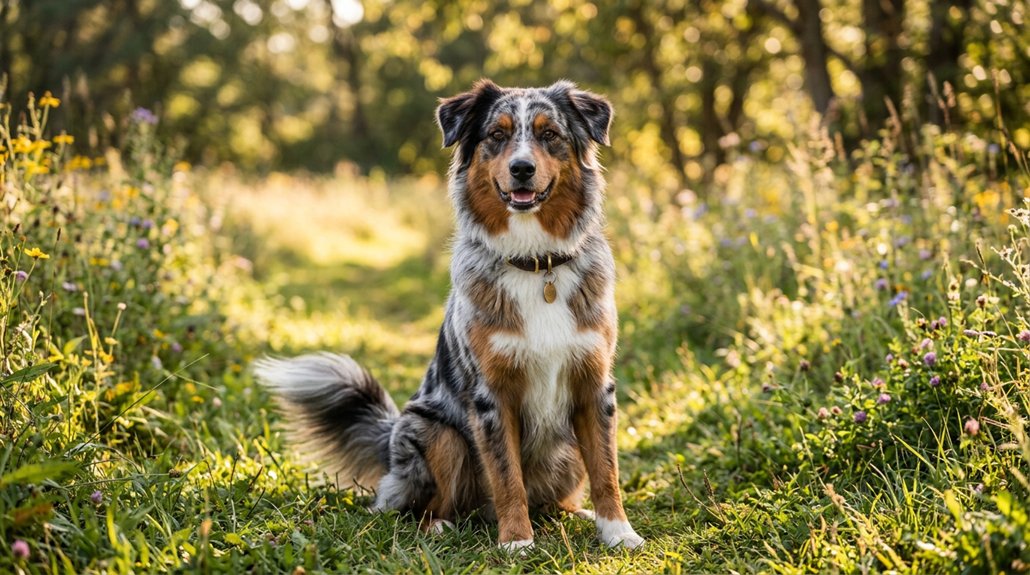
As an Australian Shepherd owner, expect high intelligence, adaptability, strong family bonds, and reserved behavior toward strangers. Guarantee socialization from an early age, employing positive reinforcement and diverse interactive games for peak training. Daily activity is essential; incorporate agility exercises, fetch, and mental stimuli. Maintain a grooming routine and nutritional balance, addressing health predispositions like hip dysplasia. Choose ethical breeders adhering to health standards, guaranteeing well-raised puppies. Discover further insights into keeping your Aussie thriving.
Key Takeaways
- Australian Shepherds require 1.5 to 2 hours of daily physical activity for optimal health and behavior.
- Early socialization and consistent positive reinforcement training prevent behavioral issues in Australian Shepherds.
- Australian Shepherds form strong family bonds and require regular interaction and mental stimulation.
- Groom and maintain Australian Shepherds’ coat, ears, and nails to ensure their health.
- Choose breeders adhering to AKC regulations and providing comprehensive health screenings for parents.
Discovering the Australian Shepherd’s Unique Temperament
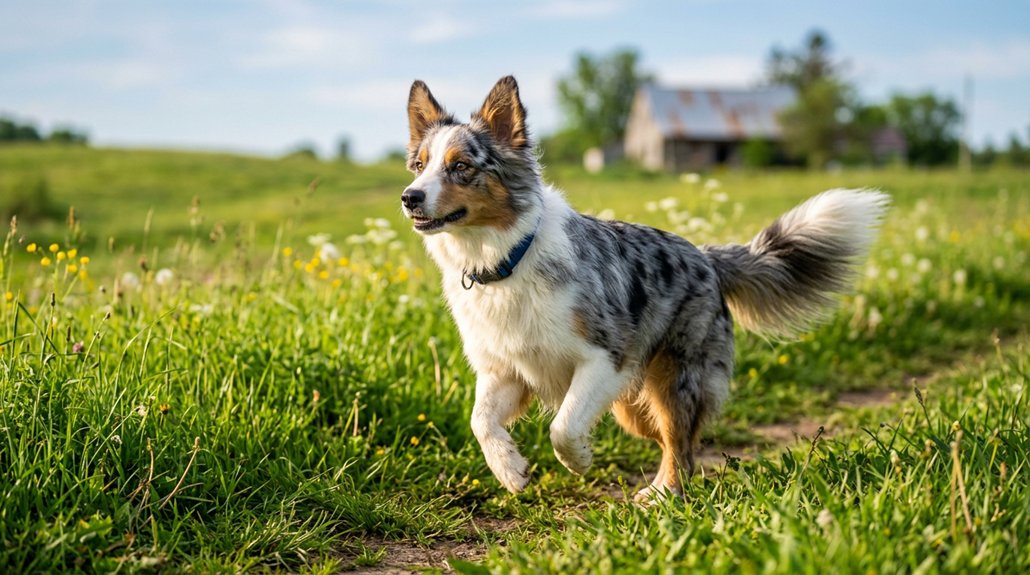
Characterized by their intelligence and innate herding instincts, Australian Shepherds exhibit a temperament that is both dynamic and adaptable. Their Aussie Adaptability allows them to thrive in various environments, tackling challenges with advanced problem-solving skills. Known for their Affectionate Nature, they form strong bonds with family members, displaying a Playful Personality while maintaining a Reserved Behavior toward strangers. These dogs require high Energy Levels, necessitating 1.5 to 2 hours of physical activity daily to meet their Energy Requirements and prevent behavioral issues. With impressive Intelligence Levels and Learning Ability, Australian Shepherds excel in obedience and agility training. Engaging them in mental stimulation is crucial, enhancing their Social Dynamics and ensuring a happy, well-adjusted companion.
Early Socialization and Consistent Training: Keys to a Well-Behaved Aussie
To guarantee your Australian Shepherd develops into a well-adjusted companion, early socialization and consistent training are imperative. By introducing your pup to diverse environments and stimuli, you’ll build their social confidence, prevent behavioral issues, and encourage positive habits. Utilizing positive reinforcement and varied training sessions will further enhance their adaptability and willingness to learn.
Building Social Confidence
A significant component of raising a well-behaved Australian Shepherd is establishing social confidence through early socialization and consistent training. This creates a strong foundation for your dog to thrive in diverse environments. Here’s a structured approach to building confidence:
- Social Playdates and Group Training: These activities are essential for confidence boosting and behavioral enrichment. They offer positive exposure to different scenarios and interactions, aiding in mitigating aggressive tendencies.
- Interactive Games: Incorporate them during training sessions to strengthen your Aussie’s understanding of expected behaviors, fostering a sense of leadership and security.
- Positive Reinforcement: During this critical developmental stage, employ these techniques to build a trusting bond, encouraging cooperative behavior and compliance.
Preventing Behavioral Issues
When it comes to preventing behavioral issues in Australian Shepherds, early socialization and consistent training are paramount. Early exposure is vital to prevent overly protective behaviors and reduce behavioral triggers. Initiate training immediately upon bringing your Aussie home, emphasizing positive reinforcement to build compliance and trust. Consistent training across life stages establishes clear leadership, mitigating authority challenges and associated behavior issues. Employ engaging, non-repetitive training solutions to keep your Aussie mentally stimulated, effectively managing anxiety and minimizing boredom-induced destructive behaviors. During critical socialization periods, make certain your dog encounters diverse experiences, enhancing adaptability and reducing anxiety in varied environments. Such proactive strategies are fundamental in managing potential behavior issues, fostering a well-adjusted, obedient adult Australian Shepherd.
Encouraging Positive Habits
Preventing behavioral issues in Australian Shepherds starts with laying a solid foundation of early socialization paired with consistent training regimens. Early exposure to diverse environments curtails excessive protectiveness and enhances calm behavior. Consistent training using positive reinforcement is critical since Aussies respond well to clear communication. To effectively encourage positive habits, it’s essential to:
- Incorporate interactive toys to stimulate problem-solving abilities and prevent boredom-induced destructiveness.
- Enroll in obedience classes post-rabies vaccination, facilitating structured socialization and training with other dogs.
- Rotate training environments to manage their natural watchdog instincts, promoting confidence around strangers.
These practices channel an Australian Shepherd’s intelligence toward constructive behaviors, fostering well-adapted adult dogs that handle diverse interactions gracefully.
Essential Care Tips for Australian Shepherds
To effectively care for your Australian Shepherd, prioritize their grooming by brushing their thick double coat 2-3 times weekly and providing baths as needed, particularly during shedding seasons. Make certain they receive 1.5 to 2 hours of daily physical and mental exercise to maintain peak health and prevent boredom-induced behaviors. Schedule regular veterinary check-ups for early detection of breed-specific health issues, including hip dysplasia and Progressive Retinal Atrophy (PRA), and make certain health screenings from responsible breeders.
Grooming and Exercise Needs
Caring for an Australian Shepherd necessitates attention to their unique grooming and exercise requirements. You’ll need reliable grooming tools for weekly brushing to manage their double coat, and remember, bathing should occur every 6–8 weeks. Avoid shaving to maintain their coat’s integrity. Their high energy levels demand structured exercise routines, requiring daily activities of 1.5 to 2 hours like hiking or agility training.
Essential Care Steps:
- Regular Grooming: Utilize proper grooming tools for efficient care.
- Daily Exercise: Incorporate diversified exercise routines to meet their physical demands.
- Mental Stimulation: Engage them with challenging puzzle toys to prevent boredom.
Regular ear cleaning and nail trimming are also important to avert infections and guarantee their overall well-being.
Health and Veterinary Care
Addressing the grooming and exercise needs of an Australian Shepherd is only part of guaranteeing their well-being; maintaining their health through veterinary care is equally important. Regular veterinary visits, including health screenings, are essential. These visits allow for early detection of hip dysplasia, epilepsy, cataracts, and certain cancers. Vaccination schedules are particularly important, with initial shots at 6-8 weeks, 10-12 weeks, and 14-16 weeks to shield against resilient diseases like parvovirus. Confirm genetic health screenings of the parents when selecting a breeder to reduce hereditary issues. Routine ear checks and dental care are imperative to preventing infections. Proper nutrition, with balanced meals of proteins, carbohydrates, fats, vitamins, and minerals, supports overall health. Puppies need 3-4 meals daily; adults require two.
Effective Training Strategies for Australian Shepherds
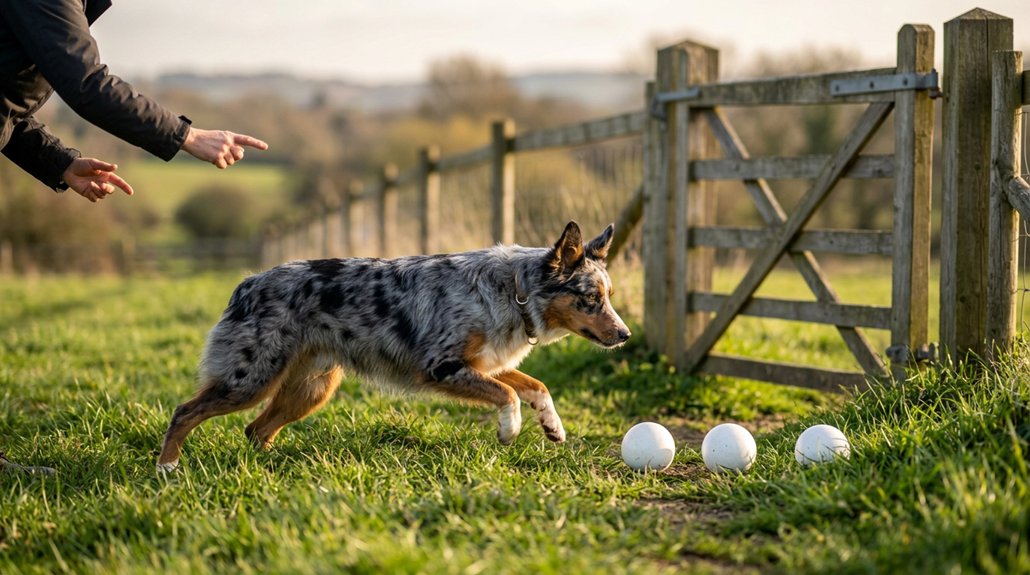
A highly effective training approach for Australian Shepherds involves several strategic elements that capitalize on their intelligence and willingness to please. Incorporate positive reinforcement and training games to shape desired behaviors, enhancing their problem-solving skills. Command consistency through behavior cues guarantees they respond reliably. For interactive learning, mental challenges such as agility training and competitive sports keep them engaged. Utilize toy engagement and focus exercises to direct their energy positively.
- Interactive Training: Integrate mental challenges with agility setups to channel energy constructively.
- Motivation and Reward: Employ positive reinforcement using treats or toys to cement command understanding.
- Clear Communication: Use concise behavior cues for command consistency, facilitating better understanding and cooperation.
These strategies lead to a more fulfilling training experience, fostering a well-behaved Australian Shepherd.
Keeping Your Aussie Active and Happy
To keep your Australian Shepherd active and happy, integrate 1.5 to 2 hours of vigorous physical activity into their daily routine. Incorporate agility exercises, fetch routines, and hiking adventures to channel their high energy levels and address herding instincts. Enhance mental stimulation with puzzle toys and interactive games, promoting cognitive engagement through brain teasers. Engage them in obedience drills, training challenges, and scent games. Participate in dog sports, agility courses, and swimming sessions for varied physical and mental health benefits. Facilitate social outings and play dates with other pets, introducing them to diverse environments and social interactions. Consider group classes to develop social skills and confidence. Regularly alternating activities prevents monotony, reducing the risk of boredom-induced destructive behavior.
Grooming Tips for a Healthy Coat
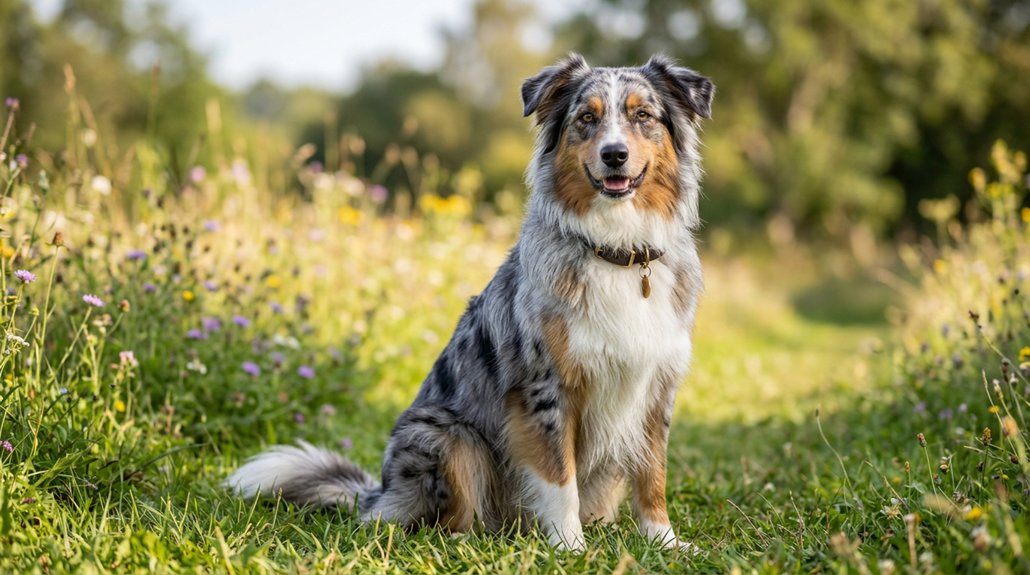
Include weekly ear inspections and cleaning in your routine to prevent infections. Regular nail trimming prevents overgrowth and discomfort, contributing to overall well-being.
- Brush regularly for a shiny, mat-free coat.
- Clean ears to ward off ear infections.
- Trim nails for comfort and health.
Prioritize grooming for a joyful and healthy Aussie.
Common Health Concerns in Australian Shepherds
When caring for an Australian Shepherd, it’s important to recognize their predisposition to genetic health issues such as hip and elbow dysplasia, Progressive Retinal Atrophy (PRA), and epilepsy. You should prioritize regular health screenings and seek out responsible breeders who conduct health tests on both parent dogs. Preventive measures, including routine veterinary care and a well-balanced diet, play a significant role in mitigating these potential health concerns.
Genetic Health Issues
Though beloved for their intelligence and agility, Australian Shepherds are genetically predisposed to certain health issues that require diligent attention. Genetic screening is essential in preserving health, as these dogs are prone to conditions like hip and elbow dysplasia. Responsible breeders prioritize health by conducting thorough screenings to minimize risks. Regular eye assessments are important, given their susceptibility to ocular disorders such as cataracts.
Consider the following:
- Progressive Retinal Atrophy (PRA): Can lead to blindness but is preventative through genetic testing.
- Epilepsy: Requires ongoing veterinary care for ideal management and quality of life.
- Dysplasia: Maintaining a healthy weight and balanced diet can alleviate joint stress.
Commit to proactive health measures to guarantee the longevity and well-being of your Australian Shepherd.
Preventive Health Measures
As a proactive approach to maintaining the health of your Australian Shepherd, focusing on preventive health measures is fundamental. Implementing regular preventive screenings is vital, given their predisposition to hip and elbow dysplasia, Progressive Retinal Atrophy (PRA), and epilepsy. Conduct these screenings to catch issues early. Regular veterinary check-ups facilitate ongoing health monitoring, offering key insight into your dog’s well-being. Nutrition assessments guarantee a balanced diet tailored to their age and activity evaluation, preventing diet-related issues. Incorporate routine grooming practices, including ear cleaning and nail trimming, into your regimen to prevent infections and maintain comfort. Altogether, these measures form a thorough strategy for safeguarding your Australian Shepherd’s health, supporting longevity and well-being.
Optimal Feeding and Nutrition for Your Shepherd
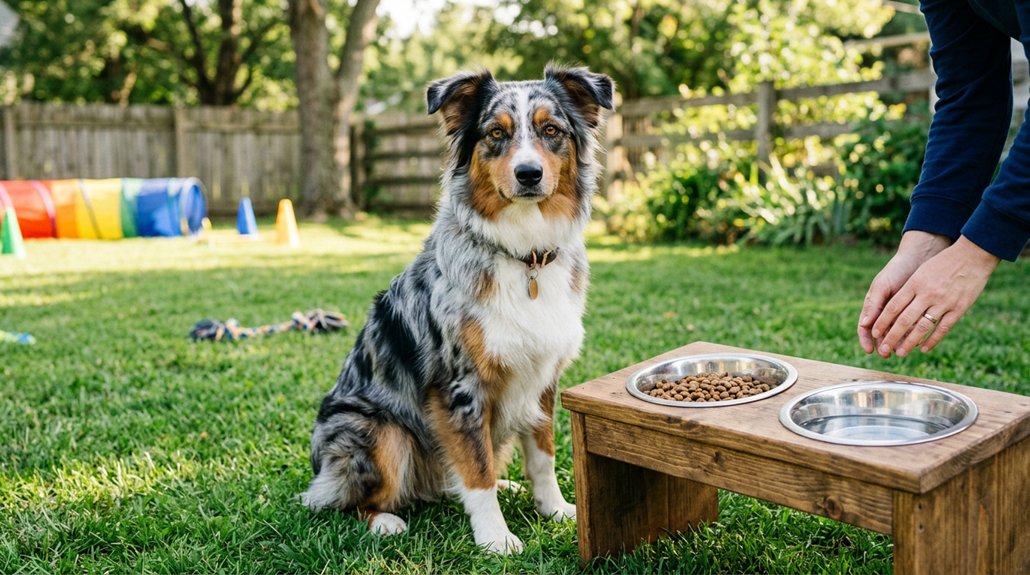
- Ensure fresh water availability, especially post-exercise due to their energetic nature.
- Consult a veterinarian for personalized dietary plans, ensuring your Shepherd gets ideal nutrition.
- Monitor feeding schedules and portions to adapt to their evolving health needs.
Your clinical approach will fortify their health and well-being.
Recognizing Ethical Breeders for Your Australian Shepherd Puppy
Selecting an ethical breeder for your Australian Shepherd puppy demands an informed and meticulous approach. Evaluate breeder reputation by confirming they conduct thorough health screenings on parents to mitigate genetic risks, prioritizing puppy health. Raise your puppy in a stimulating environment that guarantees early learning and social development. Choose breeders adhering to American Kennel Club regulations, committing to both health and quality. Visiting facilities is essential for inspecting living conditions, vital for evaluating the wellbeing of puppies and parents. Ethical breeders offer continuous post-adoption support, aiding you in responsibly raising your Australian Shepherd.
| Emotion | Reason |
|---|---|
| Trust | Thorough health checks assure quality. |
| Comfort | AKC adherence reflects responsible care. |
| Confidence | Facility visits reveal true conditions. |
| Reassurance | Post-adoption support is invaluable. |
| Connection | Early socialization fosters development. |
Enriching Activities and Toys for Mental Stimulation
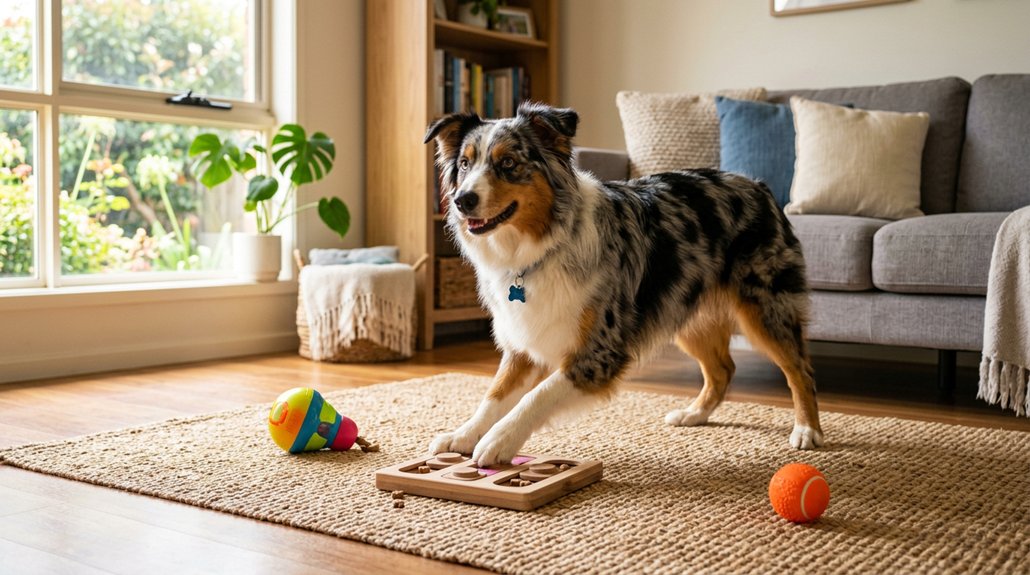
Release the potential of your Australian Shepherd by incorporating enriching activities and toys designed to challenge their intelligent nature. Utilizing various methods supports mental stimulation, essential for reducing unwanted behaviors. Implement these strategies to enhance their environment:
- Puzzle toys: Engage their problem-solving skills, which keeps them entertained and minimizes destructive tendencies.
- Interactive games: Play hide and seek with treats or toys to leverage their herding instincts, fostering active participation and satisfaction.
- Agility training: Combine physical and cognitive challenges to provide an outlet for their energy while sharpening focus and intelligence.
Furthermore, food dispensing toys engage them mentally, rewarding their interaction. Regular agility or obedience classes can also boost mental acuity and strengthen the bond between both of you.
Frequently Asked Questions
What Are the Origins of the Australian Shepherd Breed?
You’ll find that the breed’s history traces to the Basque region in Europe, despite its name. Their strong herding instincts developed as they accompanied shepherds to America, becoming ideal for herding livestock under various conditions.
Are Australian Shepherds Good With Children and Other Pets?
Picture a dance of joy and curiosity; yes, Australian Shepherds can be excellent with children and pets. Through precise socialization techniques and structured playtime activities, their adaptability shines, fostering harmonious interactions with family members and other animals.
What Are Some Travel Tips for Australian Shepherd Owners?
Guarantee travel safety by securing your Australian Shepherd. Pack essentials like food, water, and a first-aid kit. Prepare for routine adjustments and choose destinations considering exercise requirements. Familiarize your dog with new environments for ideal socialization.
How Do Australian Shepherds Behave in Urban Environments?
In the urban jungle, Australian Shepherds adapt like fish to water, yet their behavioral quirks include an insatiable need for mental stimulation. They’re capable urban dwellers but require structured activities to prevent potential behavioral issues.
What Are the Pros and Cons of Owning an Australian Shepherd?
Owning an Australian Shepherd means managing their high exercise needs and frequent grooming requirements. You’ll find their intelligence rewarding but require consistent mental stimulation. Consider working instincts, possible health concerns, and socialization tips for a well-adjusted pet.
Conclusion
Raising an Australian Shepherd is like maintaining a high-performance engine. Just as a finely-tuned motor requires premium fuel, precise tuning, and regular inspections, your Aussie demands peak nutrition, consistent training, and vigilant health monitoring. Early, consistent training acts like the initial clockwork, setting a harmonious rhythm, while mental enrichment activities serve as tune-ups, keeping the gears running smoothly. Partner with ethical breeders to start on the right path, ensuring your canine companion thrives with energy and joy.