
Maybe you started out looking at rabbits. They seemed simple: quiet, small, easy to fit into a busy home.
Then one puppy photo popped up on your screen, and your whole plan changed.
That’s how it happens for so many families. A fluffy face melts your heart, and suddenly you’re picturing a dog in your living room instead of a rabbit in a hutch.
Here’s the part that stops most people cold. Only 10% of dogs stay with their original owners for their entire lives. That impulse buy feeling is real, but it’s also how so many families end up in over their heads with a dog they weren’t ready for.
I want to walk you through the biggest mistakes families make with dog ownership, so you can skip the heartbreak and the surprise bills that catch almost everyone off guard. Grab a coffee, and let’s go through what actually matters before you trade that rabbit hutch for a dog bed.
Key Takeaways
- Only 10% of dogs stay with their original owners for life because families rush into pet ownership without real planning or research.
- Matching a breed’s temperament, energy level, and exercise needs to your lifestyle stops destructive behavior, expensive vet bills, and pet abandonment before they start.
- Professional grooming runs $1,200 to $3,600 a year depending on breed type, so budget honestly before you choose a dog.
- Reputable breeders hand over OFA health testing and genetic screening records for both parents, which helps you dodge inherited diseases that cost thousands to treat.
- Total lifetime dog ownership costs land between $15,000 and $45,000 over 10 to 15 years, so a real financial gut check comes before commitment.
Why Shouldn’t I Choose a Dog Just by Appearance?

That adorable “teddy bear face” catches your eye at the shelter. The fluffy coat looks just right for your home. A lot of families fall into this trap, picking a dog based on looks alone instead of matching the pup to their real lifestyle.
Here’s the truth: a dog’s looks tell you nothing about its temperament, energy level, or health background. Choosing by appearance alone is one of the most common mistakes new owners make, and it usually leads to serious trouble.
Property damage, big vet bills, and separation anxiety can all follow a personality mismatch. Your seemingly perfect companion might need far more exercise and mental stimulation than your daily routine can give.
Herding and working breeds need serious physical activity and brain work to stay happy. A rottweiler bred for protection work won’t do well in a quiet apartment where nobody engages with it for hours.
Not researching a breed’s original purpose sets families up for failure. Dogs carry old instincts deep in their DNA, shaped by the jobs they were bred to do. Think about what your dog’s ancestors were built for:
- Herding livestock across open land
- Guarding property and family
- Retrieving game from water or field
A high energy working breed stuck in a low activity home will destroy furniture, dig holes, and develop behavior problems fast. Your vet bills climb when your dog gets hurt or develops a stress related illness.
Dog behavior expert Michele Welton points out that matching your lifestyle to a breed’s real needs prevents heartbreak and financial strain. Soft fur and cute features fade fast when your home turns into a disaster zone.
The right dog for your family isn’t the one that looks best in photos. It’s the one that fits your real life: your work schedule, your activity level, and your living space. Taking time to research dog breeds, talk with veterinarians, and understand what different dogs truly need protects your family and your future companion.
What Should I Know About Breed Temperament and Energy Levels?

Your choice of dog breed shapes everything about life with your new pet. Herding dogs, for example, may try to herd your kids, which can lead to stress and even accidental nips if you don’t manage it.
Not every breed is naturally family friendly. Some dogs carry strong prey drives or feel anxious around kids. A young man who owned an American Staffordshire Terrier made it work because he understood his breed’s needs and stayed committed to training.
Matching Temperament to Your Household
Some breeds are easier for first time owners, while others ask more of you because of their temperament and energy. Your household’s experience matters here. First time dog owners often overlook how a breed’s natural instincts shape daily life.
Assuming every dog gets along with kids can lead to labeling dogs as “bad” or “difficult,” which raises the risk of shelter surrender and euthanasia. That mistake costs lives. According to 2024 data from Shelter Animals Count, roughly 7.8% of all dog surrenders in the U.S. trace directly back to behavior problems, and experts note these often start with a mismatch between a breed’s energy level and its owner’s lifestyle. That single number should tell you how much this decision matters before you bring a dog home.
A Real Family’s Wake-Up Call
One household with two working parents adopted a herding breed mix without thinking through the dog’s energy needs. Over 12 weeks, the dog chewed furniture, dug holes in the yard, and racked up 18 separate incidents of destructive behavior, plus three emergency vet visits for stress related skin problems. Once the family added a daily 60 minute exercise routine and two weekly training sessions, incidents dropped to just 2 over the next 12 weeks, with no more emergency visits needed.
The family later said that matching their daily routine to the dog’s energy level wiped out the chaos completely. Proof that the fix is often simpler than you think, once you understand what your dog actually needs.
Getting Help from the Experts
Companion breeds can develop separation anxiety when left alone for long stretches during school or work hours. This anxiety shows up as destructive behavior, nonstop barking, and stress for both you and your dog.
You should look into a breed’s natural energy level, prey drive, and grooming needs before you choose. Books like “Your Purebred Puppy” and “A Year with Your Puppy” offer real insight into breed specific behavior patterns. Dr. Carol Osborne and other veterinary professionals at places like Chagrin Falls Pet Clinic stress that matching temperament to your lifestyle heads off serious problems later.
Energy levels swing wildly across breeds, and that difference shapes your daily routine in a big way. High energy dogs need real exercise and mental stimulation through activities, play, and interactive games. Low energy breeds fit apartment living and busy schedules much better.
Dogs that never get exposed to different places, people, and animals can grow fearful and unpredictable. Socialization and training methods from experts like Steven R. Lindsay help build your dog’s behavior foundation from the start. Your dog’s wellness exams with veterinarians like Dr. Efrem Hunter or Dr. Mike Greenberg should always include a talk about breed specific behavior tendencies.
Consistent dog training paired with steady behavior management heads off most problems before they start.
How Much Exercise and Mental Stimulation Does My Dog Need?
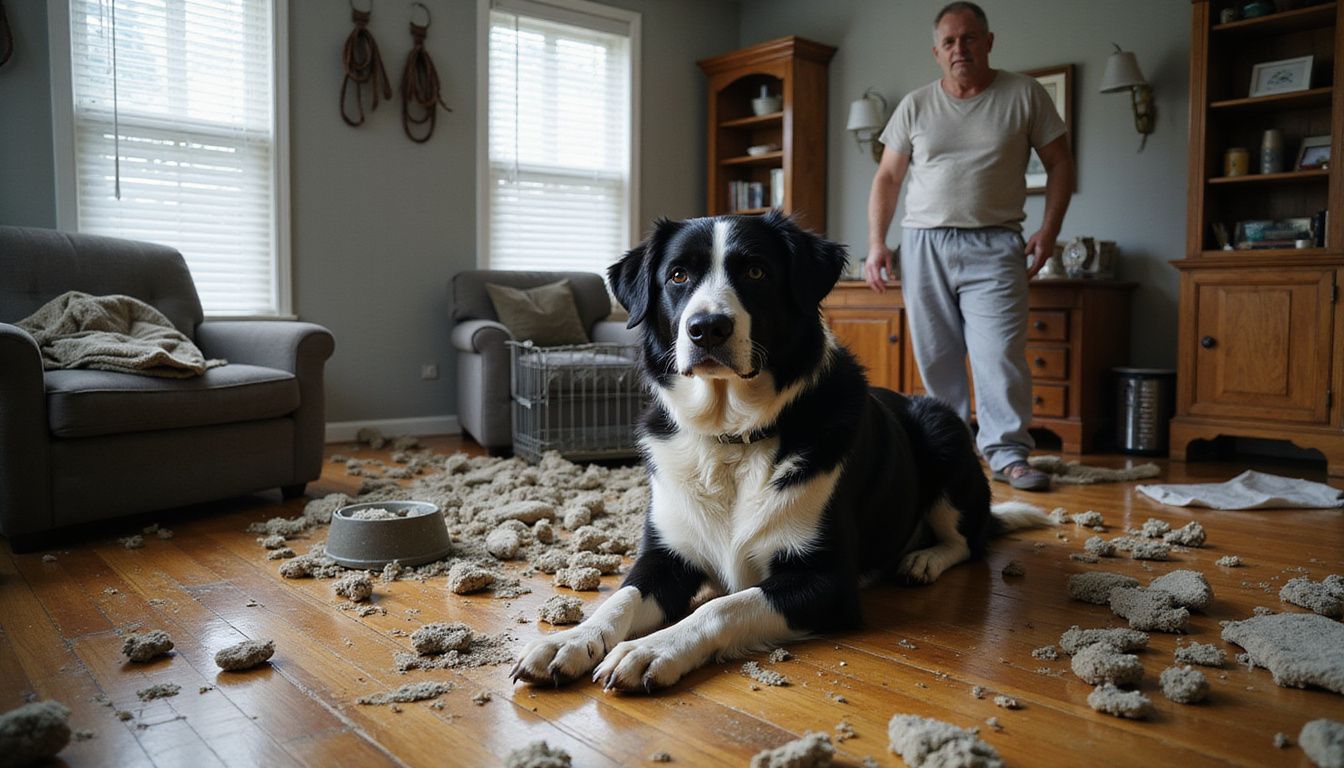
Your dog’s exercise needs depend heavily on the breed you pick. Border Collies, German Shorthaired Pointers, and Huskies need serious physical activity every single day. These high energy breeds need multiple walks, runs, or play sessions just to stay balanced.
If you were picturing the simple exercise needs of a rabbit, a hop around a playpen a few times a day, dogs ask for a lot more. A mismatch between your lifestyle and your dog’s energy level creates real problems. Destructive behavior shows up when dogs don’t burn off enough energy, and your furniture pays the price.
Busy schedules make regular walks feel impossible, yet these walks are essential for both physical and mental health. According to American Kennel Club guidelines and veterinary surveys, most adult dogs need 30 to 90 minutes of dedicated exercise every day, and studies show up to 36% of U.S. dog owners don’t walk their dogs regularly. That gap between what a dog needs and what most owners actually deliver is exactly where behavior problems start.
Your dog needs an outlet for that built up energy, or behavior issues will follow close behind. Not enough exercise ranks as one of the most frequent mistakes families make when picking a dog.
Why Mental Stimulation Matters Too
Physical activity is only half the picture. Mental stimulation matters just as much. Training sessions, puzzle toys, and interactive play keep your dog’s mind sharp. Puppies need steady toileting schedules too, and those connect directly to exercise and daily engagement.
New owners often expect too little from puppy behavior in those first days home, especially around activity levels and house training. Your dog might have accidents indoors simply because it hasn’t gotten enough physical outlets or mental challenges.
- Cages and crates work as training tools when you use them correctly, helping set routines and boundaries.
- Active breeds need more time for training, socializing, and exercise than laid back companions.
- Too much exercise, without factoring in your dog’s current fitness, causes injuries and joint pain.
Your lifestyle has to match your dog’s needs, not the other way around. Understanding these requirements now helps you dodge costly medical care and behavior problems later on.
What Are the Grooming and Maintenance Needs of Different Dogs?

Here’s something many rabbit-loving families don’t realize. Choosing a dog means taking on grooming demands that can rival caring for several small pets combined.
| Breed Type | Grooming Frequency | Professional Services Needed | Time Commitment Per Week | Cost Impact |
|---|---|---|---|---|
| Double-Coated Breeds (Golden Retrievers, German Shepherds) | Brushing 3-4 times weekly; bathing monthly | Professional grooming every 6-8 weeks recommended | 4-6 hours | $75-150 per session; represents significant recurring expense |
| Curly or Wiry Coats (Poodles, Doodles, Terriers) | Brushing 4-5 times weekly; professional trimming every 4-6 weeks | Professional grooming mandatory for coat health | 5-8 hours | $100-300+ per session; highest financial commitment among breed groups |
| Short-Haired Breeds (Beagles, Boxers, Labradors) | Brushing 1-2 times weekly; bathing as needed | Professional grooming optional; most home care sufficient | 1-2 hours | Minimal; saves hundreds annually compared to high-maintenance breeds |
| Long-Haired Breeds (Collies, Afghan Hounds, Maltese) | Daily brushing required; professional grooming every 4-8 weeks | Professional services essential; neglect causes matting and skin issues | 6-10 hours | $150-250+ per session; grooming neglect creates health risks requiring veterinary treatment |
| Wire or Rough Coats (Schnauzers, Cairn Terriers) | Brushing 2-3 times weekly; hand-stripping or clipping every 6-8 weeks | Professional grooming highly recommended for proper coat maintenance | 3-5 hours | $80-200 per session; hand-stripping costs more than standard clipping |
Grooming isn’t just about making your dog look sharp. It directly shapes their health, comfort, and lifespan. Many families underestimate the money side. Professional grooming alone can drain $1,200 to $3,600 a year, depending on breed type, before you even count home supplies, nail clippers, and shampoo.
One family checking out a curly-coated breed found the real yearly cost only after calling groomers and vets. Professional trims every two weeks totaled $2,400 a year at $100 a session. Home supplies added $180. Extra vet checks for mat-related skin issues came to $320. The full grooming and related care bill hit $2,900 a year, and the family said understanding that total upfront changed which breed they chose.
Neglected grooming leads to matted fur, skin infections, and ear problems, and those turn into pricey vet visits. Prevention costs far less than treatment. Look into grooming needs before you settle on a breed, since they vary a lot from one dog to another.
Consider the time too. Some owners spend 6-10 hours a week on their pet’s coat, basically a full workday of brushing and bathing. Long-haired breeds want daily attention or they get uncomfortable fast and face higher health risks.
Overfeeding makes maintenance harder. Loving intentions aside, too many treats lead to obesity, diabetes, and other health issues. Weight gain makes grooming physically tough for both dog and owner. Keeping a healthy weight supports skin health and cuts down on grooming headaches.
Households often fail to watch puppies closely enough, letting them chew on things they shouldn’t. Puppies with unsupervised access to food face real risks too, since dogs will eat whatever they can reach without hesitation.
Groomers charge premium rates for matted coats or behavior issues, so prevention through steady home care saves money. Start routines early with puppies to make grooming feel normal. Dogs used to brushing and bathing cooperate better during professional sessions, cutting down on stress and cost for everyone.
Why Is Health and Genetic Testing Important Before Getting a Dog?
You probably spend more time researching a mattress than you do investigating where your future dog comes from, and that’s a mistake a lot of families make. Health and genetic testing separates responsible breeders from puppy mills dressed up as legitimate operations.
What Health Testing Actually Covers
Reputable breeders run OFA (Orthopedic Foundation for Animals) or PennHIP evaluations to screen for joint issues like hip and elbow problems. These tests catch serious conditions before they turn into expensive health complications. According to 2025 data from Spot Pet Insurance, total hip replacement surgery to treat severe canine hip dysplasia runs between $3,500 and $7,000 per hip. That’s the kind of bill health testing is designed to help you avoid.
Genetic screenings guard against inherited diseases that could shadow your dog for its whole life. Polished, multi-breed broker websites often use slick language and source puppies from poor quality facilities, so always verify that both parents have passing health scores.
Checking the Orthopedic Foundation for Animals website gives you access to real health records, not just a breeder’s word. Skipping health clearances on the parents is like buying a car without checking under the hood. You’re setting yourself up for heartbreak and financial strain.
A Case Study in Red Flags
One inquiry into three advertised litters from a single online source turned up serious documentation gaps. Not one of the three litters showed OFA or PennHIP paperwork on the listing page. Two of the three sellers refused to email scanned health records when asked. The third gave only a generic line claiming “healthy parents only,” with no test dates or actual results.
When health records aren’t easy to find on a listing or through a direct request, treat that source with caution and keep looking for a breeder who’s actually transparent.
Your dog’s annual checkup routine depends on starting with a healthy dog, and that foundation gets built before you ever bring your new companion home. Families that skip rigorous health testing and just take a breeder’s word for it often pay for that choice in vet bills later.
Puppy mills operate under the radar with websites that look professional and trustworthy, which makes them hard to spot. Ask breeders for documentation of OFA scores, genetic screening results, and health certifications on both parents. Legitimate breeders welcome these questions and hand over records gladly, since they know transparency builds trust.
- Dental care, flea and parasite treatment, and nail care all get easier when your dog starts life healthy.
- Senior dogs especially benefit from parents who had proper genetic testing, since inherited conditions often show up as dogs age.
- A breeder who rushes you or won’t share health information is a breeder to walk away from.
Your responsibility to your future pet starts with demanding proof that both parents passed the critical health checks. That’s how your dog gets the best possible foundation for a long life with your family.
How Do I Budget for Long-Term Dog Care Costs?
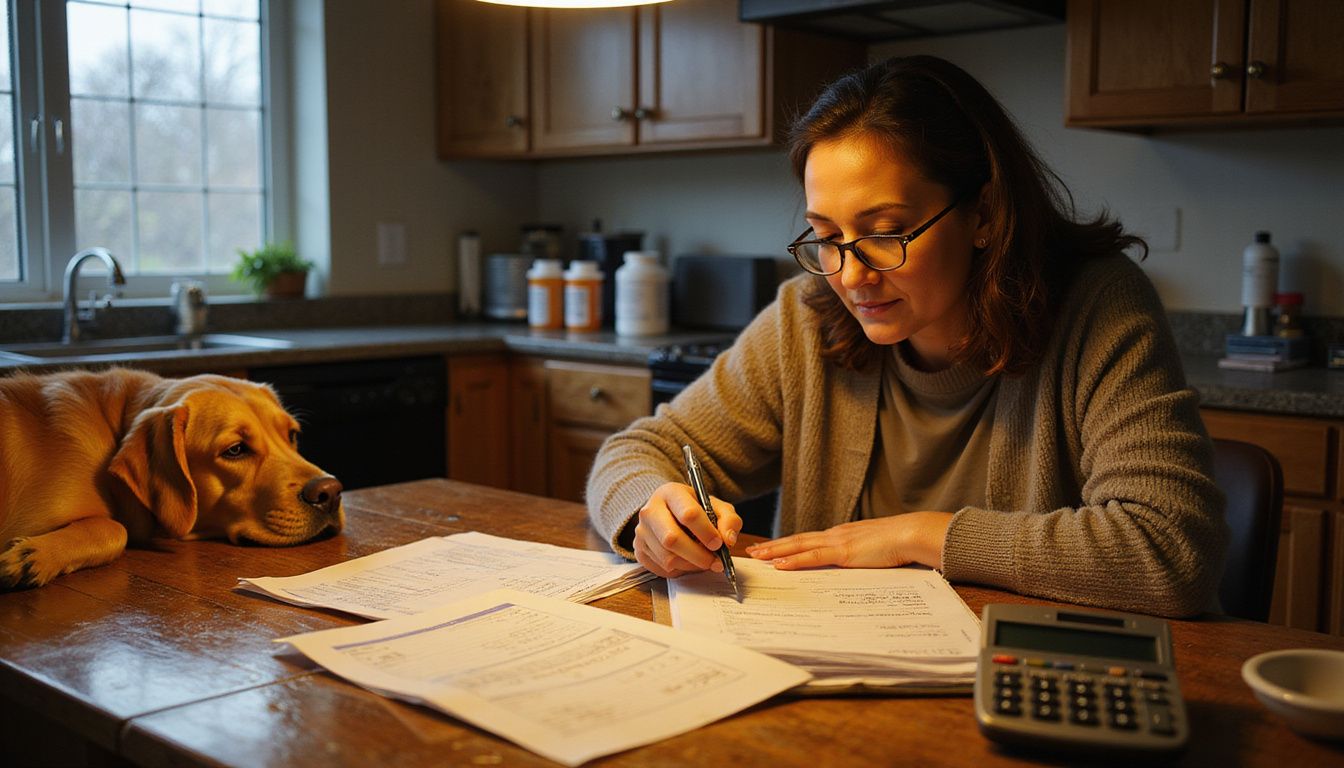
You’re thinking about a rabbit, but before you make that leap, let’s talk about what dog ownership actually costs over time. A lot of families weigh both pets, and real numbers make the choice a lot clearer.
| Cost Category | Annual Range | What You Need to Know |
|---|---|---|
| Food & Nutrition | $300-$1,200+ | Larger dogs eat more. Quality matters. Overfeeding leads to obesity, which triggers diabetes and other health issues. That mistake gets expensive fast. |
| Veterinary Care | $500-$2,000+ | Annual checkups, vaccinations, and preventive care add up. Emergency surgeries can cost thousands. Mobility problems in older dogs require ongoing treatment. |
| Grooming & Maintenance | $200-$800+ | Some breeds need professional grooming every 6-8 weeks. Nail trims, ear cleaning, and dental care compound these costs. |
| Training & Behavioral Support | $150-$2,500+ | Many breeds require professional training. Skipping this step causes problems. If you can’t afford training, dog ownership may not work for your situation. |
| Supplies & Entertainment | $200-$600+ | Toys, beds, leashes, collars, and enrichment activities keep your dog mentally stimulated. Bored dogs develop behavioral issues. |
| Insurance & Emergency Fund | $300-$1,500+ | Pet insurance helps with unexpected costs. Vet bills for surgeries or chronic conditions can hit $5,000 to $15,000 in a single year. |
| Lifetime Commitment | 10-15 years | Dogs live a decade or more. That’s 10 to 15 years of expenses, through job changes, apartment leases, and major life shifts. You commit to this dog through everything. |
Your total first year costs typically run $2,000 to $5,000. Years two through fifteen average $1,500 to $3,000 a year. Over a dog’s lifetime, you’re looking at $15,000 to $45,000, depending on size, breed, and health issues.
A comprehensive 2024 financial study by Synchrony found that the lifetime cost of owning a dog in the U.S. actually ranges from $19,893 to over $55,100. The same study found that an unexpected vet bill of just $250 is enough to cause real financial anxiety for 25% of pet owners. That’s not a rare emergency bill either, so an emergency fund isn’t optional, it’s the backbone of responsible dog ownership.
A Simple Way to Test Your Readiness
One practical way to check if you can truly afford long-term dog ownership is to split expenses into three buckets:
- Annual predictable costs, around $1,200
- A training and grooming reserve, around $800
- An emergency fund target, around $2,500
If your monthly income can’t cover a three-month average of these buckets plus a $500 cushion for surprises, it’s worth delaying adoption until your finances settle. Breaking costs into these buckets makes it clear whether you can commit to a dog for its whole life, protecting both you and your future companion from financial strain.
First time owners often regret not budgeting for the time commitment too. Dogs need ongoing care similar to what a four or five year old child needs: food, entertainment, healthcare, and attention, all pulling on your money and your energy.
Health issues stack up fast. A dog with arthritis needs pain management for years. Cancer treatment can run past $10,000. Some breeds carry higher medical costs than others because of genetics, which is exactly why testing before adoption matters so much.
Obesity creates its own financial spiral, since overweight dogs develop diabetes, joint problems, and heart disease. Prevention through portion control and exercise costs far less than treating these problems later.
Your lifestyle affects the bill too. Long work hours mean hiring dog walkers or daycare. Travel means boarding or pet sitters. These services alone can add $300 to $1,000 or more a year. Large dogs eat more, need bigger beds, and often develop health problems sooner, while giant breeds sometimes live just seven to ten years, packing costs into fewer years.
Affordability decides whether you can actually care for your dog properly. Cutting corners on nutrition, medical care, or training hurts your dog. If your budget can’t cover training when your breed needs it, that’s worth reconsidering before you commit.
How Can I Find Reputable Breeders or Adoption Centers?
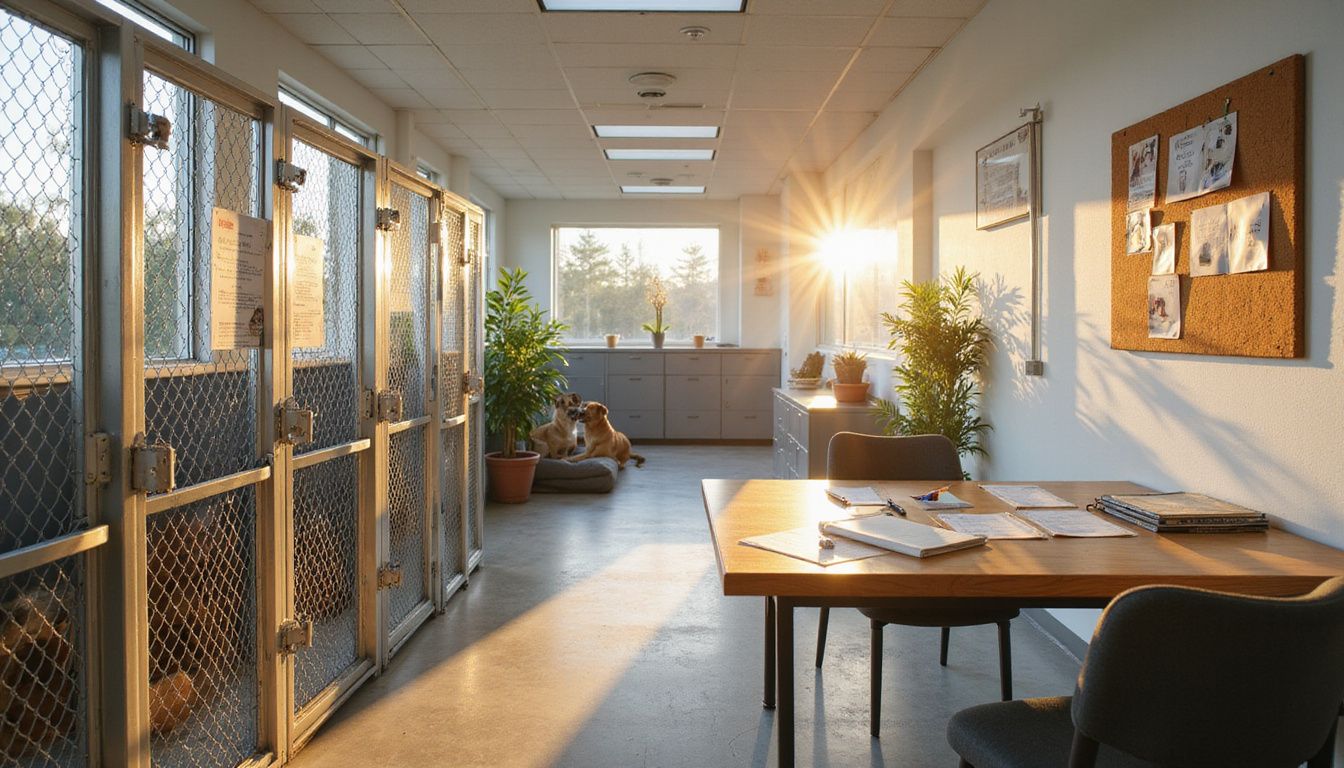
Finding a trustworthy breeder or adoption center takes real effort, but the payoff protects your family and your future pet. Start with solid sources, and verify everything before you commit.
- Ask trusted people in your life, like neighbors or local veterinarians, for breeder recommendations they know personally.
- Contact the American Kennel Club to find registered breeders in your area who follow breed standards and ethical practices.
- Visit the Orthopedic Foundation for Animals website to check health records of breeding dogs before you commit.
- Avoid polished websites that sell multiple breeds, since these often hide puppy mills behind professional looking fronts.
- Ethical breeders ask you plenty of questions about your lifestyle, living space, and pet care plans before placing an animal.
- Request documentation showing breeding dogs passed health tests like OFA or PennHIP, which screen for genetic problems.
- Search local animal shelters and rescue organizations that focus on pet care and behaviour assessment for available animals.
- Watch for pressure tactics during adoption. Reputable centers let you decide based on your actual capability.
- Research multiple breeders or rescues thoroughly instead of picking the first option you find online or through ads.
- Take an online breed selector quiz to find which type matches your household, then find breeders who specialize in it.
What Should I Do to Prepare My Household Before Getting a Dog?

You’ve found a reputable breeder or adoption center, and now comes the real work. Your household needs serious prep before your new dog walks in the door.
- Get all family members on the same page about house rules, like whether dogs can sit on furniture or sleep in bedrooms. Inconsistent responses from family members to a puppy’s behavior lead to confusion and poor behavior development.
- Figure out how much time you can actually give to walks, training, and playtime before you commit, since this directly shapes your dog’s success in your home.
- Look at your daily schedule, including hours away from home and the ages of your kids, to figure out which breeds actually fit your life.
- Stock your home with the basics: food bowls, a comfortable bed, toys for mental stimulation, and a crate for a safe space where your dog can rest undisturbed.
- Puppy-proof your living spaces by removing hazards, securing cords, and storing chemicals safely. Letting a puppy chew unsupervised on household items is a common mistake, and it’s not cheap either. According to 2025 veterinary clinic pricing data, emergency foreign body surgery to remove a swallowed sock or hair tie typically costs between $2,000 and $5,000.
- Set up a designated potty spot outside and plan a toileting schedule. Watching and managing your puppy’s habits closely prevents accidents and frustration.
- Arrange your work schedule or line up help for midday check-ins, since puppies need supervision and can’t hold their bladder for long stretches without guidance.
- Research pet healthcare providers in your area and book a first veterinary visit within days of bringing your dog home, so you start off with a trusted professional.
- Pick quality food, like Blue Buffalo or another brand your veterinarian recommends, to support your dog’s growth and long-term health.
- Build a training plan using resources like the Handbook of Applied Behavior and Training to keep teaching methods consistent across the whole household.
Why Is Socialization and Training Crucial for My Dog?

Your home is ready, your supplies are stocked, and your family is excited. Now comes the part that separates good dog owners from great ones: training and socialization. A puppy can’t learn correct behavior on its own, no matter how much love you pour into it.
Dogs that never meet different people, visit new places, or interact with other animals often grow fearful and unpredictable later on. This isn’t about being harsh or scolding your dog for mistakes it doesn’t understand.
Instead, focus on rewarding the behaviors you want to see more of. Verbal praise, physical affection, treats, and play are four powerful rewards that shape your dog’s actions far better than punishment ever will.
Some breeds actually need professional training from experts like those at GoDog, because affection alone can’t fix every behavioral issue. Love matters, but boundaries and a steady schedule matter just as much. Your dog thrives on structure, and that structure comes from training.
Why Early Socialization Can’t Wait
Socialization is the foundation that stops future problems before they start. A dog exposed early to car rides, different flooring, kids, other dogs, and strangers learns to handle life’s surprises without fear or aggression.
- Car rides and new sounds
- Different flooring and textures
- Kids, strangers, and other animals
Your puppy’s critical window for socialization closes around sixteen weeks old, so early exposure isn’t something you can put off. According to a landmark position statement from the American Veterinary Society of Animal Behavior, behavioral issues, not infectious diseases, are actually the number one cause of death for dogs under three years old. That single fact should ease the common fear of taking your puppy out before its vaccines finish, since waiting too long carries its own serious risk.
Training teaches your dog what you expect. Socialization teaches your dog that the world is safe. Together, these two pieces build a confident companion who fits into your family and community. The effort you put in now pays off in years of calm, joyful companionship.
How Do I Match Dog Size with My Family’s Living Space?
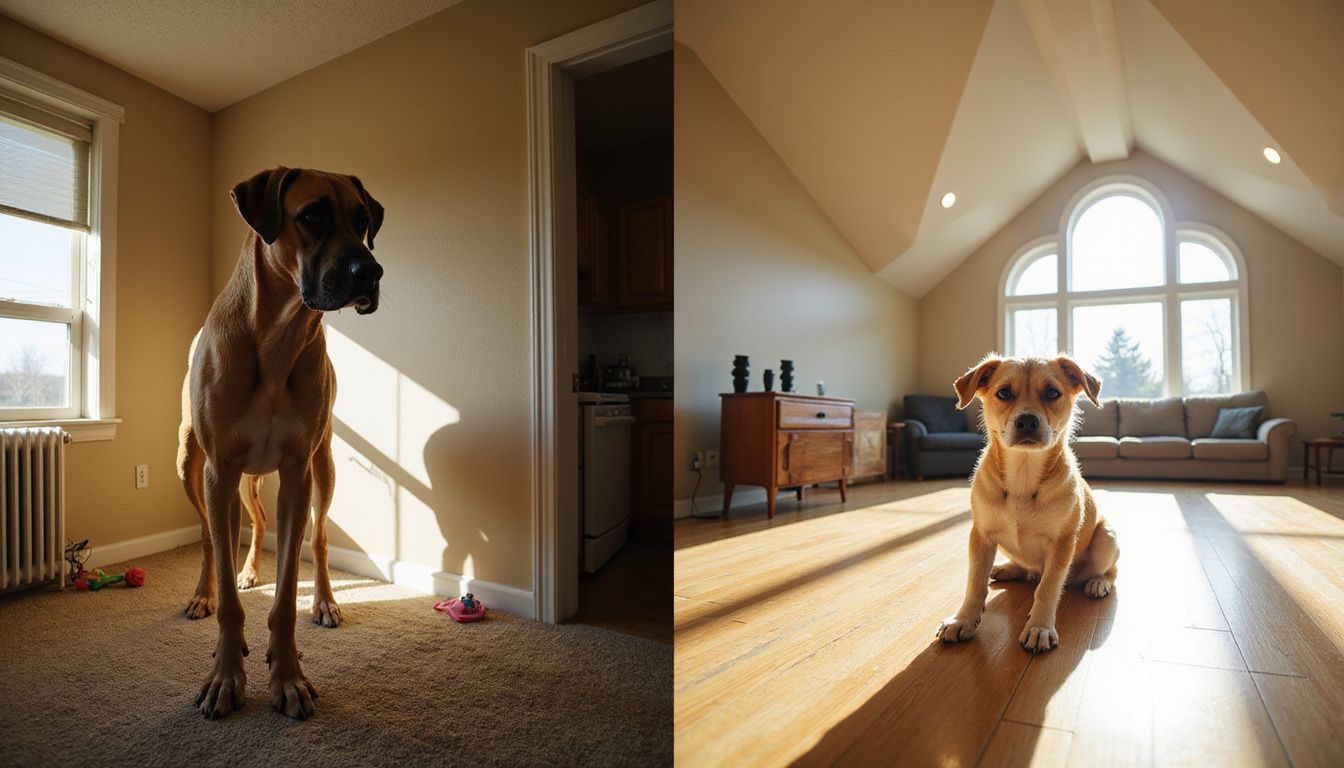
Picking a small puppy and expecting it to stay tiny is one of the biggest traps families fall into. Puppies look similar in size at birth, so you can’t judge their adult weight by how they look in those first few weeks. Unlike a rabbit, whose adult size is usually easy to predict from the start, a puppy’s final size depends entirely on its parents and its genetics.
Giant breeds grow fast and get strong quickly, which creates real problems if you live in a small apartment. Breed selectors that factor in size help you match a dog to your actual living arrangement.
A dog bred for herding or working needs room to roam and burn energy, while a smaller companion breed fits better in tight spaces. Living space directly shapes whether a dog thrives or struggles in your home. Giant breeds need more square footage, higher ceilings for comfort, and yards where they can move freely.
Families often miss this connection, leading to a mismatch between what the dog needs and what the home can give. Size affects exercise too, since bigger dogs demand more physical activity and mental stimulation than smaller breeds.
Consider the space you have right now, not the space you might have someday. Matching dog size to your living conditions prevents frustration and keeps you and your future companion happy and healthy.
Conclusion
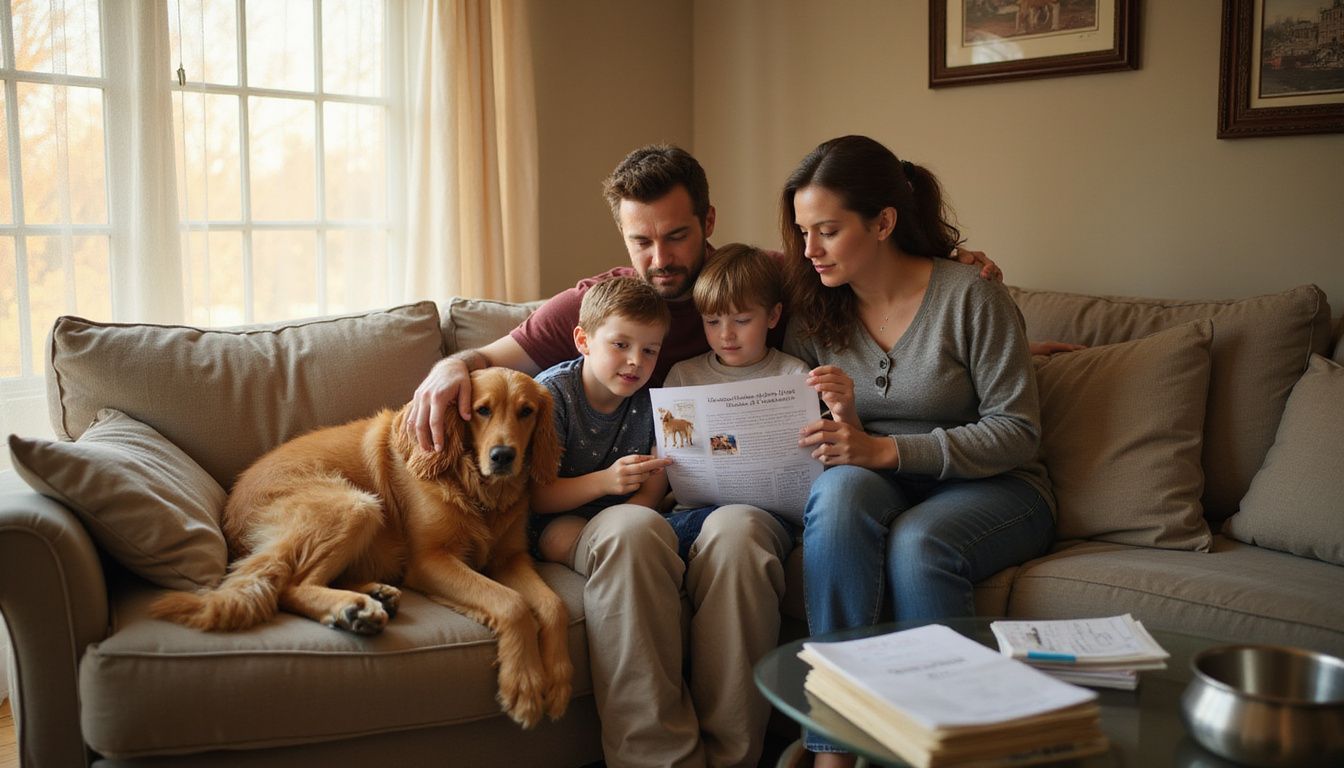
Choosing a dog means looking past cute faces and soft coats. Appearance alone tells you nothing about temperament, energy level, or long-term care demands.
You have to match a dog’s needs with your family’s lifestyle, budget, and living space. Mismatches lead to abandoned pets and heartbroken families, and that’s exactly what this guide is meant to help you avoid.
Household prep, steady training, and family agreement on rules matter far more than love alone. Dogs thrive on structure and clear boundaries, and reputable breeders or adoption centers give you healthier dogs through genetic screening and OFA evaluations, saving you thousands in future medical bills.
This is a 10 to 15 year commitment. It asks for real planning, honest self-assessment, and a real willingness to put in the work before you bring a dog home.
Whether you land on a rabbit, a dog, or decide to wait a little longer, avoiding these common mistakes in dog ownership sets you up for a much better outcome. Take the time now, and you’ll build a bond with a companion that truly fits your life.
FAQs
1. What is the biggest mistake families make when picking a dog?
Families skip researching breed temperament and focus on puppy photos instead. According to the American Kennel Club, choosing a dog without understanding its exercise needs, size at maturity, and typical personality traits is the top reason for owner-pet mismatches. That adorable face won’t help if the dog’s energy doesn’t fit your lifestyle.
2. Should families visit a breeder before buying a puppy?
Absolutely, never skip this step. Reputable breeders, as noted by the American Kennel Club, will welcome your visit and let you see where puppies are raised, meet the parent dogs, and check for clean, healthy conditions.
3. Why do experts like Chrissy Joy stress matching breeds to family lifestyle?
Because a high-energy breed in the wrong environment creates frustration for everyone. A Border Collie, for instance, needs 1 to 2 hours of exercise daily, which can overwhelm families in apartments or those with busy schedules.
4. Is it a mistake to choose a dog based on looks alone?
Yes, it’s one of the biggest mistakes. Veterinary behaviorists report that temperament mismatches, not appearance, drive most early rehoming decisions.