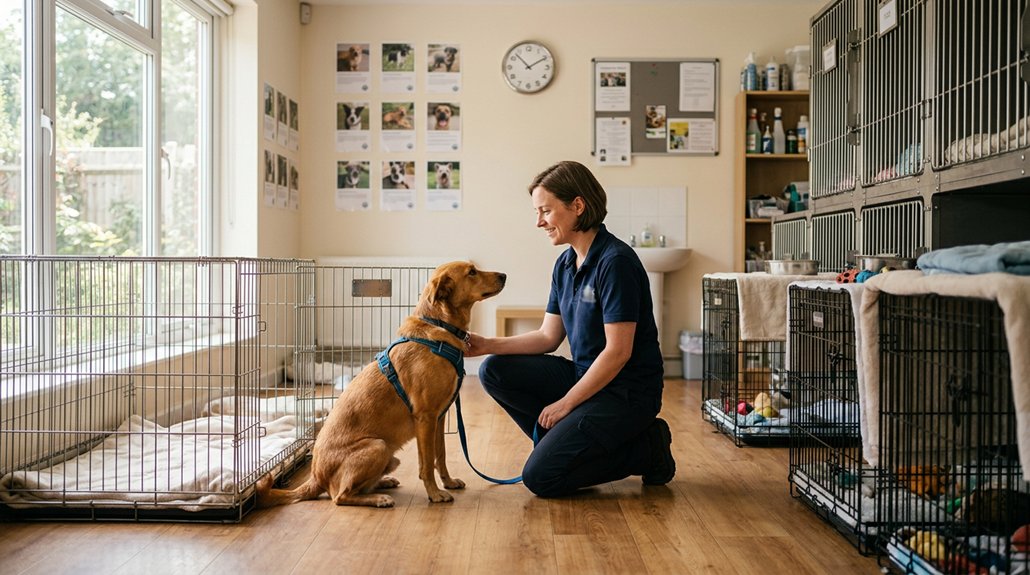
To choose the right shelter or rescue, consider their transparency and compliance, ensuring they provide detailed animal health evaluations. Evaluate cleanliness and staff interactions to gauge their commitment to animal welfare. Compare adoption processes and fees, noting that rescues may have higher costs due to extensive pre-adoption care. Assess their post-adoption support and resources, which can be essential for your pet’s ongoing well-being. With these considerations, you’re poised to find a perfect match, and there’s more to discover ahead.
Key Takeaways
- Verify the shelter or rescue’s non-profit status for adherence to regulations and transparency.
- Evaluate the facility’s cleanliness and maintenance to assess its commitment to animal welfare.
- Compare adoption fees and processes, accounting for medical care and approval timeline differences.
- Engage with staff to understand animals’ histories and available post-adoption support.
- Review adoption contracts for rights, responsibilities, and requirements like veterinary updates.
Are You Ready to Bring a Pet Home?

Have you thoroughly considered the responsibilities of bringing a pet into your home? Pet ownership is not just a temporary whim; it’s a longstanding commitment that can span 10-15 years or more. Before you initiate this journey, take the time for a lifestyle assessment. Are you financially prepared for the costs of veterinary care, food, and other essentials? Reflect on your living situation—do you have sufficient space and the right conditions for a new animal companion? Larger pets, in particular, need extra room. Discuss your plans with everyone in your household to guarantee collective enthusiasm and readiness. Finally, assess your daily schedule to see if you can allocate the necessary time for exercise and companionship, vital for your pet’s happiness.
Choosing Between Shelters and Rescues
As you consider where to adopt, it’s vital to understand the key differences and benefits between shelters and rescues. Shelters, often experiencing high volume, offer lower adoption fees but may face overcrowding, while rescues focus on detailed care and tailor their adoption processes to find the best fit for each animal and adopter. Your choice will also impact the level of health care and support you and your new furry friend receive post-adoption, making it important to weigh these factors carefully.
Key Differences and Benefits
Choosing the right shelter or rescue for adopting a pet involves understanding their key differences and benefits. Shelters offer advantages such as lower adoption fees and a quicker adoption process due to overpopulation pressures. However, they may provide limited information about an animal’s history. Rescue benefits include a detailed assessment of an animal’s health and behavior, ensuring you have valuable insights before adoption. Though rescues might charge higher fees, they often cover essential medical care, making sure your future pet is healthy. Plus, rescue organizations commonly offer post-adoption support, including consultations and check-ins, which can be invaluable in helping you bond with your new family member. Whether you choose a shelter or a rescue, each has its unique positives worthy of consideration.
Adoption Process Varieties
Guiding the adoption process requires understanding the distinct approaches of animal shelters and rescue organizations. When deciding between them, consider how adoption timelines and approval criteria differ. Shelters often offer a quicker adoption timeline, with fewer bureaucratic hurdles, making them ideal if time is of the essence. Conversely, rescues usually have more stringent approval criteria, conducting thorough evaluations to guarantee the best match for both pet and adopter.
Typically, rescues charge higher adoption fees—reflecting the medical care provided—while shelters may have lower fees but potentially less thorough health histories. Rescue contracts often feature stricter clauses, including the right of first refusal. Shelters, though simpler in agreements, still assess compatibility, aiming for a successful, lasting companionship. Your choice will depend on your priorities and patience.
Health and Care Considerations
When you’re deciding between adopting from a shelter or a rescue organization, understanding the health and care aspects can markedly influence your choice. Animal shelters, although often more affordable, may lack medical transparency due to unknown health histories. This can leave you needing to conduct further health assessments. On the other hand, rescue organizations generally prioritize extensive medical care, making sure any potential issues are addressed before adoption. The adoption fees might be higher, but they cover pre-adoption health care and support future animals. Additionally, many rescues provide foster care programs like FuRRR Feline Rescue, where all medical expenses are managed until adoption. Choosing a rescue not only guarantees thorough health assessments but also reduces the chance of euthanasia due to overpopulation.
Identify Transparent and Compliant Animal Shelters and Rescues
Although it’s tempting to make a decision based solely on emotion when adopting a pet, confirming that you’ve chosen a transparent and compliant animal shelter or rescue is essential. Start by looking for shelters with clear non-profit verification, as it reflects adherence to federal regulations. Beyond this, reputable organizations provide health evaluations for animals, offering insight into their health history and temperament.
| Indicator | What to Check |
|---|---|
| Non-profit Verification | Displays non-profit status openly |
| Health Evaluations | Provides clear health and temperament info |
| Physical Presence | Has a physical address and open communication |
Evaluate if the shelter follows local laws, showing legitimacy through licenses and registrations. Engage directly with staff and confirm they perform home checks to verify a good adoption fit.
Questions for Choosing the Right Shelter

After confirming a shelter meets transparency and compliance standards, there are some essential questions you should ask to find a suitable match for your new companion. Your inquiries will not only impact your experience but can also reflect the shelter’s reputation and community outreach efforts. Consider asking:
- What are your euthanasia policies? Understanding their approach helps gauge their commitment to overpopulation and animal care.
- How do you assess the health and temperament of animals? This guarantees your prospective pet aligns with your lifestyle and needs.
- Can you describe your funding sources? Reliable funding and operational transparency often indicate a stable, welfare-focused organization.
- What adoption programs do you offer? Explore options for fostering or training that could aid in the shift to pet ownership.
Visiting and Observing Shelter Environments
When you visit a shelter, carefully assess the cleanliness and condition of the facilities to get a clear picture of the care the animals receive. Observe how the staff interact with the dogs—compassionate and knowledgeable caregivers create a nurturing environment. Also, take the opportunity to engage with the staff or volunteers to understand their practices, from health assessments to behavioral evaluations, ensuring you’re fully informed about the animals’ well-being.
Assessing Facility Cleanliness
A crucial aspect of evaluating a shelter or rescue is analyzing its cleanliness, as this speaks volumes about its care standards. Focus on the facility’s hygiene practices and cleanliness protocols. Your observations can reveal much about whether the shelter provides a genuinely caring environment.
- Overall Cleanliness: Observe the floors, kennels, and common areas. They should be clean and well-kept, showing dedication to proper sanitation.
- Food and Water Quality: Assess the condition of the animals’ food and water. Quality provisions reflect the shelter’s commitment to animal health.
- Staff Engagement: Engaged staff and volunteers typically maintain a more organized and clean environment.
- Ventilation and Light: Confirm there’s proper ventilation and lighting, essential for the animals’ comfort and well-being.
Your insights matter.
Observing Animal Welfare
Before you step into a shelter, it’s important to prepare yourself with a keen eye and a compassionate mindset. Observing animal welfare involves more than just seeing; you must evaluate the environment where animals reside. Look for facility transparency, noting cleanliness, maintenance, and available areas for play. These spaces indicate the shelter’s commitment to the animals’ physical and mental well-being. Examine animal behavior closely; animals that seem healthy, social, and engaged point to a nurturing environment. A well-kept shelter reflects strong animal welfare practices, prioritizing vaccination protocols and spay/neuter strategies. Such measures guarantee the animals’ health and longevity. By focusing on these aspects, you’ll gain insight into the shelter’s dedication to fostering a supportive haven for its residents.
Engaging With Shelter Staff
Having evaluated the facility and its commitment to animal welfare, your next step involves engaging with the shelter staff to deepen your understanding of the environment you’re considering. These staff interactions are invaluable, offering you a window into the nuanced care provided to the animals. By observing their demeanor and communication style, you can gauge the shelter’s atmosphere and organizational culture. Here are some key points to focus on:
- Personalized Information Exchanges: Inquire about animals’ histories, temperaments, and special needs.
- Adoption Procedures: Ask detailed questions about their adoption processes and policies.
- Staff-Animal Interactions: Notice how staff comfort and counsel their animals.
- Post-Adoption Support: Evaluate the level of support you can expect after bringing an animal home.
Navigating Adoption Process Timelines and Costs
When considering the adoption of a pet, understanding the timelines and costs associated with the process at shelters and rescues is essential. Rescues typically have higher adoption fee structures, ranging from $50 to $300, reflecting the medical care provided. The process timelines here might stretch over days or even weeks due to thorough evaluations and home visits, ensuring better matches. Shelters, on the other hand, often offer quicker adoption processes, even same-day, though you’ll face potential challenges with unknown health histories. It’s crucial to account for added expenses like supplies and veterinary care. Here’s a quick comparison:
| Aspect | Shelters | Rescues |
|---|---|---|
| Initial Fees | Lower fees | Higher fees |
| Medical Care Pre-adoption | Limited | Extensive |
| Process Timelines | Quick | Longer evaluations |
| Post-Adoption Support | Less frequent | More resources |
Navigating Adoption Contracts and Legal Details
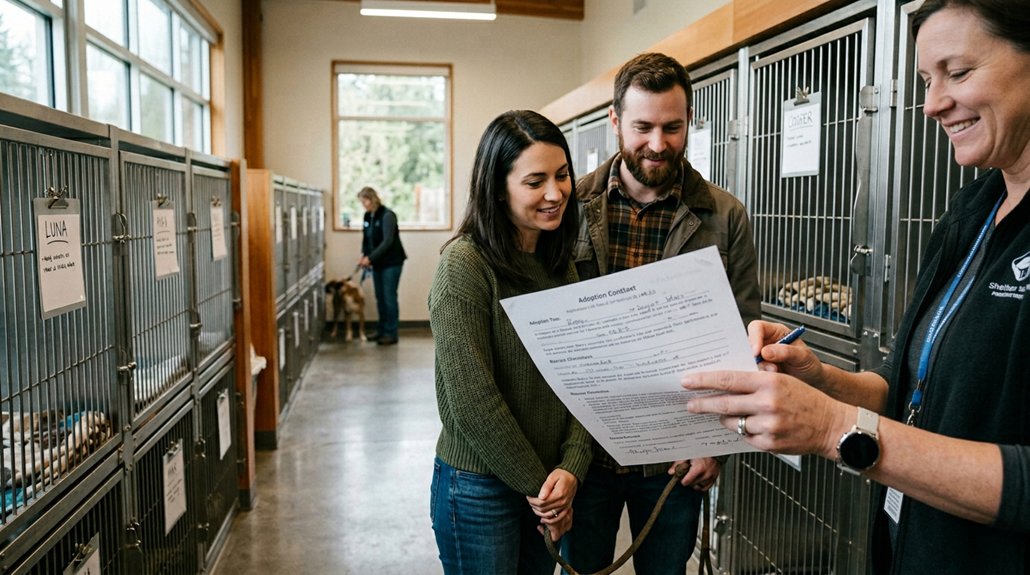
- Right of first refusal clause: If life’s unexpected turns arise and caring becomes challenging, this clause offers the shelter a chance to reclaim your furry friend.
- Compliance understanding: Non-compliance with terms like veterinary updates can mean your adopted companion might be taken back.
- Random home inspections: Preparedness for these checks guarantees your pet’s well-being aligns with the adoption agreement.
- Effective communication: Open dialogue with the shelter about expectations and worries facilitates a stress-free adoption journey.
Each step strengthens the bond and safeguards the future you envision.
Post-Adoption Support and Resources
While your journey of adopting a pet doesn’t end with the signing of an adoption contract, it opens a new chapter filled with potential challenges and joys. Many rescue organizations provide invaluable post-adoption support to guarantee a successful changeover. Through consultations and community engagement on social media, you’ll find encouragement and solutions to nurture your pet-owner bond.
| Post-Adoption Support | Resource Accessibility |
|---|---|
| Consultations | Training courses and tips |
| Social media networks | Downloadable resources |
| Veterinary advice | Partnership discounts at clinics |
| Community forums | Access guides for behavior |
Resource accessibility is key, with many rescues offering training and care resources. With access to these tools, maintaining your pet’s health and happiness is more achievable than ever, benefiting both pets and their new families.
Frequently Asked Questions
What Is the 3-3-3 Rule for Rescues?
The 3-3-3 rule guides you through adoption challenges. Expect emotional adjustment, with three days for settling, three weeks for comfort, and three months for trust, helping you patiently build a lasting bond with your rescue dog.
Are Rescues Better Than Shelters?
Rescue organizations aren’t necessarily better than shelters; it depends on your needs. While rescues offer adoption benefits and dispel rescue myths with individualized care, shelters provide immediate adoption opportunities. Consider what aligns best with your priorities and values.
What Is the 3-3-3 Rule?
The 3-3-3 Rule outlines a dog’s animal acclimation during the adjustment period: expect decompression in days, adjustment in weeks, and true bonding over months. It helps you manage expectations and supports a smoother adaptation process.
What Is the 7 7 7 Rule for Dogs?
The 7 7 7 rule emphasizes adjusting to a shelter environment or rescue processes. Initially, dogs decompress over seven days, feel at home after seven weeks, and reveal their true personality by seven months, promoting successful integration.
Conclusion
Bringing a pet home is a joyful journey, yet choosing where to adopt from is essential. Did you know that approximately 6.3 million animals enter U.S. shelters annually? Picture the countless wagging tails awaiting a loving home. To guarantee you make the right choice, focus on transparency and the environment during your visits. Carefully evaluate contracts and costs, and embrace available post-adoption support. Every decision impacts both you and your future furry friend, fostering a relationship that can last a lifetime.