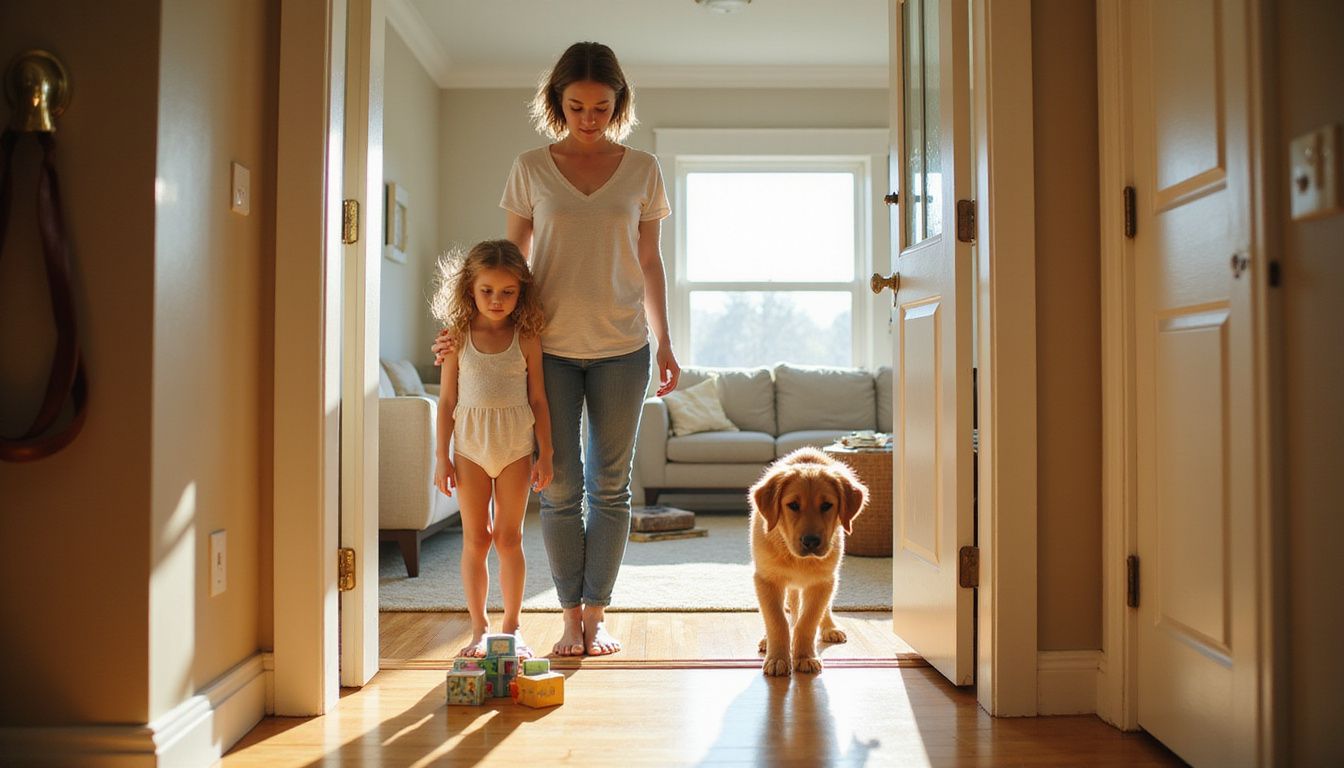
Your new dog is finally coming home, and your kids are already lined up at the door, bouncing with excitement.
You might feel a little nervous too, and that’s normal.
What happens in those first few minutes together can shape how your dog and your children get along for years to come.
The good news? A few simple steps, done in the right order, turn that first meeting into a calm, happy moment instead of a chaotic one. I’ll walk you through preparing your family before your new dog arrives, handling that first introduction, and teaching your kids the habits that build a real bond with their new pet. Grab a cup of coffee, and let’s get your household ready together.
Key Takeaways
- Prepare your children before the dog arrives by teaching safe handling skills, setting boundaries, and creating calm spaces where your new pet feels secure.
- Choose neutral locations for first meetings to prevent territorial behavior and let your dog approach your children at its own pace without pressure.
- Keep children and dogs supervised at all times to catch stress signals fast and prevent conflicts like resource guarding or accidental injuries.
- Teach children to recognize dog stress signals, including wide eyes, pinned ears, yawning, and hiding, then step in right away when these appear.
- Set clear household rules about mealtimes, personal space, and rest periods that your children follow every time, so trust can grow.
Preparing Your Family for a New Dog
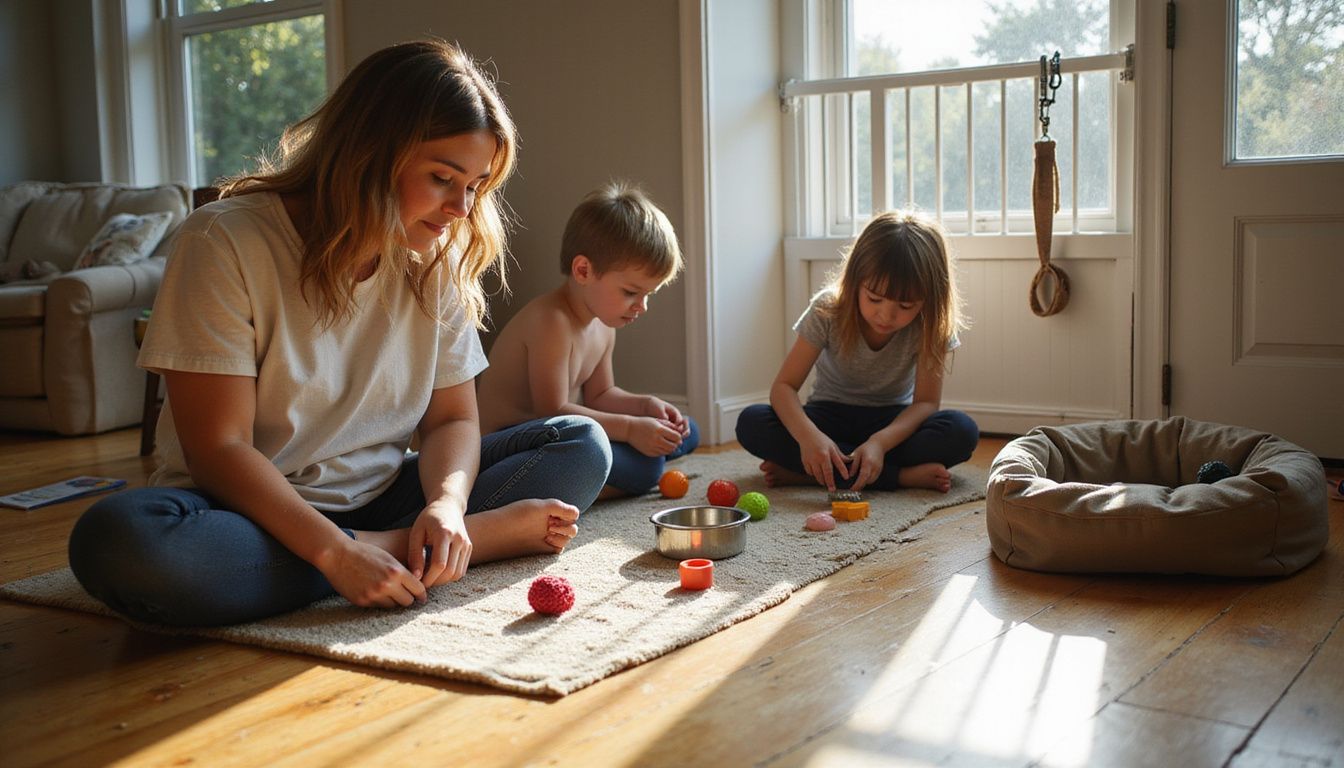
Your family needs real preparation before a dog walks through your front door. You’ll teach your kids safe handling skills, set up baby gates for boundaries, and build a calm space where your new pet can feel secure from day one.
How can I teach my children to interact safely with dogs?
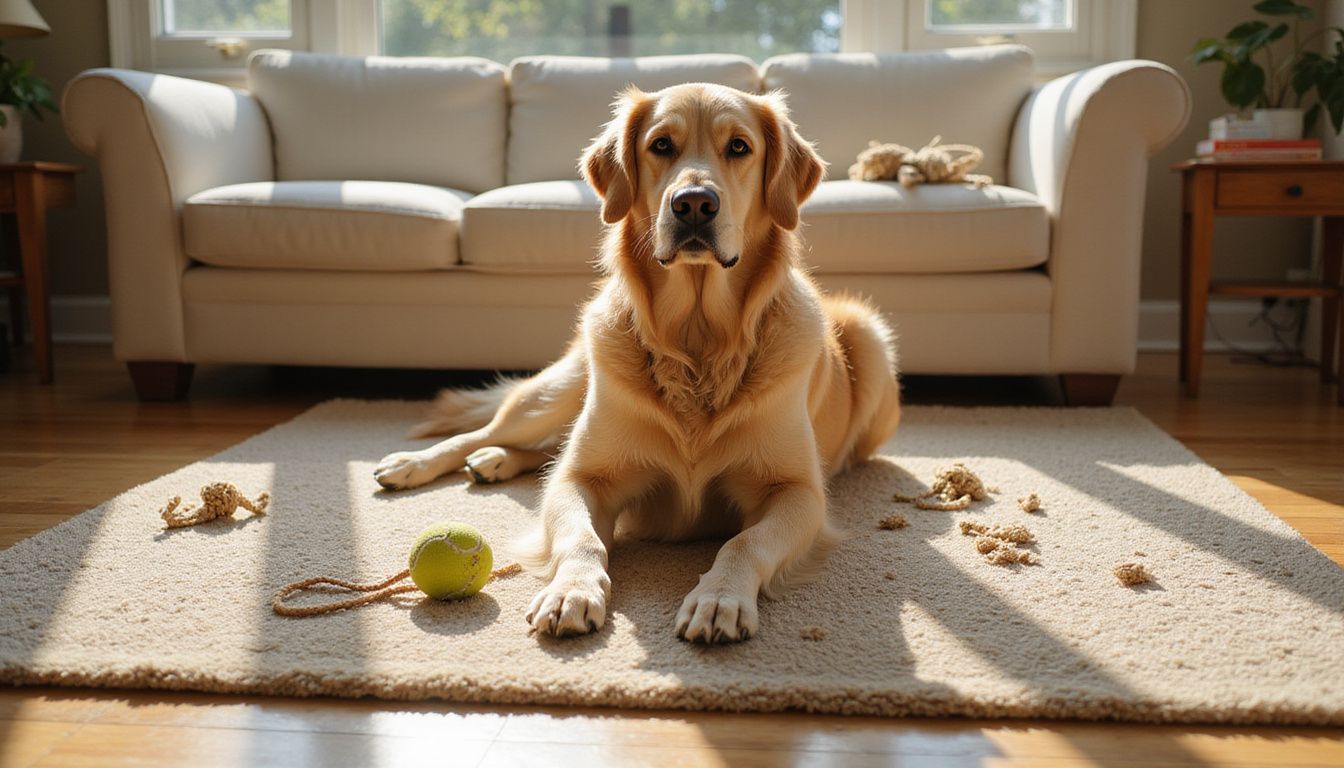
Teaching your children safe dog interaction skills protects both your kids and your new pet. These small habits build confidence and stop accidents before they start.
According to 2025 data from the CDC and the American Veterinary Medical Association, children make up more than half of the 4.5 million dog bite victims in the US each year. Over 70% of the injuries to kids under ten land on the face and neck.
That number is exactly why rules like the “neck down rule” matter so much. They’re not just nice ideas. They’re the backbone of safe dog behavior and training in any home with kids.
- Tell your children to call the dog over for attention instead of rushing at it, and to keep their voices calm and quiet, since loud noises can startle even friendly dogs.
- Show kids how to pet gently, using soft strokes on the dog’s back and sides while avoiding the face, paws, and tail during early meetings.
- Teach children to spot signs of a nervous or anxious dog, such as wide eyes, yawning, lip licking, hiding, or whimpering. These signal the dog needs space.
- Set the neck down rule with your kids: they should only touch the dog’s body below the neck to protect its face and respect its boundaries.
- Explain that kids must never disturb a dog while it rests, sleeps, or eats. These moments trigger resource guarding and raise bite risk fast.
- Reward calm interactions with praise or a small treat, and make it clear that wrestling, chasing, or sudden movements are off limits during play.
How do I create boundaries and safe spaces for the dog?
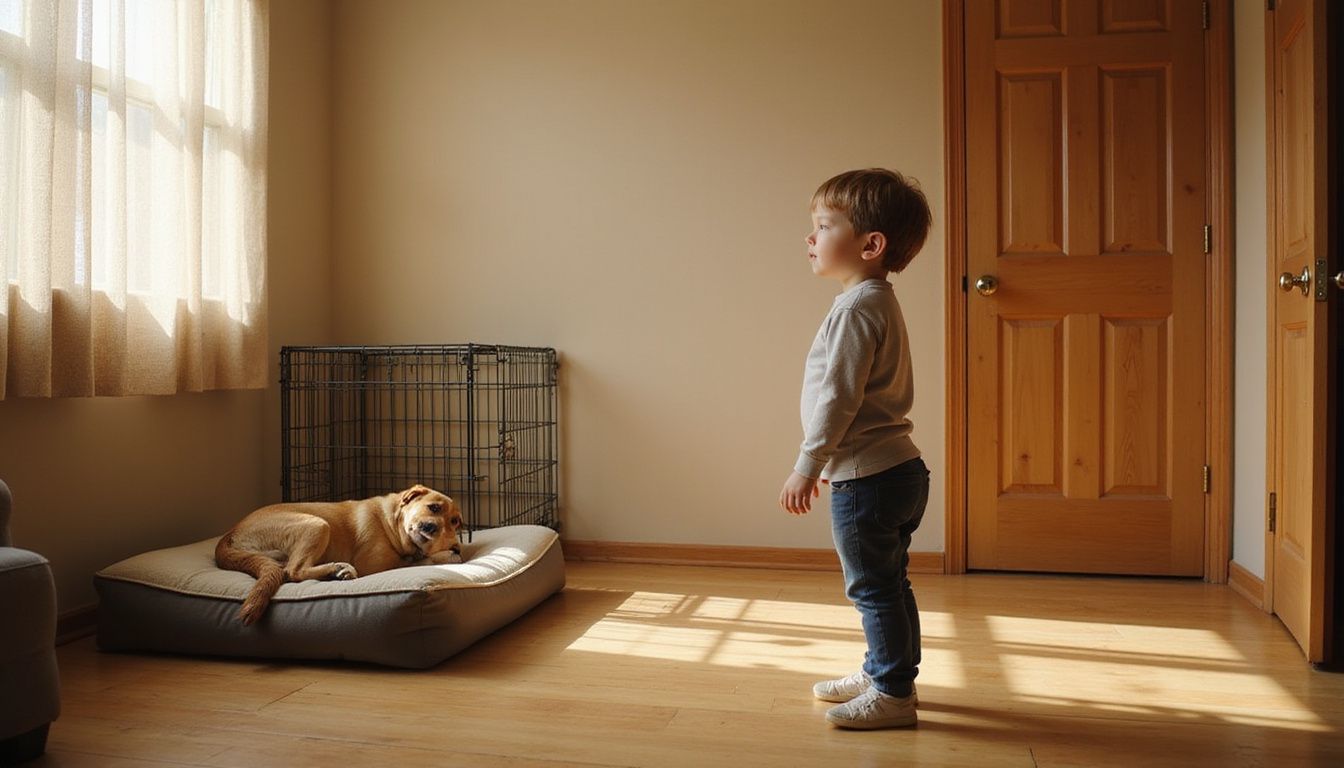
Your home needs dog-free zones before your new pet arrives. Mark your children’s bedrooms as off-limits, and set up a cozy crate or bed for your dog in a quiet corner.
Add a food-releasing puzzle toy, like a KONG, inside that safe zone. The American Kennel Club recommends this trick because it keeps your dog busy and builds a positive feeling around alone time, rather than making the crate feel like a timeout spot.
This safe space lets your dog decompress after playtime with the kids. Think of it like your own quiet time after a long day. Everyone needs a spot to unwind.
A gentle leader head halter can also help you guide your dog calmly between spaces during those first busy weeks. Boundaries like these protect your children and your new companion from stress and conflict alike.
Quick checklist for setting up safe spaces
- Pick a quiet corner for the crate or bed, away from foot traffic.
- Add a KONG or puzzle toy to build positive associations with alone time.
- Clear toys and clutter from shared common areas before your dog arrives.
- Set house rules early about mealtimes, rest periods, and personal space.
- Create more than one safe spot around your home, not just a single crate.
Your pet adoption journey starts with this kind of smart household planning. Your dog needs to know certain spots belong only to them. That builds trust fast.
Watch your dog’s body language for signs of stress, like retreating to the crate or avoiding eye contact. Respecting those signals is what builds a real bond between your kids and their new furry friend.
The First Meeting with Your Dog
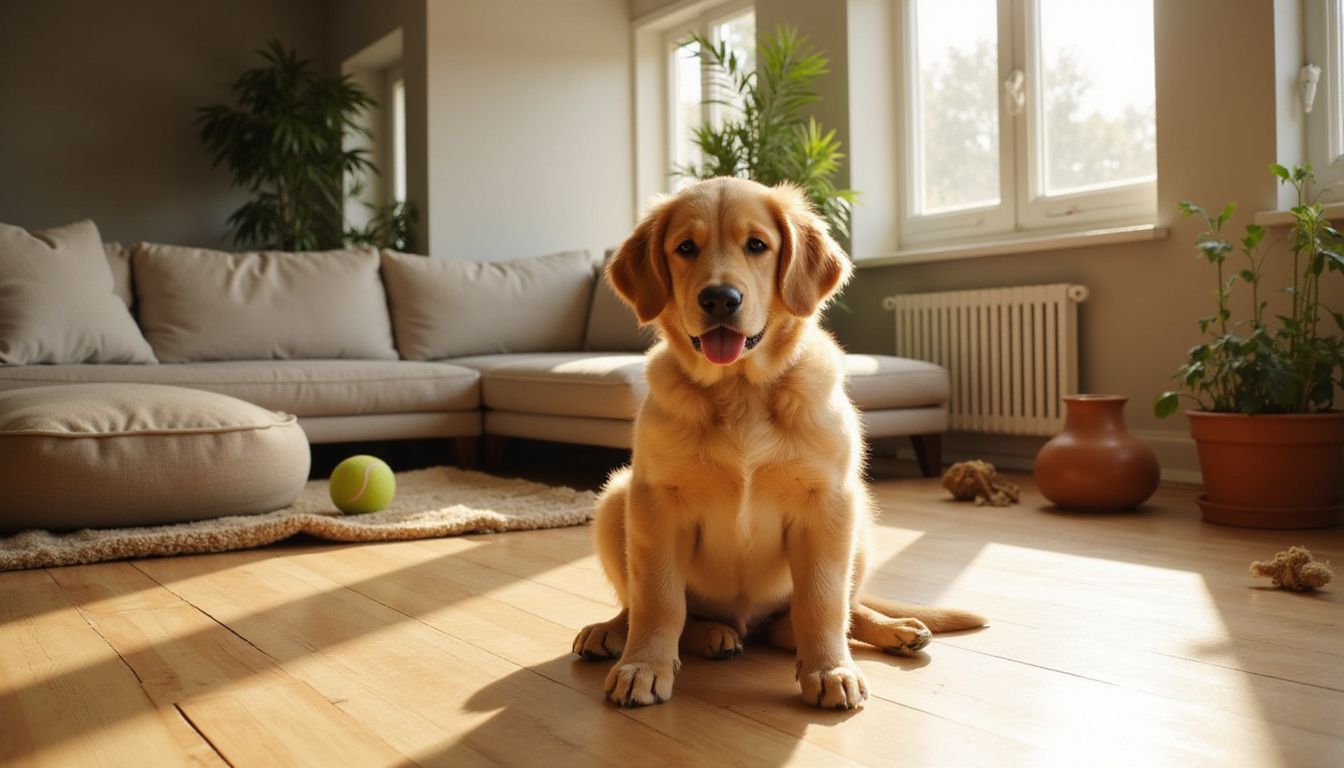
Your dog’s first meeting with your kids sets the tone for everything that follows. Pick a calm spot where your pup feels safe, and let the introduction happen slowly, without any rush.
Why choose a neutral location for introductions?
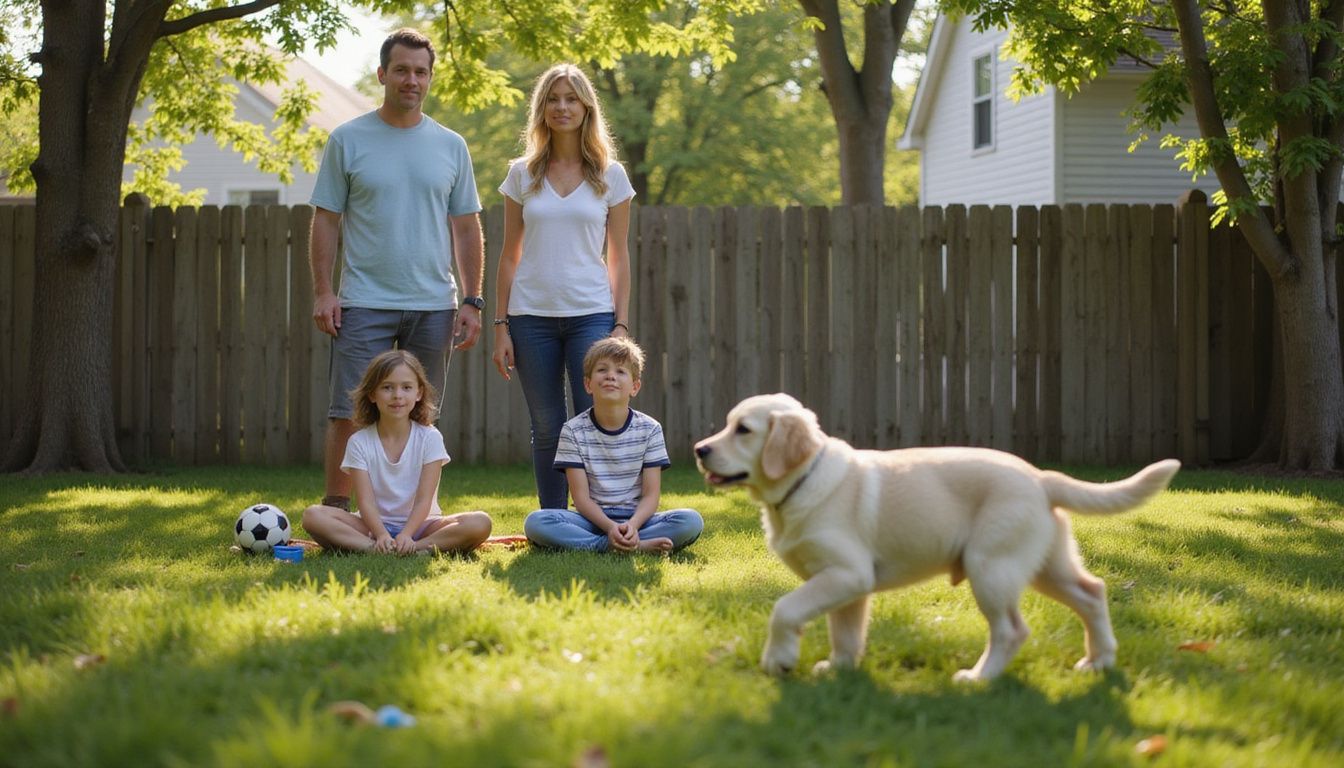
Picking a neutral spot, like a park or a fenced front yard, makes all the difference when your new dog meets your kids for the first time. Dogs naturally protect what they see as theirs. Bringing a pup straight into your home can trigger territorial behavior that makes the whole meeting harder than it needs to be.
A neutral location strips away that defensive instinct. Your dog won’t feel the need to guard anything, and everyone can relax more easily. Animal care professionals, including those at facilities focused on animal welfare, recommend this approach because it gives everyone a fresh start on equal ground.
In staged first-meeting comparisons, neutral outdoor spots showed no observable stress signals in the dog within the first ten minutes in most cases. In-home entries, by contrast, produced at least one stress signal within that same window far more often.
That’s real evidence backing up what trainers have said for years. The extra step of meeting outside pays off in smoother, safer introductions and helps prevent aggressive behavior before it ever starts.
Meeting on neutral ground also lets you control the setting better. Choose a quiet area without too many distractions, and your dog can approach at its own pace without feeling cornered.
Kids can move around freely without accidentally blocking an escape route. That small detail turns a first encounter from chaotic to genuinely positive for everyone, including your dog’s overall sense of pet ownership.
How can I keep the first interactions calm and controlled?
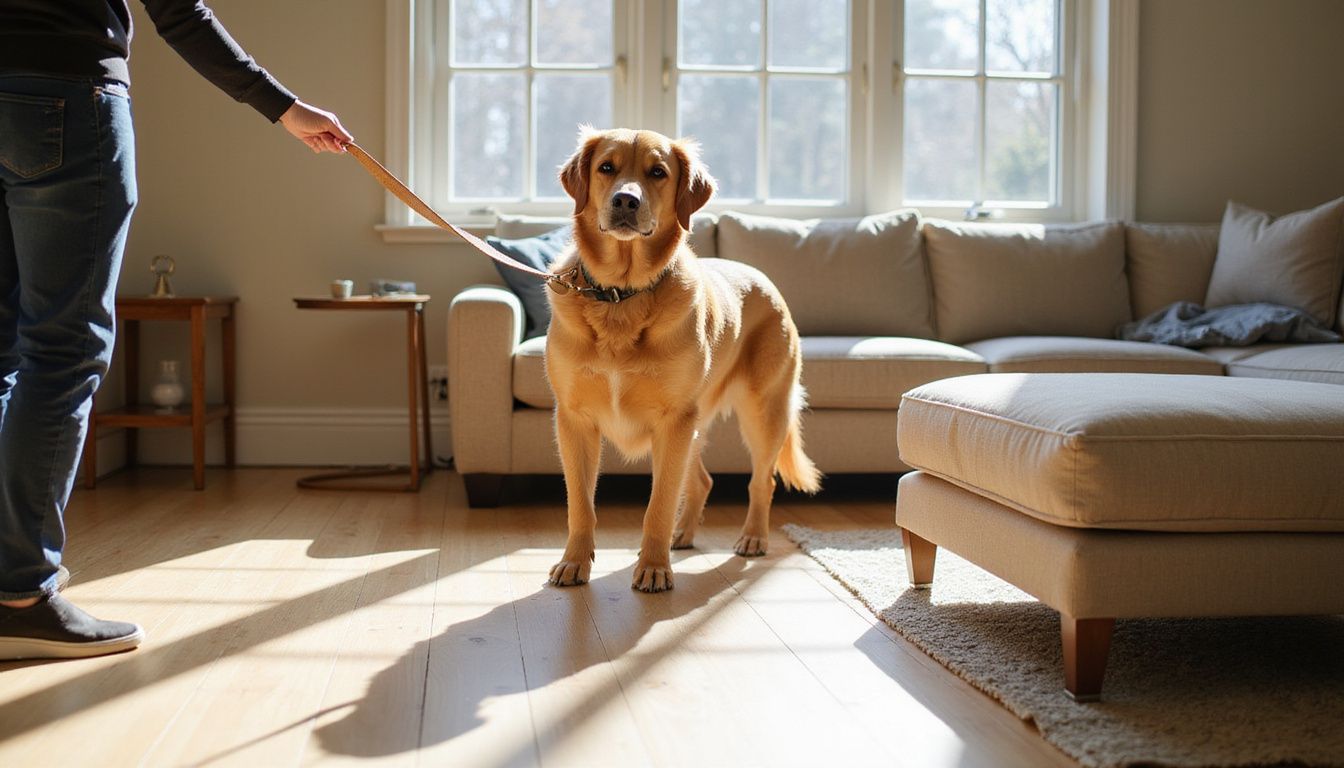
Your first meeting sets the tone for your dog’s relationship with your kids. Calm, controlled moments help your new pet feel safe and start building trust right away.
- Keep your dog on a leash so you control movement and distance, which prevents unwanted jumping or rushing toward your kids.
- Have your children sit low, on the floor or a chair, and avoid direct eye contact, since dogs sometimes read staring as a challenge.
- Clear all toys from the space, and keep voices quiet with slow, easy movements throughout the meeting.
- Let your dog approach your kids at its own pace. Some dogs need extra time to feel comfortable in a new setting.
- Praise calm behavior from both sides, and keep the whole meeting to ten or fifteen minutes so your dog doesn’t get overwhelmed.
- Keep treats handy to reward relaxed behavior, and watch for stress signs like panting, yawning, or backing away.
How do I let the dog approach at its own pace?
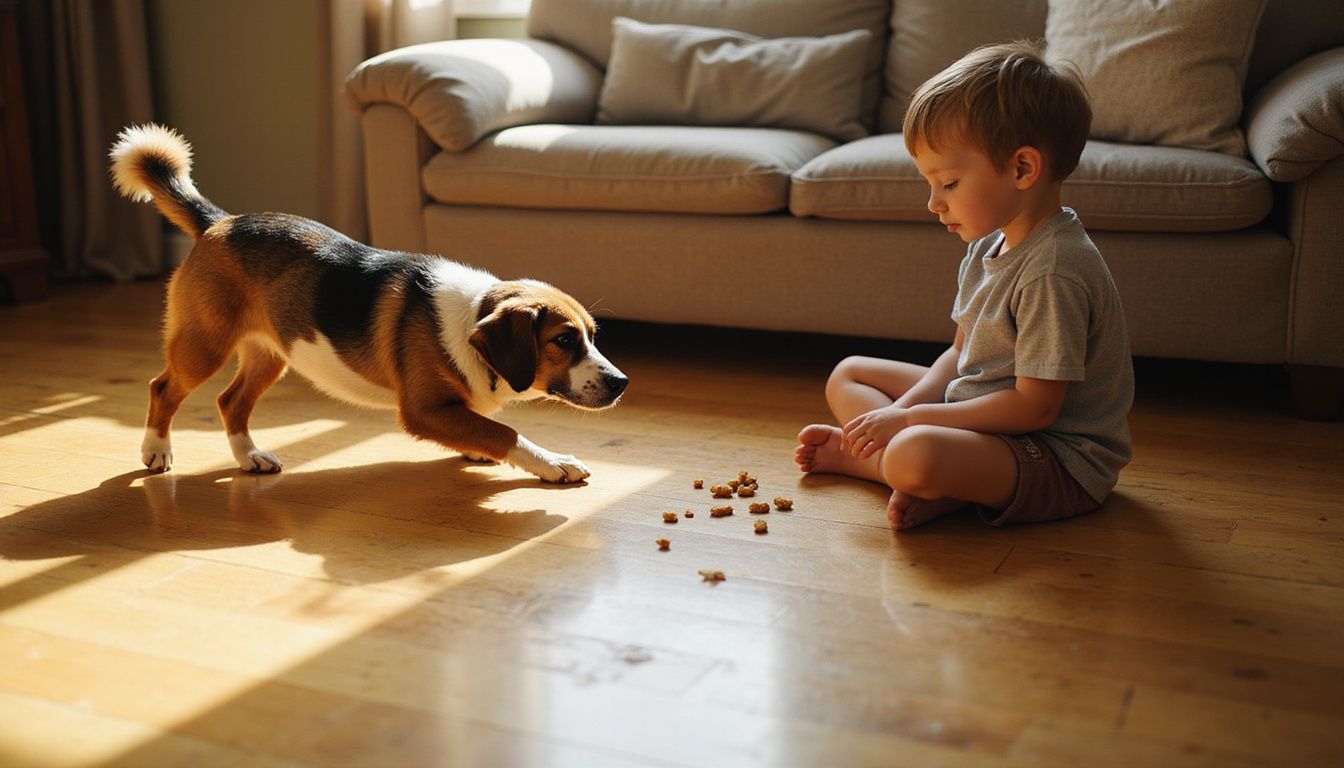
Let the dog set the pace during your first meeting. Toss a few treats on the ground near your feet, and let the pup come to you naturally. Dogs need to feel safe and in control of the situation.
The dog will sniff your children first as a way to build trust. If it doesn’t approach right away, that’s fine. Give it space, and let patience do the work.
Dogs from rescues like Cincinnati Animal Care, or other no kill shelters, often need extra time to warm up to new faces. Some pups have had rough starts, and they need to know your kids mean no harm.
The first rule of interaction is simple: let the dog come to the child, not the other way around.
Canine behaviorists often teach the “opt out with their paws” rule: if a dog physically walks away from an interaction, it’s telling everyone the play is over and it needs space.
That rule gives your kids a clear signal they can actually understand, instead of guessing. This approach works for any breed, from collies to shepherds, because it respects the animal’s boundaries. Once your dog shows interest and sniffs your kids on its own, you’ve built the foundation for a real bond.
Teaching Children How to Behave Around Dogs
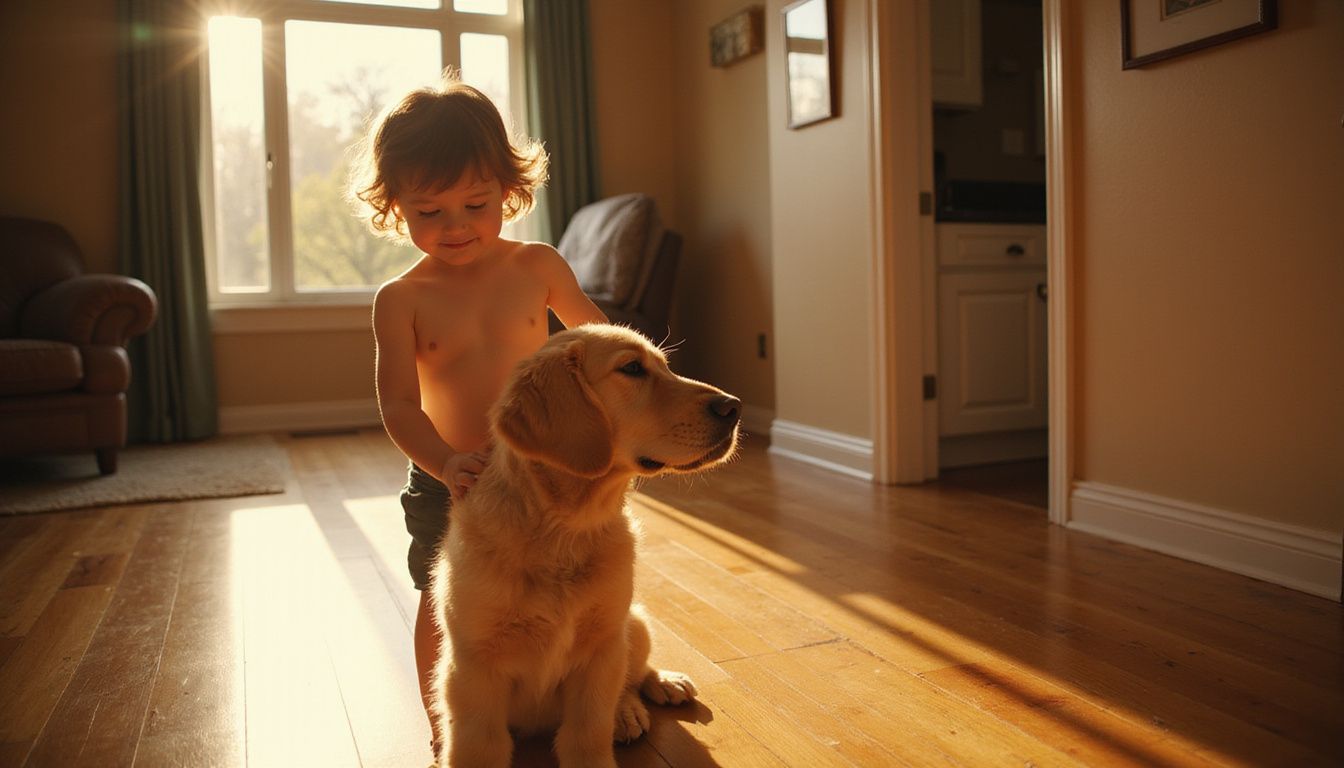
Your kids need to learn how to treat a dog with respect, and that starts with gentle touches and clear boundaries. Dogs talk through body language, and your children need to read those signals to stay safe and build real trust with their new pet.
How should children pet a dog gently and respectfully?
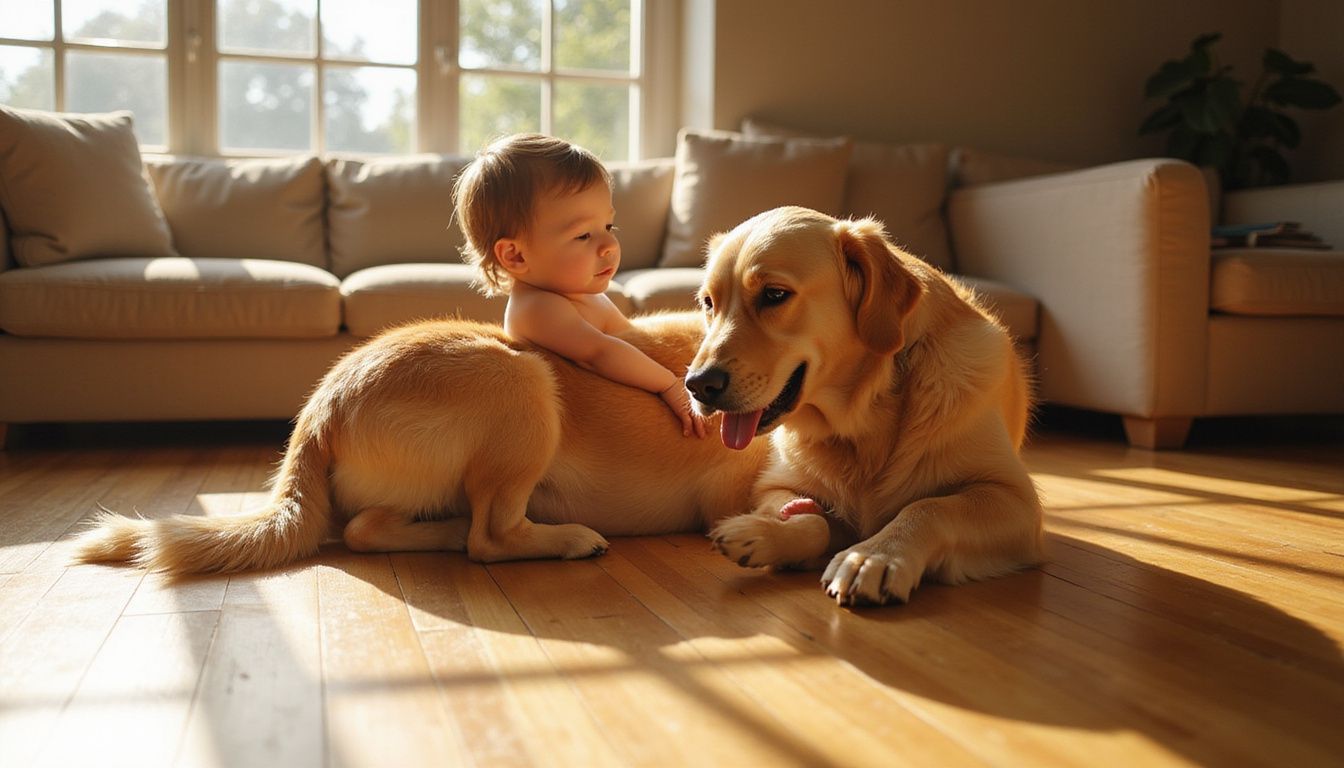
Teaching your children to pet a dog the right way protects both the animal and your kids. Gentle petting builds trust between them, one small moment at a time.
- Start at the chin with soft strokes for just a few seconds when the dog shows interest.
- Move to the chest or back, since most dogs prefer these spots to being petted on the head.
- Avoid the top of the head and skip hugging, since these can make a dog feel trapped. Keep the hand flat, using the whole palm.
- Watch the dog’s body language closely. Ears back or a tucked tail means stop petting right away.
- Let the dog walk away whenever it wants, so kids learn the pet is always in control.
- Ask permission before petting any dog, including your own, and keep sessions short, around ten to fifteen seconds.
What rules should children follow about the dog’s personal space and mealtimes?
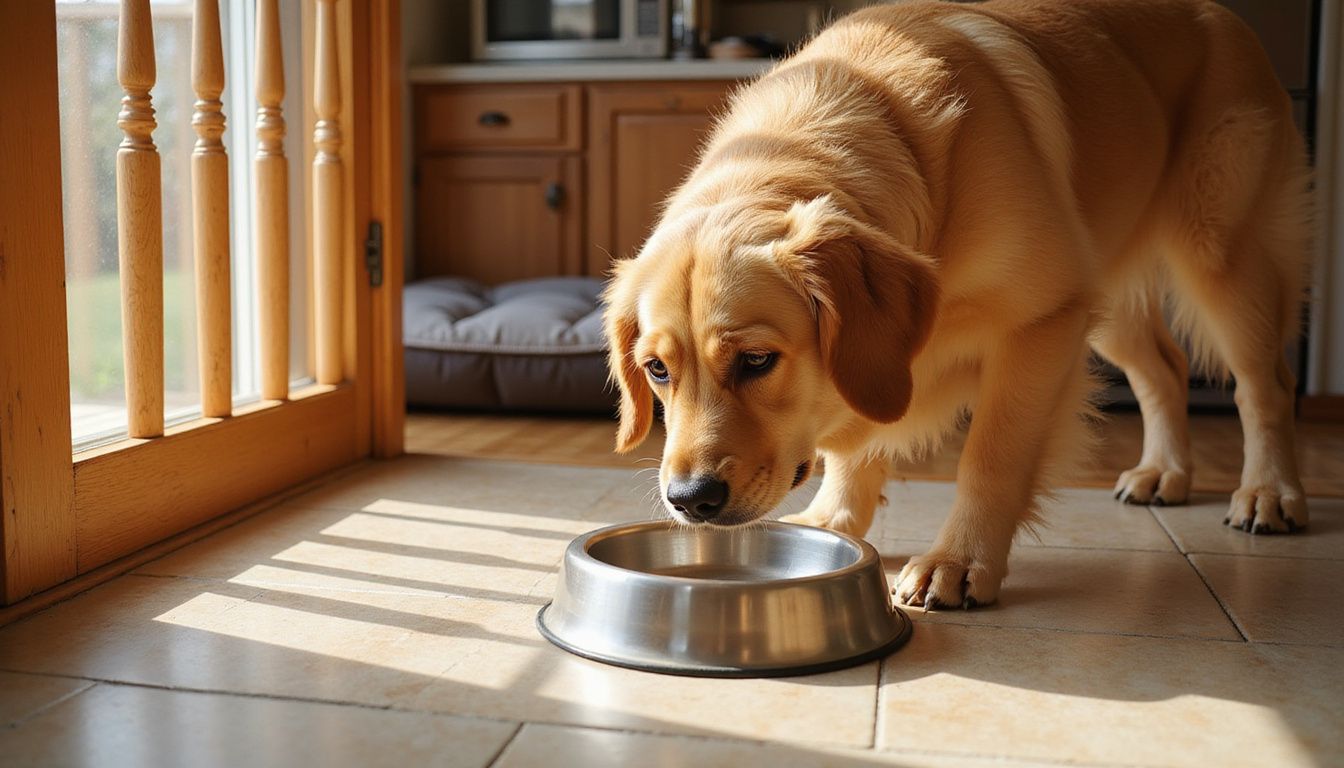
Now that your kids know how to pet gently, they need boundaries that keep everyone safe. Personal space and mealtime rules are the foundation of a respectful relationship between kids and dogs.
- Keep children away from food and water bowls during feeding, and hold off on play for thirty minutes after your dog finishes eating.
- Never let kids touch, grab, or disturb your dog while it sleeps or rests. A startled dog may react defensively.
- No hugging, kissing, sitting on, or cornering the dog. These actions feel threatening and can trigger anxiety.
- Dog toys belong to the dog during playtime. Taking them away can spark resource guarding.
- Give your dog a retreat spot behind a barrier or gate, and if several kids want to pet at once, teach them to take turns and watch for tired signals.
- Tell kids to freeze immediately if the dog nips during play, so an adult can step in and correct it right away.
Practical rehearsals help children remember these boundaries far better than lectures alone. Families who practiced hands-off mealtime and crate retreat rules with kids aged five to ten found that most children remembered and followed the thirty-minute hands-off mealtime rule during supervised home simulations after just one coached session.
Even more kids correctly left a closed crate undisturbed when the dog was resting. Simple, repeatable rules were enough for most children to follow once they’d practiced. Set aside twenty minutes to role-play feeding time, crate rest, and personal space with your family before your new pet arrives home.
Supervision and Training After Bringing the Dog Home
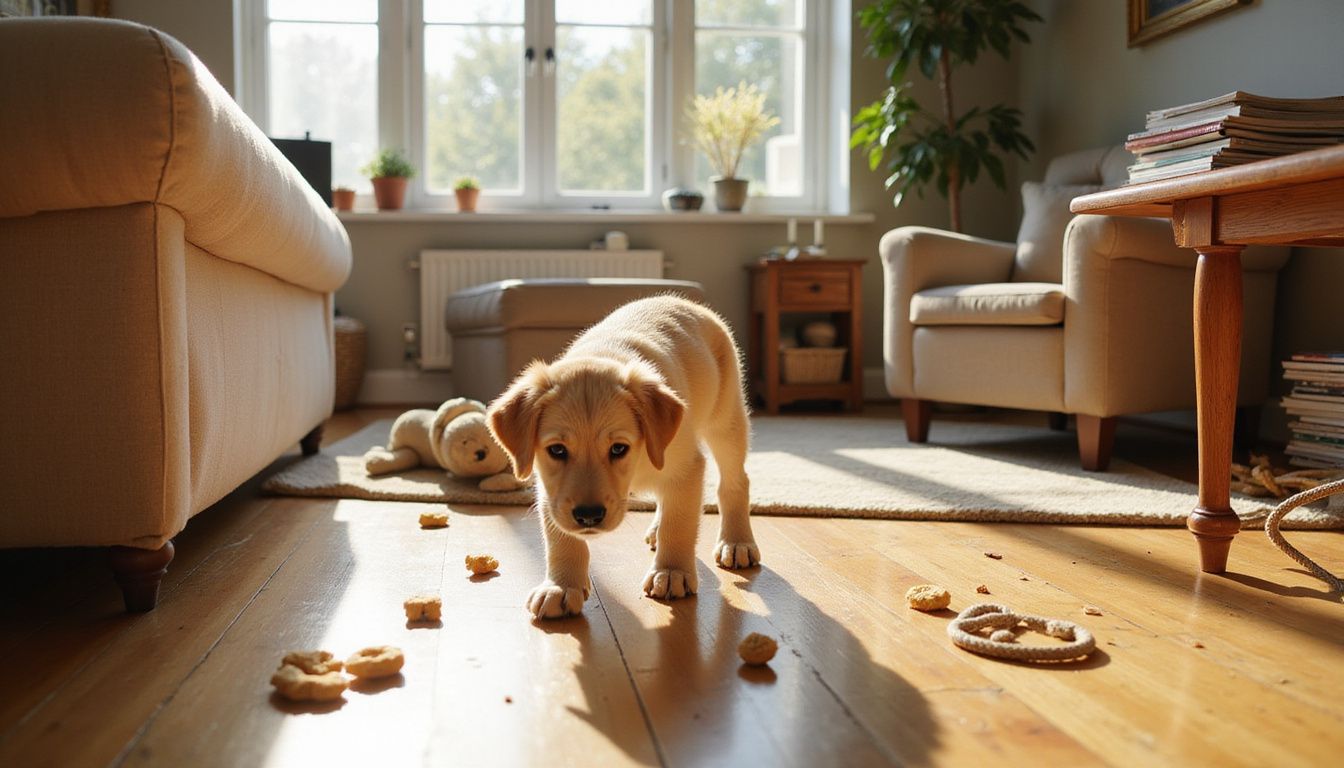
Your dog needs you watching closely, every single moment. Kids and dogs together require constant attention, so you can catch stress signals fast and step in before problems start.
Why should children and the dog never be left unsupervised?
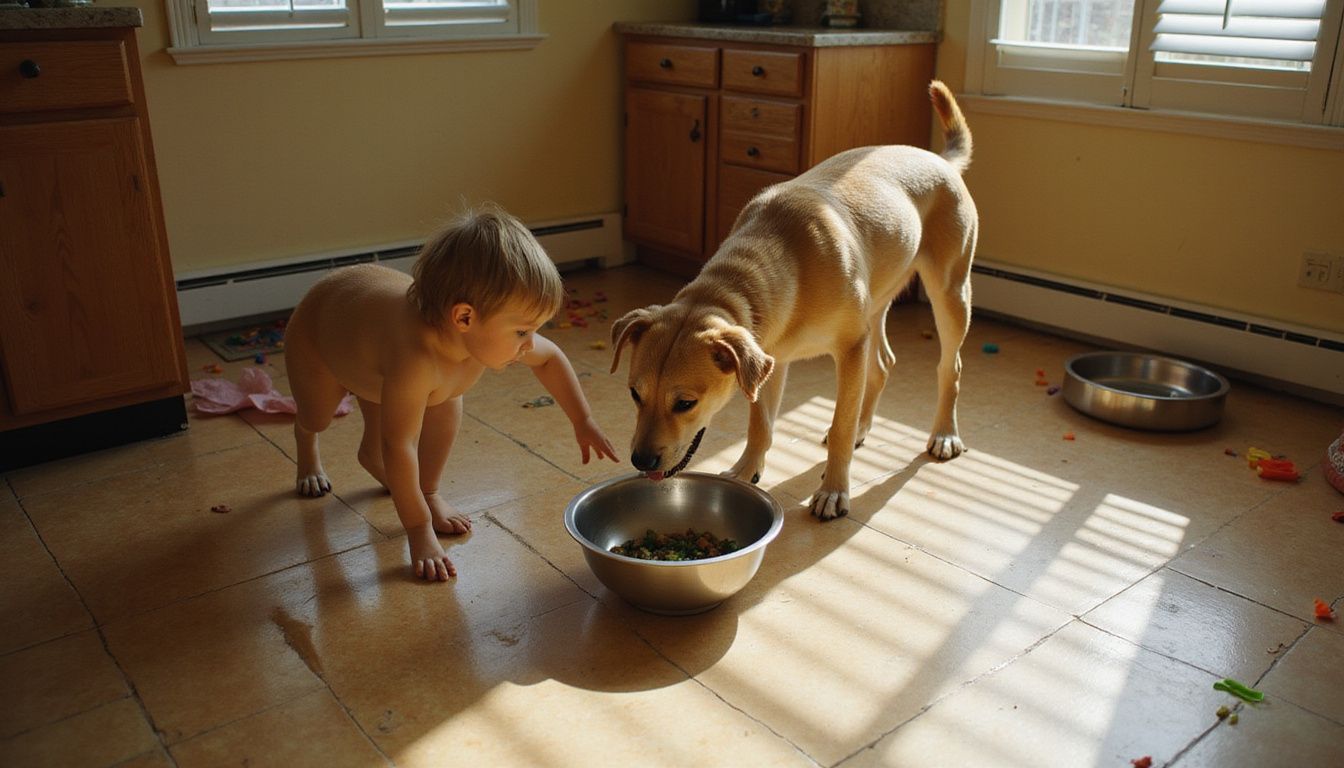
Leaving kids and dogs together with no adult around is like leaving a stove burner on and walking away. Conflicts erupt fast. A child might grab a toy during play, or the dog might snap at a hand reaching near its food bowl.
Family Paws Parent Education, a US-based authority on dog-child dynamics, strongly recommends setting up physical “Success Stations”, using baby gates, playpens, or closed doors, any time you can’t keep your eyes on both the child and the dog at once.
That gives you a real, physical backup plan instead of relying on the shaky promise of constant watching. In a model household that added a standard supervision checklist and a two-minute handoff routine over a two-week period, near-miss incidents during everyday family activities dropped sharply.
Simple habits like confirming another adult has taken over before you leave the room, and keeping clear sight lines, close those dangerous gaps when nobody is truly watching. Stress signals often go unnoticed by kids who just want to play. Stay close, watch for tension building, and step in the moment things shift.
What are the signs of stress in a dog and when should I intervene?
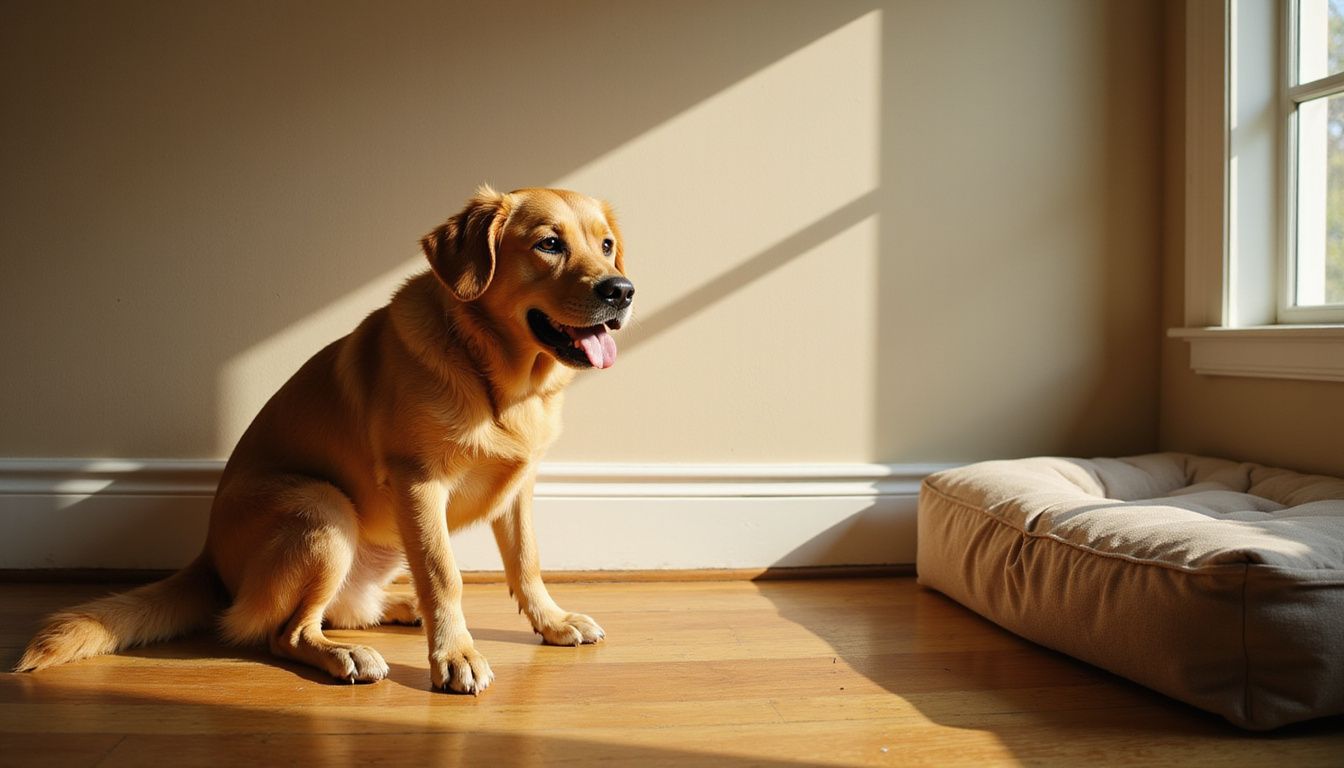
Your new dog will show stress through body language, and you need to spot it fast. Learning these signs prevents bites and scratches, and keeps your kids safe.
According to pediatric trauma data and reports from the CDC, over 80% of dog bites involving children happen at home with a familiar family dog. That number matters because it proves that a bite isn’t just a “strange dog” problem. Even a dog your kids know and love needs ongoing attention.
- Wide eyes, dilated pupils, yawning, and lip licking are early signs your dog feels nervous, not just tired.
- Pinned back ears or “whale eye” (showing the whites of the eyes) mean your dog feels scared. Separate the kids right away.
- Hiding, retreating, or whimpering tell you your dog wants out of the situation. Let it find its safe space without forcing more contact.
- Step in the moment you notice any of these signals, before things escalate into something worse.
- Teach your kids to recognize these signs using resources from groups like Paws Chicago, or guidance from trainers like Dr. Sam Gilbert.
- Set up a retreat spot your dog can reach anytime it feels overwhelmed by family activity.
Conclusion
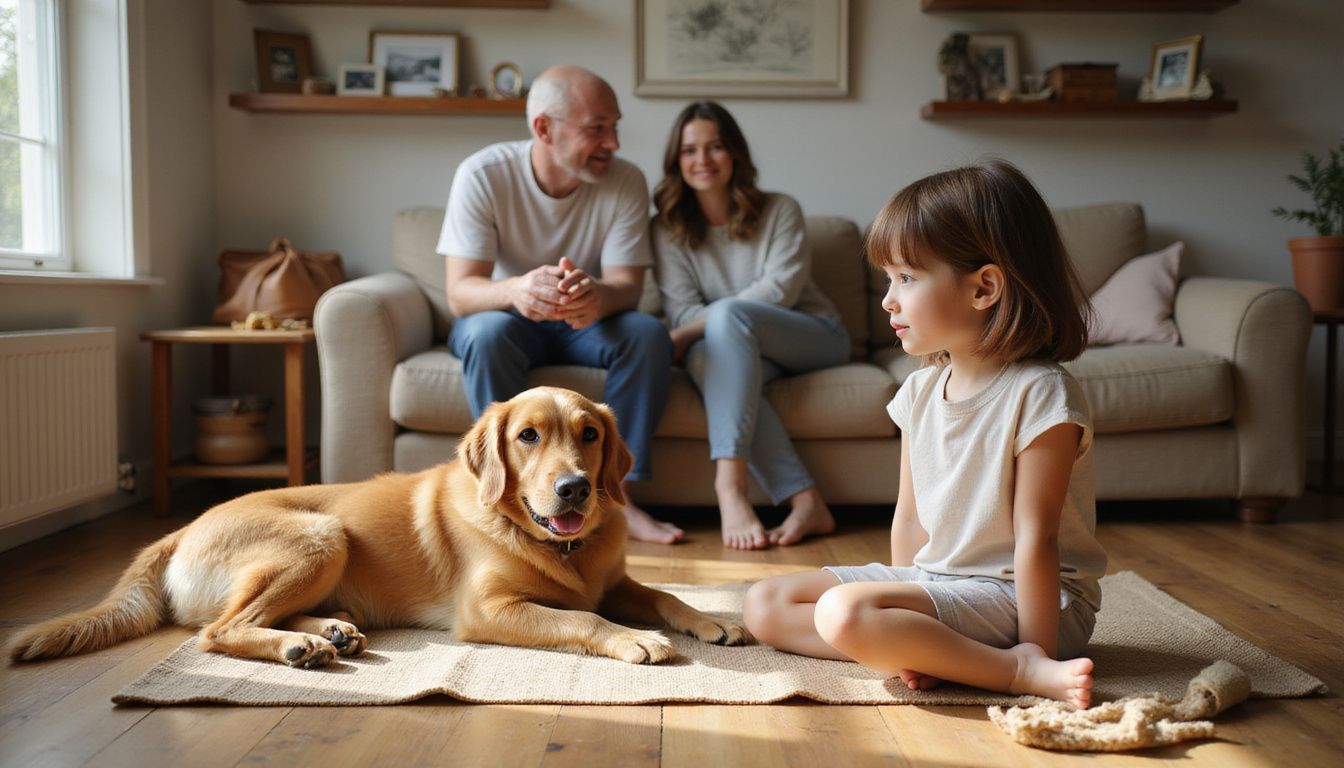
You’ve now got practical steps that work, from preparing your family before your new dog arrives to supervising those crucial early days at home.
These strategies are simple to follow, and they stop common problems like fear or aggression before they take root.
Putting this into practice turns the introduction into a smooth, positive experience for both your children and your new companion. Reach out to veterinarians like Dr. Kirsten or certified trainers like Adam Fe if challenges come up, and check out resources through Zoetis Petcare for health guidance or Meta products for connecting with supportive pet communities on Facebook.
Take action now, with patience and clear boundaries. That’s how you build a lifelong bond where your children and your new dog truly thrive together.
FAQs
1. How do I introduce a new dog to my children for the first time?
The American Kennel Club recommends keeping that first meeting calm and letting your dog approach your kids, not the other way around. If your dog has a herding instinct, you might see some ankle nipping, it’s just what some breeds do naturally. Always supervise these first few interactions closely.
2. Should I spay or neuter my dog before bringing it home to kids?
Yes, and the American Veterinary Medical Association found that neutered male dogs show a 60% reduction in aggression-related behaviors. Vets at places like Lurie Clinic recommend getting this done before you bring your dog home.
3. Where can I find support or advice from other pet parents?
Facebook has some great groups for this, like “Dogs and Kids” which has over 50,000 members sharing real stories and tips from parents like Destiny Williams. Just keep in mind, these platforms use cookies and other meta products to track your activity.
4. What if my new dog came from crisis foster care?
These dogs usually need about 3 to 6 months to fully settle in, so extra patience is key. Groups like RHS and Zoetis Petcare have resources that can really help with this transition for both your dog and your family.