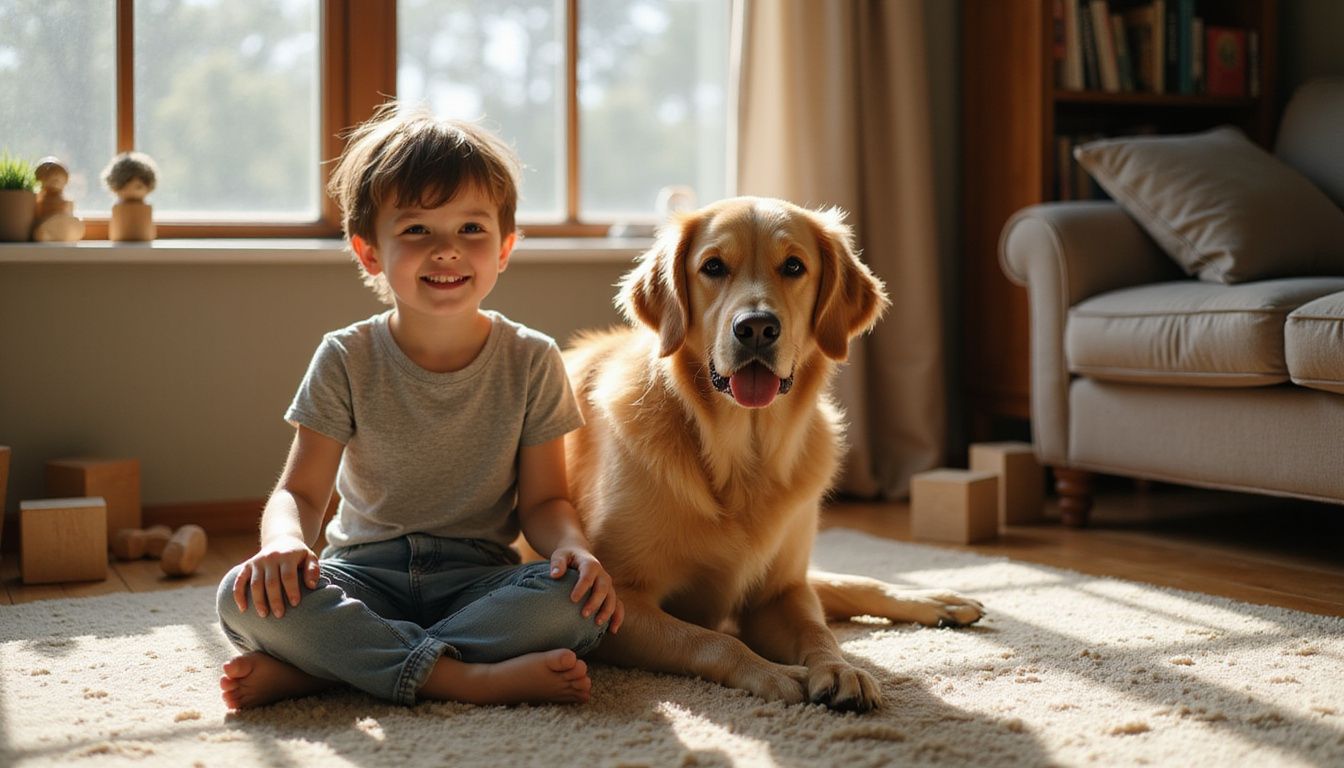
You want one of the best dog breeds for kids, a pup your children will love from day one. But where do you even start?
I get it. Dogs give kids so much: unconditional love, plus real lessons in responsibility and teamwork.
Not every breed fits every family, though.
This guide walks you through the key traits, the practical factors, and the top breeds that work well with children, so you can make a confident choice. Grab a cup of coffee, and let’s go through it together, step by step.
Key Takeaways
- A calm temperament, patience with kids, and matching energy levels make the foundation of a great family dog.
- Labrador Retrievers, Golden Retrievers, Beagles, and Cavalier King Charles Spaniels rank among the best family dogs for households with children.
- Match your dog’s energy level to your family’s pace to avoid behavior problems and keep everyone happy.
- Training your dog, and teaching your kids how to interact with dogs, builds a safer, calmer home.
- Coat type, grooming needs, size, and allergy concerns all deserve a look before you pick your new dog.
Important Traits of a Family-Friendly Dog
Your future family dog needs a calm temperament, patience with children, and the right energy level to match your household’s pace. You want a pup that learns fast, stays gentle under pressure, and shows through its body language that it truly enjoys being around kids.
What temperament is ideal for a dog around kids?
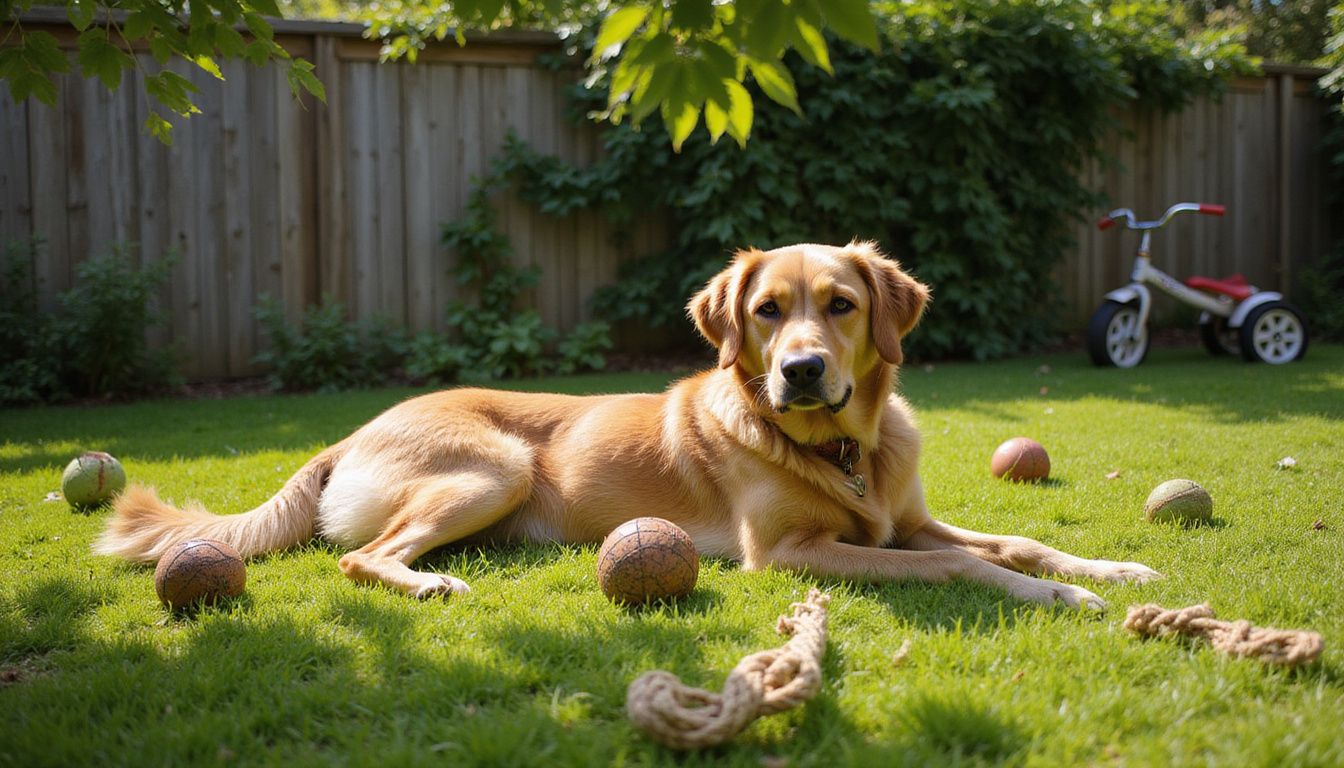
A calm and even temperament forms the foundation of a great family dog. Dogs with steady nerves handle the chaos of children’s excitement without snapping or growling. These patient dogs stay cool when kids pull their ears, chase them around the yard, or accidentally step on their tails.
According to 2026 data from the American Veterinary Medical Association (AVMA), more than 4.5 million people in the U.S. get bitten by dogs every year, and kids make up at least half of those cases. That number alone shows why picking a calm, patient dog matters so much.
Look for breeds from the sporting group or hound group, since these dogs tolerate the attention of children naturally. Labs and goldens excel here because they carry gentle dispositions in their blood.
A dog’s calm nature around children reflects years of breeding for patience and kindness.
Cavalier King Charles Spaniels also shine in this department. Their loving nature makes them forgiving companions who stay unfazed by sudden movements, loud noises, and unpredictable kid behavior.
If you’re preparing for a first meeting between a prospective dog and your family, a structured approach helps everyone stay safer. A repeatable introduction protocol keeps the whole process calm and predictable.
- Start with a ten-minute leash walk to help the dog settle down.
- Allow five minutes of scent introduction using a blanket from your baby’s area.
- Run three supervised touch trials while you hold your infant securely.
- Take a five-minute break if you spot any stress signs.
- Finish with a ten-minute calm reward period, but only if the dog stayed relaxed throughout.
This step-by-step method helps you stay consistent and keeps everyone comfortable during those first, crucial dog meets baby interactions.
Training shapes how well a dog handles family life alongside young kids. Dogs with the right temperament pick up commands quickly and respond well to guidance from parents. Teaching children to be kind to dogs matters just as much for keeping the household calm.
Bernese Mountain Dogs and Standard Poodles show how trainability pairs nicely with gentle dispositions. Adult dogs from a shelter often arrive with some training already in place, which makes them a smart pick for busy families.
A tired, well-exercised dog is almost always a patient dog. That’s a pattern I see over and over.
Dogs and children make a great match. Together they build exercise habits, time outdoors, and social skills, plus happy signals like relaxed ears and a soft, wagging tail, as long as the dog’s temperament lines up with your family’s energy.
How much energy should a family dog have?
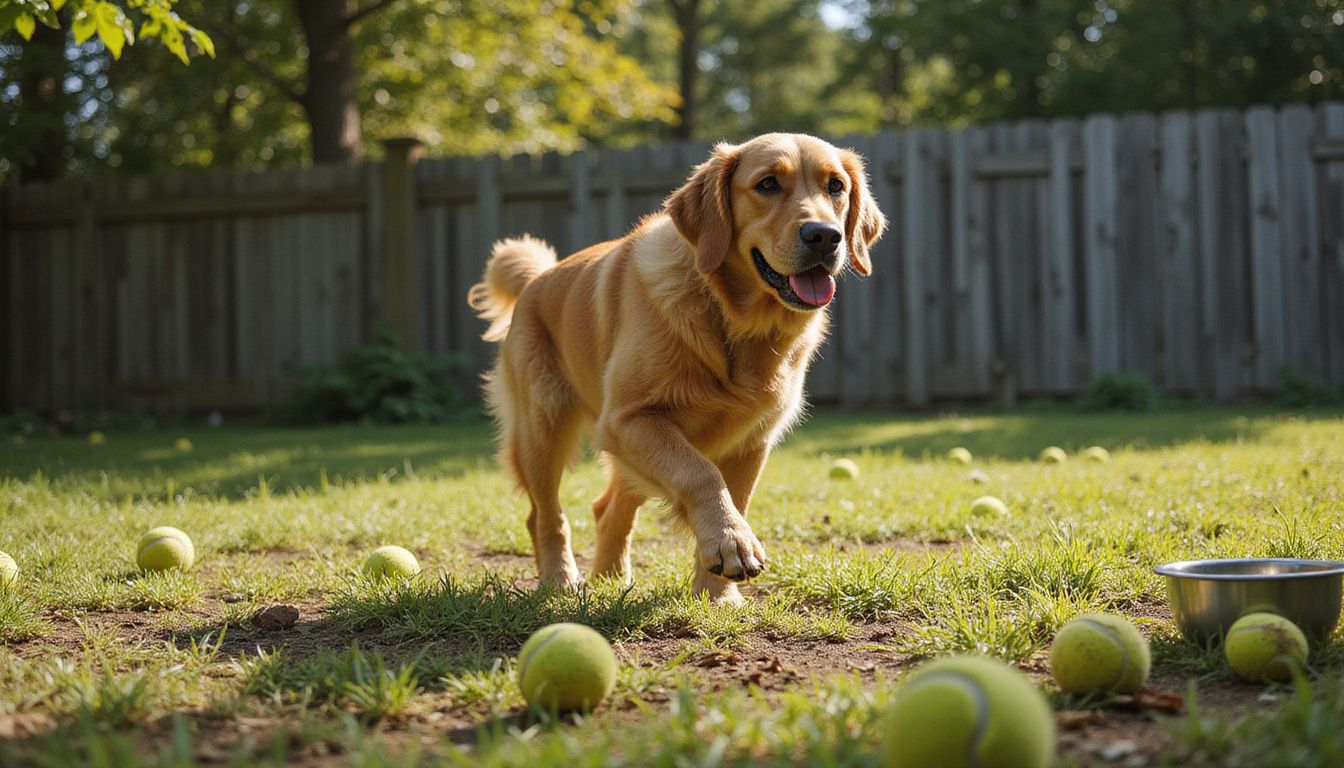
Your family’s activity level should guide your choice in dog energy. If you enjoy hiking, running, and outdoor adventures, a high-energy dog from the gundog group or herding breeds might suit you well.
These dogs need daily exercise and enrichment to stay calm and healthy. If your household prefers quiet evenings and leisurely walks, a lower-energy companion serves you better.
Matching energy levels prevents behavior problems down the road. A mismatch creates frustration for both you and your dog.
Here’s a quick breakdown of exercise needs by dog group:
| Dog Group | Typical Energy Level | Daily Exercise Needed |
|---|---|---|
| Sporting & Working Groups | High | 1 to 2 hours |
| Herding Group | High | 1 to 2 hours |
| Terrier Group | Moderate to high | 45 to 90 minutes |
| Hound Group | Moderate | 30 to 60 minutes |
| Toy & Non-Sporting Groups | Low to moderate | 20 to 40 minutes |
Working group and terrier group dogs demand real commitment. According to 2025 exercise guidelines from ASPCA Pet Health Insurance, high-energy working and sporting breeds, like Labs and German Shepherds, typically need 1 to 2 hours of vigorous exercise a day to avoid destructive habits.
Consider that puppies start with boundless energy, but they mature into calmer adults as the years pass. Some families underestimate how much activity their chosen dog actually needs. Gundog group dogs were bred to work all day in fields, and herding breeds like German Shepherds carry similar instincts. Without enough activity, here’s what you might see:
- Destructive chewing on shoes, furniture, or walls.
- Excessive barking or whining.
- Digging up your yard or garden beds.
- Restlessness, pacing, or anxious behavior.
Your kids benefit from a dog whose energy matches your family’s pace. A dog that’s too hyper overwhelms young kids, while an overly sluggish dog misses out on playtime.
This balance keeps your household happy and safe. Next, let’s look at how a dog’s size affects your family life.
How easy is it to train a dog for families?
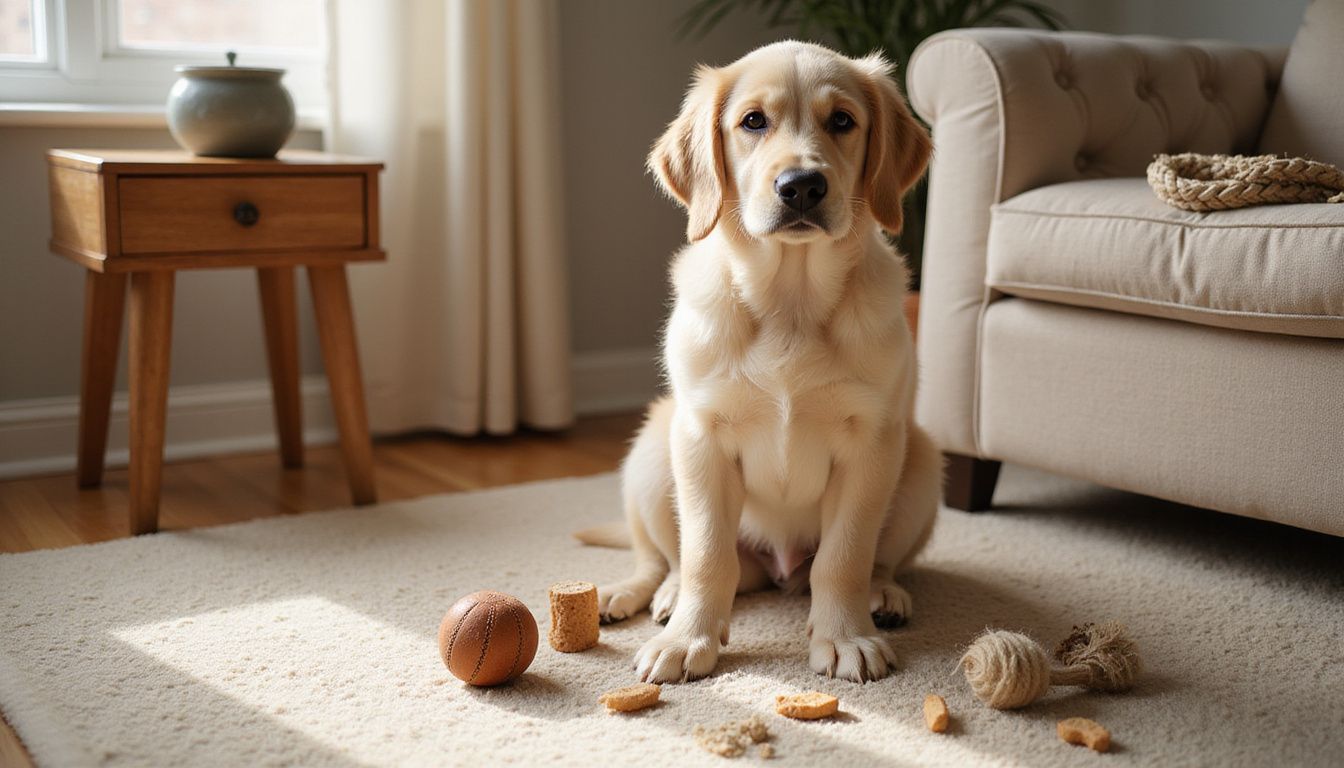
Training a dog for family life is doable, and most dogs do well with solid training that starts early. According to a position statement by the American Veterinary Society of Animal Behavior (AVSAB), the critical socialization window for puppies closes between 12 and 14 weeks of age. Waiting until full vaccination, often around 16 weeks, to start socializing can lead to fear-based behavior problems later on.
You’ll find that puppies soak up lessons like sponges, so the first few months matter more than you might think. The AKC Family Dog Program focuses on good behavior and socialization as part of responsible ownership, giving you a structured path to follow.
Your kids and your new companion will both thrive when you invest time teaching basic commands, leash manners, and gentle interaction skills. Short, consistent sessions work better than marathon efforts. Fifteen minutes daily beats one long session that leaves everyone frustrated.
- Start basic commands (sit, stay, come) as soon as your puppy arrives home.
- Introduce leash manners early, using short, calm walks.
- Practice gentle handling, like touching paws and ears, so vet visits go smoothly later.
- Expose puppies to new sounds, people, and safe spaces before that 14-week window closes.
Teaching your kids how to interact with dogs matters just as much as training the dog itself. It’s essential that children learn to respect boundaries and read canine signals.
You’ll want to show your kids the right way to pet, play, and give space when the dog needs it. This two-way education creates a safer, happier household where everyone speaks the same language.
The AKC’s streaming platform, AKC.tv, showcases dog sports and training competitions, so you can watch well-trained dogs in action and get inspired for your own journey.
How can you tell if a dog is patient with children?
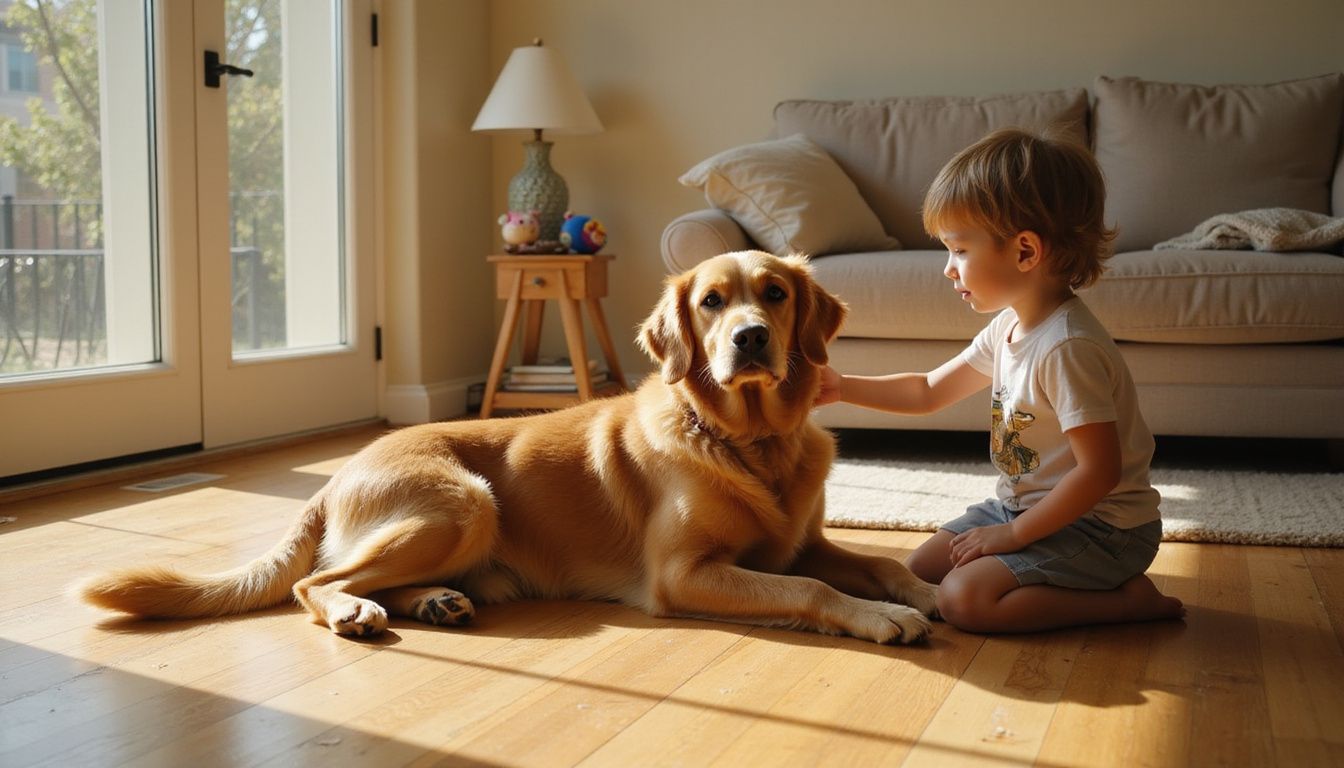
Your best family dogs show patience through their body language and reactions around kids. A patient dog keeps a soft, relaxed posture, wags its tail gently rather than stiffly, and keeps its ears in a natural position instead of pinned back. A truly patient pup tolerates ear tugging, tail grabbing, and sudden movements without snapping or growling.
Labradors, Golden Retrievers, Beagles, and Irish Setters earn their reputations because they show these calm behaviors consistently. Yet here’s the catch: every dog is an individual. Some boisterous pups can still be gentle with kids if they get proper training and socialization.
You can observe a prospective family dog interacting with kids at shelters, rescues, or places like Animal Haven. Watch how the dog responds to noise, quick movements, and physical contact. Does the pup seek distance, or move closer?
| Shelter Audit Snapshot | Result |
|---|---|
| Dogs observed | 42, each for 90 seconds with a child actor |
| Stayed calm and patient | 29 dogs (soft body language, no growling) |
| Showed mild stress, then recovered | 8 dogs (within 30 seconds after a short break) |
These quick, repeatable evaluations help shelter staff spot dogs that stay calm around kids and quiet households, making placement recommendations more reliable for families like yours.
A dog’s patience isn’t just born; it’s built through training, socialization, and the owner’s commitment to creating a safe environment.
Socialization matters enormously in determining whether your future companion will thrive with toddlers and older kids alike. Dogs that spend time around kids from puppyhood develop better comfort levels and understanding of how children behave.
Your involvement as an owner shapes everything. A pug, Great Dane, Pitbull, American Bulldog, or Staffordshire Bull Terrier can become wonderful with kids through consistent, positive exposure. Breeds known for endless patience can still struggle without proper guidance, so training matters more than the name on the breed papers.
Visit multiple dogs before deciding, and spend real time with them. Ask shelter staff or breeders about their experience with kids. Trust your instincts about the connection you feel, since the right match happens when a dog’s temperament aligns with your family’s energy and your commitment to ongoing training.
Key Factors When Selecting a Dog for Your Family
You’ll want to think hard about size, grooming demands, activity levels, and allergy concerns before you bring a dog home, so read on to find the perfect match for your family’s lifestyle.
How does the size of the dog affect family life?
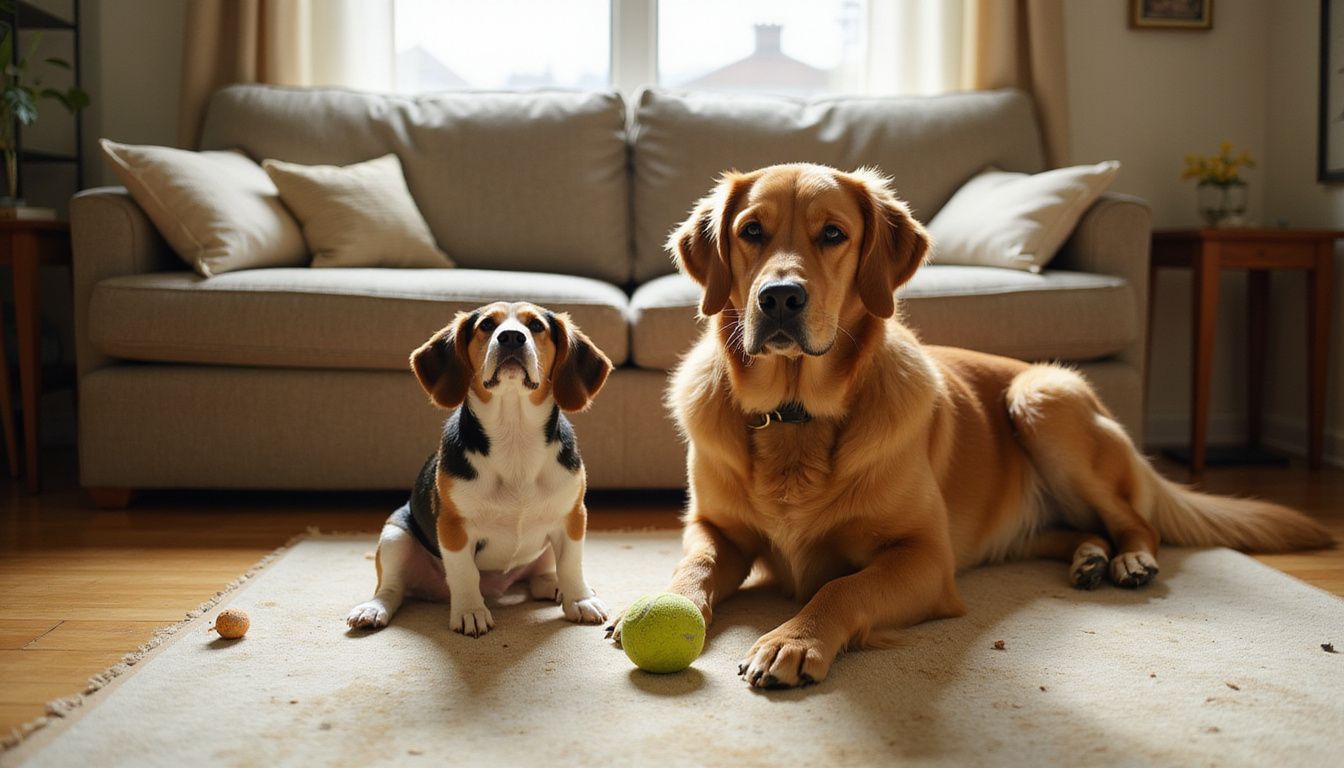
Your home’s layout and your children’s ages shape which dog size works best for your family. Small breeds like Beagles and Cavalier King Charles Spaniels fit nicely in apartments and smaller houses. These compact pups usually weigh between 10 and 30 pounds, so they won’t accidentally knock over toddlers during playtime.
Toy group dogs offer gentle companionship without taking up much space, though small breeds do have fragile bones. Rough play from energetic kids can injure them, so supervision matters. Medium-sized dogs give your family a happy middle ground, sturdy enough for active kids yet easy to house, typically weighing 30 to 60 pounds.
| Size | Typical Weight | Good To Know |
|---|---|---|
| Small | 10 to 30 lbs | Fits small spaces, but fragile around rough play |
| Medium | 30 to 60 lbs | Sturdy, adaptable, needs moderate space |
| Large | 60+ lbs | Needs more room, food, and vet care |
Large breeds bring different challenges and rewards to your household. Golden Retrievers, Labrador Retrievers, Bernese Mountain Dogs, and Standard Poodles rank among the best large family dogs, along with gentle giants like the Great Pyrenees, who bring natural guardian instincts alongside a calm temperament.
Great Danes earn the nickname “gentle giants” for their sweet nature, though their massive size means careful supervision around small kids. Puppies in large breeds take years to mature into calm adults, so training demands real commitment, and your yard needs enough space for these bigger pups to move around.
Great Danes may look intimidating, but their gentle nature has earned them a reputation as one of the calmest large breeds around kids.
Large dogs also eat more food and need more exercise than their smaller cousins. According to Rover’s 2025/2026 True Cost of Pet Parenthood report, lifetime costs run about $19,840 for a small breed but climb to roughly $58,875 for a large breed, thanks to bigger food bills, higher medication doses, and more frequent vet visits.
Consider your family’s activity level and available space before choosing a dog from the herding group, non-sporting group, or another large breed category. The right size match makes daily life smoother for everyone in your home.
What coat types and grooming needs should families consider?
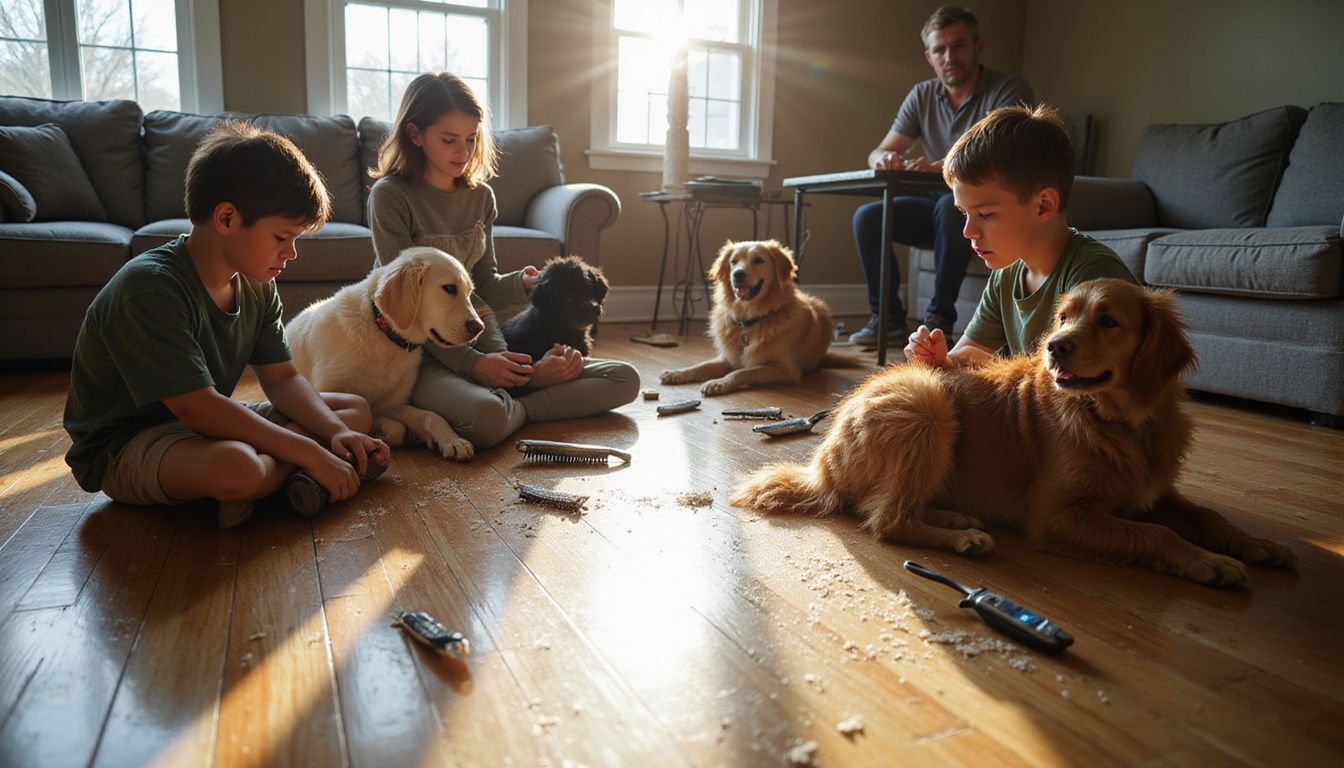
Now that you’ve narrowed down your choices based on size, it’s time to look at coat types and grooming requirements, because a dog’s fur demands real attention in any household with children.
| Coat Type | Grooming Needs | Best For Families | Key Considerations |
|---|---|---|---|
| Short, Dense Coats | Low maintenance; weekly brushing suffices | Busy families; those with limited grooming time | Shedding still occurs but remains manageable. Bathing every 4-6 weeks keeps skin healthy. |
| Long, Flowing Coats | Substantial grooming required; daily or every-other-day brushing | Families committed to regular maintenance routines | Tangles and mats develop quickly. Professional grooming every 6-8 weeks becomes necessary. Kids can help with supervised brushing sessions. |
| Curly or Wavy Coats | High maintenance; regular professional grooming essential | Families with allergy concerns or budget for grooming | Poodles are intelligent, energetic, and hypoallergenic, making them solid choices. Regular grooming every 4-6 weeks prevents matting. These breeds shed minimally, protecting your home from excess fur. |
| Wiry or Rough Coats | Moderate maintenance; hand-stripping or clipping twice yearly | Families interested in breed-specific care rituals | Terriers and some hunting breeds feature this coat type. Grooming becomes a bonding activity between you and your dog. Professional groomers handle specialized stripping techniques. |
| Double Coats | Moderate to high; seasonal shedding requires extra attention | Families prepared for seasonal grooming surges | Breeds like Golden Retrievers shed heavily twice yearly. Undercoat rakes and de-shedding tools become your friends. Regular brushing reduces loose fur throughout your home. |
Grooming time directly impacts your family’s schedule. Some coat types demand professional help every month, while others need attention only occasionally. Short-haired dogs offer freedom and flexibility, while long-haired breeds require real dedication, and kids can pitch in on brushing routines to turn grooming into quality time.
Understanding the real costs helps you plan better. One family considering a Standard Poodle calculated monthly grooming expenses at roughly $120 per professional session, with sessions every six weeks averaging out to $80 a month. Add $12 for at-home supplies and $6 for extra tools, plus care for their other pets, and their combined grooming cost reached $116 a month.
Seeing the real numbers side by side helped that family decide if a high-maintenance curly coat fit their budget, compared to a lower-grooming companion.
Allergies shift the conversation entirely. Poodles stand out as intelligent, energetic, and hypoallergenic options for families with sensitive members, since their curly coats trap dander better than shedding breeds do. Grooming needs stay substantial, but the health payoff justifies the effort for many households.
- Professional grooming runs $50 to $150 per session, depending on size and coat.
- Brushes, clippers, and de-shedding tools add up over time.
- Budget for both routine sessions and the occasional deep clean.
Maintenance consistency prevents problems down the road. Skipping grooming sessions leads to matted fur, skin irritation, and pricier vet visits. Your commitment to regular grooming directly affects your dog’s comfort, and kids learn responsibility by helping out.
Which dog breeds are best for allergy sufferers?
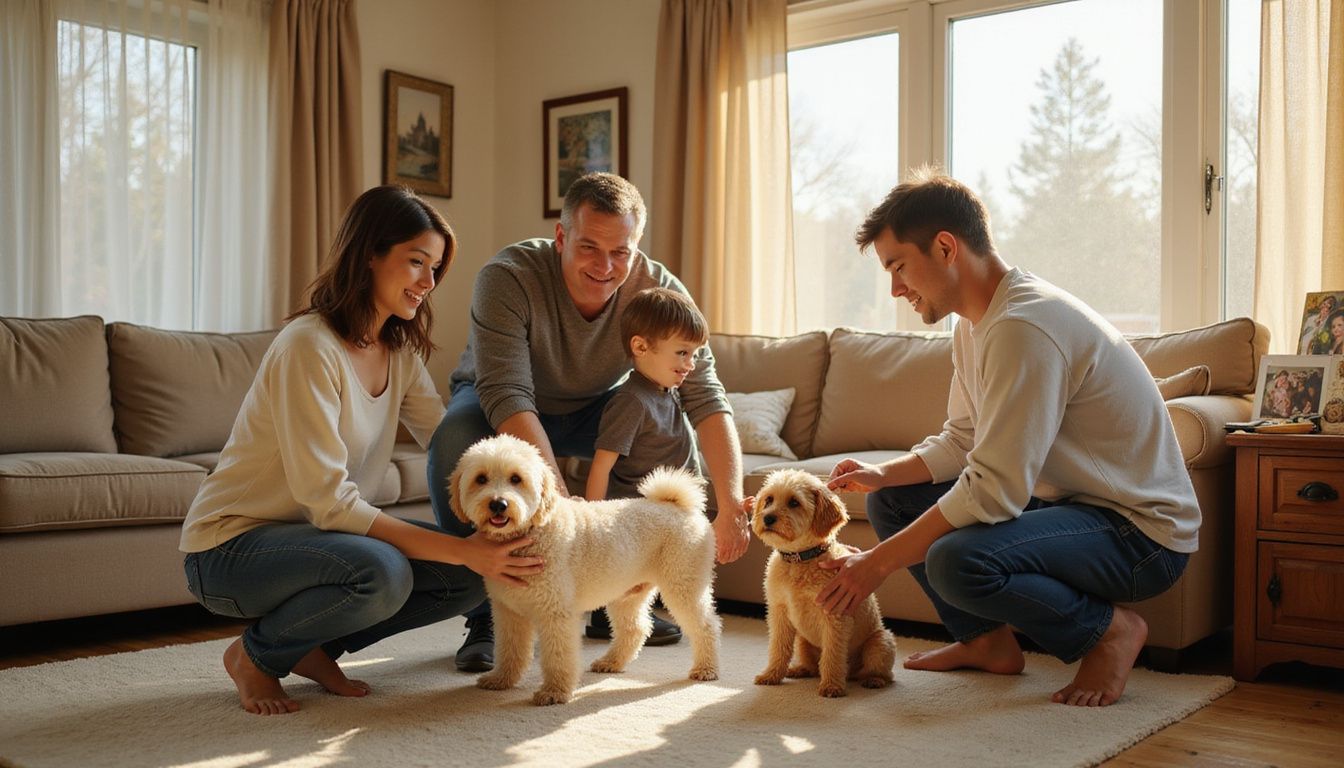
Grooming demands vary widely across dog breeds, so your next step involves finding hypoallergenic dogs that won’t trigger allergies. According to 2026 insights from the Asthma and Allergy Foundation of America, as many as 3 in 10 people with allergies react to cats and dogs, and pet dander can linger in a home for up to 30 weeks. That’s why picking a genuinely hypoallergenic breed matters if anyone in your family deals with sensitive allergies.
Here are four hypoallergenic dogs that top most lists:
- Poodles stand out as hypoallergenic champions, shedding minimal fur and producing less dander than most breeds.
- Bichon Frises produce fewer allergens and keep curly coats that trap loose hair effectively.
- Portuguese Water Dogs offer hypoallergenic qualities with moderate exercise needs, and their water-resistant coats shed very little.
- Schnauzers come in three sizes, giving you flexibility for your space and allergy severity, with wiry coats that release minimal allergens.
A few more allergy-friendly breeds worth a look:
- Maltese dogs have silky hair instead of fur, and they weigh under seven pounds, perfect for smaller households.
- Soft Coated Wheaten Terriers produce less dander despite their longer coats, paired with a friendly nature.
- Irish Water Spaniels shed sparingly with curly coats similar to Poodles, and match moderate to high activity levels.
- Yorkies deliver small-dog charm without triggering major allergic reactions in most people, though their hair grows continuously and needs regular grooming.
How do activity levels match different family lifestyles?
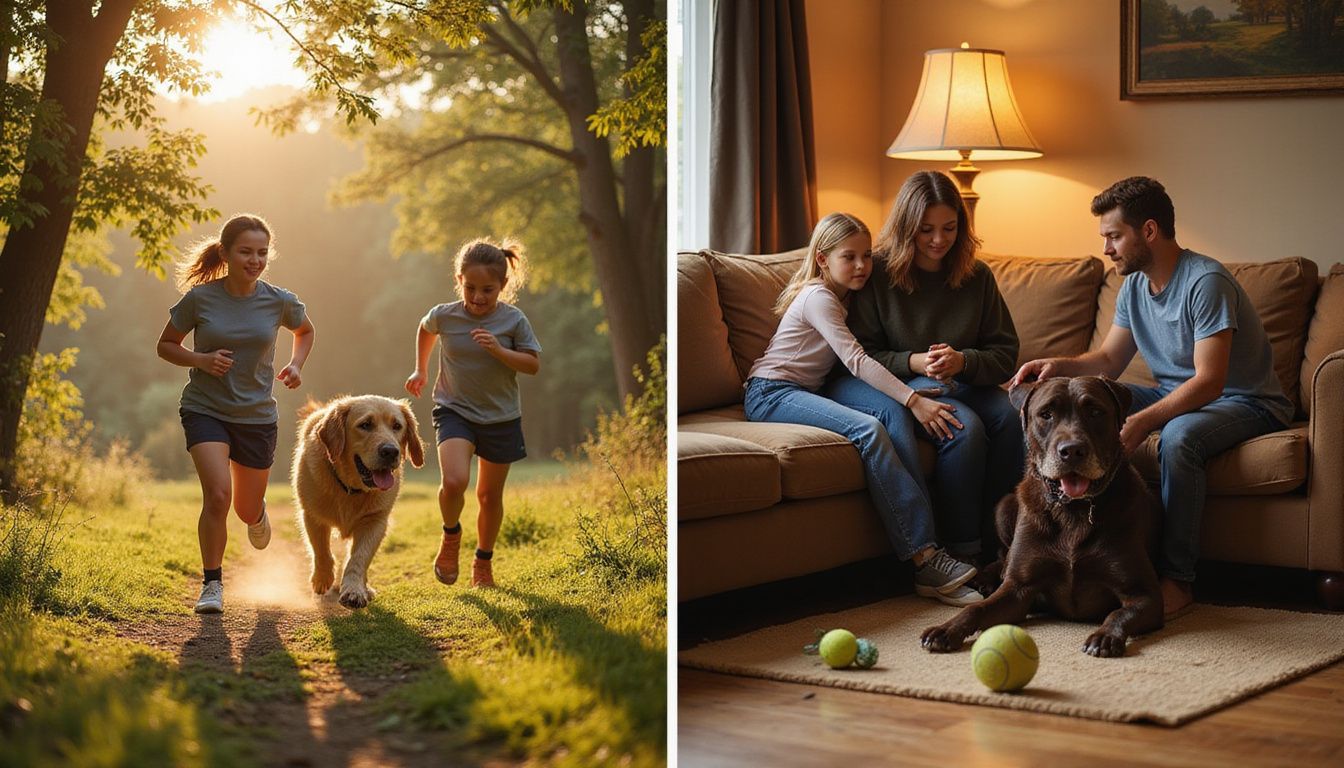
Your family’s daily rhythm should guide your dog selection, and matching activity levels prevents frustration for everyone involved.
| Family Lifestyle | Activity Level Match | Recommended Breeds | Key Considerations |
|---|---|---|---|
| Active Families with Older Children | High energy dogs thrive here. Your household stays constantly on the move. These pups need regular exercise, outdoor adventures, and mental challenges. Boredom becomes their enemy. | Bernese Mountain Dogs fit perfectly for active families with older kids. Labradors work well if you choose older dogs rather than puppies. Boxers demand ample exercise and mental stimulation to stay happy and healthy. | Commit to daily runs, hikes, or sports. These breeds need 60 to 90 minutes of activity per day. Mental games matter just as much as physical exercise. Plan training sessions regularly. |
| Moderate Activity Families | Medium energy dogs suit you best. Your schedule includes regular walks and playtime, but not constant adventure seeking. Balance keeps these dogs content and well-behaved. | Golden Retrievers adapt to moderate activity levels. Beagles work well for families with steady routines. Cavalier King Charles Spaniels enjoy consistent, moderate exercise without extremes. | Aim for 30 to 60 minutes of daily activity. Mix walks with indoor play sessions. These breeds appreciate routine and predictability. Consistency matters more than intensity. |
| Laid-Back Families | Lower energy dogs complement relaxed households. Apartment living or limited outdoor space works fine. These pups adapt to quieter, slower-paced environments. | Bulldogs handle calm lifestyles. Basset Hounds prefer shorter walks. Shih Tzus thrive with minimal exercise demands. Pugs adjust to indoor-focused families. | Provide 15 to 30 minutes of gentle activity daily. Focus on leisurely walks around your neighborhood. Indoor enrichment toys prevent boredom. Watch for weight gain with low-activity breeds. |
| Families with Small Children | Older, calmer dogs work better than energetic puppies. Your energy gets consumed by parenting, not high-maintenance pups. Patience matters more than speed. | Older Labrador Retrievers suit families with small kids better than young ones. Gentle, mature dogs provide safety and stability. Temperament outweighs energy levels in this scenario. | Select dogs already past the chaotic puppy phase. Prioritize calm demeanor over athletic ability. Training becomes easier with mature dogs. Your kids benefit from patient, stable companions. |
Real families confirm that switching to an older, calmer dog reduces stress by a lot. One household first tried a high-energy puppy and logged seven minor startle events in the first week. They then adopted an eight-year-old Labrador and followed a two-week settling-in plan. From weeks three through six, they recorded just one minor startle event and zero real incidents. Swapping the high-energy puppy for an older Lab cut their management headaches in half that first month, freeing up more time for their small kids.
If you’re also weighing a rabbit for your household, dog activity levels matter here too. Dogs demand far more daily engagement than rabbits do, and rabbits thrive in quiet spaces with little disruption. If your home already runs at high speed, a calm rabbit might actually serve as your counterbalance, while an energetic dog could add real scheduling chaos on top of rabbit care.
Think honestly about your capacity before adding either pet. Dogs need walks and training no matter the weather, while rabbits need space and gentle handling but less active involvement from you. Matching any pet’s energy to your actual lifestyle, whether dog or rabbit, prevents regret later.
Top Dog Breeds That Are Good With Children
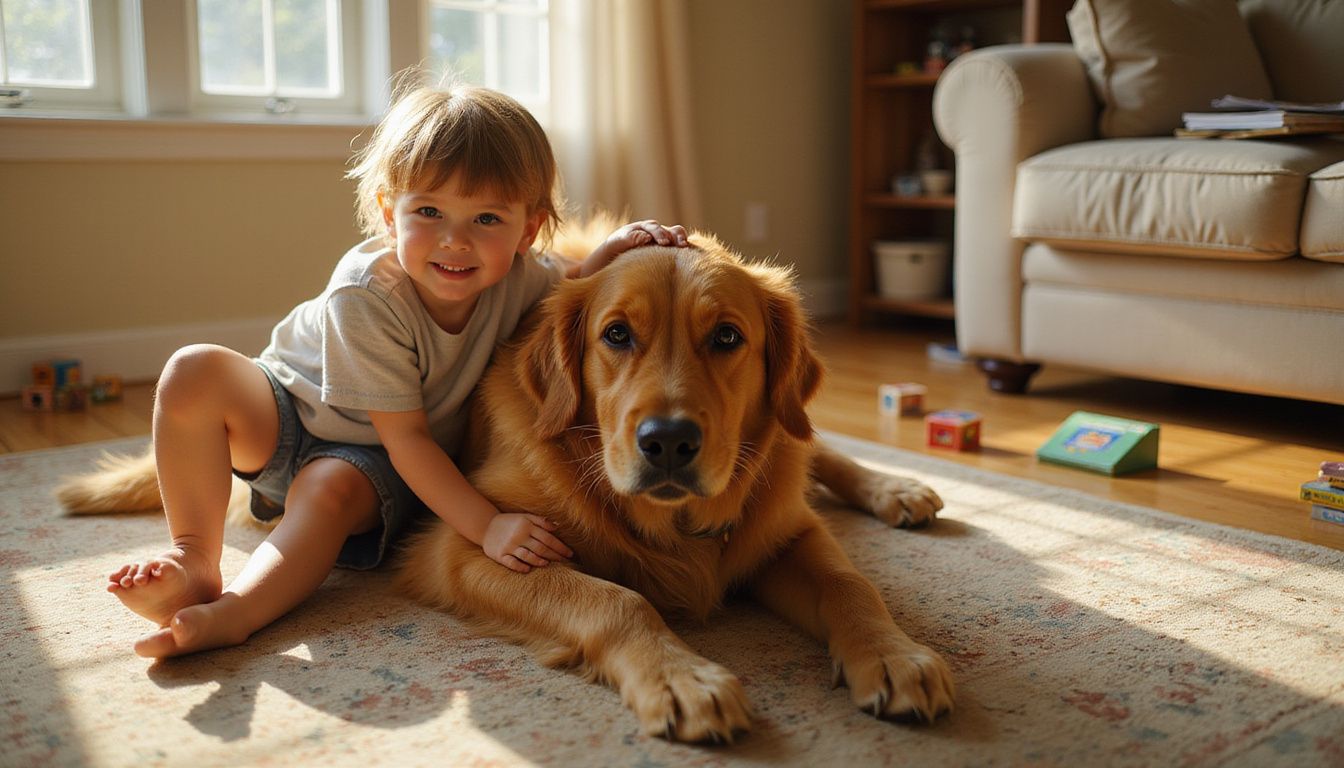
Some dog breeds stand out as some of the best family dogs for households with kids. These dogs bring patience, playfulness, and loyalty to your home in spades.
Why is the Labrador Retriever a great family dog?
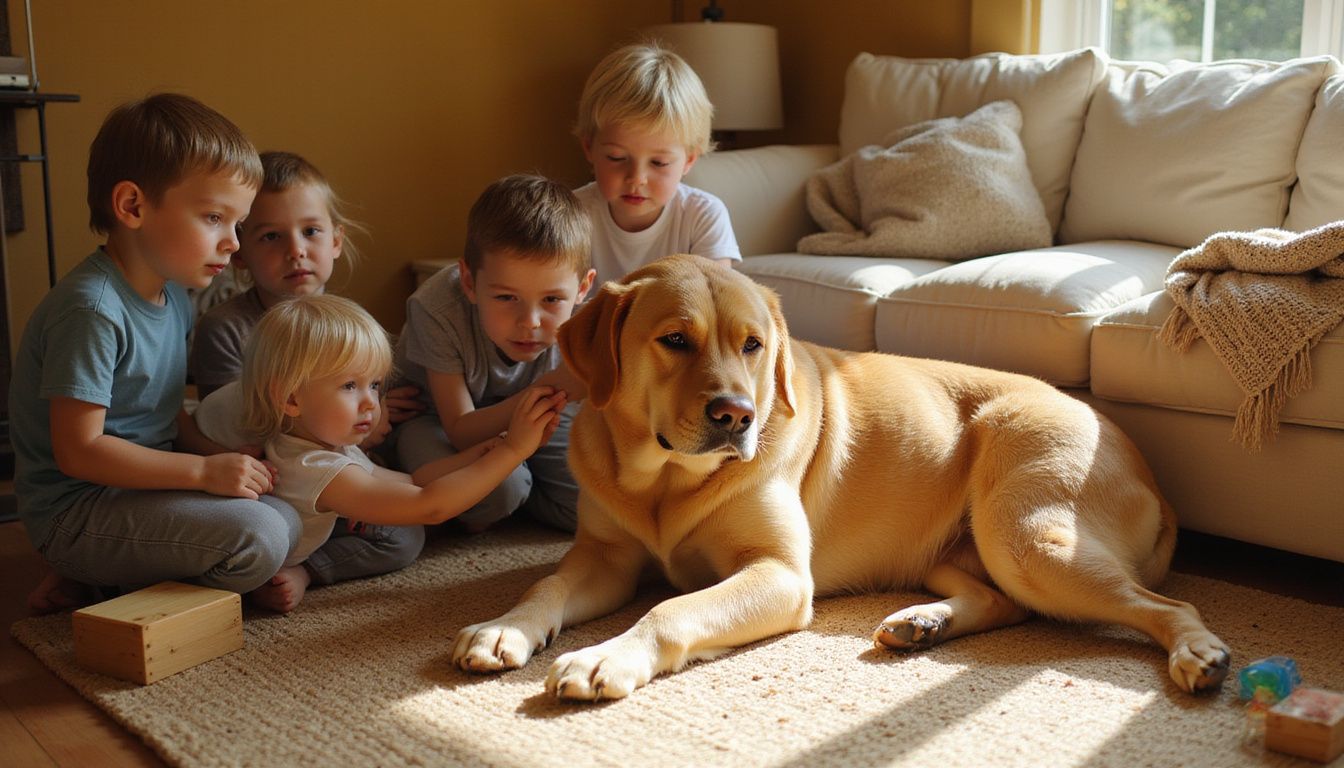
Labrador Retrievers held the title of America’s most popular dog for 31 years straight. According to the American Kennel Club’s 2026 breed popularity rankings, the French Bulldog has now taken the top spot, but Labs remain a close second, and it’s easy to see why. Labrador Retrievers shine as family dogs because they pack friendliness and affection into every wag of their tail.
Labs thrive on interaction and playtime, making them ideal companions for active families. Their calm nature means they tolerate the chaos of kids running around, toys scattered everywhere, and the occasional ear pull.
The American Kennel Club recognizes Labs as one of the most reliable breeds for households with young kids. Their intelligence makes training straightforward, and Labs want to please you, which turns training sessions into bonding time rather than a battle of wills.
- Friendly and affectionate with kids of all ages.
- Easy to train thanks to their eagerness to please.
- Calm under pressure, even during chaotic playtime.
- Low-maintenance short coat that frees up time for fetch.
Older Labradors often suit families with small children better than younger pups. Puppies bring endless energy that can overwhelm toddlers, while mature Labs have mellowed into patient, gentle companions.
If your family leads an active lifestyle with regular walks and outdoor adventures, a younger Lab works just fine. If you prefer a calmer household, adopting a senior Lab gives you a dog that’s already past the chaotic phase, and their short coats need minimal grooming, freeing up your time for what matters most.
What makes the Golden Retriever suitable for kids?
Golden Retrievers stand out as one of the best dog breeds for kids because they pack friendliness, energy, and patience into one lovable package. Their friendly demeanor makes them natural playmates for children of all ages, and they genuinely enjoy being around kids without much aggression or irritability.
Their high energy levels match the chaos of family life, so they keep up with your children’s games without wearing out fast. Golden Retrievers rank among the best large family dogs due to this temperament, giving you a big, gentle companion that won’t knock over toddlers or snap at curious hands.
Training them proves easy too, so your whole family can teach commands and good behavior together.
Golden Retrievers tolerate ear pulling, tail grabbing, and rough handling with remarkable calm, almost as if they understand that kids move unpredictably.
Golden Retrievers also protect your family without acting like the best guard dogs, striking a balance between watchfulness and friendliness. Their coat needs regular grooming, which gives your kids a chance to learn responsibility by helping with brushing sessions.
If allergies concern your family, keep in mind that Golden Retrievers shed quite a bit, so it’s worth checking with your doctor before bringing one home.
How does the Beagle fit into family life?

If you’re drawn to smaller breeds like the King Charles Cavalier Spaniel, Beagles offer a different but equally rewarding fit for your household. These energetic, friendly dogs bring joy to family settings, and these medium-sized hounds tolerate kids remarkably well.
Beagles rank among the best small and medium-sized dog breeds for families, according to American Kennel Club standards. Your family gets a dog that plays hard but also settles down when the moment calls for it, all packed into a manageable size that doesn’t need a huge living space.
Beagles thrive on interaction and adventure, which matches perfectly with families who love outdoor activities. Your kids will appreciate their playful nature and genuine affection.
Training a Beagle takes patience since they follow their nose more than commands, but that trait teaches kids about responsibility and consistency too.
The breed’s tolerance for children means your kids can learn about dog care without constant worry. Grooming needs stay simple thanks to their short coats, freeing up your time for actual playtime instead of endless brushing.
Their moderate energy level means they won’t exhaust your family, yet they’ll keep everyone entertained and engaged throughout the day.
What are the family-friendly traits of the Cavalier King Charles Spaniel?
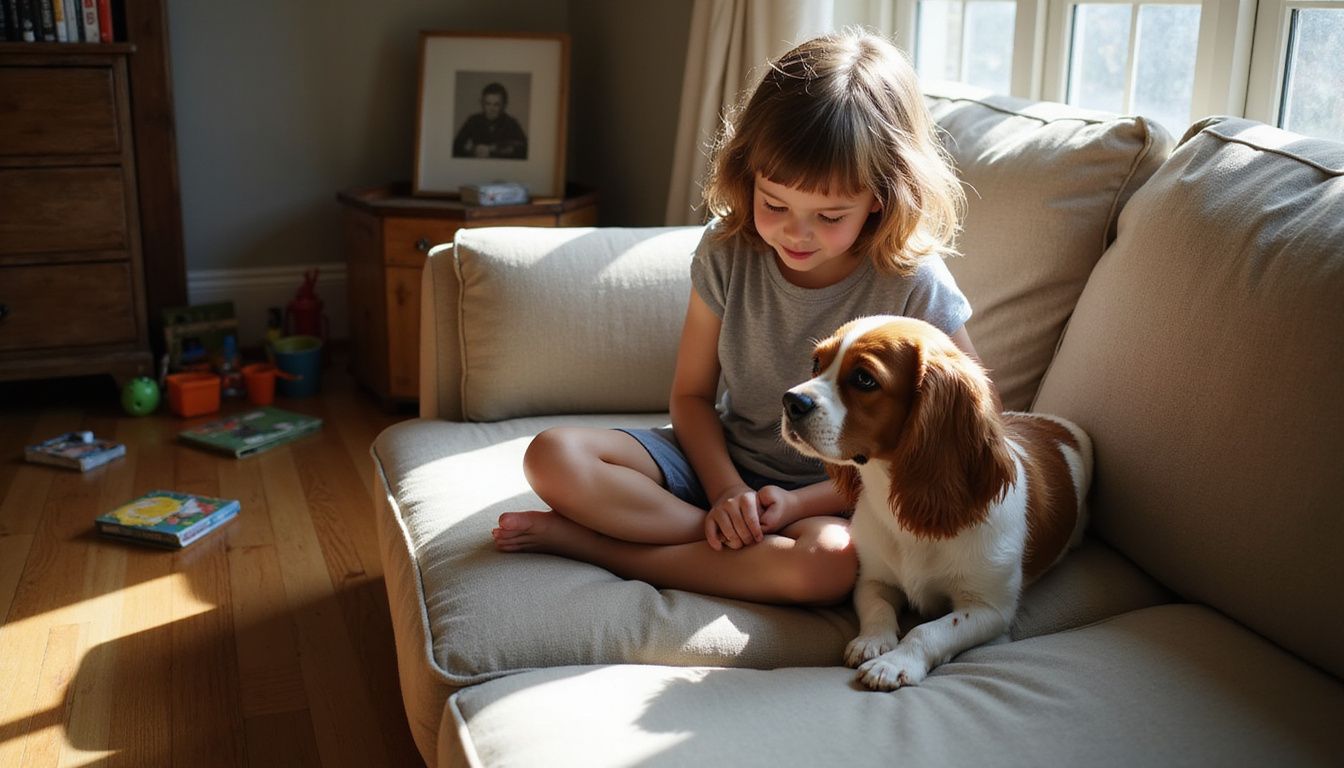
Cavalier King Charles Spaniels stand out as gentle companions that fit naturally into family life. These dogs show affection to everyone they meet, including your kids, and their forgiving nature means they tolerate the chaos of busy households without complaint.
Cavaliers carry moderate energy levels, so they enjoy playtime but also appreciate quiet moments on the couch. Their silky coats need regular brushing, which gives your kids a chance to bond with them through grooming.
The American Kennel Club recognizes this breed for its sweet temperament and adaptability. You’ll find Cavaliers rarely show aggression, making them trustworthy around young kids who are still learning how to interact with pets.
- Ask for proof of heart health screening, since Cavaliers face a higher risk of heart conditions.
- Request a written health guarantee from the breeder.
- Meet the puppy’s parents to check temperament in person.
- Confirm the breeder screens for genetic issues beyond heart health.
Finding a Cavalier from a reputable breeder matters a lot, since these dogs face real health challenges throughout their lives. Veterinary care becomes a key part of ownership when heart conditions are common in the breed.
Your family gets a loving, patient dog when you choose carefully. Cavaliers excel in homes where kids want a calm, affectionate friend rather than a high-energy playmate, thriving on human connection and cuddles.
Conclusion
You now have the roadmap to find your perfect family dog.
Temperament, energy level, and trainability matter most when you pick a breed that fits your household. The American Kennel Club offers solid resources for researching breeds like Labradors, Golden Retrievers, and Beagles, all proven winners with kids.
Your dog’s individual personality counts more than breed labels alone, so meet the actual animal before deciding.
Taking time to look at your family’s lifestyle, your kids’ ages, and a dog’s background sets you up for years of unconditional love, laughter, and cherished memories with one of the best dog breeds for kids.
FAQs
1. Are pitbulls good with kids?
Yes, many pitbulls are gentle and loving with children. According to the American Temperament Test Society, pitbulls have a passing rate of 87.4%, which is higher than many popular family breeds. They rank high in loyalty and often become fierce protectors of their family.
2. Is the Great Pyrenees a good family dog?
Absolutely. The Great Pyrenees is calm, patient, and great with kids, often weighing between 85 to 115 pounds of gentle giant. This breed also has a natural instinct to guard, which makes it a solid choice for families.
3. What about the American Bulldog? Are they safe around children?
Yes, the American Bulldog is strong, playful, and protective. They bond closely with their families and tend to watch over kids like little guardians.
4. Where can I learn more about dog breeds good with children?
AKC TV is a great place to start. It offers real footage and expert tips on breeds like pitbulls, the Great Pyrenees, and the American Bulldog.