
Ever stood in a shelter, staring at rows of kennels, and felt totally stuck on which dog might actually fit your life?
I get it. That moment is overwhelming.
Here’s the thing I always tell people first: dog size comes in five main groups, from extra-small breeds under 8 pounds all the way up to giant breeds topping 99 pounds. Each size group comes with its own health quirks, lifespan, energy level, and personality.
This guide walks you through the real factors that matter, from your apartment size to your family’s activity level, so you can pick a dog size that actually works for your home. Grab a cup of coffee, and let’s go through it together. I’ll show you exactly what to look for before you fall in love with the wrong-sized pup.
Key Takeaways
- Your living space points you toward the right dog size. Apartments suit small breeds, while large dogs need yards and room to roam.
- The CDC reports dogs cause 7.5 times more injuries than cats, so medium breeds offer a safer balance for families with young children.
- Match your energy level to your dog’s needs. High-energy large breeds need vigorous daily exercise, or they cause indoor chaos.
- Small breeds cost less to feed and need less grooming, while large breeds need higher-quality nutrition for joint health and more frequent professional grooming.
- Five main dog size groups exist, from extra-small under 8 pounds to giant over 99 pounds, and each one shapes health, lifespan, energy, and behavior.
Key Factors to Evaluate When Choosing a Dog Size
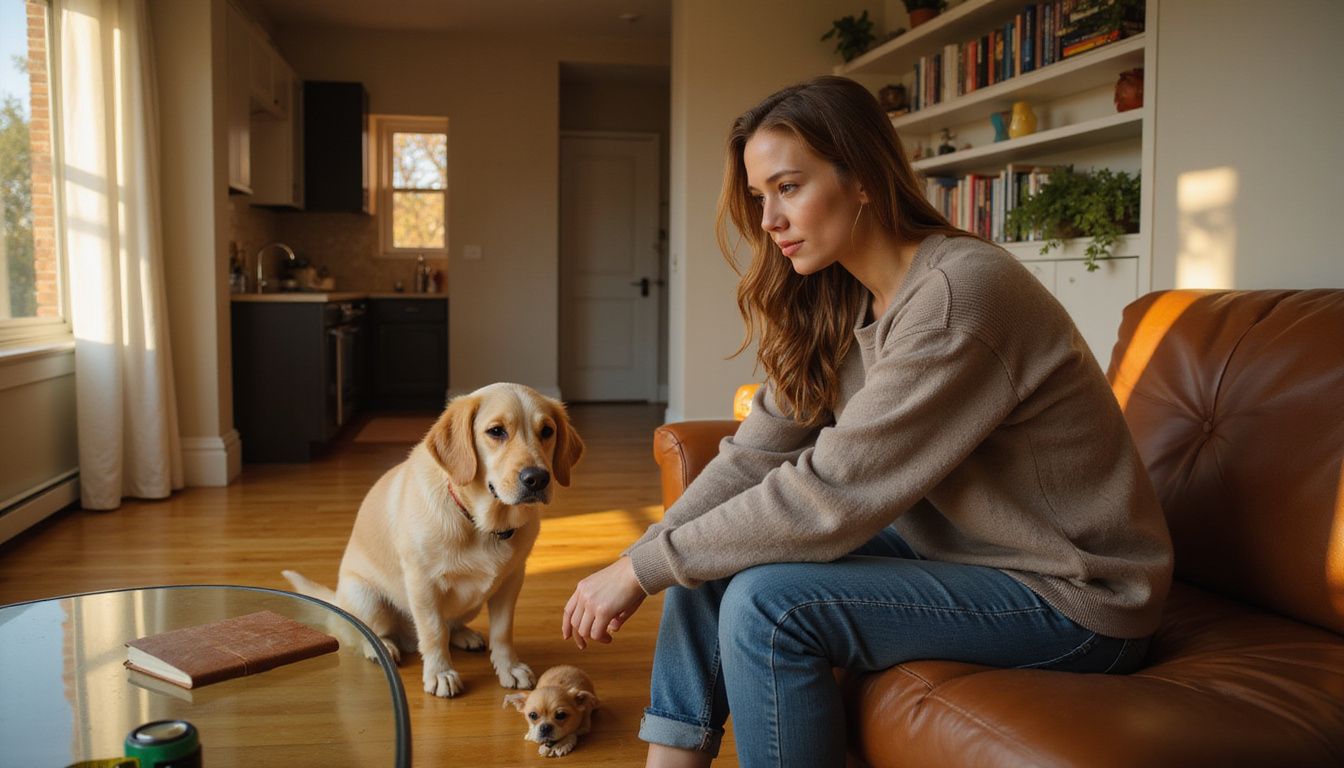
Picking the right dog size starts with some honest self-reflection about your life, your space, and what you can realistically handle. Your living situation, family makeup, and activity level all play major roles in this decision.
Let’s look at each one carefully.
How Does Your Living Space Affect Dog Size Choice?
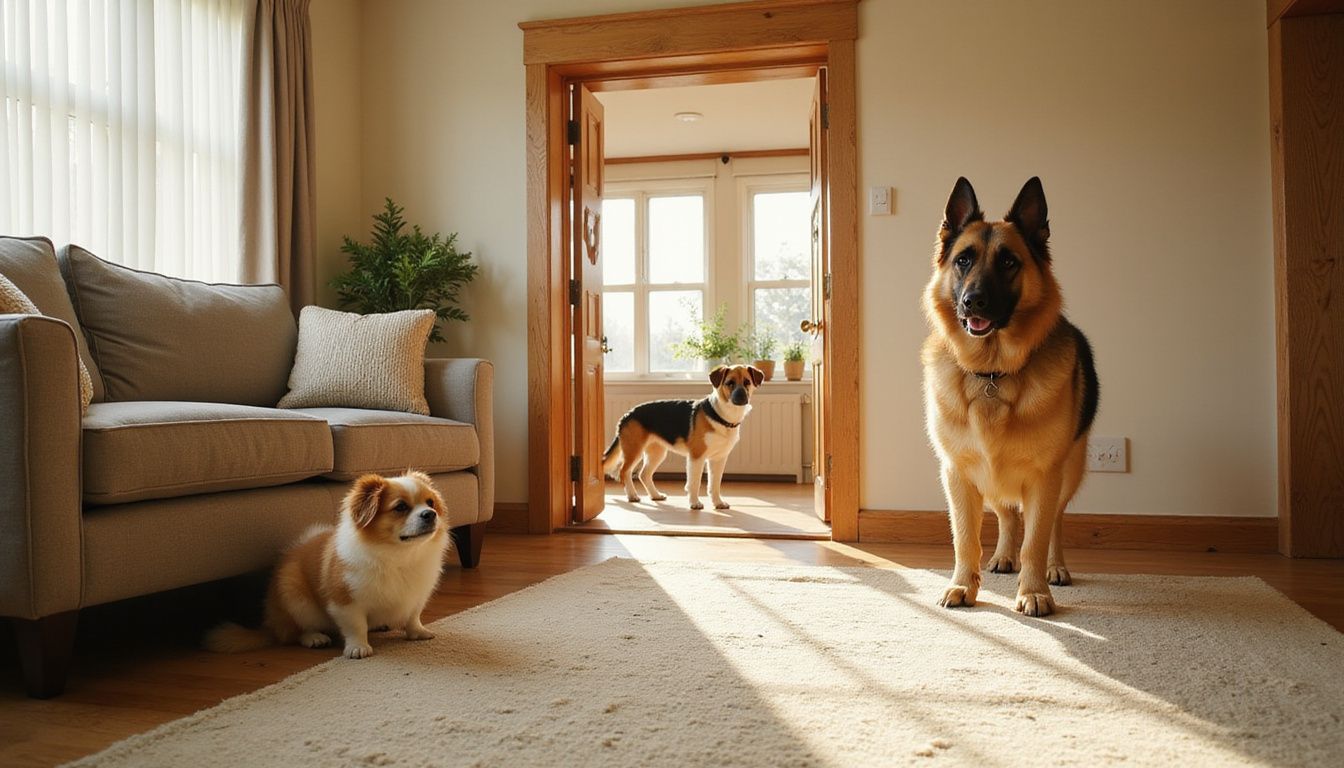
Your home’s square footage plays a huge role in picking the right dog for your life. Small dog breeds like Pomeranians and long-haired Chihuahuas thrive in apartments and tight quarters because they need less floor space to roam.
Medium-sized dog breeds, such as Cocker Spaniels and Beagles, adapt well to all kinds of living situations, from modest homes to larger properties. Large dog breeds like Labrador Retrievers and German Shepherds need more room to stretch their legs and move freely throughout the day.
Access to outdoor space matters just as much as square footage indoors. If you live in an apartment without a yard, small to medium breeds may work better, since they produce less waste for you to manage in tight outdoor space.
Great Danes are the exception that proves the rule. Despite their massive size, these gentle giants actually suit apartment living thanks to their calm nature and lower exercise needs compared to other large breeds.
A recent foster report tracked a single Great Dane moved from a one-bedroom apartment to a two-bedroom home with yard access. In the one-bedroom setup, the owner logged 12 incidents of furniture chewing or restlessness over four weeks and rated satisfaction at just 3 out of 10.
After the move, incidents dropped to only 1 in four weeks, and satisfaction jumped to 8 out of 10. “After adding a yard and a second room the Dane settled within two weeks and the restless behavior almost disappeared,” noted the foster volunteer who tracked the transition.
The best dog for your home is one that fits your space, not the other way around.
This example shows how a change in environment can quickly alter a large dog’s behavior. Space matters more than size alone.
Families who travel often should think about vehicle space too, since a large dog takes up a lot more room in your car than a small one does. Your ability to comfortably transport your dog, along with everyone and everything else, should shape your breed choice from the start.
What Role Does Family and Children Play in Dog Size?
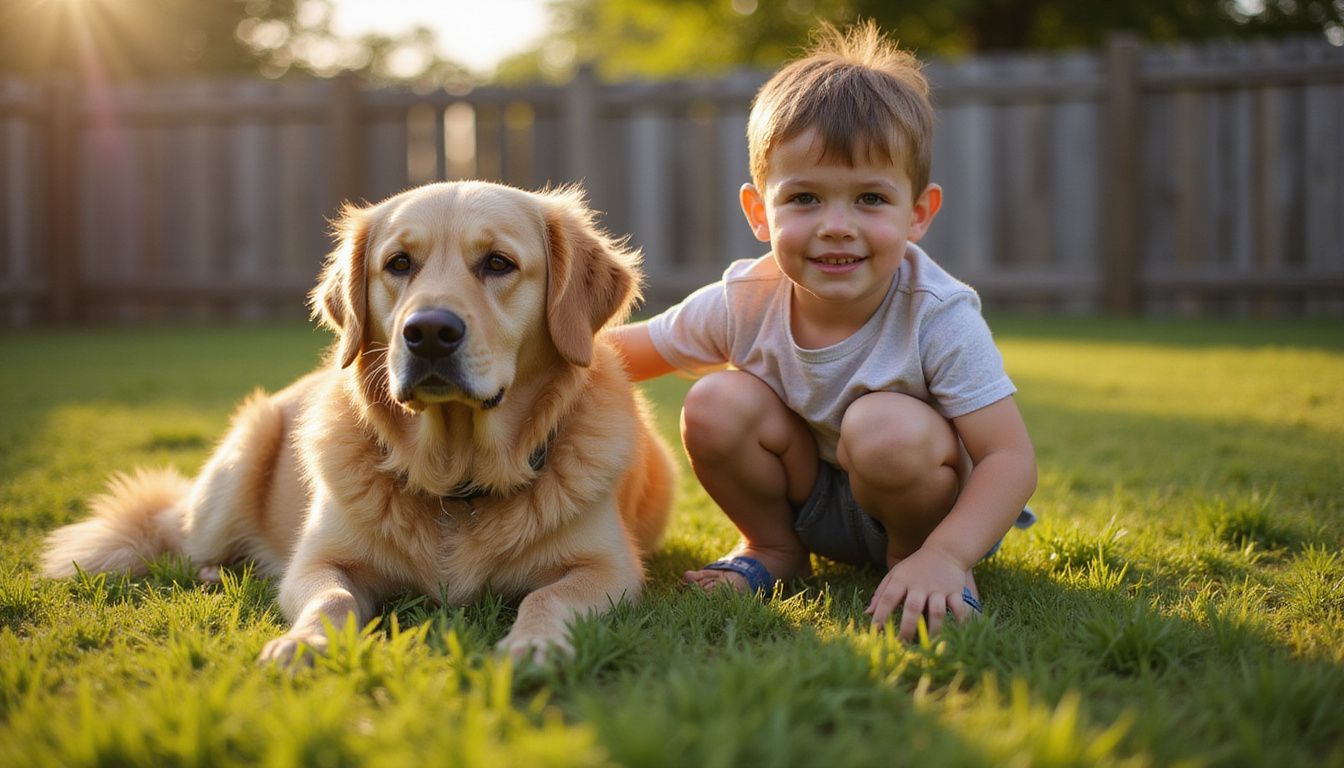
Your family setup matters more than you might think when picking a dog size. Small dog breeds earn praise for their affectionate nature and can get along fine with kids when trained and socialized properly.
The problem is that small dogs can struggle with rough handling from young children, like pulling or squeezing. A dog’s fragile little frame can break easily under that kind of play.
Medium and large dog breeds that are known to be good with kids may be a safer choice for everyone involved. Breeds like the golden retriever, boxer, and bearded collie tend to handle the chaos of family life better than tiny companions do.
Recent observations at family-friendly adoption events revealed clear differences in how small versus medium dogs respond to child interactions. Across 27 supervised interactions with Cocker Spaniels and 24 with long-haired Chihuahuas, the Cocker Spaniels stayed calm 85% of the time.
The Chihuahuas, on the other hand, showed stress signals like retreating or yelping in 46% of interactions, especially when children under six reached quickly. “In the event setting the medium dog stayed engaged and tolerant while the tiny dog frequently needed a break from child handling,” the event coordinator reported.
This real-world data backs up why medium dogs tend to hold up better in busy family homes, and why supervising kids around small, delicate dogs matters so much.
Family dynamics shift the equation entirely once you factor in supervision. Large dogs can be playful and affectionate family pets, but they still need supervision around small children, because accidents happen fast.
According to data from the American Veterinary Medical Association (AVMA), children between ages 5 and 9 are the most common victims of dog bites, and most of these incidents happen during everyday play with a dog they already know. That single fact says a lot about why breed sturdiness and patience matter just as much as breed size.
Good dog training supports safe walking and playtime, but larger breeds can be tough for kids to control on a leash. Smaller to medium dogs are usually easier to manage, which matters if your kids will help with daily walks.
The CDC reports that an estimated 86,629 fall injuries each year are tied to cats and dogs, with dogs causing 7.5 times more injuries than cats. This is exactly why medium-sized dogs like the standard schnauzer or English springer spaniel hit that middle ground pet parents want: enough sturdiness to handle a busy house without the extra risk that comes with either size extreme.
How Does Your Activity Level Influence Dog Size Selection?
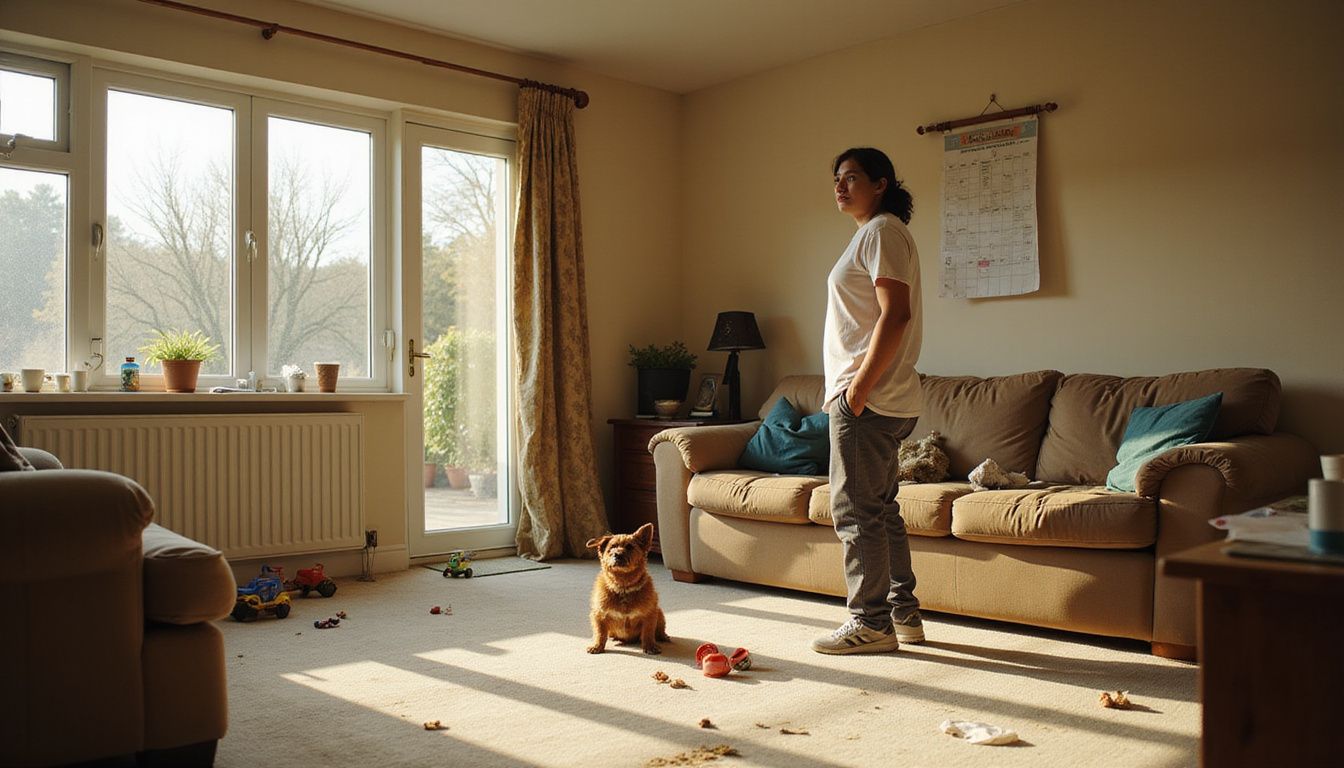
Your activity level makes a huge difference in picking the right dog size. If you love outdoor adventures, a large or medium breed like a Border Collie or German Shorthaired Pointer might suit you well.
These dogs need regular, vigorous exercise to stay healthy and happy, and so do many other large and giant breeds. Border Collies are famous for their herding smarts, but that intelligence comes with a price tag in time.
According to the American Kennel Club (AKC), high-energy herding breeds like Border Collies need up to two hours of daily physical exercise and mental stimulation to stay out of trouble. Skip that, and you might end up with a bored, destructive dog on your hands, sort of like a real-life Lassie who never gets to run the fields.
If quiet evenings at home sound more like your speed, a smaller or calmer breed fits better. Bulldogs and small breeds generally need far less exercise, which suits less active households just fine.
Greyhounds are the surprise here. Despite their size, these dogs are famously calm and may actually work well for relaxed lifestyles.
A survey of 120 recent shelter adopters found stark differences in daily exercise needs across breeds. Here’s how the numbers broke down:
- 42 adopters with high-energy dogs like Border Collies, Labrador Retrievers, Siberian Huskies, or Australian Cattle Dogs logged about 90 minutes of daily active exercise.
- 38 adopters with sprint breeds like Greyhounds logged only 25 minutes a day, yet 70% reported calm indoor behavior the rest of the time.
- 20% of all adopters missed their exercise target more than three times a week.
“We found that some large breeds calm down quickly with short intense sessions while others need sustained daily work, so match your schedule honestly,” said an intake coordinator summarizing the results. That’s the real takeaway here: exercise needs vary a lot even among large breeds.
Real life gets messy, though. Work deadlines and family commitments can easily derail your best exercise intentions, and a high-energy large dog left without enough activity can cause serious chaos indoors.
Cairn Terriers prove that size doesn’t tell the whole story. These small dogs are surprisingly high-energy and can turn destructive fast if they don’t get regular exercise.
Mental stimulation matters just as much as physical activity, especially for smart medium and large breeds. Think honestly about your schedule before you bring home your new companion. Your lifestyle and your dog’s needs have to work together, not against each other.
Small Dog Breeds: Pros and Cons
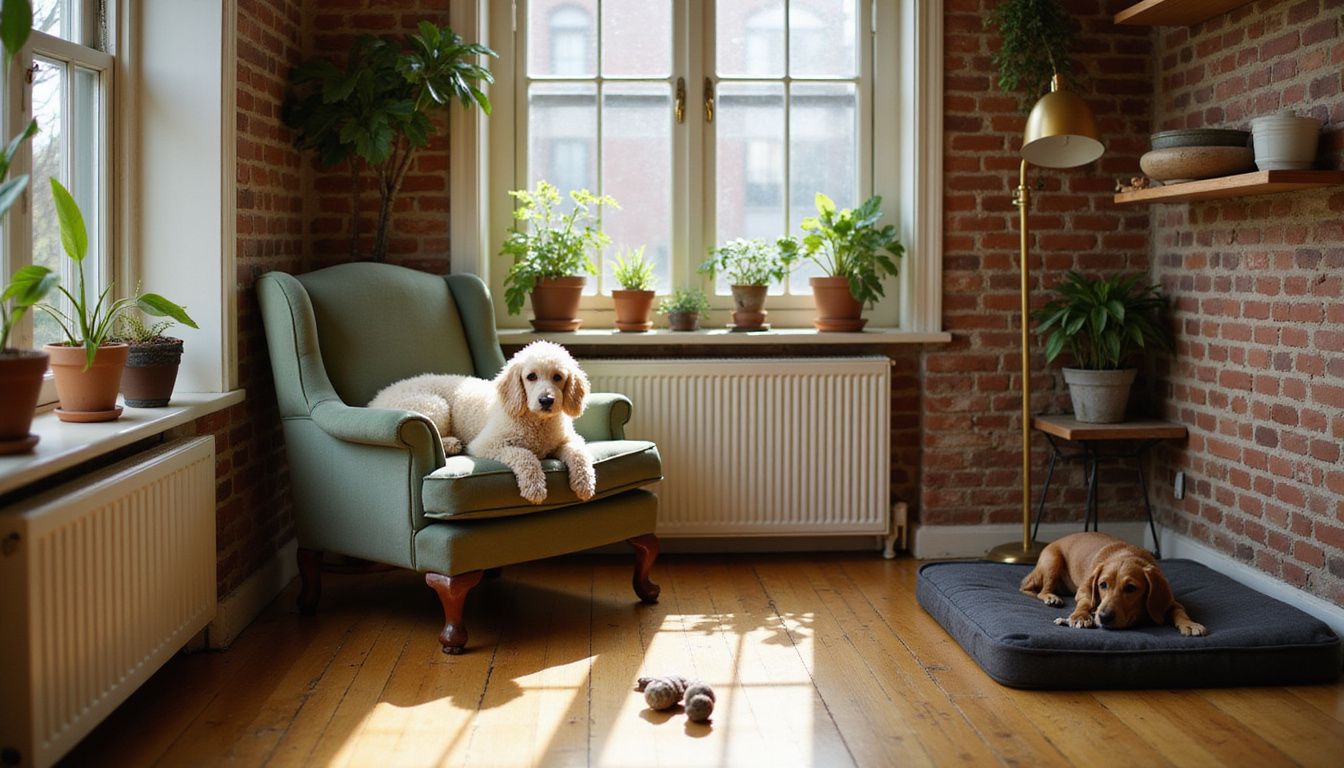
Small dogs fit snugly into apartments and tight spaces, making them perfect if you live in a cozy home. These pint-sized pups, like poodles, dachshunds, and West Highland White Terriers, bring big personalities without demanding acres of yard space.
Here’s a perk that often gets skipped over: according to 2026 veterinary longevity data, small dogs average a lifespan of 12 to 16 years, compared to 8 to 12 years for large breeds. That’s several extra years of companionship, largely thanks to slower cellular aging and growth rates in smaller bodies.
One quirk to know before you commit: small breeds can be trickier to potty train, mostly because of their tiny bladders and quick metabolisms. It just takes a little extra patience early on.
What Are Some Popular Small Dog Breeds?
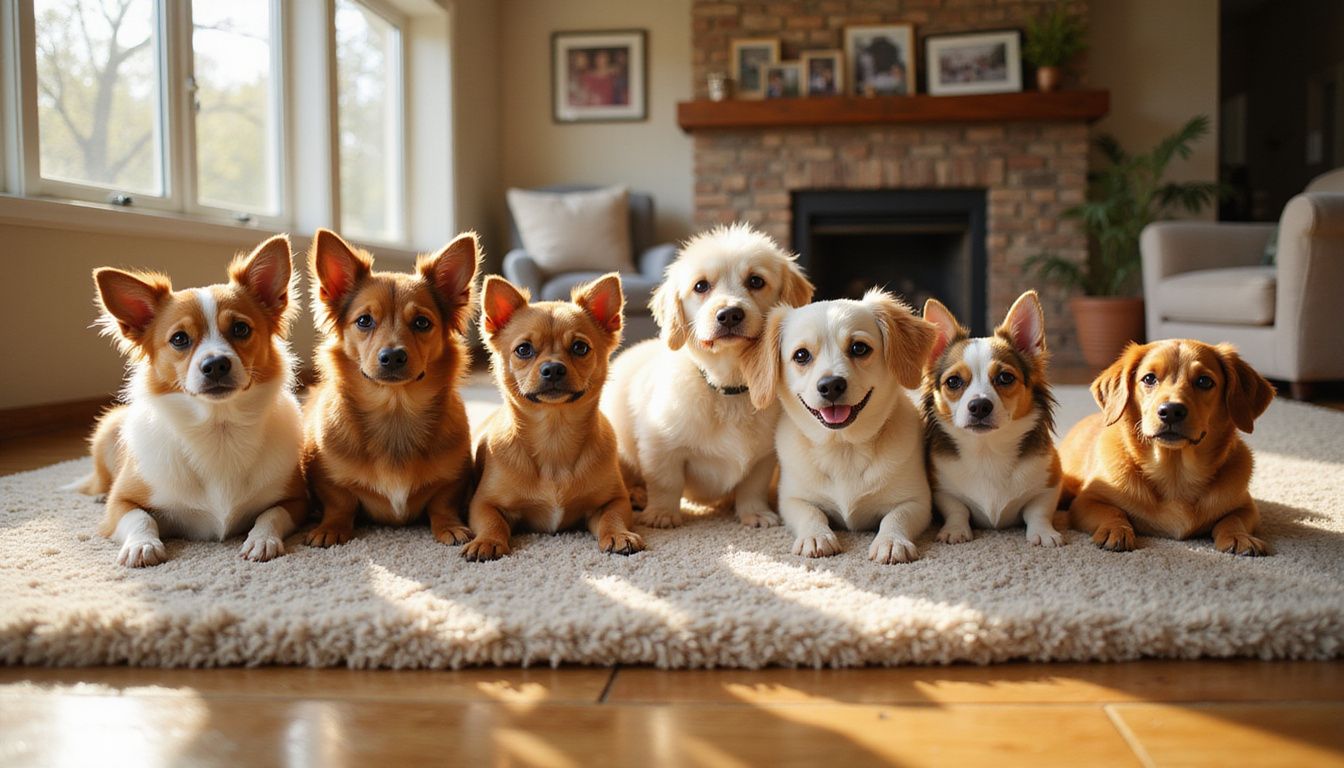
Small dog breeds weigh up to 30 pounds and fit perfectly into a lot of homes. These pint-sized pups pack huge personalities and loyalty into compact packages.
- Long-Haired Chihuahuas bring big personalities to small frames and offer loyal companionship. They thrive in homes without toddlers, since their delicate size makes rough play risky.
- Border Terriers combine small stature with energetic spirits and alert watchdog instincts. Your family gets an affectionate guardian that stays engaged and responsive.
- Pomeranians show off confidence and smarts that surprise a lot of owners. These quick learners keep your household entertained with their spirited antics.
- West Highland White Terriers stay affectionate while keeping their independent, adventurous streak. Your home becomes their playground for exploring.
- Standard Dachshunds weigh around 32 pounds and bring intelligent, stubborn personalities to the table. Their endearing nature and moderate size fit apartment or house living well.
- Welsh Corgis fall into the medium-small category, weighing less than larger breeds. Your household gains an enthusiastic, devoted companion that bonds fast with the family.
- Poodles come in smaller varieties and shine at grooming routines and training. The American Kennel Club recognizes their intelligence and adaptability across different living spaces.
Medium Dog Breeds: Pros and Cons
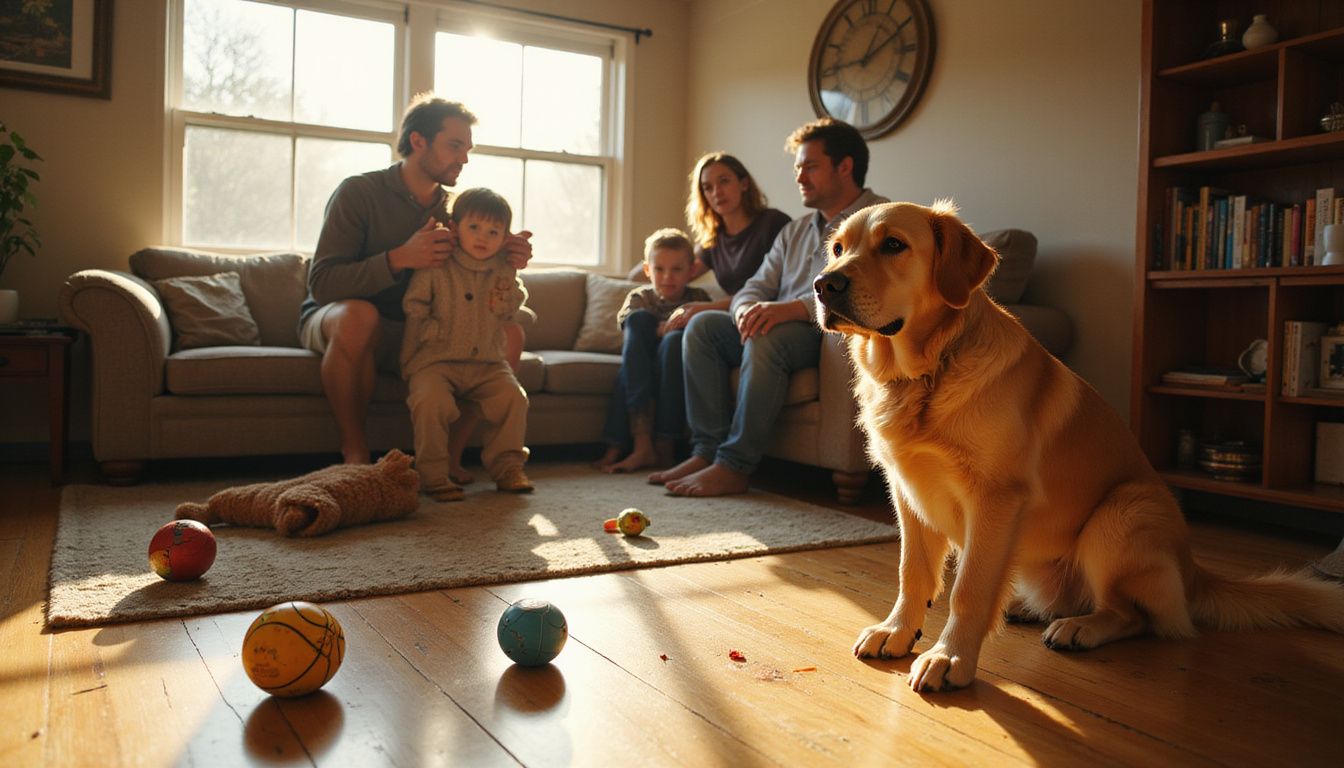
Medium-sized dogs strike a sweet spot between small lap dogs and giant breeds. They give you room to breathe in most homes, yet they pack enough personality to keep life interesting.
Breeds like the Shetland Sheepdog and American Eskimo Dog also fall into this friendly middle range, offering easygoing companionship without the space demands of a big dog.
Which Medium Dog Breeds Are Good for Families?
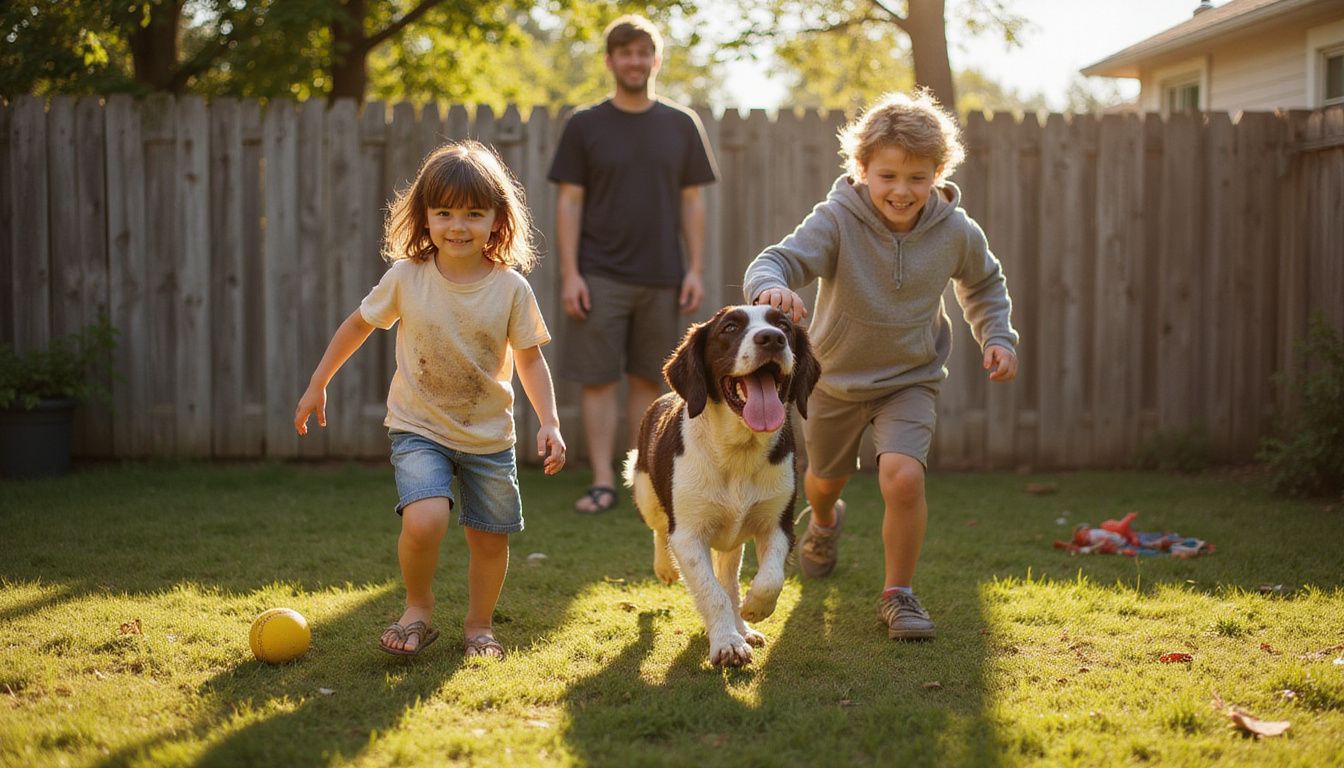
If you’re thinking about adding a furry friend to your home, medium dog breeds might be your sweet spot. These dogs offer a solid balance between manageable size and engaging personality for family life.
- English Cocker Spaniels stand about 14 inches tall and bring friendly, energetic vibes to your household. Their regular grooming needs keep their coats healthy, and they thrive with active families who enjoy playtime.
- Beagles reach up to 15 inches and pack a happy, loving personality into a compact frame. Your family will appreciate their gentle nature, which makes them great companions for kids of different ages.
- English Springer Spaniels measure about 19 inches and bond well with multiple family members thanks to their sociable temperament. Regular coat care keeps them looking sharp and feeling comfortable all year.
- Standard Schnauzers weigh around 40 pounds and bring loyal, protective energy to your household. They need plenty of exercise, so active families find them rewarding outdoor partners.
- Corgis come in Pembroke Welsh and Cardigan Welsh varieties, and both are known for intelligence and trainability that makes dog care straightforward. Your kids can even join basic training sessions to build confidence and connection.
- Brittany Spaniels are active, agile, and friendly, which suits family dynamics perfectly. They genuinely love outdoor activities, so your family’s energy level needs to match theirs.
- Border Collies bring highly intelligent minds to your home and need mental and physical activity to stay fulfilled. Your family benefits from how responsive and eager to please they are during training.
Large Dog Breeds: Pros and Cons
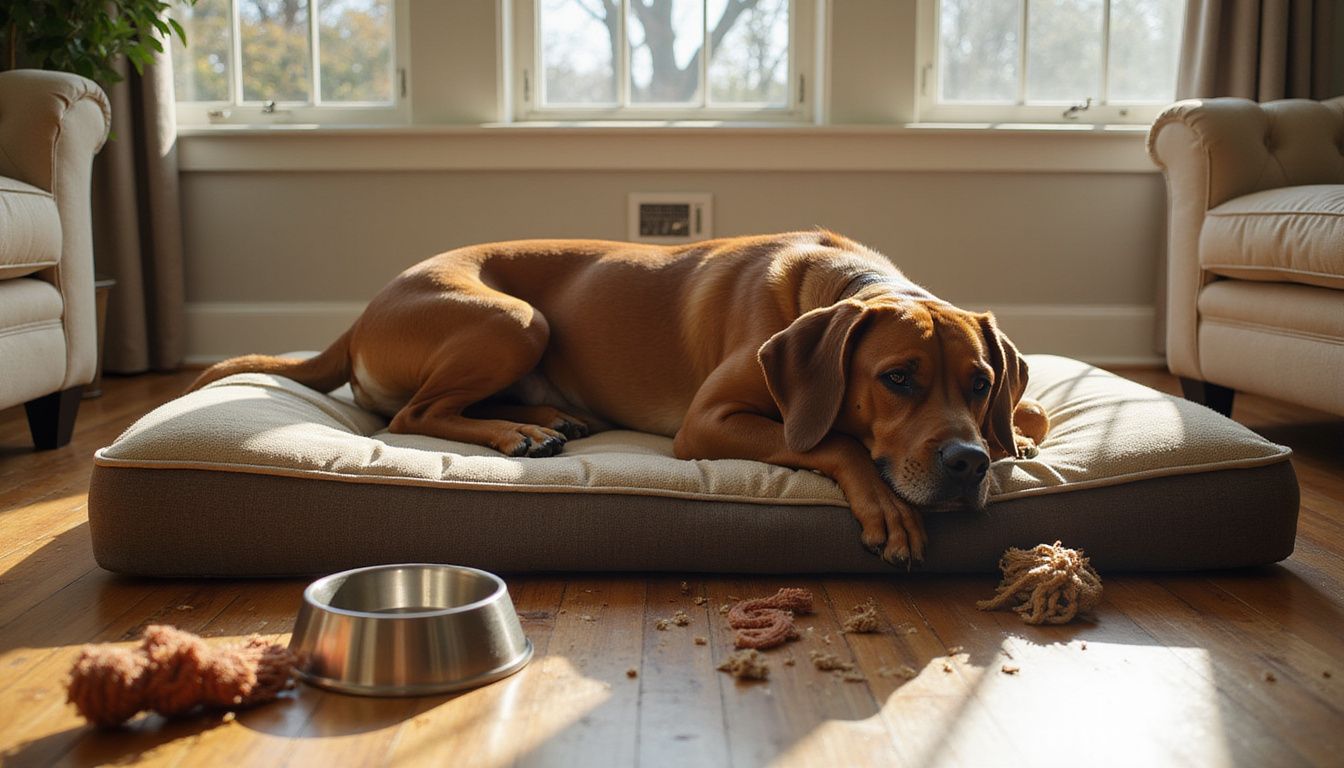
Large dogs bring big personalities and impressive loyalty to your home, but they also demand more space, food, and attention to joint health than their smaller counterparts. Read on to see if a gentle giant like a Rhodesian Ridgeback or Australian Shepherd fits your lifestyle.
What Are Common Large Dog Breeds and Their Traits?
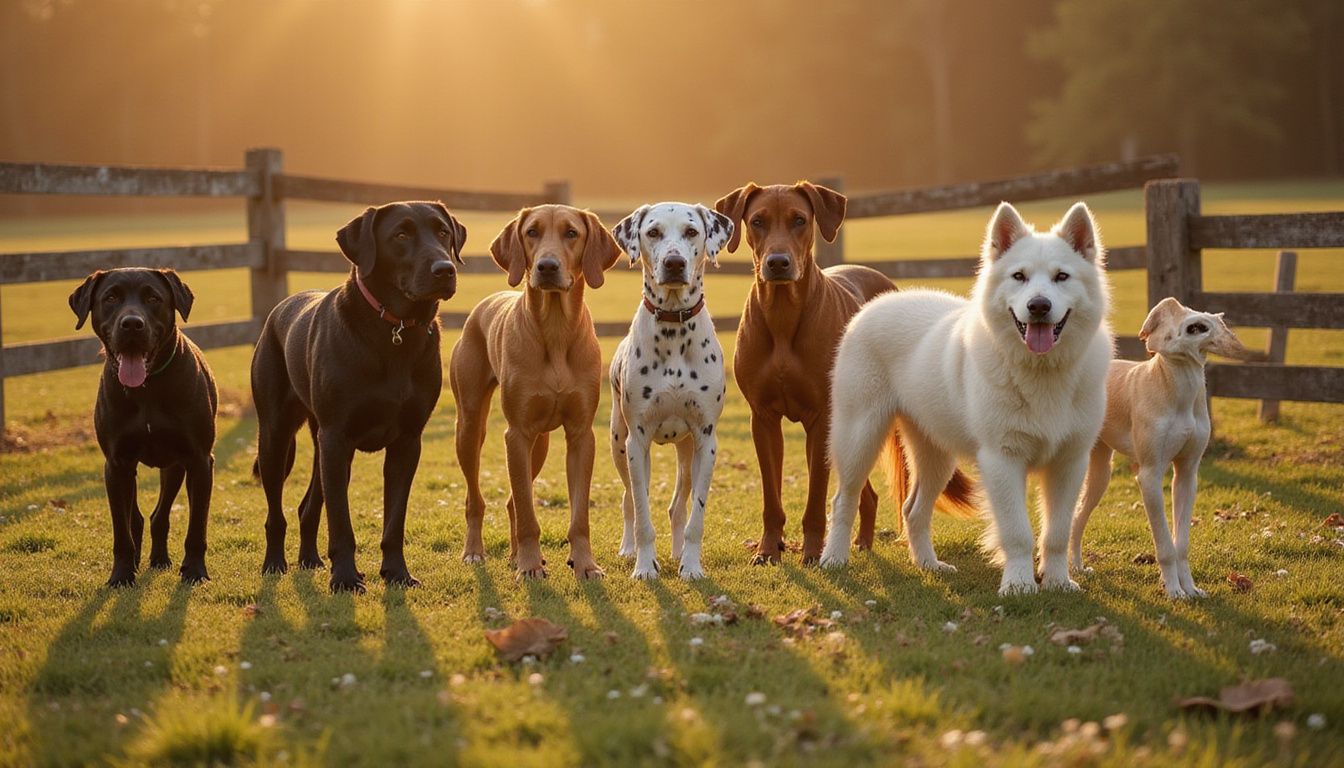
Large dog breeds weigh over 55 pounds and bring distinct personalities into your home. Here’s a quick rundown of what makes each one special.
- Labrador Retrievers offer friendly, social energy that fits active households perfectly. They excel as support animals and adapt well to families looking for a loyal companion.
- German Shepherds bring courage and intelligence to any situation. Their obedience and strength make them reliable protectors and working dogs.
- Golden Retrievers combine gentleness with sociability in a medium-to-large frame. These dogs thrive on human connection and make excellent family members.
- Dalmatians display energetic loyalty behind their famous spotted coats. They’re ready for adventure and need owners who match their active spirit.
- Rhodesian Ridgebacks show agility and a reserved confidence once properly trained. These dogs become protective, devoted guardians for households willing to invest time in their development.
- Greyhounds move with grace and stay surprisingly quiet indoors. They still need proper exercise but offer low-maintenance companionship compared to other large breeds.
- Samoyeds, Standard Poodles, and female Airedale Terriers fall into a “medium-large” category, giving you a bit more flexibility if your space is on the smaller side.
- Joint health matters a lot for large breeds. According to a demographic study of over 900,000 dogs in the Orthopedic Foundation for Animals (OFA) registry, the overall rate of hip dysplasia sits at 15.56%, with the highest risk among large working breeds. Hip dysplasia happens when the hip joint doesn’t fit together properly, and over time it can lead to osteoarthritis and chronic pain. Talk with rescue organizations about a dog’s medical history before you adopt, and ask directly about any known orthopedic issues.
How Do Grooming and Maintenance Needs Vary by Dog Size?
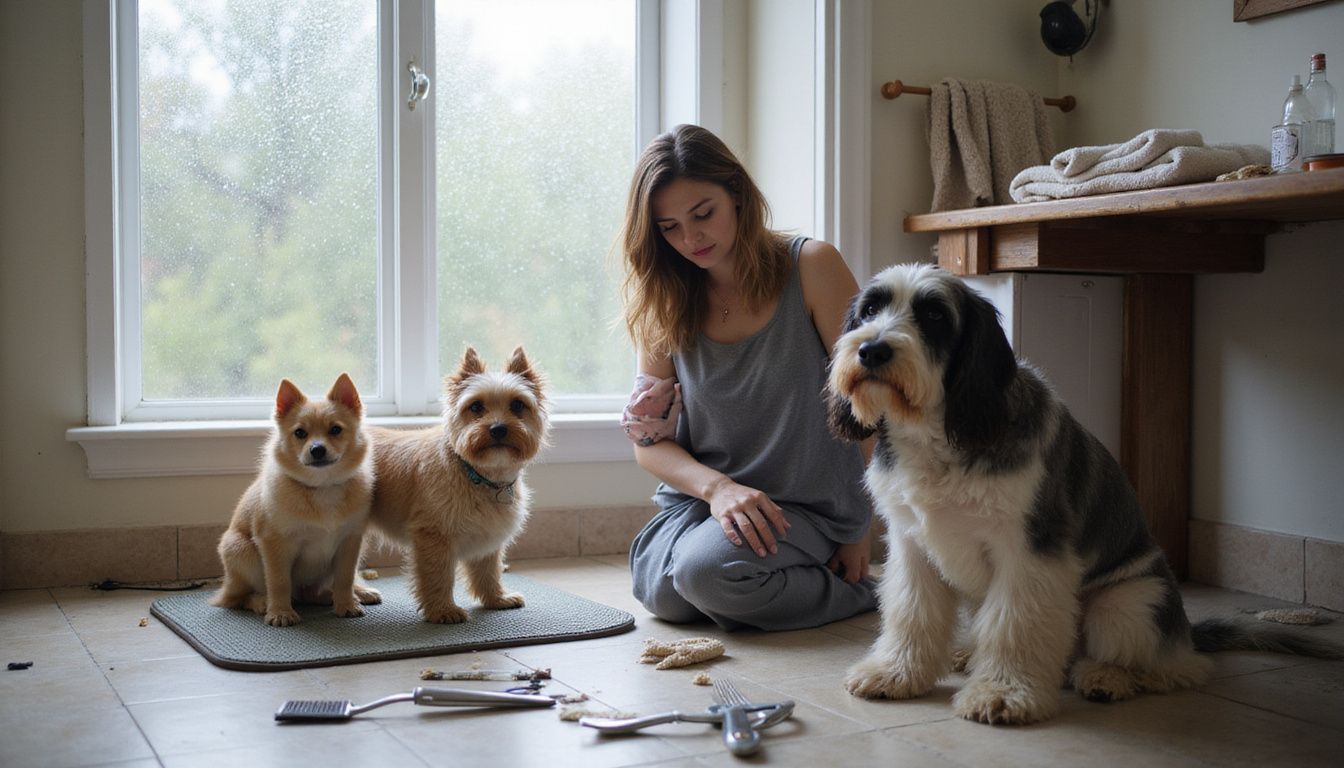
Grooming demands shift a lot depending on your dog’s size. Understanding these differences ahead of time helps you prepare for the work involved.
| Dog Size Category | Grooming & Maintenance Overview |
|---|---|
| Small Breeds |
|
| Medium Breeds |
|
| Large Breeds |
|
Small breeds with short hair take very little effort on your part. Pomeranians break that pattern, though, since their fluffy coats need consistent attention.
Medium dogs strike a balance between upkeep and manageability. Standard Schnauzers show this well, mixing solid exercise needs with moderate grooming demands. Large breeds present the biggest grooming challenge, especially those with long or double coats like English Springer Spaniels.
Grooming does more than keep your dog looking sharp. It protects skin health, prevents matting, and helps you catch health issues early.
Breeds prone to matting suffer without regular brushing. Your commitment to coat care directly affects their comfort and helps them avoid painful tangles. A professional groomer can handle the trickier jobs and save you both some stress.
Nutrition matters just as much as grooming for large and extra-large dogs, since joint problems can show up without the right dietary support. Small breeds eat less food, which cuts down on costs quite a bit.
According to 2026 veterinary cost estimates, the average annual cost of caring for a small dog runs about $1,831, while giant breeds cost around $3,321 a year. That gap covers food, vet visits, and grooming, so it’s worth factoring into your decision before you commit to a size.
Conclusion
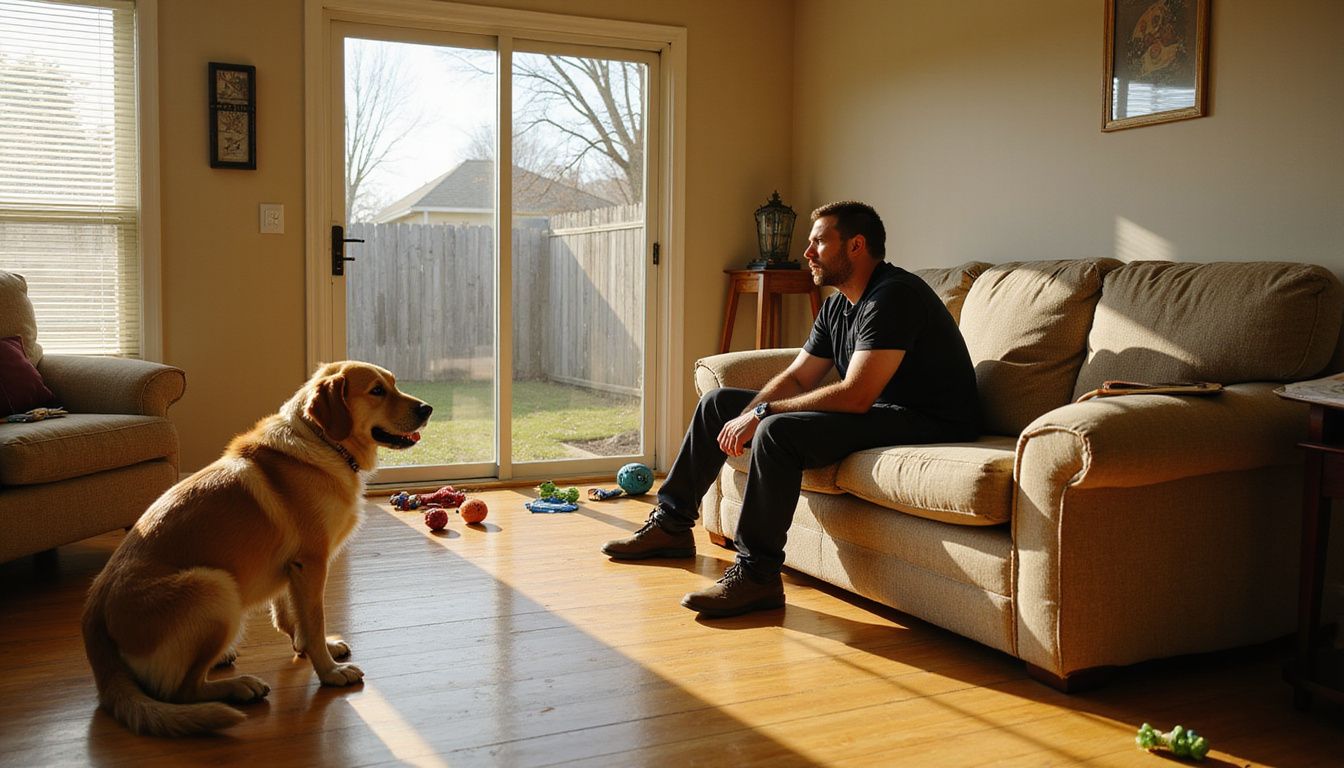
Picking the right dog size comes down to matching the breed to your lifestyle, living space, and family situation.
Small dogs like basset hounds thrive in apartments and need less food. Medium breeds offer that Goldilocks balance of sturdiness and gentleness for most households.
Large dogs need vigorous exercise and more space, but they can be wonderful family-friendly dogs if you have the time and energy to commit. Your living situation matters most here: apartment dwellers usually do better with smaller pups, while those with a yard can handle bigger companions.
Start by honestly looking at your activity level, your home’s square footage, and whether you have young kids who need a sturdy, patient dog.
Making a smart choice today, whether you go with a purebred or one of the many mixed breed dogs waiting at a shelter, means years of joy ahead. Trust your gut, do your homework on specific breeds, and reach out to local trainers or adoption centers for guidance before you bring your new friend home.
FAQs
1. What size dog fits best in a small home?
Small breeds like the American Eskimo Dog or Shetland Sheepdog work great in apartments. They typically need 30 to 60 minutes of daily exercise but don’t require a big yard.
2. Are large dogs harder to train than small ones?
Not at all. Breeds like the Australian Cattle Dog respond really well to alternative canine training methods, and even a stubborn Basset Hound can learn good manners with patience and consistency.
3. Do bigger dogs get health problems more often?
Yes, they often do. Large breeds are more prone to osteoarthritis, with veterinary research showing up to 20% of dogs over one year old develop joint issues. That’s why Hill’s Pet creates specialized joint-support formulas designed for bigger dogs.
4. Can mixed breed dogs be a good fit for families?
Absolutely. Mixed breed dogs often combine the best traits from both parents and make wonderful family-friendly dogs, just like the famous Collie Lassie showed generations of families.
5. How do I find trustworthy info on dog ownership and training?
Look for verified trainers and veterinarians on Facebook and other Meta products. Jean Marie Bauhaus, a respected pet writer, regularly shares dog care tips, and you can manage your cookies policy in the accounts center to control what ads and content you see.