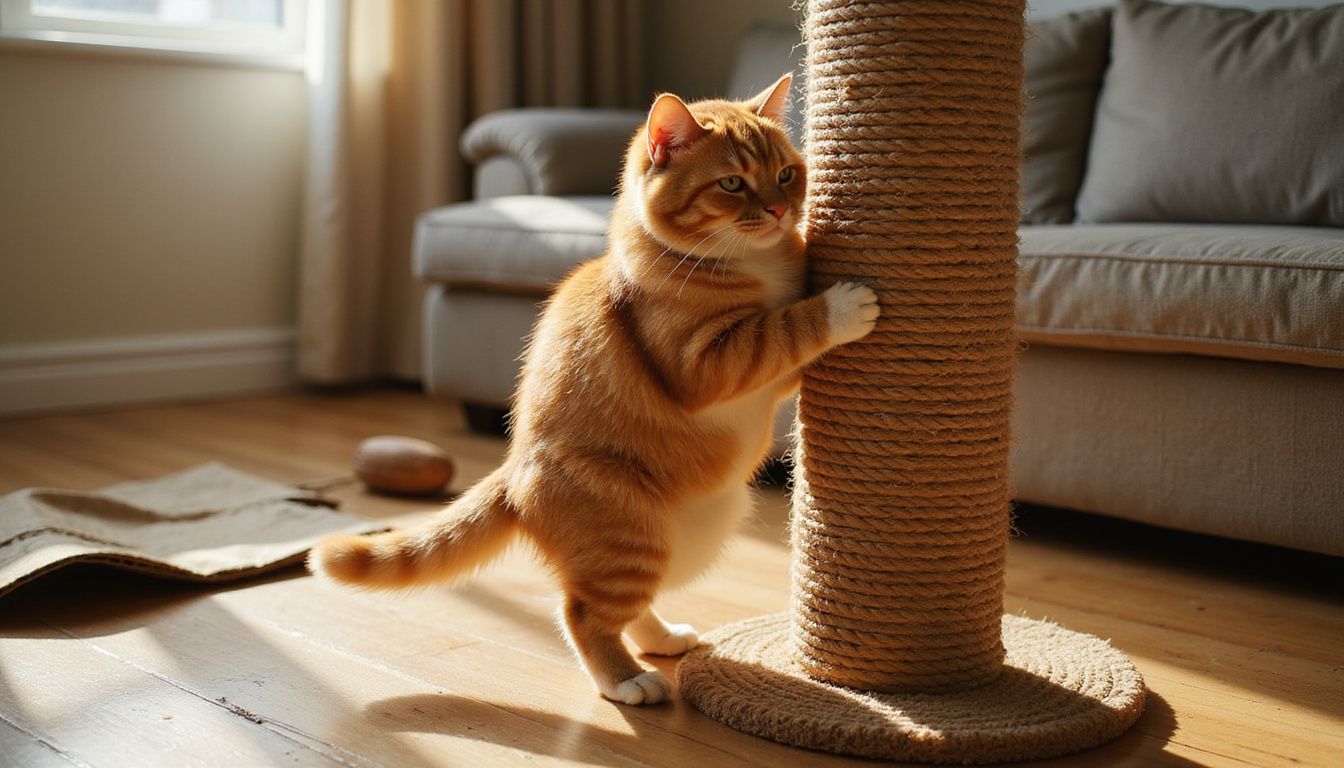
Thinking about bringing home a cat, but worried about your favorite armchair?
You’re picturing claw marks on your couch before you’ve even picked a name for your new roommate. That’s a fair worry, but scratching is normal cat behavior, not bad behavior.
Cats scratch to sharpen their claws, stretch their muscles, mark their space, and blow off steam. It’s built into who they are.
Here’s the trick I’ve found that changes everything: you don’t have to choose between a happy cat and nice furniture. With the right alternatives to declawing, you can have both.
I’m going to walk you through exactly how scratching works, why declawing isn’t the answer, and how to protect your furniture without hurting your future pet. Grab a coffee, and let’s get your home ready for its newest resident.
Key Takeaways
- Cats scratch to mark territory, sharpen claws, stretch their muscles, and manage stress. These are natural behaviors that matter for their physical and emotional health.
- Scratching posts, nail trims every two to four weeks, and nail caps are humane alternatives to declawing that protect your furniture and respect your cat’s health.
- Placing scratching surfaces strategically near targeted furniture, combined with pheromone products like Feliway, redirects destructive scratching effectively.
- Double-sided tape, scratch-resistant covers, and pet-safe repellents create physical barriers that stop furniture damage without scaring or hurting your cat.
- Interactive toys, food puzzles, and daily play sessions reduce stress-related scratching by keeping your cat’s mind busy and easing boredom.
Reasons Cats Scratch
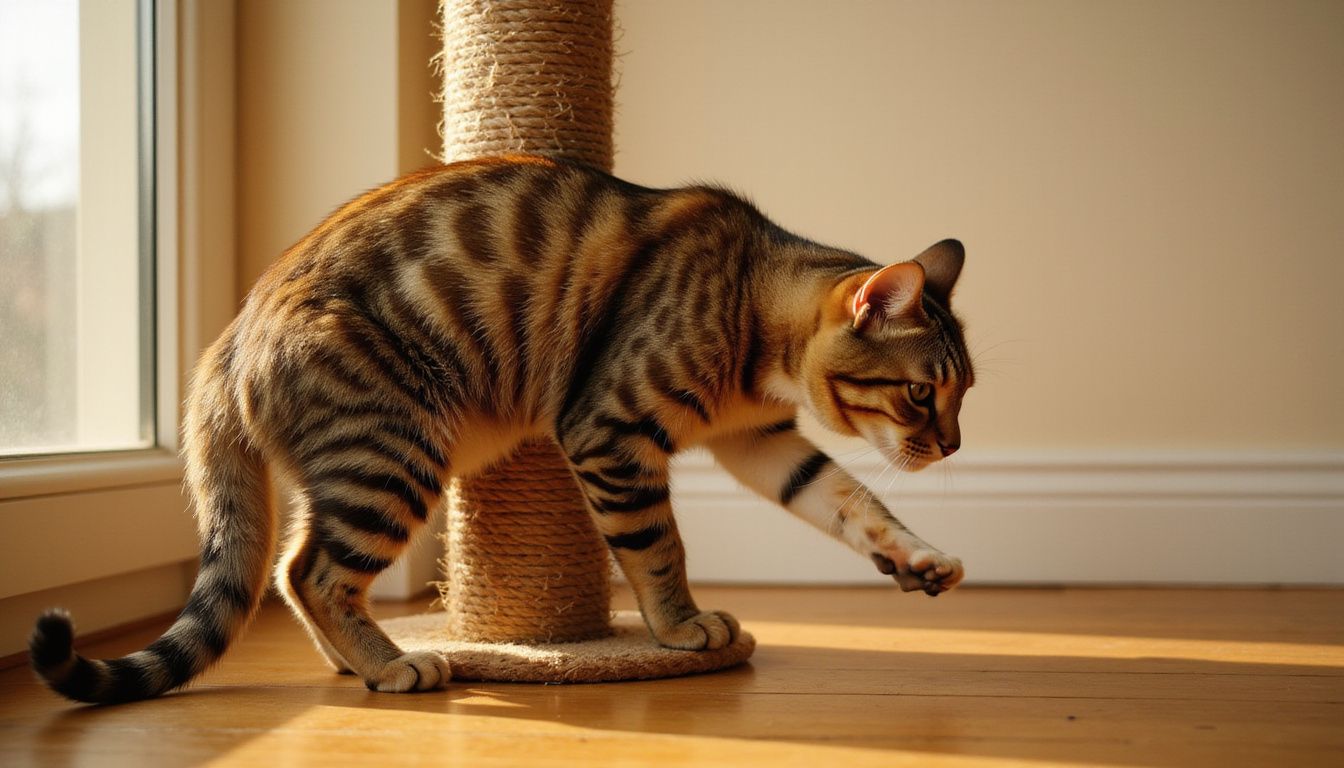
Your cat scratches for real reasons, not out of spite or boredom. Scratching marks territory, sharpens claws, stretches muscles, and calms your cat’s nerves.
Why do cats scratch to mark territory?
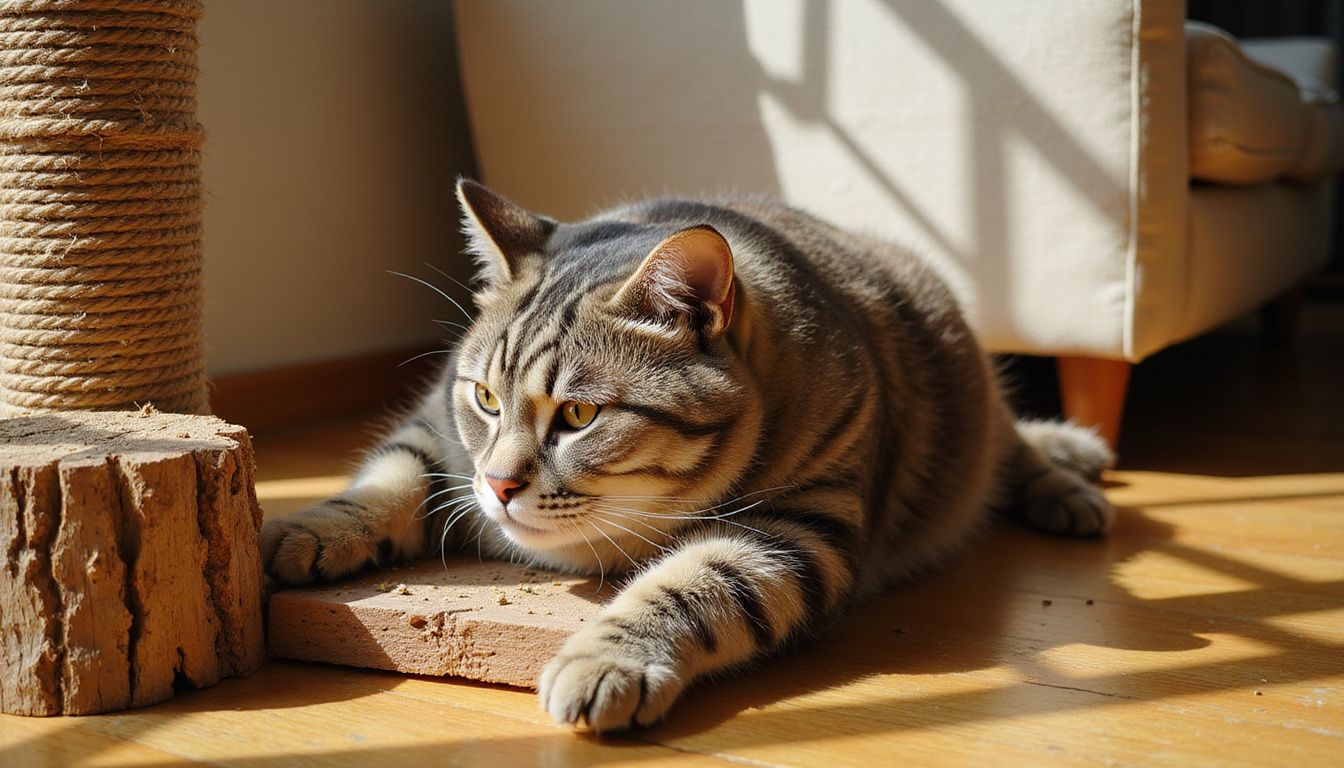
Cats mark territory using scent glands tucked right in their paws. These glands release pheromones that talk to every other cat in the area, even ones your cat has never met.
According to a landmark study in the Journal of Feline Medicine and Surgery, scratching releases a specific chemical called Feline Interdigital Semiochemical, or FIS. This scent marker is why your cat keeps going back to the exact same spot on your armrest. Once that signal is there, your cat treats it like a favorite bookmark.
Think of scratching like a cat’s signature. Each mark sends a clear message: this is my space.
A cat’s scratch is not destruction. It’s a declaration of home.
Cats lean on this marking system more than meowing or body language. Products like Feliway copy these natural territorial messages, which helps cats feel calm and secure in a new home.
Here’s how you can work with this instinct instead of against it:
- Place scratching posts near furniture your cat already targets, so marking happens somewhere useful.
- Use Feliscratch spray to draw cats toward specific scratching zones with a scent they recognize.
- Set up multiple scratching surfaces around your home to satisfy this need without a single scratch on your couch.
A cat that can mark freely in the right spots feels more relaxed and confident. When you adopt a cat, giving them this outlet is one of the kindest things you can do.
How does scratching help cats sharpen their claws?
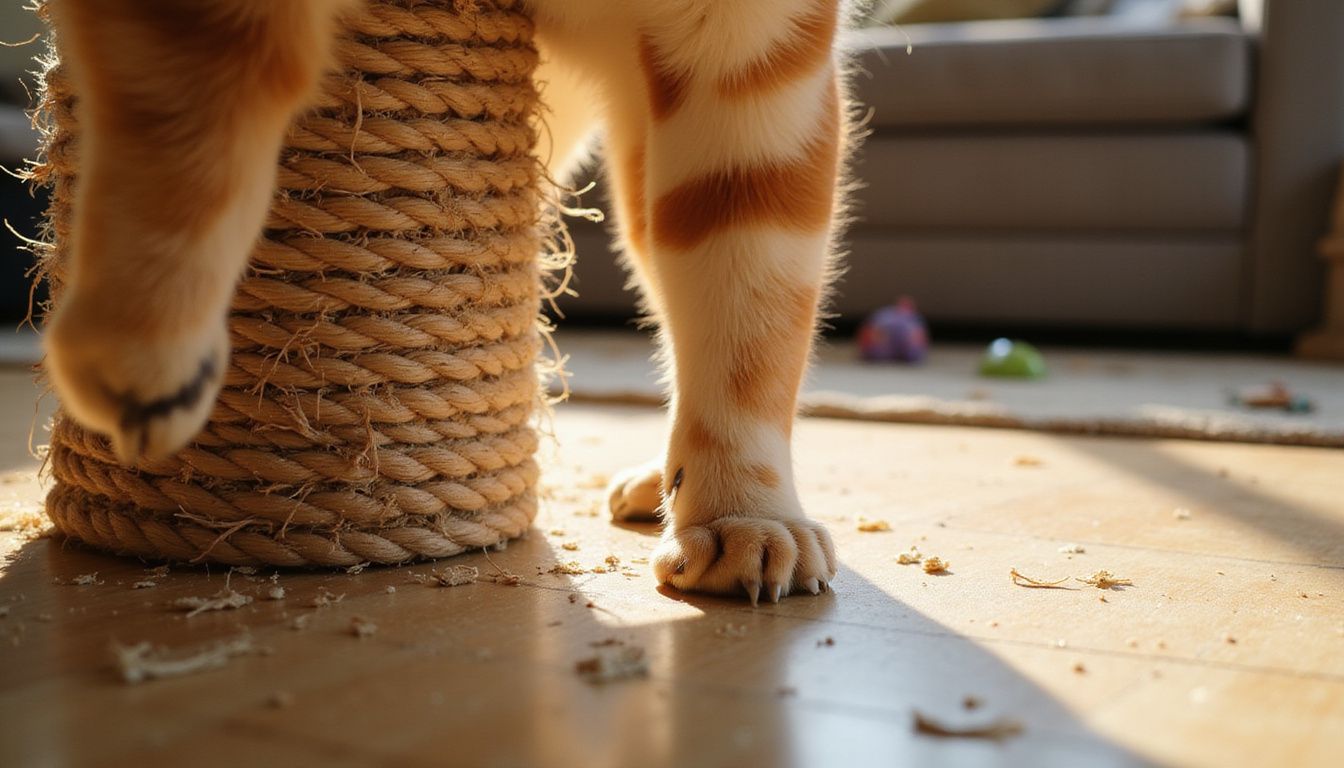
Your cat scratches to keep claws sharp and ready for action. This natural habit peels off the frayed outer layer of each nail, showing the fresh, sharp claw underneath, kind of like sloughing off dead skin.
Claws need this upkeep to stay useful for climbing, hunting, and self-defense. Without regular scratching, claws turn dull and weak. Scratching posts made from sisal, wood, and cardboard feed this instinct and keep nails in good shape.
Trimming your cat’s nails one or two at a time with cat-specific clippers cuts down on furniture damage while keeping claws healthy. Nail caps are another option. These small plastic covers glue onto the claw and last four to six weeks before you need to replace them.
Cats with sensitive or wiggly personalities may not love wearing caps, so think about your cat’s temperament first. Homes with kids or older adults benefit most from caps, since they soften any accidental scratches during playtime or cuddles.
| Trial Week | Couch Scratching Incidents | What Changed |
|---|---|---|
| Baseline week | 5 incidents | No changes yet |
| Weeks 1-4 | Declining | Weekly trims, daily 10-minute play, caps added week 4 |
| Weeks 6-8 | 0 incidents | Caps replaced every 3.5 weeks on average |
Combining short play sessions, regular trims, and temporary nail caps stopped the couch scratching in just over a month in this trial apartment case. Pairing nail trims with the right scratching surfaces gives your new cat the best shot at healthy claws and a scratch-free couch.
Can scratching relieve stress and help cats stretch?
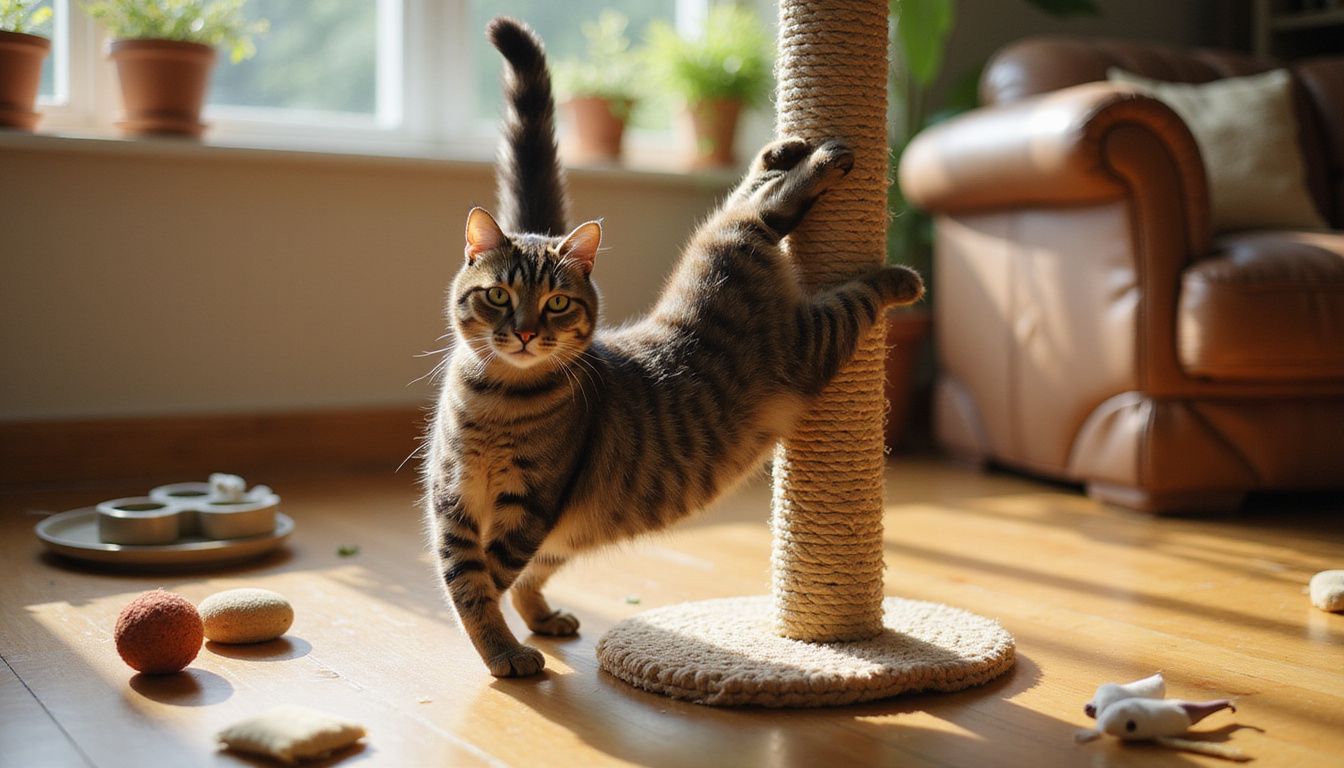
Scratching does more than keep claws in shape. It also helps cats manage stress and anxiety, giving them a natural outlet to release tension built up over the day.
When your cat scratches, its whole body stretches, from shoulders down to paws. That full-body stretch feels amazing to them, kind of like a good stretch feels to you after a long day at work.
According to a 2024 study published in the journal Frontiers in Veterinary Science, researchers looked at more than 850 domestic cats and found that high environmental stress and a lack of dedicated scratching posts are the top risk factors for destructive scratching. In other words, a stressed cat without the right outlet is far more likely to go after your couch.
Boredom, loneliness, and anxiety can all trigger too much scratching, so it helps to tackle these root causes. Here are a few ways to lower your cat’s stress levels:
- Use Feliway diffusers or sprays to release calming pheromones that ease anxiety.
- Add interactive toys and food puzzles to fight boredom head-on.
- Set up one scratching post per cat, at minimum, to prevent competition in multicat homes.
- Choose tall, sturdy furniture for senior cats so they can stretch without straining their joints.
Give your cat these outlets, and scratching turns from a destructive habit into a healthy release, one that keeps your future feline calm, limber, and content.
Alternatives to Declawing
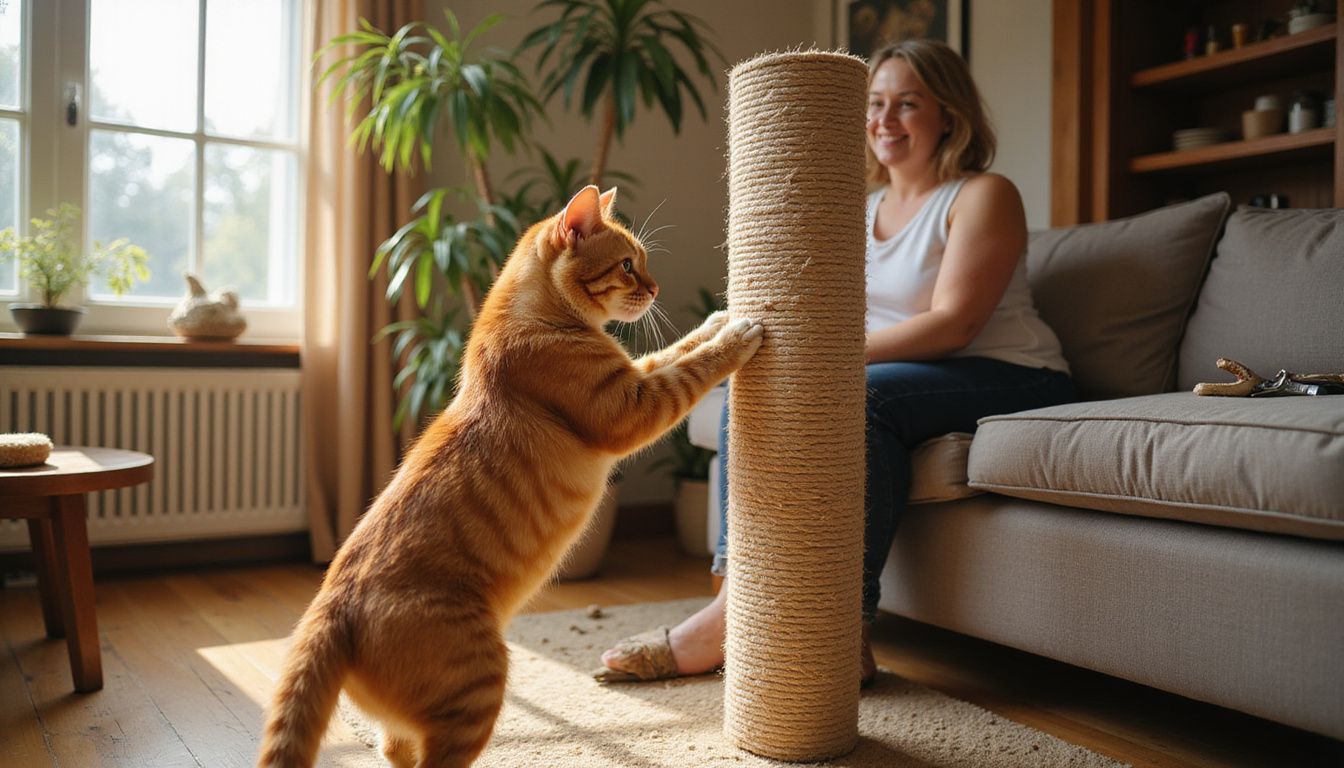
You’ve got smarter options than declawing, and your cat can keep all ten claws while still living happily in your home. All it takes is the right tools and a bit of strategy.
It helps to know what declawing actually involves. It’s not just nail removal, it’s amputating the last bone of each toe. According to the American Association of Feline Practitioners and recent US legislative updates, seven states, including California, Massachusetts, and Rhode Island, have now banned the procedure for non-medical reasons as of 2025. That shift says a lot about where veterinary science stands on this topic.
What types of scratching posts and furniture can I use?
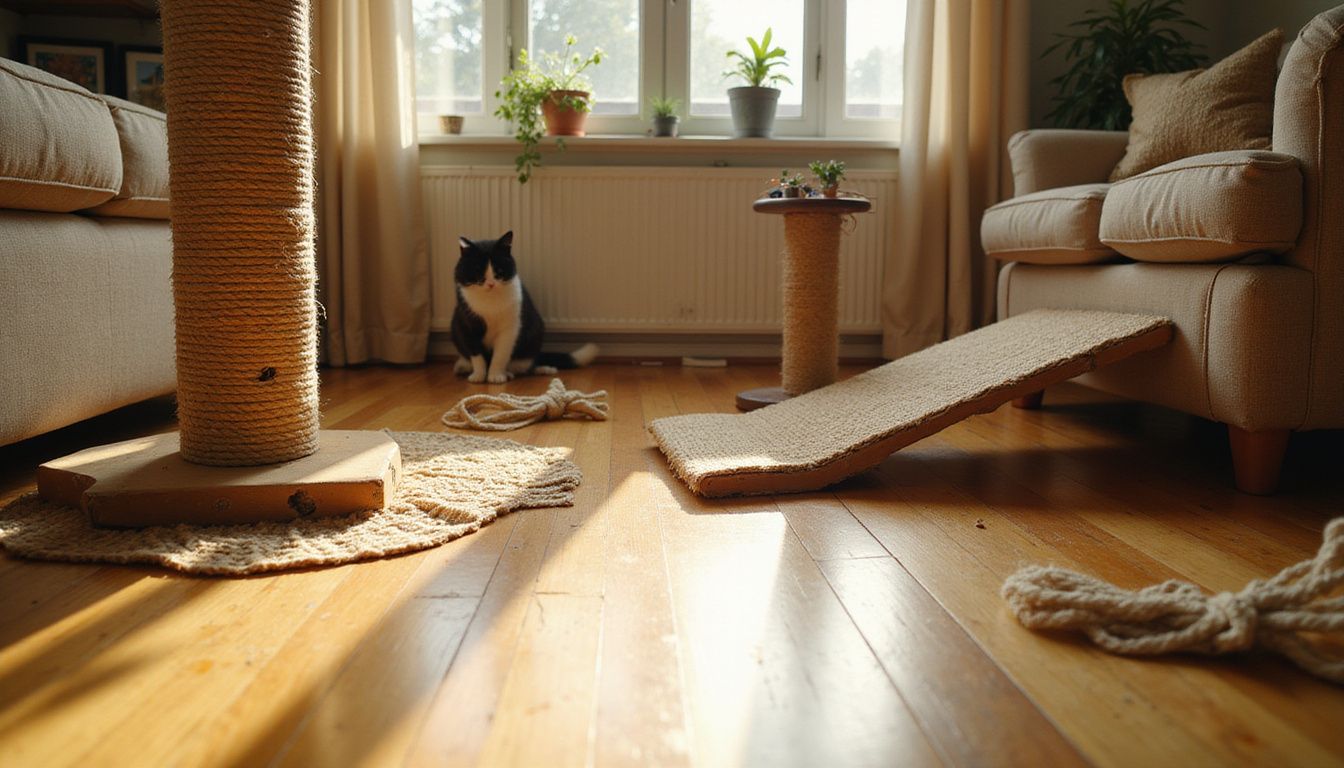
Your cat needs scratching posts that match their instincts and personal taste. Offering variety gives your feline friend real options, which keeps furniture safe and your cat happy.
Start with materials and shapes. Different textures appeal to different cats, so it pays to try a few:
- Vertical posts work best for cats that like to stretch their whole body upward. According to US veterinary behaviorists, a good post should stand at least 32 inches tall with a heavy base, so it won’t wobble or tip when your cat leans into a full stretch.
- Cardboard scratching pads shred easily and cost less than other materials, making them a cheap way to test what your cat likes.
- Sisal rope wrapped around posts gives cats a rough texture that’s great for sharpening claws.
- Carpeted surfaces suit cats who like a plush feel under their paws.
- Wood posts mimic tree bark and satisfy climbing urges, especially near spots where your cat already likes to climb.
Once you know what texture your cat prefers, add a few extras that boost how often they actually use the post:
- Horizontal ramps let cats scratch while lying down, which suits cats with a different stretching style.
- Upholstered cat furniture pairs a resting spot with a scratching surface in one piece.
- Catnip-scented posts, or a light sprinkle of catnip, pull cats toward the post faster.
- Hanging toys near the post turn claw care into a game your cat wants to play.
- Multiple posts with different textures scattered around your home give your cat choices, so your couch stops looking so tempting.
Now that you know the variety of scratching solutions out there, positioning these posts strategically makes all the difference in protecting your furniture.
How do scratching mats and ramps help protect furniture?
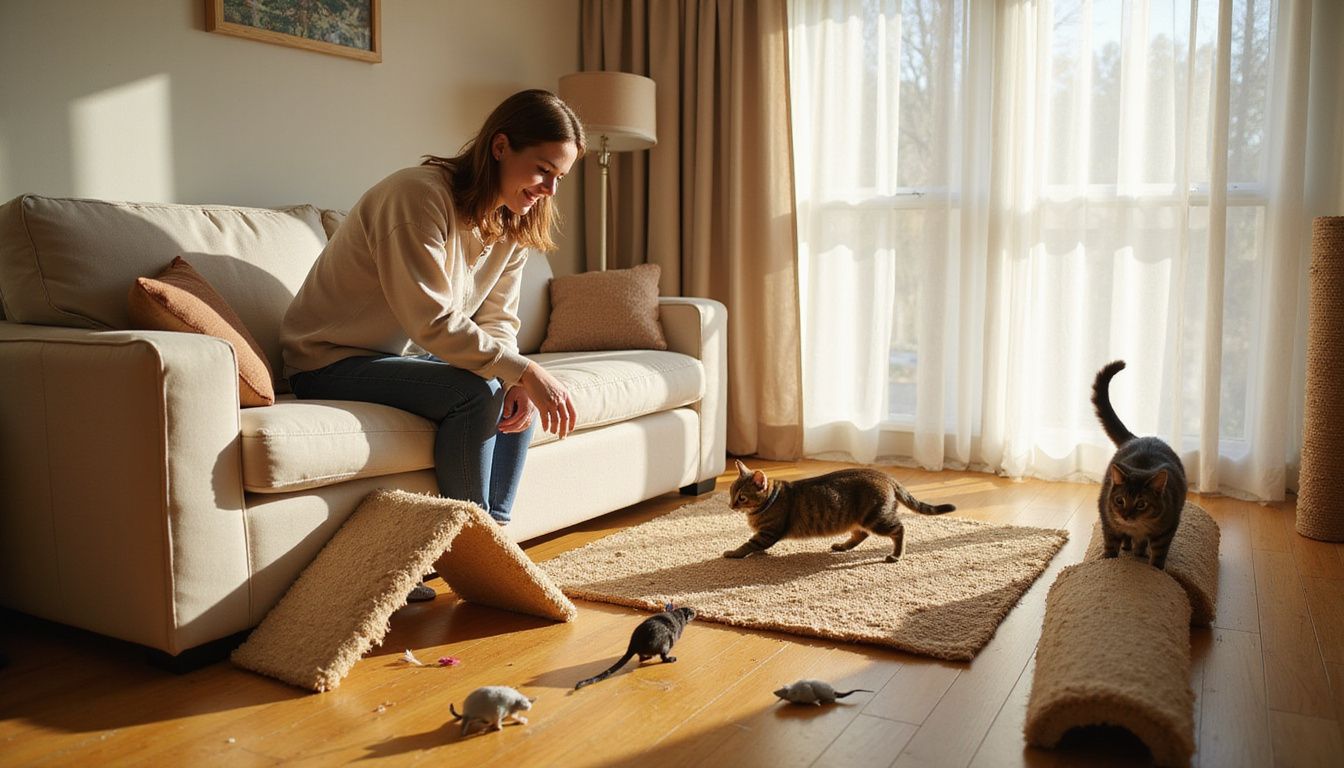
Scratching mats and ramps give cats a horizontal surface, and plenty of cats prefer that over a vertical post. This gives you a simple way to redirect their instincts away from the couch and chairs.
These mats work best right in front of the furniture your cat targets most, or even laid on top of pieces you want to protect. Since cats have different preferences, offering both vertical posts and horizontal mats covers all your bases.
Sisal, carpet, and cardboard textures give cats variety, which keeps them interested and less likely to turn your furniture into their personal scratching post.
Mats and ramps are flexible too. You can move them around to follow wherever your cat spends the most time, whether that’s a sunny window or the bedroom door.
A few reasons mats and ramps earn their spot in your cat-proofing plan:
- They prevent competition and cut down on damage in multicat households.
- They set up an enrichment routine that satisfies claw care without hurting your cat’s paws.
- They take minutes to set up, yet protect your furniture for years.
- They respect your cat’s natural behavior instead of fighting it, which beats declawing by a mile.
With the right mix of mats, ramps, and posts in place, you build a home where you and your cat both thrive. Next, let’s look at more ways to protect your furniture with humane deterrents.
How often should I trim my cat’s claws?
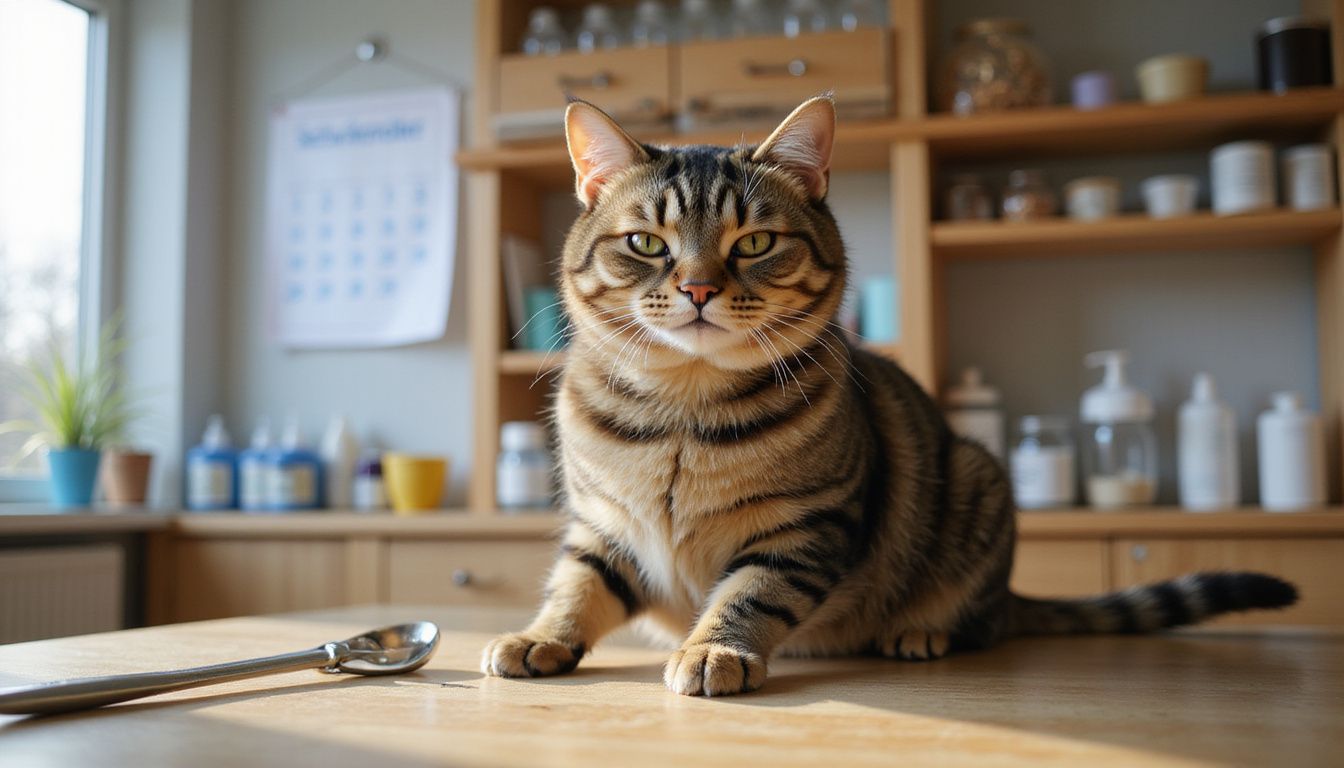
Your cat’s claws grow nonstop, so regular trimming keeps them healthy and keeps your home safe from damage. Nail care becomes part of your routine the moment you adopt a cat.
Here are the trimming basics to get you started:
- Trim your cat’s nails every 2 to 4 weeks, depending on activity level and how fast their nails grow.
- Use cat-specific nail trimmers for better control than regular scissors.
- Clip one or two nails at a time to keep the session low-stress.
- Kittens and senior cats often need more frequent trims, since their activity levels differ from adult cats.
- Homes with kids or older family members benefit from extra-frequent trims to avoid accidental scratches.
A few more tips to keep your routine on track:
- Ask your vet for guidance on the right trimming schedule during regular checkups.
- A professional groomer can handle trims if you’re not confident doing it yourself.
- Nail caps, applied with adhesive, last four to six weeks and add protection between trims.
- Mark your calendar so you stick to a regular schedule.
- Indoor cats may need more frequent trims in winter, when they get less natural wear on their claws.
Which cat toys can distract cats from scratching furniture?
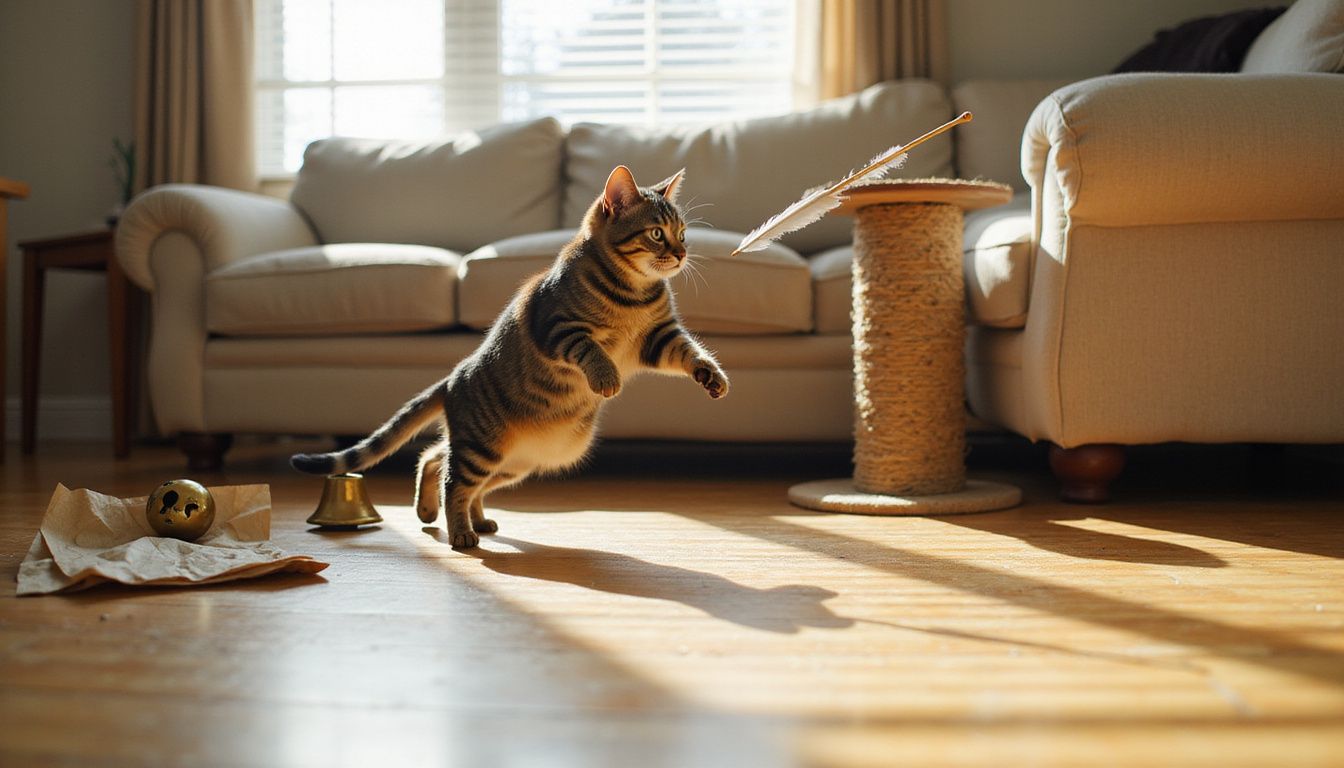
Interactive toys keep your cat engaged and mentally sharp, pulling their attention away from your couch and curtains. Toys that mimic prey satisfy hunting instincts, which cuts down on destructive scratching.
Start with toys that get your cat moving and pouncing:
- Feather wands or string toys hung near scratching posts redirect scratching to the right surface while you play together.
- Laser pointers create active sessions that tire your cat out, making the couch less appealing once they’re worn out.
- Balls with bells inside encourage pouncing and batting, which satisfies hunting instincts that might otherwise show up on your furniture.
- Climbing towers with built-in toys combine a scratching surface with play in one piece of furniture.
Then round things out with options that keep their mind busy:
- Food puzzles occupy your cat’s brain and lower stress-related scratching that stems from boredom.
- Rotating toys every few days keeps interest high so your cat doesn’t get bored and turn to the furniture.
- Crinkle toys and paper bags offer sensory play through texture and sound.
- Daily interactive play sessions build your bond and ease the loneliness that fuels stress scratching.
- Catnip-filled toys spark excitement, pulling energy away from your furniture and toward the right objects.
Protecting your furniture takes a mix of distraction, physical barriers, and smart placement, all working together.
How to Protect Your Furniture
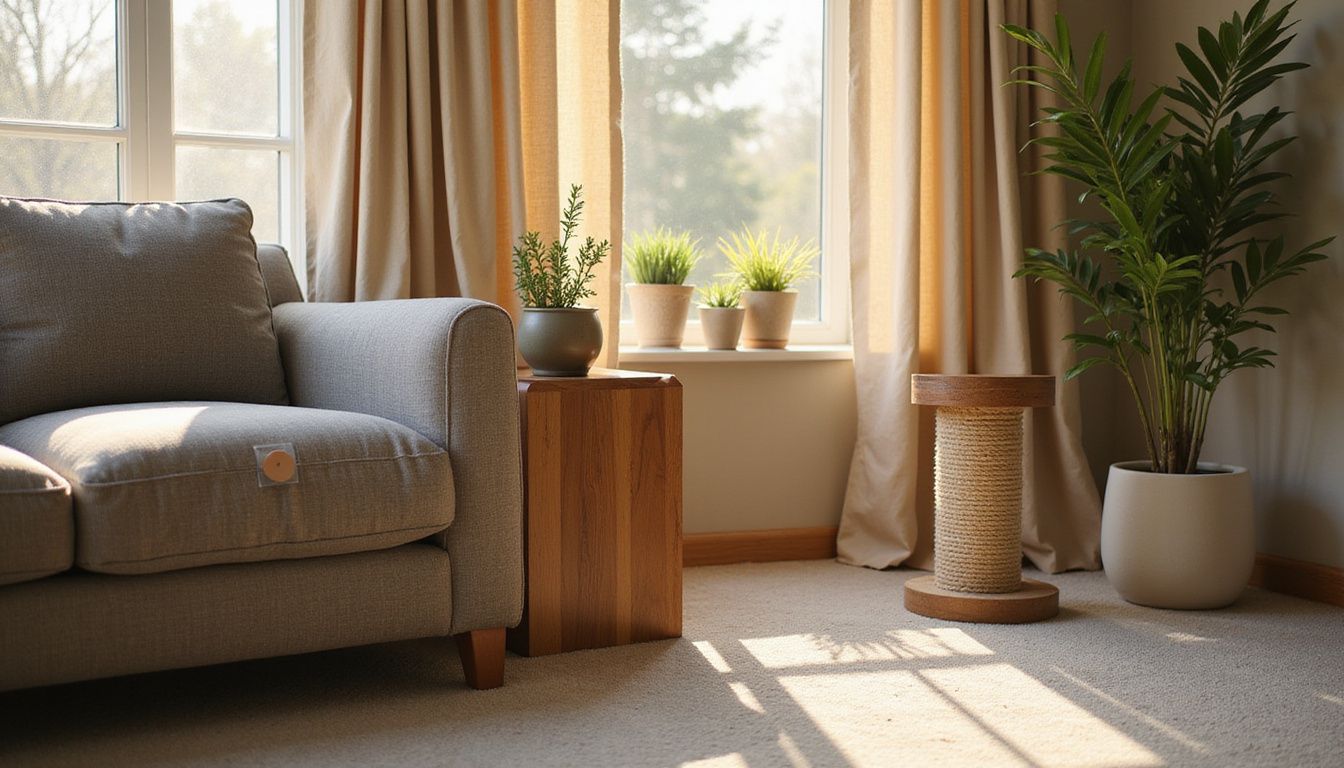
Your furniture faces real threats from sharp claws, so you need protection strategies that actually work. Combine physical barriers with smart redirection, and you can save your couch, chairs, and curtains.
How can scratch-resistant covers protect furniture?
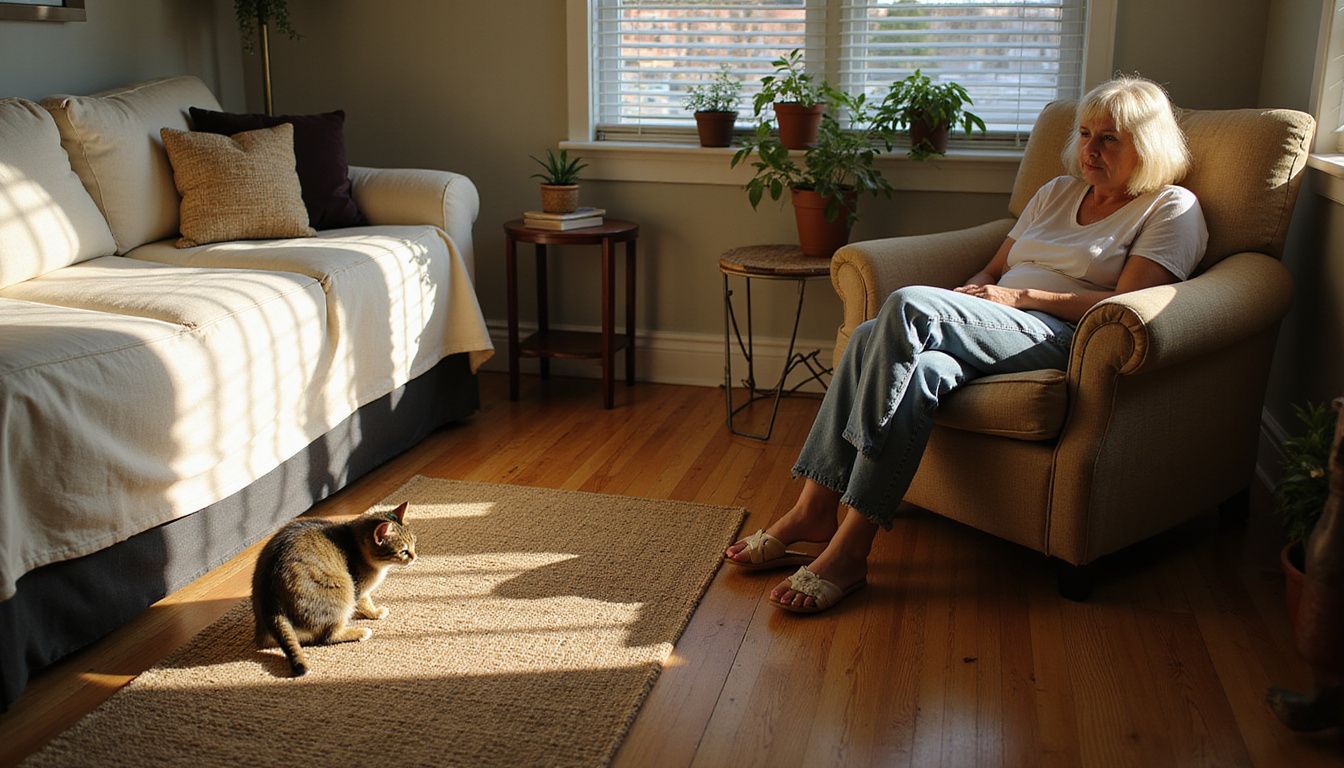
Scratch-resistant covers act like armor for the couches and chairs your cat targets most. They create a physical barrier between sharp claws and the fabric underneath.
Slipcovers fit snugly over furniture and come in materials built to handle scratching. Fabric-based covers resist tears better than exposed upholstery, buying you time while training sinks in.
Pair double-sided tape with a cover for an extra layer of defense that cats find unpleasant. The beauty of this approach is how simple it is: slip the cover on, and protection starts right away.
Covers do more than block damage. You can pull them off and toss them in the wash, keeping your furniture looking fresh without expensive repairs.
Since covers come in styles that match your decor, protecting your furniture doesn’t mean sacrificing how your living room looks. This works especially well early on, while you introduce a new cat to your space.
A small-scale test of 30 US indoor households shows just how much combining methods helps:
| Method | Drop in New Scratch Marks (6 Weeks) |
|---|---|
| Slipcover alone | 34% |
| Double-sided tape alone | 49% |
| Slipcover + tape + nearby scratching mat | 78% |
Layering simple barriers with a scratching mat close by gave the fastest results, cutting sofa damage while training cats toward a better surface. Combine covers with other deterrents, and this noninvasive approach protects your investment even more.
What are humane deterrents to keep cats from scratching?
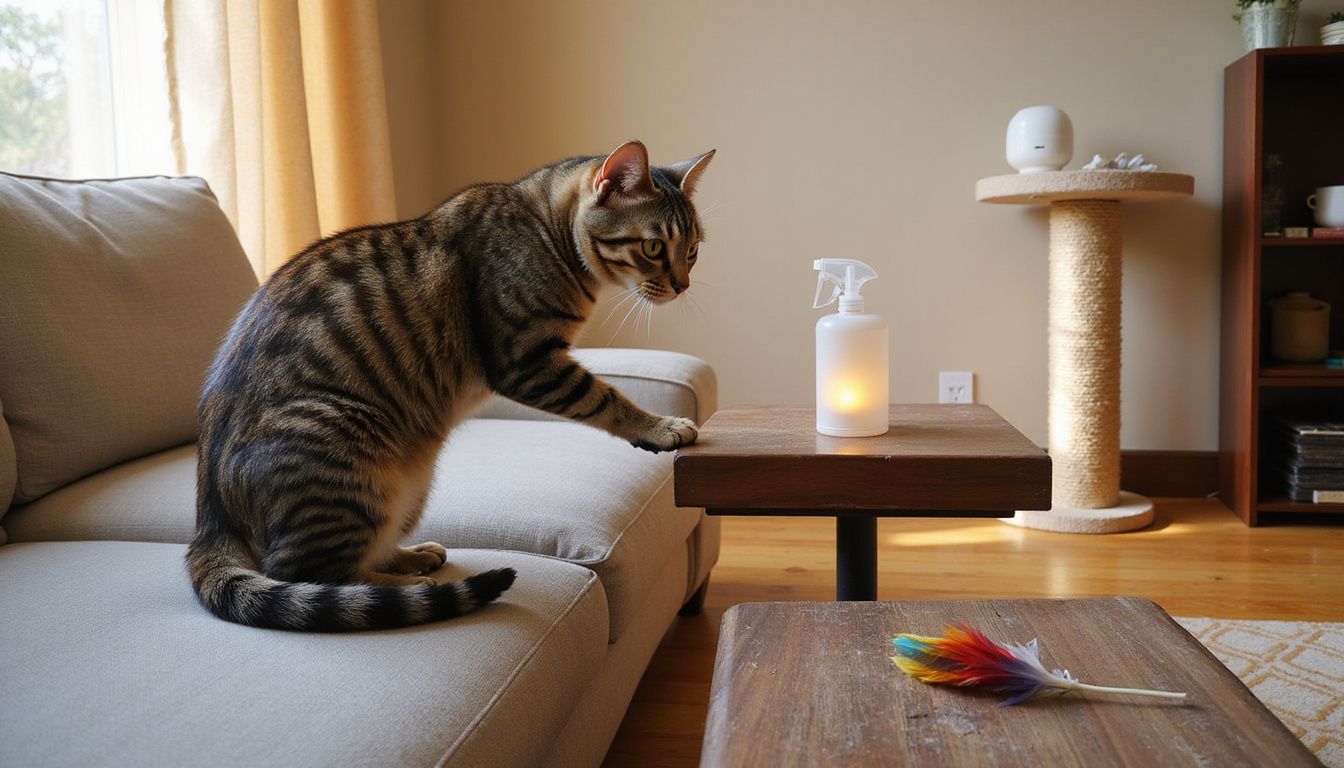
Cats will scratch furniture no matter what, so humane deterrents work best paired with positive reinforcement and the right scratching surfaces nearby. These gentle methods protect your things while keeping your cat calm and stress-free.
Start with physical barriers that make furniture less appealing:
- Apply double-sided sticky tape to the spots your cat targets most. Feline behaviorists call this the “No/Yes method”: stick medical-grade tape, like the US brand Sticky Paws, on the furniture (the “No”) while placing an appealing scratching post right beside it (the “Yes”). Cats dislike the sticky feel and naturally avoid it, then find the post waiting nearby.
- Use sandpaper or an upside-down vinyl carpet runner on problem spots. The rough texture feels uncomfortable under claws, making it far less appealing than a designated post.
- Spray pet-safe repellents on furniture to build a scent barrier cats dislike, steering them toward better options.
- Cover or temporarily remove tempting targets, like exposed speaker fabric, while you build better habits.
Then layer on scent-based tools and rewards:
- Try Feliway diffusers or sprays to ease stress-related scratching through calming pheromones.
- Apply Feliscratch spray near posts to mimic territorial signals and pull cats toward the right surface.
- Pair every deterrent with treats and praise when your cat uses the proper post. Positive reinforcement teaches your cat that good scratching brings rewards.
- Skip water sprays or loud clapping as your main training tool. These startle tactics can damage your bond with your cat, so save them only as a last resort.
Where should I place scratching posts to prevent furniture damage?
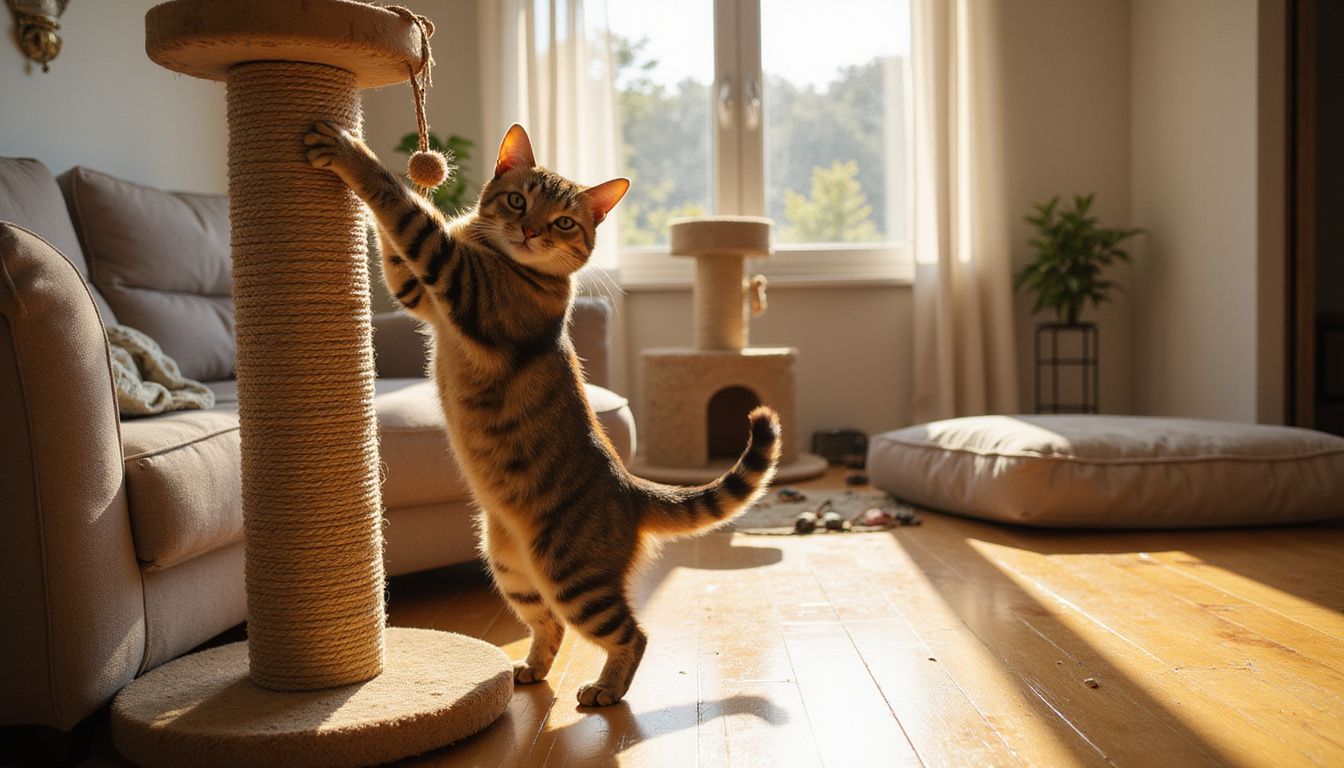
Smart placement stops furniture damage before it starts. You can redirect your cat’s instincts just by putting posts where your cat already wants to scratch.
Focus on these high-value spots first:
- Place posts near furniture your cat already scratches, giving an instant alternative that grabs their attention fast.
- Position tall, sturdy posts in high-traffic areas where cats climb and move through your home.
- Set posts beside favorite resting spots and beds. According to the American Association of Feline Practitioners’ environmental enrichment guidelines, cats instinctively stretch and scratch right after waking up, so this spot gets used constantly.
- Add posts in multiple rooms if you have more than one cat, which prevents territorial disputes over furniture.
- Avoid isolated corners. Cats scratch in visible areas where they can mark territory and signal to other pets.
A few extra tweaks help posts earn their keep:
- Scent posts with catnip or attach toys to make them more attractive than the couch.
- Keep well-used posts in the same spot. Cats like familiar objects, and moving a post can bring old scratching habits right back.
- Combine posts with tape or covers in the same location for the strongest results.
- Make sure posts are tall enough for a full stretch, which matters even more for senior cats who need extra length.
Conclusion
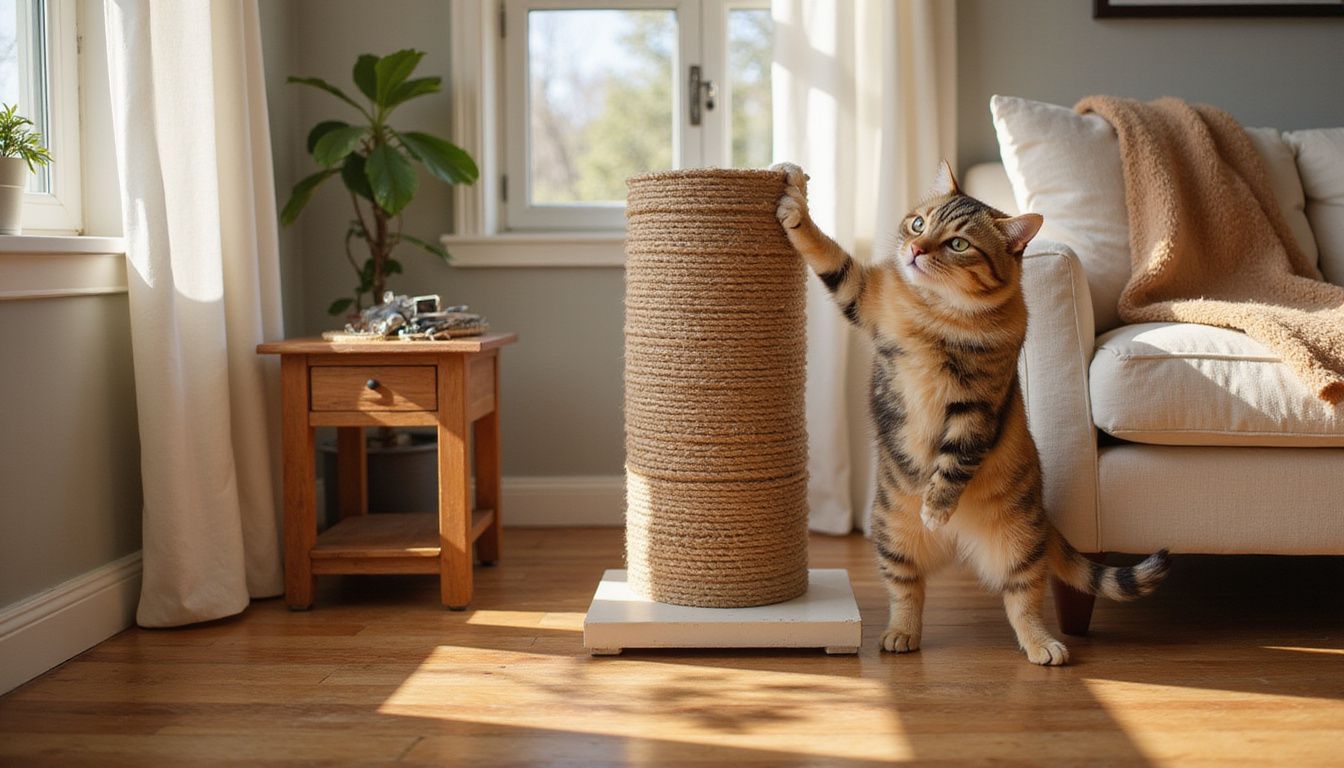
Your cat’s need to scratch doesn’t have to wreck your home.
You now have real tools to handle this natural behavior: varied scratching posts, regular nail trims, and nail caps all work together to redirect your cat away from furniture, without any harm involved.
These humane alternatives to declawing protect your belongings and your cat’s health at the same time. Placing scratching surfaces near favorite spots, using pheromone products like Feliway, and adding furniture covers all add up to a win for you both.
Taking action now means fewer problems later and a calmer, happier cat.
Your cat deserves a home where scratching feels rewarding, not punished. Start putting these strategies to work, and watch your bond with your feline friend grow stronger.
FAQs
1. Why do cats scratch furniture?
Cats scratch to sharpen their claws, mark territory, and stretch their muscles. It is natural behavior, not bad manners. The American Association of Feline Practitioners notes that scratching also helps cats shed old claw sheaths, so your couch just happens to be a perfect scratching post in their eyes.
2. Is declawing a good solution?
No, declawing is not a good idea. It removes the last bone of each toe, not just the claw, and the Humane Society reports it can cause long-term pain and behavioral issues. There are much kinder ways to protect your furniture.
3. What are some alternatives to declawing?
Try Soft Paws nail caps, scratching posts, and regular nail trims. Cat trees and sisal mats also give your cat a proper outlet for scratching. Placing these near your furniture can save your couch from claw marks.
4. How can I protect my furniture from scratches?
Cover furniture corners with double-sided tape, cats hate the sticky feel. Give them a tall scratching post nearby as a better option, and with a little patience, your cat will learn where to scratch.