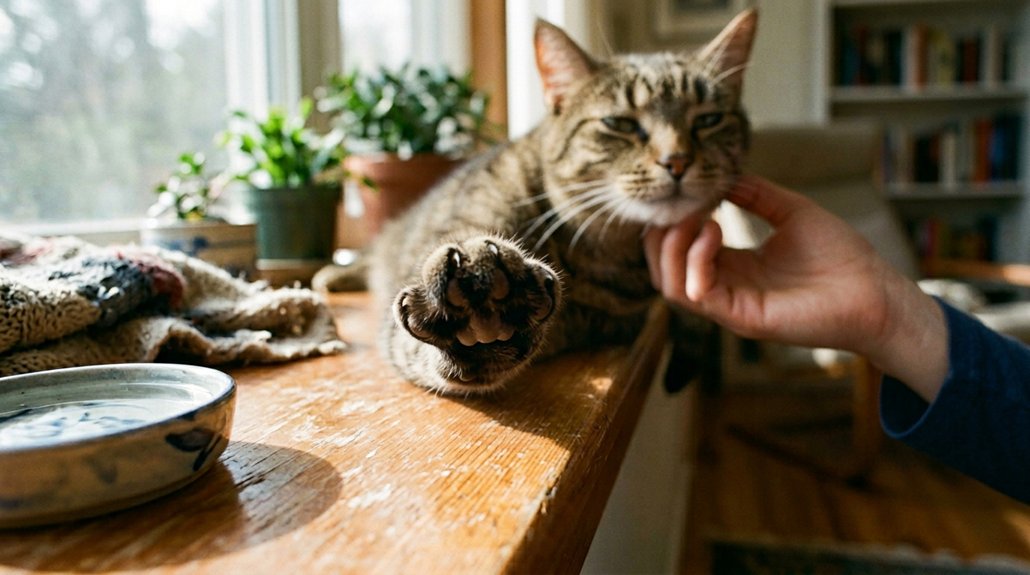
Declawing isn’t the answer to preventing scratching; it’s a harmful procedure that can cause chronic pain and behavioral issues for your cat. Scratching is a natural behavior that…
Cat Behavior
What to Do When Your Cat Won’t Stop Scratching
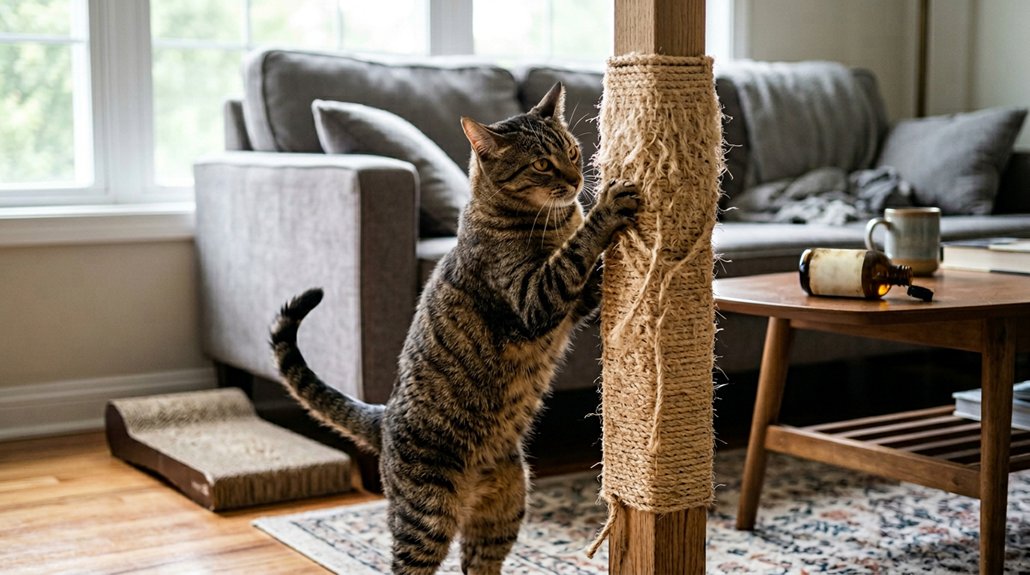
If your cat won’t stop scratching, first check for fleas, redness, or hair loss to identify possible causes. Behavioral changes may signal allergies or stress—consult a vet for…
Cat Behavior
Best Ways to Protect Furniture From Cat Scratching
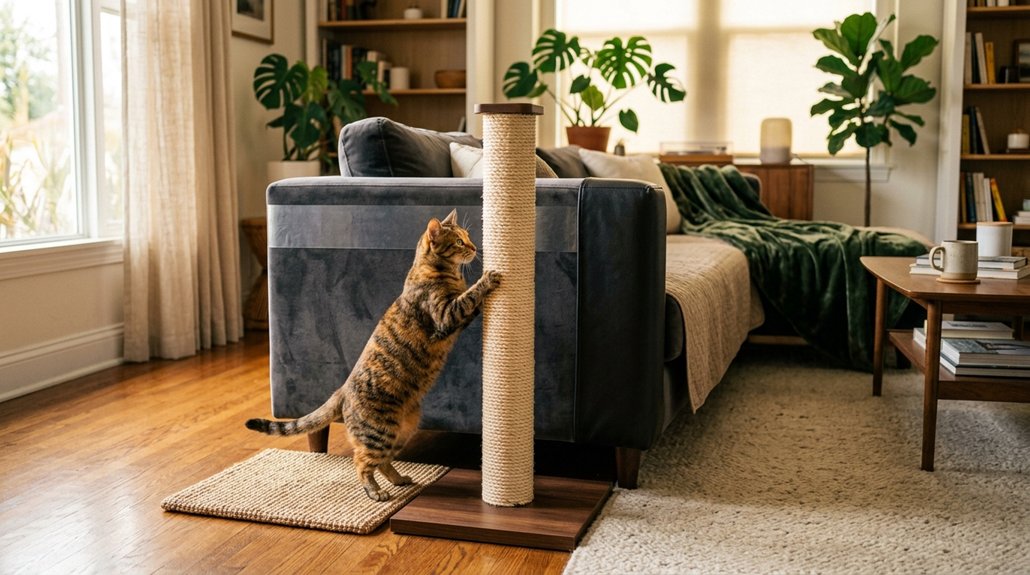
To protect your furniture from cat scratching, cover surfaces with soft throws or adhesive plastic sheets. Use double-sided sticky tapes or Clawguard Furniture Shields to deter scratching. Place…
Cat Behavior
How to Train Your Cat to Use a Scratching Post
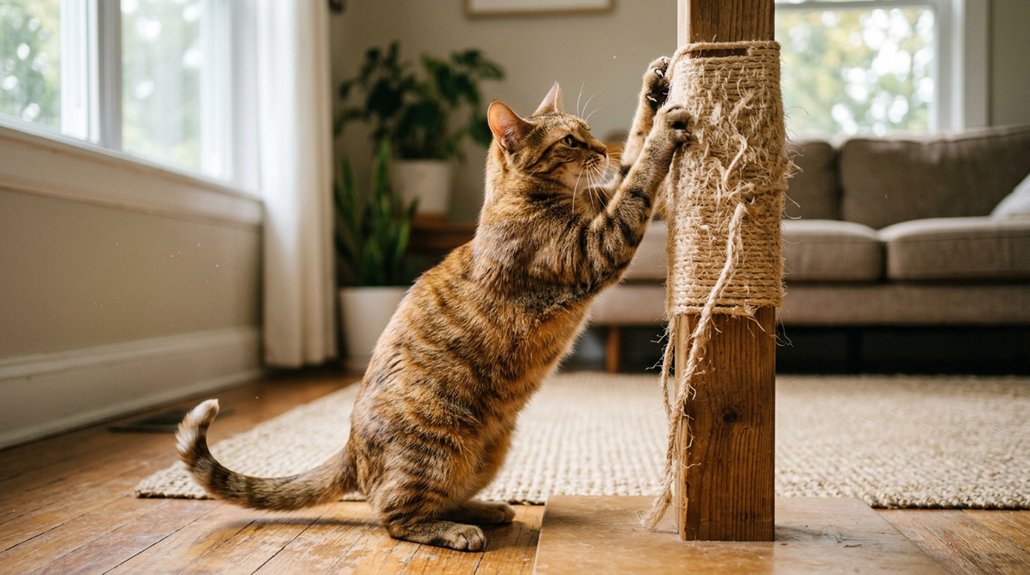
To train your cat to use a scratching post, first understand their scratching instincts and preferences. Choose a sturdy post around 30 inches tall, offering both vertical and…
Cat Behavior
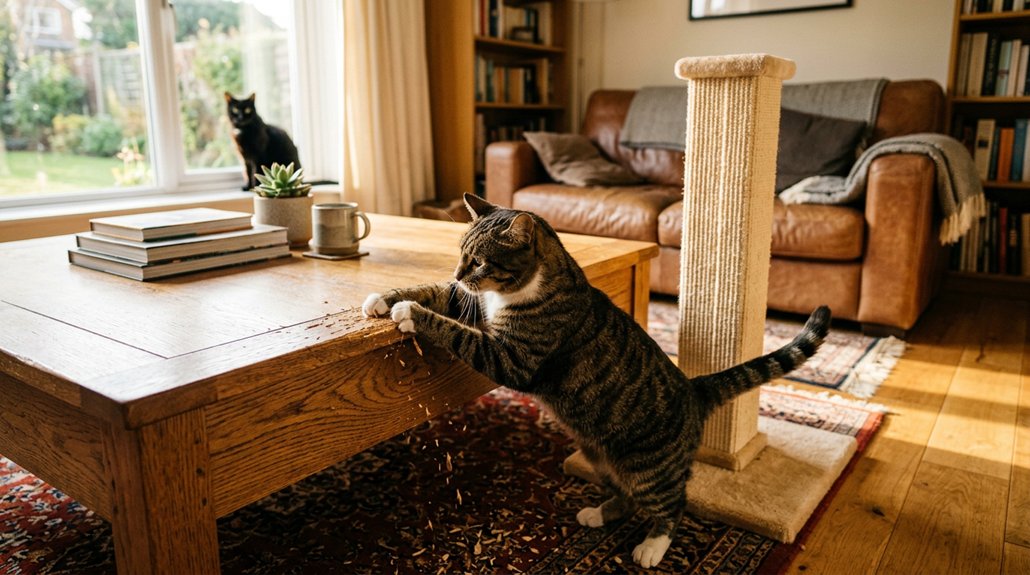
Why Cats Scratch Furniture and How to Stop It
Cats scratch furniture to maintain their claws, mark territory, and alleviate stress or boredom. To prevent damage, you should provide tall, varied scratching posts near their favorite spots,…
Cat Behavior
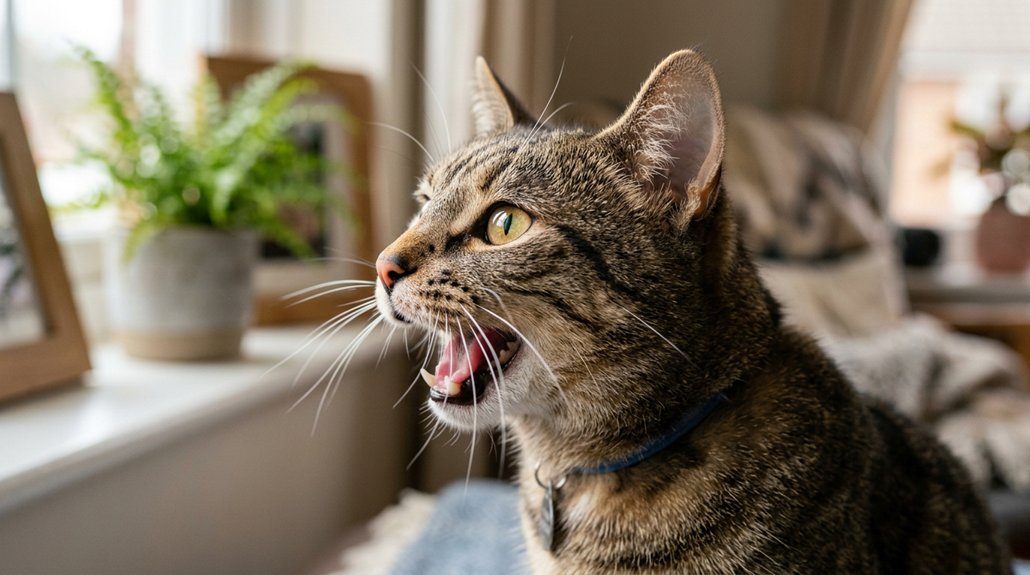
How to Understand Different Types of Cat Meows
To understand different types of cat meows, recognize the variations in pitch and length. Short meows are friendly greetings, while mid-pitched ones signal hunger. Long, drawn-out meows demand…
Cat Behavior
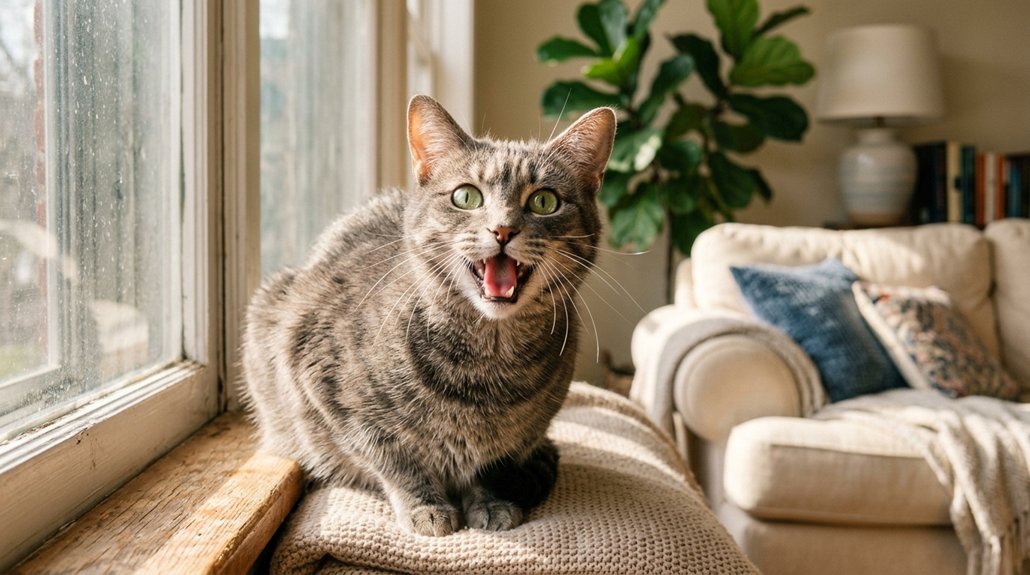
What to Do When Your Cat Won’t Stop Meowing
When your cat won’t stop meowing, first verify their basic needs like food, water, and a clean litter box are met. Changes in environment or stress can increase…
Cat Behavior
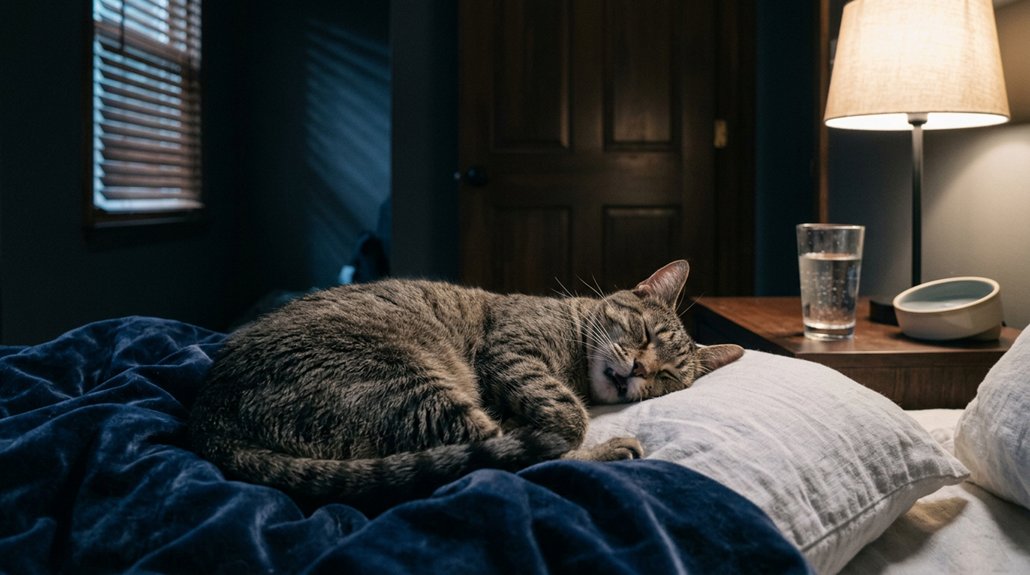
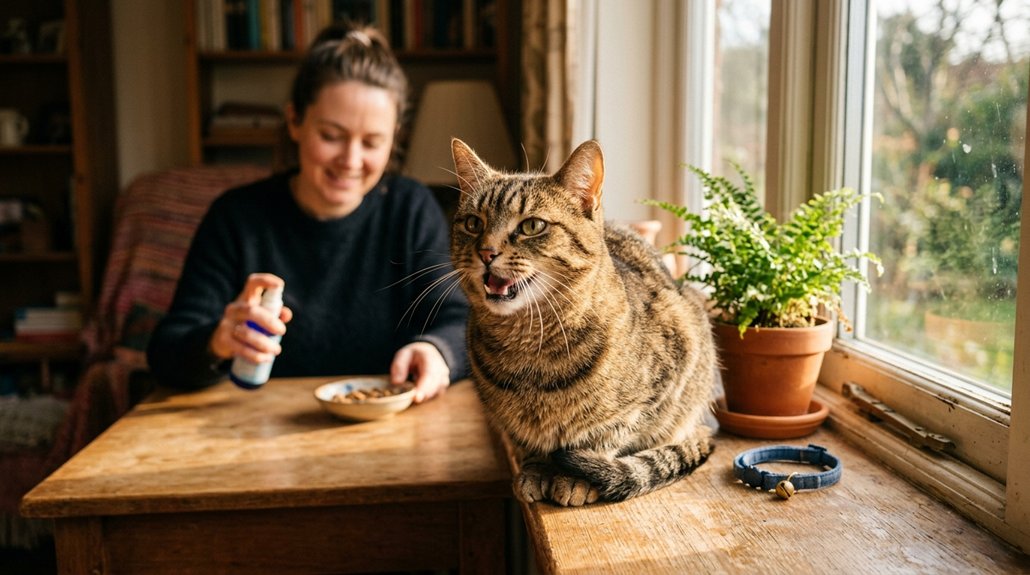
Why Your Cat Meows at Night (and How to Fix It)
Your cat’s nighttime meowing likely stems from its crepuscular nature, hunger, or stress. Cats are naturally active at dawn and dusk, often driven by hunting instincts. Consistent feeding…
Cat Behavior
How to Stop Excessive Meowing in Cats
To reduce excessive meowing in cats, first rule out potential health issues like hyperthyroidism or kidney disease through veterinary evaluation. Address environmental stressors by establishing routine feeding and…
Cat Behavior
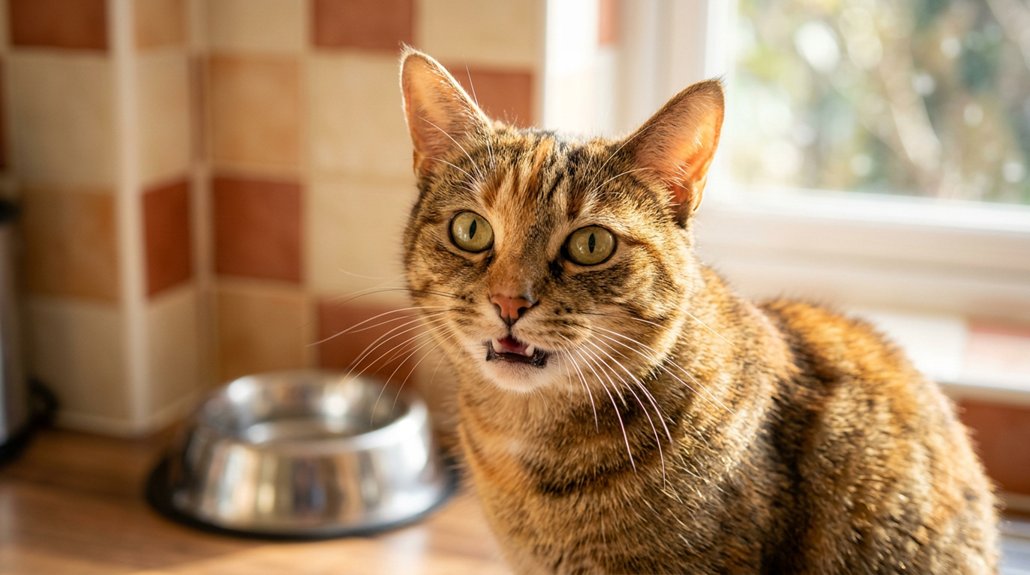
Why Cats Meow and What They’re Trying to Tell You
Cats meow to communicate their needs and emotions to you, acting as a bridge between feline and human worlds. Different meows convey varied messages; brief, high-pitched meows greet…