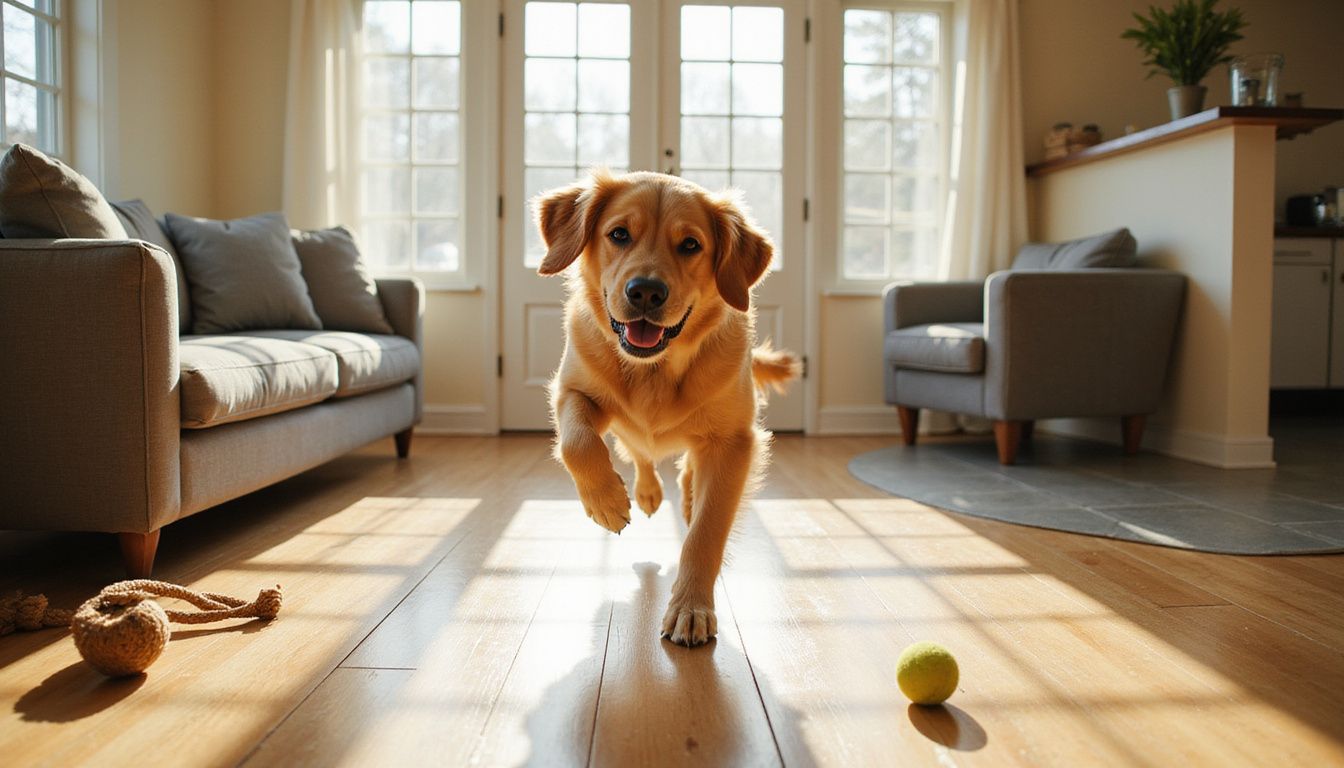
Your dog’s energy level shapes pretty much everything about life together. High-energy dogs need constant action. Medium-energy dogs fit most routines. Low-energy dogs prefer calm days at home.
But individual variation matters more than breed labels suggest. In one sample, researchers watched 30 medium-energy dogs across six breed labels for two weeks. The differences were striking: 11 dogs needed 30 minutes or less of daily activity, 14 needed 30 to 60 minutes, and 5 needed more than 60 minutes.
Trainability scores in that same sample varied by up to 22 percent between individuals within the same breed label. Two dogs listed under the same breed can need completely different daily activity plans. That’s why I always tell people to watch their own dog for two weeks before locking in a long-term routine.
What traits and needs do high-energy dogs have?
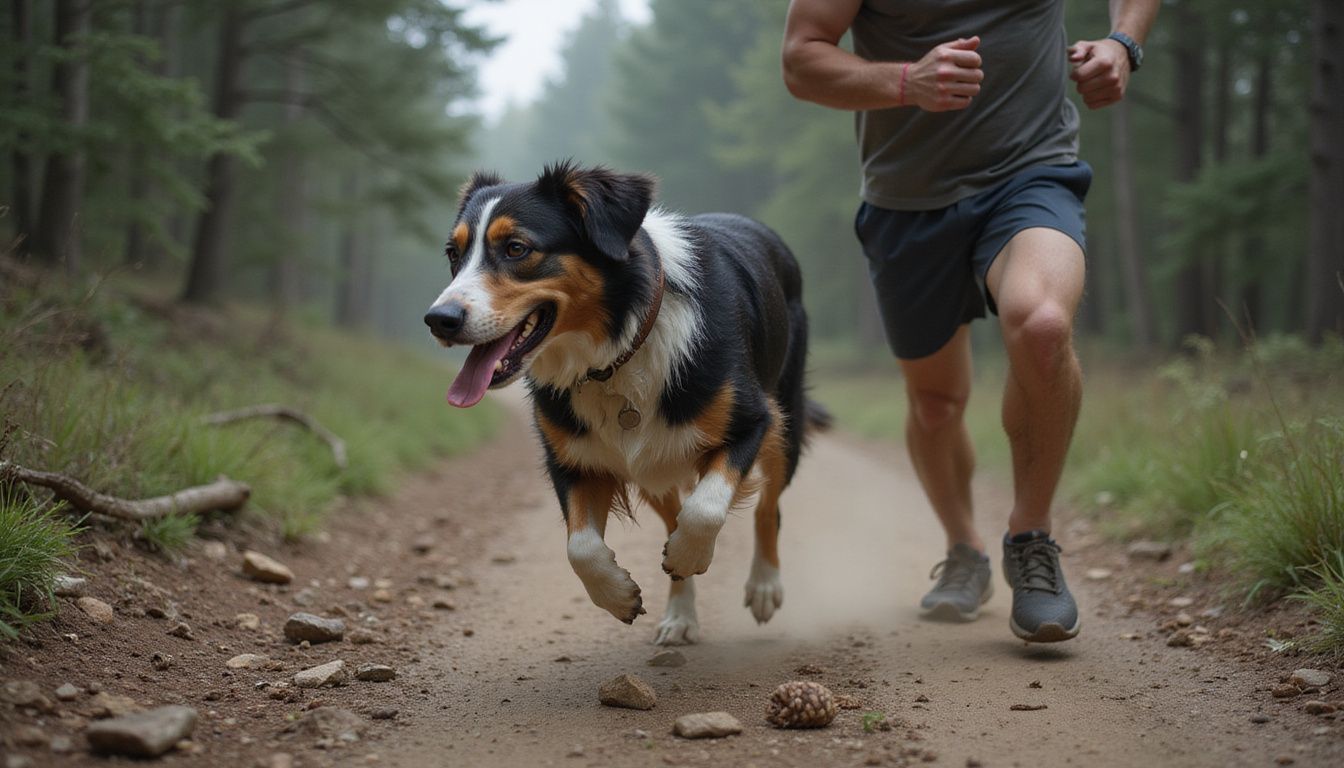
As one Facebook group of dog owners often points out, high-energy dogs like Border Collies, Huskies, and Australian Shepherds were bred for demanding jobs like herding and sledding. That history packs some serious drive into their bodies.
These dogs need lots of exercise every day, or they’ll find their own trouble. That can mean chewed-up furniture, nonstop barking, or escape attempts over the fence.
Structured physical activity works best. Running, hiking, fetch with rules, and dog sports keep their minds and bodies busy. Mental stimulation through puzzle feeders, scent games, and targeted training stops boredom before it starts.
Impulse control practices, like waiting at doors and learning to settle, help these dogs channel their energy the right way. Jill learned this the hard way with Finn, her Australian Shepherd. Finn showed restlessness and behavior problems in a low-activity home. Once Jill matched his routine to his actual needs, everything changed.
The dog’s energy level is not a flaw to fix; it’s a feature to understand and work with.
High-energy dogs thrive on structure. Their metabolism runs hot and their brains crave a challenge, so sitting around all day just doesn’t work for them.
Puzzle feeders, scent games, and short training sessions become your best tools for managing these spirited companions. Cesar Millan’s book, “How to Raise the Perfect Dog,” offers solid advice on picking and training dogs based on their energy level, which makes it a handy resource if you’re weighing this kind of commitment.
Once you understand what medium-energy dog breeds need, you can figure out if a high-energy pup actually fits your life.
What should I expect from medium-energy dogs?
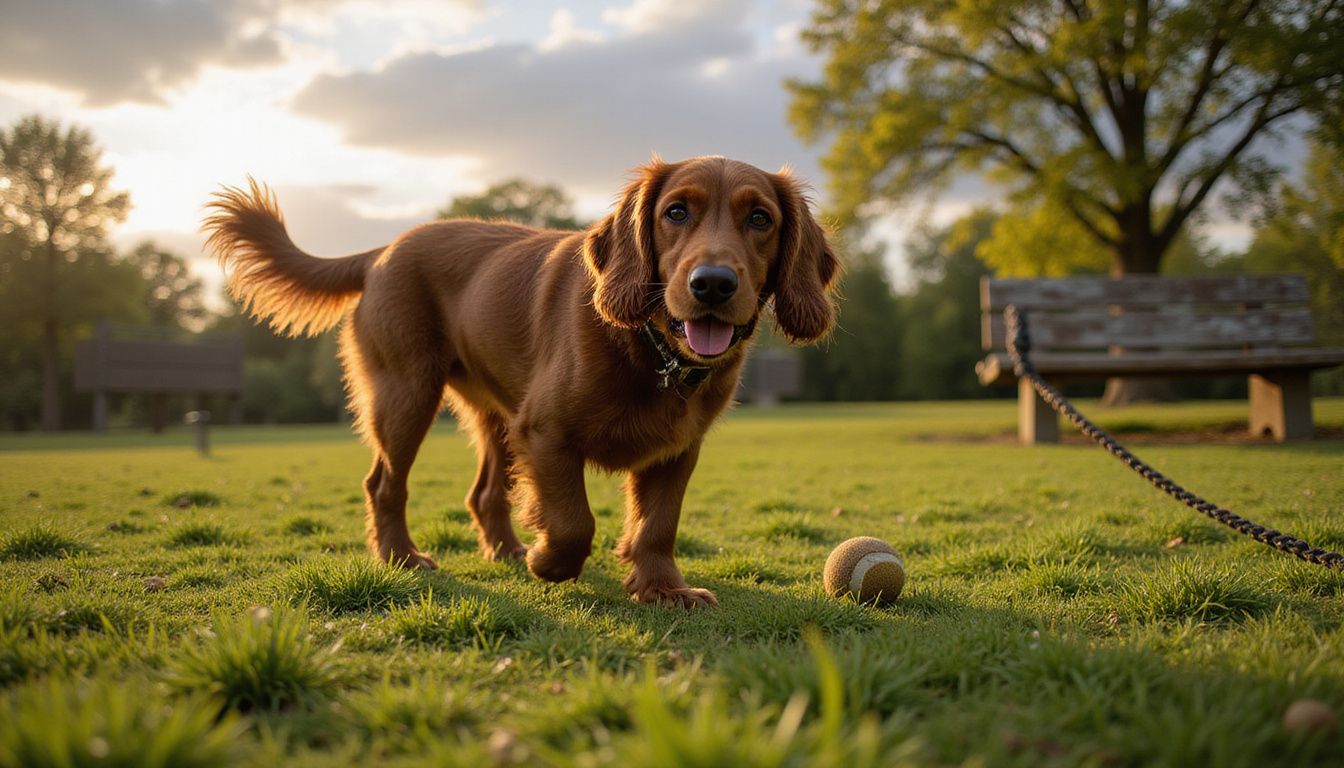
Medium-energy dogs do best with routines that stay steady and match your daily schedule. They need regular activity without demanding constant stimulation, which makes them a great fit if you live a fairly balanced life.
Cocker Spaniels, Shetland Sheepdogs, and Standard Poodles fall into this group. A study by the Canadian Kennel Club found that medium-energy dogs scored 50 to 75 percent above average in trainability. That means you can teach them commands and good manners more easily than you’d expect.
- They settle into a steady rhythm, responding well to interactive playtime and short training sessions spread through the day.
- They aren’t couch potatoes, but they’re not extreme athletes either. They hit that sweet spot right in the middle.
- Sporting breeds like Labrador Retrievers and Golden Retrievers show this same pattern, usually settling around three to four years of age.
- Scent hounds like Beagles run moderate to high energy, though each dog’s personality plays a role too.
Think of medium-energy dogs as the Goldilocks of the dog world: not too wild, not too lazy. Daily exercise paired with mental engagement through training keeps them content, healthy, and well-behaved at home.
How do low-energy dogs behave and what do they need?

Low-energy dogs move at a slower pace than their medium-energy cousins, and their daily habits show it. Bulldogs, Shih Tzus, and Greyhounds would rather lounge on the couch than run marathons, even though a lot of people assume Greyhounds need constant activity.
These dogs enjoy short bursts of play followed by long naps. Your low-energy dog will probably greet you at the door with enthusiasm, then settle into a comfortable spot within minutes.
Boston Terriers and French Bulldogs fit here too, showing playful bursts rather than steady energy through the day. One study found dogs at the low end of the energy spectrum scored 29 percent above-average in trainability, meaning your calm companion may pick up commands faster than you’d guess.
Here’s the thing about low-energy dogs: their calm nature can hide a real risk.
- Brief walks and gentle daily exercise prevent obesity and keep joints healthy, especially as your dog moves into senior years.
- According to the 2026 Pet Obesity Statistics by the Association for Pet Obesity Prevention, 59 percent of dogs in the U.S. are classified as overweight or obese, and skipping short daily walks is often how it starts.
- Interactive puzzle toys and frequent short walks maintain fitness without wearing your dog out.
- A drop in energy sometimes signals stiffness or mobility decline, so a targeted rehab program at home can help your dog stay comfortable.
Your low-energy dog still needs mental engagement that matches their slower pace. Skip enrichment, and boredom or sluggishness can creep in, sometimes leading to bigger health problems later.
Your veterinarian can recommend an exercise and weight management plan suited to your dog’s life stage.
Factors That Influence a Dog’s Energy and Trainability

Your dog’s energy level and trainability depend on several things working together. Age, breed genetics, health, and nutrition all shape your dog’s exercise needs and how they learn through each life stage.
How does a dog’s age and life stage affect energy and training?
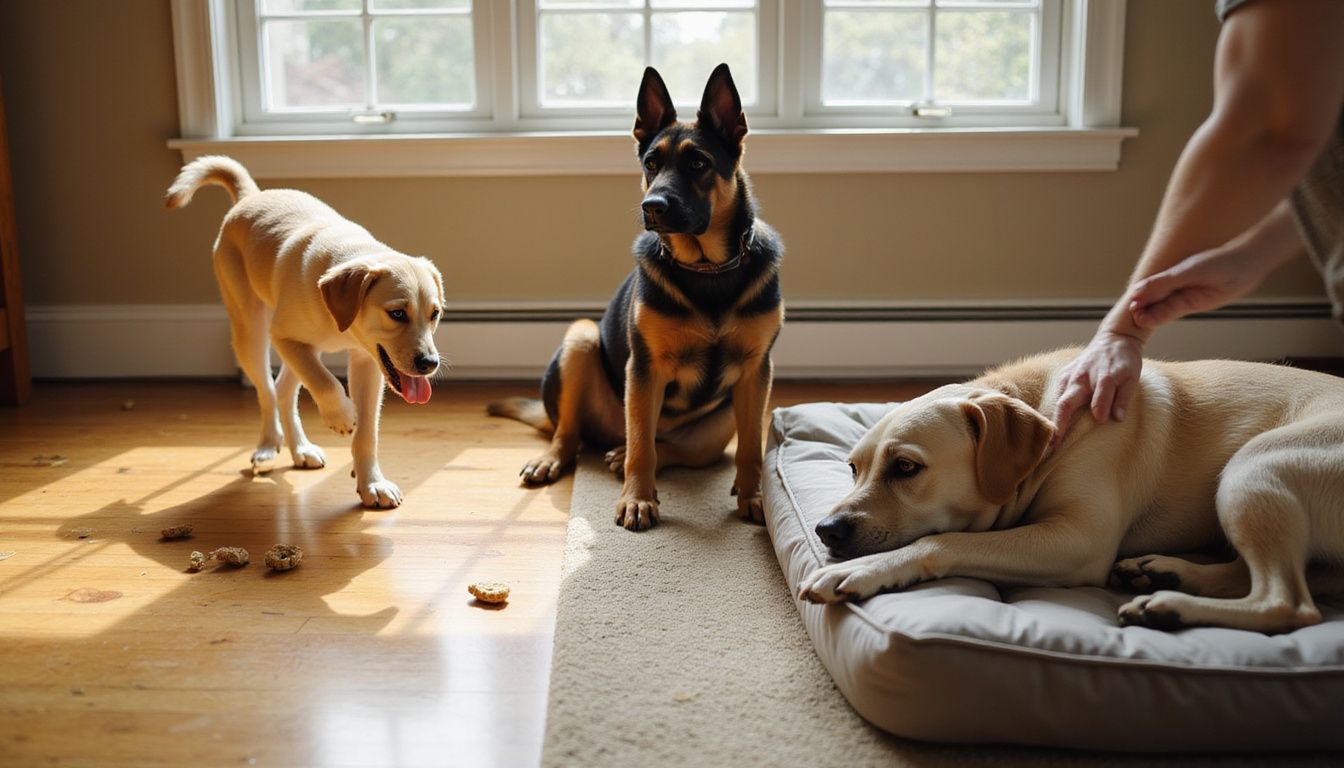
A dog’s age shapes almost everything about training and activity level. Puppy energy runs high during the first year of life, especially in those early six months when their brains and bodies grow fast.
You’ll notice your puppy bouncing off walls, chewing everything in sight, and needing constant supervision. According to standard American veterinary training guidelines, puppies should get just 5 minutes of formal, structured exercise per month of age, up to twice a day. So a four-month-old puppy gets about 20 minutes of structured exercise, twice daily, at most.
That limit matters more than people realize. Too much structured exercise on young joints can cause damage that shows up years later.
Around one to two years old, most puppies settle down considerably. Large breeds like Huskies may take 18 to 24 months to reach that calmer stage. Signs your puppy is maturing include:
- Less destructive chewing
- Longer attention spans
- Fewer wild “zoomies”
- Better impulse control
- More consistent sleep patterns
Adult dogs, especially those between three and seven years old, hit their peak energy and trainability sweet spot. This stage offers the best window for teaching new behaviors, since adult dogs focus better and retain information faster than puppies.
Senior dogs go through a natural decline in energy as they age. Dogs seven years and older move slower, tire more easily, and need longer rest after exercise. Small breeds may reach senior status around nine to twelve years old, while giant breeds get there much earlier, sometimes at five to six.
Aging affects metabolism, muscle mass, and joint comfort, which creates a gradual slowdown in activity level. Training a senior dog takes patience and shorter sessions, but their calmer temperament often makes them easier to work with than a bouncy adult dog.
Veterinarians recommend adjusting exercise routines for senior dogs to prevent injury while keeping their minds sharp with gentle mental stimulation. Understanding these life stages helps you build a training plan that fits what your dog can actually handle right now.
What role do breed traits and genetics play in temperament?

Age shapes how your dog learns and behaves, but genetics load the gun. Breed traits fire the shot that decides your dog’s core temperament. Your dog’s DNA carries instructions written over generations, shaping everything from energy level to trainability.
- Labradors carry working dog genetics that push them toward high activity and a strong eagerness to please.
- Husky bloodlines drive those dogs to run, pull, and explore with nonstop intensity.
- Staffordshire Bull Terriers and American Staffordshire Terriers carry sturdy working genetics, giving them confidence and drive that need an active outlet.
- Bulldogs and Pugs inherit calm, companion-focused genetics that make them happy with shorter walks and quiet afternoons.
- Border Collies and German Shepherds carry working breed genetics that create sustained energy lasting three to five years or longer.
These genetic blueprints shape what your dog naturally wants to do. But breed only explains a small part of activity differences. Individual variance within a breed can be huge.
Two Labradors from the same litter might show completely different energy patterns. One could be a couch potato while the other burns energy like a furnace.
Companion breeds like Cavalier King Charles Spaniels, Maltese dogs, and Shih Tzus carry genetics geared toward social interaction rather than constant motion. Mixed-breed dogs may show energy patterns from both parent breeds, so you need to watch your specific dog’s behavior rather than lean on breed predictions alone.
Female dogs might mature emotionally faster than males, showing better impulse control earlier in development. Your dog’s actual energy level may not match breed stereotypes at all, so watching your individual dog matters more than any breed standard.
How do health and nutrition impact a dog’s energy and trainability?

Your dog’s energy level and ability to learn depend heavily on what goes into the food bowl. Food quality, meal timing, digestive comfort, and hydration all work together to fuel daily activity and mental sharpness.
High-quality proteins and digestible ingredients help your dog turn food into muscle maintenance and steady energy through the day. Calorie balance matters too. You need to feed enough to support your dog’s activity level without causing weight gain that slows them down.
Veterinary nutritionists stress nutrient density and digestibility for a healthy metabolism and good vitality. Fresh dog food diets focus on minimally processed, whole-food ingredients to improve nutrient availability, giving your dog’s body what it needs to perform well during training and playtime.
Health problems often hide behind what looks like laziness or stubborn behavior. Persistent low energy can signal pain, arthritis, infection, or another health issue that makes your dog unwilling or unable to train.
- A sudden drop in energy without an obvious cause
- A dull coat or unexpected weight gain
- Reluctance to join normal play or training
- Frequent stomach upset or picky eating
Joint health may decline in senior dogs, so gentle exercise and mental stimulation help maintain quality of life without causing discomfort. A nutritionist-approved meal plan supports your dog’s overall wellness and keeps their mind sharp for learning new commands.
Your veterinarian can help you figure out whether your dog’s training struggles come from a health issue or simply need a nutrition adjustment. Getting the nutrition piece right clears the path between your dog and their best self.
Matching a Dog’s Temperament to Your Lifestyle
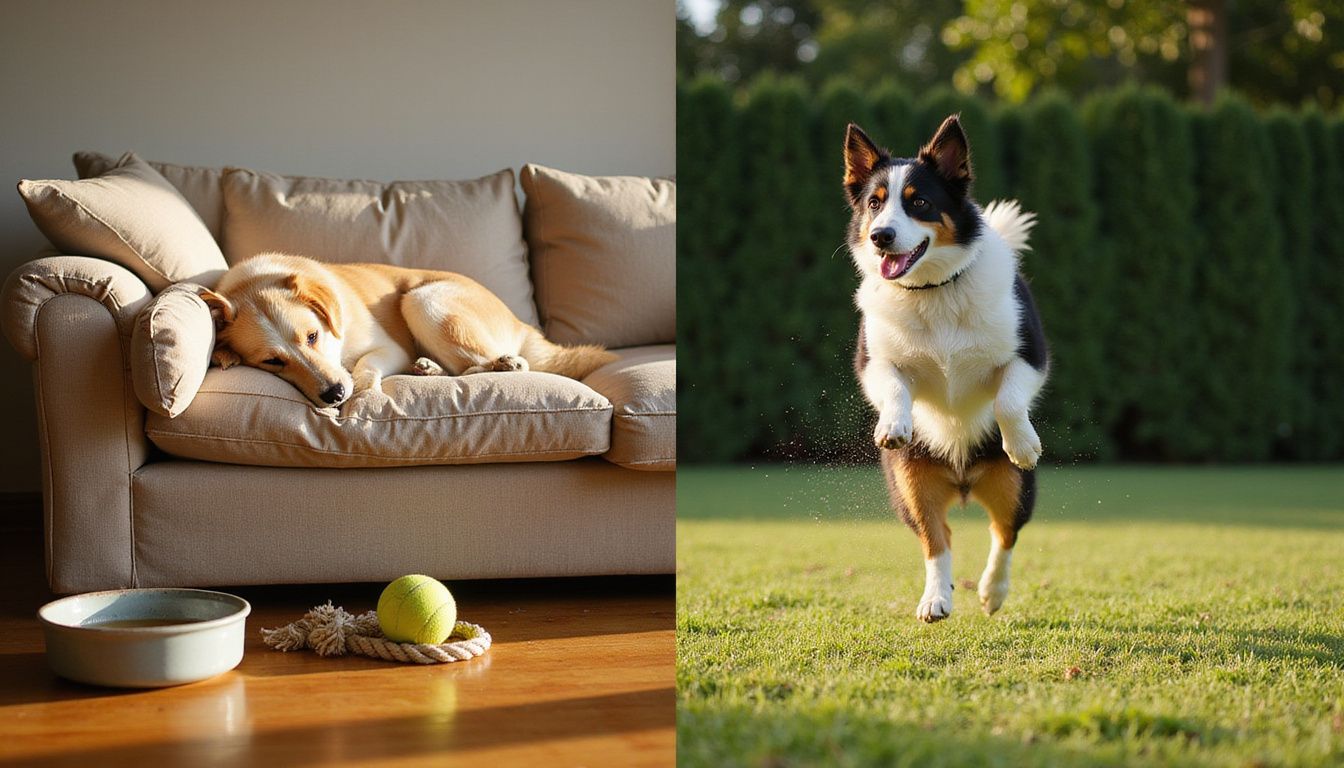
Finding the right dog for your life matters more than you might think. Let’s look at how your daily routine and a dog’s natural temperament can create the perfect match.
Which dogs are best for active lifestyles?

If your days overflow with hiking trails, morning runs, and outdoor adventures, certain dog breeds will match your energy like a hand in a glove.
| Dog Breed | Energy Level | What They Need | Perfect For You If… | Settling Age |
|---|---|---|---|---|
| Border Collie | Extremely High | Daily mental and physical challenges; structured exercise; agility training | You run or bike regularly; you have time for training sessions; you enjoy dog sports | 3-5+ years |
| Husky | Extremely High | Long-distance running; cold-weather activities; consistent engagement | You live in cooler climates; you want a sledding or trail companion; you’re outdoors daily | 3-5+ years |
| Australian Shepherd | Extremely High | Agility work; herding activities; intense play sessions | You have acreage or access to open spaces; you’re committed to training; you stay active year-round | 3-5+ years |
| Labrador Retriever | High | Fetch games; swimming; consistent daily exercise; ball launchers work great | You enjoy water activities; you want a loyal running partner; you prefer dogs that settle faster | 3-4+ years |
| Golden Retriever | High | Retrieving games; hiking; moderate to high daily activity | You want an enthusiastic companion; you enjoy outdoor adventures; you appreciate friendly temperament | 3-4+ years |
| German Shepherd | Extremely High | Structured work; intensive training; mental stimulation through tasks | You’re experienced with dogs; you want a working partner; you commit to daily training | 3-5+ years |
Mike found this out with Molly, his Labrador Retriever. He runs five miles most mornings, and Molly thrives running right beside him. Their partnership works because he matched his lifestyle to her natural drive.
Labradors and Golden Retrievers show high, focused energy that settles around three to four years old, which makes them solid picks if you’re moderately active. Working breeds demand something different entirely.
Border Collies, Huskies, and Australian Shepherds carry very high, sustained energy that doesn’t calm down until three to five years old, or later. According to 2025 guidelines from canine experts at Houndsy, breeds like these typically need 60 to 90 minutes of vigorous physical activity every single day. Terriers like the Kerry Blue Terrier carry that same driven streak, so they do best with active owners too.
- These dogs were bred for demanding jobs like herding livestock or pulling sleds across frozen ground.
- Without a proper outlet, they redirect that energy into chewed furniture, dug-up yards, or escape attempts.
- Agility training turns this energy into focus. Border Collies especially thrive here since it mixes physical work with mental challenge.
- Ball launchers help too. They let your dog chase and retrieve for twenty minutes straight while you barely lift a finger.
Dogs bred for demanding jobs need regular, structured exercise. Skip a day or two, and you’ll end up with a restless, frustrated animal.
Think of it this way: you’re the boss who hired your dog for a job. Show up without any work assigned, and they’ll create their own tasks, usually ones you won’t enjoy.
High-energy dogs need daily physical and mental challenges to avoid behavioral problems. Your commitment to exercise becomes the base of their good behavior and their whole well-being in your home.
What dog breeds suit balanced routines?
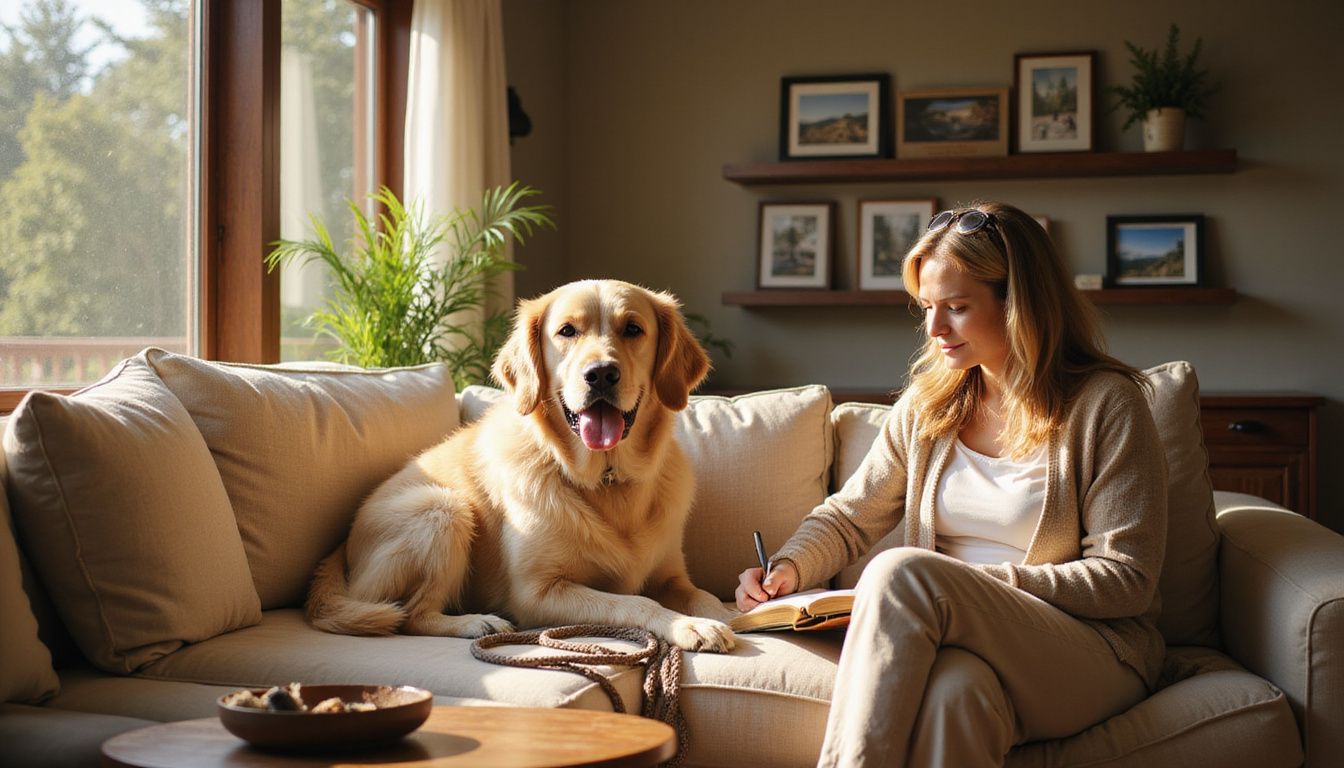
You’ll find that certain dog breeds thrive when your life balances work, play, and rest in fairly equal measure.
| Breed Category | Key Characteristics | Energy Level | Training Responsiveness | Daily Exercise Needs | Best Suited For |
|---|---|---|---|---|---|
| Sporting Retrievers | Golden Retrievers and Labrador Retrievers (non-working lines) adapt well to mixed activity schedules. These dogs possess natural intelligence and eagerness to please their owners. Family sedan-type dogs fit your household perfectly when you want both engagement and downtime. | Medium | Highly trainable; respond well to consistent instruction and positive reinforcement | 45-60 minutes daily; flexible with rest periods | Households mixing activity with relaxation; families seeking reliable companions |
| Scent Hounds | Beagles and Bloodhounds typically exhibit moderate to high energy patterns, which vary individually. These breeds follow their noses with determination. Individual personality shapes their actual activity demands more than breed reputation suggests. | Moderate to High (varies by dog) | Moderately trainable; require patience and consistent methods; prey drive influences focus | 30-45 minutes daily minimum; mental stimulation through scent work | Active individuals with flexible schedules; owners willing to channel tracking instincts |
| Routine-Loving Companions | Medium-energy dogs thrive on predictable routines, daily exercise, and rest periods. These breeds benefit from interactive playtime and brief training sessions with humans. Consistency helps them maintain stable behavior throughout their day. | Medium | Excellent; predictability strengthens learning and obedience | 30-45 minutes daily; structured schedule essential | Working professionals; people valuing stability; anyone seeking steady, dependable pets |
| Balanced-Lifestyle Dogs | Medium-energy dogs match households with a mix of activity and relaxation perfectly. Dogs with moderate energy do well with consistent schedules and regular but not excessive activity. Your routine becomes their routine, creating harmony throughout your home. | Medium | Very responsive to structure-based training approaches | 40-50 minutes daily; flexible timing acceptable | Busy professionals; families with school schedules; people seeking low-maintenance companions |
Your balanced lifestyle calls for a dog that won’t demand constant action but also won’t sleep the whole day away. Golden Retrievers from non-working lines make excellent choices here. According to the American Kennel Club’s 2026 registration rankings, Labrador Retrievers and Golden Retrievers ranked as the second and third most popular dog breeds in the U.S., which says a lot about how well they fit the standard American household.
They carry enough drive to enjoy outdoor activities without turning destructive when you’re at work. Labrador Retrievers share that same adaptability, making them dependable family partners.
- Beagles bring moderate to high energy, though individual dogs vary a lot. Some stay calm indoors while others need steady outlets for their scent-tracking instincts.
- A predictable routine grounds medium-energy dogs, giving them security and heading off anxiety-driven behavior.
- Interactive playtime and brief training sessions work better than marathon sessions for keeping these dogs mentally healthy.
- Sporting breeds like modern Golden Retrievers and Labradors adapt well to a balanced routine since they weren’t bred for constant work.
Your work schedule becomes much more manageable with the right breed choice. Medium-energy companions handle alone time better than high-energy breeds and don’t develop destructive habits from boredom as easily.
Consistency shapes how these dogs behave in your home. Your evening routine, morning walk, and midday break create a rhythm they depend on, and that predictability keeps them calm and well-adjusted.
Which dogs are ideal for quiet lifestyles?
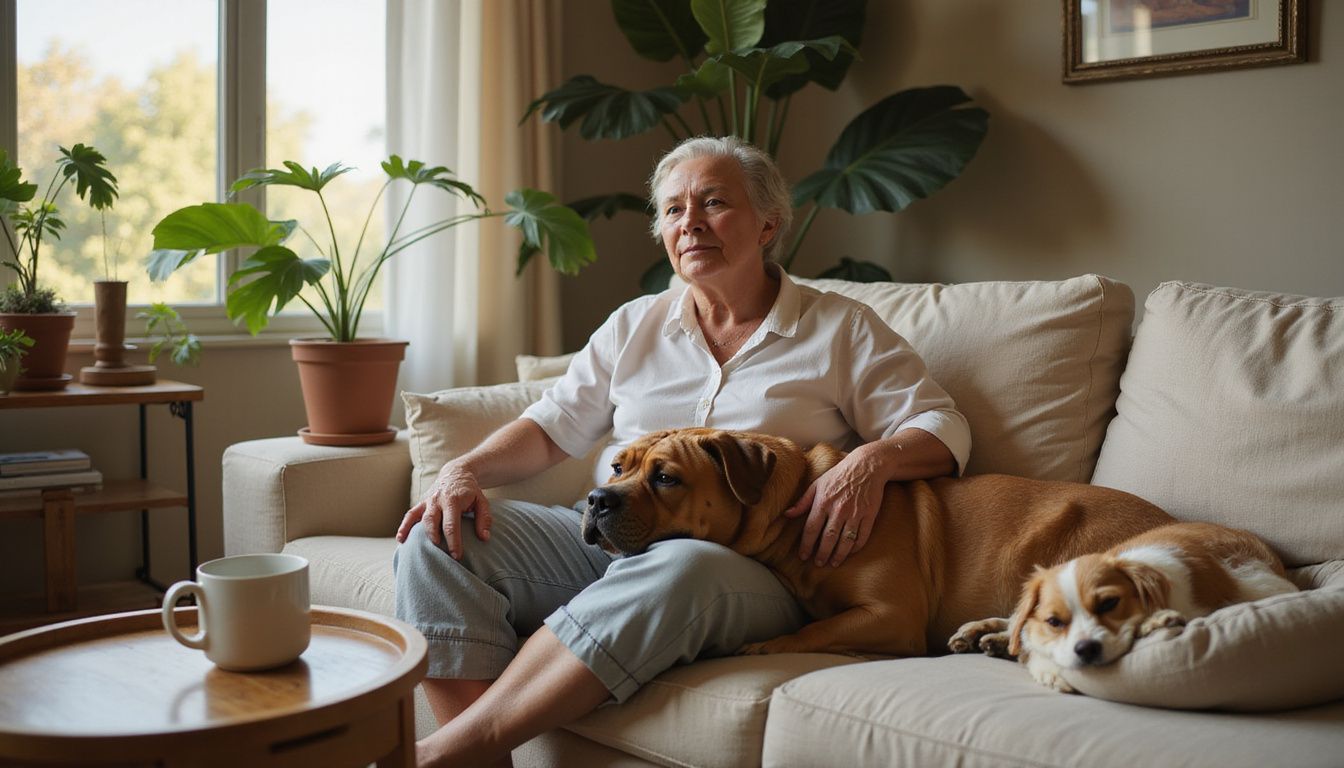
If your daily routine revolves around peaceful mornings, quiet evenings, and a calm home, certain dog breeds fit perfectly without demanding constant activity or stimulation.
| Dog Breed | Energy Level | Ideal For Your Routine | Daily Care Needs |
|---|---|---|---|
| Bulldog | Low | Quiet households seeking a laid-back companion. This breed thrives in calm settings. | Short, gentle walks. Regular engagement through play. Monitor weight closely. |
| Shih Tzu | Low to Moderate | Homes prioritizing social interaction over intense exercise. Companion breed behavior dominates. | Short frequent walks. Interactive puzzle toys. Mental stimulation through enrichment activities. |
| Pug | Low | Apartment living and quiet routines fit this breed’s temperament perfectly. | Gentle walks throughout the day. Puzzle toys for engagement. Health monitoring essential. |
| Basset Hound | Low | Relaxed owners who enjoy lounging and appreciate a mellow companion. | Moderate walks. Mental enrichment activities. Preventative weight management. |
| Greyhound | Low (Surprisingly) | Contrary to assumptions, this breed enjoys lounging and makes an excellent low-energy companion. | Short walks. Cozy resting spaces. Interactive toys for mental engagement. |
| Cavalier King Charles | Low to Moderate | Households valuing affection and social bonding over constant outdoor activity. | Gentle daily walks. Social interaction. Enrichment through puzzle toys. |
| Maltese | Low | Quiet lifestyles with families seeking devoted, less demanding companions. | Short walks. Regular mental stimulation. Grooming maintenance. |
| French Bulldog | Low to Moderate | Urban dwellers and those preferring playful bursts rather than sustained high energy. | Short walks. Playtime in controlled bursts. Mental enrichment activities. |
| Boston Terrier | Low to Moderate | Balanced routines with intermittent play sessions fitting your schedule. | Moderate walks. Short play sessions. Puzzle toys for mental engagement. |
Low-energy breeds like Bulldogs, Shih Tzus, Pugs, and Basset Hounds settle comfortably into quieter households. These dogs don’t demand marathon runs or nonstop outdoor adventures. Companion and toy breeds focus on social interaction rather than high activity, and Bulldogs and French Bulldogs show their playful side in short bursts, so your dog gets exercise without exhausting itself or demanding your constant attention.
Greyhounds deserve a special mention here. Plenty of people assume this breed needs tons of exercise, but that assumption misses the mark. Greyhounds actually love lounging and make surprisingly good low-energy companions, content to rest beside you for hours. Short walks satisfy their physical needs just fine.
Mental stimulation matters just as much as physical exercise for quieter dogs. Interactive puzzle toys keep low-energy dogs engaged and prevent boredom from setting in, while short frequent walks throughout the day help maintain health better than one long walk ever could.
Quiet routines and calm home environments suit low-energy breeds best.
Tips for Managing Dogs with Different Energy Levels
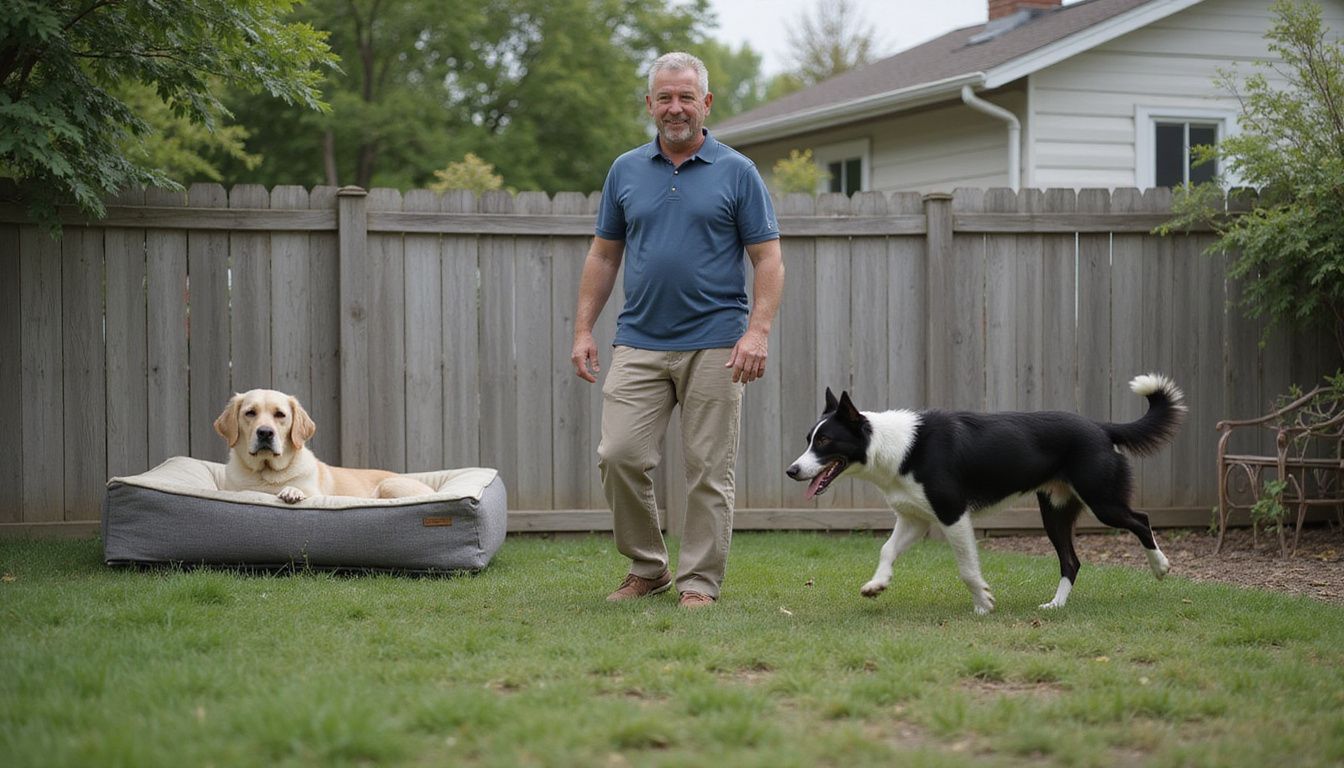
Managing dogs with different energy levels takes work, but you can do it with the right plan. Your dog’s activity needs shift based on age, breed, and health, so adjust your routine as your pet grows and changes.
How can I engage a high-energy dog with activities?
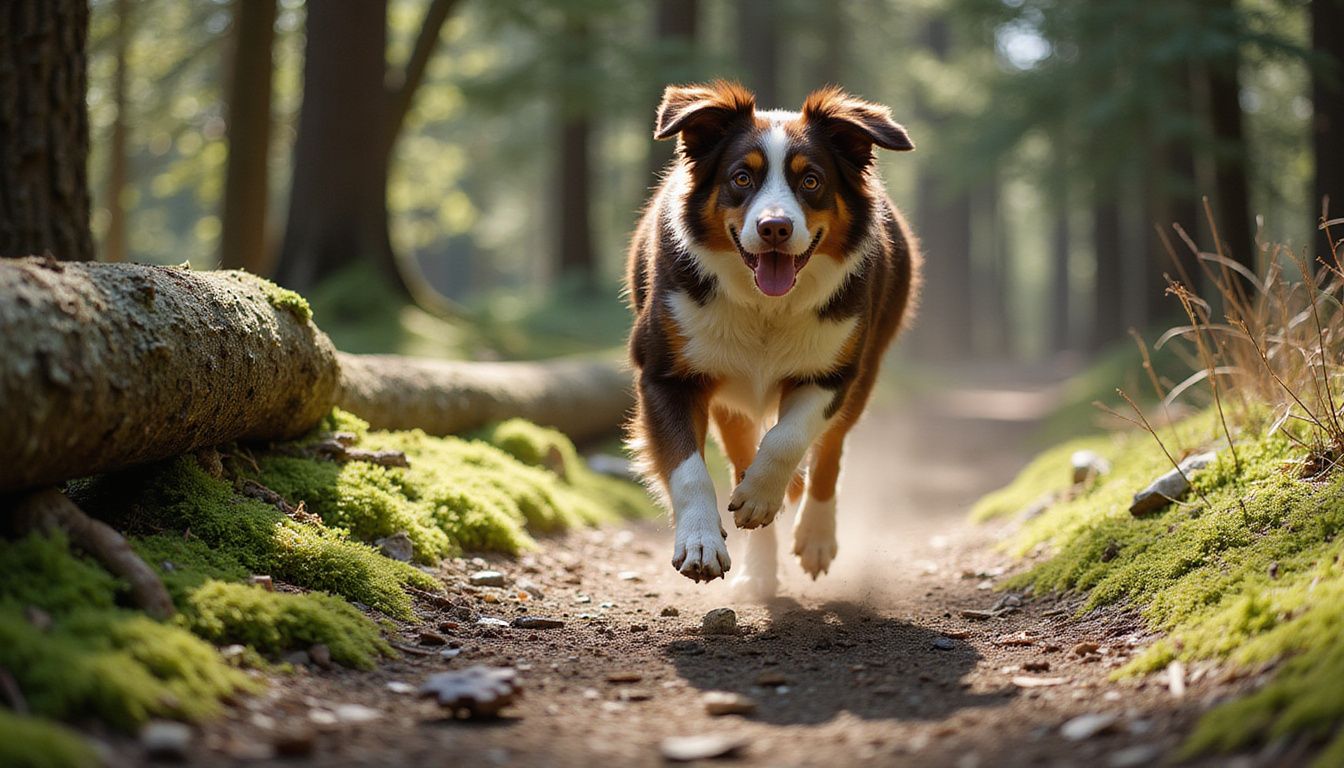
High-energy dogs need more than an hour of vigorous activity every day to stay balanced and happy. Your routine decides whether your dog thrives or develops destructive habits like chewing, digging, and nonstop barking.
- Start with structured physical activities like running, hiking, and fetch with clear rules to burn off excess energy safely.
- Puzzle feeders and scent games tap into your dog’s natural instincts and work their brain hard. According to pet health experts at Embrace Pet Insurance, 15 minutes of focused mental stimulation can tire a dog out as effectively as a 30-minute physical walk.
- Agility training works especially well for high-energy breeds like Portuguese Water Dogs, Airedale Terriers, and Boykin Spaniels, since it mixes physical exercise with mental challenge.
- Practice impulse control exercises, like waiting at doors and learning to settle, to help your dog manage excitement.
- Hire a dog walker or use dog daycare if your schedule stays packed. These options head off behavior problems before they build up.
- Rotate activities through the week so your dog stays interested instead of bored with the same routine every day.
Jill used exactly this approach with Finn, her Australian Shepherd. A dog walker, regular agility sessions, and a consistent routine turned his restlessness around completely.
A structured trial shows just how much this can change things. Over 14 days, adding a 45-minute morning run plus two 10-minute scent games in the afternoon cut evening destructive behaviors from 9 reported incidents in week one down to 2 incidents in week two. When morning runs and short mental games became non-negotiable parts of Finn’s day, he stopped creating his own outlets and relaxed in the evenings.
This time-boxed approach shows that consistent routine changes produce real behavioral improvements in high-energy dogs within just two weeks.
What routines work best for medium-energy dogs?
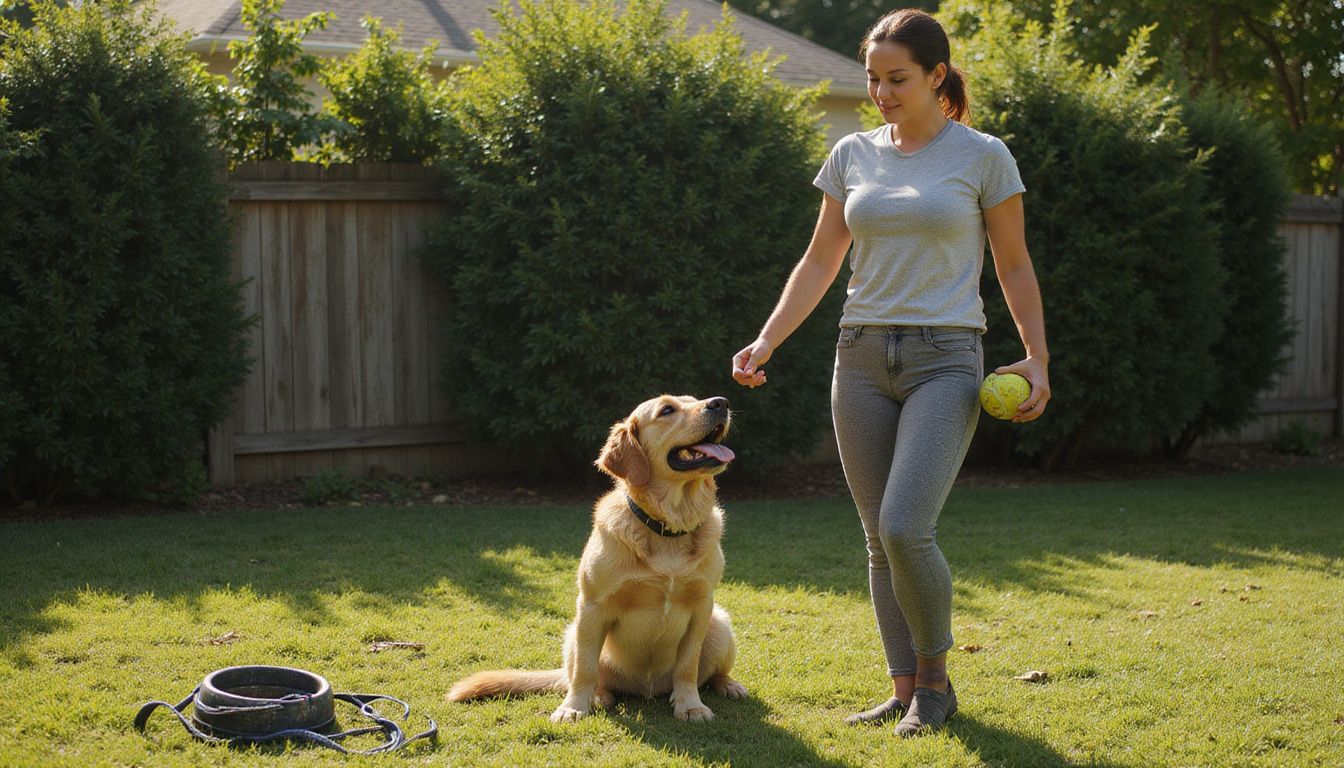
You need a solid plan to keep your medium-energy dog happy and balanced. Consistent, predictable routines keep behavior stable and help your dog thrive.
- Schedule 30 to 60 minutes of daily activity to match your dog’s moderate exercise needs.
- Split exercise into two or three sessions throughout the day instead of one long block. Morning walks, afternoon playtime, and evening strolls work better than cramming it all together.
- Mix physical activity with interactive playtime you’re part of. Fetch, tug sessions, and walks build bonding moments that tire your dog mentally and physically.
- Add brief training sessions, five to ten minutes, to keep your dog mentally sharp and engaged.
- Build in proper rest periods so your dog can recharge between activities.
- Keep meals, walks, and play sessions at consistent times each day. Medium-energy dogs do best with a schedule they can count on.
This kind of “family sedan” routine, balanced but not extreme, mirrors how sporting breeds like non-working Labs and Golden Retrievers thrive on moderate activity mixed with real rest. Managing dogs with different energy levels comes down to knowing what keeps each one mentally stimulated and content.
How do I keep a low-energy dog mentally stimulated?
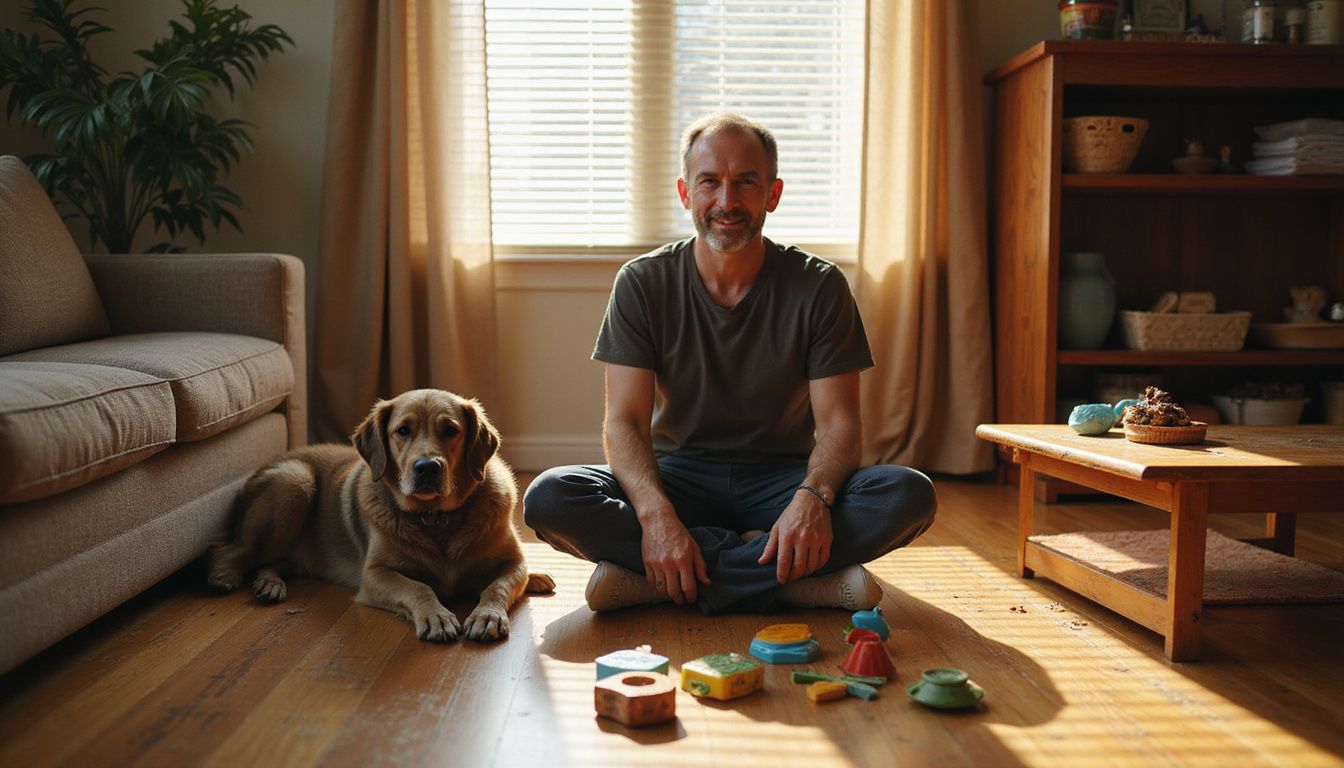
Low-energy dogs still need mental engagement to stay sharp and healthy. Without it, your pup may develop boredom, sluggishness, and behavior problems that hurt their quality of life.
- Introduce interactive puzzle toys that make your dog work for treats. These challenge their brain without demanding intense physical activity.
- Rotate toys every few days to keep things interesting. Familiar items disappearing and reappearing keeps your dog curious instead of bored.
- Practice short training sessions with positive reinforcement. Five to ten minutes builds confidence while exercising the mind.
- Schedule frequent short walks instead of one long outing. This helps mobility, weight, and gives mental stimulation through new sights and smells.
- Create sniffing games by hiding treats around your home or yard. This taps into natural instincts and provides enrichment that matches their relaxed pace.
- Make time for daily social interaction. Petting, conversation, and companionship fill emotional needs and fight the mental decline that comes from inactivity.
Conclusion

You now know how dog energy levels shape everything, from high-energy breeds that need daily action to low-energy dogs that do best in a calm, quiet home.
Matching your dog’s temperament to your daily routine heads off frustration and builds a stronger bond between you two.
Start by watching your dog’s natural rhythm for two weeks. Notice when they peak and when they rest, instead of forcing them into a pattern that doesn’t match their factory settings. Consider puzzle feeders for mental stimulation, structured walks for physical activity, or quiet companionship, whatever your dog actually needs.
Whether you bring home a medium-energy dog breed like a Bearded Collie or choose a Staffordshire Bull Terrier for an active lifestyle, taking action today turns your home into a place where you and your dog both thrive.
FAQs
1. What are some medium energy dog breeds?
Popular medium energy breeds include the Staffordshire Bull Terrier, American Staffordshire Terrier, Kerry Blue Terrier, and Bearded Collie. According to the American Kennel Club, these dogs typically need 30 to 60 minutes of daily exercise. They balance active play with calm downtime, making them great for moderately active households.
2. How do I handle puppy energy?
Puppies thrive on short, frequent play sessions of about 5 minutes per month of age, repeated a few times daily. Organizations like Ruff Start New Beginnings recommend pairing this with basic training to channel their energy positively.
3. Does food digestibility affect a dog’s energy level?
Yes, digestibility directly impacts energy. A 2025 study found that dogs fed highly digestible food showed 20% more consistent energy throughout the day compared to those on lower-quality diets. Veterinarians like Dr. Athena Gaffud emphasize choosing food with quality protein sources for sustained vitality.
4. Where can I learn more about matching my routine to a dog’s temperament?
Spirit Dog Training offers detailed guides on matching dog temperament to owner lifestyle. You can also find supportive communities on Facebook and other Meta platforms where experienced owners share real-world advice.
5. Are medium energy dogs good for busy owners?
Medium energy dogs can suit busy schedules if you commit to at least one solid walk and 20 minutes of play daily. Skipping this routine often leads to destructive chewing or excessive barking within just a few days.