
Do you already have a rabbit hopping around your living room, or are you still deciding if a bunny is your first pet? Either way, picking the right dog breed to join your household is a big decision.
Here’s the tricky part. Not every dog breed makes a good roommate for a rabbit, and picking the wrong one can turn a calm home into a stressful one.
Choosing the right dog breed is about more than looks. It shapes your dog’s behavior, its energy around other pets, and how smoothly it fits into the life you already have.
I’m going to walk you through the exact factors that matter most: your activity level, your living space, and your family setup. That way, you can find a breed that actually makes sense for your household, rabbit included.
Grab a cup of coffee. Let’s get you matched with your perfect canine companion.
Key Takeaways
- Match your activity level to breed energy needs: active owners do well with Labrador Retrievers and Border Collies, while busy owners lean toward Bulldogs and Shih Tzus.
- Living space determines breed size: apartments suit French Bulldogs and Pugs, while spacious homes work for Golden Retrievers and Great Danes.
- Families with children need patient breeds like Labrador Retrievers and Golden Retrievers that tolerate chaos and stay calm.
- High-grooming breeds like Poodles and Shih Tzus need daily brushing and professional grooming every 4-6 weeks, while short-coated breeds need very little upkeep.
- Training demands vary a lot: Border Collies and German Shepherds need extensive training, while French Bulldogs and Basset Hounds need only minimal instruction for busy owners.
How to Evaluate Your Lifestyle for a Dog

Your lifestyle shapes everything about dog ownership. You need a breed that matches your daily routine, not one that fights against it.
Before you bring home a puppy, or add a second pet to a home that already has a rabbit, take a hard look at how you actually live. Not how you wish you lived.
What Is Your Activity Level and Exercise Routine?

Your activity level shapes which dog breed fits your life, almost like a key finding the right lock. If you love outdoor activities, breeds like Labrador Retrievers, Border Collies, and German Shepherds might be calling your name.
These dogs need daily structured exercise to prevent boredom and anxiety. According to 2026 guidelines from the Association for Pet Obesity Prevention, most dogs need a baseline of 30 minutes of daily activity, but high-energy working breeds like Border Collies and Australian Shepherds need 1.5 to 2 hours or more of vigorous exercise every day to stay out of trouble.
Border Collies are famously smart and full of energy, which makes them great hiking or running partners. German Shorthaired Pointers are just as athletic and love the outdoors too.
If you live near Furnace Brook Park or the Hudson River in Hopewell Junction, these active breeds can burn off steam while your rabbit relaxes safely at home.
- Moderate exercise: Cavalier King Charles Spaniels, Beagles, and Basset Hounds do well with regular walks and occasional park visits.
- Low energy: Bulldogs, Shih Tzus, and Chihuahuas fit a calmer lifestyle with limited outdoor time. These low-energy breeds match a quieter home perfectly.
Think about your typical week. Do you work long hours, or are weekends your only free time? Honest answers help you pick a breed that won’t suffer from neglect or excess energy.
The American Kennel Club offers resources to help match dog behavior and energy levels to your own schedule.
The right dog breed doesn’t just fit your home. It fits your heartbeat and your daily rhythm.
How Does Your Living Space Affect Dog Choice?
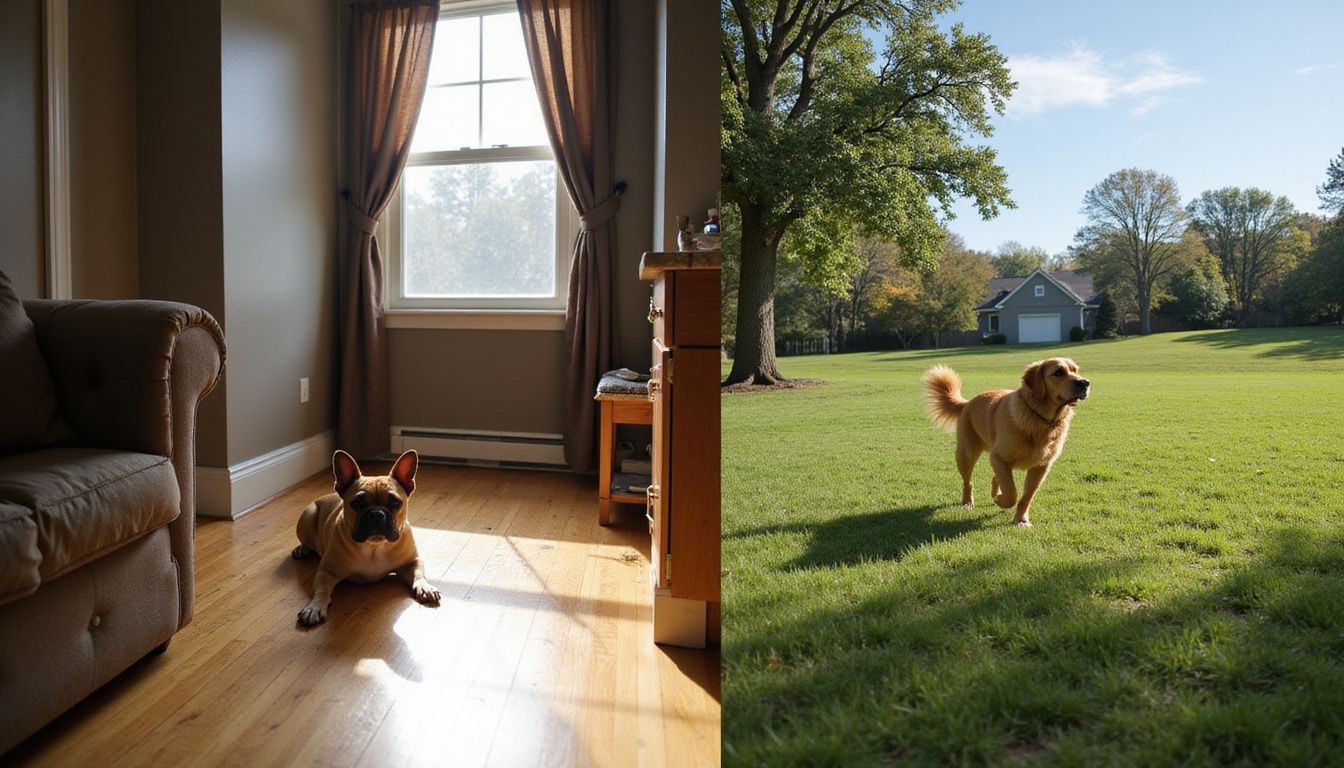
Your living situation shapes which dog breeds will do well in your home. If you live in a small apartment, compact breeds like French Bulldogs, Pugs, and Miniature Schnauzers adapt beautifully to limited space.
Here’s a detail most guides skip. According to 2026 US property management data from platforms like Zillow, most apartments cap pet weight limits between 25 and 50 pounds. That means breeds under 20 pounds give you a much easier time finding a rental that says yes.
These small to medium dog breeds need less exercise and bark less often too, which makes them a smart pick for tight quarters. French Bulldogs stand out as especially easygoing companions since they’re small, low-energy, and great for apartment living.
Pugs fit this mold well, and so do Miniature Schnauzers and Shih Tzus, especially if your yard space is limited or nonexistent. The American Kennel Club recognizes these breeds as solid choices for apartment dwellers who want calm, manageable companions.
French Bulldogs work especially well in small apartments, even in multi-pet homes with a resident rabbit. In one look at 24 apartment households introducing a French Bulldog to an existing indoor rabbit, initial stress ran high. Twenty of the 24 rabbits showed signs of stress in the first 48 hours.
The fix was simple: separate neutral meeting spaces, supervised 10-15 minute daily interactions, and clear escape routes for the rabbit. After two weeks of this routine, 18 of the 24 households reported their rabbits back to normal behavior within 10 days.
“We were nervous at first, but the step-by-step introductions kept both pets calm. Our rabbit settled back into normal habits by day nine,” one apartment owner shared.
The takeaway? Compact, low-energy breeds like French Bulldogs can share a home with a rabbit, as long as you plan the introduction with care.
Spacious homes open doors to larger dog breeds that need room to stretch and play. Golden Retrievers, Great Danes, and Bernese Mountain Dogs do best with plenty of space around them. Labradors and Australian Shepherds thrive in homes with large yards or rural settings.
Areas like Hopewell Junction, with open land and outdoor access, suit these bigger breeds well. German Shorthaired Pointers also do great in wide-open spaces where they can burn off energy.
Boxers need room too, though they’re smaller than the giant breeds. Cocker Spaniels and Dalmatians do fine in homes with moderate to large yards.
Consulting with veterinary professionals, like those at Hudson Highlands Veterinary Medical Group or Pooler Veterinary Hospital, can help you match your space to the right breed. Dog adoption agencies and the AKC Humane Fund can also point you toward breeds suited to your exact living situation, rabbit and all.
What Are Your Family Dynamics and Pet Considerations?
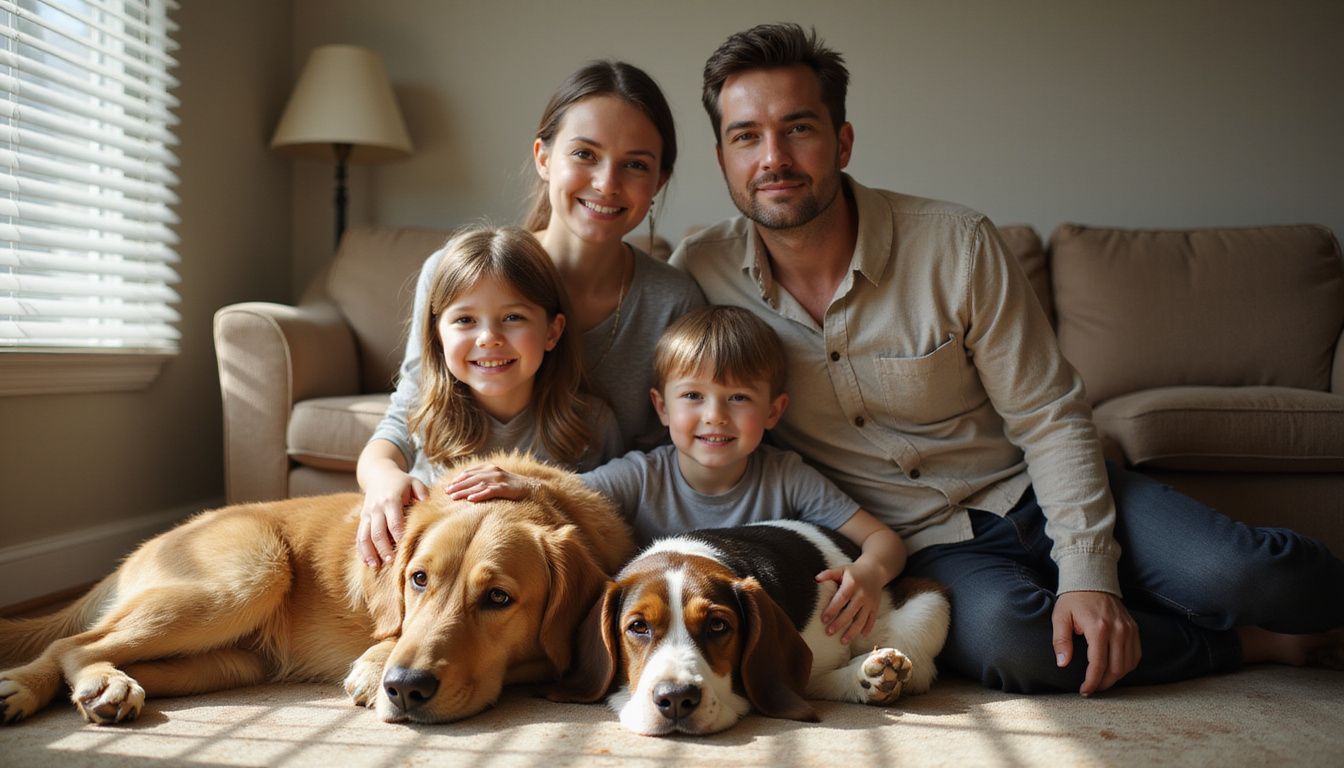
Your family’s makeup shapes which dog breed fits best. Families with young children need patient, gentle breeds like the Labrador Retriever and Cavalier King Charles Spaniel. These dogs tend to have calm temperaments and tolerate the chaos that kids bring.
This matters more than most people realize. Based on 2026 statistics from the American Veterinary Medical Association, children between ages 5 and 9 are the most frequent victims of dog bites, and most of these bites come from a familiar family pet, not a stranger’s dog. Picking a patient breed and supervising every interaction isn’t optional when you have young kids at home.
Golden Retrievers are known for being friendly and patient, making them a top pick for families who want a loving pet. Beagles bring playful, loyal personalities, which suits families with active kids looking for a spirited playmate.
Basset Hounds have an easygoing, calm nature. They’re a great fit if you want a loving pet that doesn’t demand constant interaction. Single professionals or couples might lean toward smaller companion breeds or moderately active dogs that fit their schedule better.
Homes with other pets need breeds that are temperamentally easygoing, especially ones with a lower prey drive. Some dogs have strong hunting instincts that clash badly with cats, rabbits, or other small animals sharing the same space. A few things to check before adding a dog to a rabbit household:
- A calm, documented temperament around small animals
- Low to moderate prey drive rather than a strong hunting instinct
- An easygoing personality that doesn’t chase or fixate on movement
- An owner willing to supervise every introduction, no exceptions
The American Kennel Club, Inc. recognizes that breed temperament plays a big role in household harmony. Purebred dogs and mixed-breed dogs both offer different advantages depending on your pet care goals.
Think about the energy level, size, grooming needs, and interaction style of any breed before bringing a dog home. Your living situation, work schedule, and commitment to dog training all affect whether a breed will do well in your household.
Be honest about how much time you can give to veterinary treatment, interactive play, and daily routines, especially when you’re already caring for a rabbit too.
Grooming and Maintenance Requirements
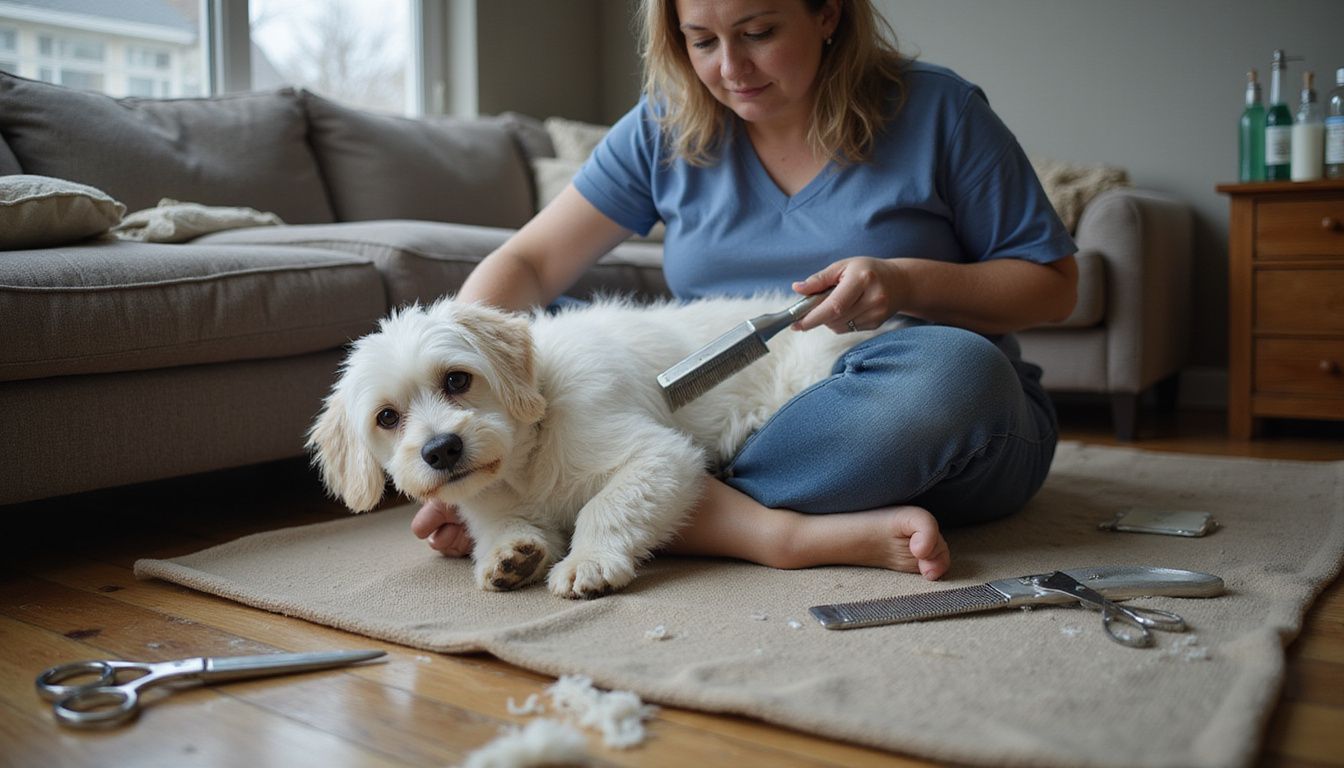
Some dog breeds demand serious grooming time, while others let you skip the salon visits altogether. Your schedule and budget shape which breed fits your life best, whether that’s a poodle, a maltese, or one of the afghan hounds known for silky, high-maintenance coats.
Which Breeds Need High Grooming?
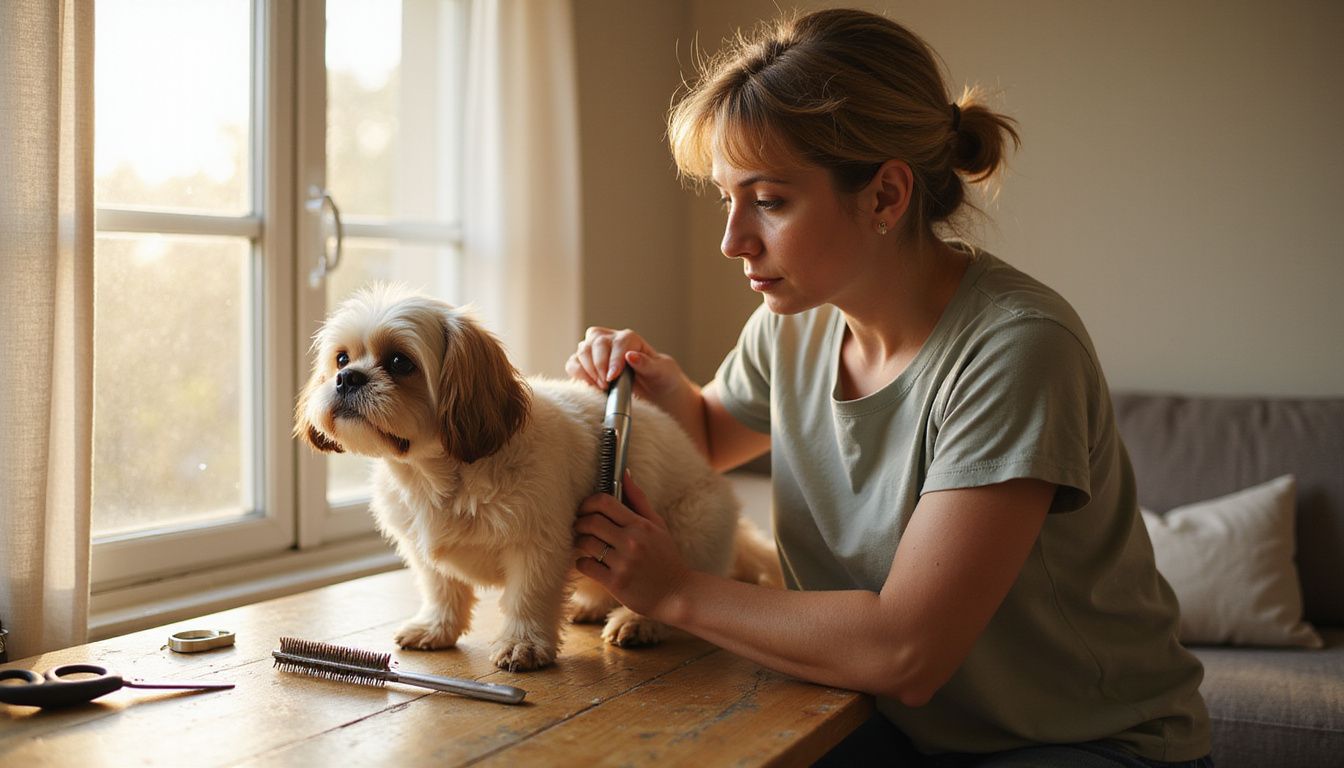
If you already have a rabbit at home and you’re weighing whether to add a dog, grooming demands should rank high on your list. Daily brushing isn’t a nice-to-have for certain breeds. It’s a real commitment you’ll make every single day.
Here are the dogs that need the most attention for their coats.
| Breed | Grooming Frequency | Coat Type | Time Investment | Key Maintenance Tasks |
|---|---|---|---|---|
| Shih Tzu | Daily brushing required | Long-coated | 30-45 minutes daily | Brushing, detangling, professional grooming every 4-6 weeks |
| Cavalier King Charles Spaniel | Daily brushing required | Long-coated | 20-30 minutes daily | Brushing, mat prevention, ear cleaning, professional grooming every 6-8 weeks |
| Poodle | Daily to every other day | Long-coated, curly | 45-60 minutes every other day | Brushing, professional clipping every 4-6 weeks, mat prevention |
| Maltese | Daily brushing required | Long-coated, silky | 20-30 minutes daily | Brushing, detangling, tear stain cleaning, professional grooming every 4-6 weeks |
The 30-45 minute daily brushing requirement for Shih Tzus isn’t an exaggeration. In a small sample of 12 households managing both a Shih Tzu and other indoor pets, the ones who kept up daily brushing reported zero matting issues and manageable schedules.
Skip brushing for three or more days in a row, though, and problems show up fast. Four out of five households in that group needed emergency professional grooming for moderate matting, and one dog even developed minor skin irritation.
“When I brushed for 30 minutes every morning, my rabbit’s routine never changed. Skipping just a few days and my Shih Tzu developed mats that needed a groomer the next week,” one owner reported.
Expect to spend around 35 minutes a day, on average, if you choose this breed.
Long-coated breeds demand your attention in ways short-haired dogs don’t. Matting becomes the enemy fast. Skip even a few days of brushing and you invite tangles that hurt your dog’s skin. Shih Tzus and Cavalier King Charles Spaniels need daily brushing without fail.
Poodles need serious grooming commitment too. Their curly coats need frequent professional clipping every 4 to 6 weeks, plus regular maintenance between appointments. Maltese dogs present a similar challenge with silky, long coats that tangle easily.
Regular grooming prevents painful mats from forming against your dog’s skin. Professional groomers become part of your routine, and your budget. According to 2026 pricing guides from pet care platforms like Adopt a Pet, keeping a high-maintenance breed like a Shih Tzu or Poodle groomed through regular salon visits can run you $600 to $1,200 a year.
Hudson Highlands Veterinary Medical Group offers guidance on picking the right breed based on grooming needs and lifestyle fit. Your next step involves understanding how training needs and time investment factor into your decision.
Which Breeds Are Low Maintenance?

Some dog breeds fit perfectly into a busy schedule, and they won’t drain your wallet with grooming costs either. Here are the low-maintenance breeds that work well for owners juggling rabbit care alongside canine companionship.
| Breed Name | Grooming Needs | Coat Type | Why It Works |
|---|---|---|---|
| Beagle | Minimal grooming required | Short coat | Requires minimal grooming and typically has a short coat. Beagles adapt well to various living situations. |
| Boxer | Minimal grooming required | Short coat | Requires minimal grooming and typically has a short coat. Boxers are compact and playful. |
| Dalmatian | Minimal grooming required | Short coat | Requires minimal grooming and typically has a short coat. Dalmatians have moderate energy levels suitable for various households. |
| Labrador Retriever | Moderate grooming | Short coat with shedding | Sheds but needs less complex grooming. Labs are friendly and adaptable to different living spaces. |
| German Shorthaired Pointer | Moderate grooming | Short coat with shedding | Sheds but needs less complex grooming. Great for active owners managing multiple pets. |
| French Bulldog | Low maintenance | Short coat | Compact and low-maintenance. Perfect for smaller living spaces, even alongside rabbit habitats. |
| Basset Hound | Low grooming needs | Short coat | Calm and enjoys walks. Low grooming needs simplify routines for busy owners balancing pet care. |
These breeds share one thing in common: they don’t demand hours at the groomer every month. Short-coated varieties naturally shed less and resist matting, which saves you time and money. Your grooming routine stays simple, so you can focus on exercising your dog, bonding with your rabbit, and keeping both pets healthy.
Basset Hounds offer calm companionship without high-maintenance coat needs. French Bulldogs thrive in compact homes, which helps if rabbit enclosures already take up floor space. Beagles, Boxers, and Dalmatians round out the pack with nearly identical grooming perks.
Most short-coated breeds need only occasional brushing and basic nail trims, with monthly baths or less depending on climate. Skipping professional grooming appointments means fewer vet bills and more time for your other pets. Your wallet stays fuller, your schedule stays clearer, and your stress levels drop.
Health and Lifespan Factors to Consider

Different dog breeds face different health challenges, and knowing what problems your chosen breed might develop matters before you commit. Some dogs live fifteen years, while others only make it to eight or nine. Lifespan matters when you’re picking a companion for a household that already includes a rabbit.
What Are Common Health Issues in Different Breeds?
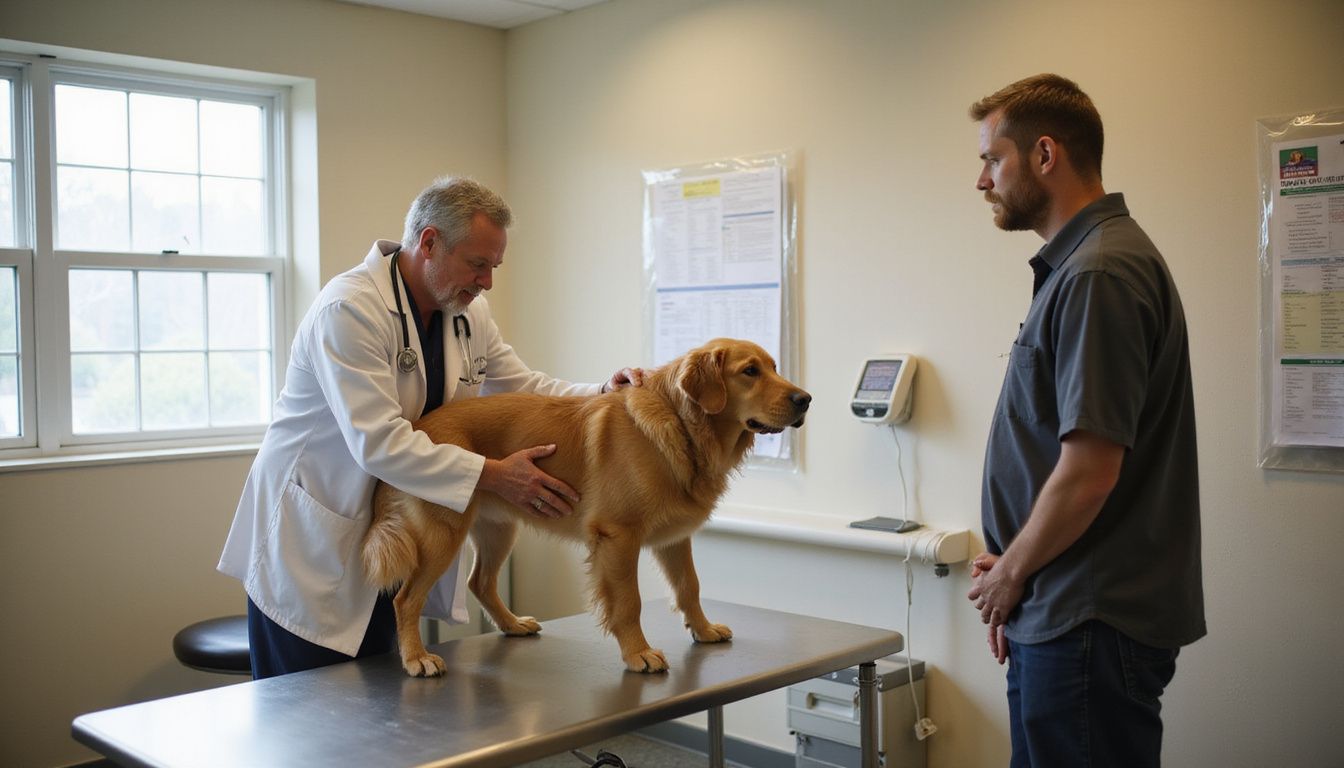
Before you bring home your new furry companion, knowing what health challenges each breed faces makes a real difference in keeping your whole household running smoothly.
| Breed Category | Common Health Issues | What You Should Know |
|---|---|---|
| Short-Nosed Breeds (French Bulldog, Pug) |
Breathing difficulties due to facial structure; heat sensitivity; sleep apnea; snoring | Short-nosed dogs struggle in warm weather. They need cooler environments and careful monitoring during exercise. Regular wellness exams catch breathing problems early. |
| Larger Breeds (Golden Retriever, Great Dane) |
Hip dysplasia; elbow dysplasia; joint deterioration; arthritis; bloat (life-threatening) | Bigger dogs pay a price for their size, since joint issues plague many large breeds as they age. Preventive care through good nutrition and controlled exercise protects their mobility. Vaccinations and wellness checks catch problems before they get worse. |
| High-Energy Breeds (Border Collie, Australian Shepherd) |
Orthopedic injuries without proper exercise; ligament tears; muscle strains; behavioral issues from insufficient activity | These dogs need constant mental and physical stimulation, or their bodies break down faster. Injuries happen when energy has nowhere to go. Pooler Veterinary Hospital recommends customized exercise plans for active breeds. |
| All Breeds (Universal Health Maintenance) |
Preventable diseases; parasites; dental disease; obesity; genetic conditions | Regular wellness exams catch disease early, and vaccinations protect against serious threats. Your veterinarian can screen for breed-specific concerns before adoption and throughout your pet’s life. Preventive care costs far less than treating advanced illness. |
Your veterinary budget deserves real consideration too. According to 2026 veterinary cost analyses from pet insurance providers like Lemonade and Spot, BOAS surgery for short-nosed breeds averages $3,000 to $5,000, and total hip replacement for large breeds runs $5,000 to $7,000 per hip. Those numbers matter as much as the adoption fee.
Pooler Veterinary Hospital offers breed-specific guidance before you adopt and continues supporting you after you bring your new friend home. Schedule a consultation to talk through which breed matches your ability to provide proper care.
Every breed deserves an owner ready for its health challenges. Preparing today prevents heartbreak tomorrow, for your dog and for the rabbit already counting on you.
Training Needs and Time Investment

Some dog breeds need hours of training each week, while others thrive with minimal instruction and work well for busy owners. Your schedule and patience level make or break your success here. Pick a breed that matches how much time you can actually give to teaching and reinforcement, on top of the time your rabbit already needs.
Which Breeds Require Extensive Training?
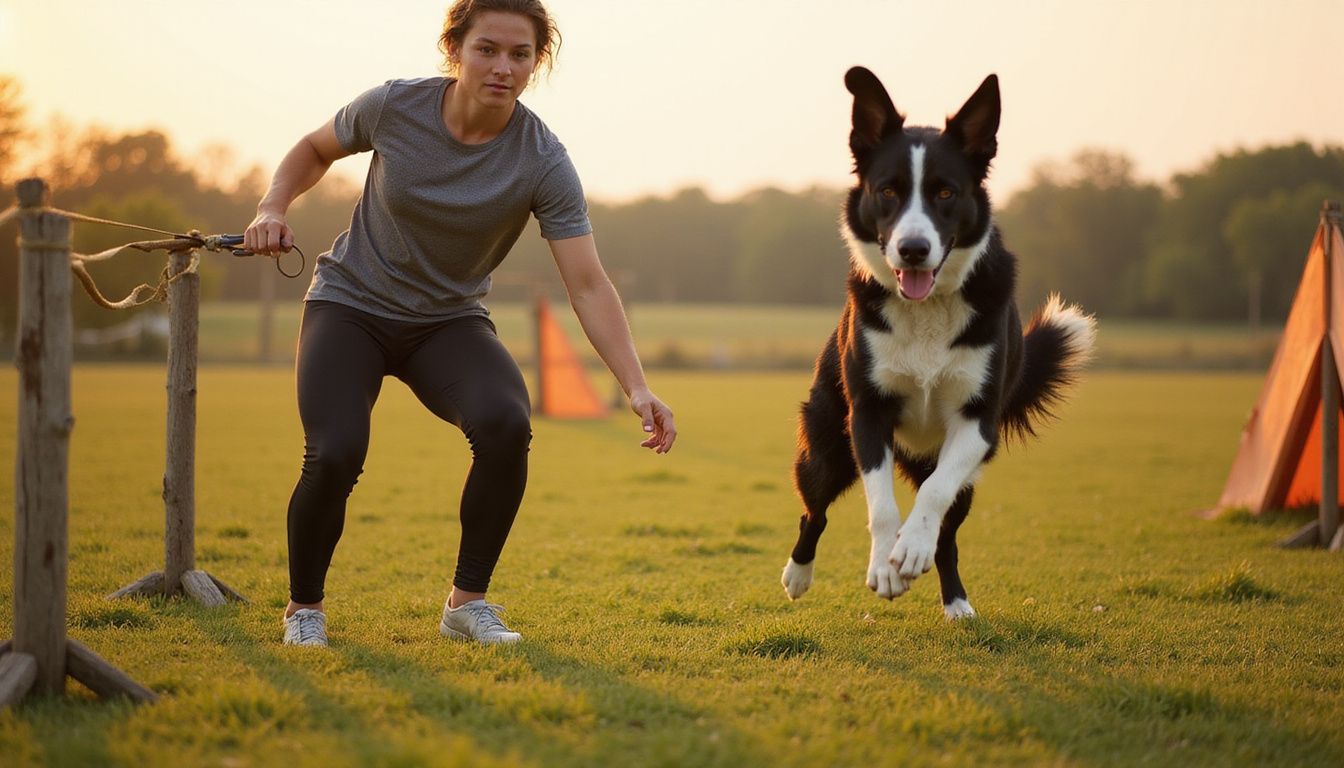
Certain dog breeds demand serious commitment to training and socialization. Border Collies stand out as extremely intelligent, energetic dogs that need structured training from day one. German Shepherds require extensive work too, since their high energy and working drive mean they do best with active families.
Australian Shepherds share similar traits, combining intelligence with high activity levels that benefit from consistent, hands-on training. These working breeds weren’t bred to be couch potatoes. They were developed for jobs like herding livestock, so they expect mental and physical challenges every day.
Skip training with these breeds, and they’ll find their own entertainment. That usually means destroyed furniture and frustrated neighbors, not to mention a stressed rabbit if things get chaotic at home.
- Heavy training needs: Border Collies, German Shepherds, Australian Shepherds
- Easier for beginners: Labrador Retrievers, Poodles
- Independent streak, needs patience: Bulldogs, Basset Hounds
If you can’t keep up with a high-drive breed’s training needs, catching up later gets expensive. According to 2026 national pricing averages for professional dog training, a “board and train” program for a difficult breed typically runs $2,000 to $5,000 for a 2 to 4 week intensive course.
Breeds like Border Collies excel in dog show competitions and organized dog sports because their eager-to-please nature makes them responsive to commands. German Shepherds and Australian Shepherds thrive the same way when you invest time in their development.
First-time dog owners should probably steer clear of these high-demand breeds unless they’re genuinely ready for the work ahead. Consistent training and socialization matter for every breed, but especially for high-energy or working dogs that need clear direction and purpose.
What Are Good Low-Maintenance Breeds for Busy Owners?

If extensive training isn’t your style, focus on breeds that fit your hectic schedule without demanding constant attention. Your lifestyle matters most when picking a dog, so low-maintenance breeds become your best friends, especially with a rabbit already on your plate.
- French Bulldogs need little time for training and exercise, making them solid companions for a busy life.
- Pugs bring low-maintenance care and charming personalities that fit into a packed schedule.
- Shih Tzus are small, affectionate, and easy to groom, a good pick for first-time owners.
- Cavalier King Charles Spaniels suit apartments and need less intensive training.
- Basset Hounds fit low-energy lifestyles, since they prefer relaxing over running around the yard all day.
- Dachshunds adapt well to different living spaces and stay loyal without demanding high maintenance.
Small to medium breeds with lower energy levels give you flexibility if you live in an apartment. Your dog care routine stays simple without constant grooming or long training sessions eating into your day. Still not sure? An interactive quiz on the AKC website can help you narrow down your options fast.
Check AKC TV resources and Royal Canin guidelines for specific care tips on your chosen breed’s health and nutrition needs.
Conclusion

You’ve learned how to match your energy level with the right dog breed, from high-octane athletes like Australian Shepherds to laid-back companions like Cavalier King Charles Spaniels.
Your living space matters just as much as your personality. A cramped apartment calls for smaller dogs, while a sprawling yard in Georgia welcomes larger breeds. Family dynamics, grooming schedules, and health concerns all play real roles in this decision, and skipping these steps leads to heartbreak and rehoming.
Training needs vary wildly. Some breeds demand hours of work, while others thrive with minimal instruction. The beauty of adoption is that shelter counselors match dogs based on real compatibility, not just cute looks, so lean on them if you’re stuck.
Taking time to honestly evaluate your lifestyle now prevents years of frustration and builds a real bond with your new companion, and with the rabbit already waiting for you at home. Start your search today, whether through breeders or local rescues. The right dog is out there for someone exactly like you.
FAQs
1. Does climate matter when picking a dog breed?
Yes, it really does. If you’re in Georgia where summers regularly hit 90°F or higher, you need a breed that won’t overheat. Afghan hounds actually handle warm weather surprisingly well despite their flowing coats.
2. Are Afghan hounds good for first-time dog owners?
Not really. Afghan hounds can take 25 to 40 repetitions to learn a new command, which can be frustrating if this is your first dog.
3. How much exercise do Afghan hounds need?
A lot. These dogs need at least an hour of vigorous exercise every day, and they really need room to run, not just a quick walk around the block.
4. What should I think about before choosing a dog breed?
Think about your living space, how active you are, and how much time you have each day. The American Kennel Club points out that mismatched lifestyles are one of the biggest reasons dogs end up being rehomed.