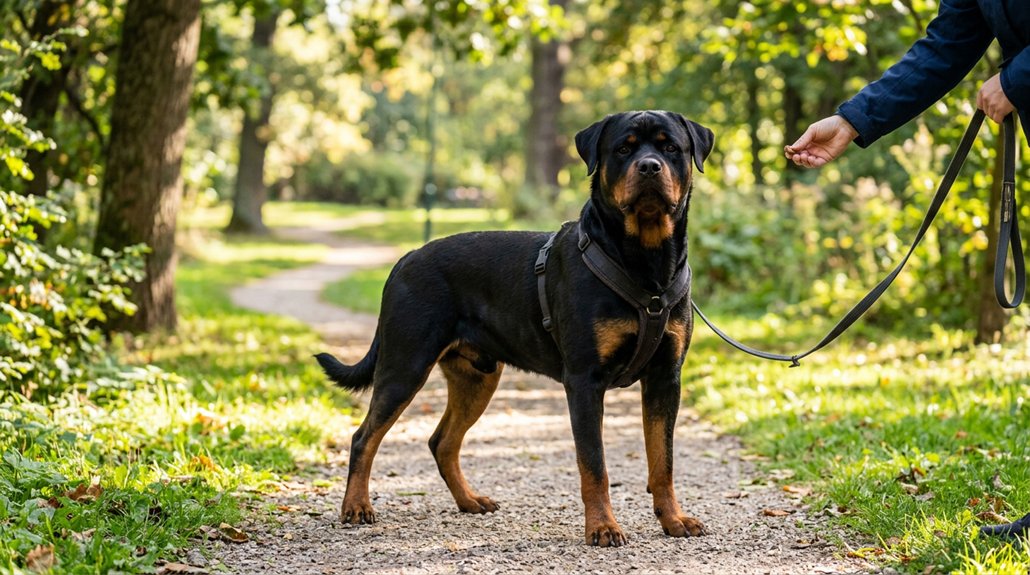
Rottweilers are strong, loyal dogs with a history of guarding and working roles. Provide them with structured training using positive reinforcement to foster a balanced temperament. Daily exercise, proper grooming, and a high-quality diet tailored for large breeds are essential for their health. Early socialization, especially between 6 and 9 weeks, is vital to build confidence and prevent anxiety. To further understand their care and training, exploring more detailed guidance will be beneficial.
Key Takeaways
- Rottweilers are intelligent and loyal, requiring early socialization and positive reinforcement to reduce anxiety and promote confidence.
- Daily exercise of 60-90 minutes is vital for Rottweiler health, utilizing a mix of structured and unstructured activities.
- Weekly grooming, including brushing and nail trimming, maintains their dense double coat and prevents shedding issues.
- Rottweiler puppies benefit from early socialization classes to interact positively with diverse dogs and people.
- Nutrition for Rottweilers involves high-quality food tailored for large breeds, ensuring appropriate portion control to avoid obesity.
Exploring the Rottweiler Breed: History and Characteristics
Originating from the Roman Empire, the Rottweiler breed has a rich history beginning as cattle-driving dogs accompanying Roman legions to Rottweil, Germany. You’ll appreciate their evolution from versatile “butcher dogs” in the Middle Ages, fiercely guarding butcher carts and securing earnings in leather pouches on their collars. This heritage showcases a lineage of strength and dependability.
Fast-forward to the early 20th century, and you’ll find Rottweilers excelling in search-and-rescue, police work, and as guide dogs. This adaptation highlights their extraordinary versatility and evolution to suit modern roles. Known for a confident and protective temperament, they form deep bonds with their families. Understanding their Rottweiler heritage helps contextualize their devoted nature and the importance of early socialization.
Physical Traits of Rottweilers: Size and Coat
With their storied past and impressive adaptability, Rottweilers embody physical traits that are as striking as their legacy. In examining Rottweiler anatomy, you’ll find males typically weigh between 43kg and 61kg, and females range from 36kg to 45kg, with shoulder heights from 56cm to 69cm. Their strong, stocky build features a massive head and a square muzzle, contributing to a powerful presence enhanced by a deep chest and muscular physique.
Rottweilers have a dense double coat that calls for coat maintenance. This short coat results in moderate shedding year-round, increasing in spring and fall. Notably, their striking black fur is often complemented by tan or mahogany markings on their face, chest, and paws, adding further distinction to this majestic breed.
Characteristics of Rottweiler Temperament
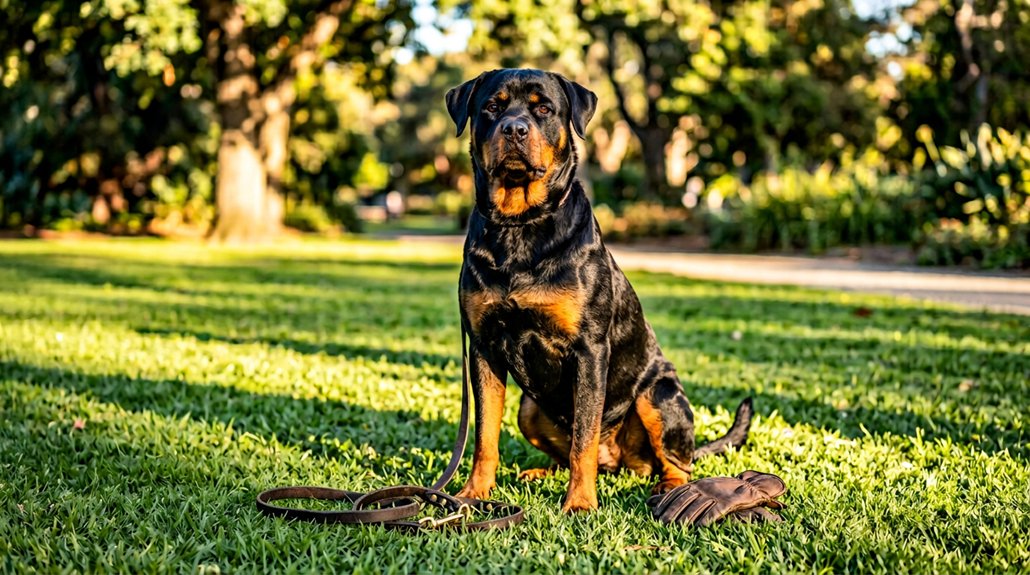
Although renowned for their imposing stature and fearless demeanor, Rottweilers possess a temperament that blends confidence with calmness, making them both formidable protectors and affectionate companions. Their loyalty runs deep, forming strong bonds with family. Careful socialization helps Rottweilers overcome initial wariness of strangers. Playfulness complements their sensitivity, requiring positive interactions to thrive.
Their intelligence stands out, leading to responsive training and the willingness to please, though consistent reinforcement is essential. The Rottweiler’s maturation can be gradual, with male dogs often more spirited, while females may display a gentler nature.
| Temperament Trait | Description | Consideration |
|---|---|---|
| Loyalty | Deep bonds with family | Socialization important with strangers |
| Playfulness | Joyful, engaging demeanor | Positive reinforcement needed |
| Sensitivity | Needs gentle handling | Benefits from empathetic training methods |
| Intelligence | Quickly learns; ready to obey | Excels in structured training environments |
Daily Care for Your Rottweiler: Exercise, Grooming, and Nutrition
To guarantee your Rottweiler stays healthy and happy, it’s important to incorporate at least 60-90 minutes of exercise into their daily routine, which helps maintain their physical and mental well-being. Regular grooming, including weekly brushing and nail trimming, will keep their shedding under control and prevent discomfort. Finally, a high-quality diet tailored for large breeds is essential, with careful monitoring of portion sizes to avoid obesity and promote ideal growth and health.
Exercise Essentials for Rottweilers
When you’re caring for a Rottweiler, ensuring they get the right amount of exercise is crucial to supporting their well-being. Rottweiler fitness involves at least 60 to 90 minutes of daily activity. Here are some exercise variations to keep them fit and engaged:
- Daily Walks: Walking boosts cardiovascular health and provides mental stimulation. Aim for brisk walks to burn energy effectively.
- Running Sessions: Short, controlled runs help maintain their muscular build, important for strength and health.
- Dog Sports: Activities like agility or tracking can be ideal for challenging their minds and bodies simultaneously.
- Obedience Training: This offers mental exercise, essential for curbing anxiety and preventing destructive behaviors.
Consistent exercise is key to avoiding obesity and maintaining a balanced Rottweiler.
Grooming and Nutritional Needs
Caring for your Rottweiler’s grooming and nutritional needs is integral to their overall well-being. Begin with effective grooming techniques: a weekly brushing regimen to manage moderate shedding and maintain their dense, double coat. Verify regular nail trimming and provide occasional baths every 6 to 8 weeks to uphold hygiene standards, contributing to their clean appearance.
Nutritionally, Rottweilers thrive on a high-quality large-breed dog food designed for their life stage, helping prevent obesity and developmental issues. Consider dietary supplements to support joint health and coat condition if recommended by your vet. To support their physical health, incorporate at least 60-90 minutes of exercise daily. Beyond physical needs, create a cozy environment with comfortable resting spaces and mental stimulation to foster a happy, balanced Rottweiler.
Effective Rottweiler Training Techniques
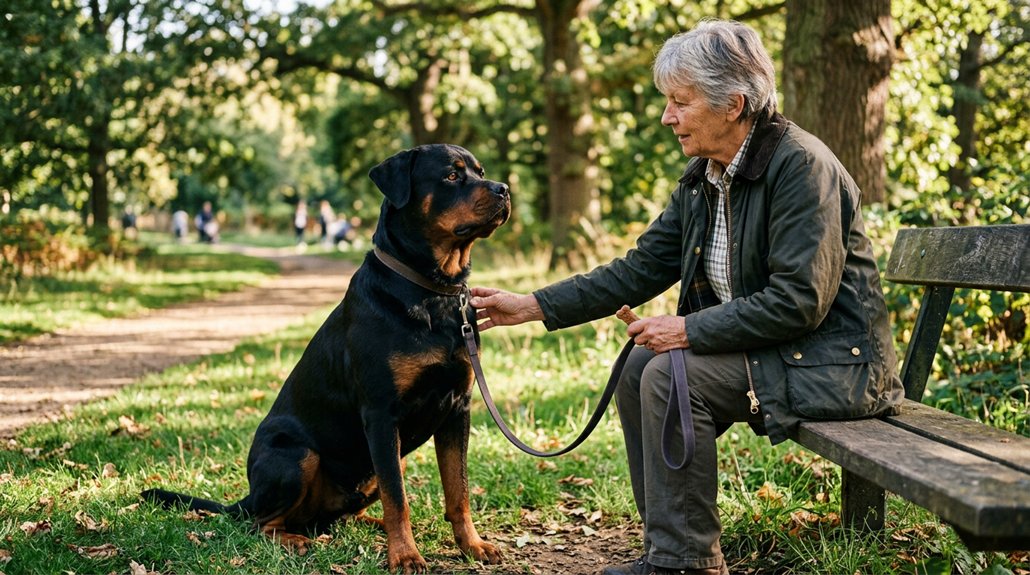
Some might say the key to effectively training a Rottweiler lies in the harmony of technique and understanding. Emphasizing positive reinforcement and consistent commands can guide your Rottweiler toward desired behaviors. Start by integrating short, focused training sessions, as Rottweilers can lose focus if overwhelmed. Here’s a structured approach to examine:
- Positive Reinforcement: Reward good behavior with treats and praise to enhance their enthusiasm to please.
- Consistent Commands: Use the same phrases for each command, establishing clear communication and expectations.
- Brief Sessions: Keep training periods to about five minutes to sustain your Rottweiler’s engagement without exhausting them.
- Gentle Corrections: Redirect unwanted behaviors like herding gently, maintaining a calm demeanor to support learning.
Implementing these techniques nurtures a well-behaved companion.
Socializing Rottweiler Puppies With Ease
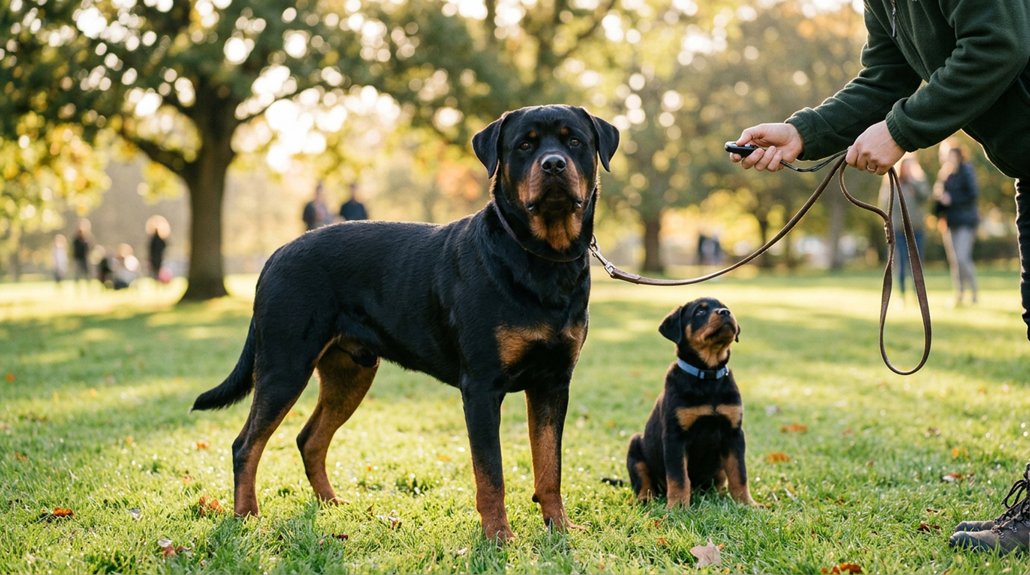
To guarantee your Rottweiler puppy grows into a well-adjusted adult, start their socialization at around 6-7 weeks of age with early interaction, highlighting gentle handling by diverse visitors and encounters with different environments. These positive exposure techniques will help your puppy become accustomed to various stimuli, reducing anxiety and promoting confidence. Remember, supervision is key, especially during puppy playdates and interactions before vaccinations are complete, to foster safe and positive experiences.
Early Interaction Benefits
Although the early weeks of a Rottweiler puppy‘s life are foundational, the period between 6 to 9 weeks is especially critical for fostering lifelong social skills. During this time, puppy bonding and behavioral development are paramount. Early interaction benefits are vast:
- Reducing Anxieties: This stage helps the Rottweiler become less wary of strangers, guaranteeing they grow into well-adjusted adults.
- Adaptive Behavior: Exposure to different sounds, sights, and people encourages adaptability, enhancing your puppy’s confidence in new situations.
- Skillful Play: Supervised play with littermates develops social skills, teaching boundaries and bite inhibition.
- Command Integration: Incorporating basic training early on guarantees a well-mannered puppy, strengthening their bond with your family and promoting obedience.
These experiences lay the foundation for a happy, well-socialized companion.
Positive Exposure Techniques
Introducing positive exposure techniques for socializing Rottweiler puppies is essential for ensuring they develop into friendly and confident dogs. Start socialization early, around 6-7 weeks, using daily interactions to build their confidence. Use socialization strategies involving varied experiences—sounds, sights, and smells—to foster adaptability. Supervised playdates with other vaccinated puppies and well-behaved adult dogs are vital for teaching social cues. Implement positive reinforcement by rewarding them with treats and praise during these encounters, helping them link new situations with positive experiences. Enroll in puppy socialization classes around 8-9 weeks to further their interaction with various breeds and people, boosting their comfort and bonding. Be attentive and empathetic to their responses, guiding them gently through this significant developmental period.
Common Health Issues in Rottweilers
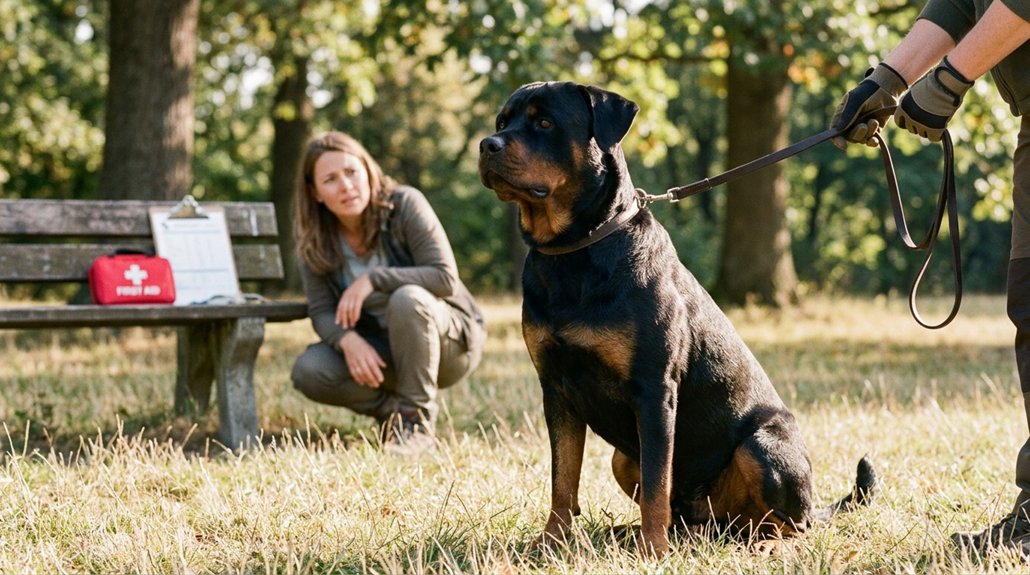
When delving into the common health issues faced by Rottweilers, it’s essential to understand that this breed is predisposed to several hereditary conditions. Understanding and implementing preventive measures play a pivotal role in ensuring your Rottweiler’s well-being. Regular check-ups can help detect conditions like hip and elbow dysplasia. Focus on joint health by maintaining an ideal weight—something greatly influenced by diet importance. Here are some health issues to keep an eye on:
- Hip and Elbow Dysplasia: A common hereditary concern that can impact mobility.
- Osteochondrosis Dissecans (OCD): Rapid growth in young Rottweilers can trigger this.
- Aortic Stenosis: A heart condition prevalent in the breed.
- Von Willebrand Disease: A genetic disorder affecting blood clotting.
Stay vigilant with care and check-ups.
Meeting the Energy Needs of Rottweilers
To guarantee your Rottweiler remains healthy and content, you’ll need to focus on both their physical exercise and nutritional needs. Aim for at least 60-90 minutes of daily activity through engaging exercises and mental challenges to prevent behavioral issues and destructive habits. Pairing this routine with a nutrient-rich diet tailored for high-energy dogs will support their overall well-being and growth.
Daily Exercise Recommendations
Although Rottweilers are known for their athleticism and strength, meeting their daily exercise needs is vital to maintain their physical and mental wellbeing. To guarantee effective Rottweiler exercise, integrate activity variety that caters to their energy levels and intelligence. Here are some recommendations:
- Outdoor Adventures: Take your Rottweiler on brisk walks or jogs. These activities not only burn energy but also provide them with opportunities to explore new environments.
- Interactive Games: Engage in structured playtimes like fetch or tug-of-war to stimulate their minds and reinforce bonding.
- Off-Leash Play: Allow your Rottweiler to roam freely in a secure area for unstructured, spontaneous activities.
- Training Sessions: Enroll in agility or obedience classes to refine skills while providing physical and social benefits.
Lack of sufficient exercise can lead to unwanted behavior, highlighting why consistency is key.
Nutrition for High Energy
Understanding the nutritional needs of Rottweilers is important for maintaining their high energy levels and robust health. Your Rottweiler thrives on high-quality food designed for large breeds, packed with protein to fuel their active lifestyle and maintain their muscular build. Opt for approximately 2 to 3 cups of food daily, split into two meals, to sustain energy without risking obesity. This balance is essential, as Rottweilers are prone to weight gain if overfed. Keep fresh water accessible, especially after exercise or in warmer climates. Consider omega-rich formulas to enhance their skin and coat health, contributing greatly to their overall vitality. Always tailor portion sizes and nutritional content based on your Rottweiler’s age, weight, and activity level for ideal energy management.
Rottweiler Nutrition: A Balanced Diet Guide
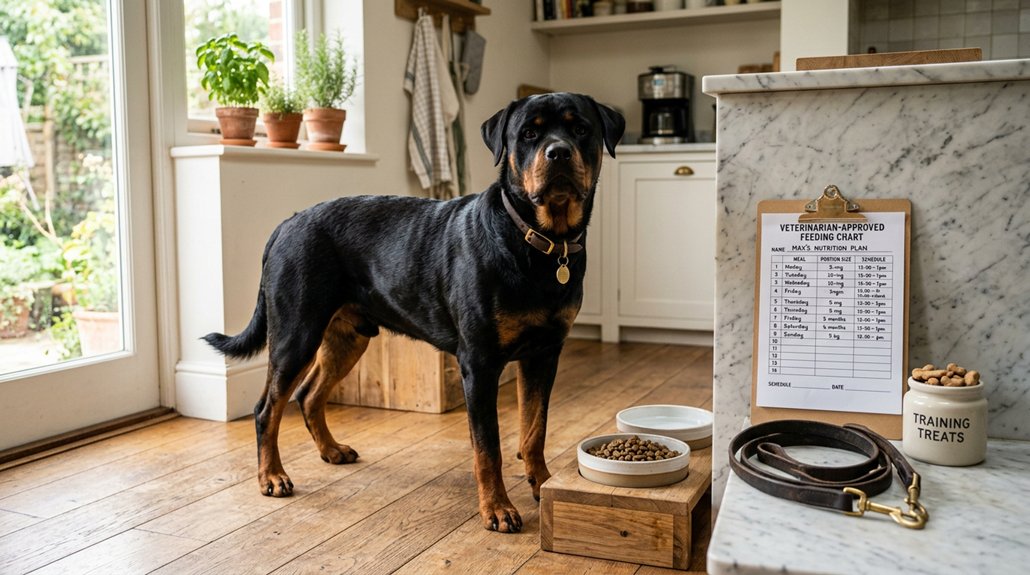
A Rottweiler’s well-being greatly depends on a diet that’s as robust and energetic as they are. Providing a high-quality large-breed dog food is important, ensuring it’s rich in protein and omega-rich formulas. Here’s what to keep in mind for a balanced diet:
A Rottweiler thrives on a protein-rich diet and omega formulas for optimal health and energy.
- Supplement Options: Consider supplements like glucosamine to support joint health and fish oil for a shiny coat.
- Feeding Schedules: Establish consistent feeding times to prevent overeating and maintain energy levels.
- Portion Control: Overfeeding can lead to obesity; carefully measure portions to keep your Rottweiler at a healthy weight.
- Hydration: Always offer fresh water, essential for an active dog.
Regular veterinary check-ups are significant for tailoring dietary needs, ensuring hereditary health issues are addressed.
Guiding Rottweiler Puppy Development
Rottweiler puppies commence on an important developmental journey that shapes their temperament and behavior for life. Achieving puppy milestones is vital to fostering balanced behavioral development. From 6 to 9 weeks, early socialization with littermates and exposure to diverse environments prevents later anxiety. By 8 to 9 weeks, focus on training goals such as basic commands, potty training, and introducing grooming practices like nail care. At 4 months, make certain your puppy is fully vaccinated before meeting other pets. Obedience classes can enhance their training and social skills. During dog-to-dog interactions, supervise to avoid bullying. Additionally, consistently correct biting and nipping behaviors. This approach will guide your Rottweiler puppy toward becoming a well-mannered and confident adult.
Frequently Asked Questions
How Do Rottweilers Interact With Children and Other Pets?
Rottweilers, with their playfulness, can be great with kids and pets if properly socialized. You’ll find they’re loving companions, but training and supervision are essential to guarantee their interactions are safe, respectful, and friendly.
What Are Some Less-Known Facts About Rottweiler Personality?
You’ll discover Rottweiler quirks like a gentle insistence for cuddles despite their imposing size. Their loyalty’s unwavering, often forming deep, protective bonds with family. These intelligent dogs also have surprising patience, making them excellent companions with proper guidance.
How Can I Travel With My Rottweiler Safely?
When traveling with your Rottweiler, your car should be a fortress of safety. Use travel tips, including securing them with safety gear like harnesses or crates. Ascertain frequent breaks and hydration for comfort and relaxation during travel.
What Are the Best Toys for Keeping Rottweilers Occupied?
You’ll want to contemplate interactive toys, puzzle feeders, and chew toys for mental stimulation. Fetch games with durable balls, tug ropes, and noise-making or hideaway toys can keep your Rottweiler occupied, ensuring physical and mental engagement.
How Do I Address Separation Anxiety in Rottweilers?
Addressing separation anxiety in Rottweilers feels like taming a hurricane. Develop coping strategies by gradually increasing their alone time, providing stimulating toys, or consulting a vet for advice. Empathize with your Rottie’s struggles; they need your understanding.
Conclusion
Bringing a Rottweiler into your life is like inviting a gentle guardian wrapped in a robust, sleek coat. Their steadfast gaze and powerful physique are matched by a heart full of loyalty. With the right blend of exercise, grooming, and nutrition, they’ll thrive, embodying strength and vigor. Effective training guarantees a harmonious bond, as you nurture their intelligent, spirited nature. In understanding their unique needs, you’re crafting a life journey that promises love and companionship.