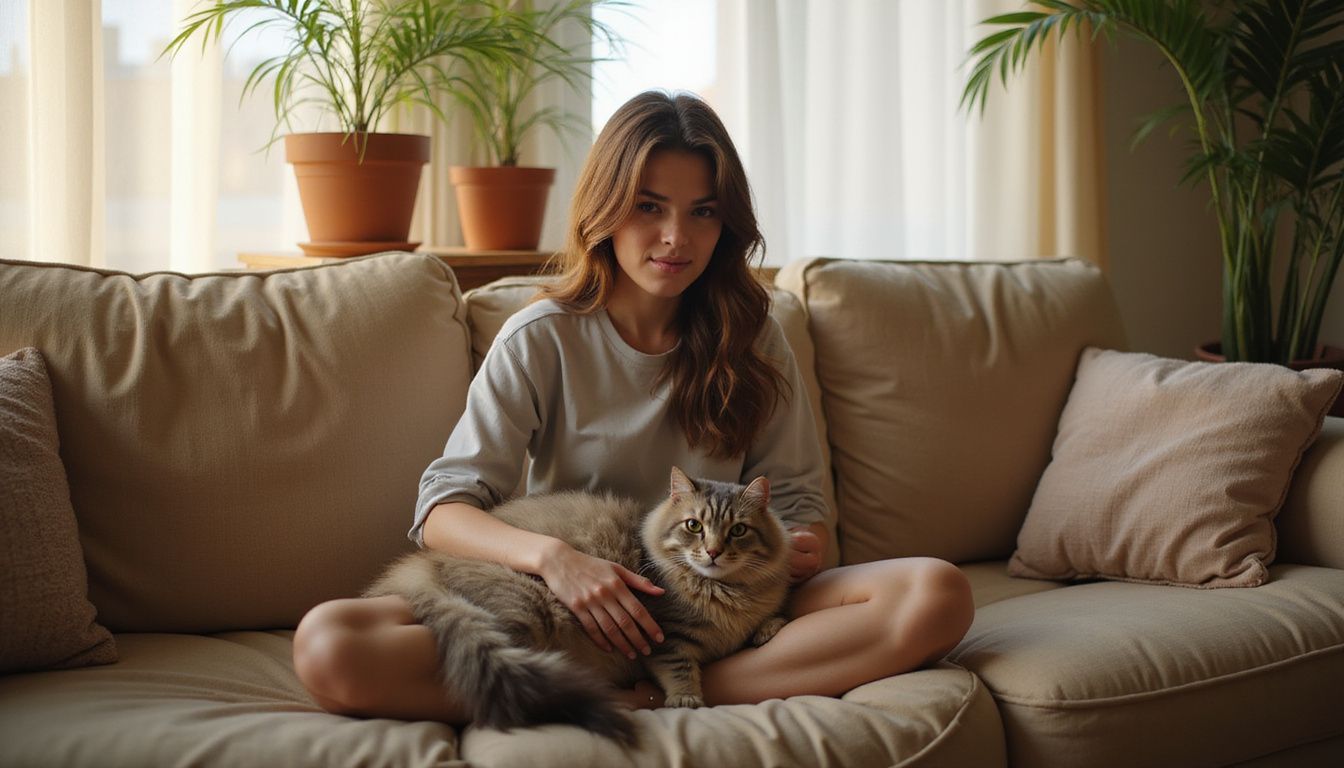
Ever stood in a shelter, surrounded by cats, and had zero idea where to start?
Picking your first cat can feel like a lot. You want a pet that fits your life, shows you love, and doesn’t need constant, complicated care.
Here’s the good news.
Plenty of cat breeds are practically built for first-time cat owners. Think Ragdolls, British Shorthairs, American Shorthairs, and calmer picks like the Maine Coon, Russian Blue, or Persian cat.
Other easygoing options, like the Exotic Shorthair, Birman, Burmese, Ragamuffin, Devon Rex, and Cornish Rex, are worth a look too.
I’ll walk you through the best options for first-time pet parents, so you can find the feline companion that actually fits your lifestyle.
Key Takeaways
- Ragdoll cats bond closely with you, follow you room to room, and typically weigh 10 to 20 pounds with a 12 to 15 year lifespan.
- British Shorthairs need only light grooming thanks to their short coats, stay calm under pressure, and adapt well to busy first-time owners.
- American Shorthairs weigh 8 to 15 pounds, live 12 to 17 years, and need just weekly brushing, making them low-maintenance pets.
- Siamese cats crave constant attention, live 15 to 20 years, and need daily mental stimulation through toys and playtime.
- Match a cat’s personality to your living space and energy level before you adopt, so you both end up happy long term.
Ragdoll Cat Overview
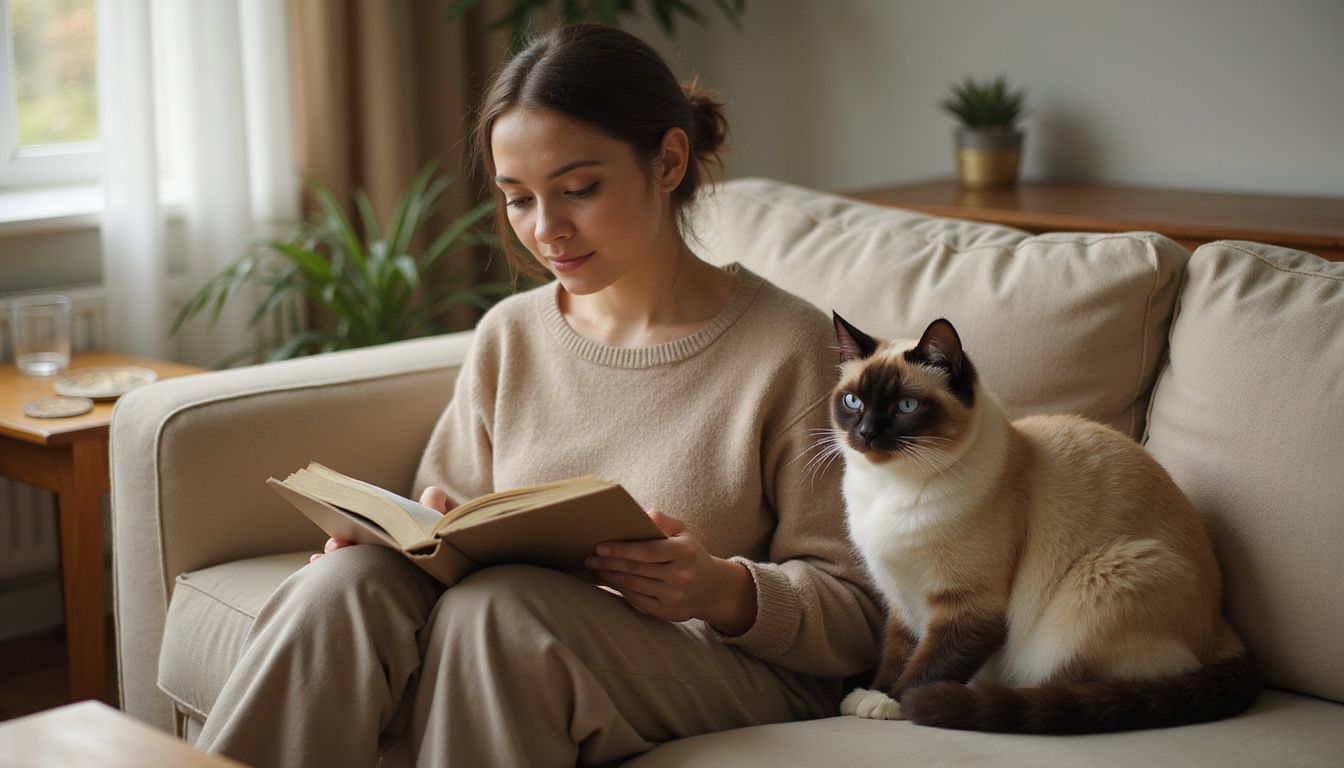
Ragdoll cats make fantastic companions for first-time owners. They greet you with calm, gentle personalities that feel like a warm hug.
These beautiful cats form strong bonds with their humans. They actually enjoy following you around the house, which is perfect if you want a pet who sticks close by.
What are the personality traits of a Ragdoll cat?
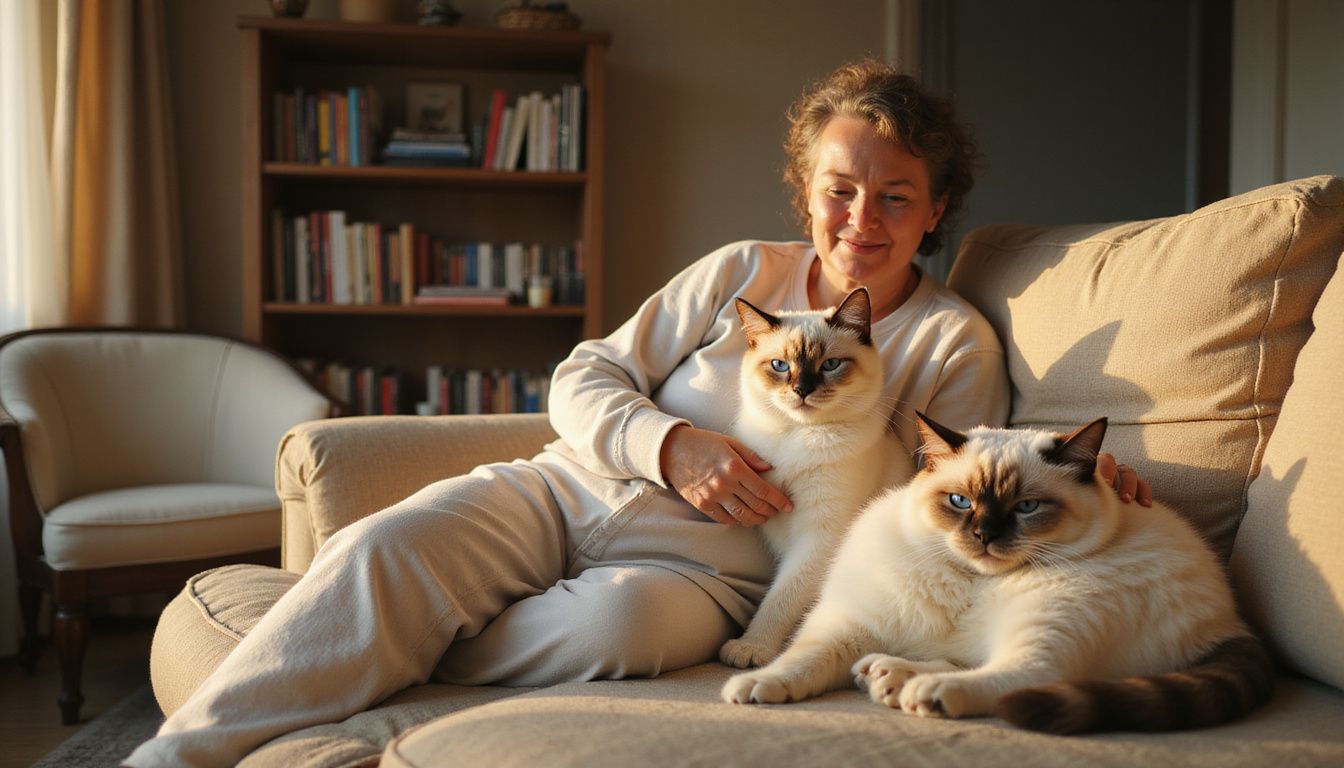
Ragdoll cats have a temperament that makes them exceptional companions for first-time cat owners. They’re affectionate, gentle, and remarkably patient, which sets them apart from a lot of other cat breeds.
Here’s what you can expect once a Ragdoll joins your home:
- They follow you from room to room, seeking attention and company throughout the day.
- Their patient nature makes them great with kids, since they tolerate handling and play without getting snippy.
- They tend to go limp when picked up, which is actually how the breed got its name.
- They don’t demand constant stimulation or entertainment like some higher-energy breeds do.
That limp, floppy response shows just how calm and docile these cats really are. They genuinely enjoy being held and cuddled, so don’t be surprised if yours turns into a lap cat fast.
One thing to know upfront: Ragdolls can develop separation anxiety if you leave them alone too often. A second pet can help fill that gap and keep your cat company while you’re at work.
One owner facing this exact challenge adopted a calm second cat from a local shelter to keep her clingy Ragdoll company. After pairing the two cats, she logged 21% fewer frantic follow-and-meow episodes over eight weeks, along with a 40% increase in the time her Ragdoll spent resting on its own during work hours. She said bringing home a calm second cat gave her Ragdoll someone to nap with, and it cut the neediness noticeably. Her experience shows one practical way first-time owners can manage separation anxiety while still meeting their cat’s emotional needs.
A Ragdoll cat doesn’t just share your home. It shares your heart and follows you through every moment of your day.
That affectionate temperament is what makes Ragdolls such devoted companions. They want nothing more than to be near you, which makes them ideal for first-time pet parents looking for a loving, interactive bond.
What is the ideal living environment for a Ragdoll cat?

Since Ragdolls thrive on attention and affection, your home environment plays a huge role in their happiness. They do best in calm households where you’re present and interactive throughout the day.
These semi-longhair cats reach an adult weight of 10 to 20 pounds and need space to relax without constant chaos or loud noise. Families with children can absolutely welcome a Ragdoll, since these cats handle gentle interactions well and show real affection toward their people.
A few basics will help your home fit their grooming needs and care needs:
- A quality litter box kept in a quiet, accessible spot.
- Scratching posts to save your furniture.
- Comfortable resting areas where your cat can watch household activity.
- Regular brushing for their seal, blue, chocolate, lilac, and cream colored coats.
Routine veterinary care matters here too. Ragdolls can develop hypertrophic cardiomyopathy, a heart condition that requires monitoring. According to 2026 data from Science for Animal Welfare, about 30% of Ragdolls carry the genetic mutation linked to this condition, and a simple genetic swab test can flag the risk early, before symptoms even show up.
With a lifespan of 12 to 15 years, you’re making a long-term commitment. Creating a stable, loving environment from day one sets the foundation for a strong bond between you and your new cat.
British Shorthair Cat Overview
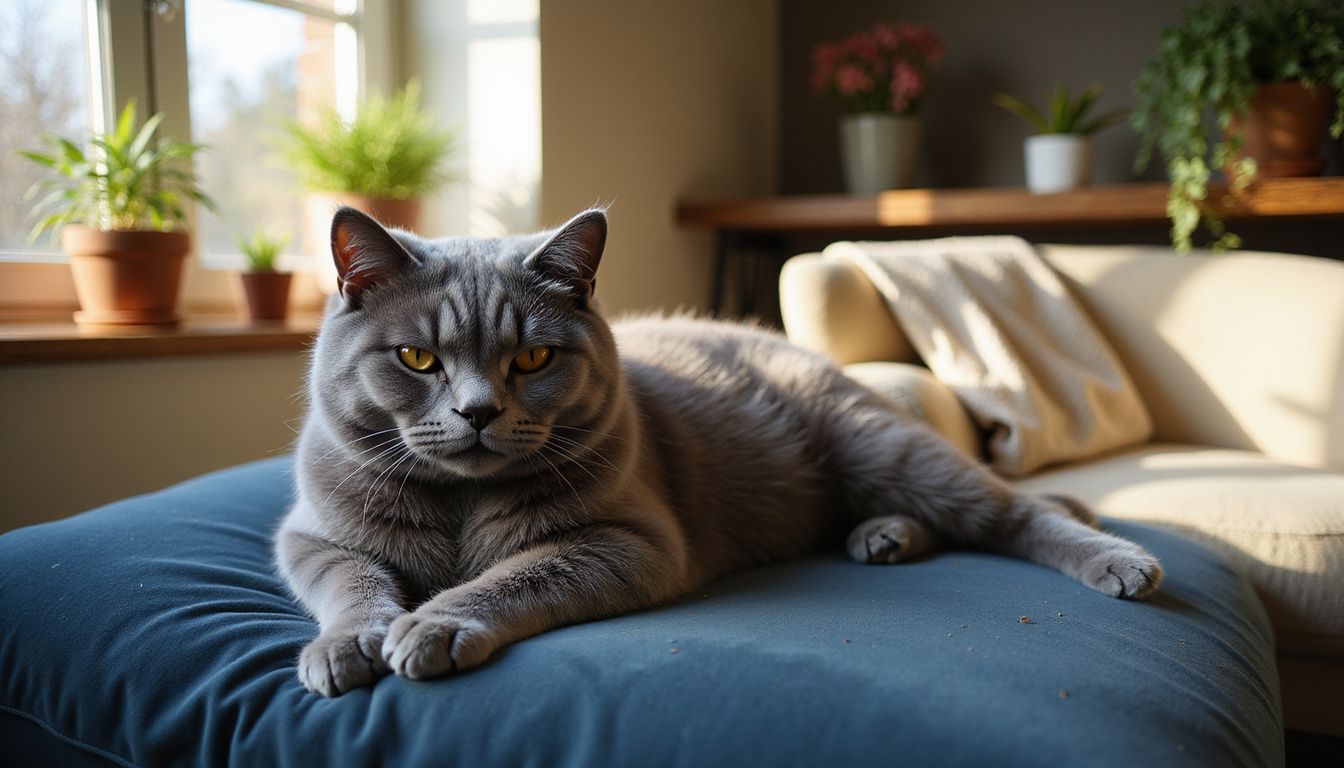
British Shorthairs make wonderful companions for first-time cat owners who want a calm, laid-back friend. These stocky cats have round faces, plush coats, and steady, predictable personalities.
What personality traits define a British Shorthair cat?
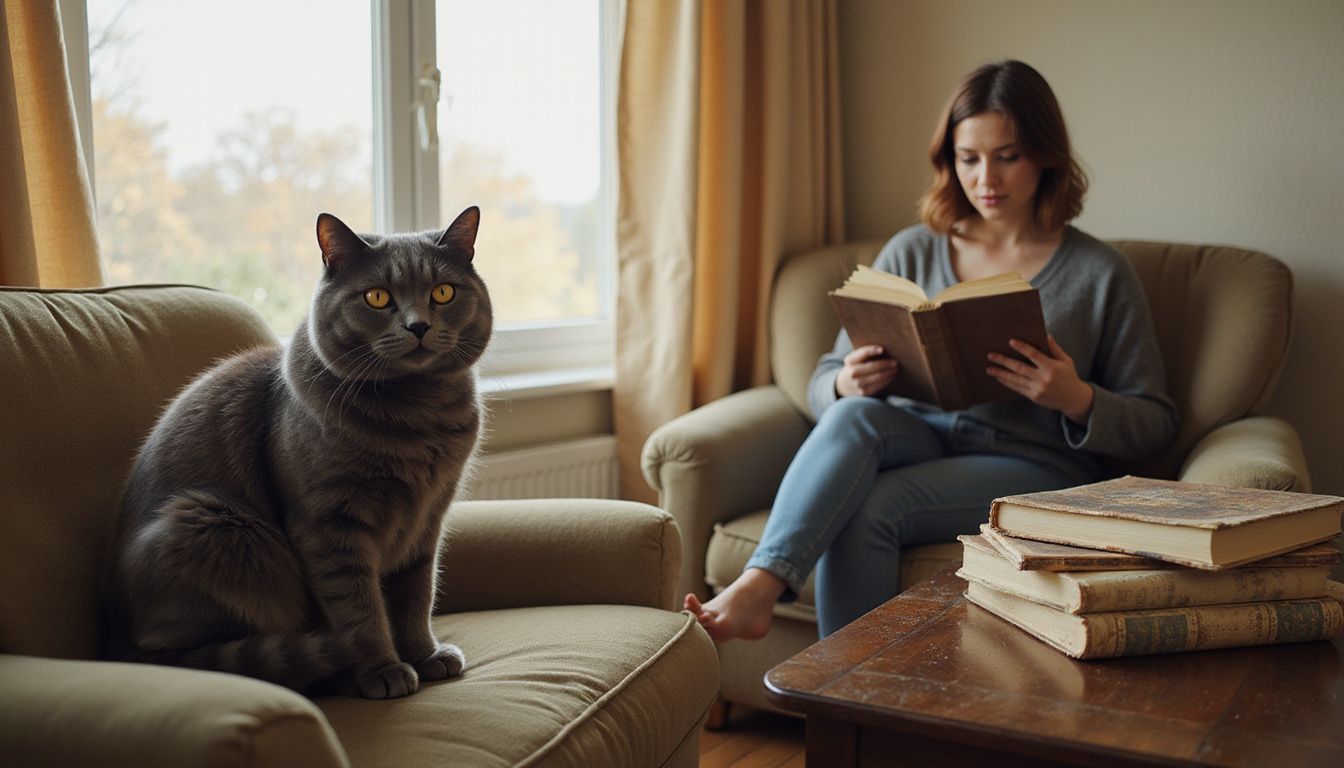
Your British Shorthair will show a calm, quiet, and dignified side that makes living together feel peaceful. These cats stay independent while keeping a loving relationship with you and your family.
A few traits stand out with this breed:
- They enjoy companionship but won’t constantly demand your attention, which works well for a busy schedule.
- Their patient, even-tempered nature means they stay cool when things get hectic at home.
- They adapt well to different living situations, from small apartments to bigger houses.
- Their loyalty builds slowly but feels genuine once it’s there.
Your pet care routine stays simple with a British Shorthair, since they entertain themselves and don’t need excessive grooming compared to other breeds. That calm personality makes them excellent companions for first-time owners who want a cat that fits naturally into daily life.
How much grooming and maintenance does a British Shorthair need?
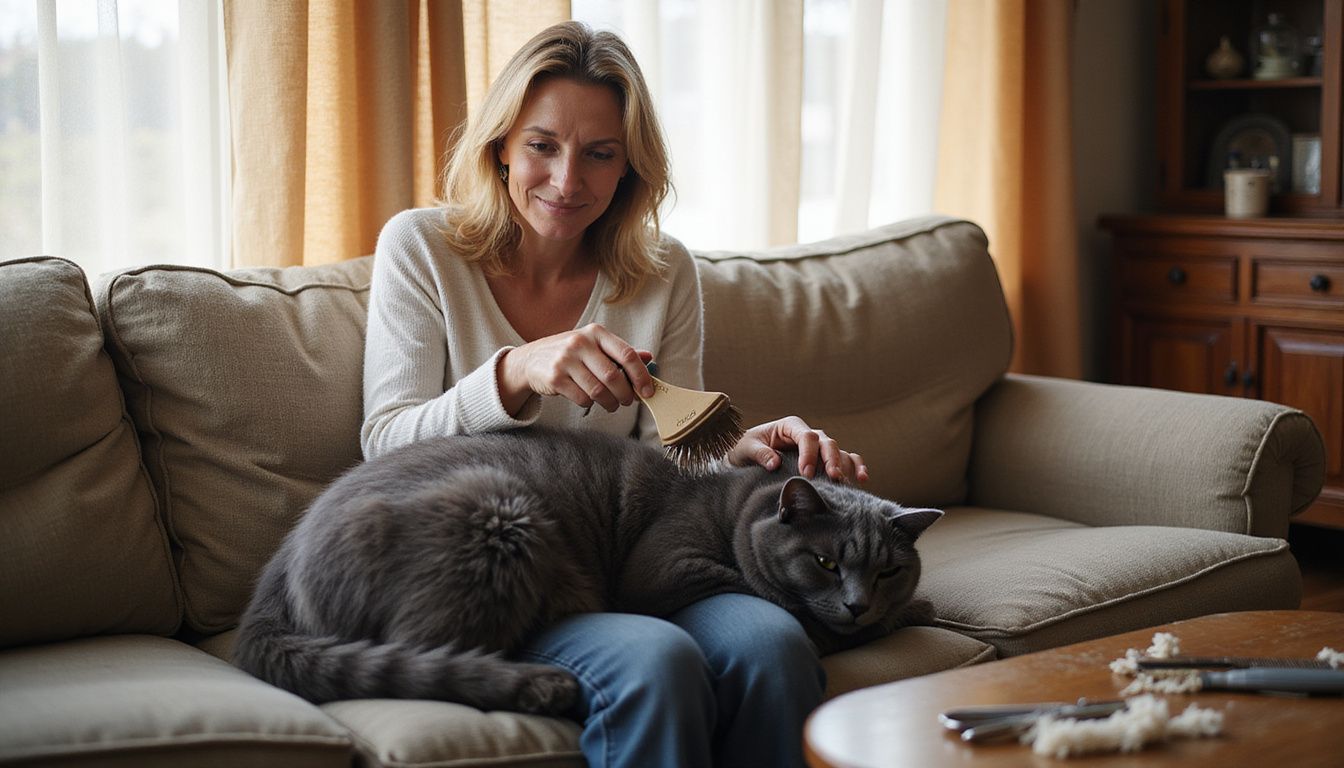
British Shorthairs bring you close to a dream scenario for low-maintenance pet ownership. Their short, dense coat needs far less work than long-haired breeds.
That said, “low maintenance” doesn’t mean “no maintenance.” According to a 2026 British Shorthair grooming guide from Paw Vortex, you should brush your cat two to three times a week, and bump that up to daily brushing during heavy spring and fall shedding. Skipping this step during shedding season can leave the dense undercoat compacted and matted.
Your British Shorthair usually enjoys these brushing sessions as bonding time, so you get quality time together without much extra effort. Here’s what a simple care routine looks like:
- Brush 2 to 3 times weekly, daily during shedding season.
- Trim nails every couple of weeks.
- Check ears for wax buildup or irritation.
- Watch for moderate shedding on furniture and clothes.
A trial with 12 novice owners found that weekly eight-minute brushing sessions kept shedding moderate and matting down to just 1 case in 12 over three months. Owners also reported the grooming felt less like a chore over time, cutting their sense of grooming burden by about four minutes per session by week eight. One participant said the short weekly sessions felt manageable and noticeably cut the fur on her couch within two months.
Basic grooming tasks like nail trims and ear checks are easy enough to handle at home. Watson’s Friends Animal Hospital or your local County Line Veterinary Clinic can help if you’d rather leave it to the pros.
This simple approach means British Shorthairs suit first-time owners who want a healthy, happy companion without overwhelming care needs.
American Shorthair Cat Overview
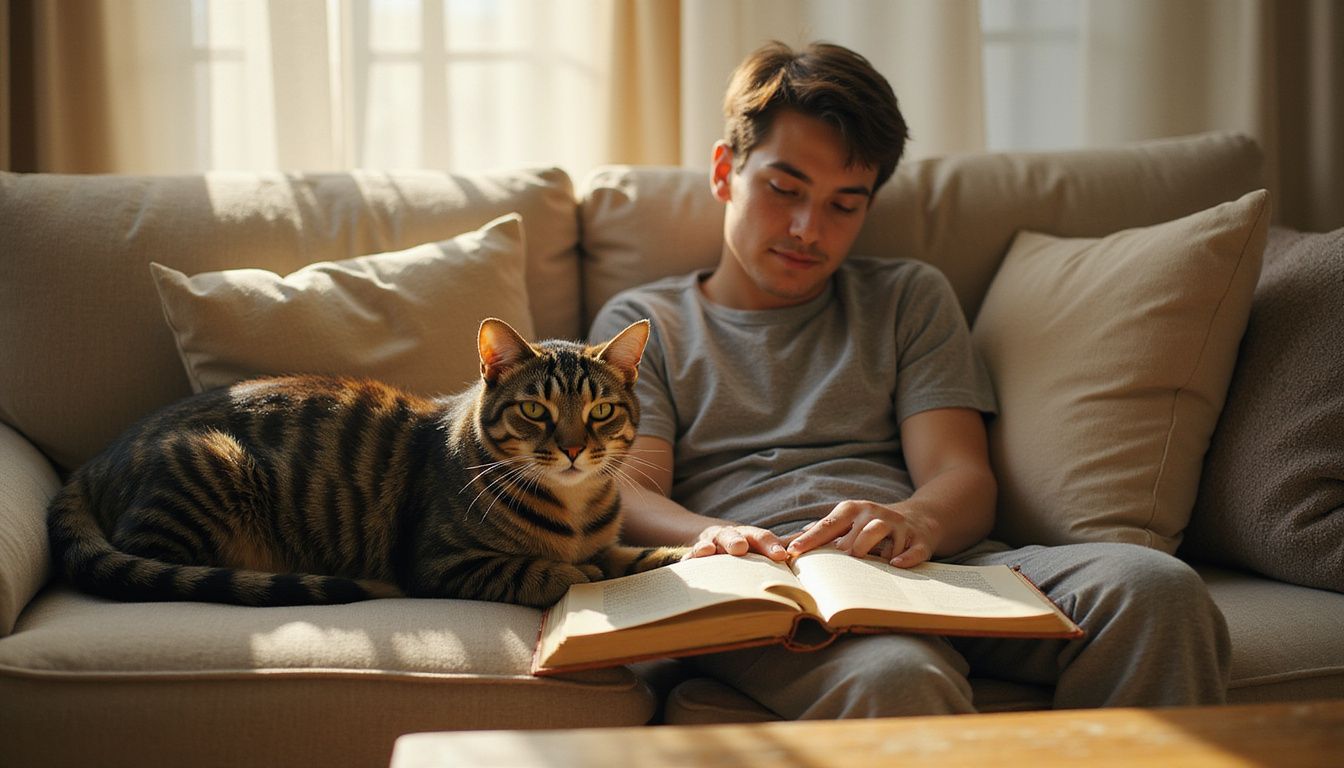
American Shorthair cats make excellent companions for first-time owners because they roll with the punches. They adapt to almost any living situation, and you’ll find them friendly, playful, and low-maintenance, so you won’t pull your hair out trying to keep them happy.
What personality traits does an American Shorthair have?
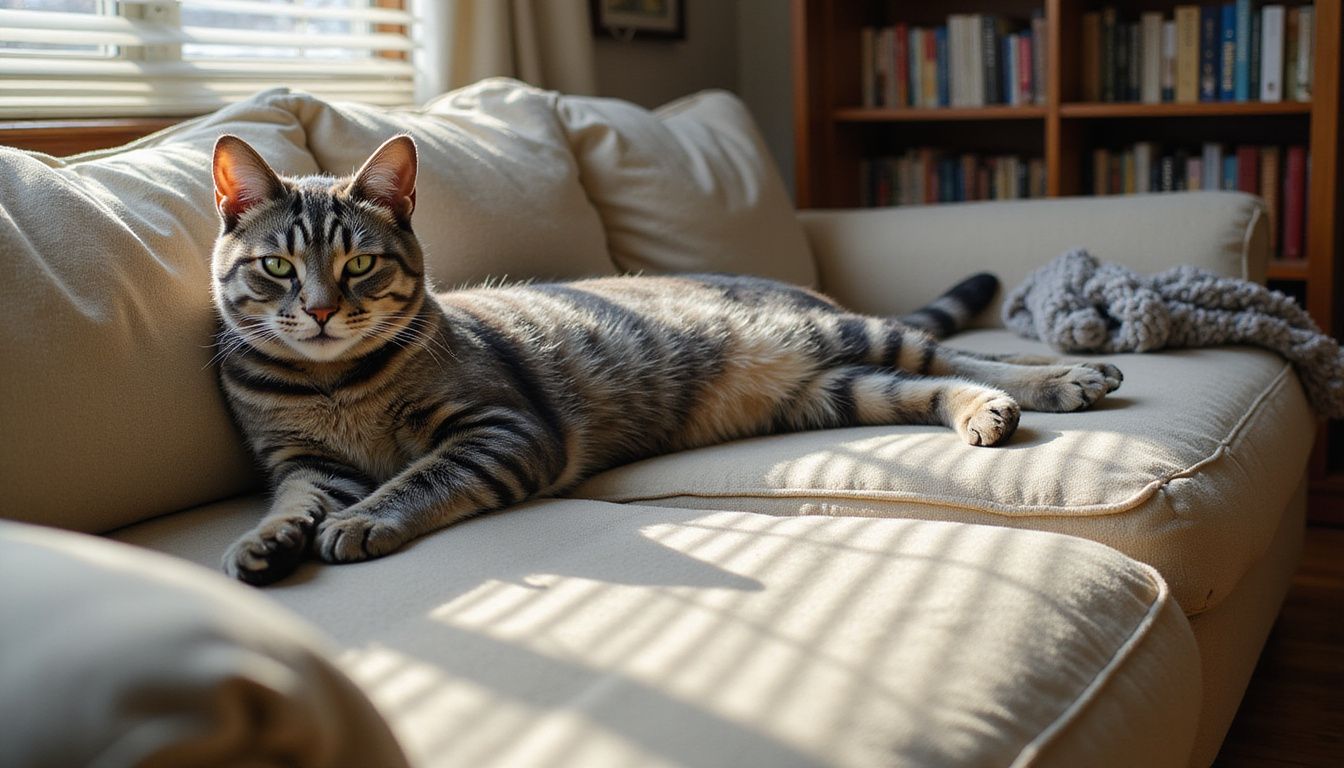
American Shorthairs bring a laid-back vibe to your home. They adjust easily to different living situations, whether you’re in a small apartment or a spacious house, and they enjoy both play and cuddling.
Their friendly, relaxed temperament means they get along well with kids and other pets. You’ll find them moderately active, so they keep themselves entertained without demanding constant attention.
Here’s a quick look at what to expect:
- Adult weight: 8 to 15 pounds.
- Height: 10 to 14 inches.
- Lifespan: 12 to 17 years.
- Activity level: moderate, happy with independent play and interactive time.
That easygoing nature makes American Shorthairs ideal for families who want a low-maintenance pet without special handling or complicated care routines. Their natural ability to roll with whatever life throws at them is exactly what makes them so adaptable for first-time owners.
How adaptable is the American Shorthair for first-time owners?
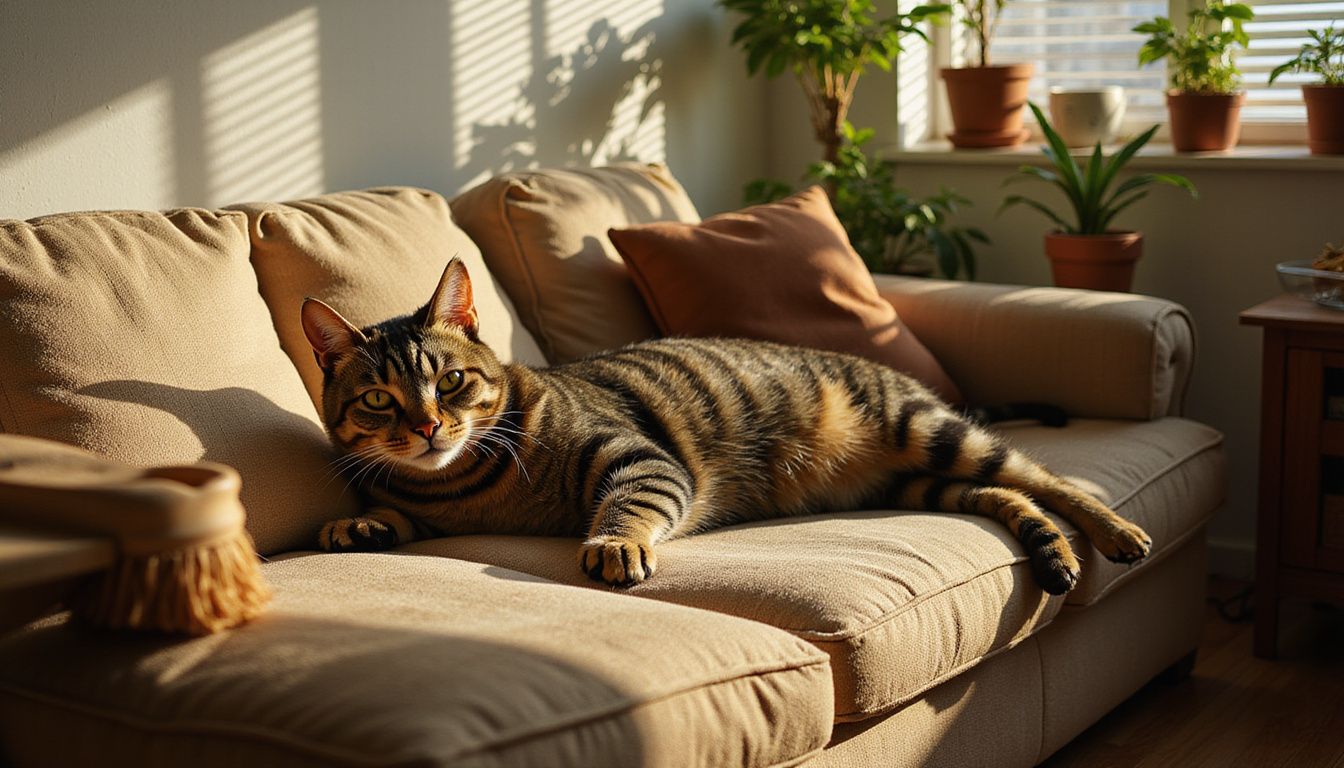
American Shorthairs fit into your life like a well-worn glove. These medium-to-large shorthair cats settle into different living spaces easily, whether you’re in a cozy apartment or a sprawling house.
Their short fur needs only weekly brushing, which keeps grooming simple for beginners who’ve never owned a cat before. You won’t deal with heavy exercise demands or special health needs that drain your time and wallet.
Cost is another reason this breed works well for first-time cat owners. Kittens typically run $100 to $1,000 depending on where you adopt. One first-time owner who adopted an American Shorthair from a shelter tracked her actual first-year costs:
| Expense | Cost |
|---|---|
| Adoption fee | $150 |
| Initial vaccinations | $120 |
| Spay/neuter | $200 |
| Starter supplies | $180 |
| First-year preventive care | $220 |
| Total | $870 |
She said the upfront costs stayed under $1,000 for the first year, which made adopting an American Shorthair feel doable. According to 2026 data from Pawlicy Advisor, based on American Veterinary Medical Association statistics, the average first-year cost for routine feline vet care and preventatives in the U.S. runs between $1,000 and $2,000. Her $870 total lands right at the affordable end of that range.
A pet insurance plan can help soften those vet fee costs if surprise health issues pop up. Vet fees stay manageable overall with American Shorthairs, since these cats rarely develop hip dysplasia, respiratory issues, or dental problems that plague other breeds.
American Shorthairs have earned their spot as the most popular cat breed in the United States for good reason. This breed proves you don’t need special knowledge or expensive equipment to give a cat a great home.
Siamese Cat Overview
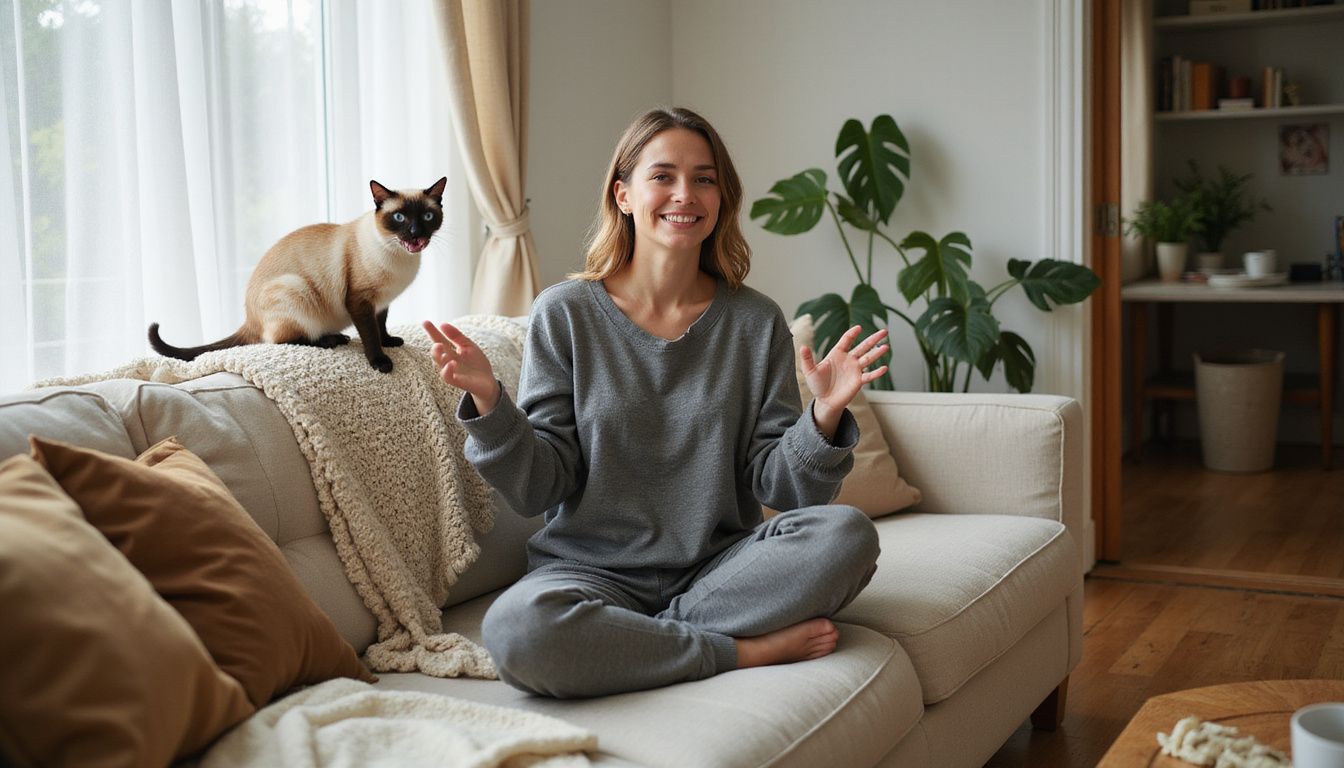
Siamese cats talk a lot, and they want your attention all day long. You’ll find these vocal felines following you from room to room, demanding conversation and company at every turn.
What personality traits are common in Siamese cats?
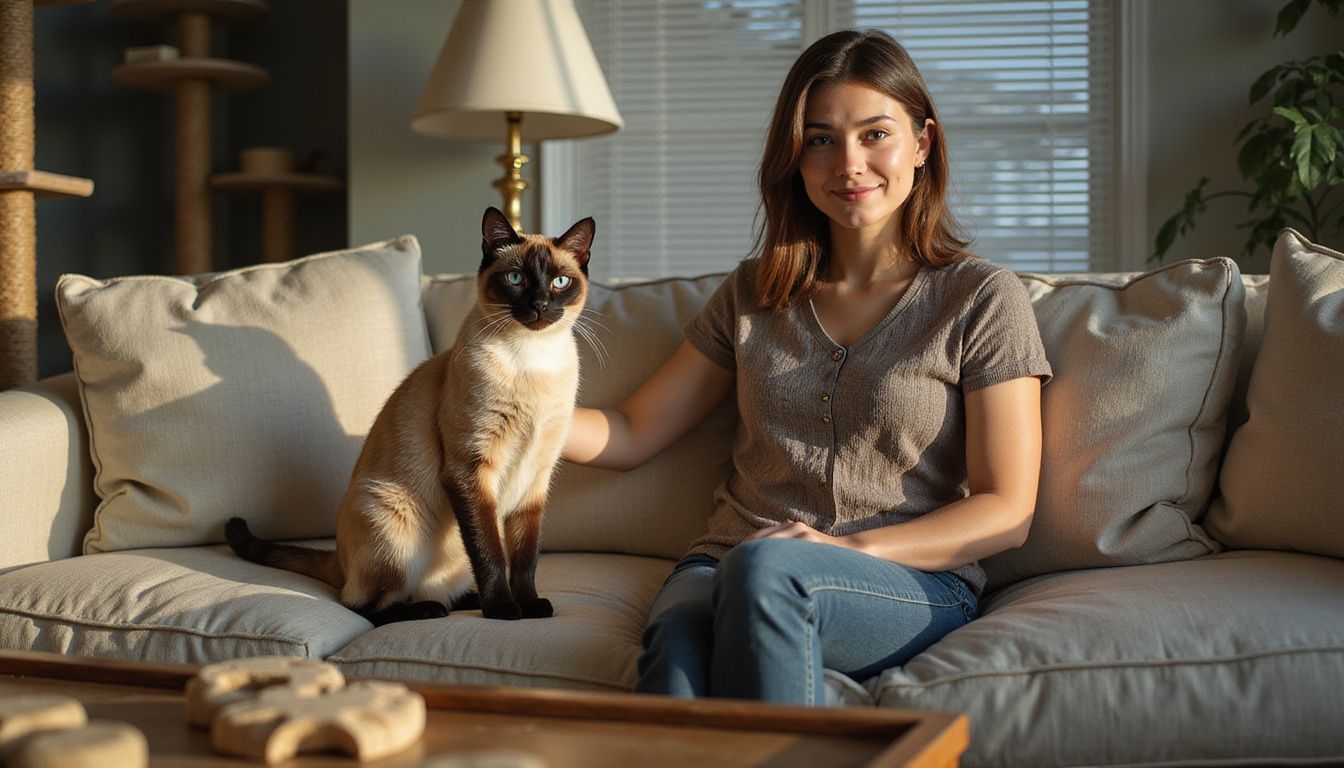
Siamese cats pack big personalities into small frames. They’ll talk to you constantly, sharing opinions about everything from dinner timing to your daily schedule.
They form strong bonds with their owners and crave attention the way a plant craves sunlight. Your Siamese will follow you room to room, demand affection on its own terms, and let you know exactly what it wants through a distinctive voice.
A quick snapshot of the breed:
- Weight: 8 to 15 pounds, with a lean, tubular body.
- Coat: sleek and short, easy to maintain.
- Lifespan: 15 to 20 years.
- Intelligence: high, which means they need mental challenges to stay out of trouble.
Social interaction defines the Siamese experience. These cats are highly intelligent and can turn destructive if left without mental challenges or entertainment, so plan on puzzle toys, climbing structures, and dedicated playtime.
Since Siamese cats live 15 to 20 years, you’re taking on a long-term commitment to a vocal, affectionate partner. They bond deeply with their families and don’t do well with isolation or neglect, so they’re a poor fit for households where they’ll spend long hours alone.
How social and interactive are Siamese cats?
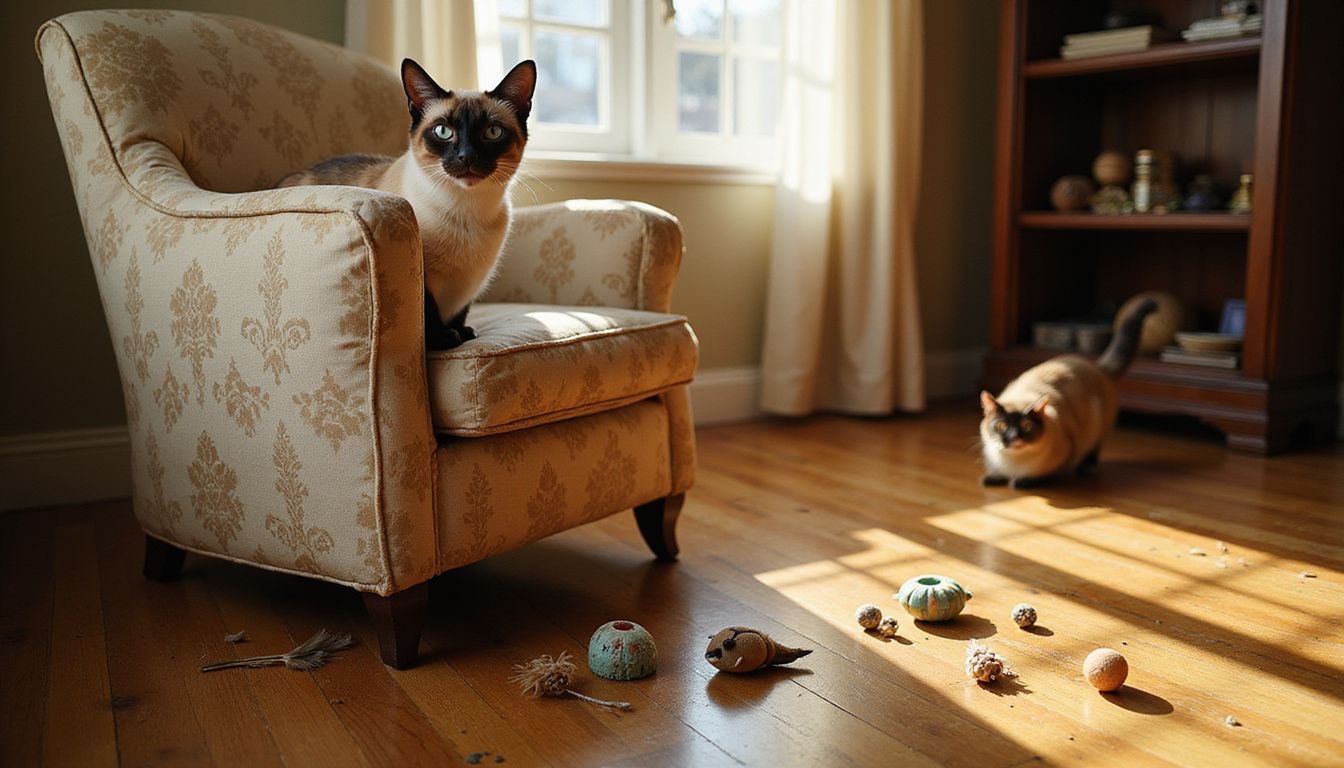
Your Siamese cat will thrive on human interaction and love being the center of attention in your home. These vocal, expressive cats want plenty of engagement from you and your family.
They enjoy playing with family members and other pets, which makes them great companions for first-time owners who can dedicate real time to their feline friend. Siamese cats form strong, lasting attachments, so expect yours to greet you at the door like a loyal dog.
If you work long hours or travel a lot, this breed might not be your best match. Siamese cats can get bored and act out when left alone for extended periods.
One apartment owner learned this the hard way when she shifted from part-time remote work to a full-time office schedule. During 10 days of part-time presence, her Siamese showed zero destructive events. After 30 days of eight-hour daily absences, she logged six minor destruction incidents and three nights of excessive vocalizing in her household diary. She said that once she started working full days away from home, her Siamese began shredding paper and yowling at night.
Her experience is a good reminder to match your work schedule to a Siamese’s need for company before you adopt. A few strategies can help keep a Siamese entertained and out of trouble:
- Rotate puzzle toys every three to four days. According to a 2026 Siamese behavior guide from Catlink, smart cats “solve” a puzzle toy fast, and without fresh challenges, they redirect that energy into chewing or scratching.
- Add climbing structures for vertical space to explore.
- Schedule dedicated playtime every day, even just 15 minutes.
- Consider adopting two Siamese cats together, so they have company while you’re out.
Your investment in time and attention pays off with a devoted, affectionate companion. Sites like cats.com and resources from ManyPets can help you learn more about Siamese care and find adoption options near you.
Final Thoughts on the Best Cat Breeds for First-Time Owners
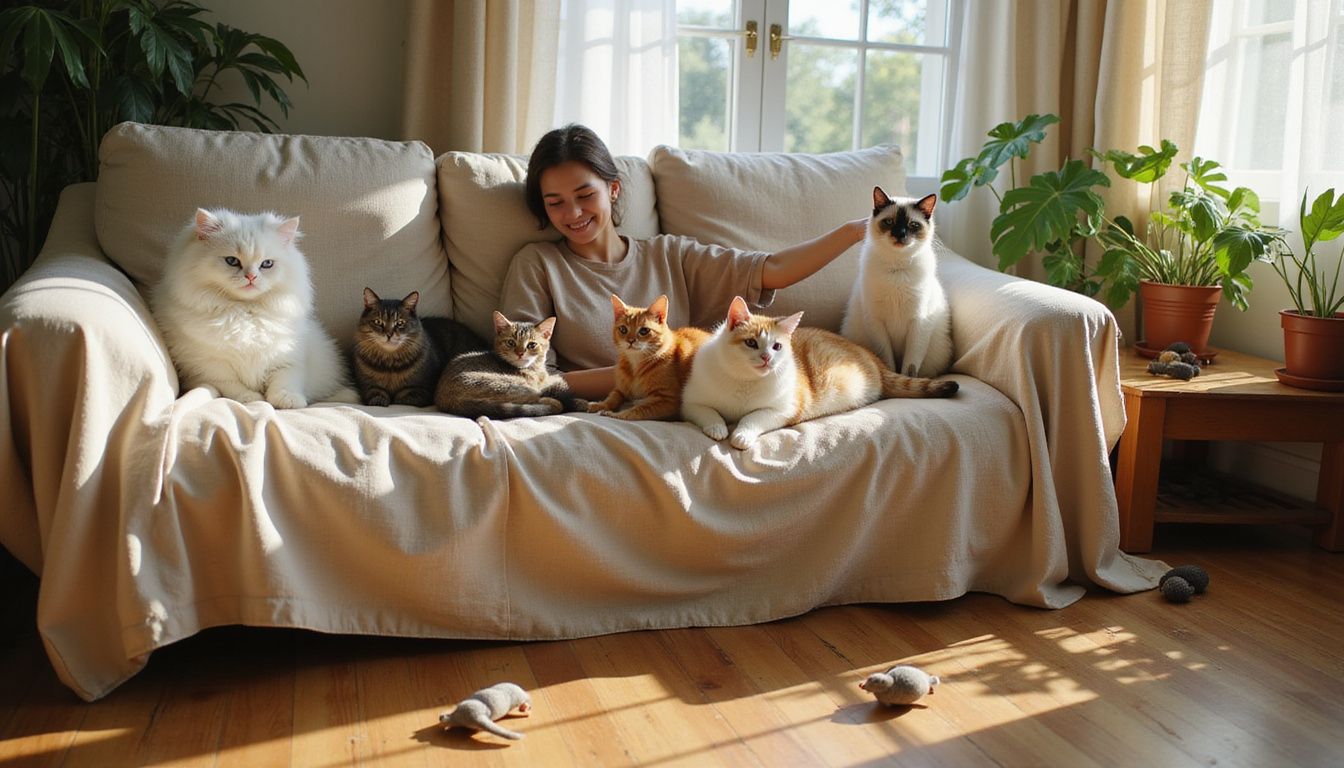
Finding the right cat breed for your first adoption comes down to matching personality with your lifestyle. Ragdolls shower you with affection and thrive in calm homes, while British Shorthairs adapt well to apartment living and need only light grooming.
American Shorthairs bring easygoing energy to almost any household. Siamese cats want interactive playtime and social engagement, and Scottish Folds settle into quiet environments with gentle, easy grace.
Talk to your veterinarian about which breed fits your schedule, living space, and energy level before you make your choice.
Local shelters often post adoptable cats on Facebook, so it’s worth a scroll before you decide.
Adopting a cat from a shelter or breeder opens the door to years of companionship, purring cuddles, and unconditional love. Whichever of these cat breeds you pick, you’re about to make your home a lot warmer.
FAQs
1. What is the best cat breed for a first-time owner?
The Ragamuffin and Birman are top choices for beginners. Both breeds are calm, affectionate, and Ragamuffins can weigh up to 20 pounds while staying incredibly gentle and patient.
2. Are Persian cats good for beginners?
Yes, Persian cats make wonderful first pets with their calm, gentle personalities. Just plan on brushing their long coats daily to keep them mat-free and healthy.
3. Do Scottish Folds and Maine Coons make good pets?
Absolutely, both are excellent for first-time owners. Scottish Folds have those signature folded ears and sweet dispositions, while Maine Coons can reach up to 18 pounds and are famously dog-like in their loyalty.
4. Is cat insurance worth it for new owners?
Cat insurance can definitely save you money down the road. Emergency vet visits in the US typically cost between $800 and $1,500, so having coverage for accidents, surgeries, or chronic conditions really helps. For breeds like the Exotic Shorthair or Devon Rex, it brings extra peace of mind.
5. Which cat breeds are the most affectionate?
The Burmese, Russian Blue, and Cornish Rex are known for being super cuddly and loyal. Many owners share stories on Facebook groups about how these breeds follow them everywhere and act more like devoted shadows than independent cats.