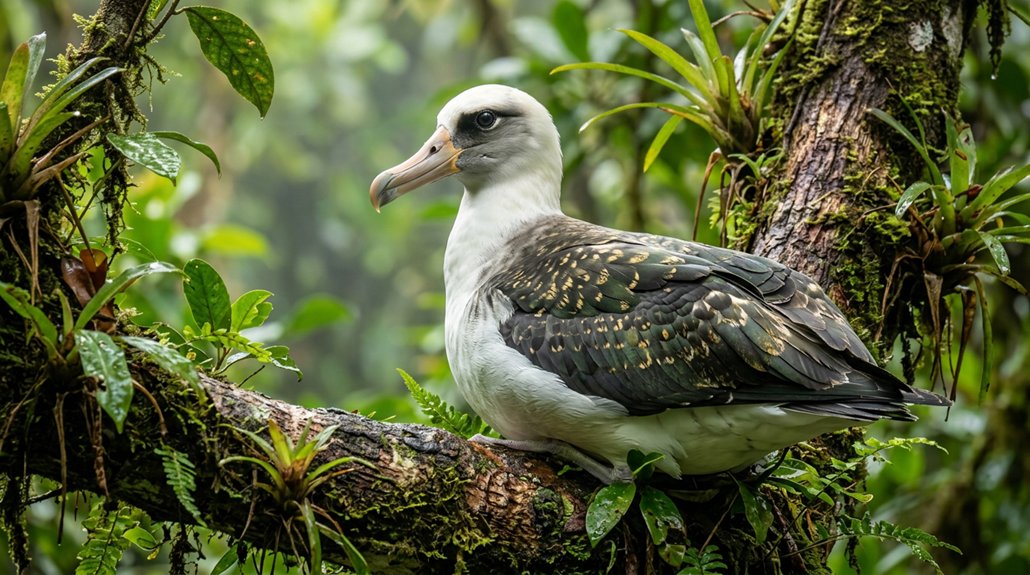
If you’re asking which bird species live the longest, you’ll usually find large, slow-maturing birds at the top: albatrosses, cockatoos, macaws, condors, and kakapos. In the wild, seabirds like albatrosses can average decades, while adults may have only about 3% annual mortality. In captivity, some parrots reach 60–80 years, and a few individuals have lived into their 80s or even near 100. More records and age methods can show you how these extremes are verified.
Key Takeaways
- Kakapo, macaws, cockatoos, albatrosses, and some condors are among the longest-lived birds.
- Some parrots in captivity reach 60–100 years, with Major Mitchell’s cockatoo and kakapo as standout examples.
- Laysan albatross “Wisdom” is at least 74 years old, showing extreme longevity in wild seabirds.
- Albatrosses, petrels, and shearwaters often live 20–60 years, helped by low adult mortality and delayed breeding.
- Captivity can greatly extend lifespan by removing predators and improving food, healthcare, and enrichment.
Which Birds Live the Longest?
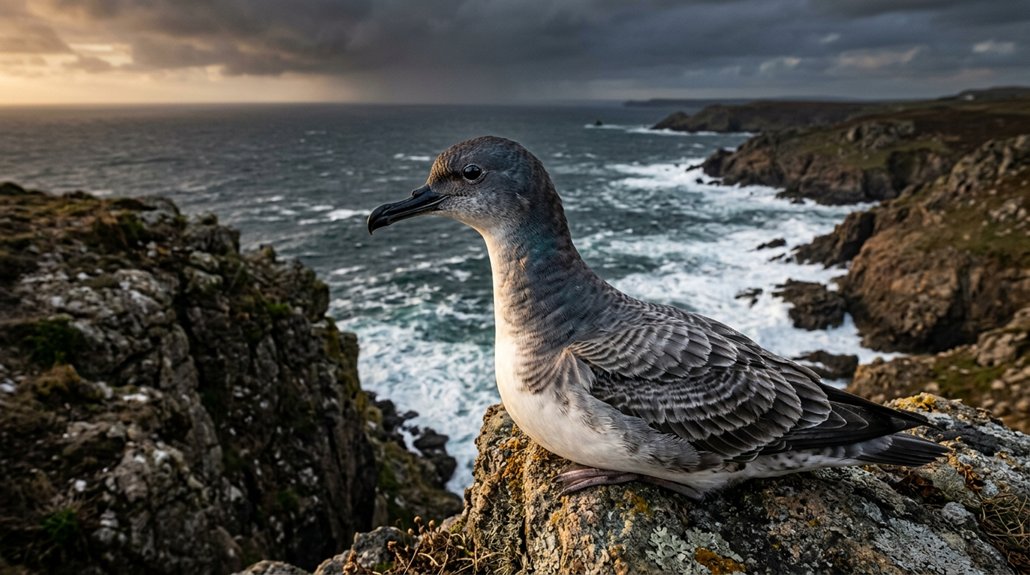
Among the longest-lived birds are seabirds and parrots: Laysan albatrosses such as “Wisdom” have been documented at at least 74 years, and the kakapo can reach about 100 years in protected conditions. You can see avian longevity most clearly in large, slow-maturing species with low reproductive rates. Macaws and cockatoos often live 60–80 years in captivity, and some individual birds approach 90 years; African greys commonly reach 50–70 years. Among raptors and scavengers, Andean condors have records to 79 years, while California condors often live 50–60 years. Seabirds such as albatrosses, shearwaters, and some gulls frequently reach 20–60 years. By contrast, small songbirds usually live less than a year, so lifespan myths about all birds aging similarly aren’t accurate.
How Long Birds Live in the Wild
In the wild, you’ll see that lifespan is shaped less by species maximum age than by mortality at each life stage, especially during the juvenile period. Small songbirds often have annual mortality near 70%, while seabirds such as albatrosses can have rates near 3%, which can support average wild lifespans of about 30 years. You’ll also find that predation, weather, food shortage, disease, and human impacts strongly limit survival, so the longest records usually reflect birds that’ve avoided these risks.
Wild Lifespan Factors
Although wild bird lifespans vary widely, the longest-lived species are usually large seabirds and raptors such as albatrosses, eagles, and many parrots, because their size, limited predation, and substantial energy reserves lower annual mortality. In the wild, you’ll see that juvenile mortality is the main filter: many hatchlings never reach adulthood, so only a minority recruit into the breeding population. Extrinsic risks, including predation, severe weather, food shortages, disease, and human-caused threats, shape every age class and cap observed longevity. Long-lived species usually mature slowly, lay fewer eggs, and invest heavily in each chick. Banding data can miss true maxima, but records like Wisdom, a Laysan albatross, show that when hazards are minimal, wild birds can exceed 70 years.
Mortality and Survival Rates
Mortality rates in birds vary dramatically by species and life stage: small songbirds may face annual mortality near 70 percent and average less than a year of life, whereas albatrosses can have annual mortality around 3 percent and mean lifespans near 30 years. You should expect the steepest losses in the first year, when about 80% of hatchlings never reach adulthood and nearly half die before fledging. After maturity, mortality often becomes roughly constant, though it’s still age dependent, and very old birds can show increasing death risk from senescence. Maximum ages can far exceed averages because some individuals avoid predation, disease, and other extrinsic risks. In long-lived species, low adult mortality is central to population persistence, so survival, not just reproduction, determines whether you’ll see many birds living decades.
Why Some Birds Live Longer
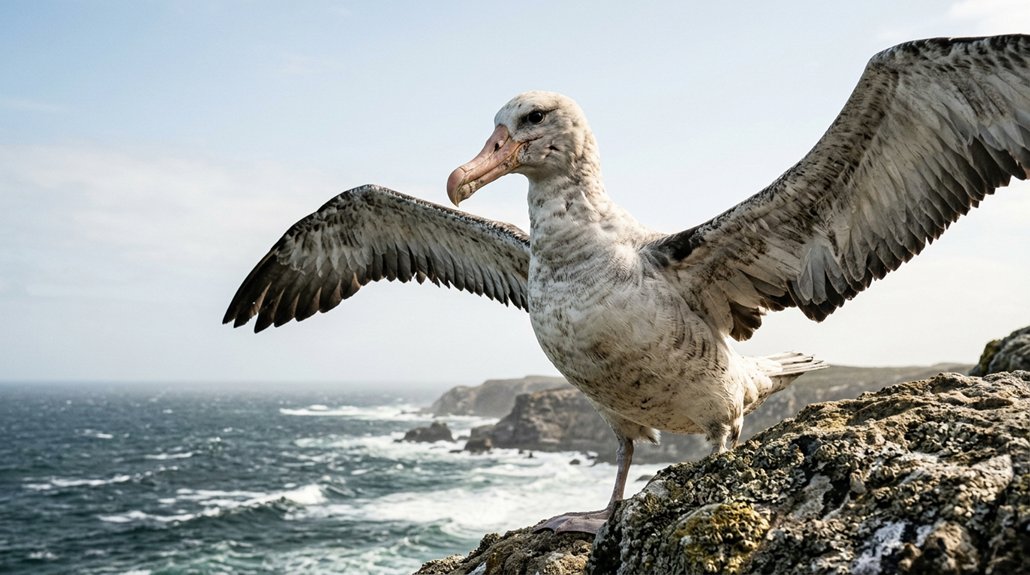
Some birds live much longer than others because body size, ecology, and life history all shape survival. You’ll see that large seabirds, raptors, and parrots often face lower predation and can store more energy, so their metabolic rate and genetic repair may better support decades of survival. Slow reproduction also matters: you often find delayed first breeding and small clutches in albatrosses and kakapos, which reflects a trade-off favoring maintenance over rapid output. In pelagic seabirds, few terrestrial predators and low annual adult mortality help extend lifespan. Captivity can further lengthen life by removing food stress, disease, and predators, so macaws and cockatoos may reach 60–80+ years. Even so, aging still occurs, and very old birds can show arthritis and osteoporosis.
Longest-Lived Birds in the Wild
When you examine wild bird longevity, you’ll see that survival depends on low adult mortality, delayed breeding, and avoidance of predation and disease. Among seabirds, albatrosses, petrels, and some gulls often live 20–60 years, and the longest-lived wild bird on record is the Laysan albatross Wisdom, still breeding at an estimated age of at least 74 years. In contrast, many small songbirds have annual adult mortality near 70%, so banding studies usually capture only a few exceptional survivors that greatly exceed the average lifespan.
Wild Lifespan Factors
Among the longest-lived birds in the wild, seabirds such as albatrosses and petrels stand out because they combine low adult predation with delayed reproduction, long-term pair bonds, and single-chick clutches. If you compare life histories, you’ll see that body size, marine foraging, and first breeding at 5–10+ years usually predict greater longevity.
| Factor | Effect | Example |
|---|---|---|
| Low adult mortality | Raises survival | Albatrosses ~3% |
| High juvenile loss | Filters survivors | ~80% fail to mature |
| Long-term monitoring | Defines extremes | Banding records |
You should also note that climate impacts and disease dynamics can shift survival rates, especially in small populations. Because most records come from banding and resightings, they describe exceptional individuals rather than typical lifespan. In many species, only the few birds that survive early life can approach maximum ages in the wild.
Notable Long-Lived Species
Species that dominate the wild longevity record are usually seabirds, especially albatrosses, petrels, shearwaters, and some gulls, which often live 20–60 years because they face low adult mortality at sea and do not begin breeding until late. You can see this in Wisdom, a Laysan albatross banded in 1956 and still breeding at about 74 years, and in a Manx shearwater resighted after more than 50 years. Among non-seabirds, Andean and California condors, Eurasian eagle-owls, and kakapo also reach exceptional ages, sometimes 60–90+ years in protected habitats. These records reflect large body size, slow reproduction, and few predators. When you assess habitat impacts and genetic markers, you’re looking at survival under low extrinsic risk, not average life expectancy.
Longest-Lived Birds in Captivity
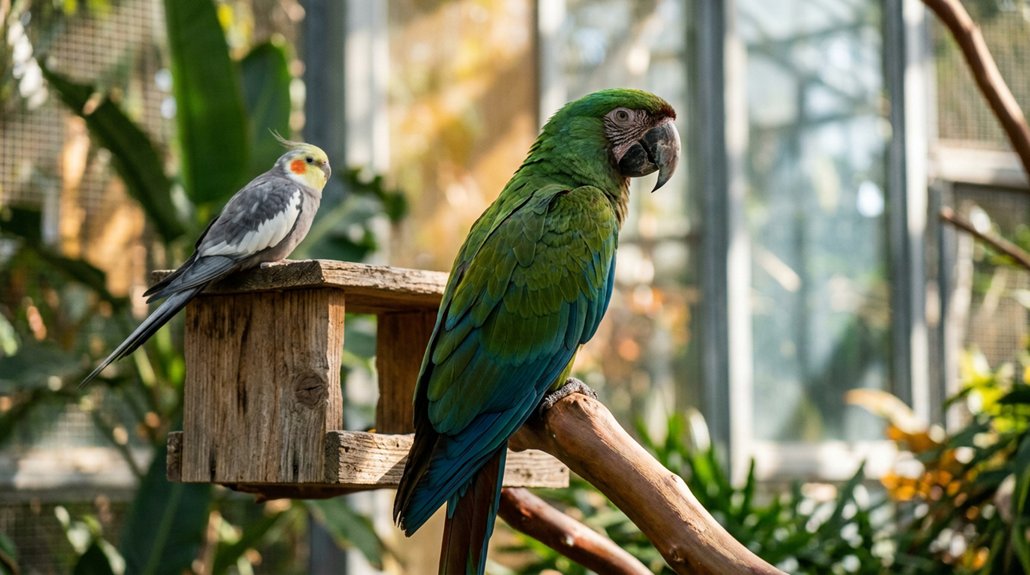
In captivity, some birds can outlive even the oldest wild individuals because predation is removed and food and veterinary care are more consistent. You’ll see this most clearly in large parrots: macaws and cockatoos commonly reach 60–80 years, and a few, like Poncho the red-and-green macaw, are said to approach 97. African grey parrots often live 50–70 years, and some exceed 60. Cookie, a Major Mitchell’s cockatoo, reached at least 83 years, a Guinness record. Captive Laysan albatrosses and Andean condors also show extreme longevity. To support these ages, you should provide pet enrichment and avoid seed-only diets, which can drive arthritis or osteoporosis. Genetic studies can help explain why some individuals age so slowly.
The Longest-Living Parrots
Longevity in parrots is closely tied to their biology: large body size, late sexual maturity, low reproductive rates, and high parental investment all contribute to unusually slow aging. In captivity, you’ll often see macaws and cockatoos live 60–80 years, and some individuals reach 80–100 years. African grey parrots commonly survive 50–70 years, while wild birds usually live far less because of predation and other hazards. The New Zealand kākāpō can average about 60 years, with protected birds nearing 90–100 years. Their extended lifespan is also shaped by parrot sociality, which supports long-term care and learning. With steady food, veterinary attention, and effective captive enrichment, you can reduce stress, but poor diets still increase arthritis and osteoporosis risk.
Seabirds With Remarkable Lifespans
Seabirds often outlive many other birds because their lives are shaped by slow development and low adult mortality at sea. You’ll find that albatrosses, petrels, and shearwaters commonly live 20–60 years, with delayed breeding often starting near age 10. They usually raise just one chick at a time, so each breeding attempt carries high value. In species such as Laysan albatrosses, albatross pairings can persist for decades, and the same adults return to invest heavily in care. This strategy helps explain extraordinary ages: the banded Laysan albatross “Wisdom” was still breeding at at least 74 years old. Similar longevity appears in some gulls, where stable bonds and high parental investment likely support survival over many seasons at sea.
How Bird Banding Reveals Ages
Birds like albatrosses can live for decades, but knowing exactly how old they are depends on long-term tracking. When you band a bird, you fit a unique numbered ring to its leg, then later use recapture or band recovery to confirm a minimum age. That record tells you how long the same individual has survived since marking. Long-term datasets can reveal exceptional cases, such as Wisdom, a Laysan albatross banded in 1956 and still identified decades later. But banding limitations matter: many birds aren’t seen again, so ages are usually minimums, not complete lifespans. Species with low annual mortality yield better estimates than small songbirds. You can improve individual histories with colour bands, transmitters, and photos, while keeping marking ethics central.
Notable Birds With Record Lifespans
Some of the most striking longevity records come from a handful of well-documented individuals: Wisdom, a Laysan albatross banded in 1956, is still breeding in the wild at an estimated age of at least 74 years; Cookie, a Major Mitchell’s cockatoo, lived to at least 83 years in captivity; and a kakapo has been recorded at about 100 years, although typical lifespans are closer to 60. You can also note Thaao, an Andean condor that reached 79 years in captivity, showing how large scavengers can exceed 50 years in the wild. These cases aren’t just avian folklore; they’re verified by bands, breeding records, and museum exhibits. Across seabirds and parrots, individuals often outlive expectations, with many macaws and cockatoos reaching 60–80 years in captivity and some albatrosses surpassing 70.
Frequently Asked Questions
Which Birds Live for 100 Years?
You’ll mostly find 100-year claims in large parrots, especially macaws and cockatoos, plus kakapos; verified cases are rare. Lifespan genetics and conservation implications matter, since captive care often extends life far beyond wild records.
What Birds Live for 90 Years?
Slow and steady wins the race: you’ll find 90-year birds mostly among kakapos and some macaws. Albatross longevity can reach the 70s, while macaw lifespan may approach 90 in captivity, with verified records essential.
What Bird Has 4 Genders?
You’re asking which bird has 4 genders: the northern jacana. In its avian genderroles and complex matingystems, dominant females, subordinate females, caring males, and helpers each have distinct reproductive and parental roles.
What Birds Live 40 Years?
You’ll find 40-year birds in parrots and albatrosses, symbols of endurance. African greys, macaws, bald eagles, Laysan albatrosses, and condors often reach that age; parrot longevity and albatross aging reflect their species’ biology.
Conclusion
If you’re curious which bird species live the longest, the answer is often found in large, slow-maturing species with low predation. Some parrots, albatrosses, and seabirds can live 50 years or more, and a few individuals have exceeded 80 years in captivity. One striking statistic is that a Laysan albatross named Wisdom is known to be at least 70 years old. These lifespans show how remarkably variable bird longevity can be.