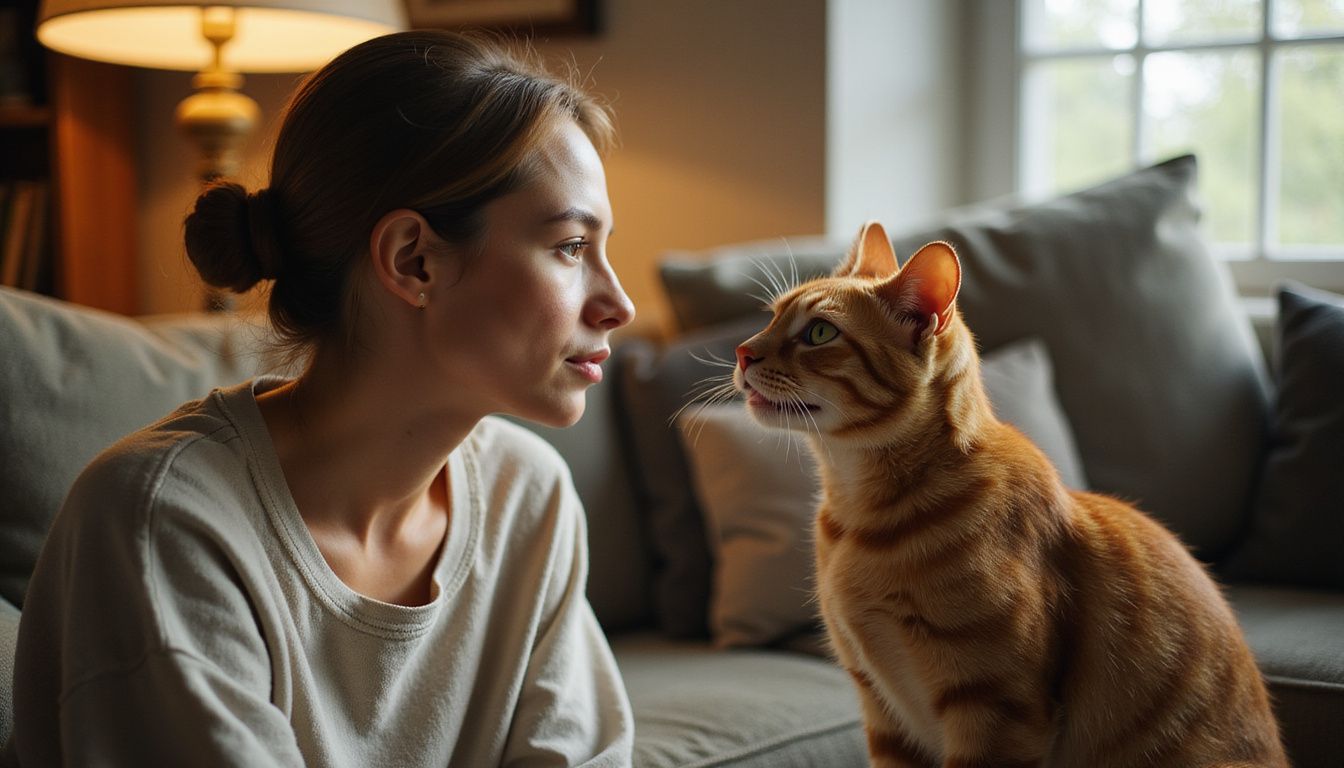
Ever catch your cat staring at you, letting out a strange little chirp, and wonder what in the world is going on in that furry head?
If you’re thinking about adopting a cat, or you already brought one home, you want to understand what they’re telling you.
Here’s the thing: cats don’t have the same expressive facial muscles dogs do. So they talk to you through tail flicks, ear twitches, and sounds instead. Decoding cat body language is really just learning a new language, one your cat has been speaking to you all along.
This guide breaks down exactly what your cat’s licks, chirps, and attention-seeking moves actually mean. Grab a cup of coffee, and let’s go through it together so you can build a real bond with your new companion from day one.
Key Takeaways
- Cats rely on body language, tail movements, ear positions, and vocalizations because they don’t have expressive facial muscles like dogs do.
- Licking shows affection and bonding, but too much licking can point to stress, anxiety, or a hidden health problem that needs a vet’s attention.
- Chirping and trilling are learned sounds cats use to ask for attention, food, or to invite you to follow them.
- Tail position and body posture reveal your cat’s mood. An upright tail usually means happiness, while a tucked tail points to anxiety or insecurity.
- Context matters most when you read cat behavior. The same action can mean different things depending on the setting and any recent changes at home.
Understanding Cat Body Language
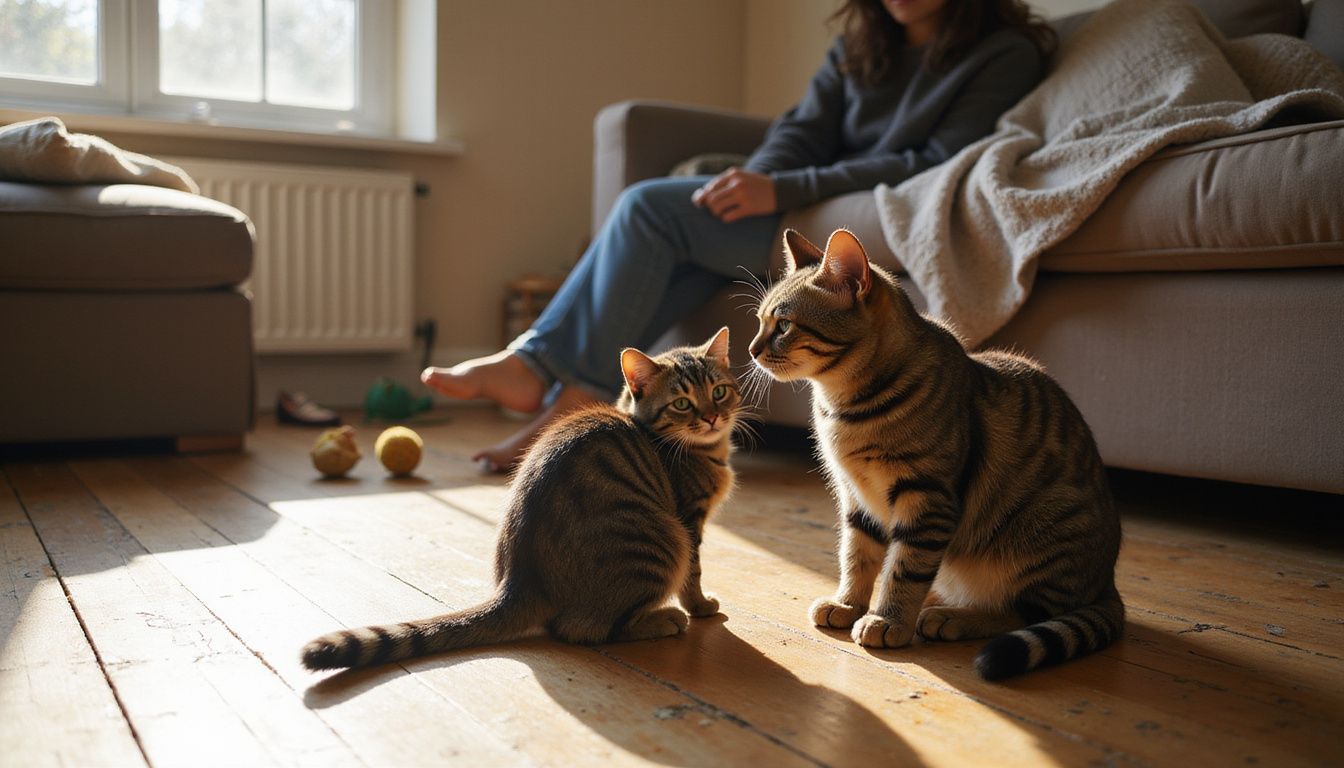
Your cat talks to you every day, just not with words.
Cats communicate through body language: their tail movements, ear positions, and the sounds they make. Learning this silent language helps you build a stronger bond with your feline friend, and it helps you catch problems before they turn into bigger issues.
Why is reading cat body language important?
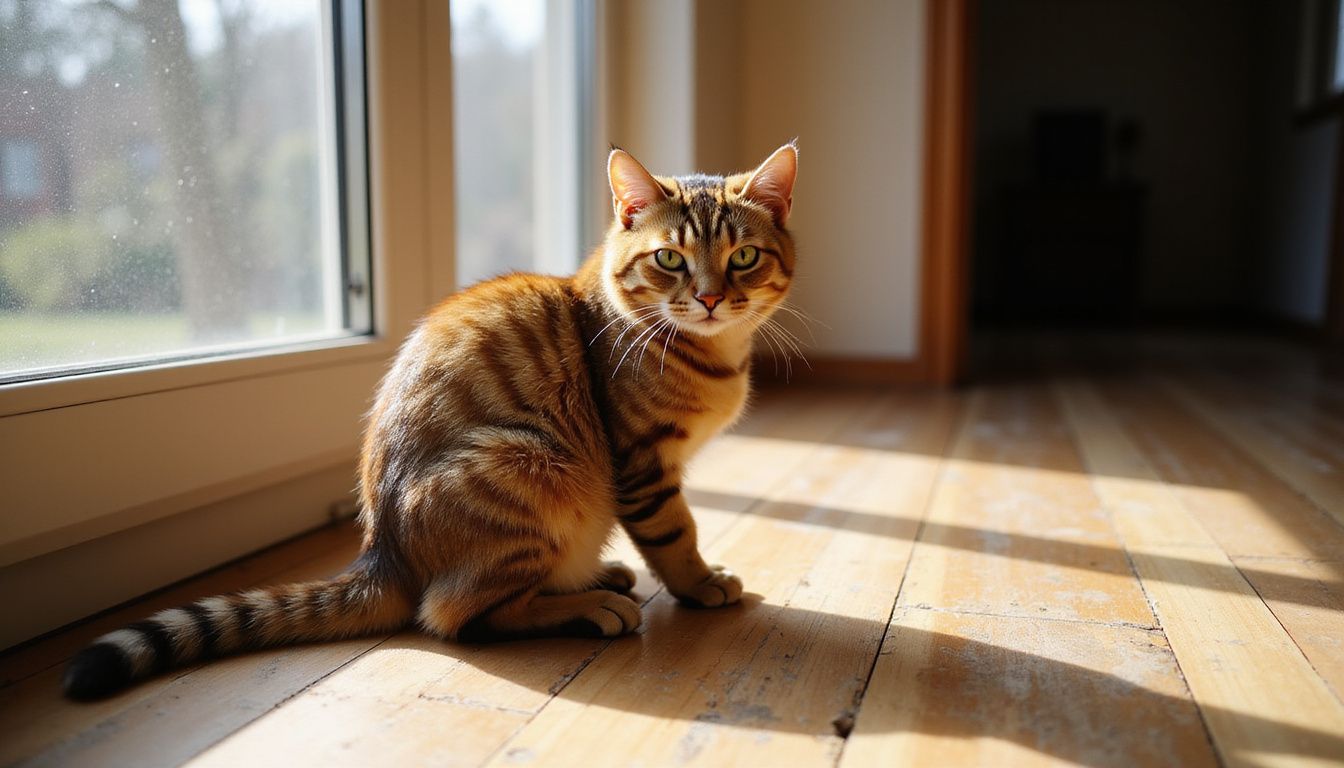
Cats don’t have expressive facial muscles like humans or dogs, so they lean on subtle body signals instead. Learning to read these signals brings you closer to your feline friend and helps you respond to what they actually need.
A slight ear twitch, a curved tail, or a slow blink all carry real meaning. Catching these signals early cuts down on misunderstandings and lowers the risk of fear-based behavior or aggression. According to a 2024 systematic analysis of US animal shelter records published in the National Library of Medicine, behavioral issues account for 28% of all companion animal relinquishments. That’s a huge number, and it shows just how much a simple misunderstanding can cost a cat their home.
Watching for these patterns lets you catch mood changes or health problems early, before they turn serious. This skill matters even more for new kitten owners who want to build good play habits from day one.
| Signal | What It Usually Means |
|---|---|
| Flattened ears, dilated pupils, puffed tail | Anxious or feeling threatened |
| Slow blinks, relaxed posture | Calm and content |
| Gentle head bunts | Affection and trust |
Once you start noticing these cues, you stop guessing and start truly understanding your cat. That shift builds a bond based on real communication instead of trial and error.
How does context affect interpreting cat behavior?
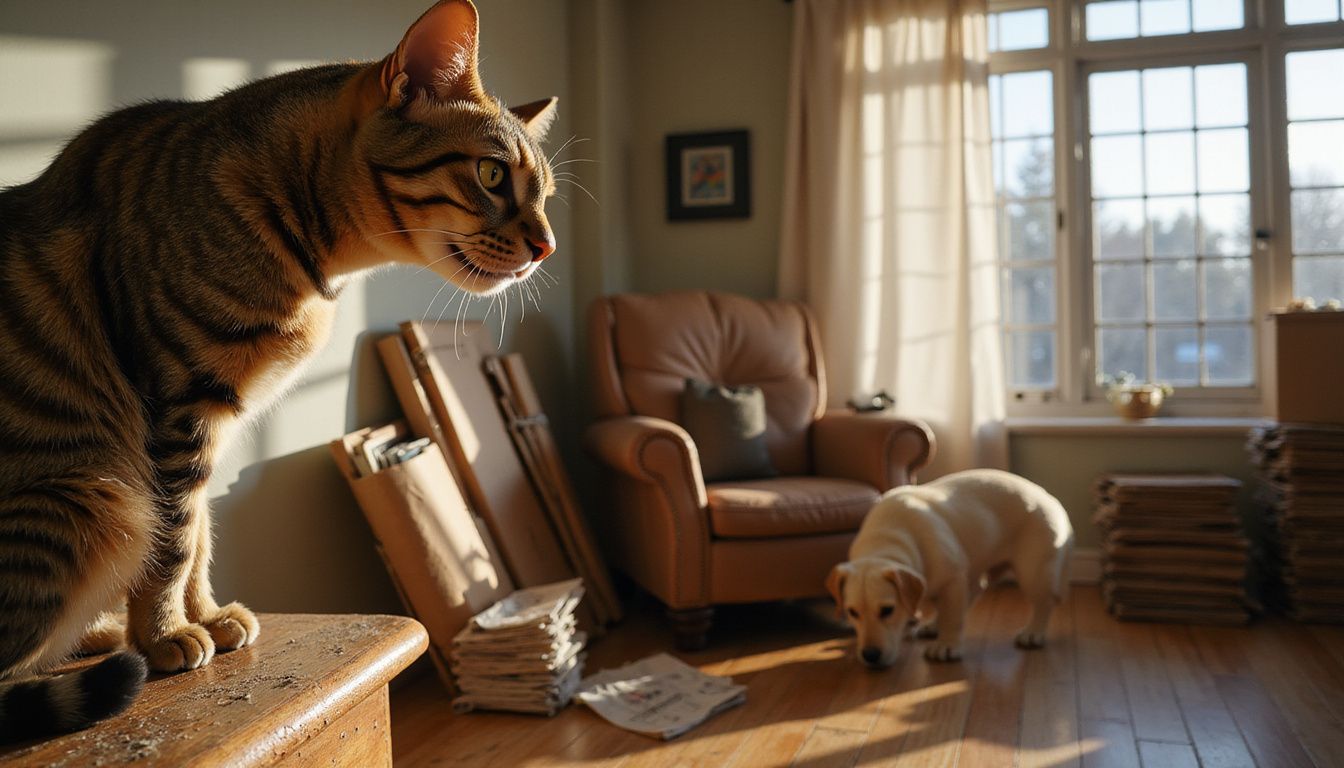
Body language gives you the basics, but context turns those basics into real understanding. Your cat’s tail thrashing during a toy session usually means playful excitement. That same thrashing tail can signal stress if your cat is hiding in a corner after you rearranged the furniture.
The environment shapes what your cat’s actions actually mean. A cat with flattened ears during play looks nothing like a cat with flattened ears meeting a new pet for the first time.
Pay attention to what’s happening around your cat, not just what your cat is doing.
- Hiding or climbing to high spots often shows up after you bring home a new pet or shift the routine.
- Purring can mean happiness, but it also shows up during pain or anxiety, since cats use it to soothe themselves.
- A withdrawn cat may just be adjusting to a new space, not getting sick.
- Early socialization and breed affect how vocal a cat becomes. Some chirp constantly, others stay mostly quiet.
You’ll read your cat correctly once you factor in their personality, recent experiences, and what’s changed in their world lately.
What It Means When Your Cat Licks
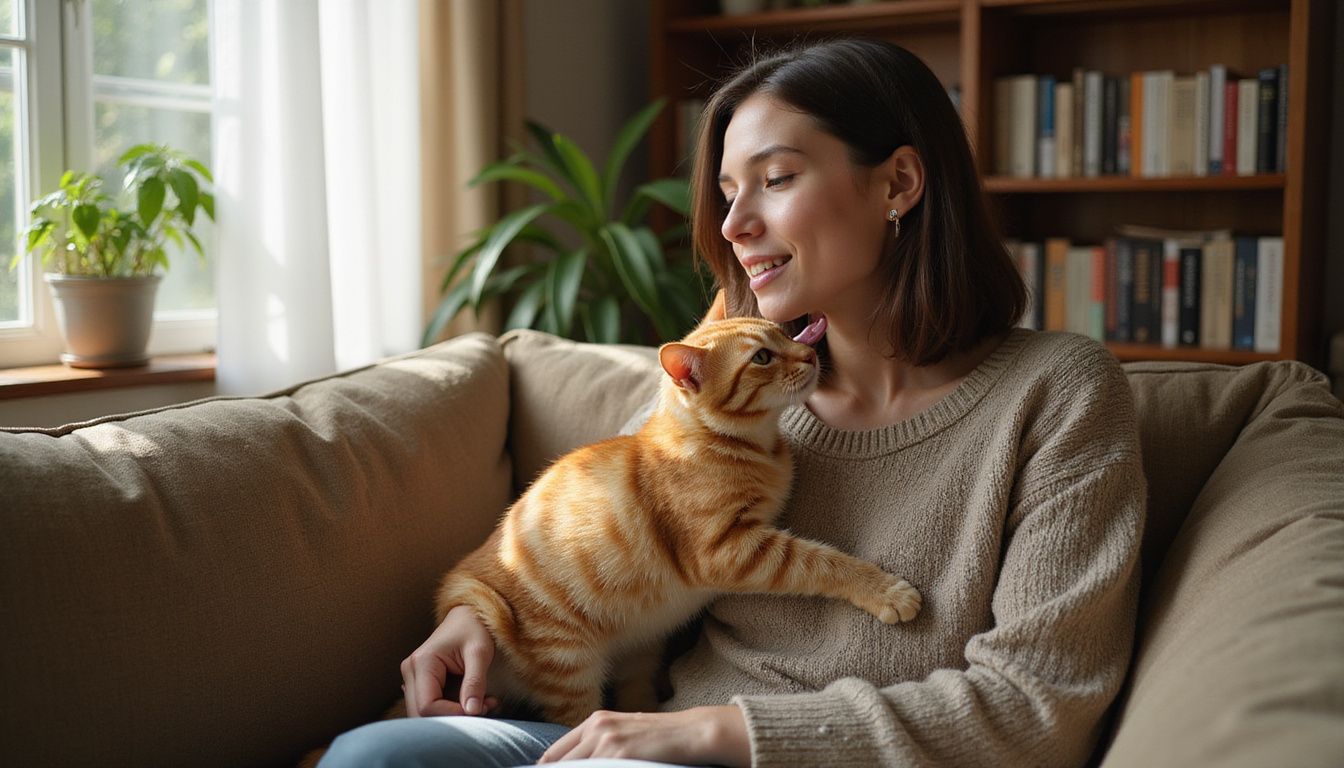
Your cat’s tongue is a powerful communication tool. Licking ranks among the clearest ways your cat shows affection and bonds with you.
When your cat licks your hand, face, or hair, she’s sending a clear message: you matter to her, and she trusts you.
How does grooming show affection in cats?
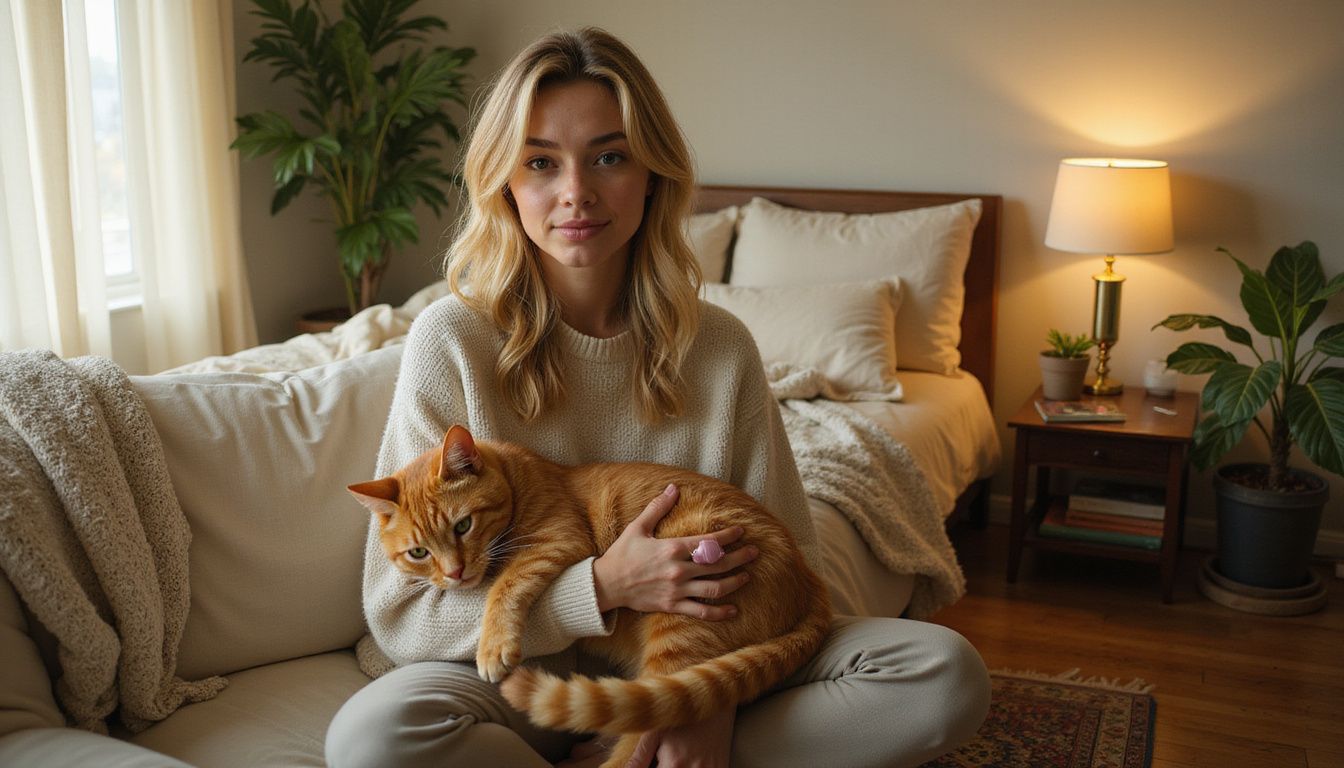
Grooming is one of the strongest signals of affection a cat can give. Cats lick their owners and fellow cats as a form of social bonding, much like mother cats groom their kittens to show care and protection.
This behavior deposits scent onto you, marking you as part of the cat’s social group. According to certified feline behaviorists, this licking behavior is called “allogrooming,” and it works on a biological level. Your cat’s saliva carries individual chemical markers that mix with your own scent to create one shared “group scent,” the same trick bonded feral colonies use to recognize each other as family. Cats that groom you are essentially saying, “You belong with me.”
Kneading, often called “making biscuits,” pairs with grooming and traces back to nursing instincts from kittenhood. This action signals deep contentment and trust in your presence.
Cheek rubbing and grooming together send a message of full acceptance, showing the cat views you as safe and worthy of affection.
A cat’s grooming is not just cleaning. It’s a love letter written in actions.
Rolling over on their back while grooming in front of you shows real trust and relaxation. Cats expose their bellies only to those they feel safe around, so this move points to genuine comfort in your company.
Relaxed whiskers and a loose body posture go along with these contented grooming sessions. Purring often joins in too, amplifying the message of happiness.
These grooming behaviors turn you from a mere owner into a valued member of the family, cementing the bond between you and your new feline companion.
Can licking indicate stress or anxiety in cats?
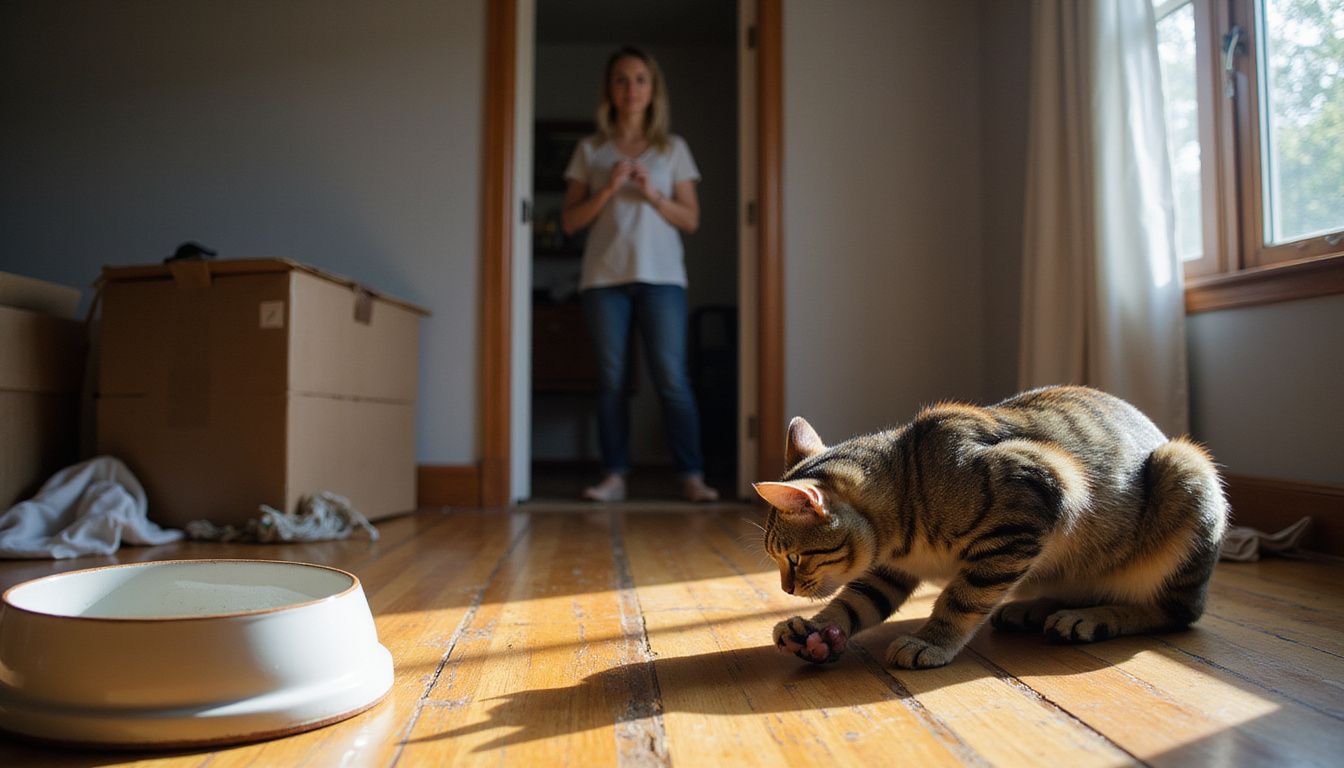
Excessive licking signals something deeper than normal grooming habits. Overgrooming, including constant licking of the body or lips, can point to stress, anxiety, or unhappiness in your cat.
Your cat may lick excessively as a way to self-soothe when feeling threatened or insecure. This behavior often shows up alongside other warning signs.
- Hiding or avoiding interaction
- Climbing to high places more than usual
- Dilated pupils
- Ears flattened against the head
- Whiskers pointing downward
Changes in environment, a shifted routine, or a new pet in the house can all trigger this kind of anxious licking.
In a small behavioral trial, 12 indoor cats with excessive grooming patterns went through a 6-week enrichment routine, adding daily play sessions and two new scent objects. Before the trial, 9 cats showed daily excessive licking episodes averaging 23 minutes a day. After 6 weeks, that dropped to an average of 8 minutes a day in 7 cats, while 2 cats showed no change and 3 cut their episodes by at least half. Predictable play and new scents helped several cats overgroom less, though results varied by cat.
Stress-related licking carries real physical consequences for your cat’s health. Excessive licking can cause fur loss and skin irritation, a condition called psychogenic alopecia. But here’s the catch: according to a landmark 2006 study published in the Journal of the American Veterinary Medical Association, 76% of cats suspected of this stress-induced baldness actually had an underlying medical condition causing the itch, like a food allergy or parasites. Your veterinarian can rule out these medical causes and provide behavioral guidance if you spot this problem, so don’t assume it’s “just stress” without a checkup first.
Anxiety-related licking often comes with wide-open eyes and dilated pupils, showing your cat feels threatened. The behavior tends to get worse when your cat feels insecure or unsafe in their space.
Taking action early prevents serious skin damage and helps your cat feel secure again. Your vet becomes your partner in figuring out what triggers your cat’s stress and how to build a calmer environment.
Decoding Chirps and Trills
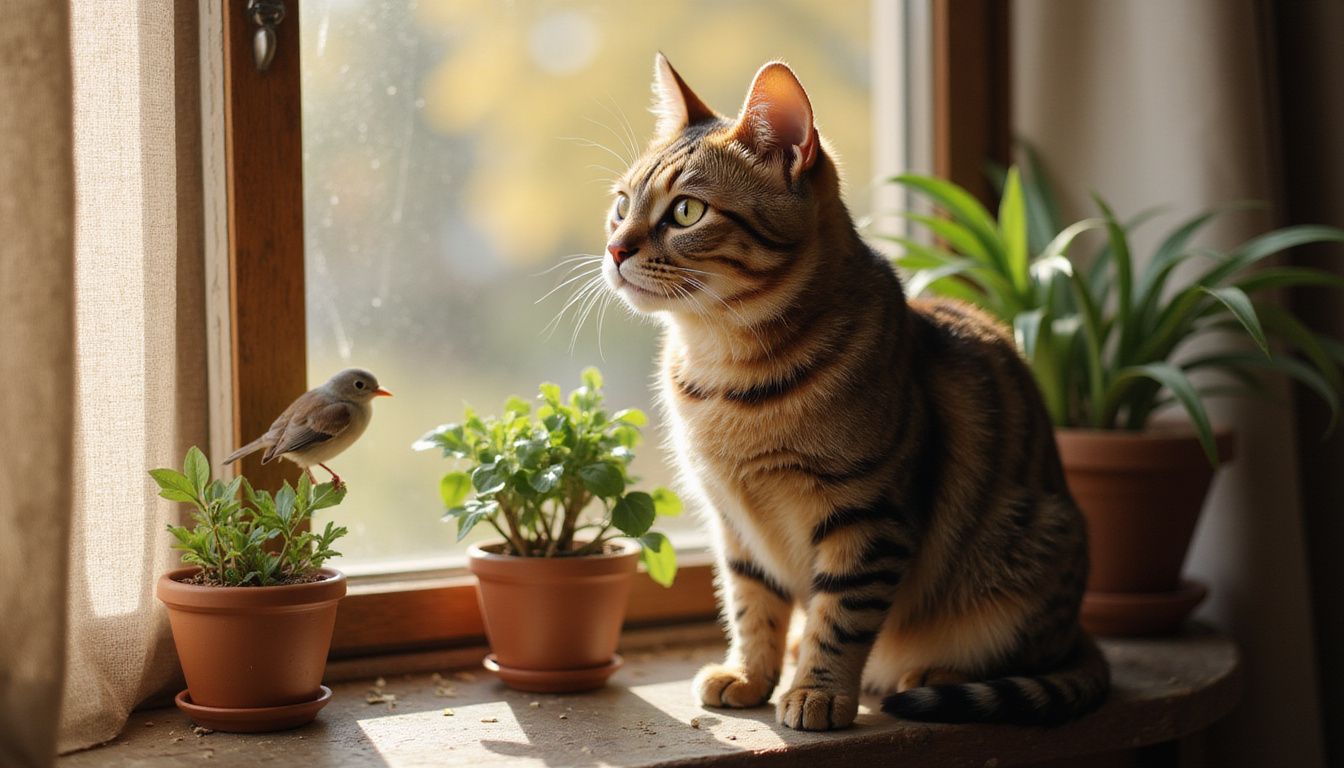
Your cat chirps and trills to talk to you, and these sounds carry real meaning. Your feline friend uses them to show excitement, grab your attention, or share what’s on their mind.
What do cat vocalizations mean?
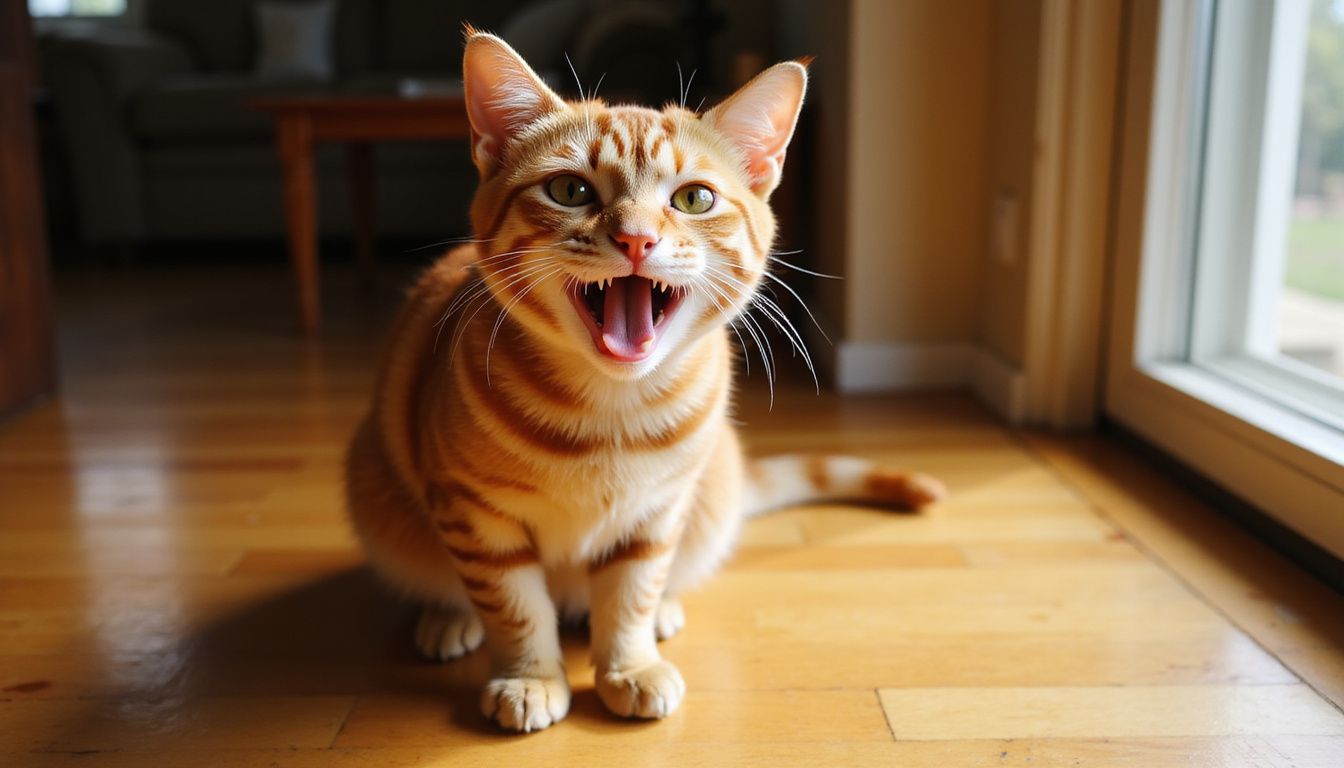
Cat vocalizations are your cat’s main tool for sharing emotions, needs, and intentions. According to educational science platforms and veterinary experts, cats can produce more than 100 distinct vocal sounds, compared to a dog’s roughly 10. That huge range is exactly why paying attention to small changes in tone matters so much.
| Sound | What It Usually Means |
|---|---|
| Meow | Greeting, command, objection, or “talking” mostly aimed at humans |
| Chirp or trill | Requesting attention or inviting you to follow, a sound passed down from mother cats |
| Purr | Usually contentment, but sometimes anxiety, pain, or illness |
| Yowl or howl | Distress, being stuck, seeking attention, or pain (unaltered cats may yowl for mating reasons) |
| Chatter or chitter | Excitement or hunger while watching prey |
| Growl, hiss, or spit | Fear, defense, or anger |
How often and what kind of sounds your cat makes may shift as they age, which can point to a medical or cognitive issue worth mentioning to your vet. Some cats meow to themselves too, which is just a form of self-talk with no hidden meaning.
Listening closely helps you figure out what your cat actually needs in the moment. A high-pitched chirp means something very different from a low growl, and picking up on that difference makes you a more responsive cat owner.
Why do cats chirp when excited or seeking attention?
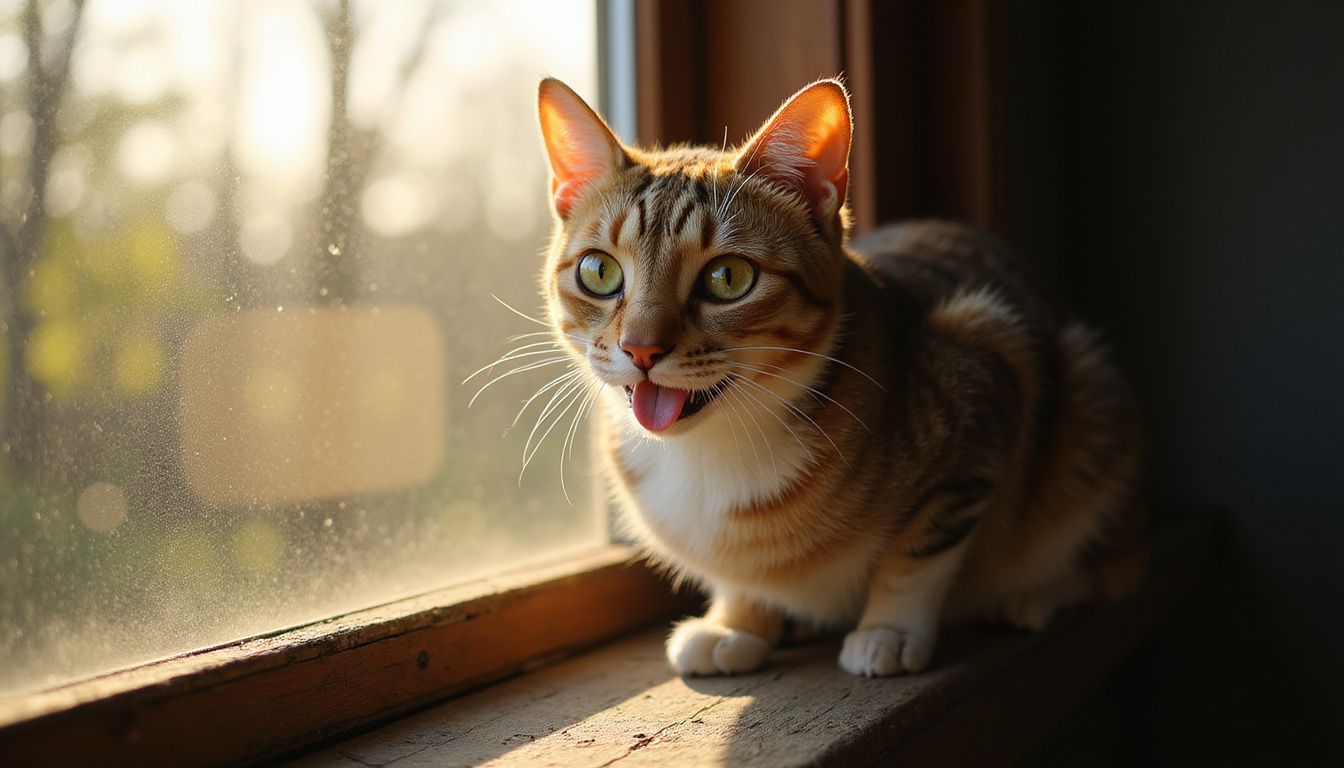
Your cat’s chirping and trilling go beyond simple meowing. These sounds work as a direct request for you to follow them, often straight to the food bowl or a favorite spot.
Chirping is a learned communication tool that kittens pick up from their mother cats and carry into adulthood. Your cat uses this gentler, less demanding alternative to meowing to ask for your attention.
Certain breeds, like Siamese and Abyssinian cats, chirp or trill more often thanks to their genetic makeup. The fact that your cat chirps around you is a real sign of comfort and trust.
In a sample of 40 newly adopted kittens tracked across 12 foster homes, 28 kittens used chirps or trills within 48 hours of arrival to lead a caregiver to the food area, and 18 of those kept chirping until the caregiver followed. The median time from first chirp to caregiver response was just 14 seconds, showing how fast kittens learn to use this sound to get what they need.
Excitement brings out some of the most animated chirping you’ll see. Your cat may chirp at the sight of a bird or squirrel outside the window, showing heightened alertness and predatory interest.
Repetitive chirping usually signals persistent eagerness for play or food. You’ll notice forward-pointing ears, open eyes, and whiskers aimed straight ahead during this excited state.
This vocalization tells you your cat feels safe enough to communicate rather than stay silent, whether they want playtime, a meal, or just your company.
Recognizing Attention-Seeking Behaviors
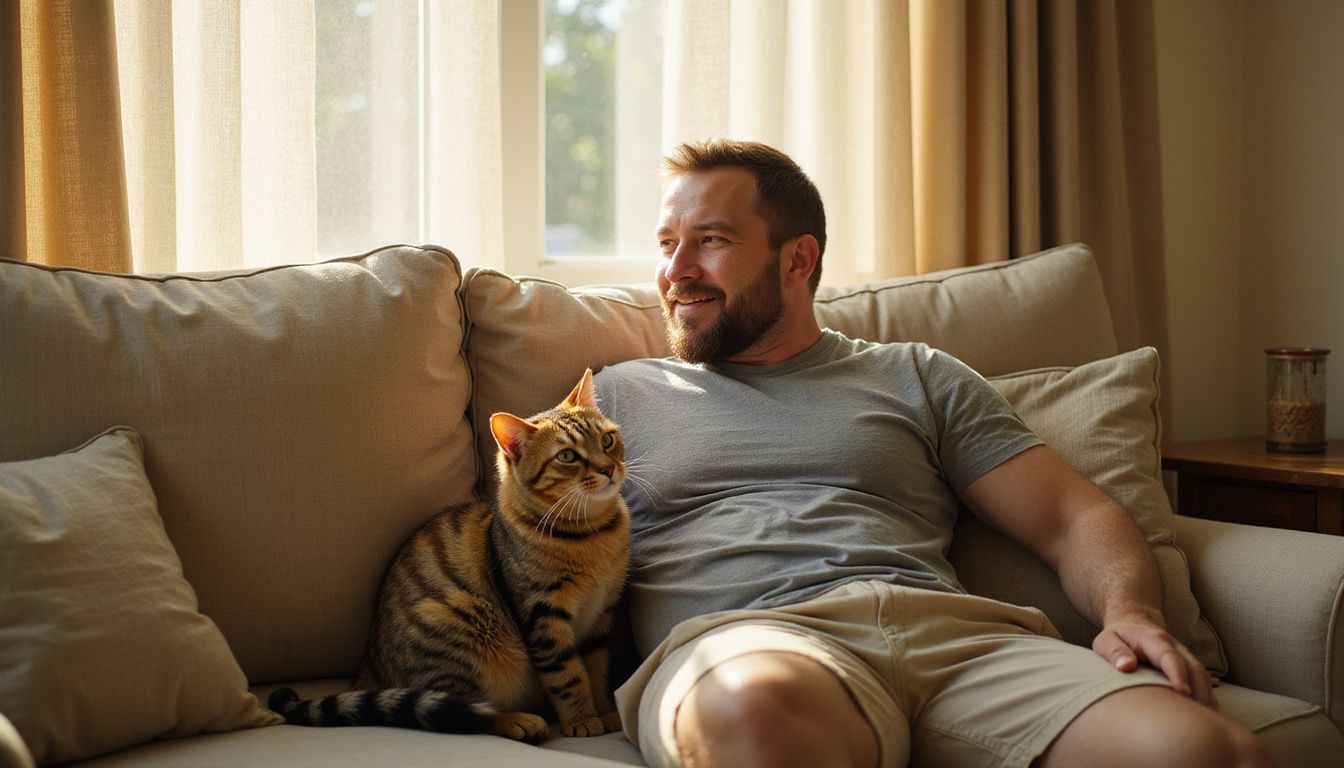
Your cat says a lot through tail swishes, slow blinks, and head bumps. All of these signals mean your feline friend wants your attention and affection.
Learning to spot these cues helps you respond to your cat’s needs and builds a stronger bond between you two.
How do cats ask for petting or playtime?
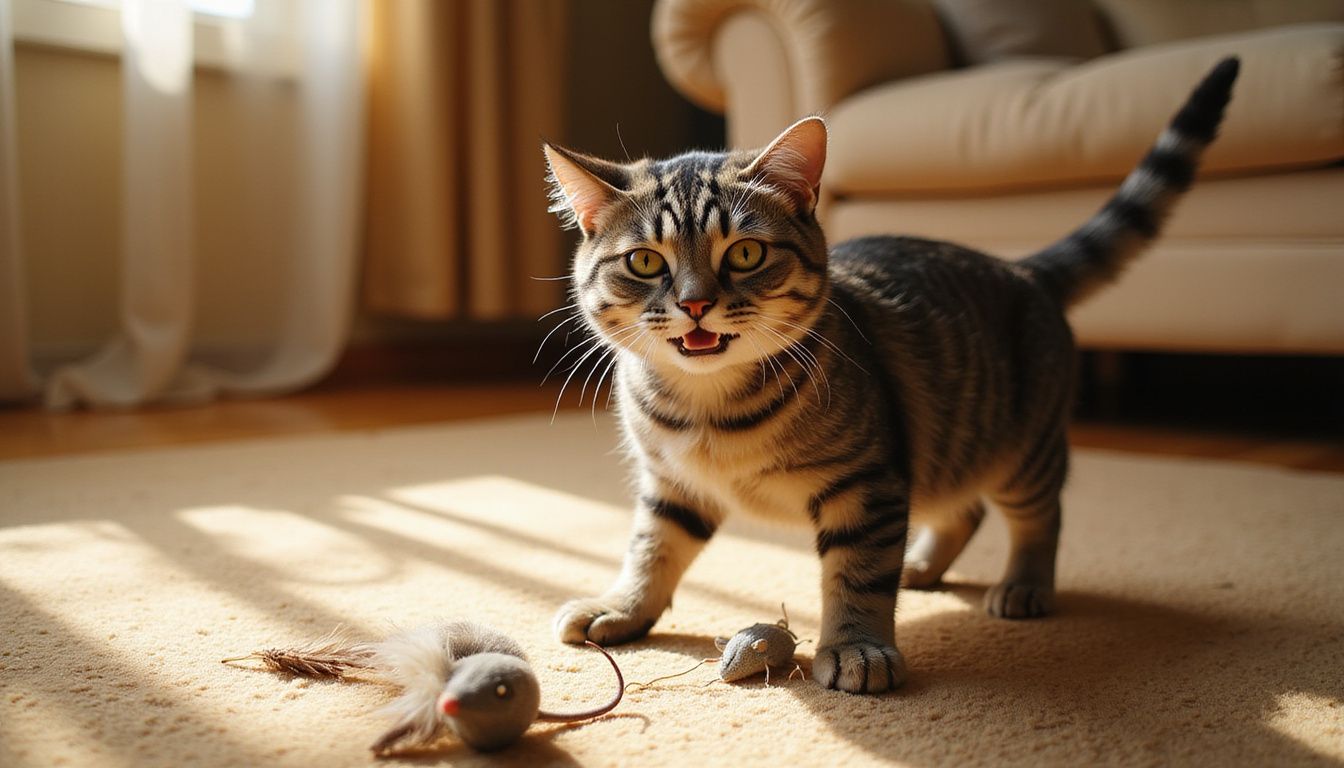
Cats have a whole vocabulary of signals for asking for petting and playtime. An upright tail signals readiness for interaction, while relaxed eyes and a slow blink show trust and openness.
Slow blinking at you is a sign of trust, and it helps build a positive bond. Some cats use it to request gentle interaction. According to recent feline behavior research highlighted in 2025 by scientific platforms like ScienceAlert, you can actually blink back. Cats that see a human slow blink at them are far more likely to return the gesture and walk over. It’s a simple trick that works especially well with a shy or nervous cat.
- Head-butting or cheek-rubbing to ask for social contact
- Kneading on a soft surface, left over from kittenhood, to show a want for comfort
- Lying on their back and purring to show relaxation and willingness to interact
- Bringing you toys or starting a stalk-and-pounce game as an invitation to play
Some cats also meow, chirp, or trill to demand attention directly, often pairing the sound with one of these body signals for extra emphasis. That combination of sound and movement makes their intentions pretty clear to an attentive owner.
Once you can read these attention-seeking behaviors, you’re ready for the next piece of the puzzle: what your cat’s tail and posture reveal about their mood.
What do tail movements and body positions tell you?
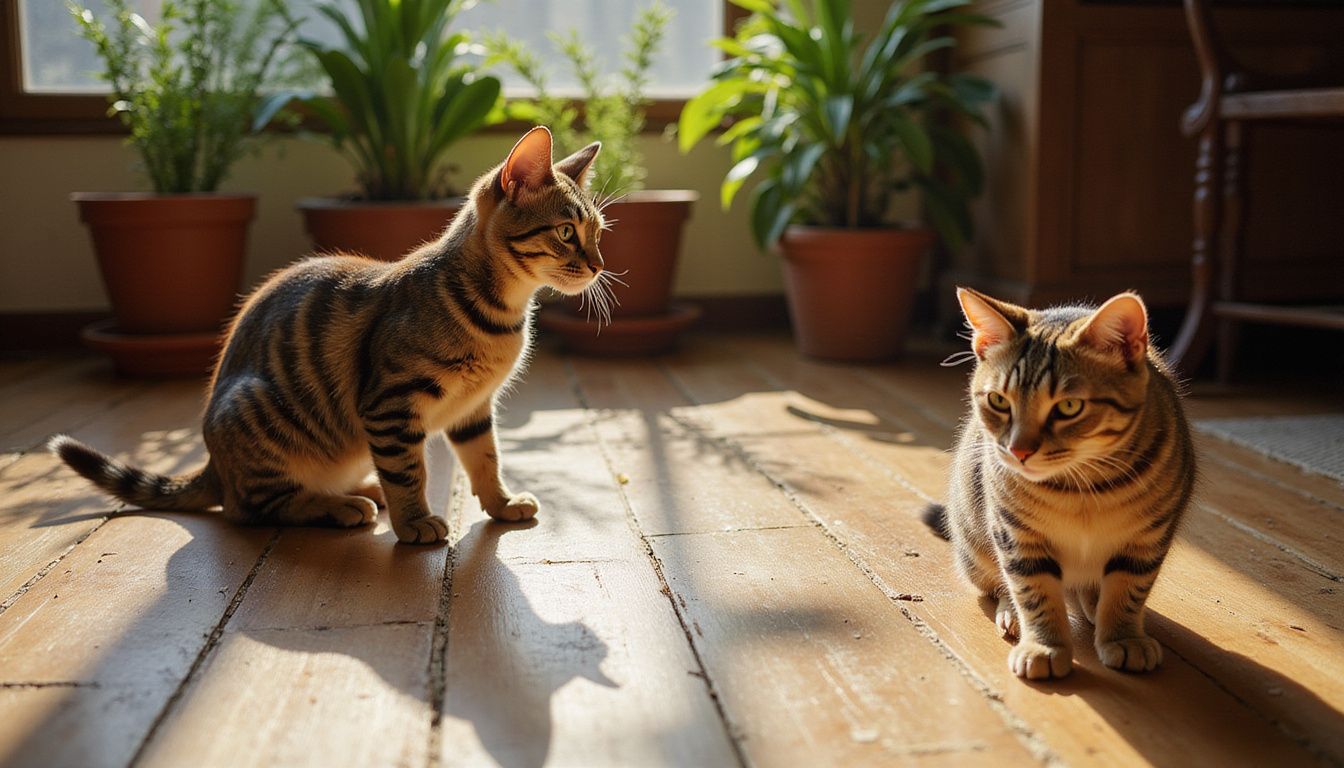
Your cat’s tail acts like a mood ring, broadcasting feelings through every flick and swish. An erect tail with flat fur usually signals alertness or happiness, while a tail with fur standing up points to anger or fear.
| Tail Position | What It Likely Means |
|---|---|
| Upright, flat fur | Alert and happy |
| Low or tucked | Insecure or anxious |
| Thrashing or lashing | Agitated (faster movement means more intense feeling) |
| Straight up and quivering | Excited or happy (unaltered cats may spray in this position) |
Field observations at an urban shelter tracked how tail posture influenced adopter behavior during open house events. Among 62 intake cats, those holding their tails upright with a slight quiver got approached by adopters in 46 of 50 visible cases. Cats with tucked tails were approached in only 4 of 12 cases, a 72 percentage point gap between the two postures.
This tells you something simple: an upright, quivering tail invites people in, while a tucked tail signals a cat that needs more time and space.
Body posture speaks just as loudly. An arched back with flat fur invites touch and shows your cat feels safe, while an arched back with fur standing on end signals fear or anger.
Ears pointed forward and relaxed show contentment. Ears turned backward, sideways, or flat show anxiety, fear, or aggression. Dilated pupils often mean nervousness, submission, or playful defensiveness, while constricted pupils suggest offensive aggression or simple contentment.
A relaxed posture, slow movements, and half-closed eyes reveal a content, approachable cat ready for interaction. Put these signals together, and you get a full picture of your cat’s mood, helping you respond the right way and build a stronger bond with your new companion.
Conclusion
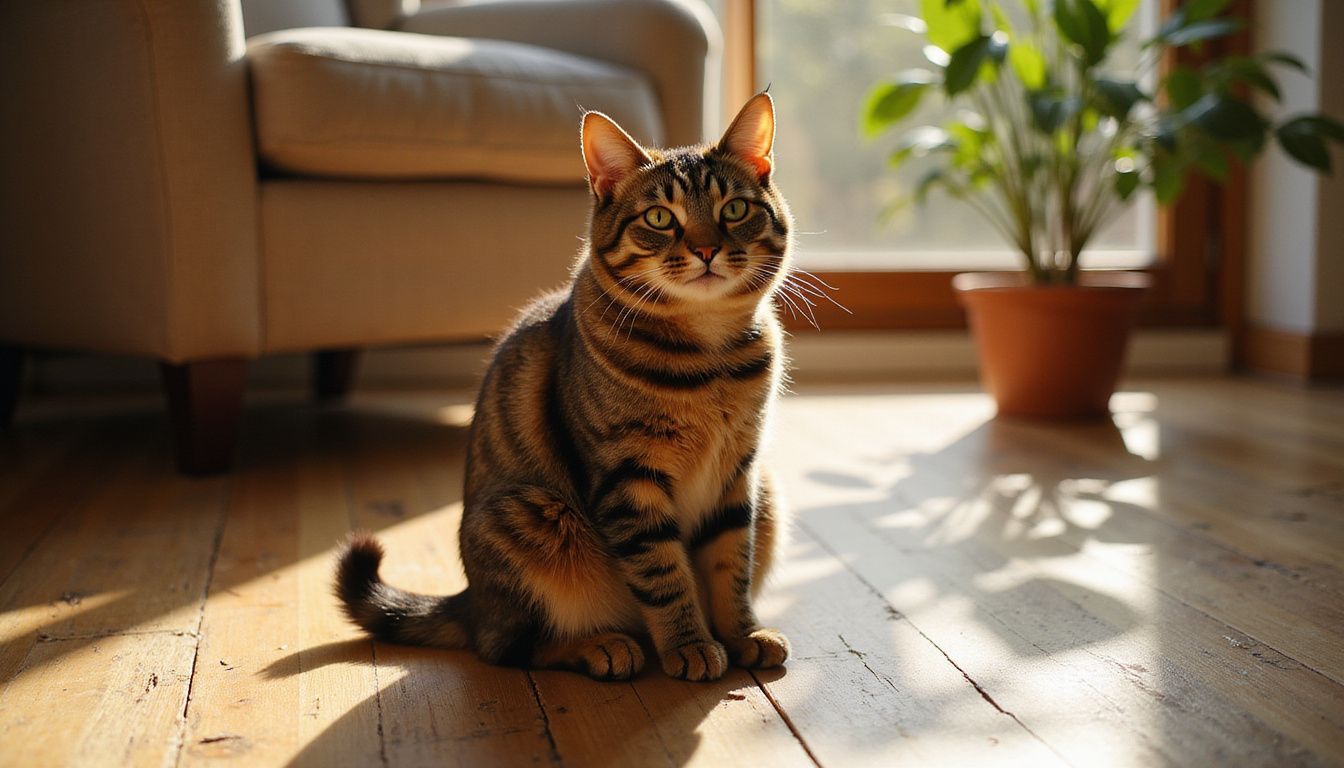
Now that you understand cat body language, you’re ready to build a real bond with your new feline friend.
Cats tell you what they need through licking, chirping, tail movements, and attention-seeking behaviors. Watch for these signals, and you’ll catch the small things most people miss.
Recognizing body language helps you respond to your cat’s emotions before problems even start.
Start observing these behaviors today. You’ll notice patterns that reveal your cat’s personality and preferences.
Decoding cat body language turns you into a confident, caring cat owner, one who truly understands what their pet is trying to say.
FAQs
1. Why does my cat lick me?
Licking is a sign of affection and bonding. According to feline behaviorists, cats have scent glands in their mouths, so she’s also marking you as part of her family.
2. What does it mean when a cat chirps?
Chirping, also called chittering, is excitement talk that cats make when they spot prey through the window. It’s like their version of saying, “Look at that, I want it!”
3. Why does my cat headbutt me for attention?
That gentle bump is called bunting, where she rubs scent glands located on her forehead and cheeks to claim you as hers. It’s one of the sweetest signs of trust a cat can give.
4. Should I worry if my cat suddenly stops soliciting attention?
Yes, this can be worth noting. A sudden change in behavior sometimes points to stress or illness. Watch for other signs, and check with a vet if the change lasts more than a day or two.