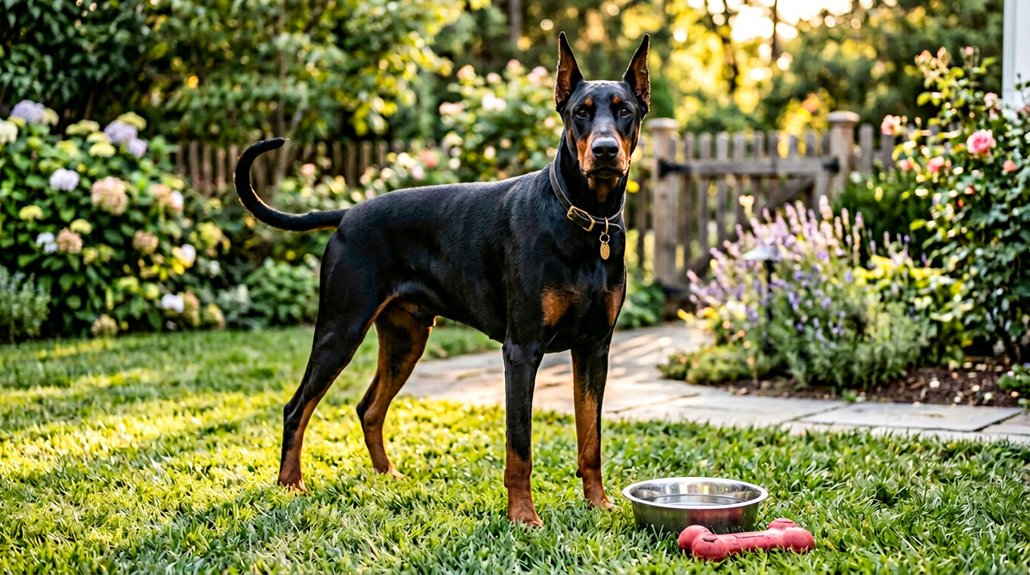
You’ll find Doberman Pinschers combine affectionate loyalty and protective instincts, making early socialization essential. They’re high-energy, needing consistent training with positive reinforcement. Regular grooming, including brushing and nail trimming, supports their health, along with a balanced diet. Attend to breed-specific health risks, like hip dysplasia and bloat, with regular vet visits. Engage in community events for socialization insights and updates on care practices. Discover deeper insights on nurturing your Doberman’s well-being and behavior.
Key Takeaways
- Dobermans are affectionate, loyal, and protectively instinctive, requiring early socialization to manage interactions with strangers.
- Weekly brushing and monthly nail trimming are essential for a Doberman’s grooming routine.
- Regular vet check-ups help monitor breed-specific health issues like hip dysplasia and dilated cardiomyopathy.
- Positive reinforcement and mental exercises are effective training strategies for Dobermans.
- Engage with Doberman-focused communities and resources for ongoing education and support.
Understanding Doberman Temperament and Family Dynamics
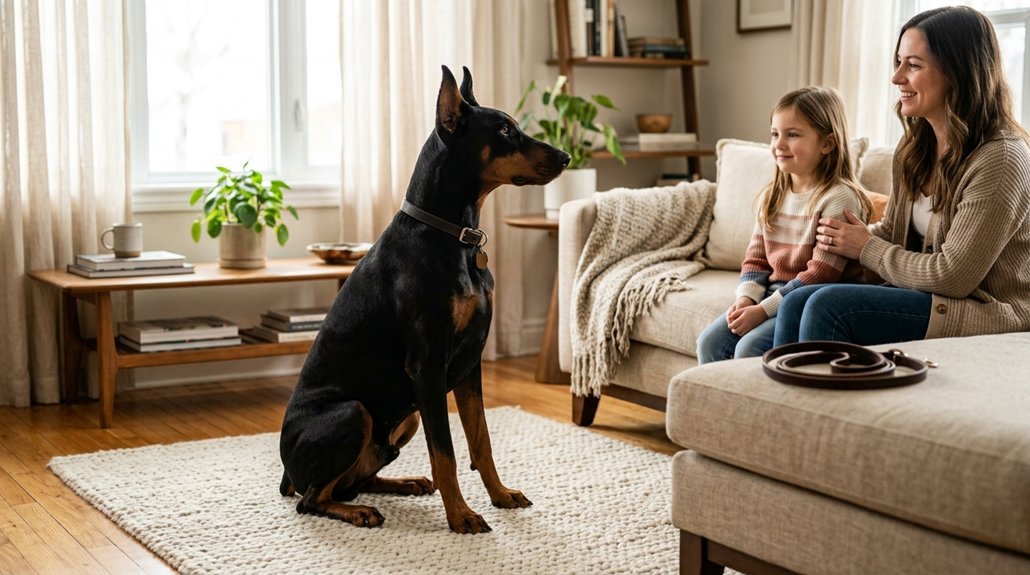
Although Doberman Pinschers are known for their affectionate and loyal nature, it’s important to understand their temperament to guarantee a harmonious family dynamic. Their social behavior is shaped by strong loyalty dynamics and protective instincts. Early socialization is essential to help them manage stranger interactions and adapt to a variety of environments. This breed’s independence balance is notable; they are self-reliant, necessitating consistent boundaries to avoid territorial tendencies.
Family integration requires adaptability strategies, given their high energy levels. It’s crucial to provide 1.5 to 2 hours of daily exercise to maintain both mental and physical health. While they may not initially fit households with young children or other pets, with proper training and early socialization, Dobermans can successfully integrate into family life.
Comprehensive Care Guide: Grooming and Health Essentials
To guarantee your Doberman Pinscher stays healthy and well-groomed, focus on essential grooming practices like brushing their sleek coat occasionally and trimming nails monthly. Regular preventative health measures, such as vet check-ups, are vital due to their predisposition to conditions like hip dysplasia and cardiomyopathy. Providing a balanced diet and implementing consistent training and socialization will further support their overall well-being.
Essential Grooming Practices
Grooming a Doberman Pinscher requires a straightforward, yet indispensable routine to maintain their health and appearance. Weekly brushing aids in coat maintenance ensuring a sleek, healthy look while managing shedding. Focus on ear hygiene; clean the ears every few days with baby oil on a paper towel to avoid wax buildup. Nail trimming is essential; monthly trims prevent discomfort and injury. Bathing can follow a minimal schedule, tailored to when your Doberman is particularly dirty. Additionally, a balanced diet and consistent exercise routine are fundamental not only for overall health but also for contributing to a shiny coat.
| Grooming Task | Frequency |
|---|---|
| Coat Maintenance | Weekly brushing |
| Ear Hygiene | Every few days |
| Nail Trimming | Once a month |
| Bathing Schedule | As needed when dirty |
Preventative Health Measures
Maintaining your Doberman Pinscher’s grooming routine is one step in ensuring their overall health, which encompasses more than just appearance. Routine grooming, including weekly brushing and monthly nail trimming, reduces shedding and fosters comfort. Doing so complements preventative health measures like routine examinations and proper nutrition. Regular vet checkups are essential for monitoring potential breed-specific health issues, enabling early intervention.
Feeding your Doberman a high-quality, protein-rich diet twice daily forms the foundation of preventative nutrition, minimizing risks like bloat and promoting overall well-being. Avoid grain-free or foods with artificial ingredients to support best health. Additionally, keeping their ears clean every few days using a baby oil-soaked paper towel can prevent infections, contributing positively to their long-term health.
Common Health Concerns
Even though Doberman Pinschers are generally robust dogs, they’re prone to several breed-specific health issues that require vigilant attention and proactive care. Owners should focus on hip dysplasia awareness, as this condition can severely impact mobility. Regular check-ups are crucial for early detection and management of this condition. Von Willebrand disease, a blood clotting disorder, is another concern, necessitating genetic testing and regular veterinary assessments for effective management.
Be aware of these health concerns:
- Dilated cardiomyopathy, affecting the heart muscle.
- Hypothyroidism, which may cause hormonal imbalances.
- Risk of bloat, prevented with controlled feeding practices.
Engage with responsible breeders who conduct genetic testing and guarantee genetic health through hip evaluations and cardiac exams, securing a healthy lineage for your Doberman Pinscher.
Smart Training Tips to Nurture Your Doberman’s Behavior
To nurture your Doberman’s behavior effectively, prioritize positive reinforcement techniques that leverage their willingness to please and high intelligence. Begin engaging mental exercises that challenge their cognitive skills, such as puzzle games that reward them with treats or praise. These strategies form a balanced approach to training, facilitating both obedience and mental enrichment.
Positive Reinforcement Techniques
Release your Doberman’s full potential by using positive reinforcement techniques that cater to their natural responsiveness to praise and rewards. Effective methods include clicker training and reward systems which enhance behavior shaping. Utilize motivation strategies like playful learning and training games to keep sessions stimulating. By incorporating praise techniques and bonding activities, you’ll foster a trusting relationship while encouraging compliance.
Engage your Doberman by:
- Using healthy treats to reinforce good behavior promptly.
- Tapping into toys as motivators to boost enthusiasm.
- Eliminating harsh corrections to sustain trust and engagement.
Implementing these techniques guarantees productive and enjoyable training sessions, strengthening the bond between you and your Doberman. Treating training as a shared adventure promotes their enthusiasm to learn, leading to outstanding behavioral outcomes.
Engaging Mental Exercises
A well-rounded training regimen for your Doberman must include mental exercises, which are vital for harnessing their intelligence and energy. Engage them in problem-solving games like hide and seek to reinforce commands such as “come” and “stay.” Implement puzzle activities to introduce a mental challenge, alleviating boredom and curbing undesirable behaviors. Interactive play with training toys can heighten mental stimulation, ensuring they’re actively engaged. Trick training, teaching beyond basic commands—such as rolling over—keeps sessions rewarding and varied. Agility challenges serve dual purposes: they physically exercise while demanding significant thinking, enhancing problem-solving skill sets. Regularly varying training activities and incorporating new commands maintain mental acuity. These training strategies are essential for an intelligent breed like the Doberman.
Optimal Exercise for Doberman Health: Daily Activities
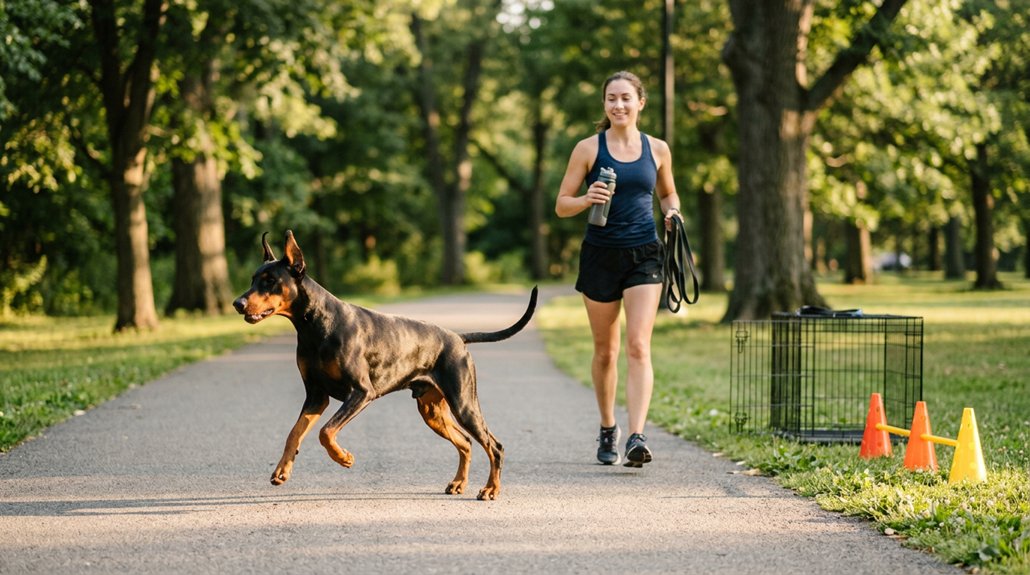
While Doberman Pinschers are known for their intelligence and athleticism, it’s crucial to provide them with 1.5 to 2 hours of daily exercise to guarantee both their physical health and mental well-being. Fostering activity variety not only engages their minds but also showcases exercise benefits such as improved fitness, reduced anxiety, and behavior control. Engaging your Doberman in different activities can cater to their energetic disposition:
- Brisk walks and jogging: Boosts cardiovascular health while maintaining joint mobility.
- Interactive play: Games like fetch stimulate mental acuity and strengthen your bond.
- Canine sports participation: Activities like agility or tracking challenge their intellect and agility.
For tailored exercise insight, consulting a veterinarian can verify routines are suitable, especially for older Dobermans with specific needs.
Puppy Development 101: Raising a Healthy Doberman Pup
Early socialization is essential for developing a well-mannered Doberman puppy, as it helps prevent territorial behavior. Implementing effective socialization strategies early on guarantees your puppy adapts to various environments and people. Establish a strong obedience foundation by starting with basic commands such as “sit” and “stay”, fostering discipline and understanding of boundaries.
Dietary considerations are critical; feed your puppy twice daily to ensure proper growth and mitigate the risk of bloat. This structured approach supports their developing physical needs. Complement dietary measures with crate training, which provides a secure environment. The crate not only aids in potty training but also offers comfort with familiar blankets and toys, promoting a sense of safety. Combining these elements prepares your Doberman for a healthy life.
Managing Common Health Issues in Your Doberman
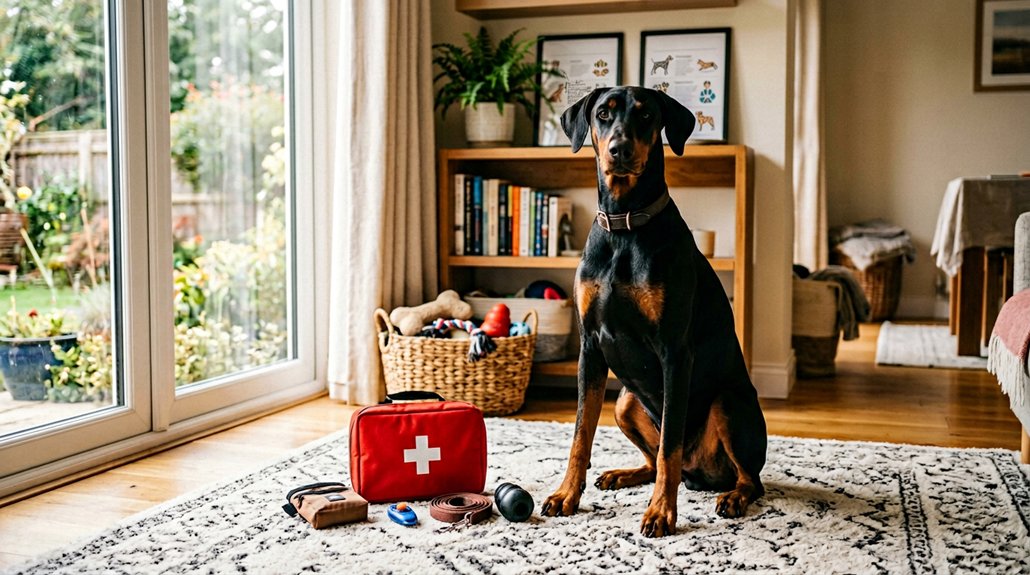
Making sure your Doberman remains healthy involves understanding and managing common health risks associated with the breed. Regular health screenings and veterinary care are essential, providing early detection of conditions such as hip dysplasia and dilated cardiomyopathy. Routine genetic testing is important for spotting issues like von Willebrand disease, influencing responsible breeding practices. Combine a nutrient-rich diet with a tailored exercise routine to reduce health risks, enhancing your Doberman’s longevity.
Ensure Doberman health through regular screenings, genetic testing, and a balanced diet with exercise.
Maintain symptom awareness by watching for signs of ailments, like lethargy, coughing, or limping. Address these with prompt veterinary attention. Regular evaluations include:
- Hip, cardiac, and thyroid assessments: To monitor health
- Ophthalmologist checks: Identify eye disorders early
- Diet management and exercise: Significant for overall well-being
These practices guarantee a healthier, happier life for your Doberman.
Connect With Other Doberman Enthusiasts: Resources and Tips
How can you enhance your Doberman’s care while fostering connections within the breed’s community? Engage in community building through online forums and social media groups dedicated to Doberman enthusiasts. This facilitates resource sharing and offers invaluable training experiences. Attending local Doberman meetups and training classes promotes positive socialization for your dog, while also expanding your network with fellow owners. Participation in breed-specific events, such as dog shows, allows interaction with other Doberman lovers and fosters breed advocacy. Utilize the Doberman Pinscher Club of America to access expert insights, reputable breeders, and thorough health information. Explore literature and articles dedicated to Doberman behavior to further your understanding. Cultivating online engagement can notably enhance your journey in caring for this remarkable breed.
Frequently Asked Questions
How Hard Are Doberman Puppies to Train?
Doberman puppies aren’t too hard to train, given their intelligence and enthusiasm. Start with basic commands at 8 weeks. Implement socialization tips early, use positive reinforcement, and focus on consistency to counteract their natural prey drive.
Where Should a Doberman Sleep at Night?
A study found 72% of Dobermans benefit from consistent nighttime comfort. Your Doberman should sleep in a quiet, designated area with suitable sleeping arrangements, ideally near family. This fosters security and strengthens their emotional bond with you.
What Is the Doberman Rule?
The Doberman Rule focuses on early training and socialization to prevent territorial behavior, promoting positive interactions. Considering Doberman characteristics and history, emphasize obedience, exercise, and mental stimulation for a well-rounded, historically disciplined companion. Start training at 8-12 weeks.
What Is the Downside of Owning a Doberman Pinscher?
Owning a Doberman Pinscher presents temperament challenges, high exercise requirements, potential health issues, and the risk of separation anxiety. You’ll need to commit to their needs, invest time, and provide adequate socialization to prevent behavioral problems.
Conclusion
Caring for a Doberman is like conducting a symphony, with a harmony of temperament understanding, precise grooming, and smart training. Make certain these dynamic dogs get enough exercise to keep their powerful engines running smoothly. Invest in early puppy development to raise a strong, healthy companion, and stay vigilant for common health issues. By connecting with other enthusiasts, you’ll find valuable insights and support as you begin this rewarding journey with your Doberman.