Ever stood in a shelter, staring at rows of cats, and felt totally stuck on which one to bring home?
That moment trips up almost every new cat parent.
Every cat has its own personality, energy level, and set of needs. Those traits shape how well a cat fits into your home and your daily routine.
This guide walks you through cat personality types, energy levels, and temperament traits, so you can make a smart cat adoption choice that works for everyone under your roof.
Grab a cup of coffee, and let’s go through it together. I’ll show you exactly what to look for so you can find your perfect match.
Key Takeaways
- Cats show five main personality types: confident, timid, sociable, independent, and aloof. Each type needs a different home setup.
- Match high-energy breeds like Bengals to active households. Calm breeds like British Shorthairs fit quiet homes better.
- Families with kids do best with tolerant, affectionate cats. Single households often suit independent, low-energy cats.
- Adult cats between one and ten years old come with settled personalities, which makes them easier to adopt than kittens that still need training.
- Senior cats age ten and up bring calm companionship, but they need special care like arthritis management and dental attention.
Common Cat Personality Types
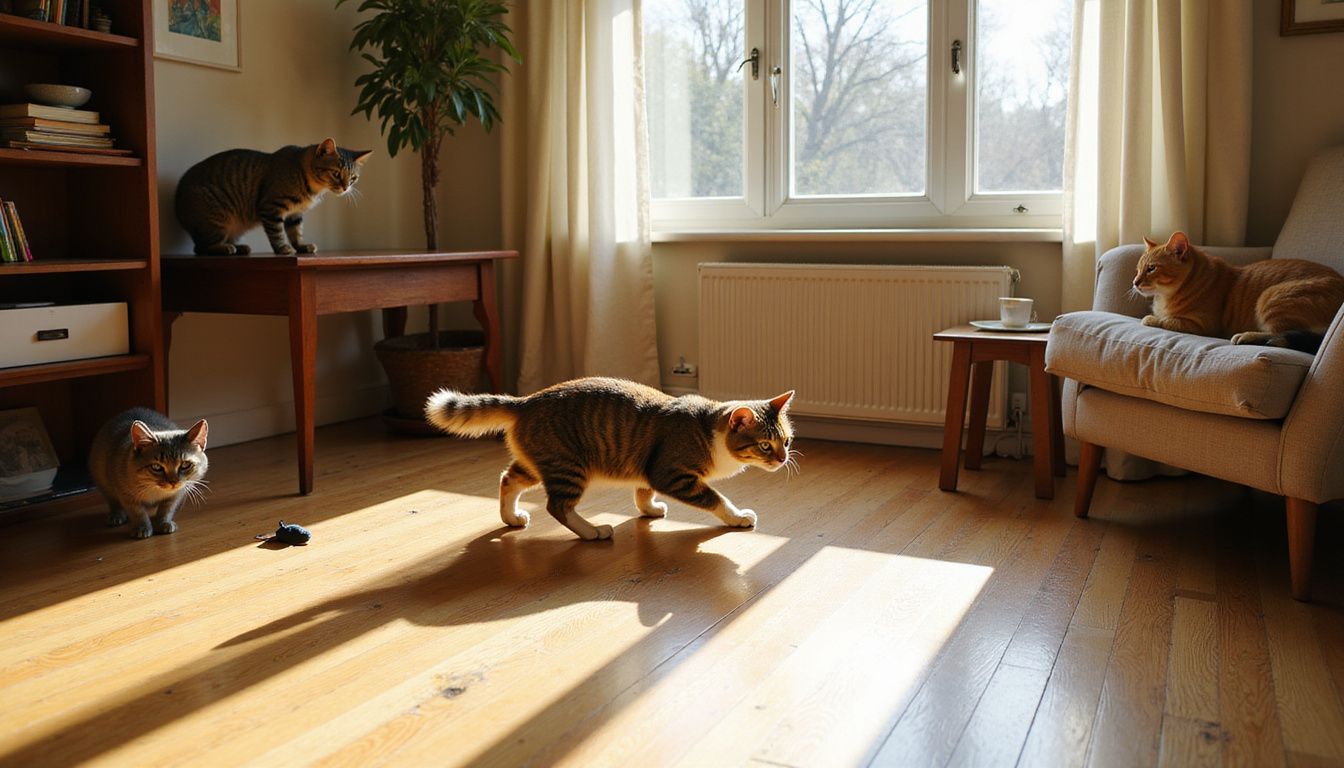
Cats show different personalities, just like people do. Your cat might be bold and confident, shy and quiet, social and playful, or independent and aloof, and these traits matter when you pick your new pet.
Sites like Cats.com do a nice job breaking down these traits on paper. What most guides miss is helping you match that trait list to your actual daily life, which is exactly what we’ll do next.
What traits define confident and bold cats?
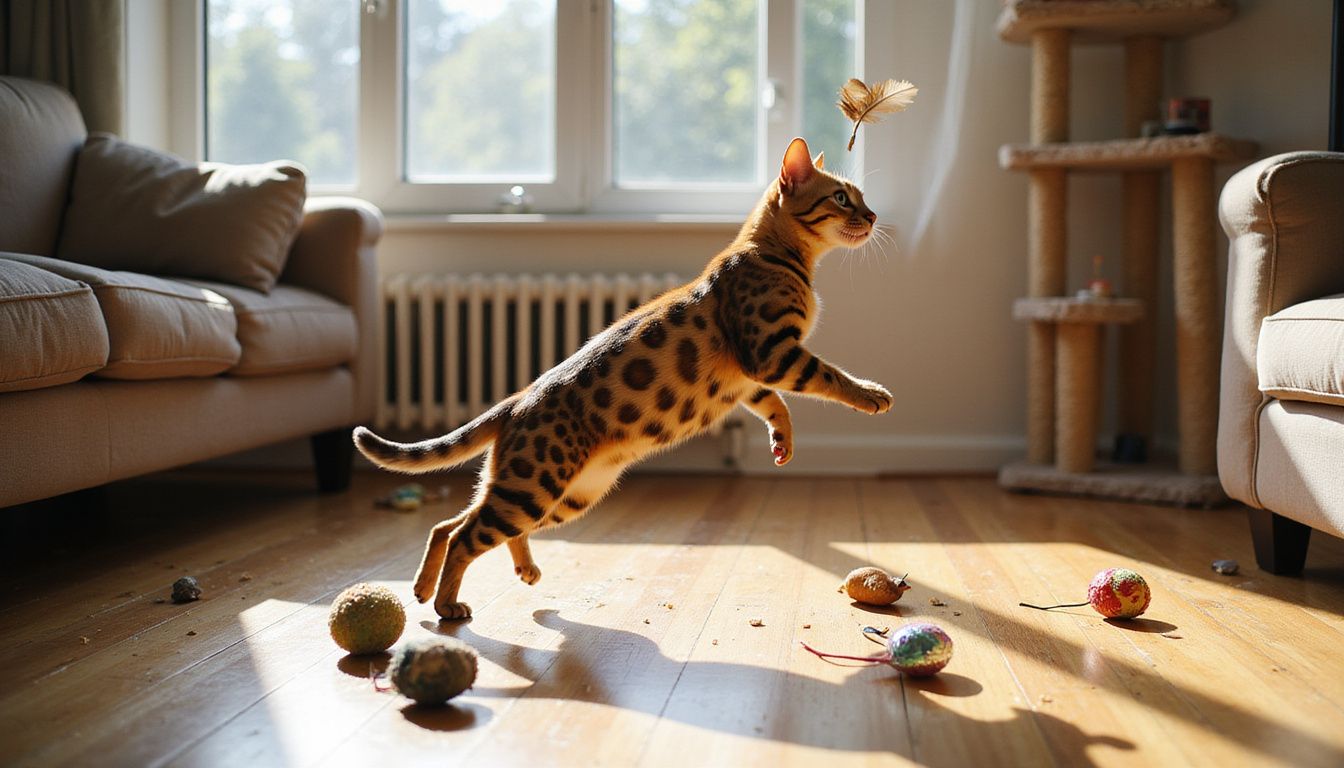
Confident and bold cats score high on extraversion, which means they’re active, alert, curious, and inventive in nearly everything they do. The Feline Five study, published in PLOS ONE in 2017 and archived on pmc.ncbi.nlm.nih.gov, first identified extraversion as one of five core personality traits in cats. This research gives you a real way to spot these spirited animals.
Your inquisitive cat will investigate every corner of your home, pounce on toys with enthusiasm, and greet you with confidence rather than fear.
Breeds like Bengal cats and Abyssinian cats show this trait clearly. They’re energetic explorers who thrive on adventure and mental stimulation.
According to the 2026 Cat Fanciers’ Association (CFA) breed rankings, the Abyssinian sits at #7 nationwide. The report describes this breed as “agenda-driven” and highly energetic, meaning it needs daily physical engagement to stay happy and out of trouble.
These extraverted cats need environmental enrichment and interactive play to satisfy their hunting instincts. Toys like fake birds or mice, including options from brands like Four Paws, keep them engaged and content.
Structured play sessions make a measurable difference for high-energy cats. In a three-week observation of 12 Bengal mixes, daily active playtime jumped from 22 minutes to 68 minutes per cat once caregivers added two 15-minute play sessions each day. Destructive chewing dropped from 9 incidents to just 2 across the group.
Those Bengals redirected their extra energy into toys instead of your furniture. It shows how regular play channels natural hunting behavior in a productive way.
A confident cat isn’t just bold. Its personality can turn your entire household into an exciting playground.
Your extraverted cat needs regular engagement to prevent boredom, which can lead to destructive behavior if left unchecked. Toys, climbing structures, and puzzle feeders become essential tools in your daily routine.
Very extroverted cats may get restless or cause trouble around your home without proper stimulation, so watching for these signs helps you adjust your setup early.
Maine Coon, Cornish Rex, and Devon Rex cats also carry this confident energy, making them great choices if your lifestyle supports an active, playful companion. You’ll notice these cats start interactions, seek your attention often, and rarely hide from household activity or visitors.
How do timid and reserved cats behave?
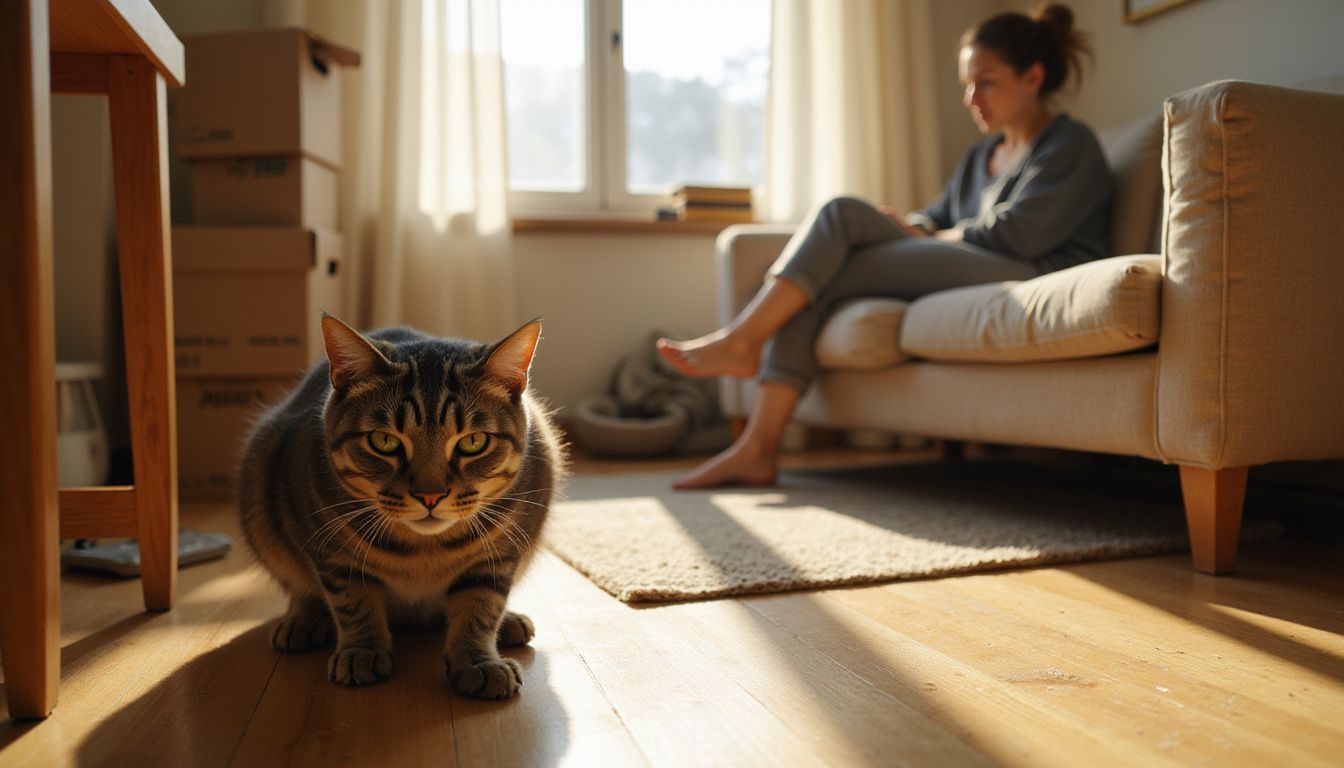
Timid and reserved cats show their nervousness through specific behaviors that tell you a lot about their inner world. These cats display avoidance behavior, hiding in quiet corners or under furniture when stressed.
Shy cats often take longer to adjust to new people or situations, sometimes weeks or months before they warm up to you. According to standard adoption guidelines from US rescue organizations like Humane Colorado, most shelters follow the “3-3-3 rule”: expect 3 days for your new cat to decompress, 3 weeks to learn your routine, and 3 months before their true personality fully shows. Keep that timeline in mind so you don’t give up too soon on a cat who just needs more time.
Neuroticism, one of the “Feline Five” traits, shows up as insecurity, fearfulness, and suspicion toward people.
Your timid cat might flatten its ears, crouch low, or bolt away when you approach too quickly. They often avoid eye contact and retreat to safe spaces. Their past experiences shape how they react today, so a cat from a difficult background may carry those memories forward.
Shy feline behavior calls for patience and a predictable routine from you. Here’s what tends to help most:
- Extra hiding spots, like cat trees, boxes, or covered beds, tucked in low-traffic areas
- Consistent feeding times every day
- Limited outdoor access to avoid conflict with other animals
- Gentle handling and a soft voice to build trust over time
Observations of newly surrendered shy adults back this up. When 10 shy cats got consistent feeding times plus two extra hiding boxes, 7 of them started using open resting spots instead of staying hidden within 8 to 12 days. Most showed calmer body language within two weeks.
Sudden behavior changes in an otherwise relaxed cat may signal stress or a health issue, so watch for shifts in eating, litter box use, or activity levels.
Your reserved cat thrives in a calm, quiet household rather than a busy one full of constant noise. Research from Dr. Lauren Finka on feline behavior shows these cats respond best to consistent, low-pressure interactions that let them come to you on their own terms.
What makes sociable and playful cats unique?
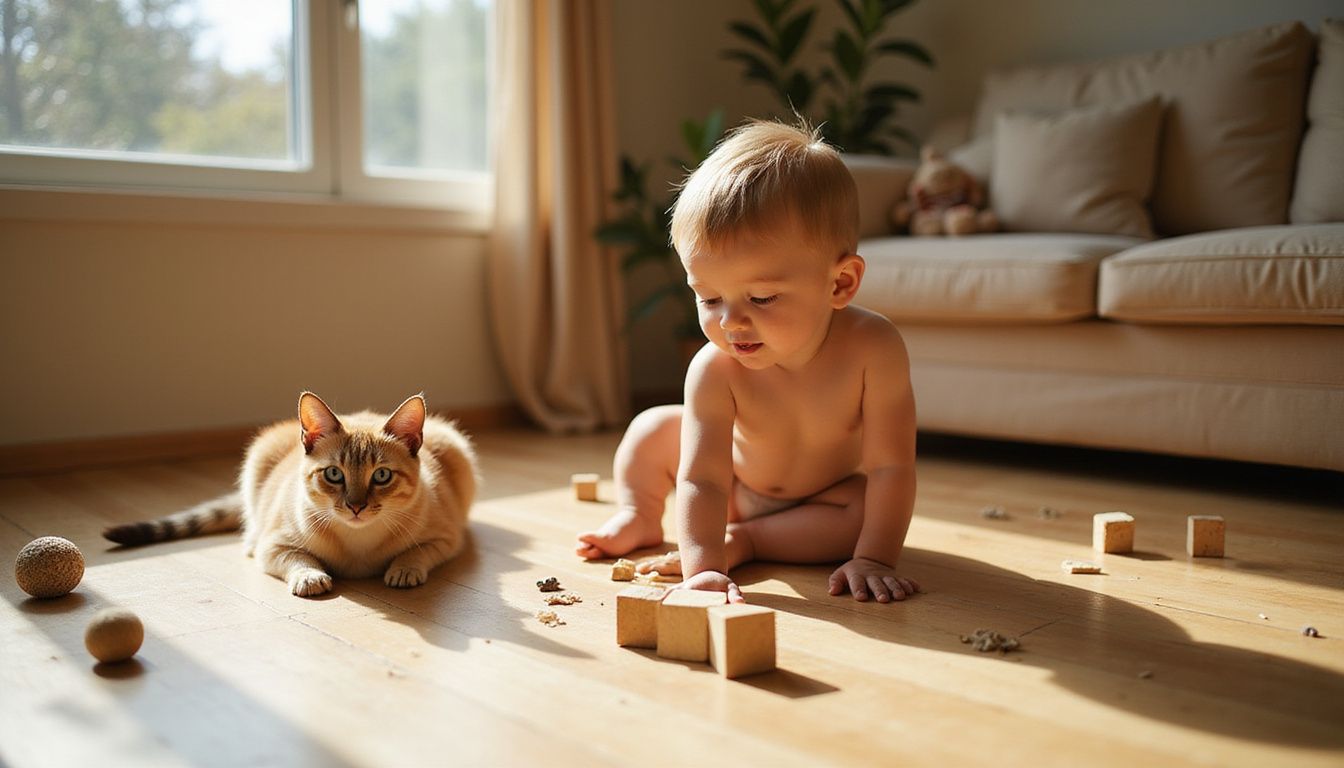
Sociable and playful cats bring energy and warmth into your home through their natural affection toward people and other animals. These cats score high on tolerance, meaning they stay gentle and friendly in nearly every interaction.
Feline genetics play a role here too. Researchers have linked certain gene variants, including the oxytocin receptor gene, to friendlier and more social behavior in cats, which may explain why some breeds seek out company so eagerly.
You’ll spot a social cat quickly by these signs:
- Greets you at the door instead of hiding
- Follows you from room to room
- Rubs against your legs or hops into your lap uninvited
- Gets along easily with other pets in the house
Abyssinian cats stand out as social, curious companions who enjoy interactive play with you and other pets. Ragdoll cats share this sociable nature too, offering relaxed, affectionate companionship that makes them a great family fit.
Social cats thrive on human interaction and often seek your attention throughout the day. Their playful instincts shine brightest when you give them toys that spark natural hunting behavior, keeping them mentally sharp and physically active.
These cats fit best in homes where family members want a companion who joins in daily life. Proper introductions between your new cat and existing pets or family members matter a lot for a smooth transition.
If you’re a social entertainer who loves having people (and pets) around, this personality type fits your home perfectly. A social and playful cat becomes more than just a pet; it becomes a true household member who adds joy to your everyday moments.
How can you recognize independent and aloof cats?
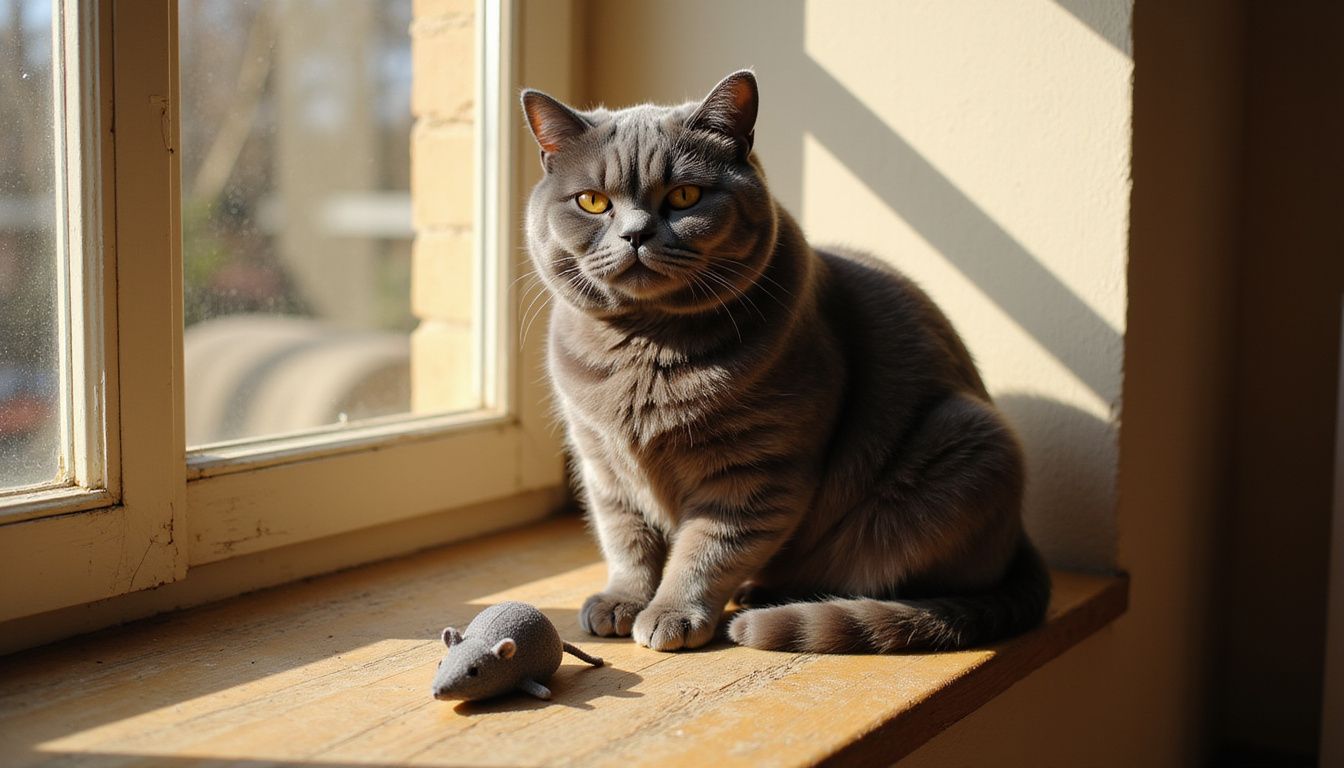
Not every cat craves constant company, and that’s perfectly fine. Independent and aloof cats operate on a different wavelength than the social butterflies we just covered.
These cats prefer solitude and can handle being alone for longer stretches, which makes them a great fit for people with demanding schedules. Independent cats need less supervision and interaction than social breeds, so they won’t trail you from room to room or beg for attention every five minutes.
Spotting an independent cat takes a bit of observation. These cats usually don’t seek out attention and stay content occupying themselves. You’ll notice they don’t come running when you call their name or greet you at the door like a dog would.
Independent doesn’t mean unfriendly. It just means this cat loves you on its own schedule.
British Shorthair cats show this temperament well. They’re calm and easygoing, happy to lounge and be on their own. Independent and aloof cats often score high on the “Feline Five” traits of impulsiveness and a strong preference for their own company, and they can seem a bit cantankerous if you interrupt a good nap.
Watch your potential adoption candidate over time to understand their independence needs, then adjust your home to fit. If you’re a busy professional or a homebody nurturer who respects feline boundaries, these cats can make wonderful companions who thrive without constant interaction.
Matching Energy Levels to Your Lifestyle
Your lifestyle sets the stage for finding your perfect feline match. Keep reading to see which cats fit your daily rhythm.
Which cats suit active homes with high energy?
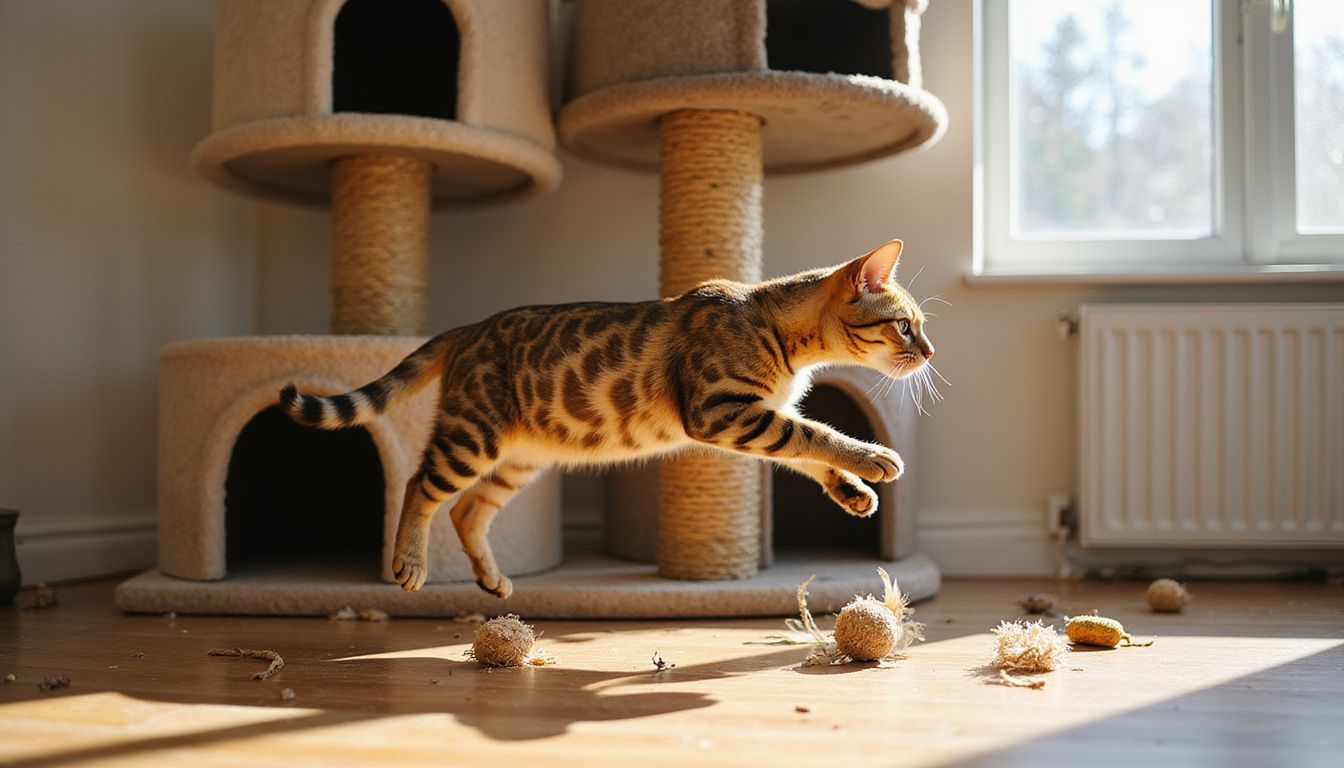
If you live a fast-paced life and your home buzzes with activity, high-energy cat breeds make the perfect match. Bengal cats stand out as active adventurers, needing regular exercise and interactive play sessions multiple times a day.
Siamese, Balinese, and Tonkinese cats thrive on constant engagement and mental stimulation. These hunter cats carry natural instincts that demand an outlet, so they do best in homes where someone stays available for play and exercise often.
Before you commit to an active breed, take an honest look at your daily capacity. If your household can give 30 or more minutes to interactive play each day and rotate 4 or more toys weekly, active breeds like Siamese and Balinese make excellent matches.
If your schedule allows less time than that, adult low-energy cats prove more sustainable. Match the minutes you can commit each day to the minutes an active breed needs. That alignment predicts a better long-term fit and saves you both from frustration.
Sphynx and Norwegian Forest Cat breeds also crave action and exploration. Vertical spaces for climbing become essential in your home, as these cats love to scale cat trees and perch on high surfaces.
- Interactive toys that mimic prey satisfy natural hunting instincts
- Puzzle feeders add mental stimulation during meal time
- Climbing structures give high-energy cats a job to do
- Rotating toys weekly keeps boredom from setting in
High-energy cats may develop behavioral issues if you fail to provide enough stimulation, so building an environment rich with enrichment matters tremendously.
These active adventurers need families willing to dedicate real time to play, not just occasional attention. Burmese and Japanese Bobtail breeds share this same spirited nature. If your household includes people who enjoy exercising with pets, these cats reward you with endless entertainment and companionship.
What cats are best for calm and quiet environments?
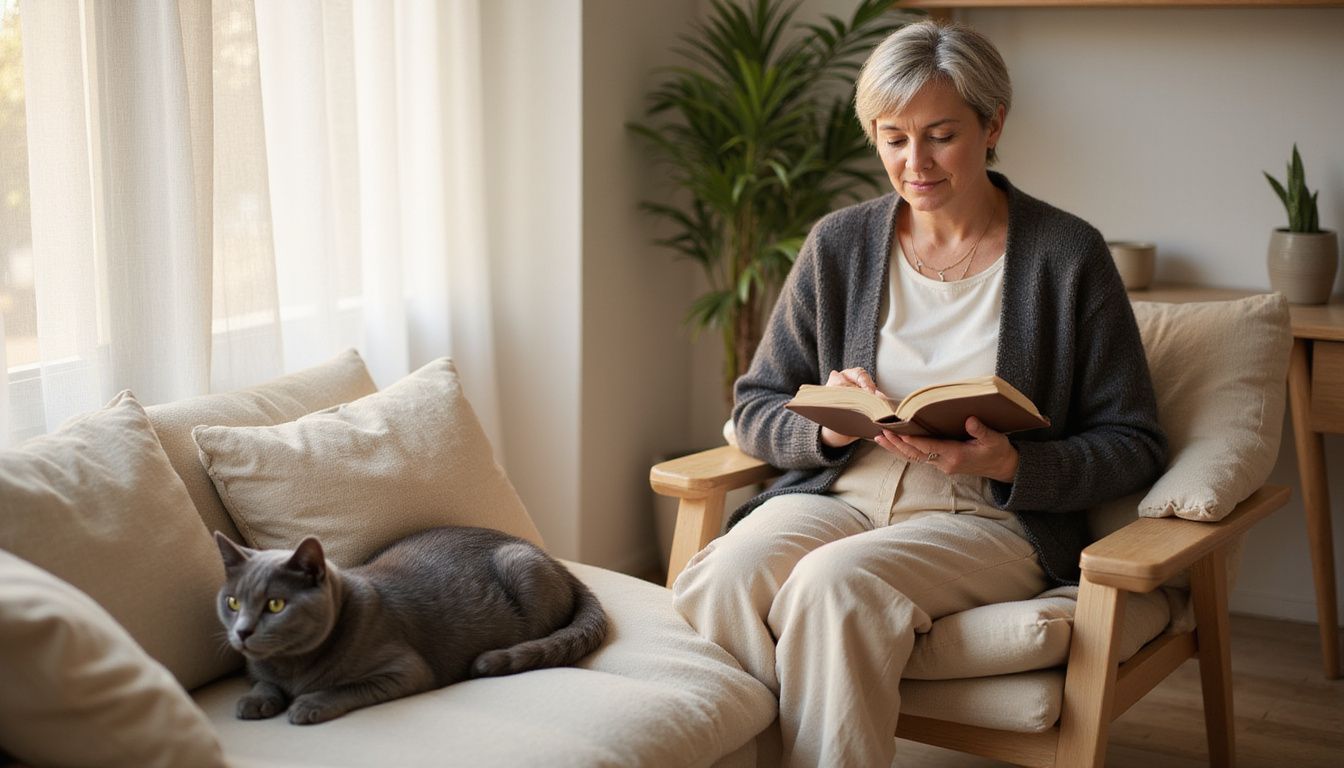
On the flip side, low-energy cats thrive in peaceful settings where the pace moves slower and gentler. British Shorthair cats embody this calm temperament perfectly, content to lounge for hours without demanding constant play or stimulation.
These laid-back cats appreciate predictable routines and minimal noise, making them ideal companions for your quieter household. Under the ASPCA’s nationwide “Meet Your Match” shelter program, quiet, independent cats often get classified as “Secret Admirers” or “Private Investigators.” Both labels point to cats that need a low-pressure environment to come out of their shell, so ask shelter staff for these categories by name when you visit.
A quiet cat isn’t boring. It’s just saving its best moments for the people who earn its trust.
Senior cats, those 10 or more years old, bring a serene presence that matches slower-paced homes beautifully. They need less playtime but still enjoy gentle interaction and comfortable resting spaces throughout your living area.
Low-energy cats tolerate less frequent interaction far better than their high-energy cousins, and they rarely show stress-related behavior in calm settings. Your peaceful household with steady daily rhythms helps these cats feel secure and content.
Breeds like the Chartreux, Persian, and Scottish Fold naturally gravitate toward tranquil environments where they can relax without overstimulation. These cats ask for simple things: a cozy spot to nap, soft handling, and the comfort of knowing what comes next in their day.
Your quiet home becomes their sanctuary, and they reward your calm energy with steady companionship and purring contentment.
Considering Temperament and Compatibility
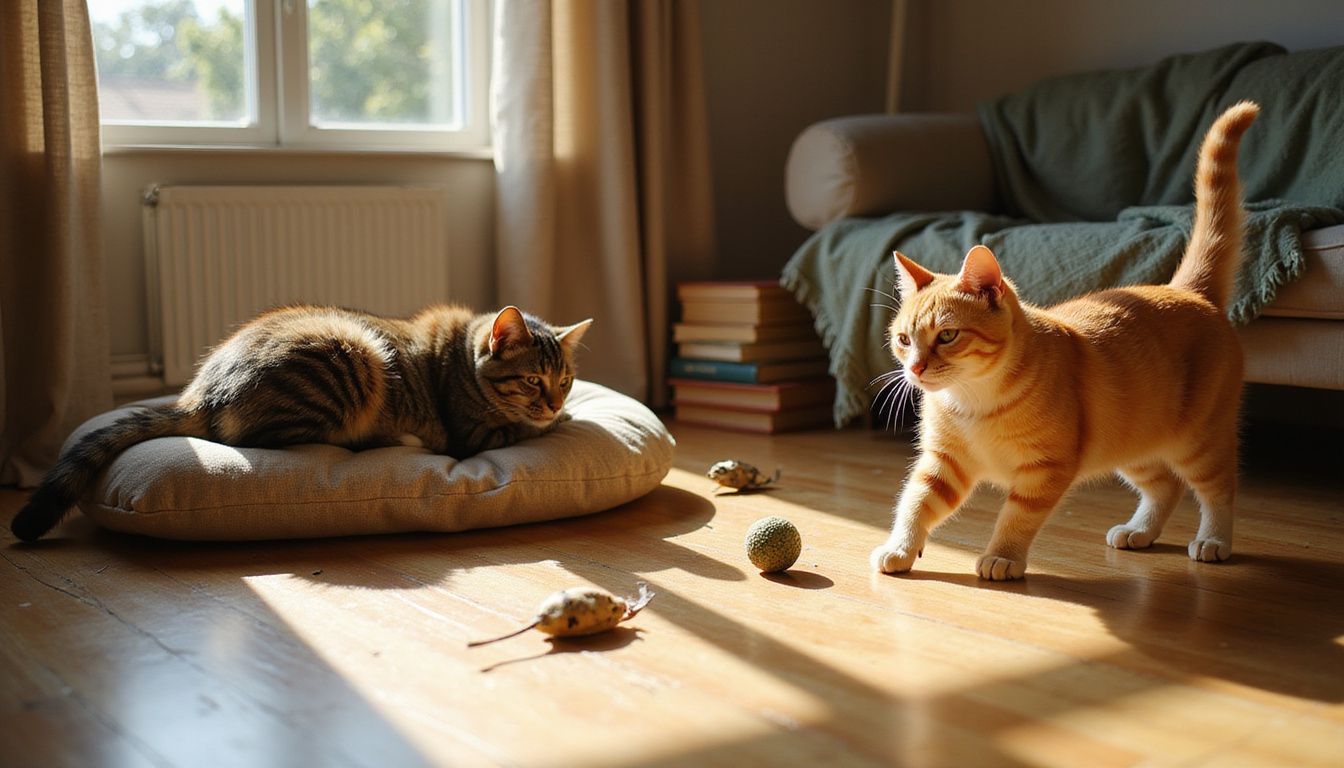
Your cat’s personality needs to match your household situation. Personality compatibility matters just as much as looks or breed, so let’s look at how different temperaments fit families with kids or quiet single-person homes.
What cats are good for families with children?
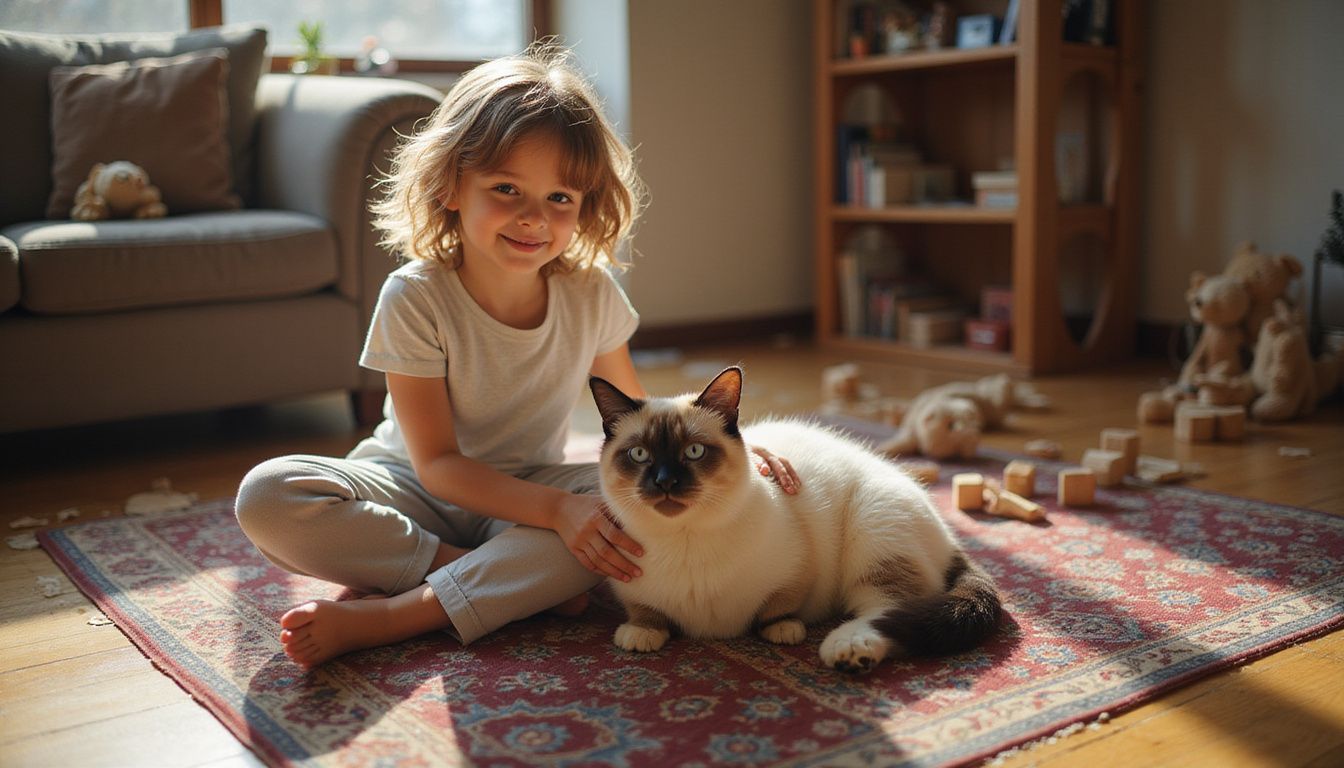
Calm and tolerant cats make the best companions for families with children. Breeds like the American Shorthair and Birman naturally carry patient temperaments that handle the noise and activity of busy households well.
According to the Cat Fanciers’ Association’s 2026 breed popularity report, the Maine Coon ranks as the #1 most popular cat breed in the US this year. Families often pick this breed for its “gentle giant” disposition and high tolerance for household chaos, which makes it a natural fit for homes with active kids.
These cats adapt well to a child’s energy level without getting stressed or aggressive. Look for cats that show affection without being overly demanding, since they balance playfulness with gentle interaction.
Affectionate, social cats thrive in family settings because they enjoy human contact and don’t mind constant activity. A cat’s personality matters far more than its breed, so spend time interacting with any potential pet before adoption, especially at a shelter.
Watch how a cat responds to handling, loud sounds, and movement. Does it stay calm, or does it get anxious? That reaction tells you almost everything about compatibility with your kids.
- Kittens up to one year old bring energy that matches young kids’ enthusiasm, though they need significant supervision and training time
- Adult cats often prove easier for families since they already have stable personalities and need less constant attention
- Hypoallergenic cat breeds like the Russian Blue or Siberian work well for families with allergies, though no cat is entirely hypoallergenic
Talk with a veterinarian about breed-specific health issues before bringing a cat home, since certain conditions can affect how well a cat handles active family life. Regular checkups and good nutrition keep your cat healthy and happy in a busy environment.
Affectionate breeds tend to bond strongly with children and forgive the occasional tail pull that comes with kids learning boundaries.
Which cats thrive in single or quiet households?
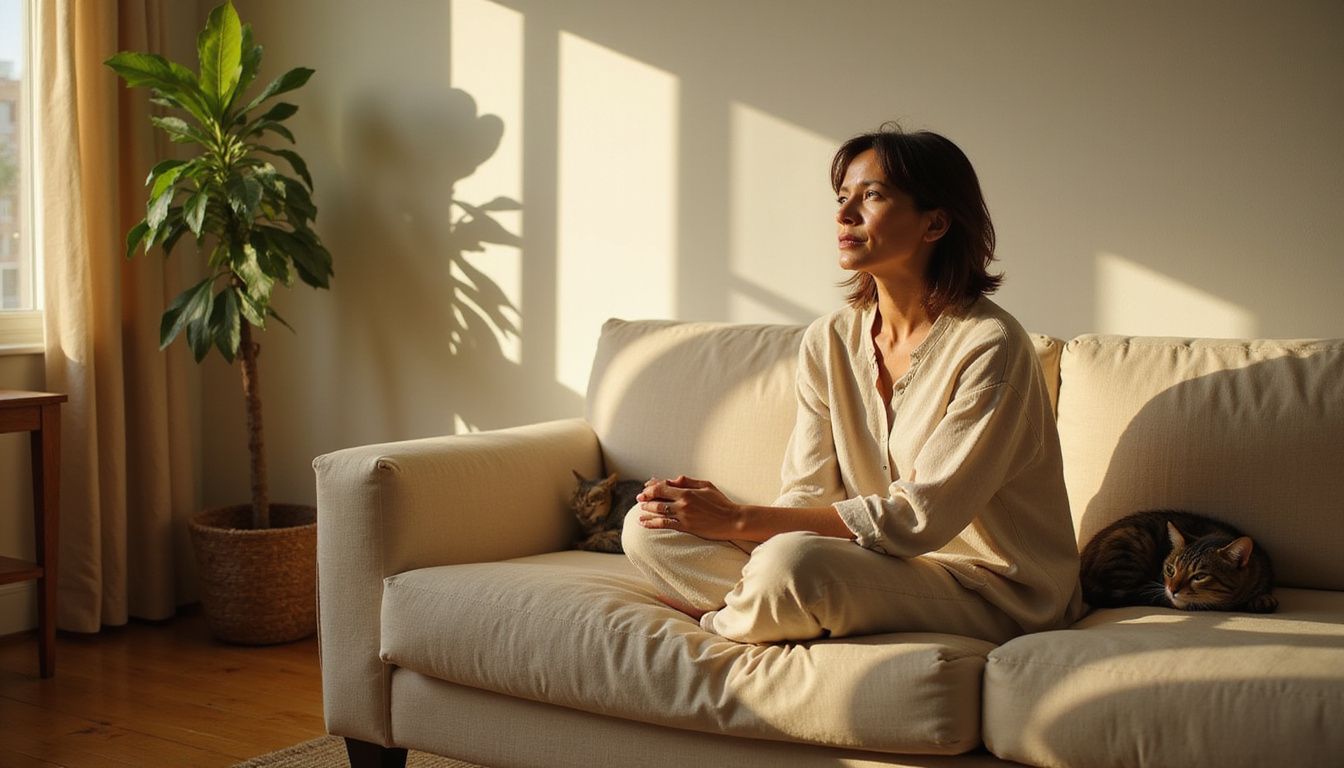
You’ll find that low-energy and independent cats are often your best match for a peaceful, quiet home. These cats prefer solitude and can manage alone for longer periods without distress.
Cats with independent and aloof temperaments don’t demand constant interaction or entertainment. They’re content spending hours napping, grooming, or watching the world from a favorite windowsill.
Adult cats, ranging from one to ten years old, have more established personalities and behavioral patterns than kittens. This means you’ll know exactly what you’re getting before bringing your new companion home.
Shelter staff can give you real insight into a cat’s temperament, helping you match with one that genuinely thrives in a quiet environment. Senior cats often enjoy calmer settings and may need special care like arthritis management or dental attention, but they reward you with steady, predictable companionship.
The right quiet cat won’t fill every silence in your home. It’ll just make the silence feel a little warmer.
Your living space matters too. Apartments and smaller homes work wonderfully for cats with low activity levels and peaceful introvert tendencies. These cats don’t need sprawling rooms or constant stimulation to feel content.
Cats with high neuroticism or timidity actually do better in quiet households without kids or lots of activity. The Feline Five traits, identified across cat populations by researchers, show that some cats naturally score lower on dominance and higher on independence.
This combination creates the perfect roommate for anyone seeking a calm, low-stress living situation. Your compatibility with a cat depends largely on finding one whose energy matches your own lifestyle and home environment.
How does age affect a cat’s personality: kittens vs. adults?
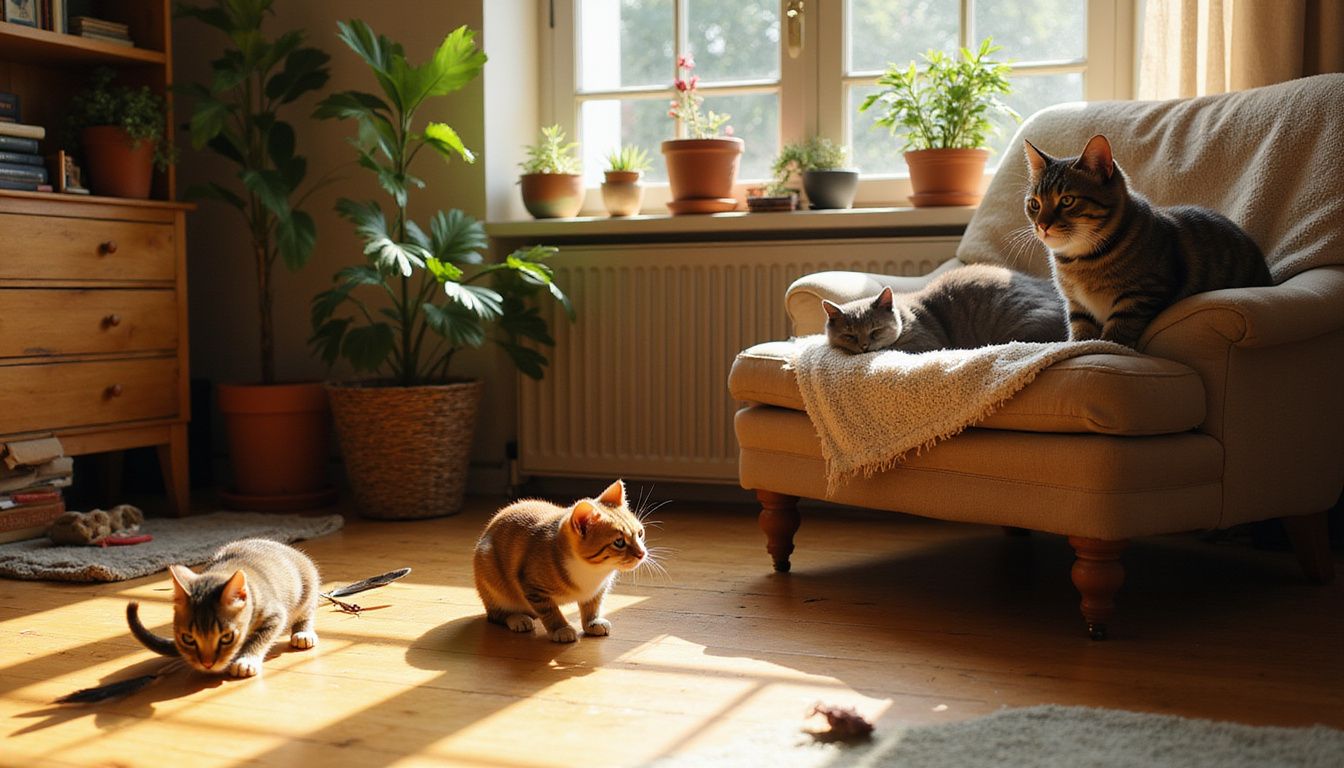
Age shapes your cat’s personality more than you might realize. Understanding these differences helps you pick the right companion for your life right now.
Early kitten socialization, especially between two and seven weeks old, shapes a lot of adult temperament. If you’re considering a young cat, ask the shelter about its early handling history before you decide.
| Age Group | Personality Traits | Energy Level | Best For | Care Considerations |
|---|---|---|---|---|
| Kittens (Up to 1 Year) | Playful, curious, mischievous. Kittens bounce off walls and test boundaries constantly. They’re learning machines that soak up everything around them. Training takes patience and consistency during this stage. | Very high. Kittens need constant stimulation and playtime throughout the day. They’ll tire you out before they tire themselves. | Families with older children or adults with ample free time. Your schedule must accommodate training, supervision, and interactive play sessions. | Significant time investment required. Litter training takes weeks or months. Veterinary visits happen more frequently. Kitten-proofing your home prevents accidents and injuries. |
| Adult Cats (1 to 10 Years) | Established personalities shine through clearly. Behavioral patterns are set, so surprises become rare. Adult cats know what they like and what they don’t. Predictability becomes your friend here. | Moderate, varying by individual cat. Most adults balance activity with rest periods. They entertain themselves better than kittens do. | Most households benefit from adopting adult cats. Working professionals appreciate the lower maintenance demands. Families seeking calm companions find great matches here. Single individuals enjoy their independent nature. | Already litter-trained in most cases. Fewer behavioral challenges emerge. Health monitoring remains standard. Adoption feels rewarding because personality assessment happens before you bring them home. |
| Senior Cats (10+ Years) | Calm, serene, settled into their routines. Senior cats move at their own pace and appreciate quiet moments. Affection often deepens with age. They become excellent lap companions. | Low to very low. Seniors sleep 16 to 20 hours daily. Movement slows noticeably. Rest becomes their priority. | Retirees or work-from-home individuals. Calm households without young children suit them best. People seeking gentle, lower-energy relationships thrive with seniors. Quiet environments allow them to age gracefully. | Special health care needs increase. Arthritis management may require medication or supplements. Dental issues appear more frequently. Vision problems develop gradually. Litter boxes need accessible placement. Regular veterinary checkups become essential for quality of life. Simple home adjustments make a noticeable difference; homes that added a low-entry litter box, one ramp, and two extra soft beds reported an 83% reduction in mobility incidents within one month. A few accessibility changes make seniors noticeably more comfortable and reduce slips and struggles. Most adopters who made these adjustments scheduled veterinary follow-ups within six weeks, supporting ongoing health monitoring. |
Your lifestyle determines which age group fits best. Active families with flexible schedules can handle kitten energy and training demands. Working professionals connect better with adult cats who entertain themselves. Retired folks give senior cats the peaceful environment they crave and deserve.
According to recent intake data from Shelter Animals Count, 57% of all cats entering US shelters are kittens. That means adult cats with settled, predictable personalities often get passed over, even though they’re usually an easier lifestyle fit for busy professionals who want less training and fewer surprises.
Adopting an adult cat rewards you with predictability and an already-established personality. Behavioral surprises drop way down, and training time shrinks to almost nothing. Your new companion slots into your life smoothly, without the learning curve kittens demand.
Senior cats offer something younger animals can’t. They bring calm presence and lower-maintenance companionship. Health management becomes part of your commitment, but many people find that trade-off worthwhile. Giving an older cat a comfortable home during their final years creates real meaning.
Personality development doesn’t stop at age one, though. Cats keep changing throughout their lives, responding to new experiences and shifts in their environment. Your role shapes how they grow and settle into who they become.
Conclusion
You’ve learned how cat personality types shape your home life. Confident cats, timid cats, playful cats, and independent cats each bring different energy to your space.
Your lifestyle matters when picking the right feline friend. Match high-energy breeds like Bengals to active homes and calm breeds like Ragdolls to quiet ones.
Families with children thrive with tolerant, gentle cats, while single households suit more aloof companions. Kittens demand training time and supervision, but adult cats from shelters offer established personalities and staff insight into their temperament.
Consider your daily rhythm, your home’s quiet or busy nature, and what you can realistically provide before adoption day arrives.
Taking time to match cat personality to your household prevents frustration. It builds a bond that lasts for years, turning cat adoption from a guessing game into a thoughtful, rewarding choice.
FAQs
1. What makes each cat’s personality so different?
Feline personality comes from a mix of genetics, early kittenhood experiences, and socialization. Research published on pmc.ncbi.nlm.nih.gov shows that even specific genes like the oxytocin receptor gene can influence how affectionate or aloof a cat becomes with people. So that cantankerous cat down the street might just be wired differently from birth.
2. How do I know if my cat is a social entertainer or a quiet observer?
Watch how your cat reacts to guests. A social entertainer will approach immediately with their tail up and may even chirp or meow, while a quiet observer will watch from a distance first.
3. Does breed affect feline behavior and energy levels?
Yes, breed significantly impacts energy levels. Persians typically need only 15 to 20 minutes of play per day and prefer lounging, while active breeds like Bengals may require 60 or more minutes of interactive playtime to stay content.
4. Can kitten socialization really change adult cat temperaments?
Absolutely. Kittens exposed to gentle handling, household sounds, and different people during their critical 2 to 7 week window typically develop into more confident, sociable adults with stronger human cat bonds.
5. How can I match a cat’s personality to my home before adoption?
Before cat adoption, think about your lifestyle and energy level. If you want quiet companionship, ask shelter staff for cats labeled as lap cats or couch companions, but if you want an interactive friend, look for those marked as playful or curious on their adoption profiles.