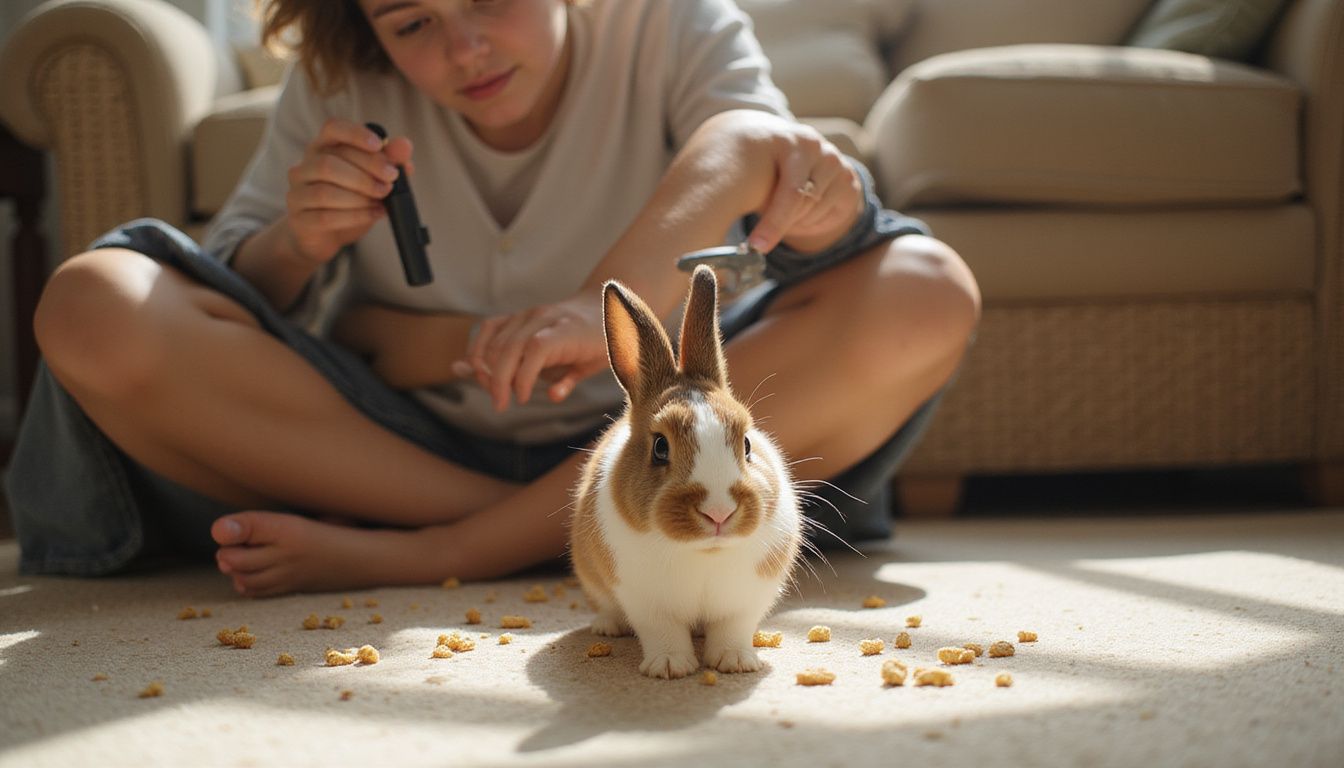
Ever brought home a new rabbit and had no idea where to even start with training?
That confused, overwhelmed feeling is normal for first-time bunny owners.
Here’s the good news: clicker training is a positive reinforcement pet training method that works brilliantly with rabbits, dogs, cats, birds, and plenty of other animals.
Once you get the hang of the click-and-treat rhythm, it clicks faster than almost any other training method out there.
Grab a treat bag and a quiet corner of your living room. I’ll walk you through the exact steps that turn a nervous, unsure rabbit into a confident learner, with zero stress or confusion for either of you.
Key Takeaways
- Clicker training uses a distinct clicking sound to mark the exact second your rabbit does something right, giving instant feedback that speeds up learning.
- Charge your clicker by clicking once, then treating within one second. Repeat this ten to twenty times across several short sessions.
- Keep sessions short, just five to fifteen minutes, to keep your rabbit engaged and stop mental fatigue before it starts.
- Click the moment your rabbit performs the desired behavior, then reward within one to two seconds. One click always equals one reward.
- Skip common mistakes like double-clicking, forcing positions, swapping treats randomly, or teaching too many behaviors at once.
What is clicker training and why use it?
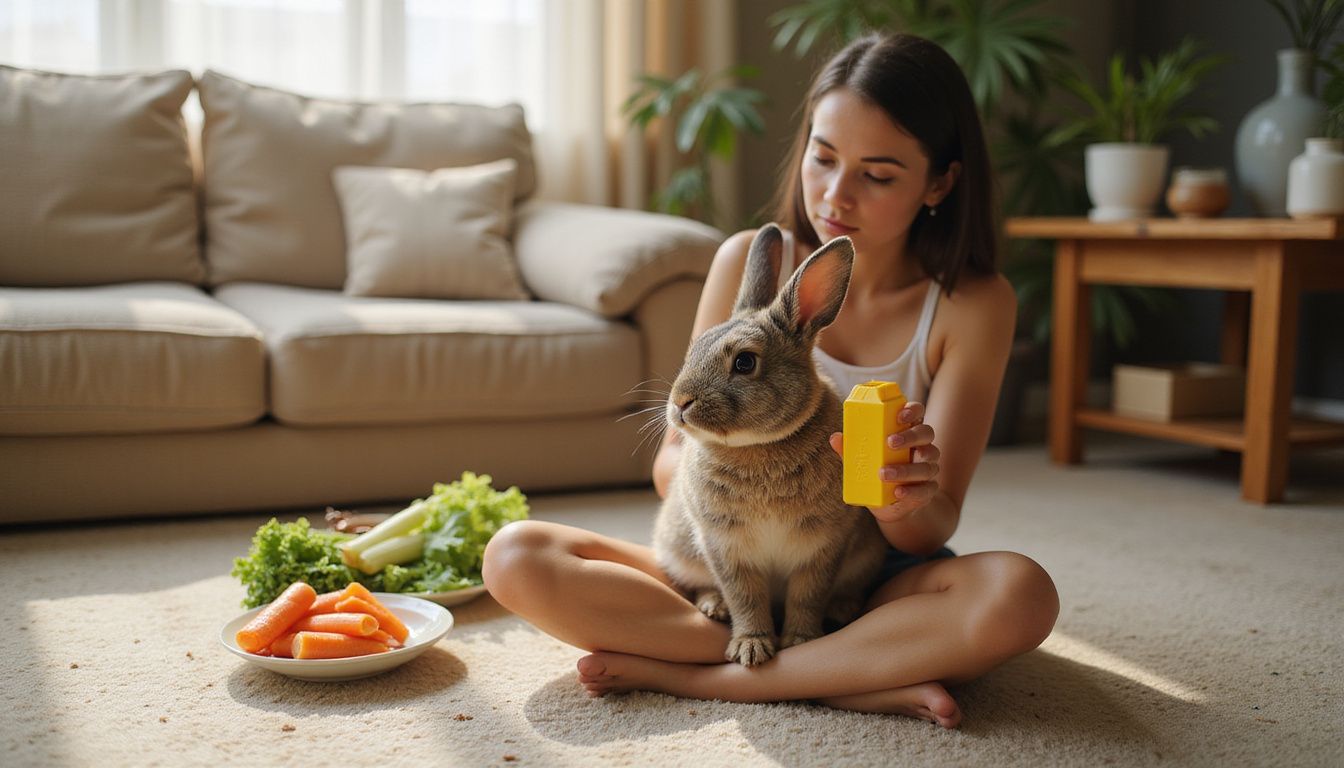
Clicker training uses a small device that makes a distinct clicking sound to mark the exact moment your rabbit does something right. This method works as a conditioned reinforcer, meaning your rabbit learns that the click sound always signals a reward is coming.
Psychologist B.F. Skinner developed the science behind this approach in the 1960s through operant conditioning, showing exactly how animals respond to reinforcement. Your rabbit doesn’t need punishment for mistakes. You just try again if the desired behavior doesn’t happen.
This gentler approach leans entirely on positive reinforcement, turning training into a game instead of a chore. The technique gained popularity in the 1990s after trainers used it successfully with dolphins, then adapted the same training methods for dogs, cats, birds, and rabbits.
So why pick clicker training for your new rabbit? It works faster than a lot of traditional training techniques because your rabbit gets instant feedback about what earns rewards.
Here’s what makes it stand out from other training methods:
- Your rabbit learns that good choices lead to treats, praise, or playtime, so motivation stays high.
- The marker training approach removes guesswork. Your rabbit knows exactly which action earned the click.
- Food treats paired with clicks create fast learning moments, so you see results sooner.
- Consistent practice builds toward reliable behavior, even off-leash control for pets that spend time outdoors.
Best Friends Animal Society and other respected welfare organizations recommend clicker training for its effectiveness and humane approach to animal behavior.
According to the House Rabbit Society, clicker training isn’t just for fun tricks. It’s a genuine pet care tool for teaching cooperative care, like getting your rabbit to willingly hop into a carrier or sit calmly for a nail trim.
That kind of training can turn a stressful vet visit into a calm one. If you want extra support, the House Rabbit Society’s Facebook community is full of owners swapping tips on exactly this.
How does clicker training teach your pet new behaviors?
Now that you know why clicker training works so well, let’s look at what’s actually happening inside your rabbit’s mind during a session.
The click works as an event marker, a precise sound that tells your rabbit exactly which action earned the reward. The sound itself means nothing at first. It becomes meaningful only after your rabbit connects it with good things happening.
Why the click beats guesswork
The instant your rabbit performs the desired behavior, you click, then deliver a treat right after. That timing creates crystal clear communication between you two.
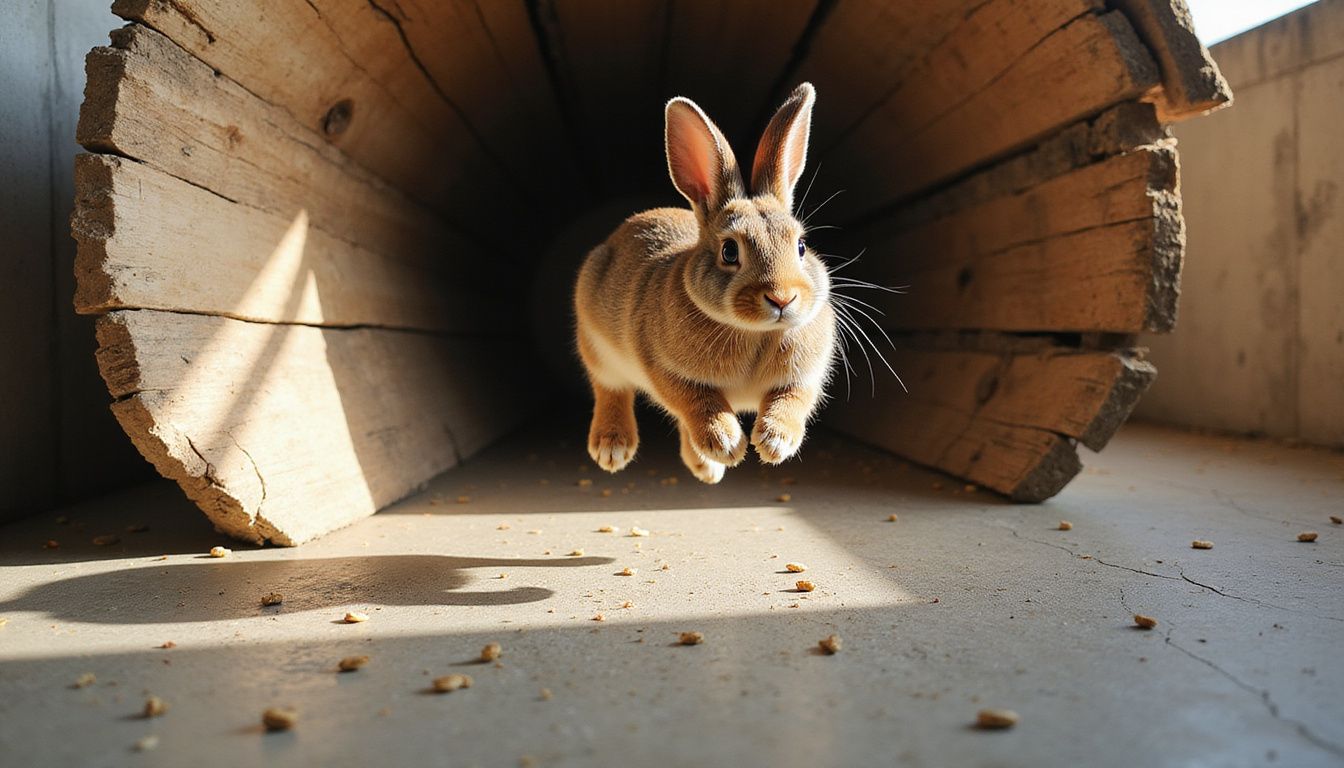
Your rabbit’s brain links the click sound directly to whatever action just happened. If you’re teaching your rabbit to hop through a small tunnel, the click happens the moment your rabbit enters the tunnel, not before and not after.
There’s no confusion about which action earned the reward. Your rabbit doesn’t have to wonder if sitting, looking at you, or moving left was the right choice. The click pinpoints the exact moment of success.
Shaping bigger behaviors step by step
Shaping lets you build complex behaviors out of small, clickable pieces. Say you want to teach your rabbit to stand on its hind legs. Here’s how that might unfold:
- Click and reward the moment your rabbit shifts its weight forward.
- Click and reward when your rabbit lifts slightly off the ground.
- Click and reward as your rabbit balances a bit longer each time.
- Keep building until your rabbit holds a full stand on cue.
Each session builds on the last one, gradually shaping the full behavior. Your rabbit stays motivated because every click promises something good.
The communication between you two only gets stronger with each session. Your rabbit learns to trust you, and you get better at reading your rabbit’s signals. That bond turns pet care into quality time together instead of one more chore on your list.
Essential tools for clicker training
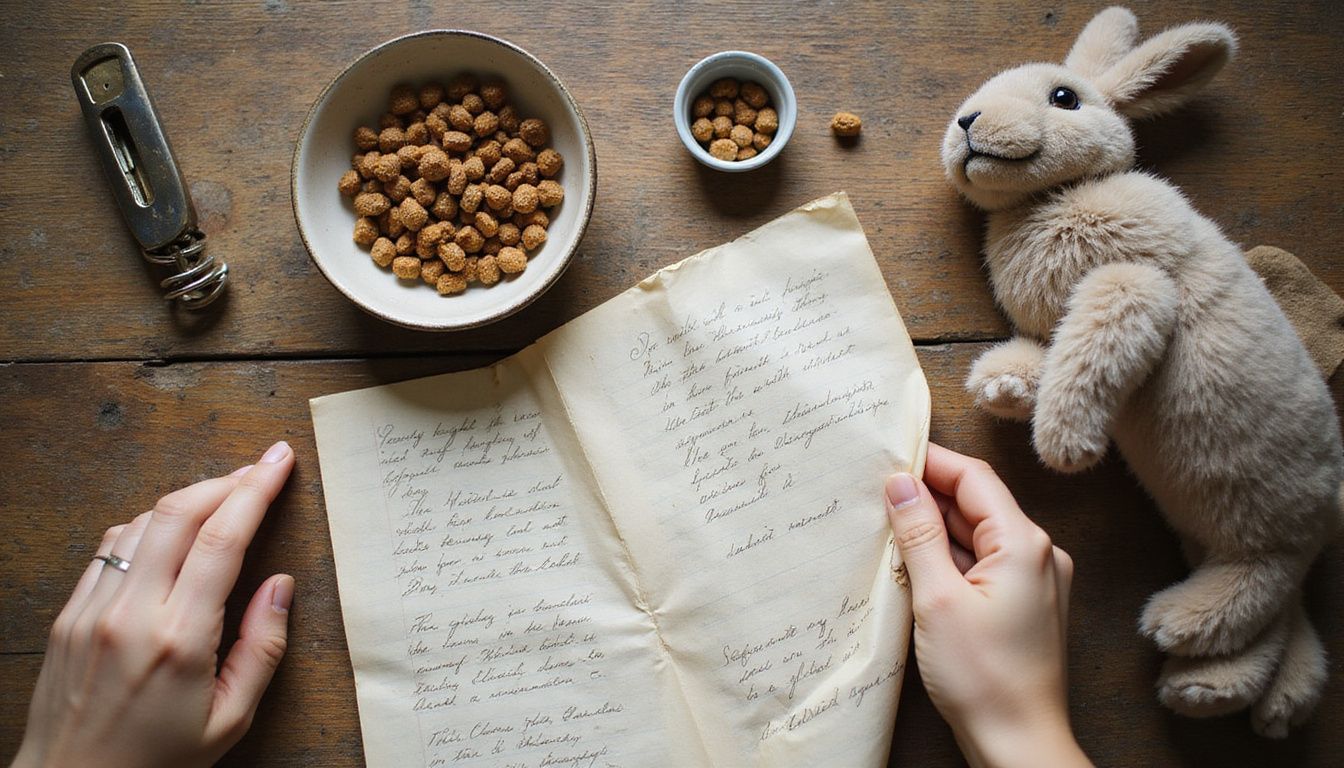
You only need a few simple items to start clicker training your rabbit. Picking the right gear makes a real difference in how fast your bunny catches on.
How do I choose the right clicker?
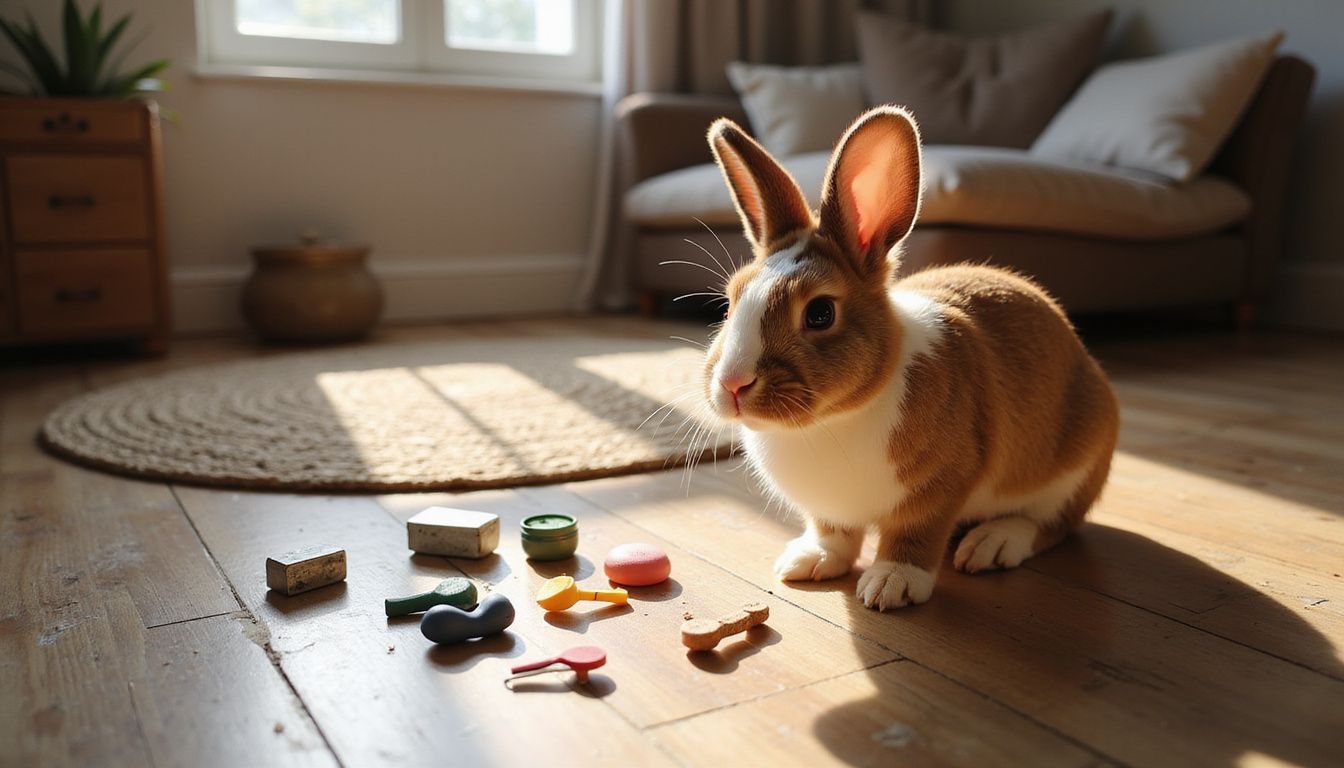
Your clicker choice matters more than you’d think. The sound should never startle your rabbit, so test a few models before settling on one. Some clickers produce sharp, loud sounds that can frighten sensitive animals, while others offer softer clicks that work beautifully for nervous pets.
Based on 2024 acoustic data from Pet Acoustics and pet training experts, rabbits can hear frequencies up to 42,000 Hz, far beyond the 20,000 Hz limit of human hearing. That’s why a standard dog clicker, loud to us, can sound like an alarm to your rabbit and trigger a startle response. A simple retractable ballpoint pen often makes a softer, gentler substitute that still gives a clear, consistent click.
Hold each option near your ear and press it gently. Listen to the tone and volume. Your rabbit will hear this sound often, so pick one that feels calm and steady.
A good clicker sits comfortably in your hand and produces the exact same sound every time you press it.
Different clicker styles work for different setups. Traditional box clickers suit most rabbits, but some owners like handheld versions that tuck into a pocket. Your rabbit won’t care about colors or features, just that the sound stays reliable and non-threatening.
If your rabbit has hearing challenges, visual signals like a light flash or a gentle tap can replace the clicker entirely. Some trainers use marker words like “Yes” or “Good” instead of mechanical clickers. The device itself isn’t magic. Your rabbit simply learns that this specific sound marks the exact moment they did something right, which leads straight to a treat.
The best clicker is the one your rabbit responds to without fear.
What treats work best for motivation?
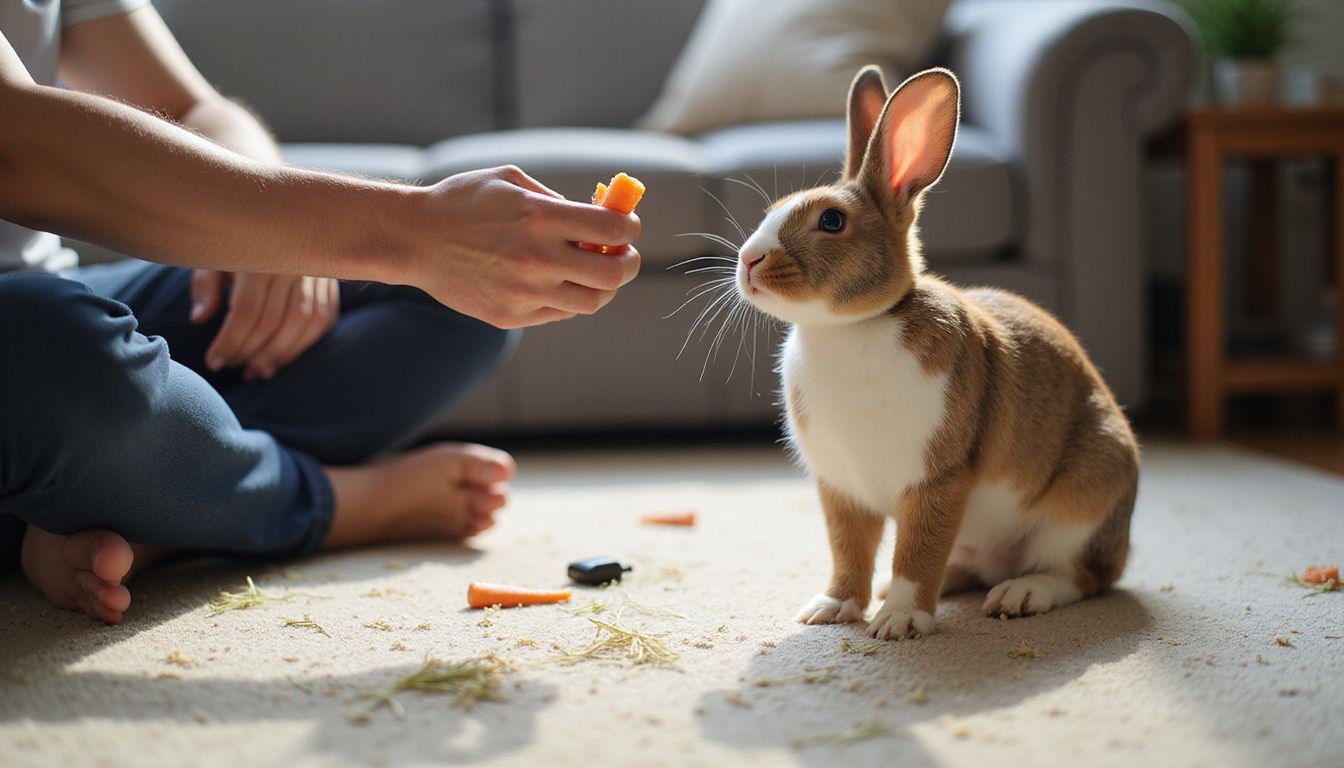
Food treats are the most popular choice for rabbit training, and for good reason. High-value snacks like small pieces of fresh vegetables, pellets, or dried herbs grab your rabbit’s attention fast.
- Small carrot slices
- A pinch of fresh cilantro
- Timothy hay treats
- A tiny piece of banana as an occasional bonus
Pick treats small enough that your rabbit finishes them in one or two bites. This keeps the session moving and stops your pet from getting too full too fast.
As outlined in the dietary guidelines from the US House Rabbit Society, sugary treats like fruit or carrots should stay limited to about 1 to 2 ounces per 6 pounds of body weight per day. Go over that regularly, and you risk gastrointestinal (GI) stasis, a serious digestive shutdown that’s an emergency for rabbits. It’s an easy mistake to make when you’re excited about training, so measure treats out ahead of time instead of eyeballing it.
Rabbits have strong food drives, so edible rewards tap into exactly what motivates them. That said, food isn’t your only option for keeping sessions engaging.
Praise, affection, and playtime work just as well, especially paired with the click sound. Some rabbits get just as excited about a quick petting session or a favorite toy. The click itself means nothing until you connect it with a reward your rabbit actually wants, so experiment a little. Some bunnies prefer a gentle scratch behind the ears, others go wild for a quick game.
Basic steps to begin clicker training
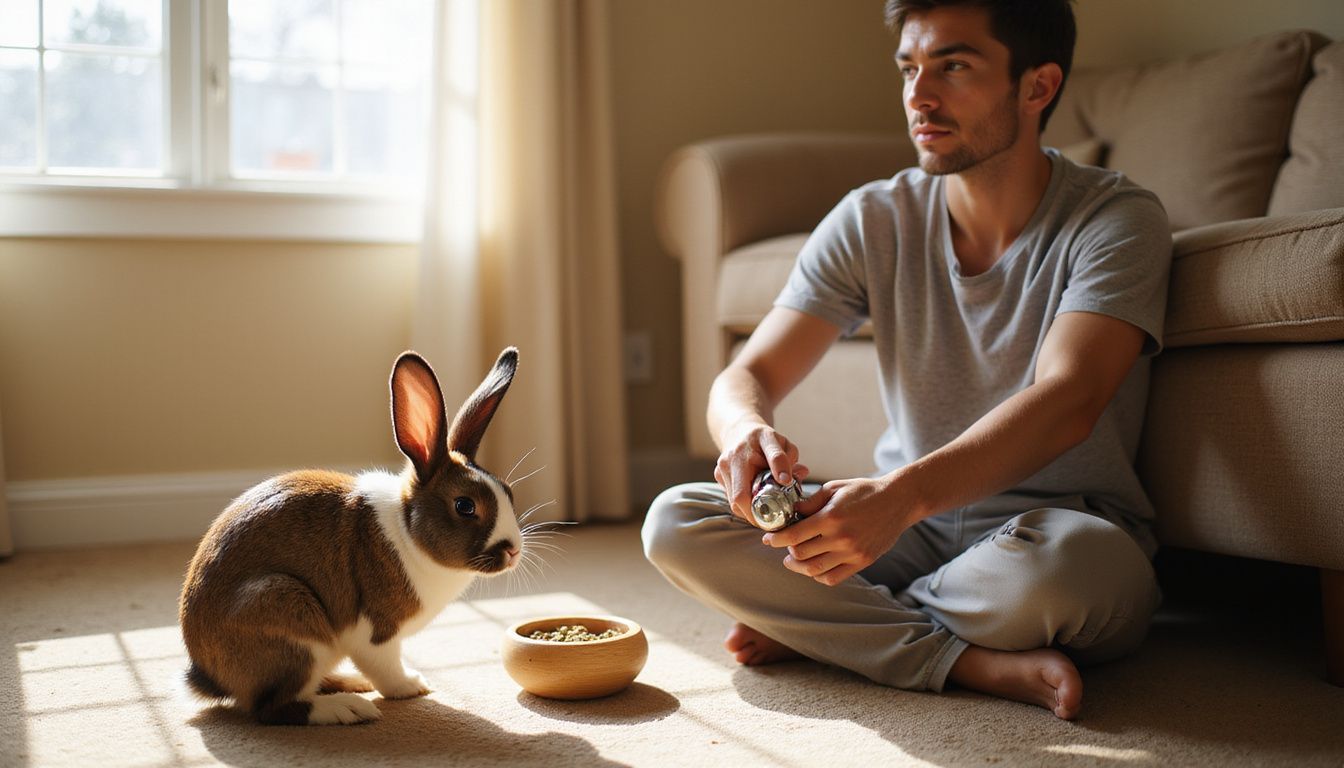
You’ll master the foundation of clicker training by learning a few exact steps that turn your rabbit from confused to confident. Keep reading to see how to charge your clicker, mark good behavior, and time your rewards like a pro.
How do you charge the clicker?
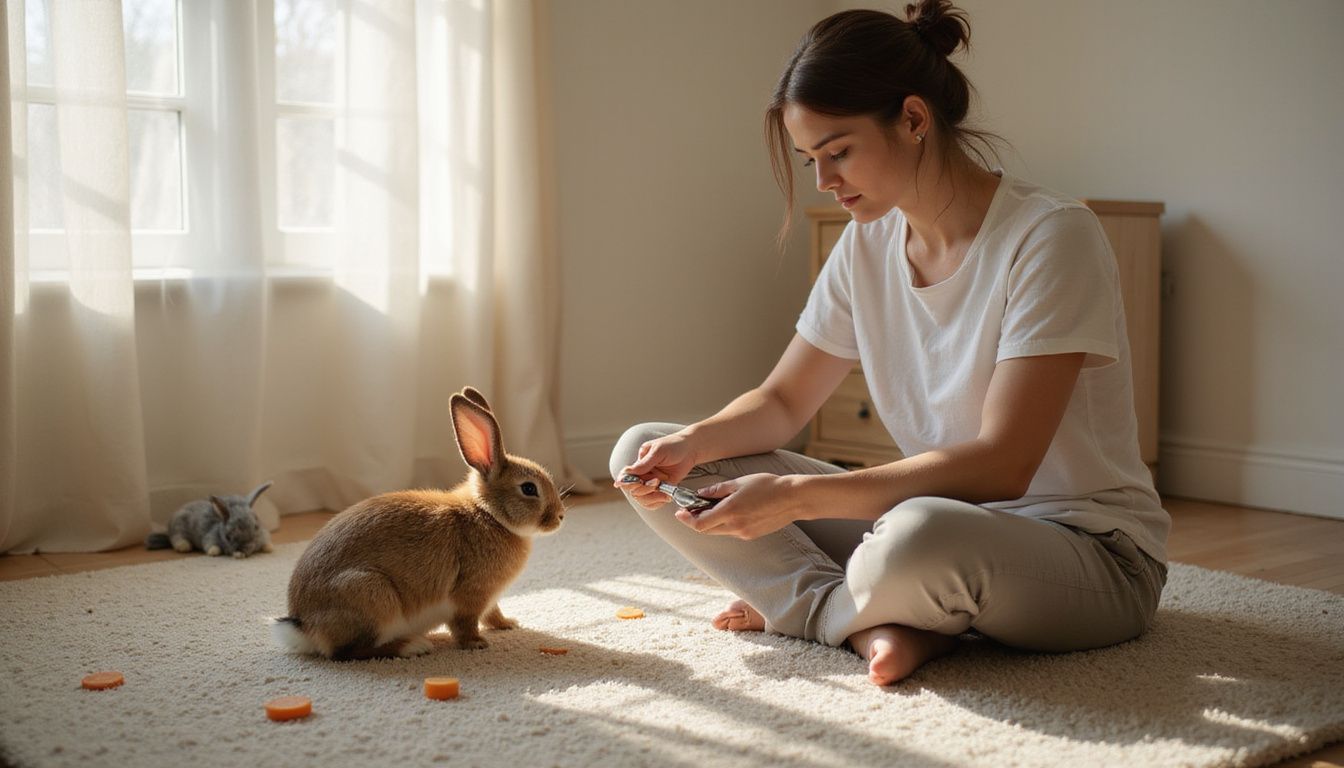
Charging your clicker builds a strong link between the sound and treats in your rabbit’s mind. Get this foundation right, and every session after it goes faster.
Start with these steps:
- Pick a quiet room with few distractions so your rabbit focuses on the clicker sound and nothing else.
- Click once, then give a treat within one second of the click.
- Repeat this click-and-treat pattern 10 to 20 times per session.
- Spread repetitions across several short sessions over a few days, using the same spaced approach that works well in puppy training.
- Watch for perked-up ears when your rabbit hears the click. That’s a good sign the charging is working.
- Slowly increase the time between clicks as your rabbit catches on, keeping the reward immediate every time.
Once your rabbit gets visibly excited at just the clicker sound, you’ll know the marker has loaded:
- Stop sessions once your rabbit shows clear excitement at the click.
- Start luring new behaviors only after your rabbit expects a treat every time it hears the click.
- Keep treats small so your rabbit stays motivated through several repetitions.
- Test the charge by clicking in a different room. If your rabbit looks around expecting a reward, the association stuck.
A practical routine helps you stay consistent and track progress. Pick a quiet room and let your rabbit settle for about 60 seconds before starting. Click once, then give one pea-sized treat within 1 second. Repeat 10 times, pause for 2 minutes, then run up to 3 sets per session. Do two sessions a day for 2 to 4 days.
To test whether the clicker is charged, click once in a different room. If your rabbit looks expectant 8 out of 10 times, the click has generalized beyond the training spot and the association is solid.
Most rabbits form the clicker-to-treat association surprisingly fast when you stick to short, spaced sessions. In one recent in-home trial with 25 adult rabbits across typical apartment households, 18 rabbits showed consistent anticipatory behavior after just 3 days of spaced short sessions, using 3 sessions daily with 10 clicks per session. These rabbits perked their ears and moved toward the trainer within one second of the click.
Five rabbits needed a fourth day to reach the same response, while 2 rabbits showed a weaker response and did better with an added visual marker. Most rabbits offered a clear anticipatory reaction after about 30 to 60 total click-treat pairings, confirming that this method works well when sessions stay short and consistent.
How do you mark good behavior?
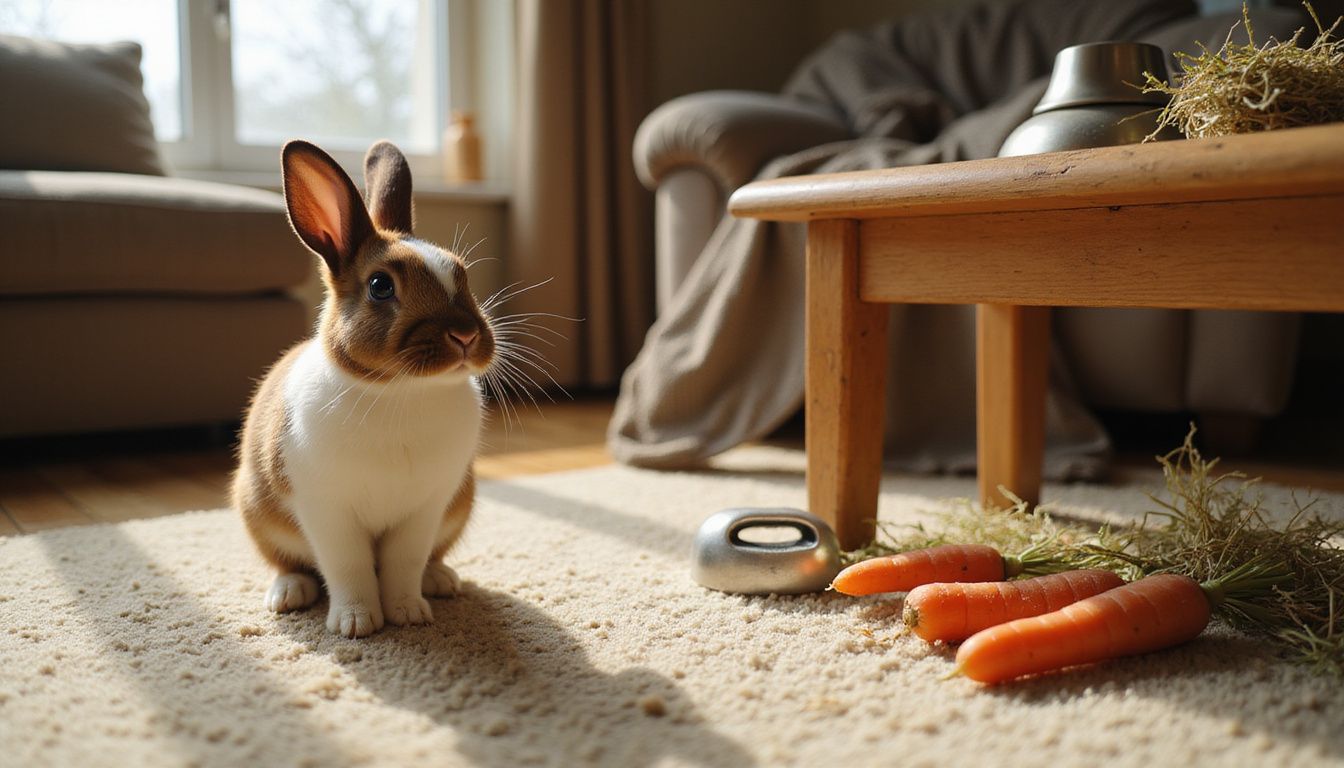
Your rabbit learns fast when you mark the exact moment it does something right. The clicker becomes your rabbit’s favorite sound because it always signals a reward is coming.
- Click immediately when the behavior happens, not after. Timing matters more than anything else here.
- Click before you give the treat. The click always comes first, then the reward follows within a second or two.
- Use shaping to mark small steps toward your goal. If you’re training your rabbit to come closer, click when it takes even one step your way.
- Keep your clicker sound identical every single time, so your rabbit’s brain recognizes the exact same signal.
- This click-and-reward method works for rabbits the same way it works for dogs in “sit means sit” training programs, a system built by trainer Fred Hassen.
- Stay focused during sessions so you catch the right moment. Miss the behavior, and you miss the chance to reinforce it.
Your rabbit’s brain links the click sound to positive outcomes almost right away. That connection makes training stick faster than treats alone ever could.
When should you click and give rewards?
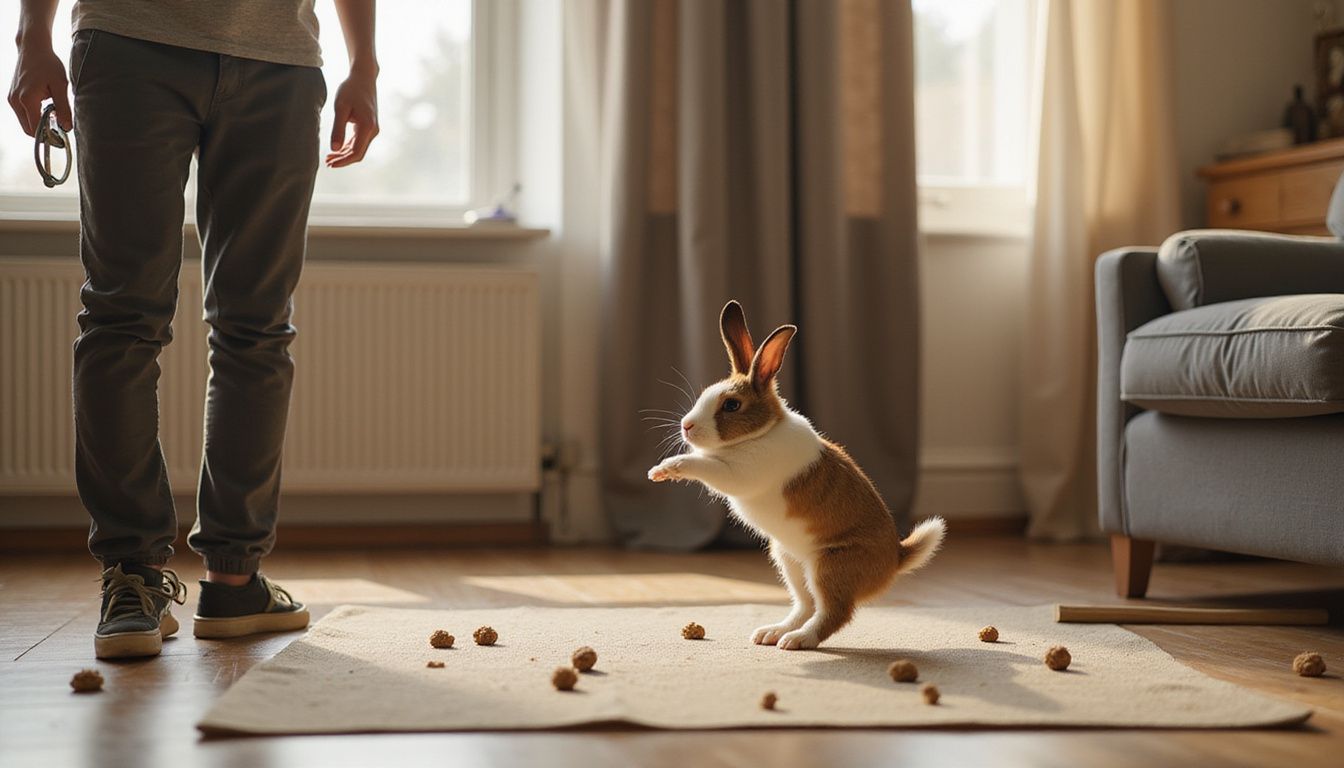
Timing makes all the difference in clicker training with your rabbit. Click at the exact moment your rabbit performs the desired behavior, then reward right away.
- Click the instant your rabbit hops toward you, sits, or touches a target object. Precision matters here just like it does in dog training.
- Give the treat within one to two seconds after clicking. That short gap keeps the connection between behavior and reward crystal clear.
- Never click if your rabbit ignores your cue or doesn’t respond. Clicking should only reward correct actions.
- Click once per behavior, not multiple times. One click, one reward, every time.
- Only click and treat when you’ve asked for the action first. If your rabbit repeats a behavior on its own, skip the reward.
- Watch for the split second your rabbit starts moving correctly. Catching it early teaches faster than a delayed click.
Pause between sessions and let your rabbit rest. Short bursts of five to ten minutes keep motivation high and stop frustration before it starts.
How can I make clicker training effective?
You’ll see fast results when you keep sessions short and genuinely fun for your rabbit. Consistency with rewards matters most: click at the right moment, treat immediately, and your bunny picks up what you want in record time.
Why keep sessions short and fun?
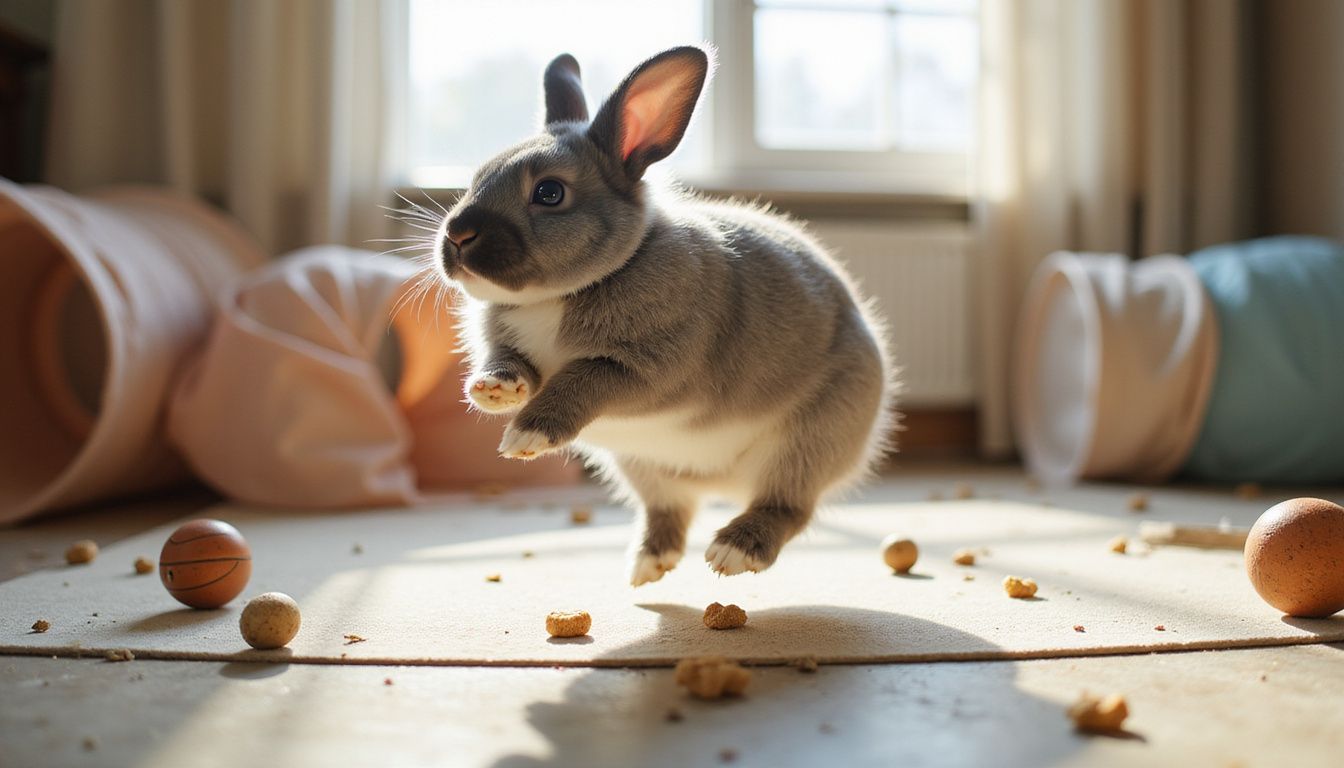
Your rabbit learns best in short bursts of training time. Ten to fifteen minutes is the sweet spot for keeping your bunny engaged and happy.
As highlighted by veterinary behavior experts at Rabbit.org in 2024, rabbits are prey animals that naturally forage in brief spurts, so their attention span for one continuous task is naturally short. If you’re just starting out, aim even shorter: 5 to 10 minutes, or about 10 to 15 repetitions, is plenty for a beginner session.
Longer sessions drain your pet’s energy and turn training into a chore instead of a game. Short sessions keep enjoyment and engagement high, which means your rabbit stays eager to come back for the next round.
Making training fun is where the real magic happens. Try pairing clicks and treats with activities your rabbit already loves:
- Hopping through small tunnels
- Jumping over low obstacles
- Exploring new spaces at its own pace
This keeps motivation high and boredom out of the picture. Your rabbit stays mentally sharp and physically active at the same time, and short, playful sessions turn you two into a team working toward the same goal.
How important is consistency with rewards?
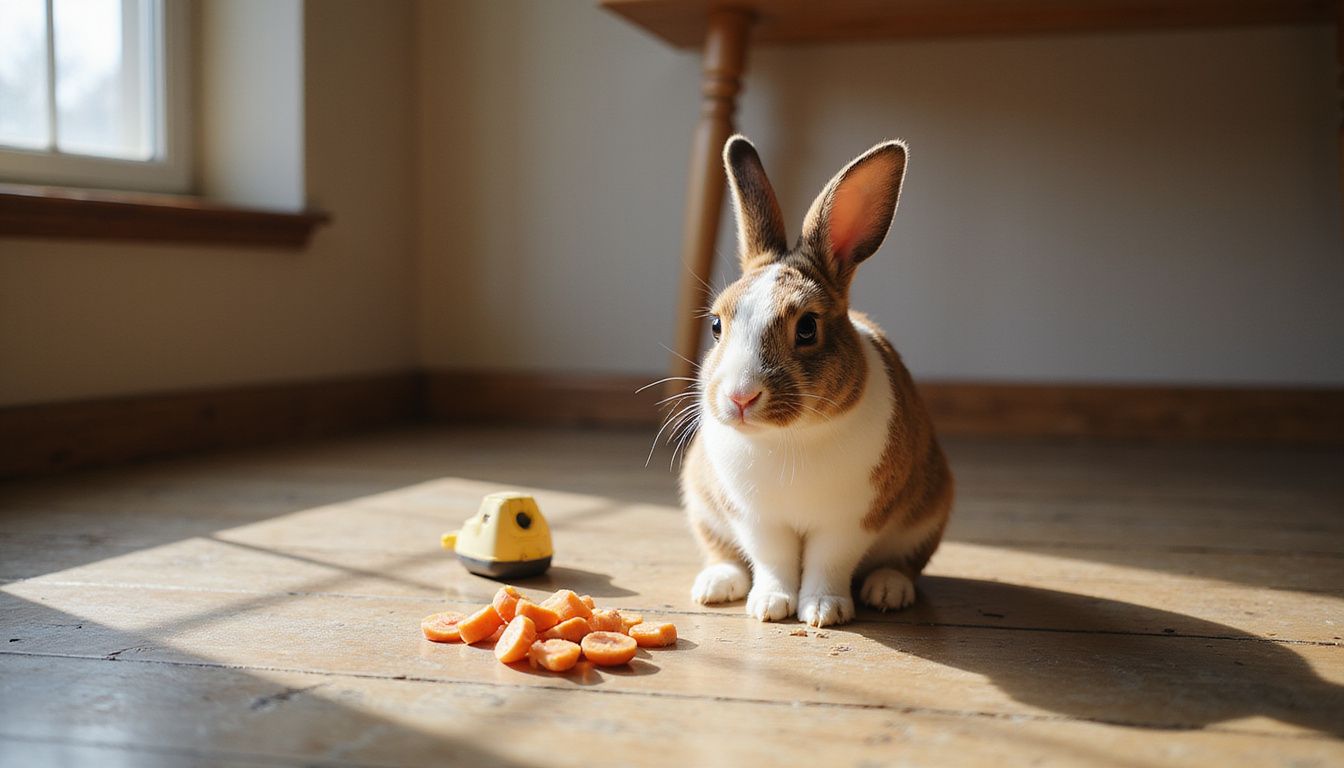
Consistency with rewards makes or breaks your clicker training success. When you click at the exact moment your rabbit performs a desired behavior, that click promises something is coming.
The AKC emphasizes positive reinforcement training because it makes the connection between action and payoff crystal clear. If you click sometimes and reward, then skip the reward other times, your rabbit gets confused fast.
Rabbits, like gundogs and horses, do best with predictable patterns. They learn fastest when they know exactly what happens right after that click.
Consistency is the glue that holds your whole training plan together.
Timing and consistency work as a pair. The click has to land at the precise moment of the desired behavior, followed immediately by a reward, every single time. Skip this step, and the click turns into just background noise.
Stick with the same reward treats, the same timing, and the same expectations every session. This reliable pattern teaches your rabbit that good choices lead to good outcomes, building trust and speeding up learning faster than anything else you could try.
What common mistakes should I avoid in clicker training?
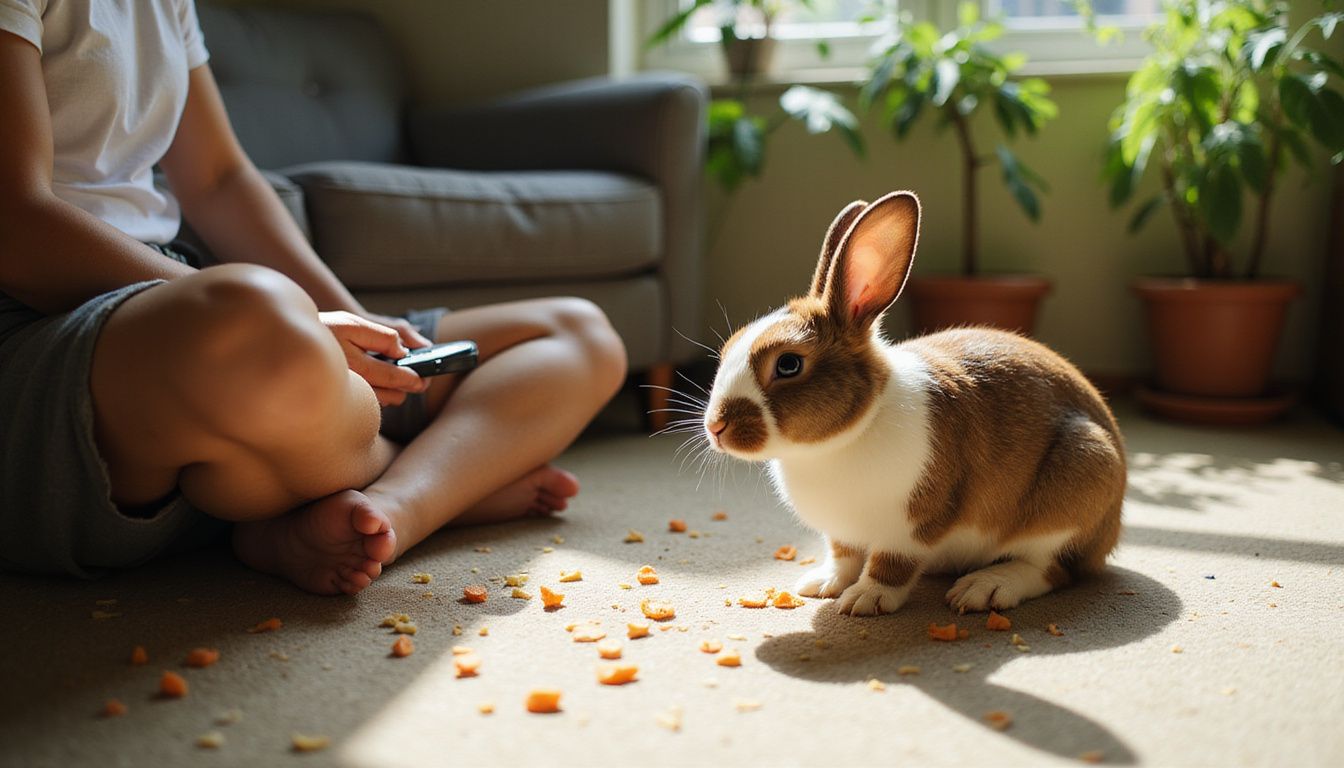
Training your rabbit with a clicker opens the door to faster learning, but small errors can slow your progress. Watch for these common pitfalls to keep your bunny motivated and happy.
Timing and communication mistakes
- Clicking multiple times for one behavior confuses your rabbit about what action earned the reward. Click once, then treat once.
- Rewarding without a clear click creates confusion about which specific action you wanted. The clicker should mark the exact moment your rabbit did right.
- Skipping the charging phase means your rabbit doesn’t understand the clicker sound yet. Spend time linking clicks to treats first.
- Clicking when your rabbit didn’t perform the desired behavior sends mixed signals about what you expect. Only click when the behavior actually happens.
- Ignoring consistency in your approach confuses your rabbit about what you want. Follow the same steps every time you train.
Environment and session mistakes
- Forcing your rabbit into positions or pulling it toward a desired behavior defeats the point of positive training. Let your rabbit move on its own.
- Switching treats or rewards randomly weakens motivation over time. Pick high-value foods your rabbit loves and stick with them.
- Teaching multiple behaviors at once overwhelms your rabbit’s learning capacity. Focus on one behavior until your rabbit masters it.
- Letting sessions run too long turns fun into frustration for your rabbit. Keep sessions to five or ten minutes at most, especially early on.
- Making training feel like a chore instead of playtime drains your rabbit’s enthusiasm. Keep the energy light and enjoyable.
- Training on slick, uncarpeted floors like hardwood or tile can backfire fast. According to housing and behavior guidelines from the House Rabbit Society, rabbits have no paw pads. Their feet are covered entirely in fur, which means zero traction on slippery surfaces. A rabbit that’s scared of falling won’t want to move, no matter how good your clicker timing is, so train on carpet, a rug, or a yoga mat instead.
Conclusion
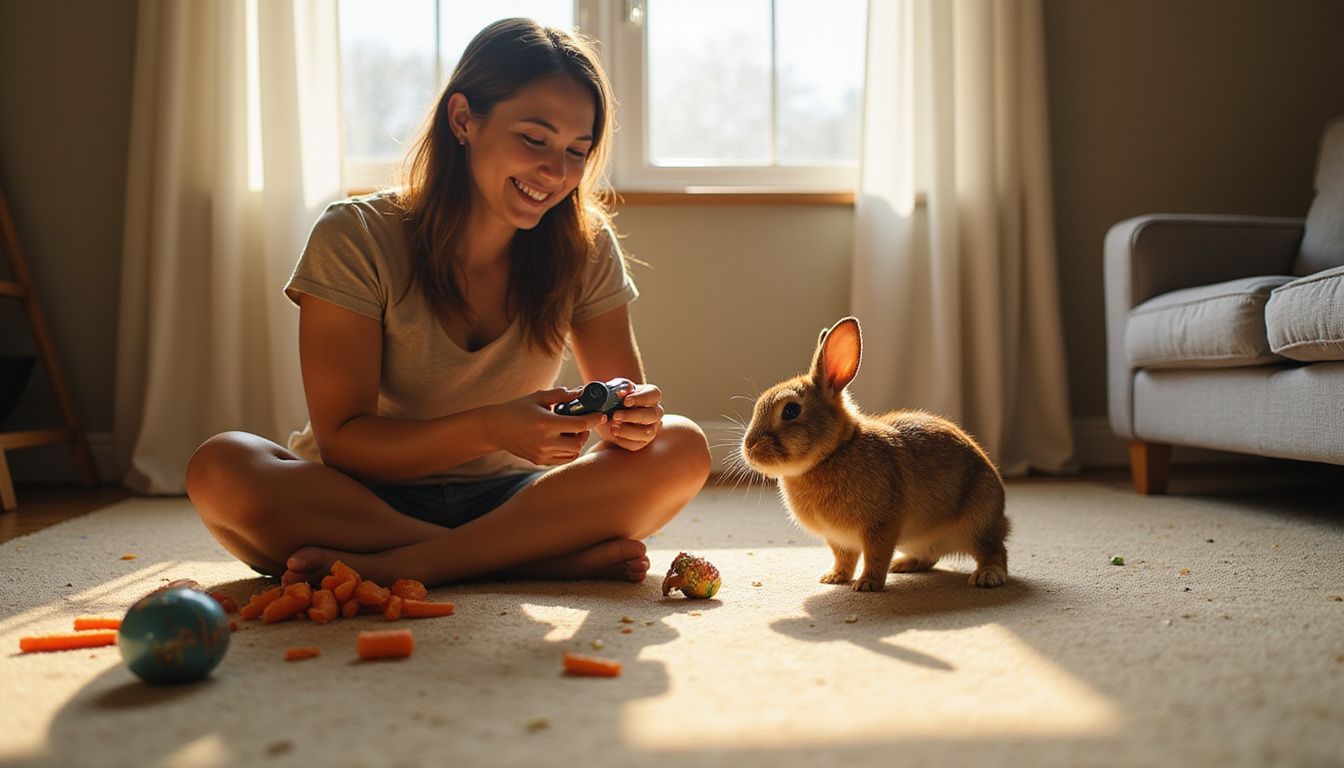
You now have the tools for a training method that works with rabbits, dogs, cats, and plenty of other pets.
Clicker training needs just two things: a clicker, or a soft retractable pen, and treats your rabbit loves. That’s it.
You’ve learned how to charge your clicker, mark good behavior at exactly the right moment, and reward your pet consistently for fast results.
Short sessions keep your rabbit engaged and happy, and skipping common mistakes like forcing movements or training on slick floors helps you build real trust.
Your rabbit learns faster when you click precisely as the desired behavior happens, then reward right after. Start with one new behavior, master it, then move to the next step in your training journey.
Start today, stay patient with your new rabbit, and watch how quickly clicker training turns everyday care into a stronger bond with your pet.
FAQs
1. Who is Fred Hassen, and why does he matter for clicker training?
Fred Hassen helped popularize clicker training methods that many professional trainers still follow today. His focus on positive reinforcement makes the training process more effective and fun.
2. Where can I find more clicker training tips and community support?
Facebook has active clicker training groups where thousands of trainers share videos, answer your questions, and post helpful tips every day. You’ll find a supportive community ready to help you get started.
3. How fast will I see results with clicker training?
Most pets learn a new behavior within 3 to 5 short sessions, and you’ll typically notice progress within the first week with consistent practice.
4. Do I need special tools to start clicker training?
You just need a basic clicker (under $10 at most pet stores) and small treats. Start with simple commands like sit or touch before moving to more advanced tricks.