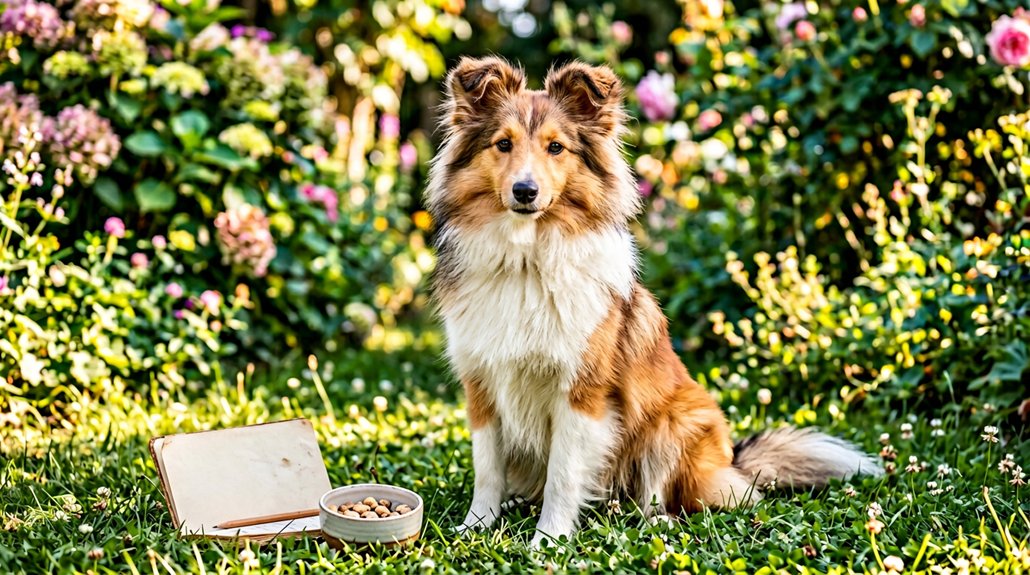
You’ll find Shetland Sheepdogs to be intelligent, affable companions, ideal for families. Their adaptable nature and gentle demeanor make them great with kids and pets. Regular grooming maintains their lush coat, while balanced nutrition supports health. Use a mix of positive reinforcement in training and keep them engaged with exercises and tricks. Early socialization is vital for confidence. Paying attention to their health is essential. There’s more to uncover about these exceptional dogs.
Key Takeaways
- Shetland Sheepdogs often exhibit intelligence and vigilance, making them excellent family companions and watchdogs.
- Early socialization using positive reinforcement helps prevent fear-based behaviors and enhances adaptability.
- Regular grooming with a slicker brush and balanced nutrition are essential for maintaining coat health and overall well-being.
- Consistent training with positive reinforcement, and daily exercise of 30-60 minutes, fulfills their physical and mental needs.
- Monitor for hereditary health issues and ensure regular vet visits for early detection and management.
Discovering the Shetland Sheepdog: History and Traits
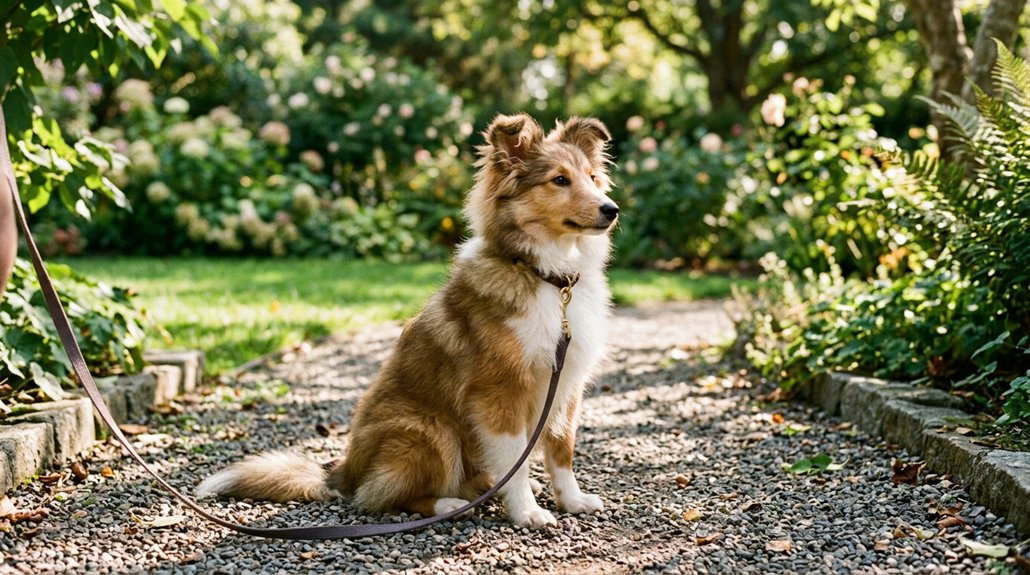
While exploring the enchanting world of the Shetland Sheepdog, you’ll discover a breed deeply rooted in the rugged landscapes of the Shetland Islands in Scotland. These intelligent creatures, known fondly as Shelties, were originally bred for herding tasks involving sheep, ponies, and even poultry. Your connection to their Shetland origins is apparent in their miniature Rough Collie-like appearance and distinctive double coats, flaunting colors like sable, black, and blue merle. Recognized by both the English Kennel Club in 1909 and the American Kennel Club in 1911, Shelties have captivated enthusiasts worldwide. They’re treasured for their gentle demeanor, loyalty, and enthusiasm to please. With an uncanny trainable nature, Sheltie characteristics make them exceptional in various canine sports.
What Makes Shelties the Perfect Family Dog?
You’ll find Shetland Sheepdogs to be perfect family companions due to their affectionate and social nature, fostering strong bonds with both adults and children. Their inherent gentleness allows them to integrate seamlessly into households with other pets, while their protective instincts guarantee your family’s safety, serving as vigilant watchdogs. With intelligence and trainability at the forefront, Shelties thrive on engaging activities, making them ideal for families seeking both fun and security.
Affectionate Nature and Bonds
The warmth of companionship shines brightly in Shetland Sheepdogs, making them exemplary family pets. These dogs forge profound emotional bonds, enhancing family affection and trust. Their gentle yet protective nature guarantees a loving atmosphere at home. Shelties are not just affectionate; they thrive on interactions, which strengthens their attachment to you, reducing the risk of separation anxiety. Their quick learning capabilities, driven by the enthusiasm to please, allow them to excel in obeying commands and picking up new tricks. As vigilant, but non-aggressive watchdogs, they provide a sense of security, alerting you to potential concerns without being intimidating. This blend of intelligence, affection, and protective instincts makes Shelties particularly adept at forming deep, enduring bonds with each family member.
Child-Friendly and Social
Ideal family companions, Shetland Sheepdogs are especially known for their child-friendly demeanor, which fosters a nurturing and secure household environment. Their affectionate and gentle nature makes for strong child interactions, filling your home with warmth and joy. Shelties thrive on family dynamics, thanks to their playful nature and high intelligence. This means they enjoy interactive playtime and mental challenges, essential for maintaining their happiness and engagement.
Early socialization plays a significant role in shaping their social behaviors. It helps reduce shyness while promoting confidence around kids and other animals. With a moderate daily exercise requirement of 30-60 minutes, Shelties fit well in active households. They excel at being loving family members, ensuring everyone’s well-being through their innate social grace.
Excellent Protective Traits
Among the multitude of reasons to contemplate a Shetland Sheepdog as a family companion, their excellent protective traits stand out prominently. Shelties are celebrated for their protective instincts, making them vigilant watchdogs adept at detecting unusual activities. Their herding background enhances their careful demeanor, instilling a natural wariness of strangers. This vigilance guarantees that your family is always forewarned of potential threats. Strengthening these traits, Shelties form deep bonds, showcasing a blend of loyalty and affection that elevates their protective nature.
Here’s what makes Shelties perfect family dogs:
- Protective Instincts: They alert families to strangers or unusual occurrences.
- Vigilant Behaviors: Cautious in new or unfamiliar situations, preventing mishaps.
- Loyal Bonds: They provide comfort and assertive protection for family members.
Master Sheltie Care: Grooming, Feeding, and Health Insights
Caring for your Shetland Sheepdog means understanding the importance of regular grooming and a balanced diet. To keep their lush coat healthy and manage shedding, establish a weekly grooming routine with the right tools and techniques. Equally essential is providing high-quality dog food tailored to their size and energy level, which supports a healthy weight and overall well-being.
Essential Grooming Techniques
Although the Shetland Sheepdog’s elegant, flowing coat is one of its most striking features, it requires diligent care to remain healthy and beautiful. Weekly attention with the right grooming tools is key for effective coat maintenance. Here’s how you can keep your Sheltie looking its best:
- Brushing Techniques and Seasonal Grooming: Use a slicker brush weekly, focusing on the undercoat to prevent matting. Increase frequency during spring and fall when shedding is more pronounced.
- Nail Trimming and Skin Checks: Regularly trim your Sheltie’s nails to prevent discomfort. Use this time to check for skin issues, ensuring a smooth, healthy surface.
- Bathing Frequency and Bond Strengthening: Bathe every 2-3 months, maintaining the coat’s natural oils. Regular grooming sessions reinforce the bond with your furry companion.
Balanced Diet Recommendations
If you want your Shetland Sheepdog to thrive, feeding them a balanced diet is essential for their overall well-being and vibrant energy levels. Start by selecting high-quality dog food with 18-25% protein to maintain muscle mass and support energy needs. Make dietary adjustments by measuring portions based on your Sheltie’s age, weight, and activity level to prevent obesity. Complement their diet with healthy treats like apples and carrots in moderation. Avoid fillers, soy, corn, and artificial preservatives, which can compromise their health and coat quality. Regular vet check-ups can help identify food allergies or health conditions, suggesting potential nutritional supplements. Always provide fresh water to guarantee hydration, and maintain a watchful eye on their individual dietary requirements.
Training Your Shetland Sheepdog: From Basics to Advanced
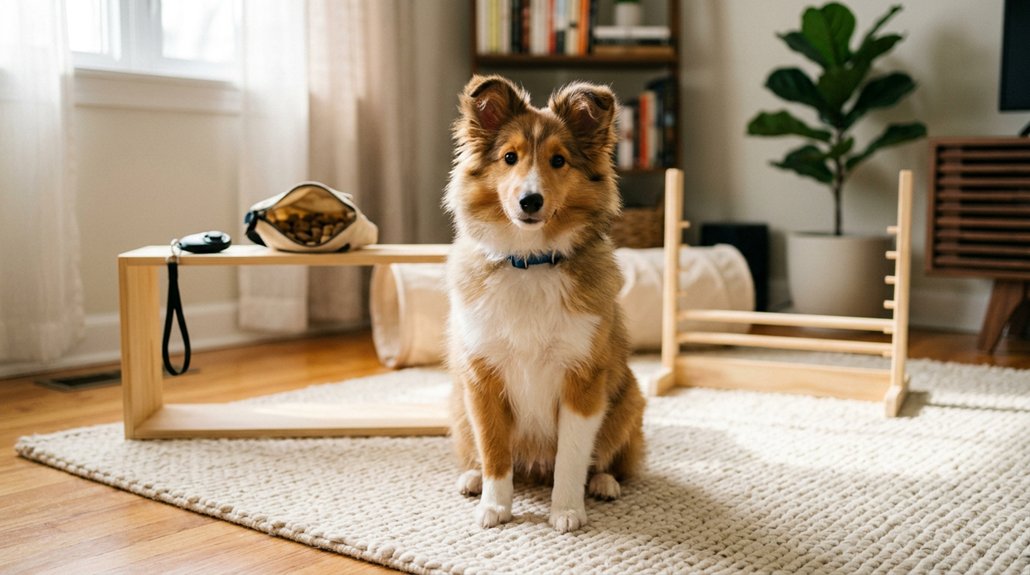
Training your Shetland Sheepdog involves a blend of consistent practice and positive techniques, capitalizing on their natural intelligence and enthusiasm to please. Here’s a guide to help you navigate from basics to advanced training methods:
Blending consistent practice with positivity harnesses a Sheltie’s intelligence and eagerness to please.
- Basic Commands and Trick Training: Start with “Sit,” “Stay,” and “Come,” while incorporating trick training to challenge their problem-solving skills. Engage with obedience games and use a solid reward system to reinforce learning.
- Leash Manners and Agility Practice: Teach proper leash manners for enjoyable walks. As your Sheltie progresses, introduce agility practice to keep them mentally and physically stimulated.
- Advanced Mental Challenges and Social Skills: Use interactive games for mental challenges, enhancing their social skills. Structured training will prevent boredom and promote a confident, well-behaved Sheltie.
How to Help Your Sheltie Socialize
Why is socializing your Shetland Sheepdog so important? Early socialization is key to preventing fear-based behaviors and ensuring your Sheltie grows into a confident, adaptable companion. Employ socialization techniques like introducing them to calm, friendly individuals and pets. This encourages positive interactions, fostering a well-rounded demeanor. Take your Sheltie on short trips to varied environments, such as parks or pet-friendly shops, to enhance adaptability in new situations. Consistent exposure to different experiences is vital. Use positive reinforcement by rewarding your Sheltie’s relaxed body language and amicable interactions with treats and praise. This approach reinforces desirable social behaviors and gradually builds a confident, well-adjusted Sheltie. Remember, the foundation you lay with socialization has a considerable impact on their lifelong adaptability.
Exercise Fun: Keep Your Sheltie Happy and Active
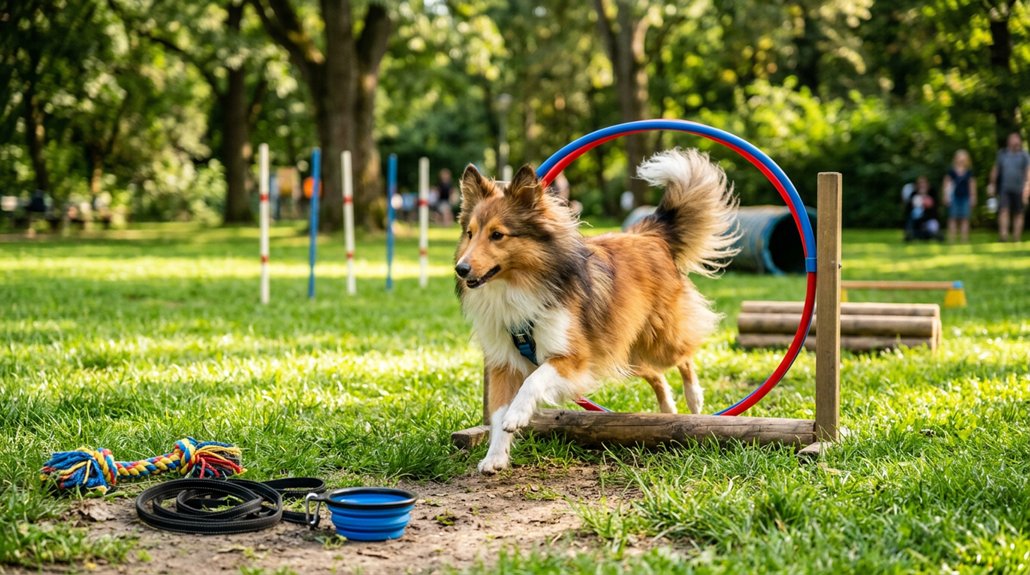
To keep your Shetland Sheepdog happy and active, it’s essential to incorporate daily exercise into their routine, as they frequently require about 30-60 minutes of activity for both physical and mental enrichment. Incorporating varied exercises will not only satisfy their energetic nature but also use their intelligence and instincts.
- Fetch Games: This combines physical exercise with mental acuity. Varying the location and introducing new toys can make the game exciting for your Sheltie, encouraging focus and agility.
- Agility Training: Utilize obstacles to challenge their problem-solving skills and cater to their natural herding abilities. This structured play can offer a fantastic outlet for energy and keep your Sheltie mentally sharp.
- Diverse Routines: Blend walks with structured play and regular socialization trips to guarantee overall well-being and happiness.
Spotting and Preventing Sheltie Health Issues
Caring for a Shetland Sheepdog involves being vigilant about their health issues, as they’re predisposed to several hereditary conditions. Symptom awareness and regular health monitoring are key in ensuring early detection and effective management of ailments like Collie Eye Anomaly and hip dysplasia. Watch for eye troubles such as cloudiness or excessive tearing, indicating possible conditions like Progressive Retinal Atrophy. Regular checks for hip dysplasia are essential—difficulty standing or limping should prompt veterinary consultation.
Balanced nutrition and exercise combat obesity and hypothyroidism, safeguarding overall well-being. Investing in pet insurance can alleviate the financial strain tied to these conditions.
| Health Issue | Symptoms to Watch For |
|---|---|
| Collie Eye Anomaly | Cloudiness, difficulty seeing |
| Hip Dysplasia | Limping, reluctance to exercise |
| Hypothyroidism | Weight gain, lethargy |
| Progressive Retinal Atrophy | Excessive tearing, vision issues |
| Obesity | Rapid weight gain, decreased energy |
Raising Your First Sheltie Puppy: A Guide
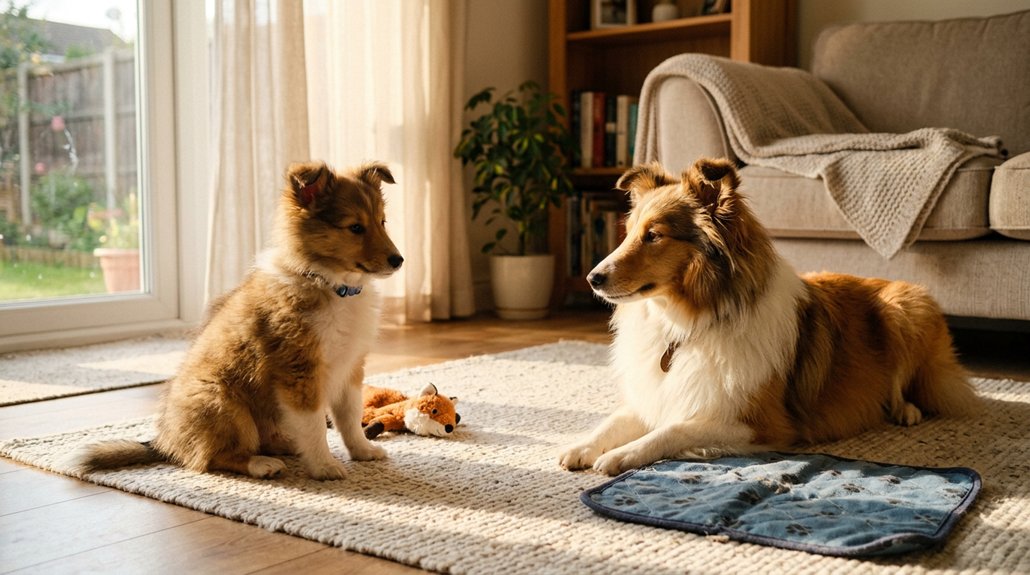
Bringing home your first Sheltie puppy is an exciting adventure filled with joyful moments and essential learning. To successfully raise your furry friend, follow these key insights:
- Socialization and Routine: Initiate socialization early to boost your puppy’s confidence. Introduce them to different environments, people, and pets. Build a consistent daily routine with feeding, puppy playtime, and crate training, establishing a reassuring structure.
- Positive Reinforcement and Bonding: Use treats, praise, and play to encourage good behavior and deepen your connection. Reward-based methods make learning enjoyable and effective.
- Physical and Mental Stimulation: Provide 30-60 minutes of daily exercise, supporting healthy development and warding off boredom. Regular grooming also plays a role; start early to keep your Sheltie comfortable with grooming tools and prevent matting.
Frequently Asked Questions
Are Shelties Difficult to Train?
Shelties aren’t difficult to train due to their intelligence and willingness to please. Using positive training techniques, high-value treats, and engaging sessions can maximize their potential, preventing timidity and fostering a well-behaved, responsive companion.
At What Age Do Shelties Calm Down?
Shelties typically calm down between 2 to 3 years as their emotional maturity develops, though individual behavioral changes vary. Energy levels decrease with age, influenced by early socialization, consistent routines, and regular mental and physical exercise.
What Are the Negatives of a Sheltie?
Shelties can be quite vocal, leading to excessive barking if not addressed. Additionally, their grooming needs are significant, requiring consistent attention to manage shedding. You’ll need to contemplate these factors before owning a Sheltie.
Do Shelties Like to Be Picked Up?
Shelties often enjoy being picked up if they trust their owner, reflecting their affectionate Shetland breed behavior. However, individual preferences vary, so it’s essential you introduce lifting gently and reinforce positivity to guarantee Sheltie affection and comfort.
Conclusion
Embrace the world of Shetland Sheepdogs, and you’re not just getting a pet; you’re inviting a loyal companion and vibrant family member into your life. Understand their history, master their care, and invest in their training—it’s a journey of mutual growth. Like a well-conducted symphony, each aspect harmonizes to create a joyous canine experience. Equip yourself with knowledge, and your Sheltie will reward you with endless affection and spirited companionship. Are you ready to begin this adventure?