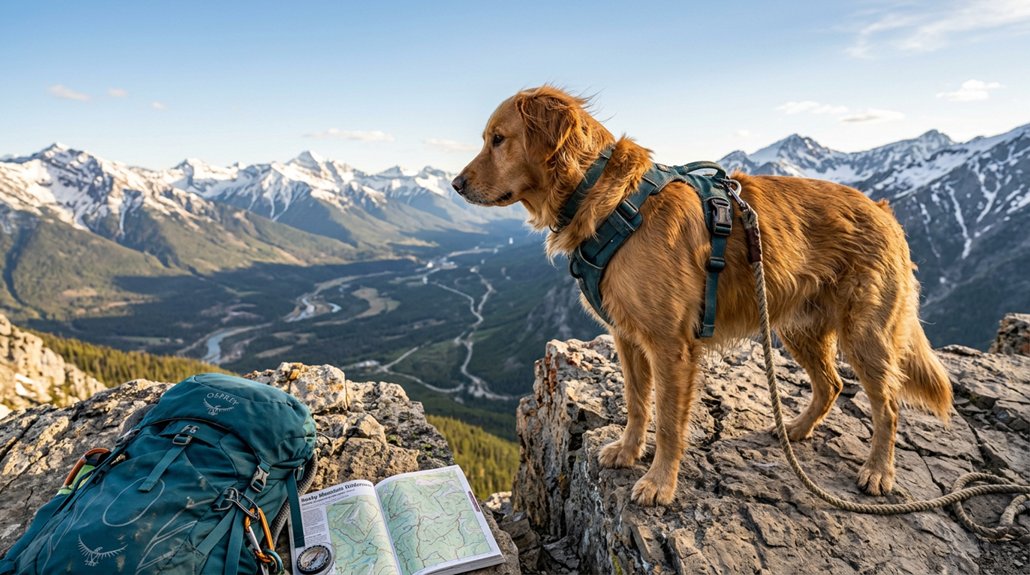
To choose the perfect dog for travel and adventure, focus on small, low-maintenance breeds like Chihuahuas or Toy Poodles. Prioritize calm, trainable dogs that adapt easily and boast strong respiratory health. High-energy breeds like Australian Shepherds are ideal for active trips, while serene companions suit leisurely city visits. Prepare with vet check-ups and practice acclimation. Such thoughtful selection guarantees an enjoyable travel experience for both you and your furry friend, with plenty more to contemplate.
Key Takeaways
- Choose a small, low-maintenance breed for ease of travel and care.
- Prioritize breeds with strong respiratory health to avoid travel complications.
- Select dogs with high trainability and sociable temperament for adaptability.
- Ensure your pet has regular veterinary check-ups for health during travels.
- Gradually acclimate your dog to carriers and transportation environments.
How to Choose a Travel-Ready Dog
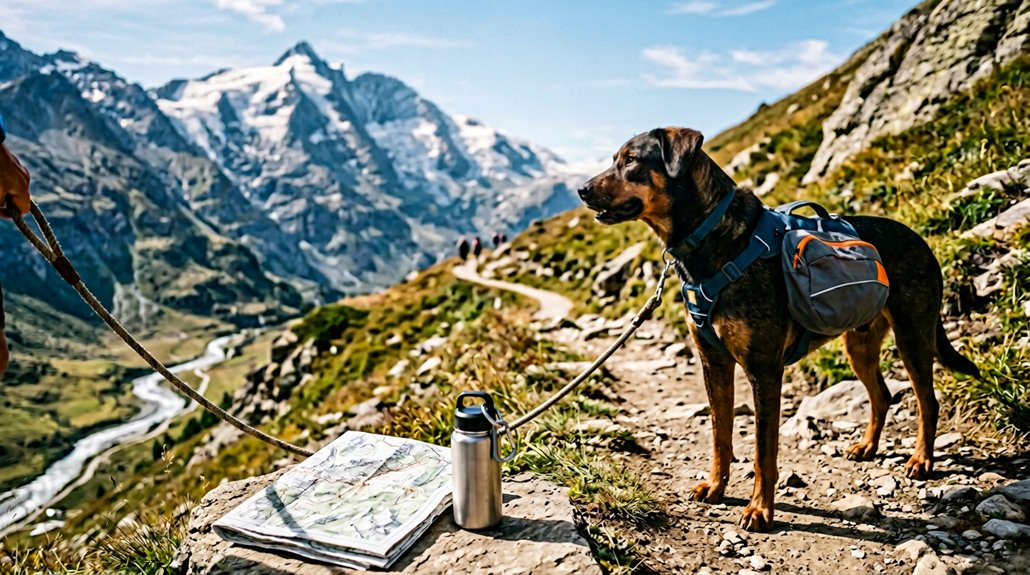
When selecting a travel-ready dog, it’s crucial to evaluate both the practical and personality aspects of potential companions. Prioritize small breeds like Chihuahuas or Toy Poodles, complying with airline cabin restrictions and fitting seamlessly into pet friendly accommodations. Their size makes them perfect for crowded spaces, reducing travel stress. Assess temperament; calm, sociable dogs adapt well to new environments, enhancing your journey. Low-maintenance options like Pomeranians or Maltese, requiring minimal grooming and boasting strong respiratory health, are practical travel necessities. Evaluate energy levels to match your travel style, opting for active breeds if you’re adventurous, or calmer ones for relaxed getaways. Verify they’re trainable and adaptable, as these traits enrich the travel experience, making new settings more navigable and comfortable.
Key Traits for an Ideal Adventure Companion
What exactly defines an ideal adventure companion in a dog? It’s one that embodies compact adaptability, calm sociability, low maintenance, and high trainability. Smaller breeds adjust well to travel, easily fitting in carriers and thriving in various environments. A calm disposition, as seen in breeds like Pugs, guarantees friendly interactions, leveraging effective socialization strategies. Opt for dogs with resilient health and minimal grooming needs for easier upkeep. Energetic breeds are perfect for active pursuits, while calmer dogs suit city explorations. Prioritize those receptive to training techniques, facilitating their adaptation seamlessly to varied routines.
| Trait | Importance | Example Breed |
|---|---|---|
| Compact Adaptation | Fits carriers, adjusts quickly | Toy Poodle |
| Calm Sociability | Friendly, relaxed demeanor | Dachshund |
| Low Maintenance | Minimal grooming, healthy | Beagle |
| High Trainability | Quick to learn new commands | Australian Shepherd |
Why Pick a Travel-Ready Dog?
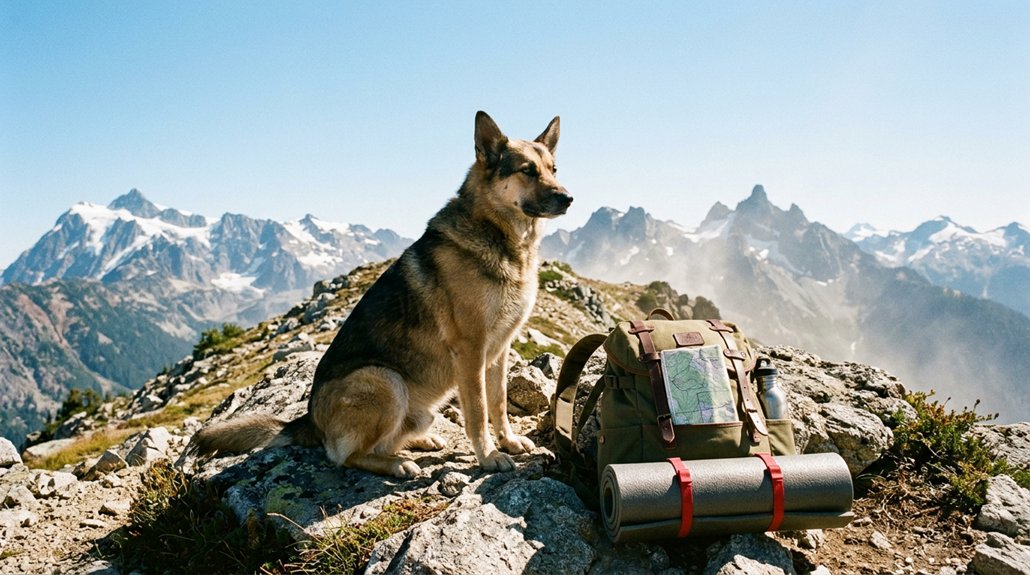
Selecting a travel-ready dog is pivotal for guaranteeing stress-free and enjoyable journeys. The travel benefits of such a companion are immense, enriching your adventures and making every trip memorable. Adventure readiness means having a dog that easily adapts to new environments, minimizing stress. Here’s why picking a travel-ready dog is key:
- Small size: Breeds like Chihuahuas meet airline cabin restrictions, simplifying travel.
- Calm temperament: Sociable dogs foster positive interactions everywhere.
- Low-maintenance: Easier grooming needs make care straightforward during trips.
- Respiratory health: Strong health guarantees fewer risks in diverse climates.
- High energy: Ideal for active lifestyles, enabling participation in outdoor activities.
Choosing the right travel-ready dog can transform your journey into a seamless and adventurous experience.
Choosing the Right Size and Energy Level for Your Travel Dog
When selecting a travel companion, consider both the size and energy level of your prospective dog to guarantee your adventures are smooth and enjoyable. Smaller breeds like Chihuahuas are ideal for those who frequently fly, thanks to their compliance with cabin restrictions, while an active lifestyle may call for a high-energy partner like the Australian Shepherd. Remember, the key to a harmonious travel experience lies in choosing a dog whose needs and temperament align with your travel habits.
Evaluating Size Needs
While starting adventures with a canine companion brings undeniable joy, it’s crucial to evaluate size needs to guarantee a smooth journey. Understanding size considerations will help you navigate travel restrictions and make sure your pup is a well-suited travel buddy. Smaller breeds, such as Chihuahuas and Toy Poodles, meet airline cabin size restrictions effortlessly and adjust seamlessly to varied accommodations. These pups are often favored due to their adaptability and ease of transportation.
Consider these points:
- Small breeds easily comply with airline cabin restrictions.
- Medium-sized dogs offer versatility for hotels and public transit.
- Compact dogs simplify handling and acclimatization in tight quarters.
- Lower weight dogs typically endure long trips more comfortably.
- Dogs fitting size restrictions minimize stress and travel complications.
Evaluating these factors will enrich your adventures together.
Assessing Energy Compatibility
Evaluating the energy compatibility of your prospective travel dog is pivotal to a harmonious travel experience. Energy assessments and lifestyle considerations should guide your choice. For adventurous hikes, high-energy breeds like Australian Shepherds thrive on vigorous activity—perfect for the outdoor enthusiast. Conversely, if your journeys lean more towards relaxed, urban explorations, calmer breeds such as Toy Poodles suit leisurely city treks.
Think about size too. Smaller dogs, like Chihuahuas, are more adaptable to airline cabin restrictions, simplifying travel logistics. Remember, a Labrador Retriever offers a balanced energy range, capable of energetic hikes and calming downtime.
Select a breed like a Beagle for adaptability; they adapt smoothly across various environments. Ultimately, match your travel style to assure a stress-free journey for you and your companion.
Ensuring Health and Low Maintenance for Travel

When preparing for travel with your dog, prioritize breeds with strong respiratory health to avoid complications, especially on flights. Choose low-maintenance coats to save time on grooming and spend more of your journey exploring. Ultimately, selecting a dog with natural stamina and resilience will guarantee they adapt well to the challenges of travel, enhancing your overall experience.
Prioritizing Strong Respiratory Health
Selecting a dog with strong respiratory health is paramount for trouble-free travel experiences, as it guarantees your pet’s comfort and safety across diverse climates and altitudes. Understanding your dog’s airway anatomy plays a critical role in this. Breeds like Toy Poodles and Beagles, known for resilient respiratory systems, adapt well in diverse travel environments. On the contrary, brachycephalic breeds, such as Pugs, pose challenges due to their facial structure which can lead to breathing difficulties. To confirm your dog thrives on every adventure:
- Choose breeds with efficient airway anatomy.
- Avoid breeds prone to respiratory issues in stressful conditions.
- Schedule regular veterinary check-ups.
- Emphasize overall health maintenance.
- Opt for robust breeds like Labrador Retrievers for increased travel resilience.
Keep these factors in mind for a seamless journey.
Emphasizing Low-Grooming Needs
After ensuring your dog has strong respiratory health for travel, it’s also imperative to focus on breeds with low-grooming needs to maintain health and convenience. Opting for a dog with minimal grooming frequency, like the Toy Poodle or Dachshund, can greatly ease your travel adventures. These breeds allow more time for exploration rather than endless maintenance. Seek dogs with hypoallergenic coat types, such as a Poodle or Maltese, minimizing shedding and aiding in trip cleanliness. Selecting a resilient breed with these traits means less stress and fewer health issues, ensuring a reliable travel companion. Consider Beagles or Shiba Inus, renowned for their low-maintenance needs, to enjoy smoother, more spontaneous travels with less worry over grooming logistics.
Ensuring Stamina and Resilience
A key factor in choosing a dog for travel is guaranteeing the breed’s stamina and resilience. This becomes essential when you engage in adventure activities and visit dog friendly destinations. Breeds like Australian Shepherds and Golden Retrievers are great choices due to their high energy and adaptability. Consider these points for an ideal travel companion:
- Resilience and stamina: Opt for breeds with endurance for long journeys.
- Low-maintenance grooming: Select breeds like Toy Poodles that require minimal upkeep.
- Respiratory health: Choose dogs with solid respiratory systems for diverse climates.
- Robust physique and health: Ascertain your dog can withstand various environments.
- Veterinary consultation: Verify your dog’s fitness for travel with a professional assessment.
Making informed decisions will guarantee an enjoyable and stress-free vacation with your furry friend.
How to Travel With Dogs by Car, Bus, or Plane
Traveling with your dog by car, bus, or plane requires careful planning and preparation to guarantee a smooth journey. Prioritize car safety by acclimating your pet to short drives before starting on longer trips. Secure them with a pet seatbelt harness, ensuring comfort and reducing travel anxiety. Keep travel documents, including vaccination records and health clearances, readily accessible as they’re often required by accommodation and transport providers.
By Bus/Plane|Tips
—|—
Pet Policy|Check restrictions based on size; use carriers.
Air Carrier Acclimation|Gradually familiarize your dog with its carrier.
Veterinarian Consultation|Seek advice on health clearance and medications.
Comfort Items|Bring their favorite toys and blankets.
Health Records|Maintain easy access to vaccination documentation.
Ensure your travel companion feels secure and cared for, making every journey an enjoyable experience together.
Should You Go With a Rescue or Breeder for Your Travel Companion?
When reflecting on whether to choose a rescue or breeder for your travel companion, it’s essential to weigh the pros and cons of each option. Rescuing a dog offers numerous advantages; matching their personality to an active lifestyle can make them incredible travel partners. However, behavioral adjustments might be necessary due to varied backgrounds.
Breeders provide clear health histories and breed-specific traits, closely aligning with travel and adventure needs. These breeder reflections can guide you toward a dog whose fitness level suits exploration.
Factors to contemplate:
- Rescue advantages: Save a dog in need, with many adaptable to travel.
- Behavioral considerations: Some rescues need training.
- Breeder information: Detailed health and behavior insights.
- Breed-specific traits: Predictable energy and temperament for travels.
- Your priorities: Saving a life or seeking specific traits for adventure.
Frequently Asked Questions
What Is the 3-3-3 Rule With Dogs?
The 3-3-3 rule helps dogs adjust after adoption, noting that it takes three days to decompress, three weeks for routine adaptation, and three months to settle, factoring in breed characteristics and individual personality traits. Prioritize patience.
What Kind of Dog Is Best for Traveling?
Choose travel-friendly breeds like the Australian Shepherd for outdoor activity enthusiasts or small breeds like Chihuahuas for air travel ease. Make certain your dog is adaptable, sociable, and healthy to make traveling a delightful experience for both.
What Is the 7 7 7 Rule With Dogs?
What’s the 7-7-7 Rule? It’s essential for dog behavior and travel safety: seven minutes settling time, seven minutes per travel hour, and seven experiences. This gradual adjustment reduces anxiety, ensuring both you and your dog enjoy the journey.
What Annoys Dogs the Most?
Loud noises, crowded spaces, long car rides, and unfamiliar environments often annoy dogs the most. You’re advised to minimize exposure to these stressors, as they can cause discomfort, anxiety, and negatively impact your dog’s overall well-being.
Conclusion
Choosing the right travel-ready dog is like packing the perfect suitcase for a journey—compact, versatile, and resilient. Remember Chester, the spirited terrier who effortlessly matched his owner’s pace atop the Rocky trails? His small size and boundless energy made every adventure seamless and joyous. Just like Chester, find a companion that fits both your lifestyle and aspirations. Prioritize traits like low maintenance and health to guarantee each adventure is filled with wagging tails and cherished memories.