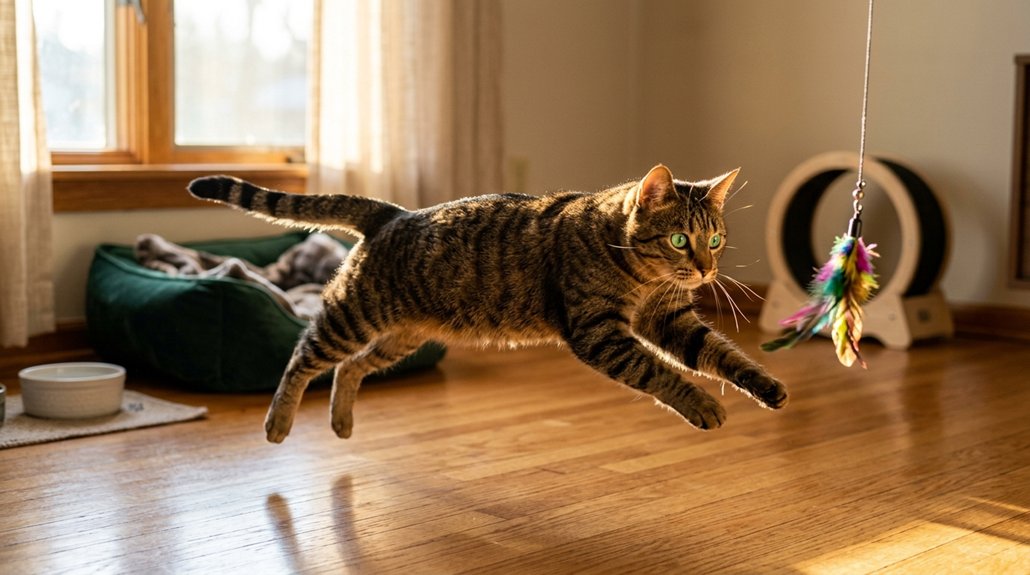
Your cat’s exercise needs depend on age and health. Kittens thrive on over an hour of play daily, adults benefit from 20-30 minutes, and seniors need shorter sessions of 10-15 minutes, two to three times a day. Incorporating regular physical activity supports cardiovascular health, boosts cognitive function, and diminishes obesity risks. Creative indoor exercises and safe outdoor activities can enhance your cat’s well-being. Discover other methods to guarantee your feline friend remains active and happy.
Key Takeaways
- Adult cats require 20-30 minutes of exercise per day for optimal health and well-being.
- Kittens benefit from over one hour of vigorous activity daily to support growth and development.
- Senior cats need multiple short sessions, totaling 10-15 minutes, two to three times daily.
- Exercise sessions should be adjusted based on individual health, breed, and age.
- Engaging in structured playtime helps mimic natural hunting instincts and promotes both physical and mental health.
Why Is Regular Exercise Essential for Cats?
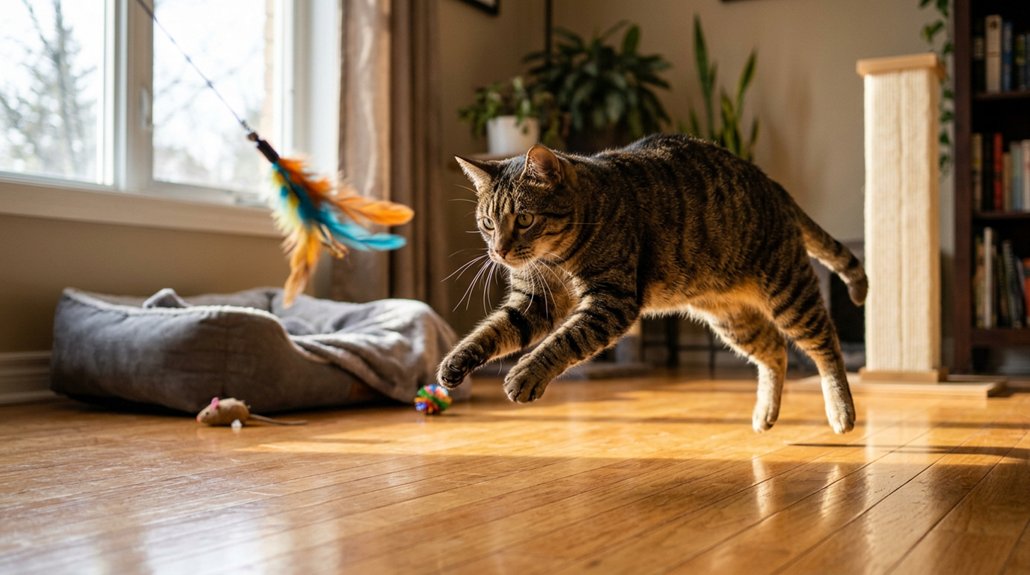
Although cats may appear to be independent and low-maintenance pets, regular exercise is essential for their overall health and well-being. Understanding cat behavior is important, as physical activity not only maintains a healthy weight but also supports psychological equilibrium. Cats require exercise supervision to channel their natural hunting instincts, which are crucial for mental stimulation. When you oversee your cat’s activity, you’re reducing their risk of obesity-related conditions such as diabetes and arthritis. Furthermore, exercise supervision mitigates stress and anxiety, adorning your cat’s routine with engagements that prevent boredom-based destructive behaviors. Aim for at least 20-45 minutes daily as it’s fundamental for emotional health—a time window that effectively mimics instinctive hunting patterns. The right balance can greatly enrich your cat’s life.
Physical Health Benefits From Regular Cat Exercise
You’re probably aware that regular exercise is pivotal for your cat’s health, playing a significant role in preventing obesity and reducing the risk of related diseases like diabetes. Physical activity doesn’t just regulate weight; it enhances cardiovascular health and strengthens muscle tone, promoting efficient heart function. Additionally, consistent exercise supports joint mobility, mitigating the onset of arthritis and ensuring your cat maintains ideal movement throughout its life.
Prevents Obesity And Diseases
While ensuring your feline companion stays active, you’re greatly contributing to their physical health by reducing the risk of obesity and associated diseases. With obesity statistics indicating that approximately 60% of cats in North America are overweight, it’s essential to employ preventive measures. Regular exercise is pivotal in maintaining a cat’s ideal weight, thereby mitigating risks linked to obesity-related diseases like diabetes and arthritis. Physical activity strengthens muscles and aids in maintaining healthy joint function, preventing chronic conditions that impair mobility. By committing to a consistent exercise routine, you’re not just avoiding weight gain but fostering a healthier, longer life for your cat. Ultimately, keeping your cat engaged in daily physical activities promotes an overall improvement in their quality of life.
Enhances Cardiovascular Health
Regular exercise significantly enhances cardiovascular health in cats by fortifying heart muscle strength and improving circulation, thereby diminishing the risk of heart disease. Structured exercise routines are integral to maintaining peak cardiovascular benefits for your cat. Active felines often display healthier blood pressure levels, mitigating the dangers of hypertension prevalent in sedentary peers. Additionally, regular activity aids efficient oxygen utilization, ensuring cardiovascular stamina. Weight management, facilitated by exercise, is key to averting cardiovascular complications, particularly in overweight cats. Continuous movement is beneficial in preventing arterial plaque buildup, promoting superior heart function and longevity.
| Benefit | Impact | Recommendation |
|---|---|---|
| Heart Muscle Strength | Reduces Heart Disease Risk | Daily Exercise Routines |
| Blood Pressure | Lowers Hypertension Risk | Continuous Movement |
| Oxygen Utilization | Boosts Cardiovascular Stamina | Active Engagement |
Supports Joint Mobility
Evidence underscores the essential role exercise plays in enhancing joint mobility for cats, chiefly through the promotion of synovial fluid production, which lubricates and reduces joint stiffness. Prioritizing consistent exercise routines can greatly improve joint health by ensuring your cat maintains a healthy weight, subsequently decreasing undue strain on joints. Engaging your cat in regular play sessions strengthens the surrounding musculature, offering better support and movement stability. This increased muscular support not only alleviates the risk of arthritis but also enhances overall flexibility, allowing your feline to jump and climb with greater efficiency. Scientific studies further confirm that physically active cats demonstrate fewer indications of joint pain compared to their sedentary counterparts, underlining the necessity of regular, enjoyable physical activities for ideal joint well-being.
The Mental Upside of Cat Playtime
You’ve probably noticed that regular play sessions with your cat offer more than just physical benefits; they also provide essential mental stimulation. By mimicking natural hunting behaviors, playtime reduces boredom and anxiety, while enhancing cognitive functions and behavioral adaptation. Additionally, these interactions foster a stronger bond between you and your feline companion, promoting trust and emotional stability.
Reducing Cat Boredom
Even though cats are known for their independent nature, they still require consistent mental stimulation to reduce boredom and engage their primal instincts. Regular playtime is essential for mimicking their natural hunting behaviors. By incorporating interactive toys and structured play routines, you can help prevent common behavioral issues like destructive scratching and excessive meowing. Engaging your feline in these activities not only alleviates boredom but also enhances their mental health by reducing stress levels. Providing a variety of toys and frequent play sessions guarantees your cat remains mentally stimulated, preventing lethargy and disinterest. This mental engagement not only improves their quality of life but promotes happier, healthier, and more socially interactive behaviors, ultimately leading to a well-adjusted companion.
Stimulating Natural Behaviors
Cats, while seemingly independent, benefit greatly from engaging play that mimics their innate predatory behaviors. Regular playtime simulates essential hunting actions like stalking and pouncing, vital for mental stimulation. Aligning with their natural instincts, interactive play using engaging toys greatly enhances a cat’s cognitive health. Activities with feather wands or puzzle feeders challenge your cat cognitively, ensuring they remain mentally sharp. As crepuscular creatures, cats are most active at dawn and dusk; these times are ideal for stimulating play sessions conducive to their developmental wellness. Such activities also reduce stress and anxiety levels, supporting emotional well-being and happiness. By offering mental enrichment through engaging toys, you decrease the risk of boredom-induced behavioral issues, promoting a contented and balanced feline life.
Enhancing Owner Bonding
The dynamic interplay during regular playtime is essential not only for a cat’s physical well-being but also for enhancing the bond between you and your feline companion. Engaging in play sessions mimics natural hunting behaviors, promoting teamwork and trust building. With interactive toys, such as wands and teasers, cats associate these positive experiences with you, fostering deeper emotional connections. This consistent engagement yields playtime benefits like reducing stress levels for both parties and preventing boredom-related behavioral issues. Cognitive stimulation through training activities, including clicker training, facilitates effective communication, further strengthening your bond. By investing time in understanding your cat’s preferences, you enrich the relationship dynamically.
- Boosts emotional satisfaction and reduces stress levels
- Encourages positive associations and trust building
- Prevents boredom and behavioral issues
How Different Ages and Breeds Influence Cat Exercise Needs
Understanding how different ages and breeds influence a cat’s exercise needs is essential for their well-being. Kittens, filled with energetic bursts, require about an hour or more of vigorous activity daily to fulfill their kitten requirements. In contrast, adult needs typically range from 20-30 minutes a day, although factors such as breed variations, weight, and activity levels can cause this to vary. For senior cats, exercise should be more about senior adjustments, incorporating brief sessions like 2-3 short play periods of 10-15 minutes each. Breeds play a role too—Siamese and Bengals demand more stimulating exercise due to their active nature, while Persians are naturally more sedentary. Overall, individual health factors and observed behaviors are critical in tailoring exercise routines.
Exact Exercise Times and Sessions for Different Cats
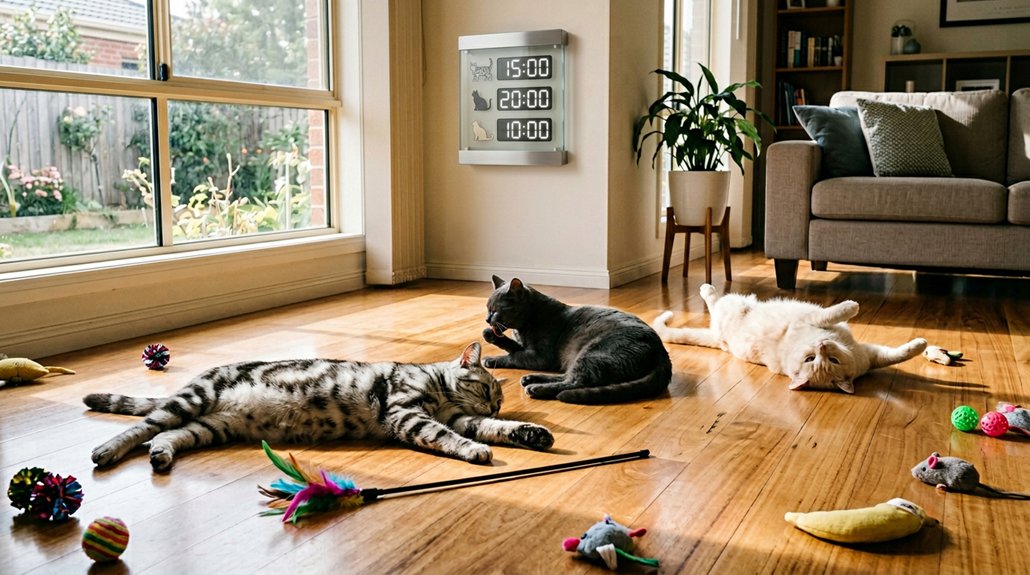
Recognizing the diverse exercise needs of various cat ages and breeds allows you to tailor activity schedules that optimize feline health. For effective kitten exercise, plan over an hour of playful activity daily, channeling their high energy and instinctual curiosity. Engage adult cat exercise with about 30 minutes per day, divided into short, stimulating sessions. Sedentary cat routines require strategic intervention, starting with two 15-20 minute sessions to boost liveliness. Older cat playtime should respect the decreased energy of aging felines, featuring 10-15 minute interactions several times a day. Indoor exercise options, such as complex exercise games, keep cats lively while maintaining outdoor safety. Structure exercise to mimic hunting instincts, ensuring overall feline wellbeing.
- Kitten: Over 1 hour/day
- Adult Cat: 30 mins/day
- Older Cat: 10-15 mins/session, 2–3 sessions/day
Trying Creative Indoor Cat Exercises
Ever wonder how to keep your cat engaged and active indoors? Creative exercises are key. Start with a laser pointer for cat challenges that stimulate their innate hunting instincts—remember to end play with a tangible toy. Puzzle feeders enhance mental stimulation and replicate natural foraging, encouraging movement. Wand toys facilitate interactive play, mimicking the pouncing and chasing behaviors crucial for well-being and bonding. Establishing play routines with two 15–20 minute sessions at dawn and dusk aligns with their crepuscular nature, ensuring maximum engagement. Climbing structures like cat trees or shelves promote indoor agility, providing essential vertical exploration and exercise. Adopting these strategies not only enriches your cat’s environment but also supports their physical and mental health effectively.
Safe Outdoor Activities and Precautions for Cats
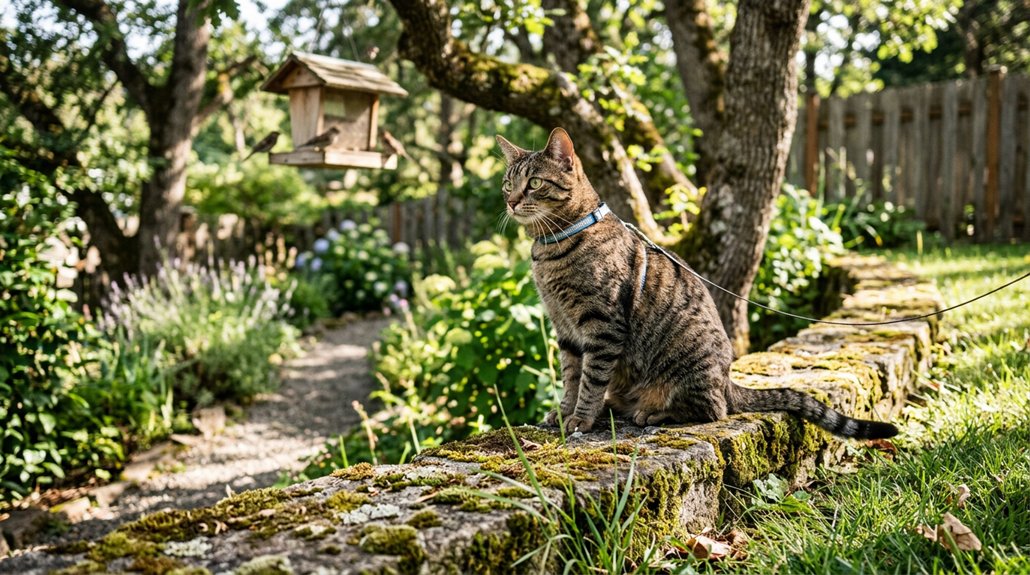
When considering safe outdoor activities for your cat, it’s essential to balance their natural curiosity with precautionary measures. Leash walks using safe harnesses allow your feline to explore under supervision, a harmonious blend of enrichment and security. Additionally, outdoor enclosures, such as catios, offer an excellent solution for a secure, open-air experience that prevents escape and minimizes danger. By incorporating technological tools, like GPS trackers, you enhance safety by monitoring your cat’s whereabouts.
To further guarantee your cat’s well-being:
- Make sure they’re always up-to-date on vaccinations.
- Microchip them for an added layer of security.
- Introduce outdoor time gradually to facilitate adjustment.
Identifying Signs of Sufficient Cat Exercise
Exploring safe outdoor activities equips your cat with a rich environment, yet ensuring they get adequate exercise goes beyond mere outdoor exploration. Recognizing exercise indicators, such as high enthusiasm during playful engagement, is essential. Forward-facing ears, active toy interaction, and seeking additional playtime signal satisfactory exercise levels. Aim for regular 10-15 minute sessions that culminate in a relaxed posture; this illustrates post-exercise contentment. It’s important to observe fatigue signs, including panting or disengagement, indicating sufficient exertion. A balanced cat should express playful energy before settling into restful behaviors. Adapt exercise routines, encouraging varied stimuli to maintain stimulation. Sufficiently entertained cats actively initiate and seek interaction, reflecting ideal exercise, preventing hyperactivity or lethargy. Monitor these cues to tailor exercise intensity effectively.
Frequently Asked Questions
Can Exercise Help Reduce My Cat’s Behavioral Problems?
Yes, exercise can help reduce your cat’s behavioral problems. By providing behavioral enrichment and promoting stress reduction, exercise can mitigate unwanted behaviors through increased energy expenditure and mental stimulation, thereby enhancing your cat’s overall well-being and stability.
How Can I Motivate a Lazy Cat to Exercise?
Imagine your cat pouncing like a jungle predator. You’ll motivate them with interactive games like feather wands or laser pointers, using ethological understanding and environmental enrichment strategies to encourage play and stimulate their innate hunting instincts scientifically.
Are There Specific Toys Recommended for Cat Exercise?
You’re searching for toys that encourage interactive playtime and enhance cat agility. Consider options like feather wands, laser pointers, and puzzle feeders. These scientifically endorsed tools stimulate physical activity, cognitive function, and engage cats in beneficial exercise.
What Are Signs My Cat Is Over-Exercising?
Did you know 15% of cats face overexertion? Signs of over-exercising include feline fatigue, indicated by lethargy, excessive panting, and reluctance to play. Monitor these overexertion symptoms to verify your cat’s well-being and avoid potential health issues.
Do Different Cat Breeds Have Unique Exercise Equipment Needs?
Yes, different cat breeds have unique exercise equipment needs. Breed-specific preferences and activity level differences play significant roles. It’s essential to take into account genetic predispositions and energy requirements when selecting toys and activities to keep your feline companion healthy and stimulated.
Conclusion
In ensuring your cat’s well-being, remember that scientific studies highlight exercise’s importance, revealing that active cats can live up to two years longer than sedentary ones. Regular physical and mental stimulation is essential for their health, regardless of age or breed. By incorporating creative indoor and safe outdoor activities, you’ll address their physical needs and boost mental health, fostering a happier life. Monitor their behavior to adjust exercise routines, ensuring ideal activity levels tailored just for them.