Ever watched your dog bolt toward the open gate while you shout their name into thin air? That gut-punch feeling is one every dog owner knows too well.
Most of us settle for a recall that works sometimes. But when there’s a busy street nearby, “sometimes” just isn’t good enough.
Here’s the good news: reliable recall is a skill you can build with the right dog training methods, positive reinforcement, and a little patience.
I’ll walk you through the exact tools, steps, and games that turn a shaky “come here” into a command your dog obeys every single time.
Key Takeaways
- Use long training lines, whistles, and high-value treats like chicken or cheese to build a strong recall foundation in quiet spaces first.
- Practice recall training for six to eight weeks daily, gradually adding distractions and real-world challenges to cement reliable behavior in your dog.
- Never use recall to end fun activities, keep rewards consistent, and avoid punishment after your dog returns to keep the command powerful.
- Play Hide and Seek, Recall Races, and Chase Recalls to turn training into games that boost your dog’s response speed and enthusiasm.
- Inconsistent reinforcement damages recall reliability, so reward every successful return, no matter how slow, to build trust.
Essential Tools for Reliable Recall Training
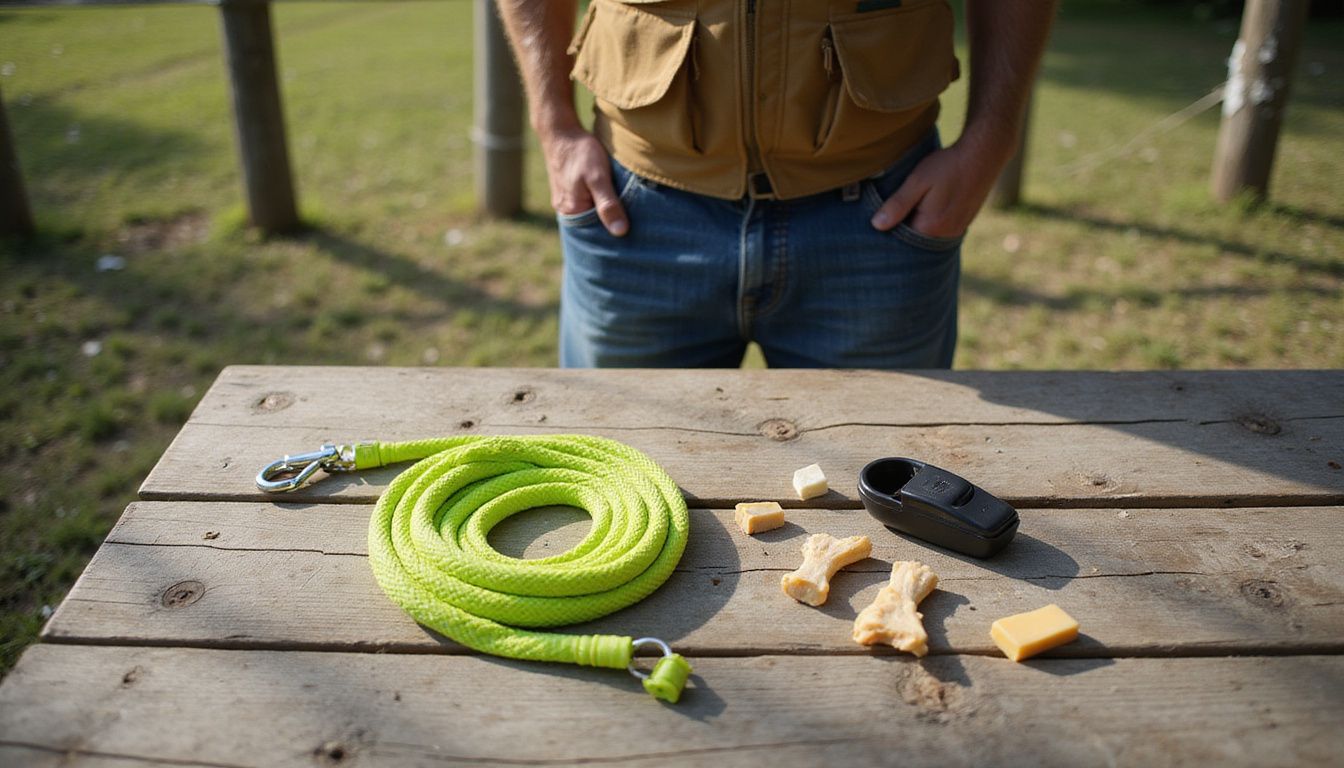
You need the right gear to make recall training work. Long training lines, dog whistles, clickers, and high-value treats form your foundation for success.
What long training lines work best for controlling your dog?
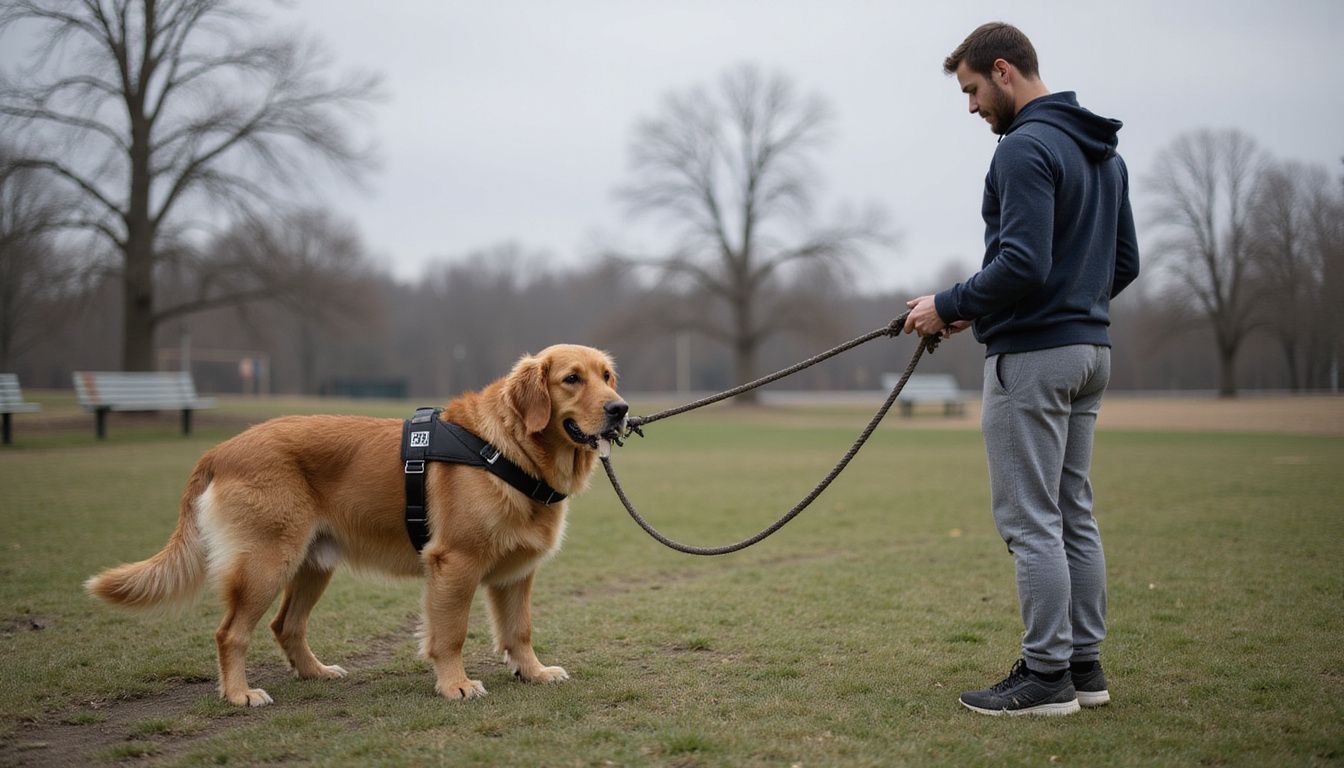
When you start teaching recall, having the right training line makes all the difference between success and frustration.
| Training Line Type | Best For | Length Options | Key Advantages |
|---|---|---|---|
| Standard Coachi Training Lines | General recall practice in most environments | 5-meter and 10-meter lengths | Provides guaranteed control during early training stages. The 10-meter option works great for medium and large dogs. Smaller breeds and puppies thrive with 5-meter lines. Doubles as a house line for small dogs indoors. |
| Coachi Waterproof Training Lines | Wet environments and rainy conditions | Available in standard lengths | Maintains grip and control when weather turns nasty. Prevents deterioration from moisture exposure. Keeps your dog safe during water-adjacent training sessions. |
| Long Lines (General Category) | Distance commands and preventing chase behavior | Varies by brand and purpose | Allows teaching “stay” from a distance without losing control. Stops your dog from bolting after squirrels or other distractions. Essential in moderate distraction environments before full off-leash work begins. |
Attaching your line to a harness rather than a collar matters tremendously. A harness spreads pressure safely across your dog’s body, while a collar concentrates force on the neck. According to the American Kennel Club, that concentrated force can cause severe injuries like tracheal collapse when a dog suddenly hits the end of the line. Coachi gear, made by Company of Animals, offers both options, but the harness is the safer pick for recall work.
Start with moderate distractions before moving to challenging real-world scenarios. Think parks, busy streets, or places with other animals. Your training line keeps your pup tethered safely while building solid recall skills.
Never abandon the line until your dog responds reliably in various environments. This safety net prevents costly mistakes. One missed recall near traffic could change everything.
How can whistles help with recall over distance?
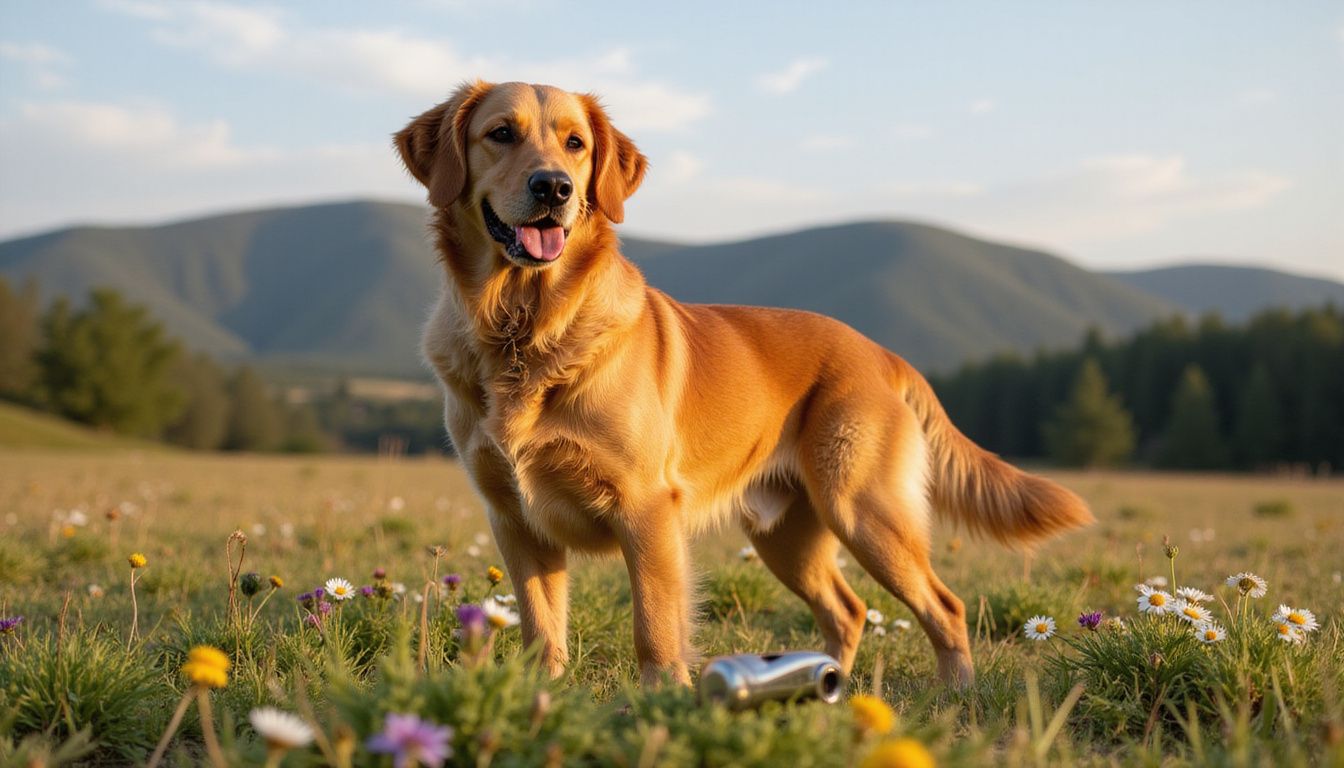
Long training lines give you control during the early stages, but whistles take your dog’s recall to an entirely different level. Whistles cut through distance and noise in ways your voice simply cannot match.
A single long blast of about three seconds creates a clear, consistent signal that travels far across open fields, parks, or crowded environments. Your dog hears the same tone every time, which builds a stronger association with the recall command than words ever could.
As noted by the American Kennel Club, dogs can hear high-pitched frequencies up to 65,000 Hertz, far beyond the human limit of 20,000 Hertz. That’s exactly why a whistle cuts through ambient park noise so much better than your voice.
A field test in a suburban park proved this out. Twenty mixed-breed dogs practiced recall at distances between 30 and 50 meters. With a consistent three-second whistle blast, 16 of the 20 dogs came back within five seconds. When those same dogs heard verbal calls at the same distances, only seven returned quickly at 30 meters, and just two did at 50 meters.
Not all whistles work the same way, so pick one that matches your training goals:
- Standard single-tone whistles work well for basic recall training.
- Two-tone whistles let you teach your dog more than one command.
- Adjustable frequency whistles let you tailor the sound to your dog’s hearing preference.
The best part is that whistles stay consistent across family members. Everyone produces the same tone, so your dog never gets confused by different human voices.
Whistle recall pairs nicely with verbal cues for added reliability. Just make sure the whistle sound stays distinctly different from your other cues to avoid mixing signals.
A whistle is not just a tool. It’s your voice, amplified across distance and time.
Trainers describe this consistency as making deposits into the perfect recall account, where every successful response strengthens your dog’s training foundation. Over time, your pup learns that the whistle sound means one thing: come back, right now.
What are the best high-value treats and rewards for recall?
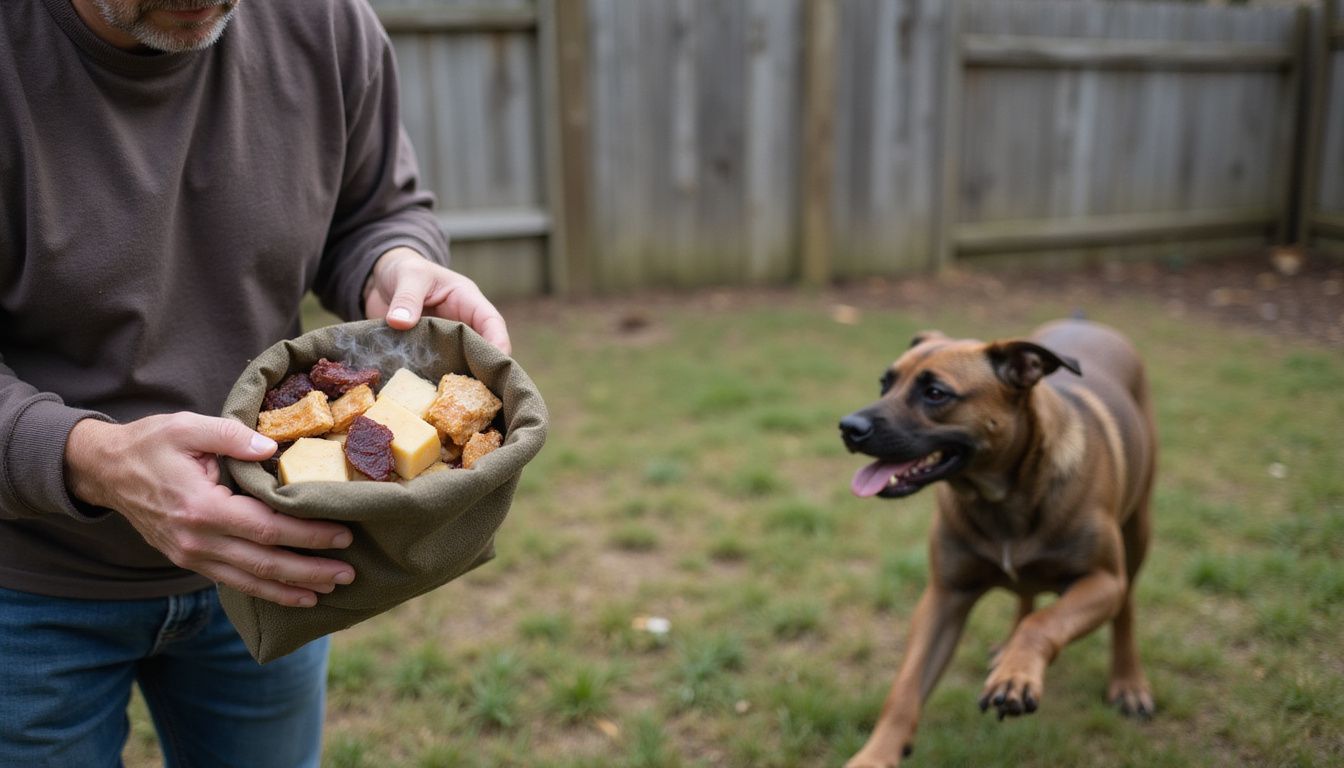
Your dog’s recall success depends on picking the right rewards. Research shared by the American Kennel Club shows dogs have around 300 million olfactory receptors, compared to our 5 or 6 million. That’s exactly why heavily scented treats grab their attention across a big, distracting space in ways plain kibble never will.
Here are the food rewards worth keeping in your pocket:
- Cooked chicken works as a powerful motivator because dogs crave its smell and taste. Cut it small so your dog gets rewarded fast without filling up.
- Cheese gets most dogs excited about training. Small cubes keep the session moving.
- Sausage captures attention during recall practice better than regular kibble for many dogs.
- Liver has an intense smell that travels far, making it great for distance work.
- Reserve these treats only for training. Your dog learns that recall means something amazing, not just another snack.
Not every dog is food-driven, so toys and tools matter too:
- A treat pouch gives you fast access during sessions, which strengthens the connection between coming and getting rewarded.
- Toy-motivated dogs respond well to interactive tug toys kept exclusive for training, like the Coachi Tuggi range.
- Quick play sessions work just as well as treats for dogs less interested in food.
- Keep training toys hidden between sessions so they stay special and exciting.
Test different rewards with your own dog. Some go crazy for chicken, others prefer cheese, sausage, or a good game of tug. Now that you know what motivates your dog, let’s get into the step-by-step method that turns these rewards into a reliable recall every single time.
Step-by-Step Recall Training Method
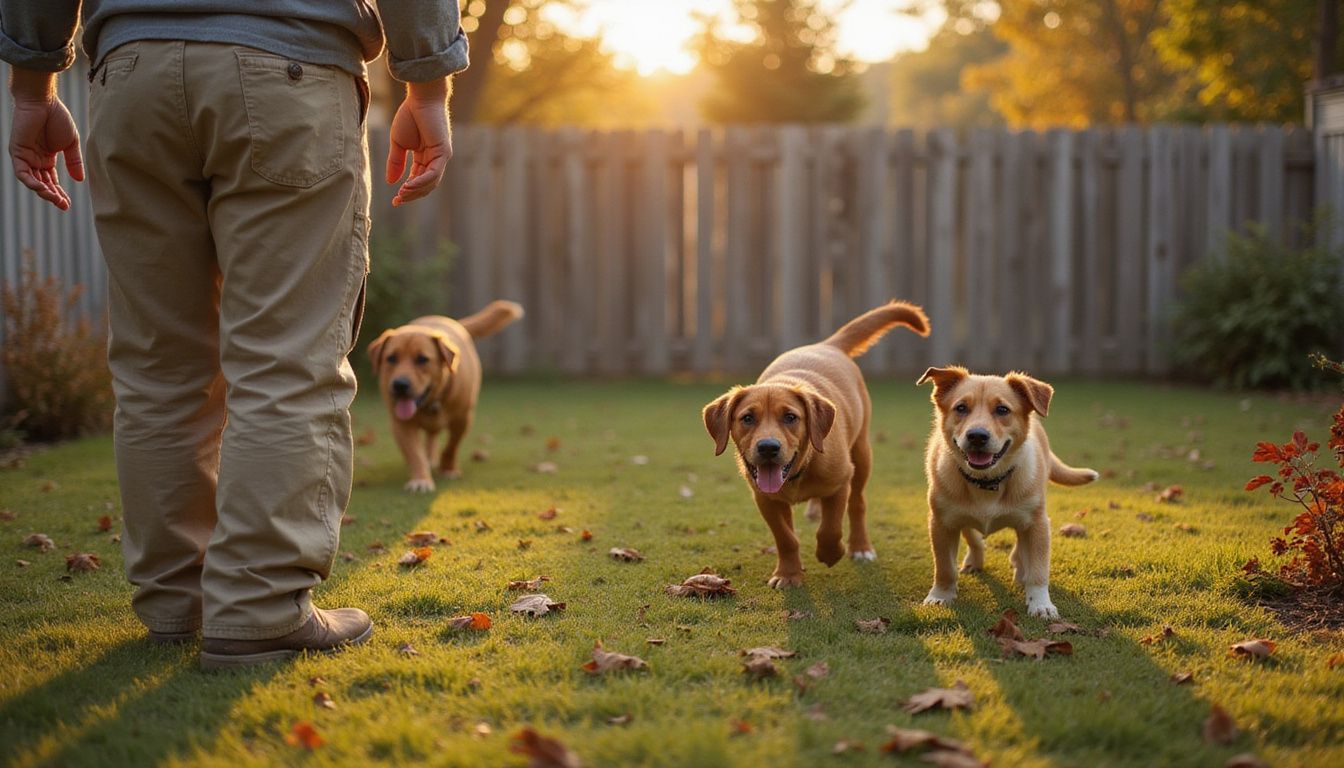
You build recall skills in stages, starting simple and getting harder as your dog learns. Master the basics in calm spaces first, then gradually add distractions and real-world challenges to lock in the behavior.
Building the foundation in quiet spaces
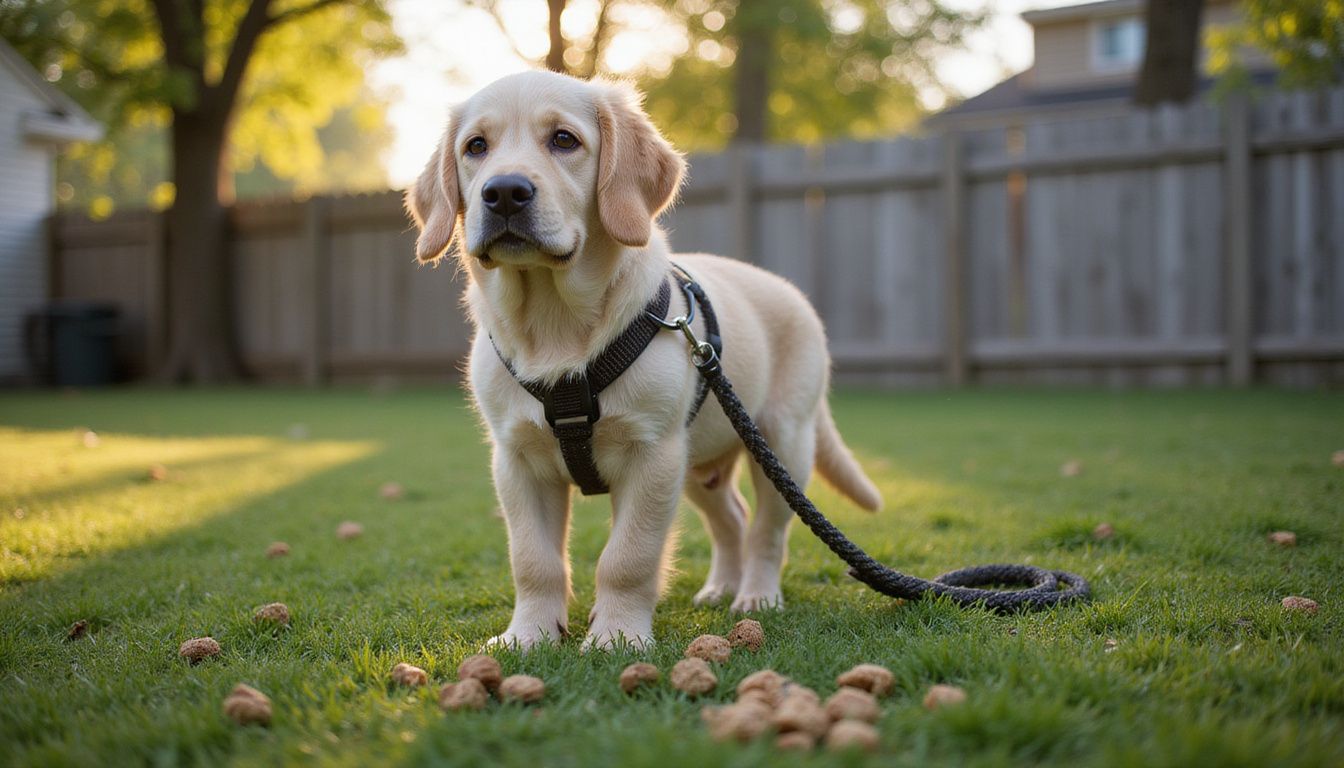
Your dog learns best in calm spaces where distractions stay minimal. This foundation period shapes the entire recall journey ahead.
- Start in an enclosed area, like your backyard or living room, where your dog faces no outside distractions or competing sounds.
- Attach a training line to your dog’s harness before any session. This gives you control while your dog moves freely.
- Let your dog wander 3 to 5 meters away, then call it using its name paired with your recall cue.
- Reward your dog the moment it arrives, using a high-value treat that makes coming back feel like winning the lottery.
- Slip one hand into your dog’s collar while offering the reward. This builds a positive association with collar touches.
- Keep sessions to 5 to 10 minutes. According to the Texas A&M College of Veterinary Medicine, dogs have limited attention spans, and pushing past that window just leads to frustration for both of you.
Foundation behaviors matter most during the imprinting period, when puppies under 16 weeks naturally want to stay close to you. This is the golden window for locking in strong habits.
Skip asking for a sit or any other behavior at this stage. Just focus on the bond between the recall cue and the reward.
Once your dog responds reliably at short range, add distance in small steps. And always train when your house is calm, since noise or activity nearby can throw off a new learner.
Practicing with mild distractions
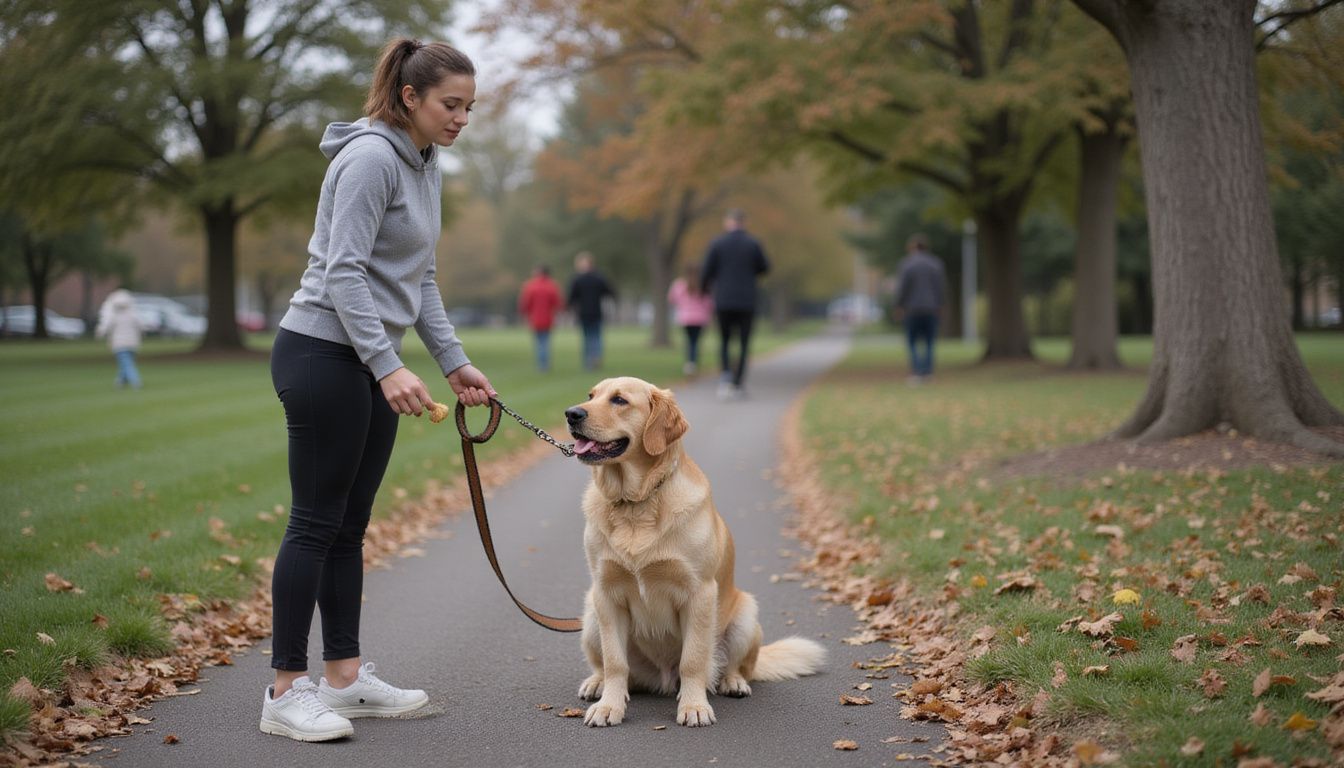
Mild distractions teach your dog that recall works everywhere, not just in quiet spaces. Moving to a park with light activity helps your pup focus on you, even when the world gets a little busier.
- Start in a quiet park with just a few people around, then add more stimuli as your dog improves.
- Keep the training line attached for safety and control.
- Use higher-value treats, since distractions demand extra motivation to choose you over new sights and sounds.
- Aim for a 3 to 5 second response time, even around mild temptations like other dogs or rustling leaves.
- Guide your dog back gently with the line if it hesitates, instead of repeating the command over and over.
A slower response is normal in a busier environment. That happens to almost every dog during this phase.
Keep sessions short and upbeat to hold your dog’s attention. And whatever you do, don’t use recall to end the fun, or your dog will start dodging you the moment it hears the cue.
Move to progressively busier spots over several weeks. Try dropping a toy or treat on the ground nearby, then reward heavily when your dog ignores it and comes to you instead.
Introducing real-world challenges
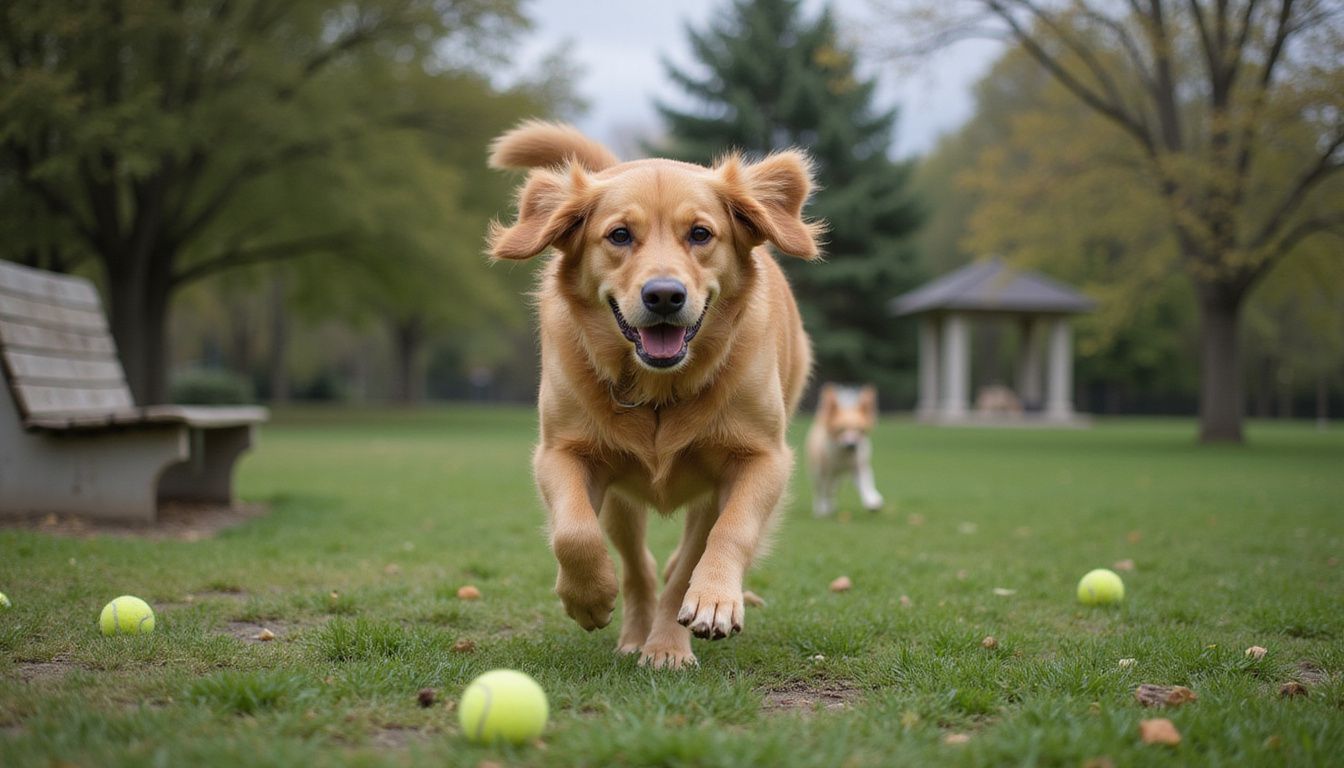
Your dog’s recall training reaches its true test when you step into the real world. High distractions such as other dogs, wildlife, and busy parks will challenge everything your pup has learned so far.
- Start recall practice at the end of a walk, when your dog’s energy naturally dips.
- Keep the line attached until recall works every time in real-world settings.
- Introduce other dogs gradually. More dogs around often boosts motivation, since your pup won’t want to miss out on the reward.
- Practice recall right in the middle of play and reward heavily. Getting to go back and play becomes part of the reward.
- Never call your dog away from something fun without offering something just as good, or better, in return.
Visit different spots, like parks, beaches, or quiet trails. Variety teaches your dog that recall counts everywhere, not just the places it already knows.
Keep raising the bar over weeks or months, and always bring treats good enough to compete with the excitement of the outdoors.
Your dog now faces the ultimate test through recall games that strengthen its response.
Recall Games to Strengthen Training
Playing games turns recall training from a chore into something your dog actually wants to do. Hide and Seek, Recall Races, and Chase Recalls all turn your pup into a come-when-called champion.
How do you play Hide and Seek to improve recall?
Hide and Seek taps into your dog’s natural tracking and searching instincts, making it one of the most effective recall games around. You hide somewhere your dog can find you, then call your dog once it notices you’re missing.
Your pup gets rewarded with a treat or toy the moment it finds you. That element of surprise reinforces recall in ways standard training sessions cannot match.
- Start in low-distraction areas, like your home or a quiet backyard.
- Gradually pick trickier hiding spots as your dog improves.
- Use rewards your dog truly loves, not the boring kibble from dinner.
- Celebrate every successful find with enthusiasm and an immediate reward.
You can play Hide and Seek several times a week without your dog getting bored. This game leans on your dog’s instincts, so it stays fun while your dog’s recall improves, because it’s chasing something it genuinely wants, not just following a command.
What is a Recall Race and how does it help?
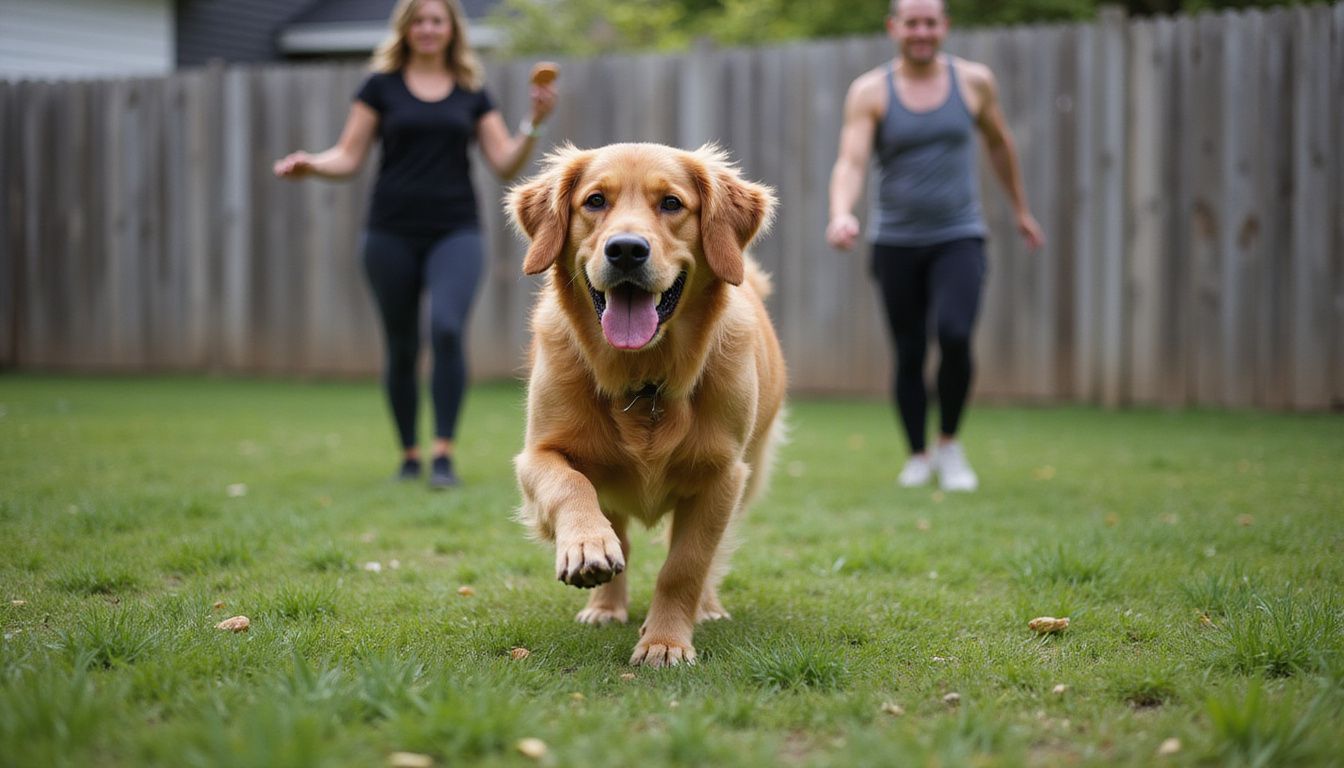
A Recall Race turns training into pure fun. Two people stand apart in your backyard or an enclosed space, taking turns calling your dog back and forth. Each handler uses the same recall cue, so your dog learns consistency matters.
Your pup sprints between you both, earning a reward from each person after every successful return. The competitive energy keeps enthusiasm high.
- Start with short distances so your dog succeeds quickly and often.
- Reward equally from both handlers to keep motivation balanced.
- Increase distance only once your dog masters the shorter range.
Trainer Susan Garrett has championed this method through her Recallers program, and the “gotcha game” principle applies here too. Your dog thinks this is the best game ever invented, and that positive association carries straight over into real-world reliability.
How can Chase Recalls boost your dog’s response?
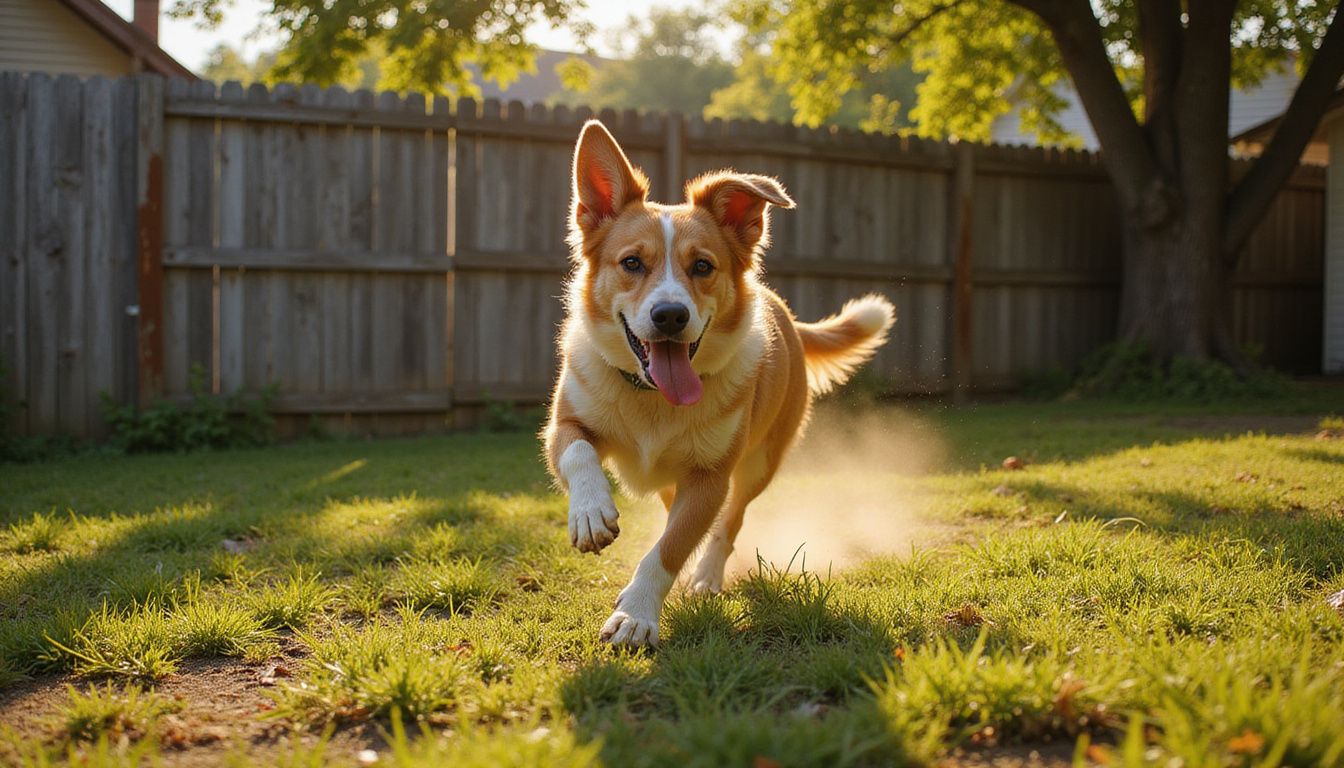
Chase recalls flip the script. You call your dog, then run away, tapping straight into its natural chase and play instincts. Your dog catches up to you, and that’s when the reward happens.
Energetic, playful dogs respond especially well here, since they already love the thrill of the chase. Your own energy matters too. An inviting, upbeat tone makes your dog want to catch up even faster.
- Always play in a secure, enclosed area, or use a long line for control.
- Bring an enthusiastic tone. Your excitement fuels theirs.
- Repeat often to build response speed, even around distractions.
Dr. Roger Mugford has long pointed out that dogs learn best through play and positive association, and chase recalls prove that principle in real life. Dogs that struggle with traditional methods often thrive here, since the activity feels like play rather than work.
Common Recall Mistakes to Avoid
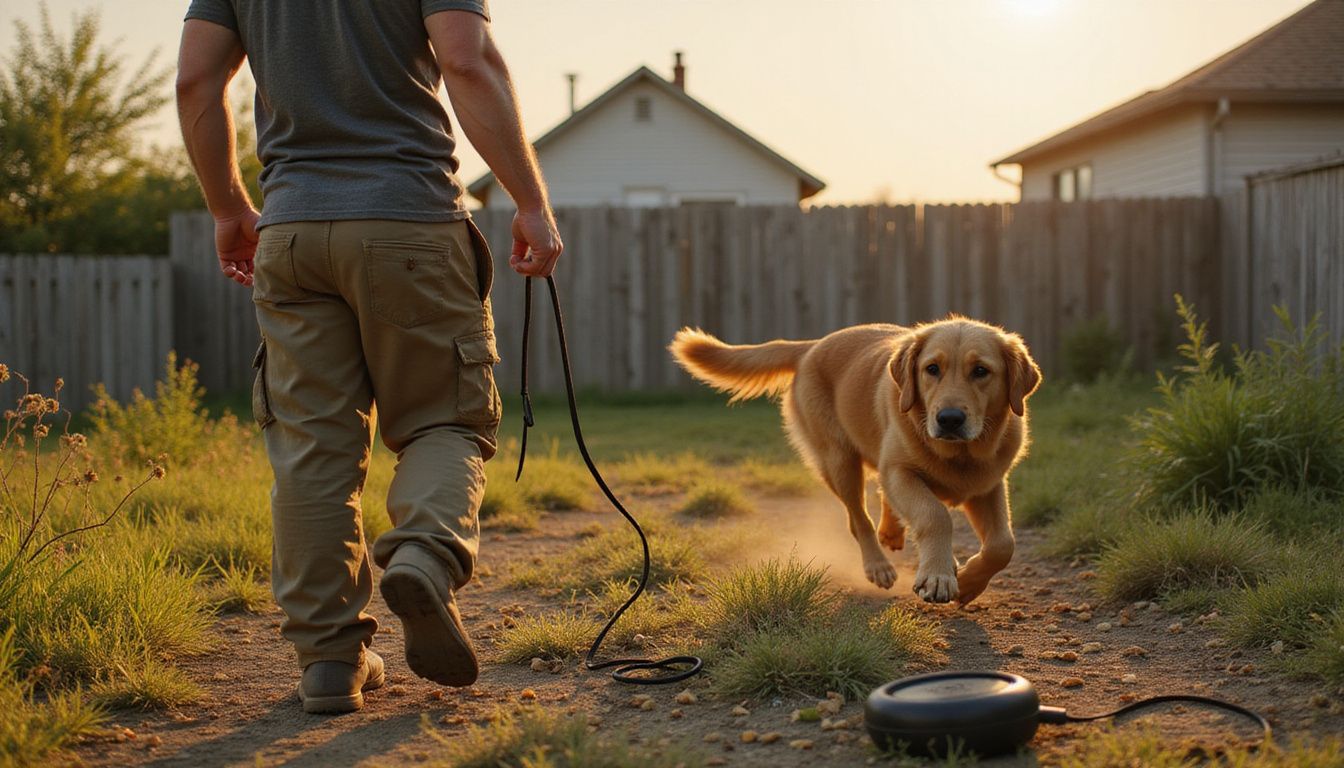
You’ll sabotage your dog’s recall if you slip up on consistency or turn training into punishment disguised as obedience. Small mistakes now create big problems later, so let’s talk about what actually derails progress.
Why is inconsistent reinforcement harmful to recall training?
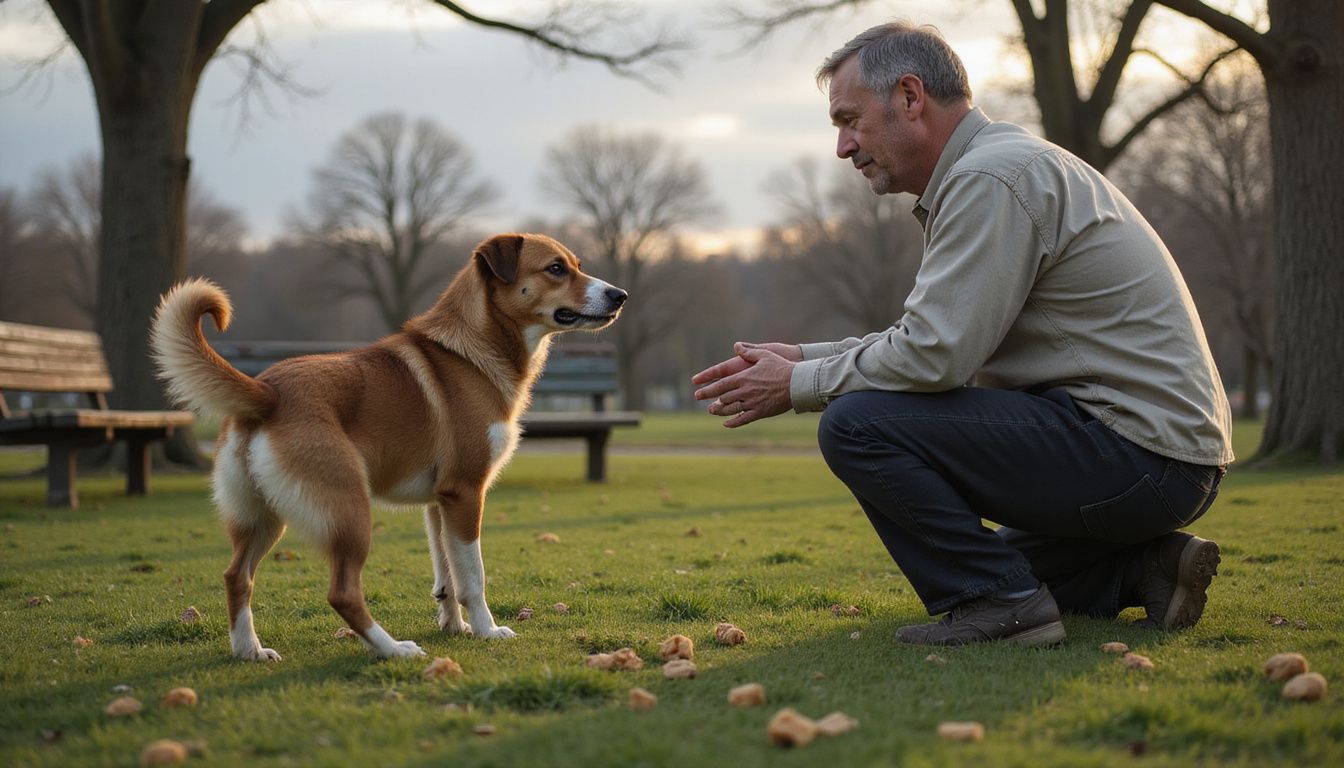
Your dog’s brain works a bit like a slot machine. Every time your pup comes when called, it expects a reward. If you give treats sometimes but skip them other times, your dog stops trusting the game.
This confusion damages the recall cue itself. Dogs that get rewards in formal sessions but nothing in real-world outings will respond less reliably over time.
Real-world results back this up. Twelve novice owners tracked their dogs’ park recall reliability, which averaged just 35 percent when rewards were given inconsistently during everyday outings. After switching to rewarding every successful recall with a high-value treat or 30 seconds of play for four weeks, average reliability jumped to 88 percent in the same parks.
Those owners trained just 10 minutes a day. The jump came from one simple change: every successful return earned something good, guaranteed.
The Australian National Kennel Club and trainer Kate Mornement both point out that dogs come when called because they expect something good to happen. Take away that guarantee, and reliable recall disappears fast.
Puppies and adolescent dogs feel this most, since their developing brains need predictable outcomes to build strong associations with your voice or whistle. You can vary your rewards to keep things fresh, but never drop them altogether.
Think of it this way: if your boss stopped paying you randomly, would you still show up with the same enthusiasm? Your dog feels the exact same way.
How does using recall to end fun affect your dog?
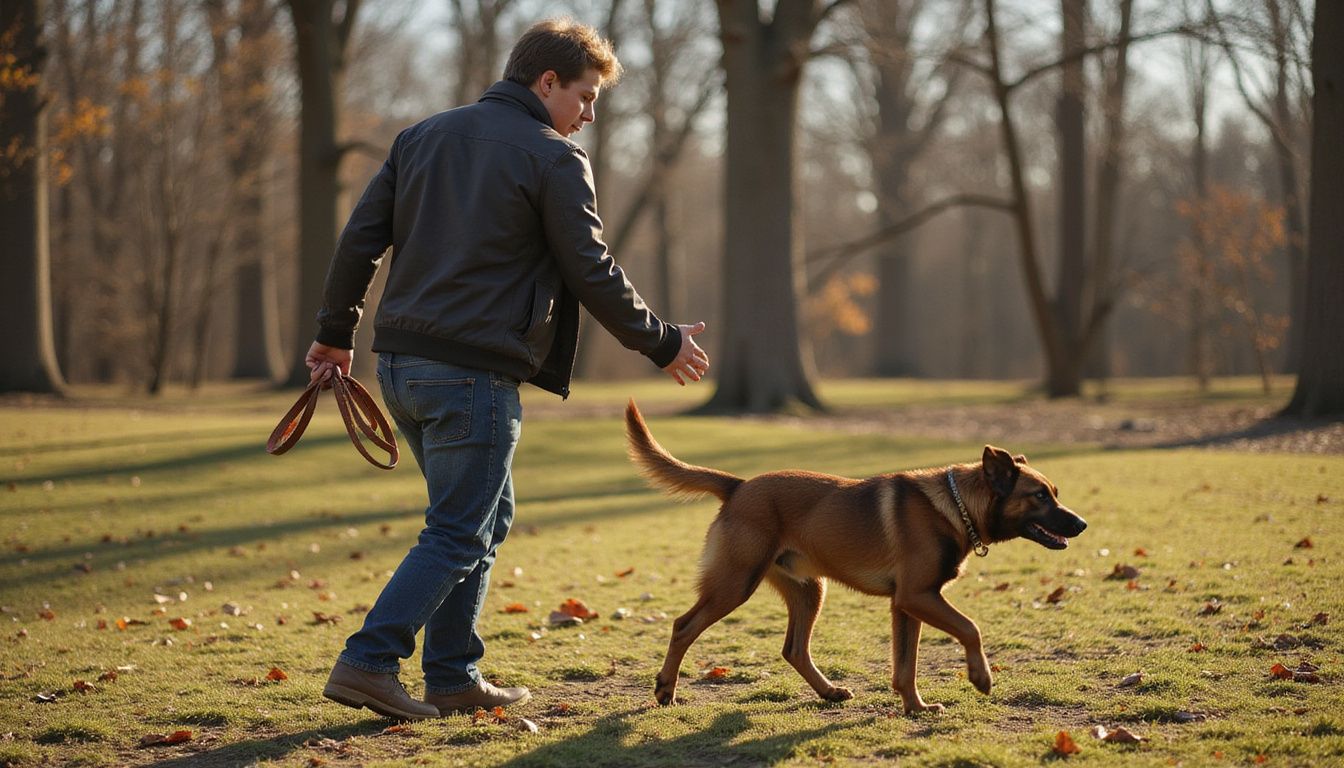
Your dog’s brain quickly links your recall command to the end of playtime, and that link sticks fast. If your pup comes running, then gets clipped to a leash and hauled inside, it learns a hard lesson: responding to recall means the party stops.
Dogs that go through this pattern start avoiding you instead of rushing toward you. They might hide, run the other way, or ignore your calls completely.
- The training organization Shaped by Dog calls this a “poisoned cue,” meaning the command loses its power.
- Your dog’s brain starts treating the recall command as a warning, not an invitation.
- The fix is simple: call your dog, reward it, then let it go right back to playing or sniffing.
Letting your dog return to its activity after recall turns the command itself into a reward. Your goal is to make sure recall never signals the end of freedom, so your dog stays eager to respond every single time.
What happens if you punish successful recall?
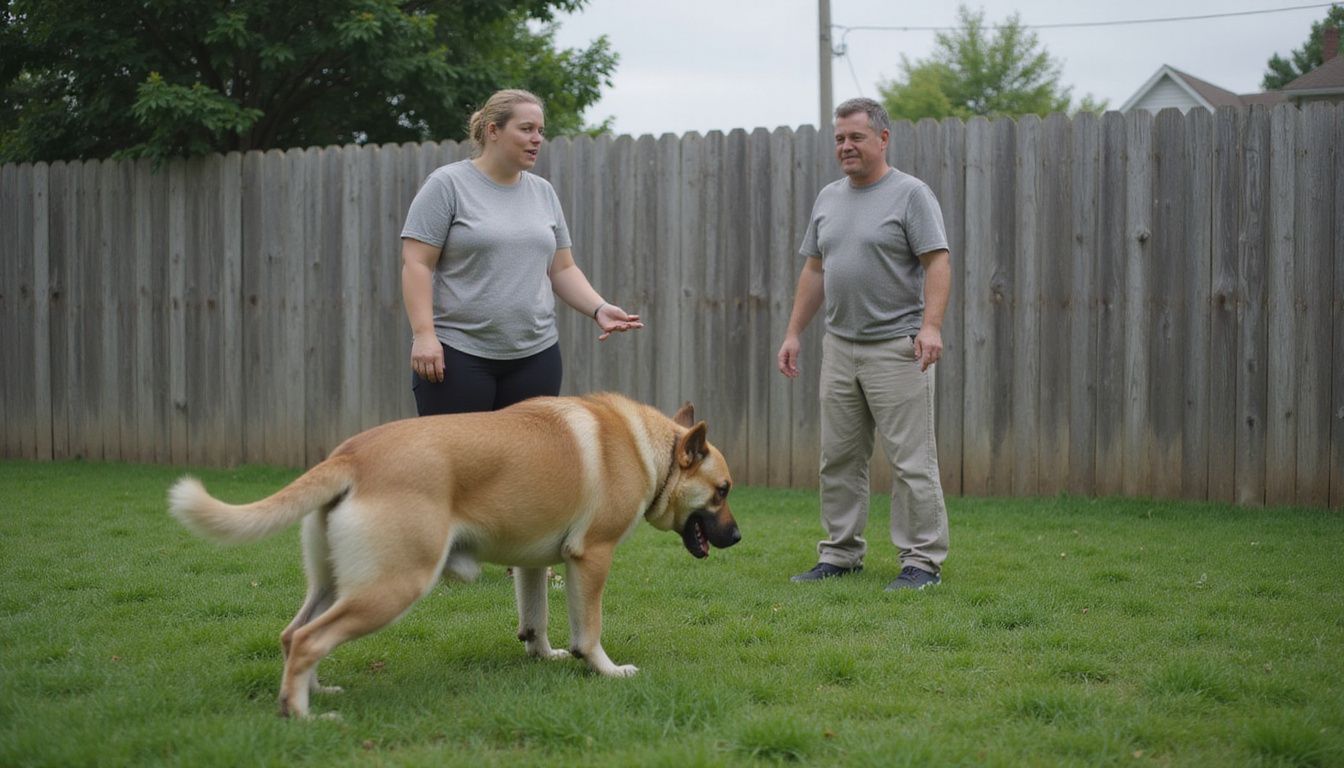
Punishing your dog after it finally comes back, even if it took forever, creates a negative association with the recall cue. Your dog thinks, “I came back, and now something bad happens.” That backward logic wrecks the whole point of recall training.
According to a position statement from the American Veterinary Society of Animal Behavior, punishment and other aversive methods should never be used, because they are proven to increase fear, anxiety, and aggression. That kind of fallout destroys the trust a reliable recall depends on.
Dogs may become reluctant to return at all if they expect punishment. Dr. Emily Mugford points out that negative consequences following recall undermine the trust between you and your dog, and rescue dogs or dogs with rough histories often feel this even more.
- Always reward a successful recall, no matter how long it took.
- Focus on the fact that your dog came back, not on how slowly it got there.
- Dogs with a history of punishment may need confidence rebuilding and even a fresh recall cue.
Skip the correction, skip the frustration, and skip the punishment. Your dog learns that coming to you is the best decision it could ever make.
Conclusion
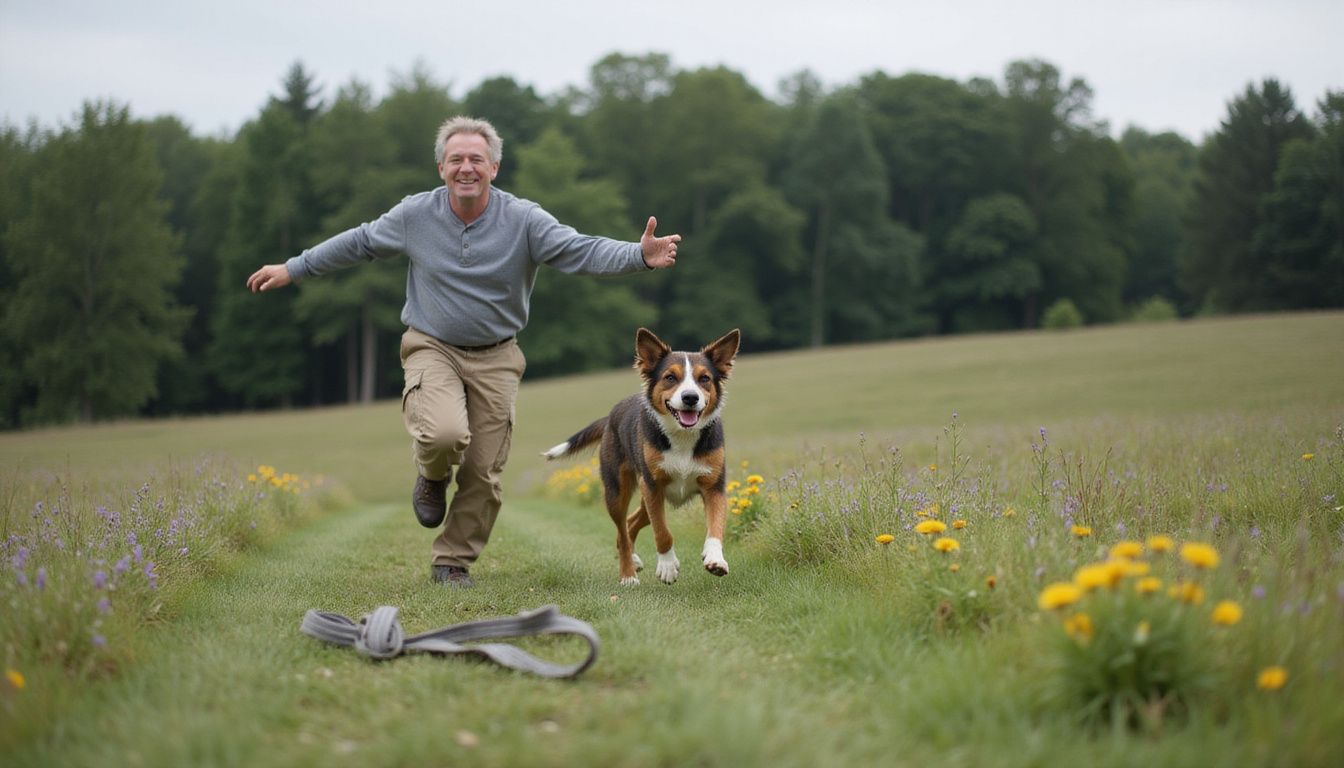
You now have the tools, methods, and games to turn recall from wishful thinking into a rock-solid skill. Long training lines keep things safe, high-value treats like cooked chicken or cheese keep your dog motivated, and a whistle cuts through noise when your voice can’t.
Building real, reliable recall takes six to eight weeks of daily practice. Start in quiet spaces, then add distractions step by step. Patience beats rushing, every time.
Skip the mistakes that trip up most owners. Don’t use recall to end the fun. Stay consistent with rewards, and never punish your dog after it finally comes back, no matter how long it took.
Put in the work, and you’ll get a dog that comes running no matter what’s happening around it. That’s the kind of freedom every dog, and every owner, deserves.
FAQs
1. What is recall training for dogs?
Recall training teaches your dog to come back to you every time you call, no matter what distractions are around. Programs like Recallers, created by trainer Melissa Alexander, specialize in building this essential skill for all dog breeds, from tiny terriers to large hounds.
2. Do certain dog breeds struggle more with recall?
Yes, hounds and terriers can be trickier because they’re bred to follow scents and chase small animals. Training organizations like Dogs Australia and Dogs Queensland report that with consistent practice, nearly any breed can master reliable recall.
3. Where can I find good recall training resources?
Dog World Magazine publishes helpful articles from experienced trainers, and The Company of Animals offers practical tools like the Clix whistle for recall training. Your local pet center or breeders can also recommend classes in your area.
4. How long does it take to train reliable recall?
It really depends on your individual dog. Some pups like Jack or Quincy pick it up in just a few weeks, while others need several months of consistent daily practice before they come running every single time.
5. Can professional trainers help with recall issues?
Absolutely, trainers like Fiona Whelan who work with programs such as Dogsthat and Whizzclick can pinpoint exactly why your dog isn’t responding and create a custom plan that works.