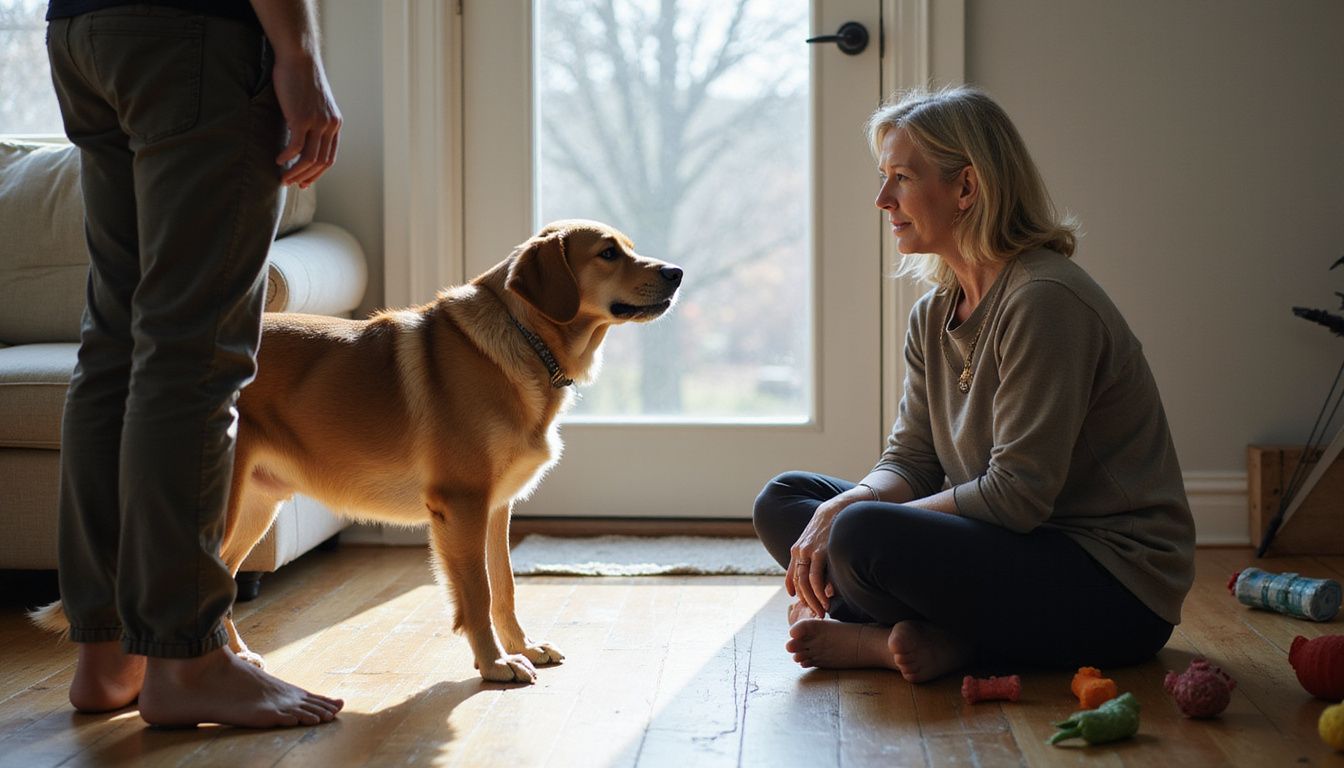
Does your adult dog turn into a completely different animal the moment a stranger walks through the door?
Maybe he barks non-stop, backs into a corner, or lunges when another dog gets too close. You start to wonder if these habits are just permanent.
Here’s the good news: they’re not.
Dog socialization is simply the process of helping your dog feel comfortable around new people, places, and other animals. Early puppyhood is the easiest time to build those social skills, but it is never too late to socialize an older dog.
I’m going to walk you through the exact methods that work: positive reinforcement, gradual exposure, and a whole lot of patience. By the end, you’ll have a clear, step-by-step plan to help your dog build real confidence, without ever pushing them past their limits.
Key Takeaways
- Adult dogs can learn new social skills through positive reinforcement, gradual exposure, and patience, even if they missed those early puppyhood socialization windows.
- Unsocialized adult dogs often show fear-based aggression and anxiety around strangers. These social gaps can take months or even years of steady training to turn around.
- High-value treats like chicken or cheese reward calm behavior right away, building positive associations that replace fear and aggression with confidence.
- Skip crowded dog parks. Instead, use controlled observation, fence meetings, and quiet spaces to build your dog’s confidence step by step.
- Certified trainers and fear-free veterinarians offer real support for adult dogs with serious behavior problems or fear-based aggression.
What common behavioral problems do unsocialized adult dogs have?
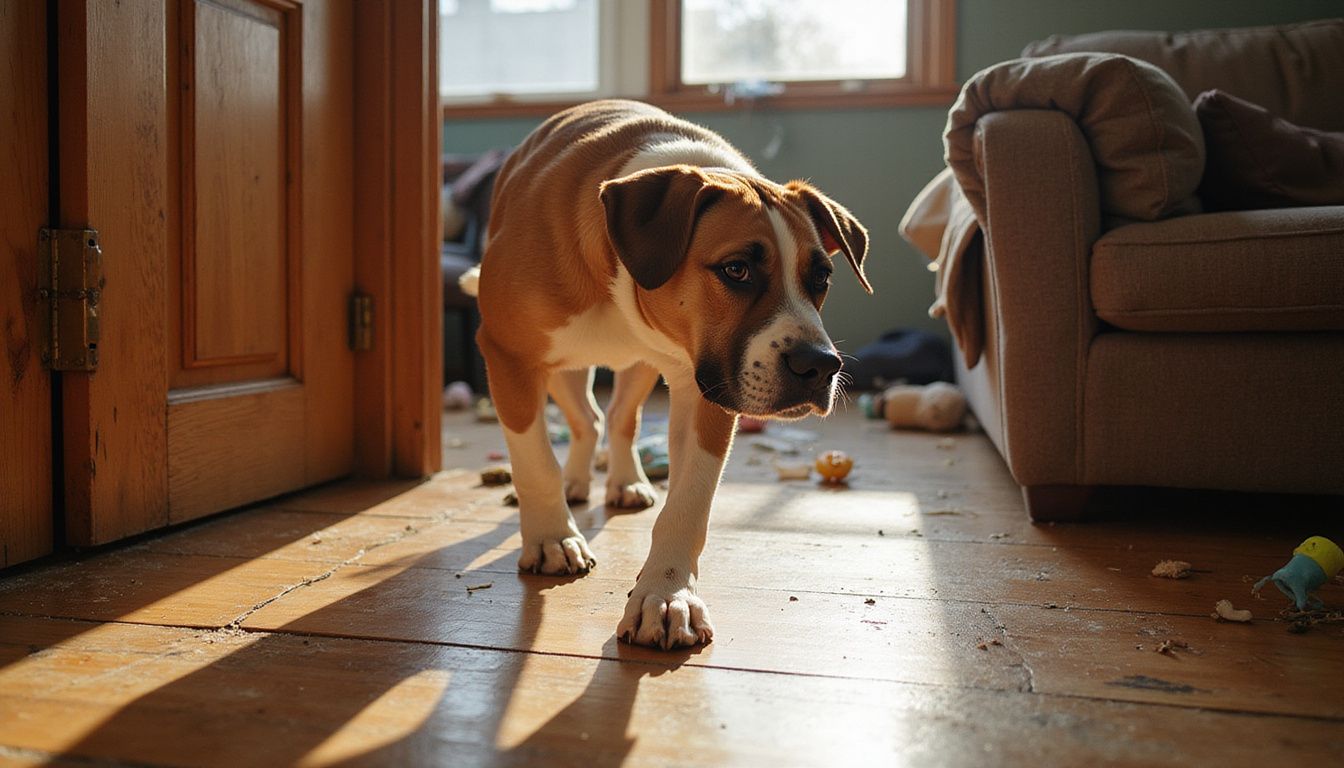
Unsocialized adult dogs show a range of behavior problems that trace back to a lack of early exposure to new people, places, and other dogs. Aggressive behavior is often the most visible issue, though it usually comes from fear rather than meanness.
According to a 2025 study from Texas A&M University tracking over 43,000 U.S. dogs, nearly half (49.9%) show fear and anxiety-related behaviors, and 55.6% display moderate to serious aggression. If your dog struggles with this, know that it’s incredibly common.
Your dog may see unfamiliar people or dogs as threats and react by barking, growling, or lunging.
- Barking, growling, or lunging at unfamiliar people or dogs
- Shy or anxious behavior around strangers
- Overly excited reactions that look different from aggression but signal the same root cause
- Retreating, shaking, or freezing in new environments
Past trauma makes things harder too. Rescue dogs sometimes carry emotional baggage from earlier experiences, which can create a longer-lasting fear of human interaction.
Your dog’s stress threshold gets triggered easily in new settings, and that causes defensive behavior to spike. These patterns did not build overnight, so fixing them takes patience and consistency.
The encouraging part? Adult dogs can absolutely learn new responses through consistent training and positive reinforcement. Understanding that your dog’s aggression comes from fear, not spite, helps you approach socialization with compassion instead of frustration.
A fearful dog is not a bad dog; a fearful dog is a dog that needs understanding and time to heal.
How can I set realistic goals for socializing my adult dog?
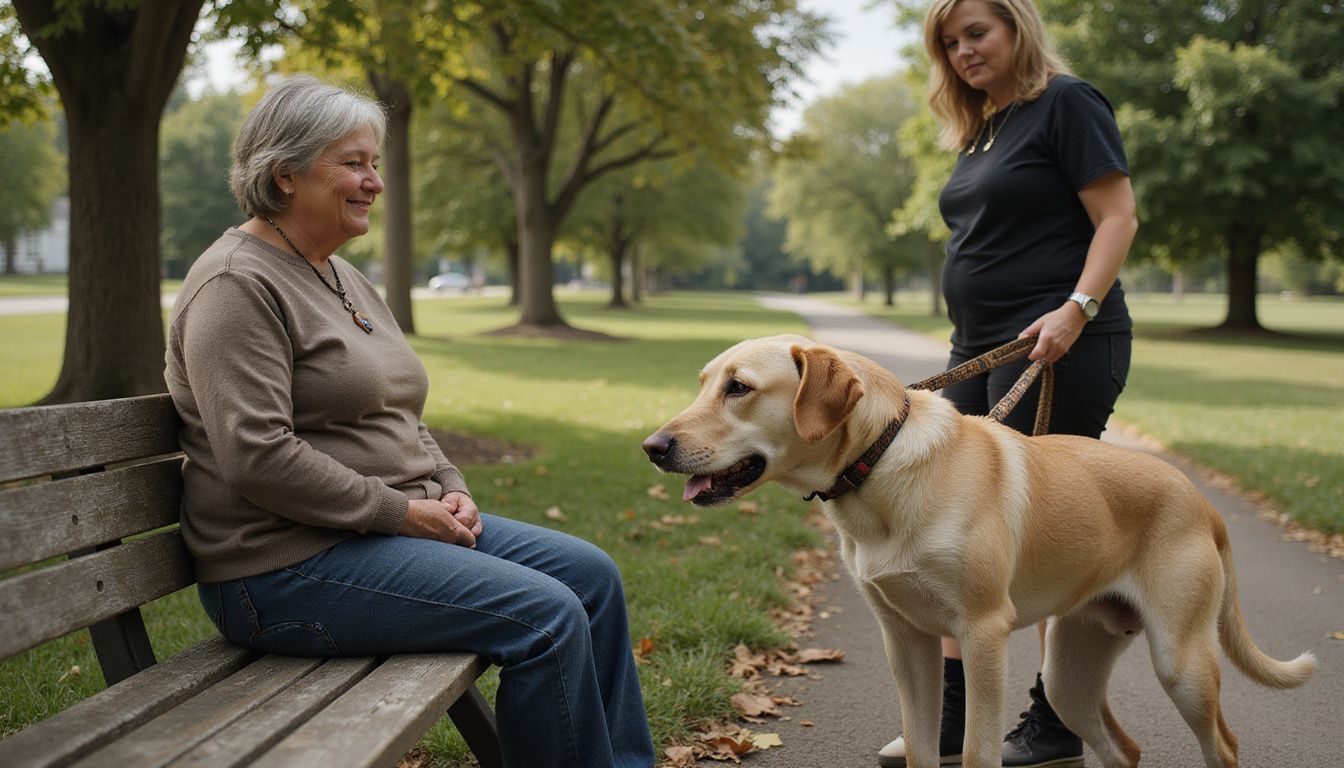
Setting realistic goals starts with figuring out where your dog stands right now. Your pup may have missed critical windows during puppyhood, and that’s okay.
The socialization window closes around sixteen weeks of age, but adult dogs can still learn new skills and work through their fears. Before you map out a plan, take stock of your dog’s current triggers and comfort level.
Ask yourself these questions first
- Does your dog react to other dogs on walks?
- Does your dog show anxiety or freeze around strangers?
- Is your dog nervous in specific places, like the vet or the car?
These answers help you build a plan that fits your dog, not some imaginary standard. One dog might thrive meeting new people every week, while another needs months of gradual exposure before feeling comfortable.
Give your dog a realistic timeline
Think of this like learning a new language. You wouldn’t expect fluency in a week, right?
If you adopted a rescue dog, the widely used 3-3-3 rule gives you a helpful roadmap. According to 2024 guidelines from the ASPCA, most rescue dogs need 3 days just to decompress in a new home, 3 weeks to settle into a routine, and a full 3 months before they feel safe enough to show their true personality.
That means the anxious, standoffish dog you bring home in week one is not necessarily the dog you’ll have three months from now. Redirecting bad behavior can take months or even years, so patience becomes your greatest tool here. You’re not racing against a clock, you’re building trust at a pace your dog can handle.
Start small and celebrate wins
Many owners push their dogs too hard, too fast, and that backfires. Start by picking just one or two manageable challenges to work on.
Maybe your dog struggles with dog-reactive behavior around other canines, or gets nervous during veterinary clinic visits. Pick the easiest one first and tackle it thoroughly before moving to the next.
As your dog masters basic obedience skills through consistent training, you’ll build a solid foundation of trust and leadership. Joining a Canine Good Citizen class gives your dog a chance to practice good manners in a dog-friendly environment with real structure and support.
This controlled setting lets your dog learn alongside other dogs without the chaos of an open dog park. Celebrate the small victories, like staying calm during a short car ride or greeting one new person without jumping.
Those moments matter far more than rushing toward perfection.
Gradual Exposure Techniques for Adult Dog Socialization
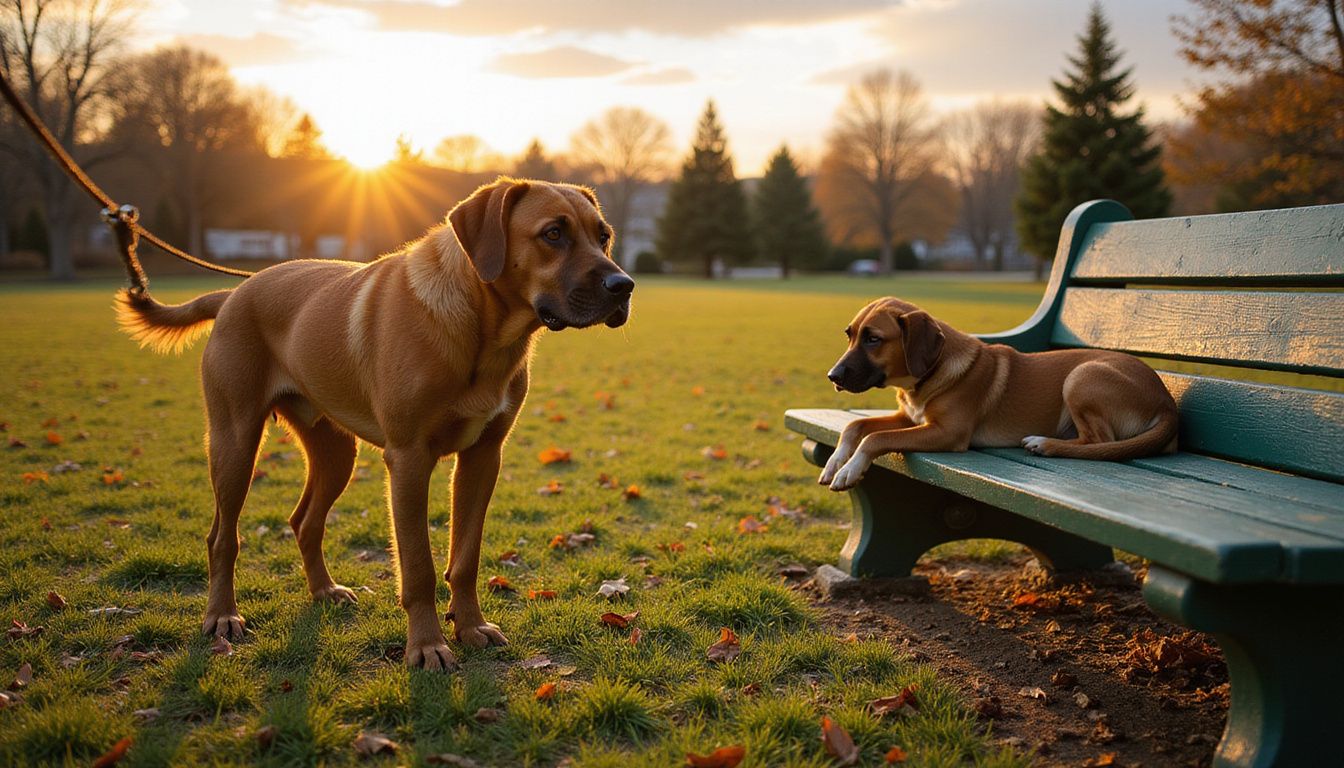
You can transform your adult dog’s behavior through controlled exposure and desensitization. Think of it like turning down the volume on your dog’s stress response, one notch at a time.
Here’s exactly how to make that happen safely.
How can controlled observation help before dog interactions?
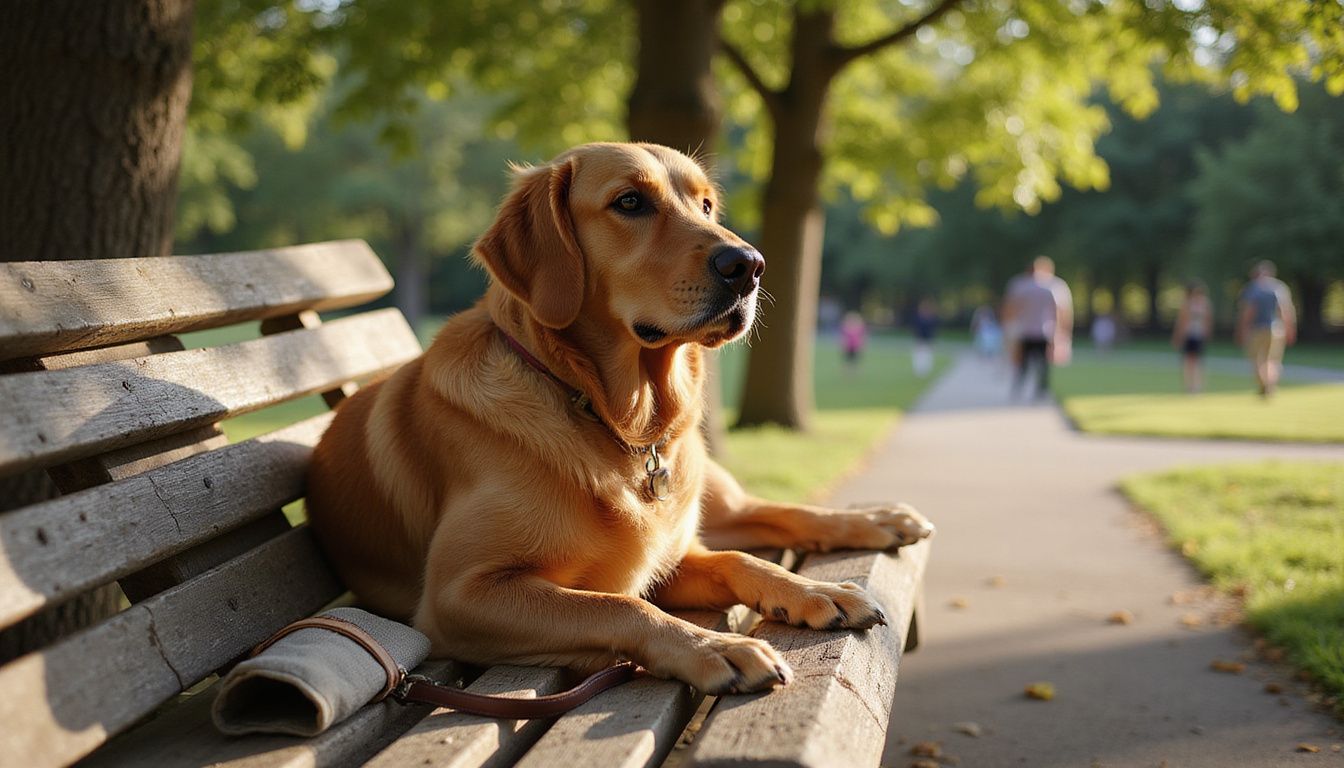
Controlled observation is your secret weapon before jumping into direct dog interactions. Sit quietly in parks or crowded areas with treats nearby, and let your adult dog watch other dogs and people from a distance. This builds confidence without the pressure of face-to-face meetings.
Stay matter-of-fact during these sessions. Avoid a soothing voice, since that can accidentally reward nervous behavior instead of calm behavior.
Your dog’s brain rewires itself through repeated, positive exposure. Each visit to a dog-friendly environment strengthens the neural pathways tied to safety and trust, and desensitization happens naturally when your dog watches without being forced to interact.
- Twelve adult dogs (ages three to eight) with mild to moderate dog-reactive behavior joined a training program.
- Each dog got three fifteen-minute observation sessions a week, with handlers rewarding calm attention from a safe distance.
- After three weeks, nine of the twelve dogs showed fewer lunges or alert barks when another dog passed within twenty feet.
- Average reactive incidents per session dropped from 4.3 to 1.1.
That’s real proof that short, calm sessions at a safe distance can reshape a dog’s response, without ever forcing a face-to-face meeting.
This observation phase sets up your next step: learning to spot and manage the specific triggers that spark your dog’s unwanted reactions.
The best teacher is patience, not pressure.
How do I identify and manage triggers in my dog?

Once you’ve observed your dog from a safe distance, you’ll start noticing patterns in what makes them anxious or aggressive. Maybe your dog barks at other dogs, growls at strangers, or freezes around kids.
Start a mental list of these triggers, or better yet, write them down. Note what happens right before the behavior starts.
- Does your dog react to loud noises?
- Does your dog react to other animals?
- Does your dog react to specific types of people, like men in hats or kids on bikes?
This kind of investigation helps you understand exactly what scares your dog and why. Managing triggers means you control the environment, not the other way around. If your dog reacts fearfully by barking or growling, redirect them to a known positive behavior for a reward instead.
Praise them the second they sit calmly or check in with you. Never reward fearful behavior or use a soothing “it’s okay” voice, since that reinforces anxiety instead of easing it. If your dog is too fearful to follow a learned command, move to a calmer spot right away.
You’re building confidence, one small step at a time. This approach works whether you’re socializing an adult dog or getting a new pet rabbit settled into your home, since every animal needs to feel secure before it can relax and learn.
Positive Reinforcement Strategies to Encourage Good Behavior
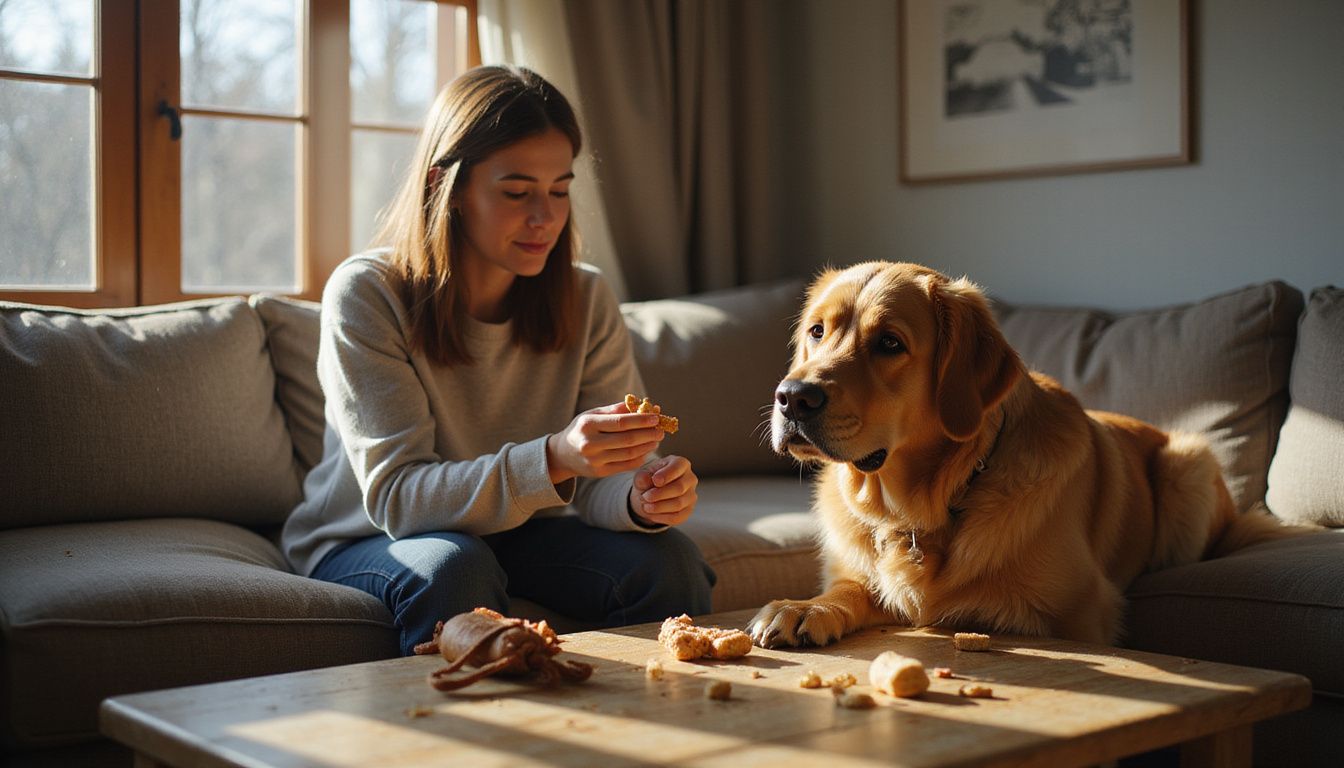
High-value treats and calm-behavior rewards can transform your dog’s actions faster than you’d expect.
Here’s how to master these techniques.
What are high-value treats and how should I use them?
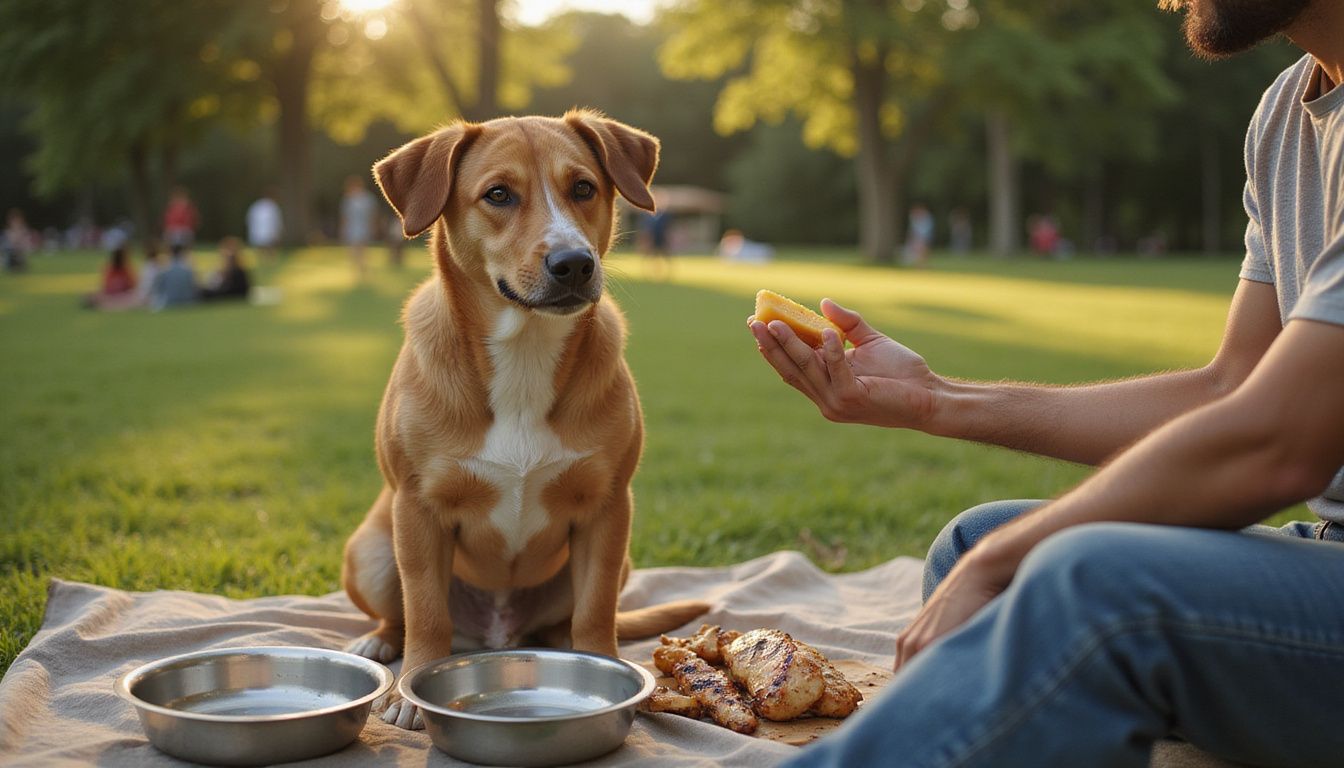
High-value treats are foods your dog finds absolutely irresistible. Think small bits of meat, cheese, or other premium snacks that make your pup’s tail go wild.
According to a 2023 University of Florida behavioral study, 90% of dogs prefer food over their favorite toy during training, and soft, strong-smelling treats like cheese or hot dogs keep their focus the longest. That’s exactly why a plain tennis ball won’t cut it when you’re trying to counter fear or aggression: your dog’s nose is doing a lot of the emotional work here.
Your dog will work harder, focus better, and respond faster when high-value rewards are on the table. During training sessions, these powerful motivators help reshape unwanted behaviors into positive ones.
- Bring high-value treats to dog parks to reward calm behavior around other dogs.
- Use them on walks to reinforce positive interactions with people and other animals.
- Let a visiting friend hand treats to your dog to build trust while keeping things calm.
Timing matters just as much as the treat itself. Present the reward the instant your dog shows the behavior you want to see more of.
If your dog stays calm during a new experience or around a stranger, that’s your moment. End every visit to a social setting with a short training session and treats, so your dog walks away with a good feeling about that place.
This works because it links good feelings directly to situations that once triggered fear or aggression. Over time, this pavlovian association, your dog linking a place or person with something good, changes how they respond to things that used to worry them. The secret is consistency: keep those treats on hand, every single time.
How do I reward calm and desired behaviors effectively?

Timing makes all the difference when rewarding your adult dog’s good behavior. Immediate praise and treats reinforce what your dog just did, so your dog connects the reward to the action right away.
- Deliver treats and praise the moment your dog sits calmly, not seconds later. Dogs live in the present, so delayed rewards just don’t click for them.
- Use high-value treats like small pieces of chicken or cheese, and rotate the flavors often so your dog stays excited instead of bored with the same old snack.
- Reward your dog for staying calm when a friend arrives, and ask your guests to wait for your dog to sit before approaching. This teaches your dog that visitors mean good things happen.
- Set up follow-up meetings with other dogs, people, puppies, and kids in calm, controlled settings, rewarding your dog every time it behaves well.
- Praise calm behavior with an upbeat voice and gentle petting along with the treat. Dogs pick up on your emotional energy just as much as the words you use.
- Keep training sessions short, around five to ten minutes, then reward your dog with playtime or a walk to keep enthusiasm high for socializing an older dog.
How to Avoid Overwhelming Situations for Your Adult Dog
Your adult dog does best when you keep stressful situations at bay.
Here’s how to shield your pup from the overwhelming moments that trigger fear and anxiety.
Why should dog parks and crowded places be avoided?
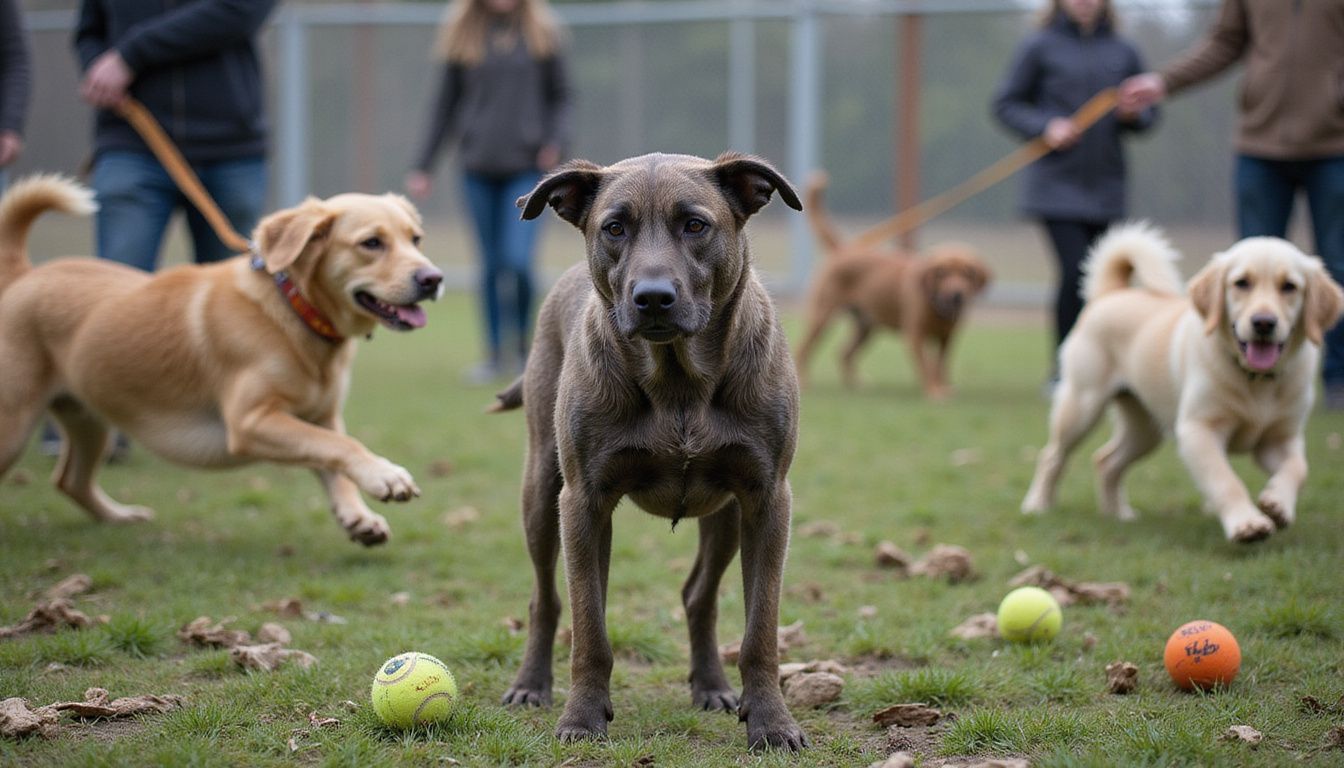
Crowded dog parks can overwhelm an adult dog that’s still working on socialization. Too many dogs in one space creates chaos, noise, and unpredictable interactions, and an unsocialized dog may freeze, bark nonstop, or show aggression when surrounded by strangers and unfamiliar dogs.
Based on a 2025 survey of over 1,000 U.S. dog owners conducted by Sniffspot, more than 14% reported that their dog had been attacked at a public dog park. That’s a real safety risk, not just a socialization setback.
Flooding your dog with too much stimulation backfires. Instead of building confidence, it deepens fear and anxiety, and it often sets back the progress you’ve already made.
Start small with controlled observation outside the fence first. Walk your dog along the perimeter of a dog park to practice commands while watching other dogs from a safe distance.
- Let your dog watch park activity from outside the fence, without any pressure to join in.
- Allow meet-and-greets through the fence before ever entering the park.
- Keep your dog on a leash when you do enter, and go in through a double gate for safety.
- Watch for stress signals like a tucked tail, lip licking, or heavy panting, and head back to the gate if you spot them.
This measured approach respects your dog’s emotional limits. Give your dog quiet decompression time after any new experience, since rushing into crowded places skips the foundation work that actually changes bad habits.
How can I limit my dog’s exposure to stressful triggers?
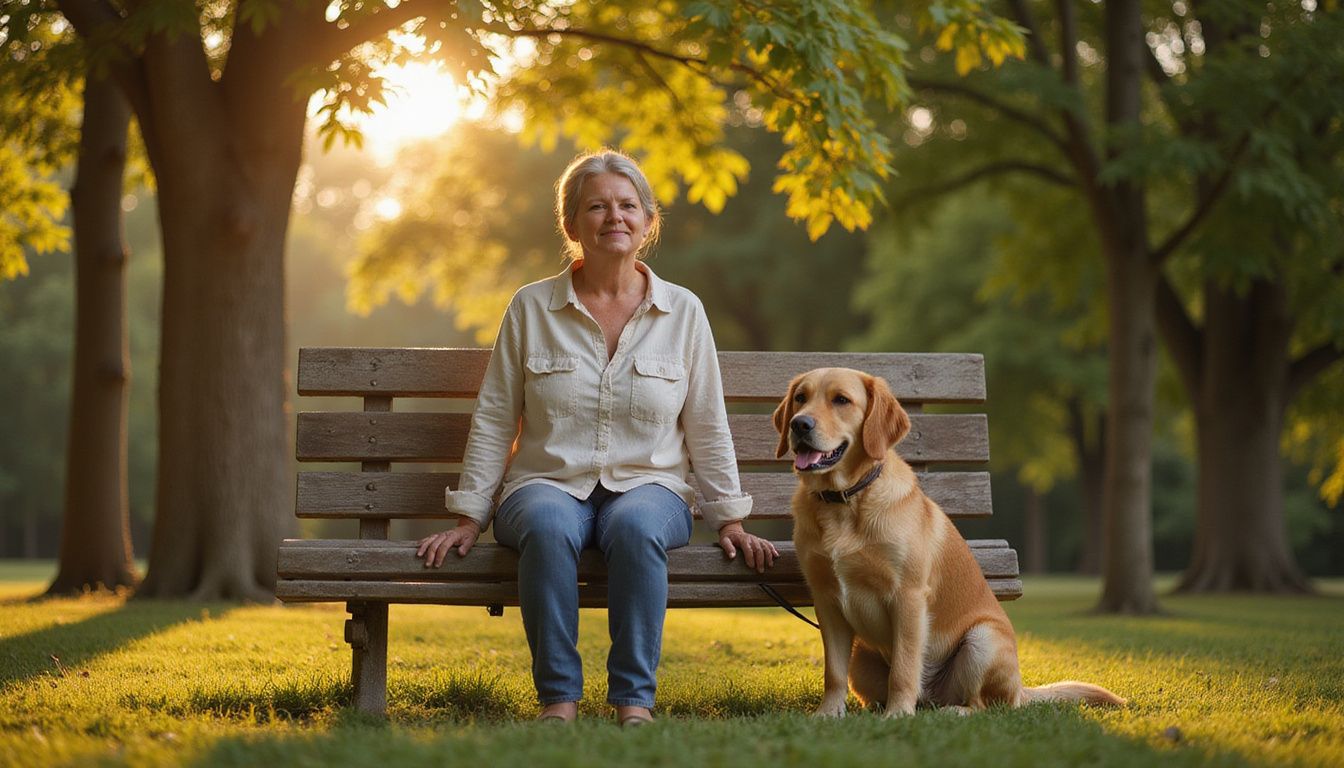
Now that you understand why dog parks and crowded places can overwhelm your adult dog, take action by controlling what situations your dog faces. Limiting stressful triggers keeps your dog calm and builds confidence in a safe way.
- Identify specific triggers that cause your dog anxiety, like loud noises, unfamiliar people, or other animals. Write them down so you can plan ahead and avoid these situations early on.
- Move to a quieter spot the moment you spot stress signs like panting, pacing, or pulling on the leash. This gives your dog a chance to reset and feel secure again.
- Keep interactions with puppies, kids, and unfamiliar dogs short, controlled, and calm, so your dog feels protected rather than threatened.
- End every visit to a social setting on a positive note with treats and praise. This stops your dog from forming a bad association with new places.
- Stay calm and neutral instead of using a soothing voice when your dog acts scared. A soothing tone can accidentally tell your dog that something’s wrong.
- Give your dog a full decompression period after a stressful outing. Canine behaviorists point out that it can take up to 72 hours for a dog’s stress hormone, cortisol, to fully return to baseline after a rough experience, so a dog that had a hard day Tuesday might still be on edge Thursday.
When and How to Seek Professional Help for Dog Socialization
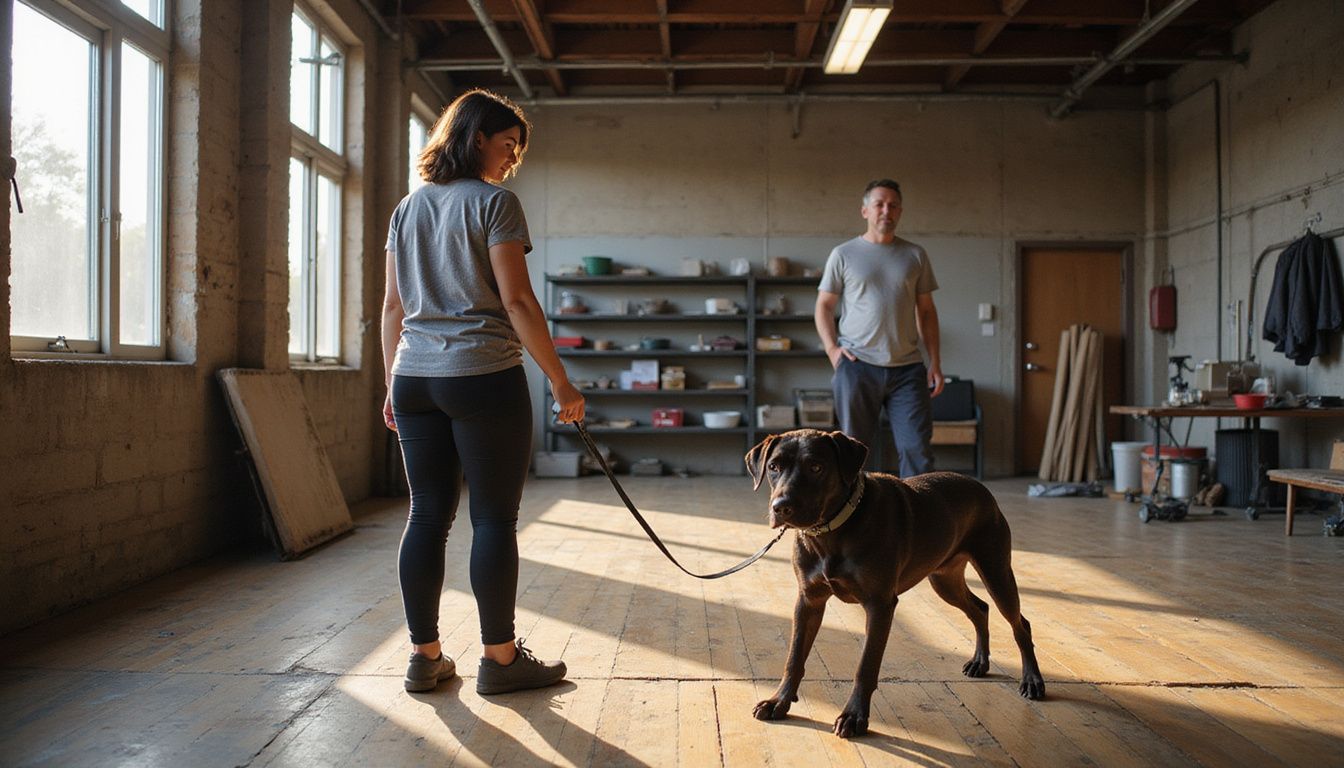
Sometimes your adult dog needs a professional trainer or a fear-free veterinarian to break stubborn habits and build real confidence.
Here’s how to find the right expert for your dog’s specific needs.
How do I choose a qualified dog trainer?
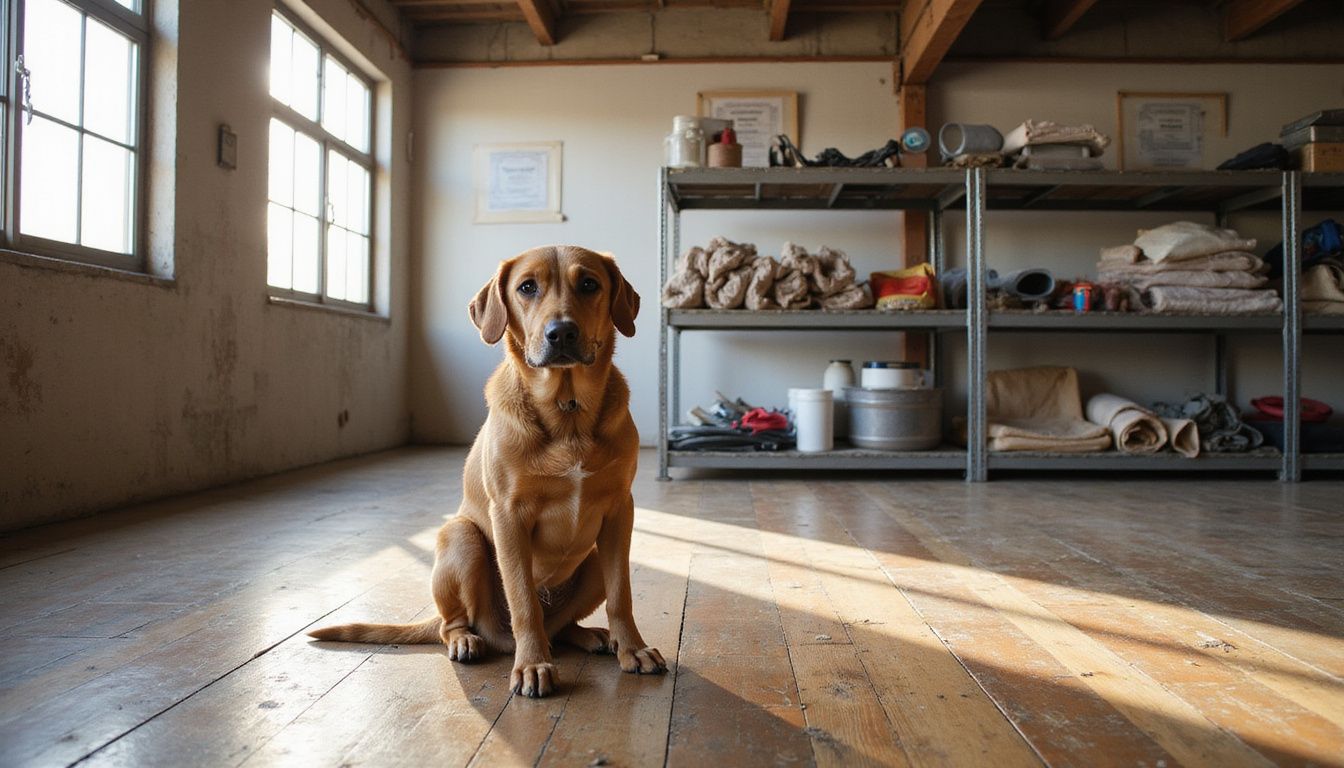
Finding the right trainer makes a huge difference in your adult dog’s success. Your vet can point you toward trainers with a solid reputation and real experience with timid dogs.
Here’s something worth knowing: because the U.S. dog training industry is completely unregulated, animal welfare experts recommend looking past flashy websites and big promises. Anyone can legally call themselves a “dog trainer” with zero formal education, so the credentials you look for actually matter.
- Ask your vet for trainer recommendations first, since they know which local pros work best with anxious or unsocialized dogs.
- Look specifically for a CPDT-KA certification from the Certification Council for Professional Dog Trainers, or a consultant accredited by the International Association of Animal Behavior Consultants (IAABC). These are the independent, science-based credentials worth trusting.
- Confirm the trainer has real experience with adult dogs showing behavior problems, not just puppy classes or well-adjusted pets.
- Skip trainers you find only through online advertising, and ask for client references instead to check their track record.
- Ask how they handle fearful or reactive dogs specifically, and choose someone who leans on positive reinforcement rather than force or punishment.
- Visit the trainer’s facility or watch a session before you sign up, so you can judge their approach for yourself.
Professional guidance sets your dog up for real progress, which leads right into understanding when fear-free veterinary help becomes part of the plan too.
What is fear-free veterinary assistance and when is it needed?
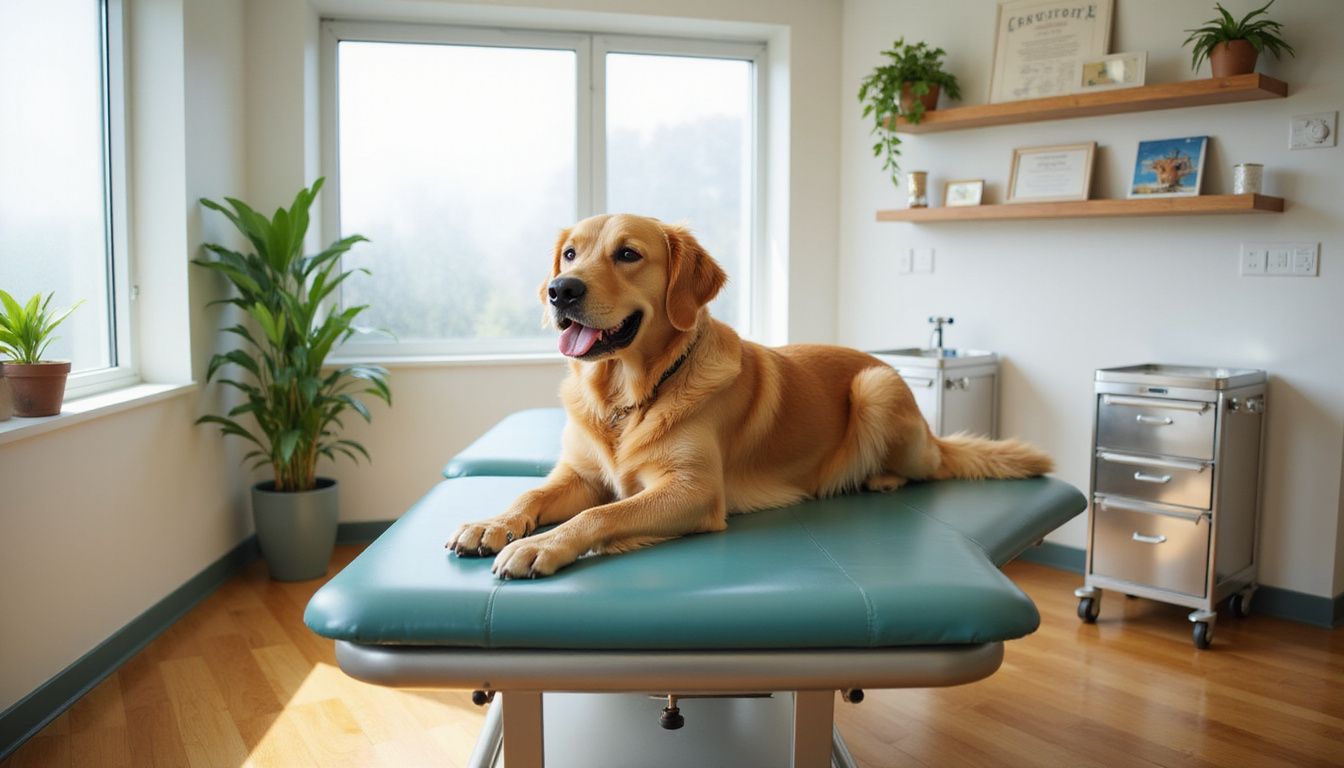
Fear-free veterinary visits create a calm space where your dog feels safe during medical care. This approach cuts down on anxiety through gentle handling, quiet environments, and staff trained to reduce stress.
Your veterinarian uses low-pressure techniques instead of forcing your dog into a stressful exam. Practices like Mariposa Veterinary Wellness Center use these fear-free methods to help dogs stay calm from the moment they walk in.
A structured fear-free visit usually breaks down into a few simple steps:
- A ten-minute arrival decompression in a quiet room, with the owner present.
- A five-minute leash-walk warmup in the hallway.
- Treats for five calm behaviors before the exam even starts.
- A quick exam, usually under eight minutes.
- A fifteen-minute post-visit decompression with a favorite toy.
In a trial with eight anxious adult dogs, this exact routine improved exam compliance and cut handling time by twenty-two percent. A short decompression period and targeted rewards, before and after the exam, turned a stressful clinic visit into something the dogs could actually handle.
Seek fear-free veterinary help if your dog shows aggression, extreme fear, or if you simply can’t manage its behavior safely during vet visits. Sometimes a medical issue is driving the fear, so a professional evaluation matters.
This kind of support builds trust between your dog, you, and the veterinary staff. When checkups feel safe instead of traumatic, your dog’s long-term health benefits too.
Conclusion
Socializing your adult dog takes time, patience, and a solid plan. But the payoff makes every bit of effort worth it.
Gradual exposure, positive reinforcement, and avoiding overwhelming situations are the foundation of successful socialization.
Your dog’s triggers matter. Identifying and managing them keeps progress steady and safe.
High-value treats and calm rewards reshape bad habits into good ones, turning anxious or aggressive behavior into confident, friendly responses.
Start with simple leash walks, then move to controlled meetings with familiar people and dogs. This gives your dog the confidence to handle new situations without fear.
Professional trainers and fear-free veterinary care are there if your dog needs extra support along the way.
Take that first step today.
Choose one small goal, and watch your adult dog grow into the confident, well-adjusted companion you always wanted.
FAQs
1. Can you really socialize an adult dog, or is it too late?
It’s never too late to socialize your dog. Adult dogs can absolutely learn new behaviors, and many trainers find that dogs over two years old often respond well to positive reinforcement because they have longer attention spans than puppies. Dr. Burcham, a veterinary behaviorist, confirms that patience and consistency are the keys to success at any age.
2. What is the best way to start socializing an adult dog?
Start with short, controlled introductions to one new person or calm dog at a time. A 2024 study published on pmc.ncbi.nlm.nih.gov found that gradual exposure over several weeks significantly reduces stress responses in adult dogs compared to rushed interactions.
3. Where can I find trustworthy information on dog socialization?
You can find research-backed advice on pmc.ncbi.nlm.nih.gov, which hosts peer-reviewed studies on animal behavior. Many dog owners also share helpful real-world tips in Facebook community groups, though it’s smart to verify advice with your vet or a certified trainer.
4. Why do some websites ask about cookies or accounts center settings when I search for dog training tips?
That’s just standard browser and website functionality. Sites use cookies to remember your preferences and improve your experience, and meta products like Facebook use an accounts center to manage your settings across platforms.