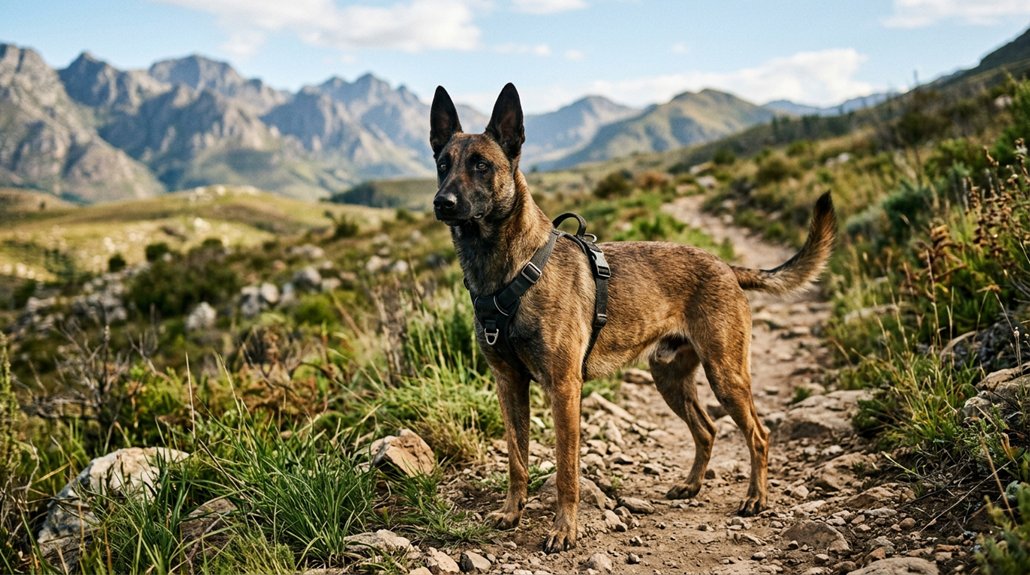
If you’re a working owner seeking an independent dog breed, consider Greyhounds or Basenjis. These breeds thrive on solitude and require minimal supervision, making them ideal for busy lifestyles. Greyhounds adapt well to active environments and need minimal grooming, while Basenjis, with their low-maintenance nature, are content with moderate exercise. Selecting a dog with these traits guarantees a low-stress companionship. Explore further to find the perfect breed that aligns with your lifestyle needs.
Key Takeaways
- Greyhounds thrive in solitude and require minimal grooming, making them ideal for working owners with limited time.
- Basenjis are low maintenance, enjoy being alone, and need moderate exercise, suitable for busy professionals.
- Chow Chows have minimal companionship needs and calm demeanors, fitting hectic lifestyles well.
- Shar Peis are self-sufficient and adapt to busy environments, making them perfect for working owners.
- Boston Terriers are playful yet independent, easily entertained with moderate exercise requirements.
Top Breeds Best Suited for Solo Lifestyles
Have you ever wondered which dog breeds are best suited for owners with demanding schedules? Independent dog breeds excel due to their minimal maintenance needs and ability to be left alone for hours without stress. Consider breeds like the Greyhound, Basenji, Chow Chow, and Shar Pei. These dogs naturally thrive on solitude, making them apt companions for busy individuals. For a balance of playfulness and independence, the Boston Terrier and Bullmastiff are perfect candidates. They adapt easily, entertaining themselves in your absence. Training tips for such breeds include establishing clear routines and maintaining engagement through mentally stimulating toys. Compared to high-maintenance breeds, these dogs require only moderate exercise, providing an ideal solution for owners with limited daily availability.
What Makes a Dog Independent?
Understanding the characteristics that make a dog independent is paramount for owners with packed schedules who benefit from these breeds’ autonomy. Independent dogs, unlike their more dependent counterparts, are comfortable with solitude, showing little anxiety when left alone. They have a knack for managing companionship on their terms, opting to engage socially at their discretion. This self-reliance fosters training independence, minimizing destructive behavior due to boredom or loneliness.
To fully embrace their autonomy:
- Guarantee consistent, adequate socialization to fulfill their socialization needs.
- Allow them personal space balanced with scheduled interaction.
- Provide engaging activities fostering their mental and physical well-being.
Breeds like Chow Chows and Basenjis embody these traits, flourishing with minimal supervision while still requiring attentive care to thrive.
Essential Traits of Self-Sufficient Breeds
Although some may assume that all dogs require constant companionship, self-sufficient breeds defy this norm with their distinct traits. Key self sufficiency factors include a comfort with solitude, moderate energy levels, and adaptability to hectic environments. Independent traits are showcased by breeds like the Chow Chow and Basenji that endure alone with ease. You’ll find that breeds such as the Greyhound and Lhasa Apso thrive in busy settings, while intelligent types like the Boston Terrier can amuse themselves productively. These dogs possess a calm demeanor, ensuring low stress for you, despite your demanding schedule. Here’s a concise overview:
| Breed | Self Sufficiency Factors | Independent Traits |
|---|---|---|
| Chow Chow | Comfort with solitude | Appreciates solitude |
| Basenji | Low energy levels | Manages being alone |
| Greyhound | Thrives in busyness | Calm demeanor |
| Boston Terrier | Intelligent, trainable | Adaptable to lifestyles |
Find the Perfect Low-Maintenance Pup for You
Identifying a low-maintenance dog breed that’s compatible with your busy lifestyle is key to achieving an ideal pet-owner relationship. When considering adoption, focus on breeds like French Bulldogs and Basset Hounds, which thrive in active households due to minimal exercise needs. Labrador Retrievers and Greyhounds adapt well, content to relax during long work hours, fitting seamlessly into daily routines. Prioritize smaller breeds, such as Cavalier King Charles Spaniels or Pugs, for affectionate yet low-attention companionship.
Key adoption considerations:
- Exercise Requirements: Choose breeds like Basset Hounds for minimal activity needs.
- Independence: Opt for breeds such as Bullmastiffs that handle solitude well.
- Grooming Needs: Select breeds like Greyhounds to minimize grooming time.
This careful selection guarantees a balanced coexistence with your hectic schedule.
Busy Owner’s Guide to Independent Dogs
Many busy pet owners find relief in independent dog breeds that thrive in solitude, such as Greyhounds and Basenjis. These breeds can comfortably manage alone time, adapting well to your hectic lifestyle. Chow Chows and Shar Peis require minimal companionship, enabling you to handle a busy schedule. Socialization strategies are essential for these dogs to flourish, while consistent exercise routines guarantee their well-being.
| Breed | Key Features |
|---|---|
| Greyhound | Thrives in solitude, low grooming |
| Basenji | Independent, moderate exercise |
| Chow Chow | Minimal companionship needs |
Effective training reinforces independence, providing positive reinforcement to foster self-sufficient behavior. With moderate exercise and simple grooming, breeds like the French Bulldog suit time-constrained owners. These dogs naturally adapt to bustling homes, assuring balanced human-dog interaction.
Frequently Asked Questions
How Do Independent Dog Breeds Handle Separation Anxiety?
Independent dog breeds typically handle separation anxiety better due to their self-reliant nature. You’ll notice fewer separation anxiety signs like whining or destructive behavior. However, it’s essential to monitor independent dog behavior to guarantee ideal mental health.
Can Independent Dog Breeds Live in Apartments?
Independent dog breeds can thrive in apartments, like a fish in familiar waters. Their adaptability makes them suitable, but consider space, companionship, and mental stimulation to guarantee they’re comfortable in smaller environments. Balance and attention are key.
What Training Methods Suit Independent Dogs Best?
With independent dogs, use positive reinforcement to overcome training challenges. Reinforce desired behaviors with treats or praise, remaining patient. Consistency is key, as these breeds might resist commands initially. Avoid harsh methods that could hinder progress.
Are Independent Dog Breeds Suitable for Families With Children?
Oh, sure, because juggling family dynamics with a dog that makes decisions like a teenager’s peer group is child’s play. Independent breeds can be child-friendly, but do assess the dog’s specific temperament within your family context.
Do Independent Breeds Require Special Diets?
Independent breeds don’t inherently need special diets, but their dietary needs might vary. Guarantee you’re providing balanced nutrition. Sometimes, nutritional supplements are necessary, but consult your vet for guidance on your dog’s specific requirements.
Conclusion
As you navigate the bustling seas of work and life, an independent dog can be the steadfast anchor by your side. These self-sufficient companions, with their low-maintenance needs and resilient spirits, are the gems of the canine world, ready to thrive in the nooks and crannies of your demanding routine. By choosing the right breed, you’re setting sail toward a harmonious coexistence, balancing the scales of companionship and autonomy, ensuring your busy lifestyle remains unsinkable.