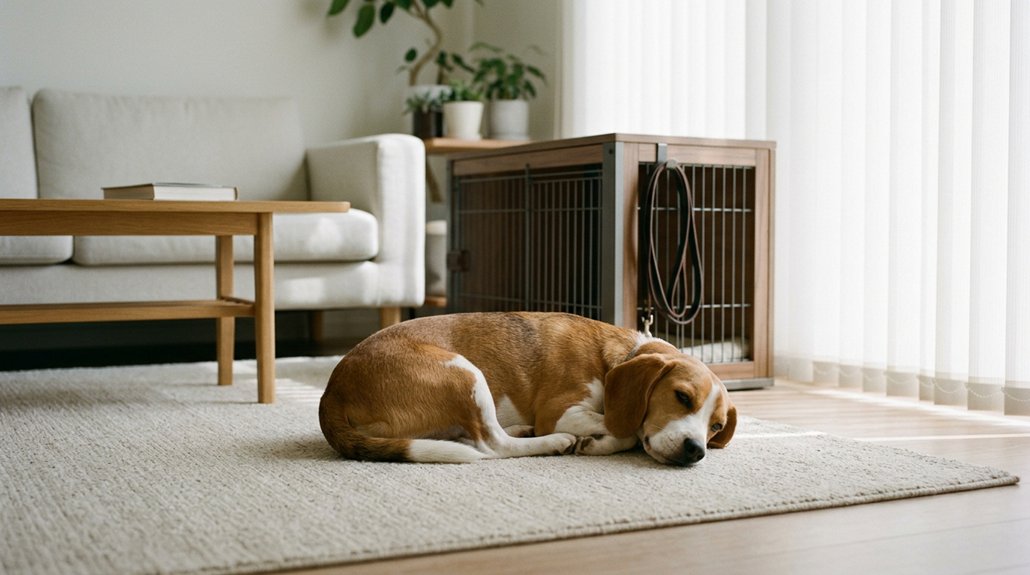
If you lead a busy lifestyle, consider French Bulldogs, Basset Hounds, or Greyhounds. These breeds offer low-maintenance care with their minimal grooming needs and moderate energy levels, making them ideal for individuals with limited time. They’re independent yet affectionate, ensuring companionship without overwhelming your schedule. Their adaptability and trainability align well with bustling households, easing integration. Discover insights on effective dog management strategies and key health indicators that safeguard your pet’s well-being.
Key Takeaways
- French Bulldogs are perfect for apartments with their affectionate nature, minimal grooming needs, and low exercise requirements.
- Basset Hounds are calm, have low activity needs, and adapt well to compact living spaces.
- Greyhounds require only short walks and enjoy lounging, suiting limited schedules and active lifestyles.
- Easy-care dog breeds like French Bulldogs and Greyhounds blend affection with independence, preventing destructive behavior during alone time.
- Short coats and moderate energy levels in these breeds reduce grooming and exercise demands for busy owners.
Understanding Low-Maintenance Dog Traits for Busy Lifestyles
When selecting a dog breed that aligns with a busy lifestyle, it’s critical to understand the traits that define low-maintenance dogs. Breeds with independent personalities are adept at managing alone time, mitigating common behavioral issues associated with prolonged solitude. This independence doesn’t compromise their capacity to be affectionate companions; they bond well with owners despite long hours apart, maintaining a warm temperament. Medical experts recognize the importance of moderate energy levels in these dogs, reducing the necessity for extensive exercise, thereby conserving valuable time for owners. Their low grooming needs—short coats and minimal shedding—offer a practical advantage, allowing you to focus more on interaction than maintenance. Coupled with easy trainability, these traits foster seamless integration into hectic daily routines.
Top Breeds Perfect for Busy Owners
Having identified traits characteristic of low-maintenance dogs, it’s time to examine specific breeds that exemplify these precise qualities. If your schedule’s demanding, you need a companion fitting seamlessly into your lifestyle. Here are top contenders:
- French Bulldog – Excel as the best family companions due to their affectionate demeanor. With minimal grooming needs and low exercise demands, they’re also ideal apartment dwellers.
- Basset Hound – These gentle canines have low activity requirements, suiting compact living environments perfectly. Their calm nature makes them perfect for busy households.
- Greyhound – Contrary to expectations, these former racers revel in lounging and require only short walks, making them ideal for those with limited time.
Each breed’s behavioral adaptability complements an active lifestyle without requiring constant attention or care.
Key Characteristics of Easy-Care Dogs
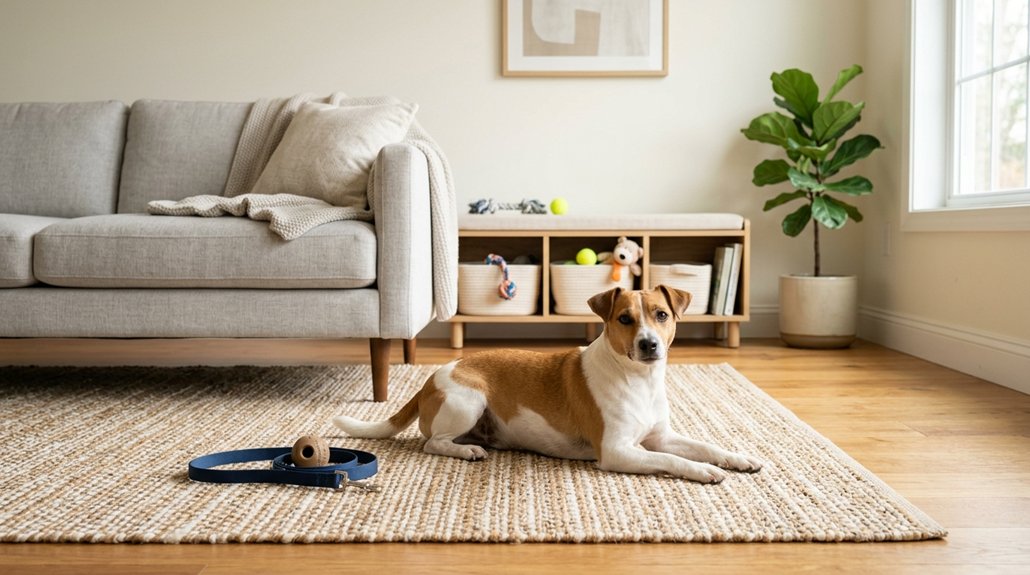
Several key characteristics define easy-care dogs, simplifying life for busy individuals. These dogs typically exhibit moderate energy levels that align with limited exercise regimens. Their short coats dramatically streamline grooming routines, reducing time and effort spent on maintenance. Breeds like French Bulldogs and Basset Hounds adapt seamlessly to your household dynamics, reflecting an adaptable temperament conducive to fluctuating schedules.
Moreover, the high trainability of these dogs allows them to quickly assimilate basic commands with minimal repetition, emphasizing effective training techniques. They display a profound balance of independence and affection, essential for tolerating alone times without initiating destructive behaviors. This self-sufficient yet loving disposition guarantees these canine companions integrate smoothly into bustling lifestyles without demanding excessive attention.
Practical Tips to Manage Your Dog Effectively
A structured approach greatly enhances effective dog management, promoting your canine’s well-being and behavior. Implementing consistent feeding routines and exercise schedules can mitigate anxiety and contribute to a healthy lifestyle. To successfully manage your dog’s daily needs, consider these evidence-based strategies:
A structured regimen significantly boosts canine well-being and behavior, reducing anxiety and fostering a healthy lifestyle.
- Feeding Routines: Establish fixed times for meals to aid in metabolic stability and expectancy, reducing food-related behavioral issues.
- Exercise Schedules: Prioritize a 30-minute daily walk, integrating interactive toys when outdoor activity is constrained, ensuring both physical exertion and mental stimulation are addressed.
- Crate Training: Facilitate a secure space through crate training, reassuring your dog during solitary intervals and mitigating destructive tendencies.
These pragmatic strategies will harmonize your responsibilities, ensuring optimal care for your dog despite a hectic lifestyle.
How to Know When Fido Needs a Vet?
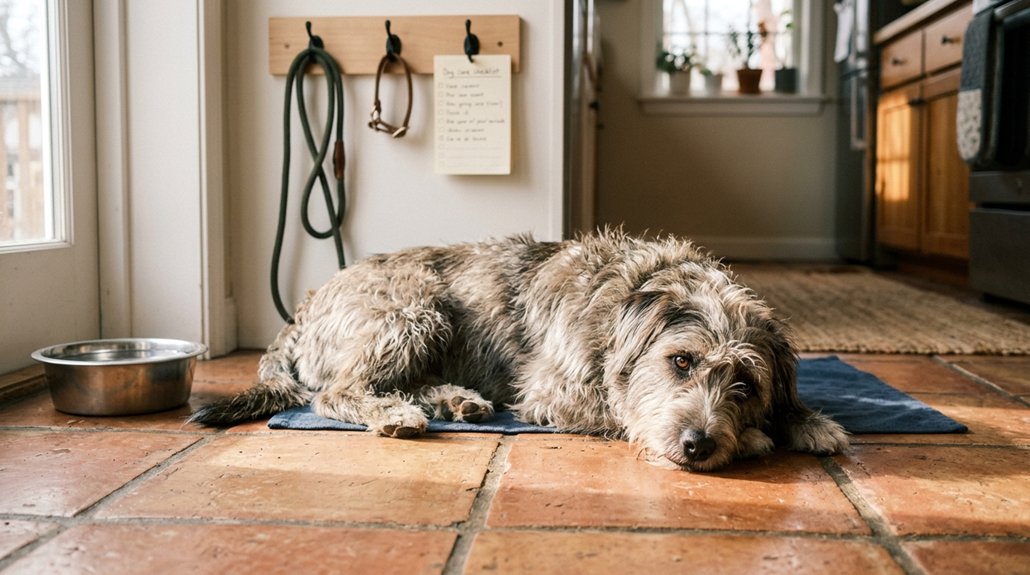
While maintaining consistent routines guarantees a stable environment for your dog, it’s imperative to recognize when it’s time to consult a veterinarian. Engage in regular health monitoring by benchmarking normal behaviors and physiological metrics. Behavioral signs like lethargy, excessive barking, or aggression could indicate underlying conditions requiring veterinary evaluation. Also, assess any alterations in appetite and water consumption; fluctuations often signal health disturbances. Watch for persistent vomiting, diarrhea, or changes in bowel movements, as they can reflect digestive or systemic ailments. Acute pain indicators, such as limping, difficulty standing, or vocal distress, demand immediate professional attention. Schedule annual veterinary examinations to preemptively identify potential health issues. Proactive oversight guarantees your low-maintenance companion remains healthy, optimizing both quality and longevity of life.
Frequently Asked Questions
What Is the Easiest Low Maintenance Dog to Have?
The French Bulldog’s got a calm temperament and minimal grooming needs. You’ll find it ideal due to its low exercise demand, effortlessly fitting into a busy lifestyle. Remember, though, they need attention to potential respiratory issues.
What Is the 7 7 7 Rule for Dogs?
The 7-7-7 rule is a dog care fundamental emphasizing age-based exercise. For effective dog ownership, provide your dog seven minutes of exercise per hour of age, promoting liveliness. It’s a significant animal behavior guideline.
What Words Do Dogs Hear Best?
Dogs hear a symphony of frequencies far beyond human capabilities, particularly attuned to precise, single-syllable commands. In dog communication, words like “sit” and “come” resonate deeply due to their extraordinary sound perception abilities and consistency.
Where to Rub a Dog?
For ideal comfort in dogs, rub areas like the auricular base, ventral abdomen, and dorsal thoracic spine. These best scratching spots enhance relaxation. Employ canine massage techniques methodically, ensuring pressure promotes muscle relaxation and physiological well-being.
Conclusion
In the bustling world where minutes feel like seconds, selecting a low-maintenance dog aligns with your lifestyle’s pace. Trust in the data: breeds like French Bulldogs or Dachshunds require minimal grooming. Their calm temperaments simplify demands on your time. Remain vigilant, though—subtle behavioral changes or altered appetite could necessitate a veterinary evaluation. By understanding canine cues and ensuring regular check-ups, you’re investing in your pet’s longevity and well-being while nurturing a harmonious human-animal bond.