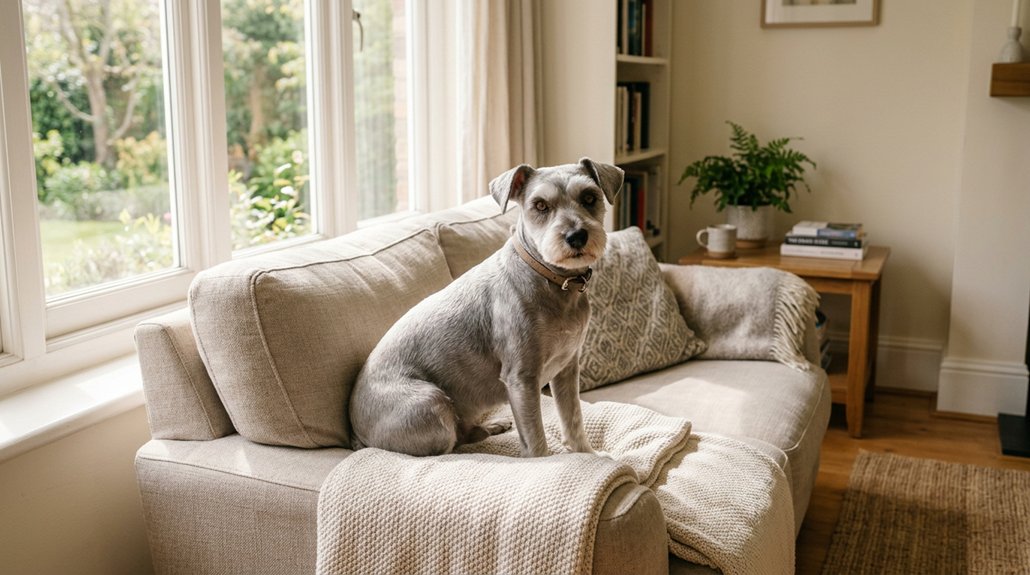
If you’re a sensitive owner, choosing a low-shedding dog breed can reduce allergens while maintaining companionship. Consider breeds like Poodles or Bichon Frises, known for their hypoallergenic qualities. Poodles come in various sizes, suiting different living spaces, while Schnauzers offer adaptability across their three size variants. Yorkshire Terriers and Wheaten Terriers are other excellent options, each with minimal shedding. With routine grooming, these breeds enhance living comfort. Discover which breed truly aligns with your lifestyle.
Key Takeaways
- Low-shedding breeds like Schnauzers and Maltese reduce allergens, ideal for sensitive individuals.
- Regular grooming is essential for maintaining coat health and minimizing allergens in low-shedding breeds.
- Poodles and Bichon Frises are excellent for allergy sufferers due to their reduced dandruff and hair production.
- Yorkshire Terriers have human-like hair, minimizing shedding and allergens, suitable for small living spaces.
- Wheaten Terriers offer minimal shedding with a friendly temperament, adaptable to diverse living environments.
Selecting the Right Low-Shedding Dog for Your Needs
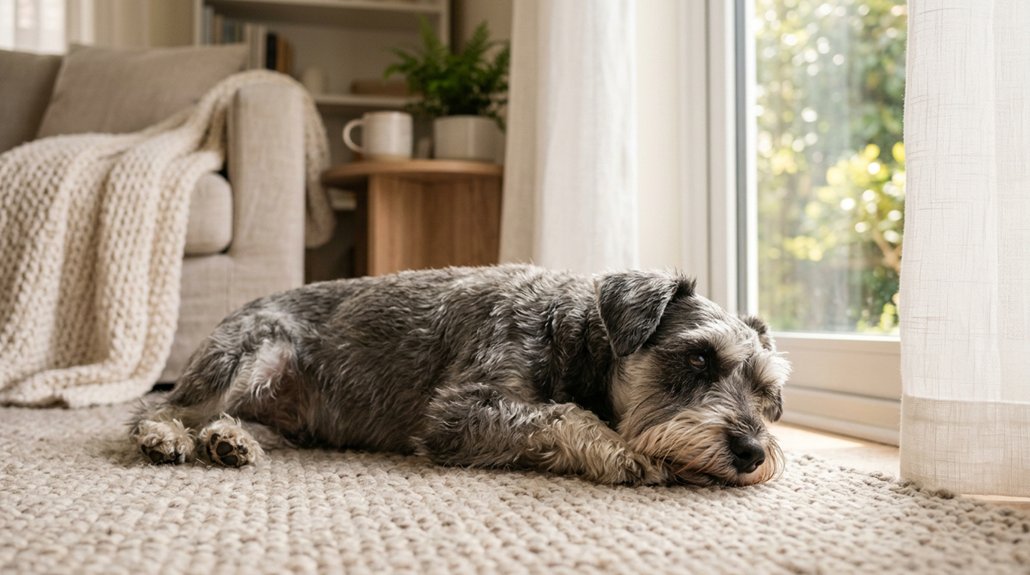
How does one go about selecting the right low-shedding dog for their needs? Start by evaluating breed comparisons and lifestyle considerations. Certain breeds, like Poodles and Bichon Frises, demand regular grooming every 4-6 weeks, crucial for coat maintenance and minimizing allergens. Acknowledge that no dog is entirely hypoallergenic, yet breeds such as Schnauzers and Maltese are preferable due to their low-shedding coats and minimal dander. Evaluate your living situation; consider that Portuguese Water Dogs require more exercise and space, contrasting with the more relaxed Shih Tzus. Compatibility with household temperaments and allergies is essential—especially with children or sensitive individuals. Remember, low-shedding breeds still necessitate dedication to grooming and maintenance, so be prepared for this commitment.
Understanding Low-Shedding Breeds and Why They Matter
When you choose a low-shedding dog breed, you’re selecting a pet that reduces the frequency of allergens in your home, making them ideal for allergy sufferers. These breeds, like Poodles and Bichon Frise, require regular grooming to guarantee their coat remains healthy and allergen-free. With approximately 10% to 20% of the U.S. population allergic to dogs, selecting a breed that minimizes hair and dander concerns while offering practical benefits cannot be overlooked.
Shedding vs. Grooming Necessities
While there’s no such thing as a completely hypoallergenic dog, low-shedding breeds like Poodles and Maltese are often favored by allergy sufferers due to their reduced dander and fur. It’s essential to debunk shedding myths; not all low-shedding breeds are low-maintenance. In reality, these breeds often demand significant grooming necessities to maintain their coat’s health and reduce allergen buildup. You’ll need grooming tools like brushes and clippers regularly.
| Aspect | Low-Shedding Breeds | Grooming Needs |
|---|---|---|
| Dander Level | Reduced | Regular grooming |
| Visible Fur | Less | Frequent control |
| Maintenance | Considerable | Every 4-6 weeks |
Understanding this balance aids in choosing a breed suitable for your lifestyle and tolerance for grooming routines.
Allergy-Friendly Breed Benefits
Although no dog breed is completely hypoallergenic, opting for low-shedding breeds like Poodles and Bichon Frise can substantially decrease allergen levels in your home. These breeds are particularly beneficial for allergen management due to their unique coat properties. Low-shedding dogs produce less dander and hair, primary triggers for allergies, thereby ensuring better air quality.
- Reduced Allergen Spread: Low-shedding breeds limit dander dissemination, minimizing allergy flare-ups.
- Enhanced Health Benefits: Cleaner home environments may contribute to improved respiratory health.
- Essential Grooming: Regular grooming maintains coat health and effectively manages allergen buildup.
Given that 10% to 20% of the U.S. population suffers from dog allergies, selecting such breeds offers sensitive owners a feasible pathway to enjoy companionship while prioritizing their health.
Poodles: Top Choice for Allergy Sufferers
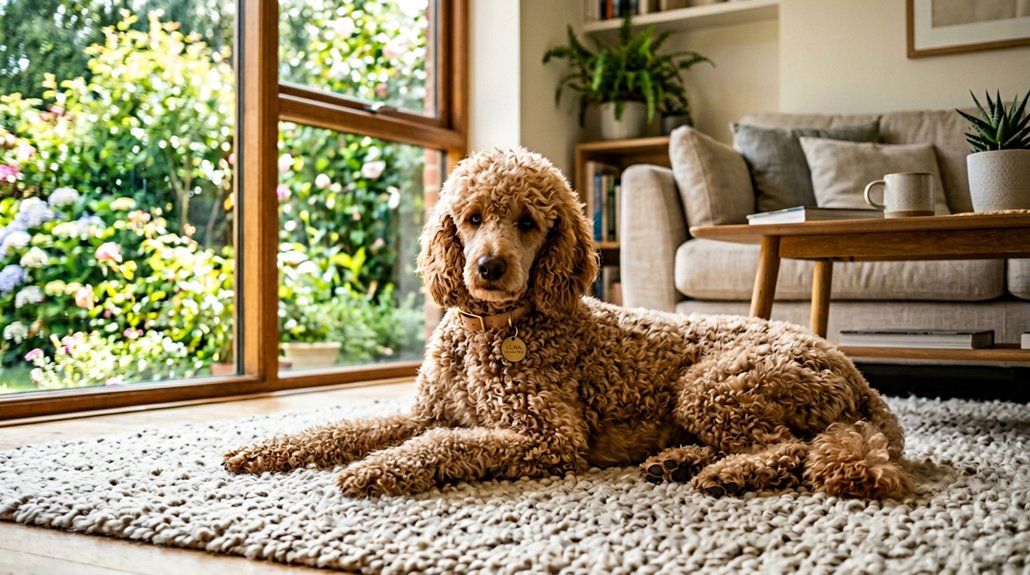
For those seeking a hypoallergenic canine companion, Poodles are an ideal choice due to their unique curly coats that trap dander, effectively minimizing allergen spread. This breed’s distinguished Poodle characteristics include high intelligence and energy levels. Poodles thrive on the mental stimulation provided by structured Poodle training, excelling in obedience and agility tasks. Available in standard, miniature, and toy sizes, they accommodate various living environments while maintaining low shedding levels. Note that regular grooming every 4-6 weeks is critical to preserve coat health, prevent matting, and reduce allergen buildup. Their reduced allergen production from skin, saliva, and dander makes them particularly tolerable for allergy sufferers, supporting a harmonious relationship for sensitive owners.
Why Bichon Frises Are a Hypoallergenic Favorite
Known for their cheerful disposition, Bichon Frises are a preferred choice for those seeking hypoallergenic pets due to their fluffy, non-shedding coats that effectively reduce allergen spread. The breed’s curly texture effectively traps dander, which considerably aids in allergy management. With their small size, generally 10 to 20 pounds, Bichon Frises adapt well to various living environments, from spacious homes to modest apartments.
However, maintaining their low allergen status requires consistent Bichon grooming. Regular grooming prevents their coat from matting and guarantees minimal allergen presence.
- Dander Control: Their curly coats act as a barrier, trapping allergens.
- Size: Compact and apartment-friendly.
- Grooming: Essential for minimizing allergens and matting.
These factors make Bichon Frises an excellent companion for allergy sufferers.
Maltese: Low-Shedding Marvel With Big Hearts
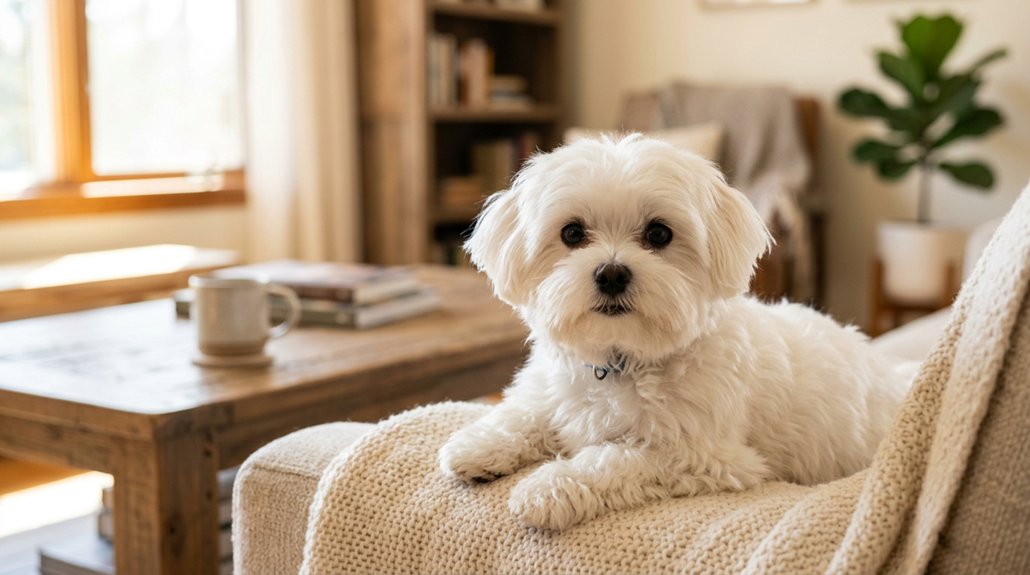
After exploring the hypoallergenic appeal of Bichon Frises, the Maltese presents another remarkable option for those with allergies. With its long, silky coat that sheds minimally, the Maltese is an excellent choice for sensitive owners. Consistent Maltese grooming is paramount; brushing several times a week prevents matting and maintains the beauty of their coat.
Renowned for their gentle and affectionate nature, Maltese dogs excel as companions. They adapt seamlessly to various environments, from compact apartments to larger homes. The Maltese companionship is characterized by their cheerful demeanor and adaptability, suiting diverse lifestyles and family structures. Typically weighing between 4 to 7 pounds, this small breed is ideal for individuals or families seeking a compact yet loving pet.
Exploring Schnauzer Sizes: Miniature, Standard, and Giant
When exploring Schnauzers, you’ll find three distinct sizes: Miniature, Standard, and Giant, each with specific weight ranges and space requirements. Despite their differences in size, all Schnauzers share a wiry, low-shedding coat that demands regular grooming to stay healthy and reduce allergens. Regarding temperament, they’re loyal and protective, with each size adapting differently to various living environments, whether it’s a compact apartment or a more spacious home.
Distinct Size Characteristics
Schnauzers present a fascinating range of size variations with each type exhibiting distinct characteristics suited to diverse needs. If you’re contemplating which is the right fit, consider the following Schnauzer size comparison:
- Miniature Schnauzer: Weighing 11-20 pounds, these small, agile dogs thrive in apartment settings. Their playful temperament traits make them amiable companions for urban living.
- Standard Schnauzer: At 30-50 pounds, they offer a perfect blend of size and protectiveness. Renowned for their loyalty, they’re affectionate family pets, ensuring companionship and security.
- Giant Schnauzer: The largest, weighing 55-85 pounds, combines strength and intelligence. These dogs excel in roles demanding power, like police work and search-and-rescue, making them formidable allies.
Understanding these sizes helps you find the suitable match for your lifestyle and environment.
Coat Care Requirements
While all sizes of Schnauzers require diligent coat care, understanding their specific grooming needs can optimize their health and appearance. Despite their minimal shedding, all three Schnauzer sizes—Miniature, Standard, and Giant—feature a wiry, double coat demanding consistent attention. Scheduling professional grooming every 4 to 6 weeks is essential to maintain coat health and prevent matting. Between these sessions, integrate weekly brushing using slicker brushes and combs to manage dander and loose hair, minimizing allergens in your living space.
Particular attention should be given to their distinctive beards and eyebrows. These areas require regular cleaning to prevent food debris and moisture accumulation, which could otherwise impact coat health negatively. Tailored grooming frequency based on size guarantees each Schnauzer maintains a pristine condition.
Temperament and Adaptability
Understanding the temperament and adaptability of Schnauzer sizes—Miniature, Standard, and Giant—helps in determining compatibility with different living environments. Each size offers unique Adaptability Factors. The Miniature Schnauzer, weighing 11 to 20 pounds, thrives in apartments due to its affectionate Schnauzer Temperament.
- Miniature Schnauzer: Ideal for compact spaces; their affectionate nature guarantees adaptability in urban settings.
- Standard Schnauzer: Their calm demeanor suits families; they’re loyal companions with reasonable space needs.
- Giant Schnauzer: Offers protective instincts, appealing to those desiring a gentle yet robust presence in larger areas.
All Schnauzer sizes are intelligent and highly trainable, enhancing their adaptability across various settings. They provide sensitive owners with responsive, loyal companions, regardless of living space.
Yorkshire Terriers: A Small, Hypoallergenic Companion
Yorkshire Terriers, with their hair akin to human hair, result in minimal shedding, which markedly reduces allergens compared to typical dog fur. This makes them ideal for individuals with sensitivities. Weighing a mere 4 to 7 pounds, these toy breeds fit perfectly in small living quarters. Despite their diminutive size, they brim with Yorkshire personality traits: energetic, courageous, lively, and affectionate. Regular grooming is essential; their long, silky coat is prone to matting, necessitating professional grooming every 4 to 6 weeks. It’s vital to incorporate consistent brushing to maintain coat health and prevent tangles. Because of their friendly demeanor and hypoallergenic properties, Yorkshire Terriers are excellent companions, highly suitable for sensitive owners seeking a small, loyal friend.
How Wheaten Terriers Meet Family Needs
After considering the compatibility of Yorkshire Terriers with those sensitive to allergens, another hypoallergenic option is the Soft-Coated Wheaten Terrier. Their soft, wavy coat sheds minimally, ideal for reducing allergen exposure. Wheaten temperament is particularly friendly and playful, making them perfect companions for children. Their active playfulness means they thrive in energetic environments and can keep up with busy family activities. To meet family needs, Wheaten Terriers excel in:
- Adaptability: They fit well in both apartments and houses with yards.
- Grooming Requirements: Regular grooming is essential to maintain coat health and minimize dander.
- Family Engagement: They engage actively, providing endless fun and affection.
With their versatility, Wheaten Terriers adapt seamlessly into various family dynamics.
Frequently Asked Questions
What Is the Calmest Dog That Doesn’t Shed?
When you’re seeking calm breeds with low shedding, consider the Bedlington Terrier and Bichon Frise. Both exhibit gentle temperaments and minimal shedding, making them ideal companions. Their calm dispositions provide excellent comfort for sensitive owners seeking serene environments.
What Words Do Dogs Hear Best?
Dogs hear best words spoken in higher frequencies where their hearing excels, around 8,000 Hz. Their sound sensitivity peaks with commands like “sit” and “stay,” allowing them to discern these from less precise human utterances.
What Dogs Are Usually Not Allowed in Apartments?
When considering storm clouds of large breed considerations for apartment living, dogs like Pit Bulls, Rottweilers, and Huskies often face restrictions due to perceived aggression and size. Additionally, noise and weight limits pose challenges for apartments.
What Is the Friendliest Non-Shedding Dog?
You’ll find the Bichon Frise, Poodles, and Maltese among the friendliest non-shedding breeds. They combine hypoallergenic dog characteristics with their friendly natures, making them ideal companions for those with allergies.
Conclusion
In choosing a compatible canine companion, consider breeds that boast limited shedding to benefit allergy sufferers. When selecting, scrutinize the sleek-coated Schnauzer or the small yet spirited Yorkshire Terrier. Perfect for families, the Bichon Frise and Wheaten Terrier win hearts while minimizing allergens. Don’t disregard the delightful demeanor of a Maltese or the popular Poodle. Picking with precision guarantees a healthy, harmonious household. Prioritize quality, comfort, and companionship in your quest for the ideal hypoallergenic hound.