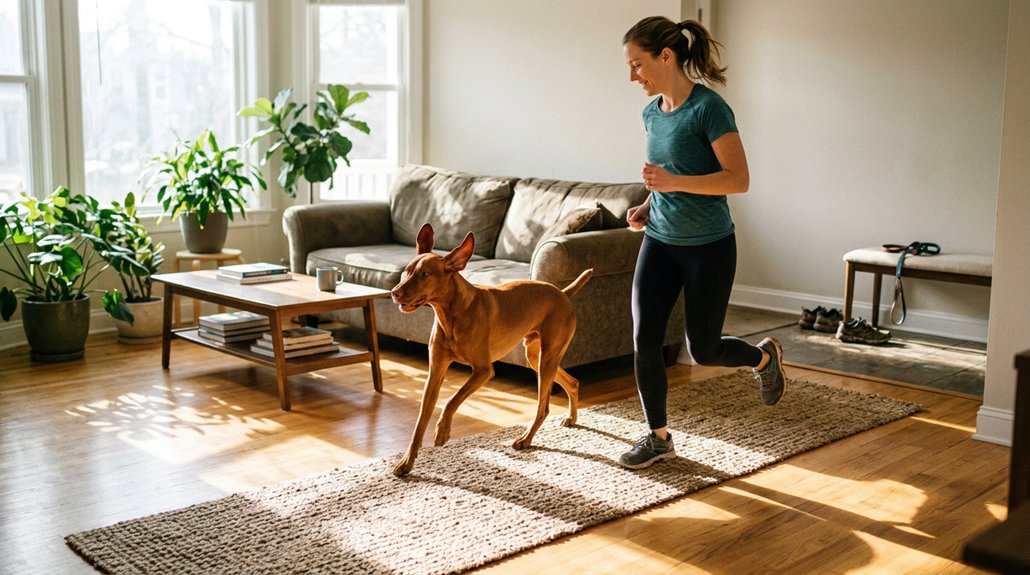
To match your lifestyle with a dog’s energy, assess your daily activity level and living space. Active individuals might enjoy high-energy breeds that need dynamic training and regular exercise, while a relaxed lifestyle may suit low-energy breeds. Consider your home size—larger spaces can accommodate more active dogs. Tailor interaction and nutrition to your dog’s needs for a balanced relationship. By understanding these elements, you’ll find the right furry companion to enrich your life even further.
Key Takeaways
- Evaluate your activity routine to determine compatibility with a high or low-energy dog breed.
- Consider living space size, as larger homes suit active breeds while apartments fit low-energy dogs.
- Align dog breed choice with family dynamics, especially when children are involved.
- Tailor daily interactions to prevent boredom and ensure your dog’s energy needs are met.
- Consult veterinarians for breed-specific nutrition and exercise advice to maintain health and happiness.
How to Match Your Lifestyle With a Dog’s Energy
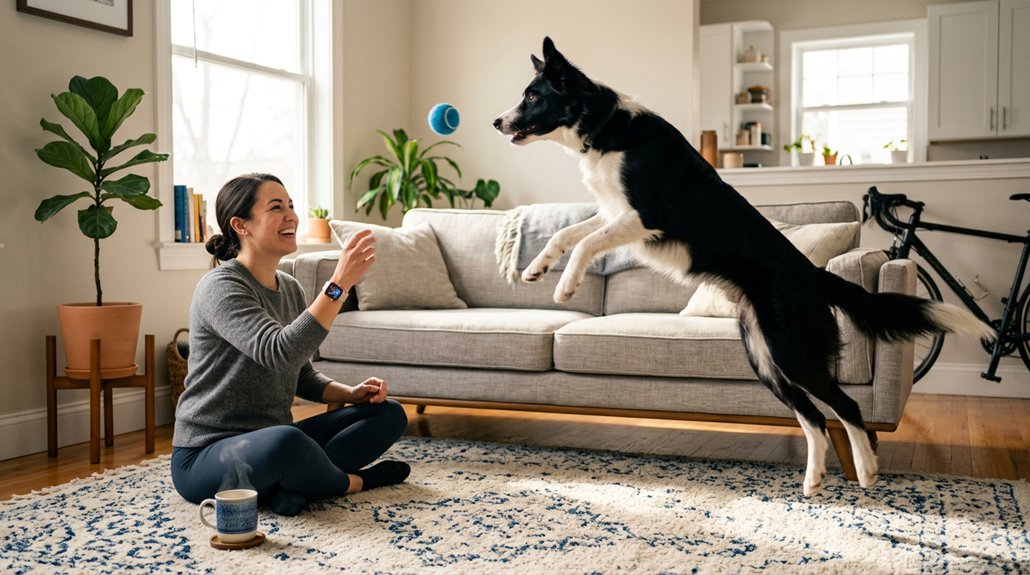
When you’re considering bringing a dog into your life, it’s important to align your lifestyle with a dog’s energy needs. Carefully evaluating breed temperament gives you insight into whether a high-energy breed like a Border Collie or a more laid-back Basset Hound suits your lifestyle. Consider dog training techniques that cater to the energy level of the breed; high-energy dogs benefit from dynamic training that incorporates mental stimulation, while low-energy breeds prefer more relaxed methods. Families with children should look for breeds known for patience and friendliness, ensuring smooth family dynamics. Match your schedule and living circumstances with the dog’s needs to foster a balanced relationship. This way, both you and your furry companion can enjoy a harmonious life together.
Assess Your Activity Routine for Pet Compatibility
Evaluating your activity routine is essential in choosing a dog that complements your lifestyle. Your exercise frequency plays an important role in determining pet compatibility. If you’re active and thrive on long walks or runs, a high-energy breed might be the perfect fit. On the other hand, if your pace is more relaxed, a low-energy breed can offer delightful companionship without demanding intense physical activity. Consider your living space, too – a small apartment may better suit a low-energy dog, while a larger home can house more active pups.
Match your dog to your lifestyle – active or relaxed; living space and exercise time are key factors.
- 🏃 Long for adventures with a lively companion?
- 🏠 Seeking cozy moments with a laid-back friend?
- 💼 Can you balance work with pet companionship?
- 🎾 Ready for games that challenge both mind and body?
Finding the Right Breed for Your Activity Level

Since every dog breed has a unique set of energy requirements, finding the right breed for your activity level involves a careful assessment of how much time and energy you can dedicate to their exercise needs. Think about your daily schedule and whether you can consistently engage a high-energy breed, like a Border Collie, in rigorous activities. If you prefer a laid-back companion, consider low-energy breeds such as Basset Hounds that thrive with leisurely walks and shorter play sessions. Your living space matters too; larger homes suit high-energy breeds, while apartments accommodate low energy breeds. Evaluate family dynamics—breeds known for patience, like Cavalier King Charles Spaniels, are excellent with children. Balancing grooming and health responsibilities also impacts choosing the right breed.
Tailoring Interaction and Attention to Your Schedule
After pinpointing the perfect breed for your lifestyle, it’s key to understand how to fit interaction and attention into your daily routine. Assess your schedule honestly—how much time do you truly have for play and bonding? Creating a routine tailored to your dog’s energy needs can prevent boredom and keep behavioral issues at bay. Engage them with interactive toys and puzzle games, especially on busy days.
- Morning Joys: Begin each day with a quick game to set a positive tone.
- Creative Breaks: Use flexible schedules for spontaneous, joyful interactions.
- Evening Calm: Wind down with gentle play or quiet companionship.
- Weekend Adventures: Dedicate quality time for extended outings, strengthening your bond.
Meeting Your Dog’s Nutritional and Exercise Needs

When it comes to meeting your dog’s nutritional and exercise needs, understanding their energy level is essential. High-energy breeds like Huskies thrive on diets rich in proteins and fats. Regular exercise, whether it’s running, agility training, or daily walks, helps prevent anxiety and destructive behaviors. Don’t forget the importance of hydration, especially for active dogs. Low-energy breeds, on the other hand, require fewer calories, focusing on portion control to avoid obesity. Engage all dogs with mental stimulation through interactive toys and varied exercise routines. Consult a veterinarian for personalized advice. They can guide you on using dietary supplements and tailoring nutrition to your dog’s breed, age, and activity level, ensuring a balanced approach to their diet and exercise.
Frequently Asked Questions
What Is the 3-3-3 Rule With Dogs?
The 3-3-3 rule helps you understand a dog’s adoption change. Initially, expect stress. Over three weeks, they’ll show behavioral adjustment. By three months, consistency and patience foster full integration and trust, revealing their complete personality.
How Do You Say “I Love You” in Dog Language?
Picture a wagging tail and soft eyes locked with yours—it’s pure dog body language, radiating love. Canine affection shines through their gentle nudges and bringing favorite toys, inviting you to play, trust, and bond deeply.
What Is the 7 Second Rule for Dogs?
The 7 Second Rule highlights a dog’s short attention span, essential for understanding dog behavior. Training should match their energy levels by involving quick, engaging tasks. This prevents frustration and reinforces positive behaviors through effective, insightful communication.
How to Redirect a Dog’s Energy?
You’ve got a canine tornado at home? Redirect that whirlwind by focusing their energy channels through playful activities like agility or puzzle toys. This way, your dog becomes the Einstein of fetch instead of your shoes’ nemesis.
Conclusion
Matching your lifestyle with a dog’s energy guarantees a harmonious relationship. Did you know that approximately 40% of dog owners underestimate their pet’s exercise needs? Balancing your schedule to include daily walks, playtime, and interaction is essential. By understanding and catering to your dog’s breed-specific needs, you’ll foster a stronger bond. Remember, a well-exercised dog is a happy one, reducing potential behavioral issues. Embrace this journey, and you’ll enhance both your life and your dog’s.