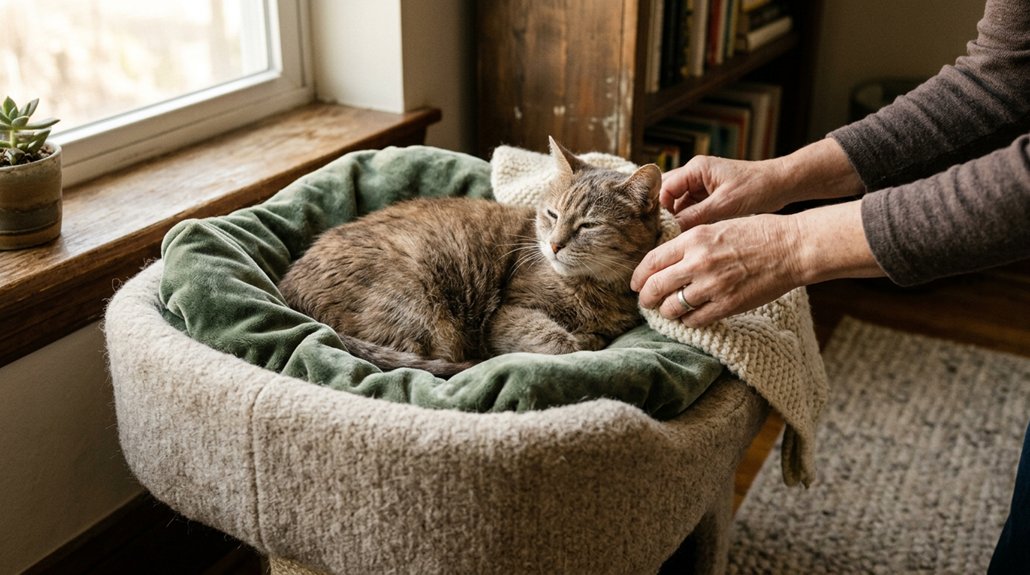
To keep an older cat comfortable, create cozy corners with soft, warm beds and use ramps for areas they love but struggle to reach. Position their food, water, and litter box at floor level, and add nightlights to aid nighttime navigation. Prioritize regular vet visits and tailored nutrition with easily digestible proteins. Engage them with gentle play and mental stimulation while maintaining good grooming habits to prevent discomfort. There’s more to discover about ensuring your feline friend ages gracefully.
Key Takeaways
- Provide orthopedic beds and cozy resting spots to support aging joints.
- Place food, water, and litter boxes at floor level for easy access.
- Schedule regular veterinary visits for early detection of health issues.
- Introduce easily digestible proteins and moist foods to support hydration and nutrition.
- Engage in gentle play and mental stimulation to maintain activity levels.
How to Make Your Senior Cat Comfortable
As your cat enters its senior years, ensuring its comfort becomes increasingly important to maintaining its health and happiness. Create cozy corners throughout your home with warm, soft resting spots to relieve pressure on aging joints. Orthopedic beds are especially beneficial, offering the support older cats need. Additionally, place food, water, and litter boxes at floor level to alleviate mobility challenges. Incorporate comforting scents using feline-friendly products or familiar blankets, which may help soothe your cat’s senses. Observe your feline’s behavior for any signs of discomfort, and prioritize regular veterinary check-ups for early detection of health issues. Keeping a gentle, stable daily routine helps bolster their sense of security. Engaging in gentle play will keep your senior cat mentally and physically active, fostering overall well-being.
Transforming Your Home for an Aging Cat
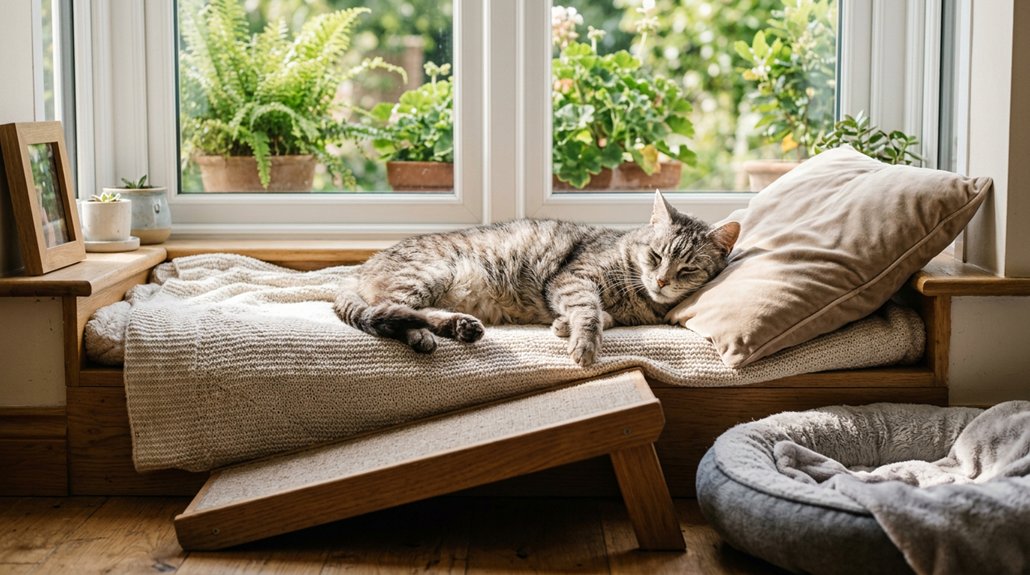
When preparing your home for an aging cat, it’s important to contemplate their changing physical needs. Start by placing litter boxes with low sides in easily accessible areas, ensuring there’s one on every floor to cater to their mobility challenges. Create multiple cozy resting spots using orthopedic or memory foam beds to offer your senior cat comfort and warmth. Incorporate pet stairs or ramps to aid them in reaching favorite high spots like window perches, thereby alleviating joint strain. Additionally, keep food and water bowls at floor level or slightly elevated for effortless access. Finally, install nightlights in key areas, such as corridors and near litter boxes, to help them navigate safely at night, accommodating any vision changes they may encounter.
Why Regular Vet Visits Matter for Your Senior Cat
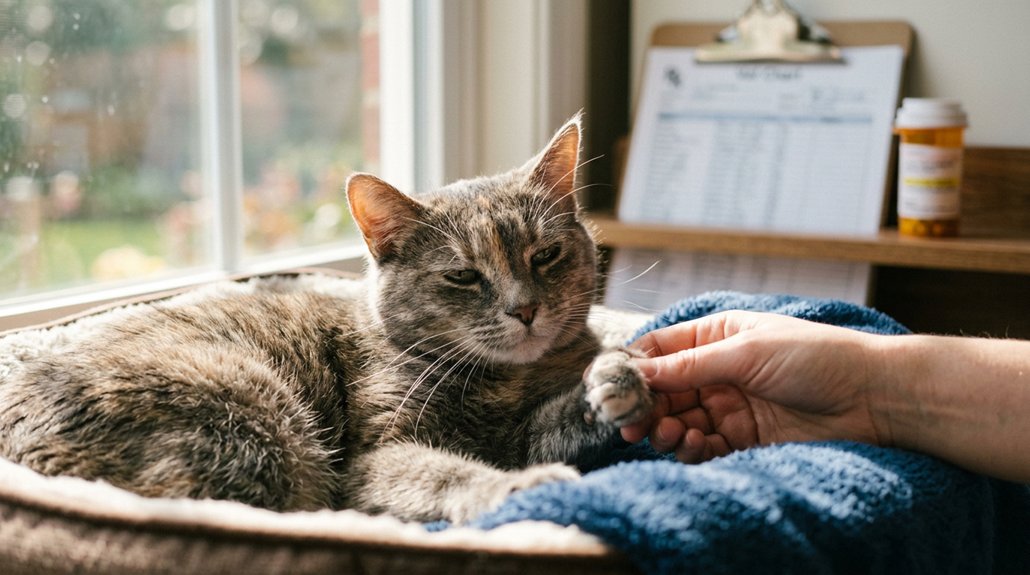
Adapting your home is just one aspect of caring for an older cat, but maintaining their health through regular veterinary visits is equally important. As your cat ages, they’re more susceptible to age-related conditions like kidney disease, diabetes, and thyroid disorders. Scheduling check-ups every six months guarantees your vet can monitor these issues closely. Annual lab tests are crucial for early detection, greatly improving recovery chances and management of their health. Observing changes in behavior and appetite during these visits allows for timely interventions, potentially averting severe complications. Through proactive preventive care, you not only enhance your feline friend’s comfort in their golden years but also decrease long-term treatment expenses by catching problems early and managing them effectively.
Crafting a Diet Tailored to Senior Cats
When crafting a diet tailored to your senior cat, it’s crucial to assess their changing nutritional needs, focusing on easily digestible proteins and adequate fiber to support overall health. Hydration plays a critical role, and incorporating wet food can be a simple yet effective way to boost water intake, especially for those with kidney concerns. Always consult your veterinarian to guarantee the dietary plan meets your cat’s unique health requirements.
Nutritional Needs Assessment
Ensuring that your older cat is comfortable involves carefully evaluating their nutritional needs, as these change considerably with age. A diet tailored for senior cats typically means reducing caloric requirements while selecting high-quality protein sources. This approach supports muscle maintenance and weight management, essential for longevity. The benefits of increased fiber promote digestive health, easing age-related gastrointestinal issues. Joint nutrients like omega-3 fatty acids are vital for mobility, alleviating arthritis symptoms. Always consider meal frequency and food textures to maintain dental health and make eating an easier task for your cat.
Consider these guidelines:
- Evaluate protein sources for muscle support.
- Incorporate joint-supporting nutrients for mobility.
- Adjust food textures to enhance dental health.
- Consult a veterinarian for tailored nutritional strategies.
Hydration Importance
Proper hydration is one of the most essential elements in optimizing your senior cat’s health. Older cats can be prone to dehydration, which impacts kidney function and general well-being. To support their hydration needs, offer both wet food and various hydration sources. Wet food boosts water intake, while access to fresh water remains critical. Consider placing cat water fountains around the home, as their continuous flow aligns with natural water preferences.
Regularly check skin elasticity and monitor drinking habits, allowing you to spot any issues early. Don’t underestimate the value of multiple water bowls placed conveniently for your cat. This simple adjustment can make a significant difference in their daily water consumption.
| Hydration Sources | Benefits | Tips |
|---|---|---|
| Wet food | Increases water intake | Mix with dry food |
| Fresh water bowls | Essential for hydration | Place multiple bowls |
| Water fountains | Encourages drinking | Choose quiet, flowing types |
Selecting the Right Bedding for Joint Support
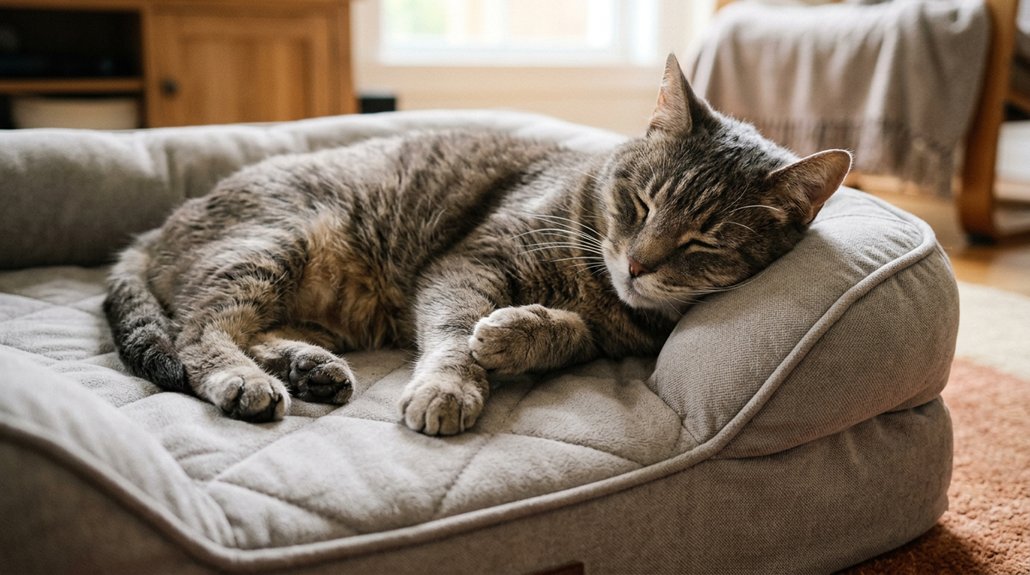
While selecting the right bedding for an older cat, it’s essential to focus on joint support to keep them comfortable and pain-free. Consider the following options to enhance bed softness and guarantee proper temperature regulation:
- Orthopedic beds: Offer aging joints much-needed support, alleviating arthritis discomfort.
- Memory foam beds: Contour to your cat’s body shape, providing targeted pressure relief and joint alleviation.
- Heated cat beds: Deliver soothing warmth, beneficial for older cats combating stiff joints and arthritis.
- Soft, plush bedding: Creates a cozy, relaxing surface, fostering better sleep quality and relaxation.
Gentle Play for Mental Stimulation
As your cat ages, introducing gentle play sessions with interactive puzzle toys can substantially boost their mental stimulation and maintain mobility. By incorporating sensory enrichment activities with familiar objects like feather wands and treat puzzles, you encourage their natural instincts in a way that’s both enjoyable and comfortable. Rotating these toys and providing stable climbing aids helps keep your senior cat curious and engaged, fostering a strong emotional bond while alleviating boredom.
Interactive Puzzle Toys
- Gentle Engagement: Toys encourage your cat to use gentle paw movements, promoting physical activity without overwhelming them.
- Adjustable Difficulty: You can modify the challenge level, tailoring it to your cat’s abilities and energy, ensuring they remain engaged.
- Boredom Alleviation: Regular use helps alleviate boredom, which is essential for the emotional well-being of less active, older cats.
- Short Play Sessions: Even brief, frequent interactions with puzzle toys can aid in maintaining mobility and mental alertness.
These engaging toys make playtime enriching and fulfilling for your feline friend.
Engaging Play Sessions
Even if your cat is getting on in years, engaging play sessions can invigorate their mind and body. Start with gentle interaction using interactive toys like feather wands or treat puzzles. These tools stimulate their natural instincts without overwhelming them. Aim for short, frequent play sessions—just five to ten minutes—so your senior cat can enjoy playful exercises without fatigue. Encourage light exercise by slightly moving toys or food dishes to prompt exploration and maintain interest. Low-impact climbing options, like stable cat trees or ramps, provide a safe environment for activity. Such activities not only enhance mobility and mental sharpness but also strengthen your bond with your cat, contributing greatly to their emotional well-being and overall quality of life.
Sensory Enrichment Activities
While keeping your senior cat active through play is essential, don’t overlook the importance of stimulating their senses with gentle activities. Sensory stimulation and environmental enrichment offer ways to enhance mental function and maintain agility. Here’s how to create an enriching environment:
- Interactive Toys: Utilize feather wands or treat puzzles to engage their mind without overwhelming them.
- Climbing Structures: Introduce low, stable ramps to encourage safe exploration, promoting mobility and well-being.
- Puzzle Feeders: These not only support cognitive health but also foster slow eating habits, aiding digestion.
- Grooming Sessions: Regular grooming can enhance circulation and provide valuable bonding moments, enabling you to monitor their health.
Signs Your Senior Cat Needs a Vet Visit
As your cat enters their senior years, it’s essential to be vigilant about any changes in their behavior or physical condition that could indicate a need for a veterinary visit. Behavioral changes, such as increased hiding, reduced interaction, or altered vocalization, can be signs of discomfort or illness. Pay close attention to weight management; sudden weight loss or gain could suggest underlying conditions like diabetes or kidney disease. Notice any alterations in appetite, such as heightened thirst or decreased food intake, as these could signal health issues. Also, watch for frequent vomiting, variations in litter box habits, and increased fatigue or mobility challenges. Each of these signs warrants a prompt consultation with your veterinarian to guarantee your cat’s health and comfort.
Maintaining Hygiene: Grooming Tips for Senior Cats
Grooming plays a critical role in ensuring your senior cat remains comfortable and healthy as they age. With decreased mobility, your cat may struggle with self-care, requiring your assistance. Incorporate these grooming techniques with sensitivity to their skin:
- Brushing: Regularly brush their fur several times a week to prevent tangles and matting, promoting a healthy coat and bonding time.
- Skin Checks: During grooming, inspect their skin for any lumps or changes, which could indicate health concerns needing a vet’s attention.
- Dental Care: Keep up with daily dental hygiene using cat-friendly brushes or gauze to combat prevalent dental disease.
- Gentle Tools: Use pet-safe grooming tools designed for senior cats, ensuring comfort and addressing their skin sensitivity.
These steps will help keep your aging feline content.
Frequently Asked Questions
What Is the 3-3-3 Rule for Cats?
The 3-3-3 rule guides you through a cat’s adjustment. In three days, expect cautious cat behavior. By three weeks, they gain confidence. After three months, their true personality emerges, benefiting feline health and owner bonds.
How Do I Make My Senior Cat More Comfortable?
Make certain your senior cat’s comfort by offering soft bedding, maintaining a healthy diet, and introducing interactive toys for mental stimulation. Practice gentle grooming to avoid stress, and regularly consult your vet to monitor their health.
What Age Is Considered Very Old for a Cat?
Imagine a cat’s life like a clock’s ticking hand—by age 15, it’s entering its final hours, considered “very old.” Focus on senior nutrition and regular vet visits to mitigate cat aging and guarantee comfort.
What Is “I Love You” in Cat Language?
“I love you” in cat language includes several expressions: matching their purrs; mimicking slow blinks; observing warm tail posture; or appreciating “gifts.” Understanding cat vocalizations and feline body language helps deepen the bond with your furry friend.
Conclusion
Caring for your senior cat is like tending to a delicate, cherished garden. Each thoughtful step you take, from transforming your home to tailoring their diet, guarantees their golden years shine brightly. Picture your cozy home as a sanctuary of comfort, with every purr a reassuring melody. Keep a vigilant eye for signs that whisper they need a vet’s loving touch. By nurturing their body and mind, you’re weaving a tapestry of love and well-being.