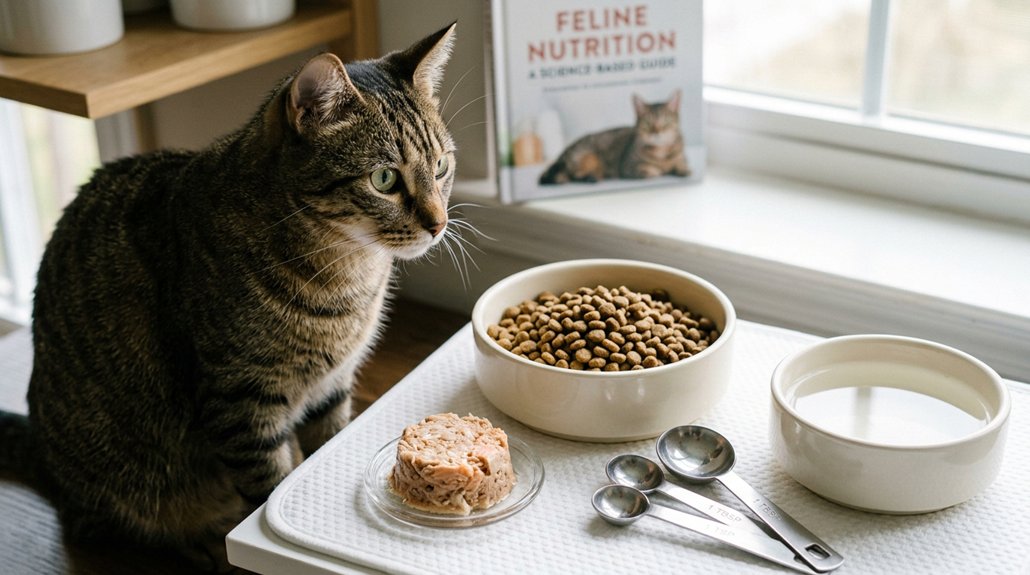
Understanding cat nutrition is vital for your pet’s well-being. Cats are obligate carnivores, necessitating a diet rich in animal-based proteins and essential nutrients like taurine and vitamin A. Choose high-quality commercial foods that meet AAFCO standards, balancing dry, semi-moist, and canned options to optimize nutrition and hydration. Always provide fresh water, and tailor feeding strategies based on life stage and health. Explore further to guarantee your cat thrives with proper nutrition.
Key Takeaways
- Cats are obligate carnivores and need animal-based proteins like taurine for heart and eye health.
- A balanced diet reduces risks of obesity, diabetes, and urinary issues in cats.
- Opt for high-quality commercial cat foods that meet AAFCO nutritional standards.
- Maintain proper hydration by feeding water-rich foods like canned cat food.
- Regular veterinary consultations help tailor diets for kittens and senior cats’ specific needs.
Why Cat Nutrition Matters for Your Pet’s Health

When considering your cat’s health, understanding the importance of proper nutrition is paramount. There’s a lot of confusion surrounding nutritional myths and dietary trends, but you must focus on science-backed facts. Cats, being obligate carnivores, need animal-based proteins to fulfill their distinct metabolic requirements. Misleading dietary trends can lead you astray, causing serious harm like taurine deficiency, impacting heart and eye health. A well-balanced diet reduces risks of obesity, diabetes, and urinary issues, with many veterinarians preferring canned food for its moisture and lower carbohydrate content. Be critical of pet food labels—many contain fillers and misleading claims. Choose high-quality, commercial cat foods that adhere to recognized nutritional standards to secure your pet’s ideal health.
Why Cats Need Meat: The Obligate Carnivore Explanation
How essential is meat in your cat’s diet? As obligate carnivores, cats rely on meat diversity due to evolutionary adaptations. They require animal tissues to access key nutrients like taurine, vitamin A, and certain amino acids, which aren’t derived from plant sources. A meat-based diet guarantees muscle maintenance, heart health, and vision—conditions influenced by vital nutrients. Cats have a higher protein need than many pets, emphasizing meat’s importance in their unique metabolism. Their ability to metabolize carbohydrates is limited, making a low-carb diet advantageous for stable blood sugar levels.
| Nutrient | Source in Meat |
|---|---|
| Taurine | Liver and heart |
| Vitamin A | Liver and kidney |
| Amino acids | Muscle and organs |
Tailoring diets with these components fosters overall health.
Essential Nutrients Cats Crave
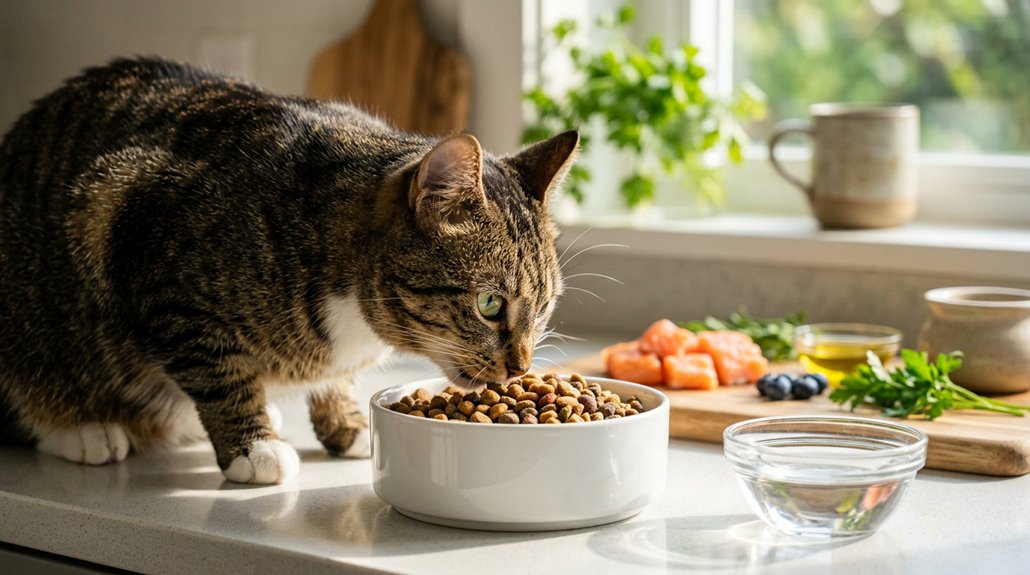
Essential nutrients form the cornerstone of a cat’s diet, ensuring they thrive both physically and metabolically. As obligate carnivores, cats need high levels of animal-based proteins that provide essential amino acids, with taurine being important for vision and heart health. Without sufficient taurine, they risk serious health complications. Critical fatty acids are equally important; cats require linoleic and arachidonic acids for energy production, cellular health, and vitamin absorption. While carbohydrates can offer energy, they’re non-essential and can lead to obesity and diabetes if over-consumed. In addition to these macronutrients, a balanced intake of vitamins like A, D, E, and B, along with minerals such as calcium and phosphorus, supports key metabolic processes, ensuring your cat’s ideal health.
Comparing Cat Food Options: Dry, Semi-Moist, and Canned
In addition to understanding the key nutrients that support ideal feline health, selecting the right type of cat food is pivotal for ensuring your pet’s dietary needs are met. Dry food benefits include cost-effectiveness and long shelf life, though its low moisture (6-10%) means it’s less hydrating. Semi-moist appeals to cats due to its palatable texture and 35% moisture, yet it often contains preservatives and can spoil post-opening. Canned food, while incurring higher costs, provides essential hydration with its 75% moisture, benefiting kidney function and overall feline health. Balancing these options can provide dietary variety, helping prevent picky eating by combining dry kibble’s convenience, semi-moist’s taste appeal, and canned options’ protein-rich, hydrating qualities.
How to Read Pet Food Labels Like a Pro
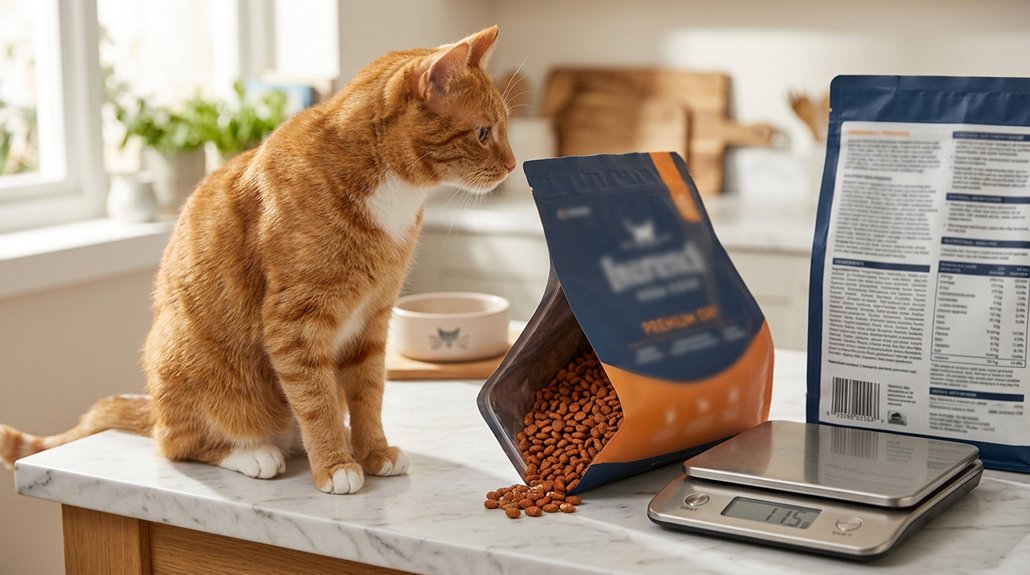
Guiding pet food labels is an essential skill for responsible feline caretakers to guarantee your cat’s diet supports ideal health. Label deciphering starts with understanding the guaranteed analysis, with emphasis on protein, fat, and moisture levels. Although carbohydrate content is often absent, researching this is important for a complete nutritional overview. The ingredient importance is paramount; the first ingredient should be a quality animal protein, supporting your cat’s biological needs as an obligate carnivore. Avoid falling for misleading marketing terms like “natural” or “premium,” which lack regulation. Instead, focus on the nutritional adequacy statement that aligns with AAFCO standards. Opt for foods with recognizable animal-based proteins and steer clear of fillers like grains that may undermine your cat’s nutrition.
Keeping Cats Hydrated: The Role of Water-rich Foods
While cats have evolved with a low thirst drive, it is vital to address their hydration needs through diet. Incorporating water-rich foods, such as canned food with at least 75% moisture content, is essential. These foods dramatically boost your cat’s water intake compared to dry food, which only offers 6-10% moisture. By enhancing water intake, you support your cat’s bladder health, helping flush the bladder regularly, reducing the risk of urinary issues, and promoting overall urinary tract health.
To achieve a proper dietary balance, introduce canned food according to your cat’s food preferences and provide fresh water, ensuring thorough hydration. This approach not only optimizes water intake but also fosters long-term kidney health, addressing the fundamental hydration needs of your feline companion.
Feeding Tips for a Healthy Cat
Achieving ideal nutrition for your feline friend involves more than just providing meals; it requires a strategic approach tailored to your cat’s unique needs. Start by offering a diverse selection of foods, such as dry, semi-moist, and canned options, which helps prevent finicky eating habits. Implement a cat feeding routine by serving small, frequent meals to mimic natural grazing and avoid portion control issues. Always provide fresh, clean water, particularly important if your cat mainly consumes dry food. Regular monitoring of food intake and body condition is key to recognizing any sudden changes that might indicate health concerns.
- Variety in food choices enhances overall well-being.
- Regular, small meals align with natural habits.
- Fresh water is essential for hydration and kidney health.
- Monitoring is critical for catching potential health issues early.
Meeting Nutritional Needs of Kittens and Older Cats
In ensuring ideal health, kittens need a protein-rich diet, approximately 30% protein, to fuel their rapid growth and development. You should gradually shift them to adult nutrition after their first year, maintaining balanced dietary needs. Meanwhile, older cats require specialized senior diets that are lower in calories but higher in protein, addressing changes in metabolism and supporting joint health and muscle maintenance.
Nutrient Requirements for Kittens
Understanding the nutrient requirements for kittens is essential for ensuring they grow into healthy adult cats. During kitten growth, a well-structured feeding schedule plays a crucial role. Kittens have higher caloric needs than adults, with about 30% of their energy coming from protein to support rapid growth. Here’s what you need to think about:
- Specialized Diet: Provide kitten-specific food rich in proteins, fats, vitamins, and minerals.
- Changeover Timeline: Start changing over to solid food around 4 weeks, ensuring weaning by 8 to 10 weeks.
- Meal Frequency: Aim for 3-4 small meals a day to match their energy levels and stomach capacity.
- Continuous Monitoring: Keep an eye on their development to adjust feeding practices as needed, supporting their ongoing needs.
Transitioning to Adult Nutrition
As kittens approach maturity, altering their diet to meet adult nutritional needs becomes essential for maintaining health and vigor. Look for early signs like a slowed growth rate or less frenetic behavior as indicators that it’s time to change their diet. Kittens initially require high protein—around 30%—for growth and should be fed multiple times daily to meet their energy demands. As they near 9-12 months, gradually introduce adult cat food, specifically designed to maintain health and energy levels with balanced nutrition. It’s vital to control portion sizes based on their activity and health status. Regular veterinary consultations will help guarantee you’re making appropriate, gradual changes and adjusting their diet according to individual health needs and life stages.
Special Needs of Senior Cats
While senior cats enter the golden years of their lives, their nutritional needs shift to address various age-related changes. These changes demand specialized diets that help them age gracefully. Senior cats, defined generally between ages 7-12 years, experience altered metabolism requiring adjustments to their diets. You must guarantee:
- High-quality protein: Essential for maintaining muscle mass as their protein needs rise.
- Adequate hydration: Incorporate canned food to boost water intake and prevent kidney issues.
- Balanced calorie and fiber intake: Reduced calories with increased fiber support weight management and digestive health.
- Regular veterinary check-ups: crucial for dietary adjustments based on their evolving health needs, including kidney function and dental health assessments.
Your attention to these elements paves the way for a healthy, graceful aging process.
Solving Common Cat Feeding Problems
To address common feeding problems in cats, it’s essential to introduce a diverse range of textures and flavors to prevent finicky eating habits that can disrupt balanced nutrition. Close monitoring of your cat’s weight is important, as rapid weight loss can indicate underlying health issues requiring veterinary attention. Establishing a regular feeding schedule in a calm environment, coupled with using engaging tools like puzzle feeders, can help manage feeding behavior and guarantee a balanced intake of essential nutrients.
Overcoming Picky Eating Habits
When it comes to overcoming picky eating habits in cats, offering a variety of food types—different flavors and textures—is essential. This food variety helps prevent cats from becoming fixated on a single type, ensuring balanced nutrition. A consistent feeding routine is vital for encouraging stable eating habits and reducing finickiness. Introduce new foods gradually to prevent refusal and allow your cat to adapt slowly.
To effectively manage picky eating, consider these strategies:
- Introduce food variety gradually to avoid abrupt changes that might cause refusal.
- Maintain a regular feeding routine to build eating consistency.
- Ensure food freshness by not leaving it out too long and storing it properly.
- Monitor behavioral changes as social or environmental shifts can impact feeding habits.
Implementing these strategies fosters healthy eating behavior.
Addressing Weight Management Concerns
Managing your cat’s weight isn’t just about appearance; it’s critical for their overall health and longevity. Obesity in cats typically results from excessive caloric intake and limited physical activity, leading to conditions like diabetes and joint pain. Effective weight monitoring starts with regular body condition assessments—ensure ribs are palpable and a visible waist is present from the side. Implementing calorie tracking through portion control is essential; providing multiple small meals throughout the day supports better weight management compared to free-choice feeding. Balance your cat’s diet by prioritizing animal-based protein and keeping carbohydrate calories under 10%. Always consult with a veterinarian before beginning a weight loss program to tailor calorie needs and select suitable food aligned with your cat’s health profile.
Ensuring Balanced Nutrient Intake
While maintaining your cat’s weight is essential, guaranteeing a balanced nutrient intake is equally important for their overall wellbeing. Implementing balanced meal planning and nutrient diversity strategies is key to meeting your cat’s dietary needs. Cats thrive on high-protein, low-carb diets rich in essential amino acids like taurine. Aim to incorporate a variety of food types to enhance nutrient absorption:
- Dry, semi-moist, and canned options: Offer dietary variety to prevent finicky habits.
- Monitor portion sizes: Avoid health issues like obesity or urinary problems.
- Prioritize quality ingredients: Focus on high-quality meat proteins, avoid grains or plant-based fillers.
- Regular veterinary checks: Essential for adjusting diets based on health and nutritional needs.
This approach guarantees your cat maintains peak health and happiness.
Frequently Asked Questions
How Often Should I Change My Cat’s Diet?
You shouldn’t change your cat’s diet frequently. A dietary shift is necessary only when health issues arise or life stages change. Always consult a vet for guidance. Maintain consistent feeding frequency for ideal health and well-being.
Can I Give My Cat Homemade Food?
You can certainly give your cat homemade food, like crafting a tapestry of flavors and nutrients. However, guarantee homemade recipes prioritize ingredient safety, balancing proteins, vitamins, and minerals scientifically, akin to a precise alchemist’s blend.
Are Supplements Necessary for a Cat’s Diet?
Supplements aren’t always necessary if your cat’s diet meets all feline nutrient requirements. However, certain cat supplement types, like taurine and omega-3, can support specific needs if advised by a vet, ensuring balanced nutrition.
How Do Environmental Stressors Affect My Cat’s Appetite?
Ironically, you’d think environmental changes wouldn’t affect a creature with nine lives, but they do. Stress signals trigger behavioral reactions, causing appetite fluctuations. It’s crucial to monitor these changes and guarantee a consistent, soothing environment for your cat.
What Are Signs of Food Allergies in Cats?
You’ll notice food allergy symptoms like itchy skin, frequent ear infections, or gastrointestinal issues. Common allergens include chicken, beef, dairy, and grains. Monitoring your cat’s diet can be essential for identifying and managing these allergies effectively.
Conclusion
To guarantee peak health for your feline friend, it’s vital to understand that cats require a diet rich in animal proteins. Surprisingly, about 96% of a cat’s diet should consist of meat-based nutrients. By carefully choosing between dry, semi-moist, and canned foods and mastering pet food labels, you can provide the essential nutrients your cat craves. Remember, hydration is key, so incorporate water-rich foods. Tailoring their diet as they age helps address unique nutritional needs, guaranteeing long-term well-being.