
Your cat needs core vaccines like rabies and FVRCP for protection against serious diseases and legal compliance. Even indoor cats benefit from these, as they face risks from human carriers, other pets, or accidental escapes. Non-core vaccines, like FeLV and Bordetella, are vital for kittens, outdoor cats, and those in shelters. Starting vaccinations early, with regular boosters, enhances immunity. Monitoring post-vaccination for side effects guarantees safety. Discover more details about vaccination timelines and tailored plans.
Key Takeaways
- Core vaccines like rabies and FVRCP are essential for all cats, including indoor ones.
- The rabies vaccine is often legally required, ensuring both feline and public safety.
- FVRCP protects against rhinotracheitis, calicivirus, and panleukopenia, vital for feline health.
- FeLV vaccines are crucial for kittens and cats with exposure to outdoor environments.
- Individual vaccination plans should consider lifestyle risks and specific health needs.
Why All Cats Need Vaccinations: Core and Non-Core Explained
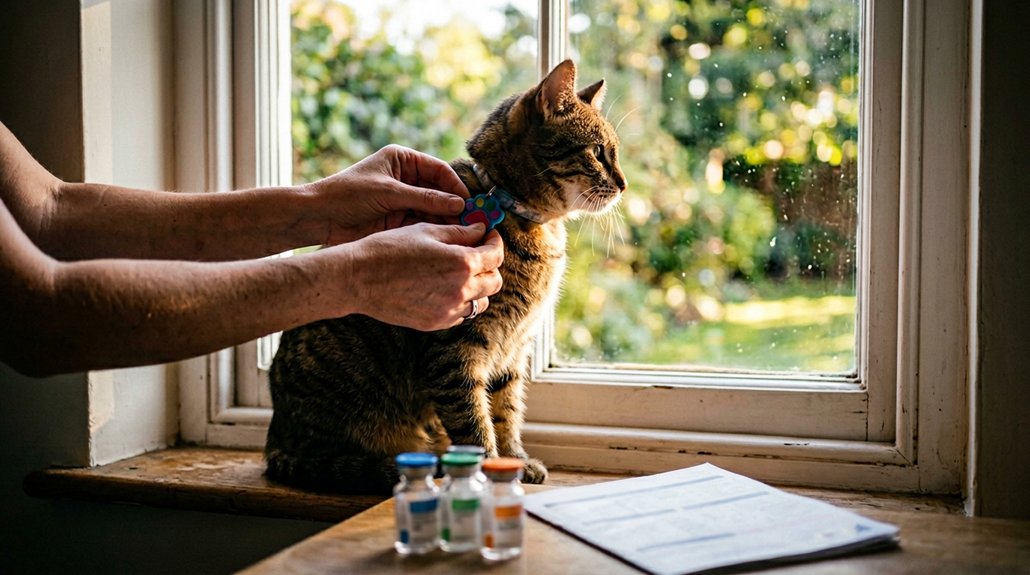
Vaccination is an essential component of feline healthcare, safeguarding not just individual cats but also the broader cat community from harmful diseases. Overcoming vaccine hesitancy is critical to maintaining feline health, as core vaccinations like FVRCP and rabies are fundamental for all cats. These vaccines protect against severe illnesses and are often legally required. Even if your cat stays indoors, they can still be exposed through human carriers or possible escapes. Assess your cat’s lifestyle for non-core vaccines, such as FeLV, Bordetella, and Chlamydia, especially if they encounter other cats or venture outdoors. By adhering to regular vaccination schedules starting at 6-8 weeks for kittens, you enhance community immunity, lowering disease transmission risks and securing the well-being of your feline friend.
Does My Indoor Cat Need Vaccines Too?
You might think your indoor cat is safe from diseases, but even they need core vaccines like rabies and FVRCP to guard against serious health threats. Despite their controlled environment, risks like houseguests or accidental escapes can expose them to pathogens necessitating these vaccinations. Additionally, keeping your cat vaccinated helps maintain herd immunity, essential for controlling disease outbreaks within the feline population.
Risks for Indoor Cats
How often have you wondered if your indoor cat really needs vaccines? Even when cats stay inside, they’re not entirely shielded from cat disease transmission and indoor health risks. Infectious diseases can find their way into your home through different channels:
- Human Carriers: Visitors or family members might unknowingly bring in pathogens.
- Other Pets: If you have dogs or other animals, they might introduce diseases, increasing indoor health risks.
- Accidental Escapes: Even brief outdoor exposure can be enough for a cat to pick up a virus.
Plus, some viruses, like panleukopenia, can linger on surfaces for months, posing hidden threats. Regular vaccinations such as rabies and FVRCP are essential. They’re not just about safeguarding your cat’s health but also complying with legal requirements in many areas.
Importance of Core Vaccines
Even if your cat rarely ventures outside, core vaccines are vital for their health and safety. Core vaccines, such as rabies, FVRCP, and FeLV, provide robust protection against serious diseases. They are essential not just for outdoor explorers but also for indoor cats who might encounter pathogens through human carriers. Guarantee your cat’s wellbeing by adhering to recommended vaccination frequencies, as outlined below:
| Vaccine | Vaccination Frequency |
|---|---|
| Rabies | Annually or Biannually |
| FVRCP | Every 1 to 3 years |
| FeLV | Annually |
The rabies vaccine isn’t just about individual safety—it’s legally required in many places. Vaccination safety is paramount, contributing to herd immunity, and thus safeguarding public and feline health by curbing disease spread effectively.
Risk of Unexpected Exposure
While it might seem unnecessary to vaccinate indoor cats, there’s actually significant risk of unexpected exposure to harmful pathogens. Pathogens can enter your home on clothing, shoes, or through visitors, posing indoor dangers. Plus, in emergencies or accidents, your cat might escape, leading to direct exposure to diseases from other animals.
Consider these critical points:
- Legal Obligations: The rabies vaccine is mandatory in many areas, including South Carolina, irrespective of whether a cat stays indoors.
- Health Protection: Core vaccines like FVRCP protect against contagious illnesses that could have serious health impacts.
- Community Safety: Vaccination helps prevent outbreaks, promoting herd immunity and protecting all cats.
Don’t fall for vaccine misconceptions; keeping your indoor cat vaccinated is essential for their safety and well-being.
Core Vaccines: Protecting Against Common Threats
When considering vaccinations for cats, it’s important to focus on core vaccines such as FVRCP and rabies due to their proven effectiveness against serious diseases. The FVRCP vaccine offers thorough protection against feline viral rhinotracheitis, calicivirus, and panleukopenia, playing an essential role in your cat’s health. Meanwhile, rabies vaccines are not only necessary for compliance with legal requirements but also vital for safeguarding all cats, regardless of their environment.
Essential Vaccines for Cats
Core vaccines are the cornerstone of feline health, safeguarding your cat against prevalent and potentially deadly diseases. Despite common vaccination myths, these essential vaccines are scientifically proven to protect your cat from serious health threats. For instance, rabies vaccinations are not only essential for their safety but also legally required in many areas. The FVRCP vaccine addresses Feline Viral Rhinotracheitis, Calicivirus, and Panleukopenia, each a threat to your cat’s well-being.
Key core vaccines include:
- Rabies: Shields against a virus transmittable to humans.
- FVRCP: Guards against three contagious diseases.
- Feline Leukemia Virus (FeLV) for kittens: Vital as they face a higher risk of fatal infection.
Regular vet visits guarantee your cat receives timely vaccinations tailored to their needs.
FVRCP Protection Overview
Although safeguarding your feline companion’s health is essential, understanding the role of the FVRCP vaccine in this process is important to prevent common yet serious ailments. The FVRCP vaccine combines protection against Feline Viral Rhinotracheitis, Calicivirus, and Panleukopenia—all highly contagious threats. FVRCP importance can’t be overstated, especially when considering the severe risks posed by Feline Panleukopenia, which can be fatal for kittens. Start the FVRCP vaccine schedule for kittens between 6 to 8 weeks, with boosters every 3 to 4 weeks until they’re about 16 weeks old. Adult cats need FVRCP boosters every 1 to 3 years, ensuring they stay shielded. Timely vaccinations help guard against respiratory issues and other severe health threats.
Rabies Vaccine Importance
The FVRCP vaccine safeguards against common feline illnesses, and another essential component of your cat’s health regime is the rabies vaccine. This vaccine is critical due to rabies transmission, a zoonotic disease that’s nearly always fatal once symptoms appear. Even if your cat’s indoors, they’re not exempt. Rabies can hitch a ride via wildlife or unknowing humans. Vaccination myths suggest indoor cats don’t need it, but this misconception endangers both your cat and community.
Rabies vaccines are required by law and important for public health protection, contributing to herd immunity. Typically, an initial shot is followed by boosters every one to three years.
- Required by law: Protects public health and complies with regulations.
- Prevents fatal outcomes: Rabies kills if untreated.
- Herd immunity: Safeguards communities.
Non-Core Vaccines: When They Matter
When considering the health and safety of your feline companion, it’s essential to understand the role of non-core vaccines in providing targeted protection based on specific risks. These vaccines, recommended according to lifestyle considerations, fill fundamental gaps in your pet’s vaccination schedule. For instance, the Feline Leukemia Virus (FeLV) vaccine is important for kittens and outdoor cats, while the Bordetella vaccine can prevent respiratory infections in shelters. Understanding these can help in customizing care:
| Vaccine | Importance | Ideal Settings |
|---|---|---|
| FeLV | Prevents fatal immunosuppression | Outdoor/multi-cat homes |
| Bordetella | Shields against respiratory issues | Shelters/multi-cat homes |
| Chlamydia | Manages conjunctivitis outbreaks | Communal environments |
Tailoring vaccinations keeps your cat healthy by addressing potential exposure risks.
Vaccination Timelines for Your Cat: What’s Ideal?
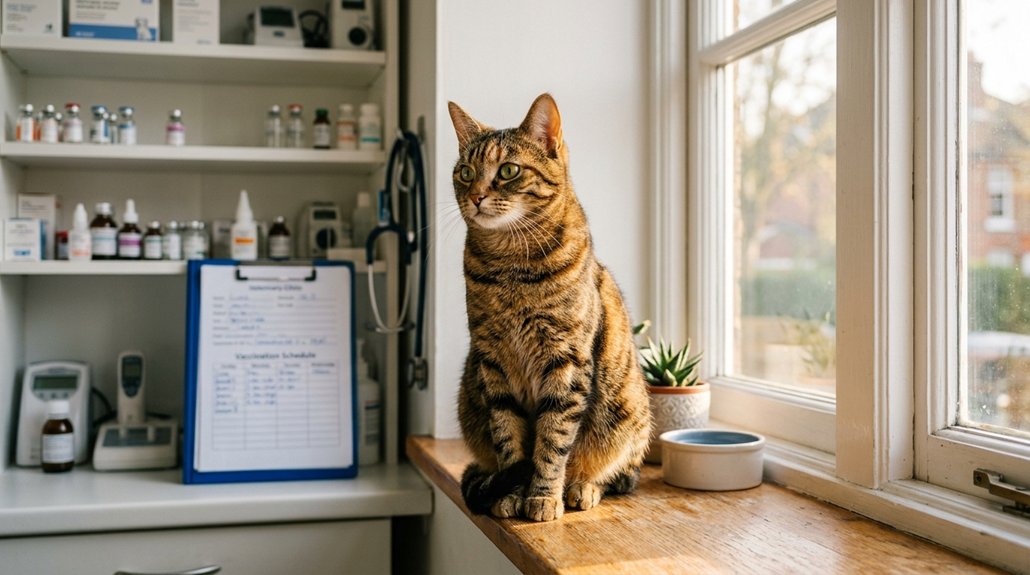
Establishing an effective vaccination timeline for your cat provides indispensable protection against common feline diseases. Kitten vaccination should start between 6 to 8 weeks old, followed by boosters every 3 to 4 weeks until they reach about 16 weeks. This schedule is essential for building a strong immune system early on.
Effective feline vaccination starts at 6-8 weeks with boosters every 3-4 weeks, ensuring strong early immunity.
For adult cats, an adult booster is generally necessary every 1 to 3 years. These intervals can vary based on your cat’s lifestyle and exposure risk, so it’s important to tailor the schedule with your vet’s guidance.
Remember these key points:
- Adhering to the schedule avoids the need to restart the series.
- Senior cats may require annual check-ups.
- An individualized plan guarantees ideal health based on age, medical history, and lifestyle.
Understanding Vaccine Side Effects: What You Need to Watch
Although vaccines are essential for safeguarding your cat’s health, it’s important to be aware of possible side effects following immunization. Side effects occur in about 0.52% of cats, typically presenting as mild reactions like soreness at the injection site or temporary lethargy. However, serious adverse reactions, such as vomiting, diarrhea, facial swelling, hives, or life-threatening conditions like anaphylactic shock or injection site tumors, are rare but can occur. Vaccine monitoring is vital; closely observe your cat for any unusual symptoms during the first few hours to days post-vaccination. If you notice severe reactions like difficulty breathing, swelling, or collapse, seek immediate veterinary care. Remember, while vaccines stimulate the immune system, they’re not 100% effective, so minimize exposure to infectious agents.
Budgeting for Cat Vaccinations: A Guide
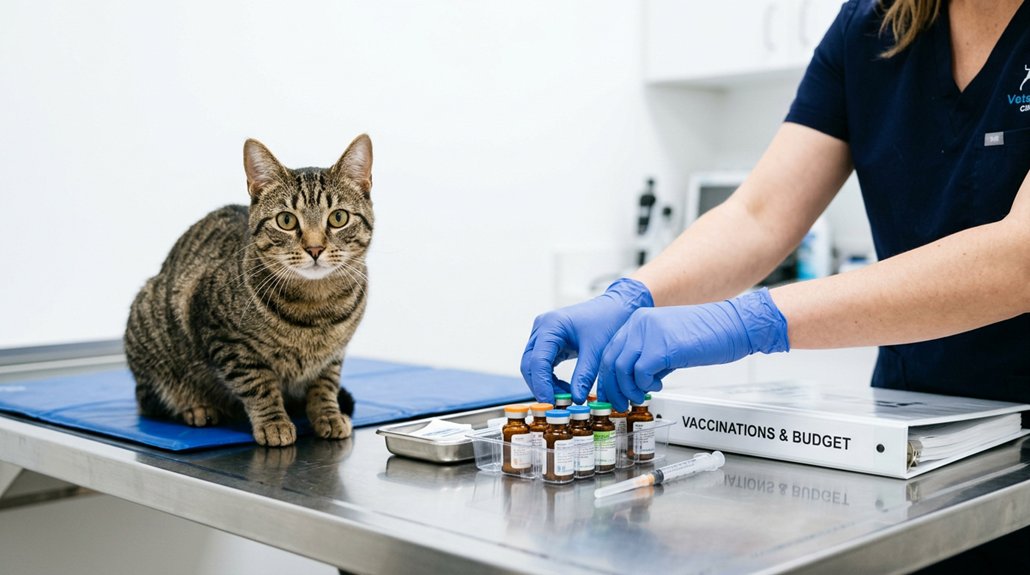
While ensuring your cat is protected through regular vaccinations can seem financially intimidating, smart planning can help manage these essential expenses. Budgeting strategies start with understanding that individual vaccine costs range from $15 to $40, and wellness plans offered by veterinarians can offer great relief. These plans encompass affordable preventive care and include office visit fees, easing budgeting concerns. It’s crucial to consult with a vet to create a tailored vaccination plan, which can be critical for the first year due to the multiple shots required for kittens.
Here are some effective strategies:
- Explore veterinary partnerships for discounts and payment plans.
- Schedule annual boosters efficiently, planning for ongoing costs every 1-3 years.
- Consider wellness plans, which bundle vaccines with routine care.
Post-Vaccination Care: Keeping Your Cat Comfortable
Successfully planning for your cat’s vaccinations also involves understanding how to care for them afterward. Post vaccination monitoring is essential. Watch for mild side effects like soreness at the injection site, lethargy, or reduced appetite. These typically resolve quickly, but if severe reactions occur—like vomiting, difficulty breathing, or abnormal swelling—seek immediate veterinary attention.
To promote recovery, provide a calm and comfortable space for resting. Effective cat comfort techniques include ensuring easy access to fresh water and encouraging light eating, as appetite may decrease temporarily. Regularly check the injection site over the next few days for unusual swelling or changes. Your attentive care supports your cat’s health, helping their immune system respond efficiently to the vaccine.
Maintaining and Accessing Your Cat’s Vaccination Records
When it comes to maintaining and accessing your cat’s vaccination records, organization is key for guaranteeing your pet’s health is consistently monitored. Record accessibility is essential, especially when you’re boarding, traveling, or renting homes that require proof of rabies vaccination. To keep your records in check, follow these tips:
Organization of your cat’s vaccination records ensures health monitoring and eases access for travel or boarding needs.
- Digital backups: Use digital platforms, like Banfield’s MyBanfield app, to safely store and access your cat’s vaccination history anytime.
- Regular updates: After each vet visit, verify the vaccination record is up-to-date with new vaccines and booster schedules.
- Hard copy on hand: Obtain a physical copy from your vet for easy reference during future vaccinations or medical needs.
Being proactive helps maintain an accurate health profile for your cat.
Frequently Asked Questions
Which Cat Vaccines Are Absolutely Necessary?
You’ll need to guarantee your cat’s feline immunity by following a proper vaccine schedule. Core vaccines, including Rabies and FVRCP, are absolutely necessary. Don’t forget, boosters are essential to maintain protection against diseases over time.
What Is the 3-3-3 Rule for Cats?
The 3-3-3 rule helps regulate your cat’s acclimation: it suggests three days for stress, three weeks for confidence, and three months for comfort. Understanding this complements feline health and a tailored vaccination schedule for ideal well-being.
What Is the 3:2:1 Rule in Cats?
The 3:2:1 rule guarantees cats receive initial vaccines thrice, followed by two boosters, then once every 1-3 years. It’s a proven strategy balancing cat vaccination frequency and minimizing vaccine side effects. Stick to this schedule for ideal protection.
At What Age Do You Stop Vaccinating Cats?
You don’t necessarily stop vaccinating cats at a specific age. Vaccine frequency shifts with geriatric care needs, adjusting to health status and lifestyle. Consult your vet to determine the appropriate vaccination schedule for your senior cat.
Conclusion
Making certain your cat is properly vaccinated is essential for their health. Core vaccines protect against prevalent diseases, while non-core ones are considered based on lifestyle risks. Indoor cats may seem safe, but they’re not immune to diseases. So, would you risk their well-being? Understanding timelines, side effects, and budgeting prepares you for responsible pet care. Keep accurate records and provide post-vaccination comfort to safeguard them. Guarantee your furry companion remains healthy, happy, and purring for years to come.