Large birds can be rewarding, but you need daily training, several hours of supervised out-of-cage time, and steady enrichment to prevent boredom and stress. A cockatiel is usually the best beginner fit, while macaws, cockatoos, and African greys need more space, noise tolerance, and confidence. You’ll also need a pellet-based diet, fresh produce, safe housing, and HEPA-style dust control. If you’re weighing species, the details ahead will help you choose wisely.
Key Takeaways
- Large parrots need several hours of supervised daily out-of-cage time, plus consistent training and enrichment to prevent boredom and behavior problems.
- Cockatiels are the best beginner fit; macaws, cockatoos, and African greys are more demanding, intense, and harder for first-time owners.
- Big birds need spacious, secure cages, heavy-duty non-toxic materials, varied perches, and plenty of chewable and foraging toys.
- Feed a pellet-based diet with fruits, vegetables, and limited nuts, seeds, and protein; avoid seed-only diets.
- Large parrots can live 50–100 years and be very loud, so ownership requires long-term planning, cleaning, and dander management.
What Makes a Large Bird a Good Pet?
A large bird can be a rewarding pet when you can meet its substantial physical and social needs. You’ll need to provide several hours of daily out-of-cage contact, because these birds are highly social and can develop boredom-related problems if ignored. Your success depends on consistent training, confident handling, and bonding techniques that build trust without reinforcing demanding behavior. They also need behavioral enrichment: an oversized, sturdy cage, safe flight or foraging space, chewable toys, and puzzle feeders. Nutrition matters, too; you shouldn’t rely on seed alone. A pellet-based diet with fruits, vegetables, nuts, and occasional protein helps prevent deficiencies. If you’re prepared for loud vocalizations, strong personalities, and a lifetime commitment that may span decades, a large bird can thrive in your care.
Best Large Pet Birds for Beginners?
If you’re new to large birds, the safest starting point is usually a cockatiel, since it’s among the smaller “large” parrots and is generally gentler, easier to handle, and less demanding than species like macaws or cockatoos. | Bird | Beginner fit |
| — | — |
|---|---|
| Cockatiel | Best |
| Amazon parrot | Not ideal |
| Macaw | Poor |
For your first bird, choose a species with moderate enrichment needs and manageable noise levels. Cockatiels usually respond well to behavioral training and steady bonding techniques, helping you build trust without overwhelming care demands. By contrast, Amazon parrots and African greys often need more mental stimulation, while macaws and cockatoos can be intense, loud, and long-lived. If you want a lower-risk start, keep your choice simple, realistic, and rehoming-aware.
How Macaws, Cockatoos, and Greys Compare?
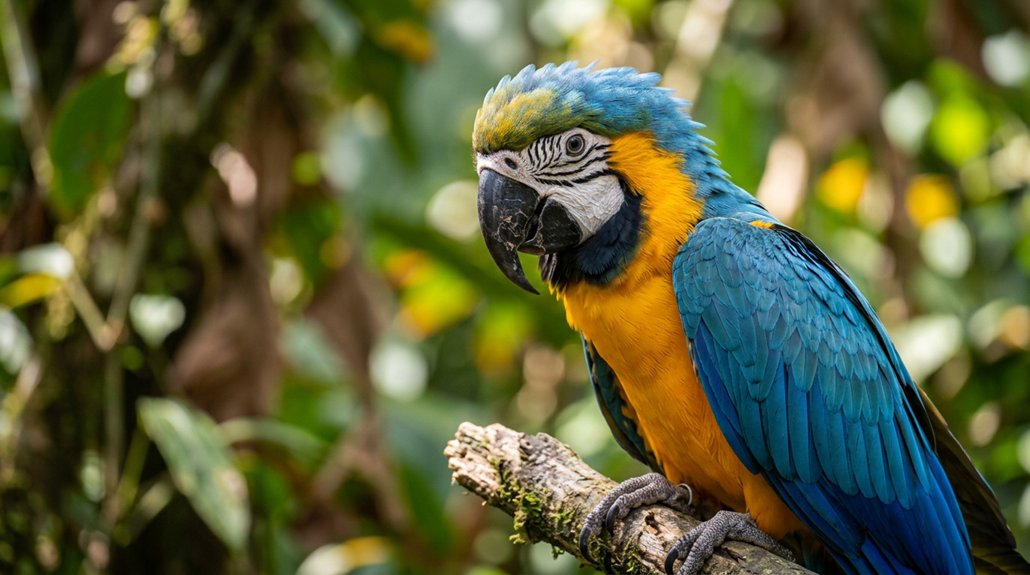
When you compare macaws, cockatoos, and African greys, you’ll see distinct ownership demands: macaws need extensive daily out-of-cage time and space, cockatoos are intensely affectionate but highly dependent, and greys require steady mental enrichment and social contact. You can expect cockatoos to be the most cuddly, but also the most likely to show stress-related behaviors if neglected, while greys may seem smaller and quieter yet still need consistent stimulation to stay balanced. Macaws and cockatoos can be physically and emotionally demanding, and greys may create fewer size-related challenges but still require careful management of noise, dander, and boredom.
Macaw Care Needs
Macaws need substantial space, daily structure, and consistent enrichment to stay healthy and behaviorally stable. You’ll need a very large cage, plus at least four hours of supervised out-of-cage time each day for exercise and mental stimulation. Inside the cage, provide chew toys and puzzle boxes to reduce boredom and support wing health and beak maintenance. Compared with cockatoos and African greys, macaws are less demanding for constant interaction, but they still need steady handling, training, and a predictable routine. Feed a varied diet: a formulated pellet or seed mix, fresh fruits and vegetables, nuts, and occasional protein. Seed-only feeding shortens lifespan. Because macaws can live 60 to 100 years, you should plan for lifelong, experienced care and stable housing.
Cockatoo Affection Levels
Cockatoos are often the most physically affectionate of the three, and they usually seek constant contact, cuddling, and close handling, sometimes bonding so strongly to one person that separation anxiety becomes a concern. You’ll usually see stronger physical bonding here than with macaws or greys. Macaws are social and playful, but their affection is more energetic and interactive than lap-focused. African greys are deeply attached and perceptive, yet they tend to show closeness through attention, routine, and vocal reassurance rather than frequent touch. If you want a bird that actively seeks your body and hands, a cockatoo fits that profile. You’ll need consistent handling, clear boundaries, and gradual independence training to keep attachment healthy.
Grey Noise And Dander
Beyond affection and handling, noise and dander are major ownership factors to compare. If you’re allergy-prone, powder management matters. African greys produce fine powder down that can worsen respiratory symptoms; macaws shed less powder, though their dander and feathers still carry allergens. Cockatoos usually generate the most airborne particulates. For airborne mitigation, use HEPA filtration, frequent dusting, and regular grooming.
| Species | Main concern |
|---|---|
| Macaw | Deep, resonant calls; moderate dander |
| Cockatoo | Shrieks; highest powder load |
| Grey | Sharp calls; fine powder down |
| Any bird | Cleaning reduces exposure |
Macaws are often louder over distance, greys can seem less disruptive, and cockatoos’ calls may be continuous. Your best choice depends on your tolerance, routines, and respiratory risk.
How Much Space and Enrichment Do They Need?
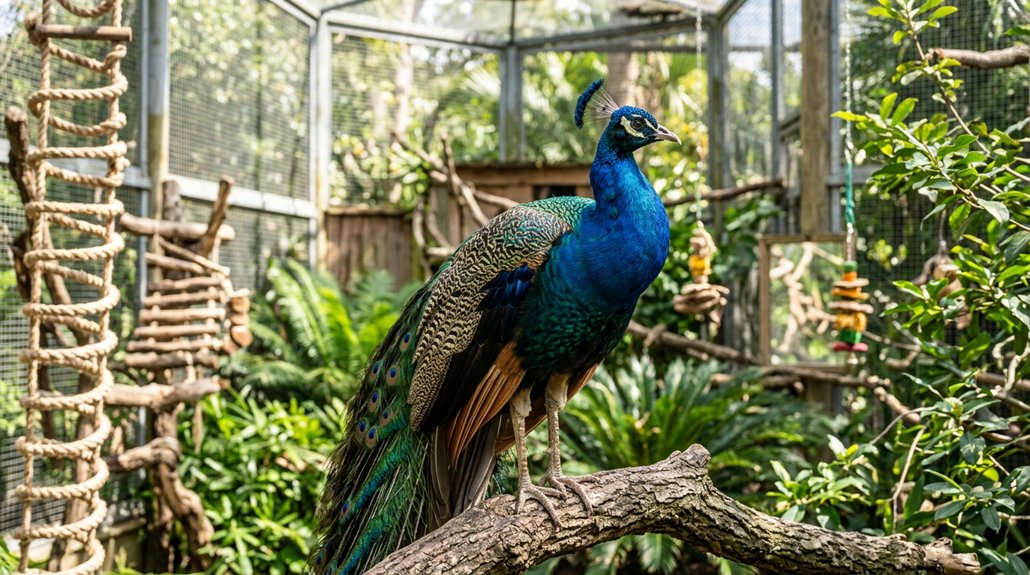
You’ll need a cage that gives your large parrot enough floor space and height to fully extend its wings and move comfortably, with larger dimensions often being better. Plan for at least 4 hours of out-of-cage time each day so it can exercise, explore, and stay behaviorally stable. Inside the cage, provide a varied set of enrichment items, including chew toys, puzzle feeders, and shreddable materials, and rotate them regularly to keep them effective.
Cage Size Needs
Large parrots need substantial enclosure space to move safely and maintain muscle tone; for macaws, cockatoos, and similar species, a cage should be at least 4–6 feet wide, 4–6 feet deep, and 5–6 feet tall so they can fully extend their wings and perch comfortably. You’ll want heavy-gauge, non-toxic stainless steel with 1–2 inch bar spacing. Place the enclosure in a family area, away from drafts and kitchen fumes, and consider custom aviaries or flight arenas for larger setups.
- Provide 6–8 varied enrichment items.
- Include chewable toys, puzzle feeders, and swings.
- Add multiple perches with different diameters and textures.
- Rotate toys weekly, with separate feeding and shredding zones.
Daily Out-of-Cage Time
Daily out-of-cage time is essential for large parrots, with most needing at least 3–4 supervised hours per day and many macaws and cockatoos benefiting from 4–6 hours for exercise and mental stimulation. You should provide enough room for full wing extension, climbing, or supervised flights; a dedicated bird-safe room or aviary space of several square meters is ideal. During these sessions, schedule daily foraging and brief training to support movement and cognition. Supervision matters because large birds can injure themselves or escape if windows, fans, open water, toxic plants, and doors aren’t secured. When you meet these needs consistently, you reduce stress, support muscle tone, and help prevent boredom-related behaviors. Be calm, consistent, and structured; your bird’s welfare depends on it.
Enrichment Toy Variety
Providing a spacious, well-equipped enclosure is central to enrichment for large parrots: a cage at least 4–6 feet wide and deep, with multiple perches and attachment points, lets the bird fully stretch its wings and move between activities. You should rotate 8–12 toys weekly to limit boredom and stereotypic behaviors.
- Chews: hardwood, rope, and destructible paper.
- Puzzle feeders: safe metal or acrylic designs.
- Foraging boxes: increase foraging complexity.
- Shreddables: add sensory enrichment and beak work.
Aim for varied daily use, including problem-solving and social interaction. Large macaws may need heavy-chewer toys. When feather plucking or excess vocalization appears, raise complexity. Consistent variety helps meet physical and cognitive needs without overwhelming you or your bird.
What Do Large Pet Birds Eat Every Day?
For most large pet birds, a balanced daily menu should be built around a high-quality formulated pellet, which should make up about 60–70% of intake to help guarantee consistent nutrition. You should keep pellet proportions consistent, then add fresh fruits and vegetables for about 20–30% of the diet. Leafy greens, bell peppers, apples, carrots, and squash supply vitamins, fiber, and useful variety. Offer nuts and seeds only in small amounts, ideally as treats or foraging enrichment, since excess can raise calorie intake. For omnivorous species, include cooked lean meats, eggs, or legumes several times weekly. Introduce new foods gradually, and watch stool quality and behavior. Always provide fresh water, changed daily, and use puzzle feeders or whole vegetables to support natural feeding behaviors.
Can Your Home Handle the Noise and Dust?
Can your home realistically handle the sound and mess of a large bird? Large parrots can reach peak vocalizations above 100 dB, so you’ll need realistic expectations and, if needed, soundproofing options to reduce disturbance. 1. Check local pet, condo, and noise rules before you bring one home. 2. Use durable, washable surfaces, because feathers, food, and dander spread quickly. 3. For cockatoos and African greys, add HEPA filtration and dander management strategies to help limit fine powder down. 4. Plan for several hours of daily out-of-cage time so cleaning remains manageable. If you live with children, sensitive individuals, or close neighbors, a high noise tolerance and consistent housekeeping aren’t optional; they’re essential for a stable, healthier home environment.
Are You Ready for Lifetime Care?
Once you’ve confirmed you can live with the noise and mess, the next question is whether you’re prepared for a lifetime commitment. Large parrots may live 50 to 100 years, so you’re planning for decades, not years. That means daily supervised out-of-cage time, a secure cage, and consistent enrichment to reduce boredom and feather picking. You’ll also need a diet built on pellets, produce, nuts, and limited protein, not seed alone. Because these birds are strong and socially complex, rescues often expect prior experience or confident handling. Consider family education early, so caregivers understand feeding, restraint, and routines. You should also address long term estate planning, including who’ll provide care if your situation changes, before you adopt.
Frequently Asked Questions
What Is the 3-3-3 Rule for Birds?
The 3-3-3 rule means you’ll expect 3 days of shock, 3 weeks of testing, and 3 months of bonding. It’s a rough guide; wing clipping and behavioral imprinting can affect your bird’s adjustment.
What Is the Best Large Bird to Own?
You’d often do best with an African grey if you want intelligence and manageable size, but only if you can meet space requirements and provide behavioral enrichment; otherwise, a cockatiel or small amazon’s safer.
What Is the 60/40 Rule for Birds?
You’d feed your bird about 60% pellets and 40% fresh foods, mainly vegetables. This balanced ratio supports nutrition, and you’ll adjust for breeding considerations, cage enrichment, age, health, and your avian vet’s guidance.
Do Birds Get Attached to Their Owners?
Yes, birds can get attached to you, especially through bonding patterns and trust building. You may see following, cuddling, and distress when separated. With routine, social time, and training, you can support healthy attachment.
Conclusion
Choosing a large bird can be deeply rewarding if you match the species to your space, routine, and experience. You should expect major time, noise, and care demands, but with proper planning, your bird can thrive. A macaw, cockatoo, or grey is not a casual pet; it’s a lifelong commitment. If you’re prepared for enrichment, diet, and daily interaction, you’ll build a strong bond. With the right setup, ownership can feel manageable and predictable.