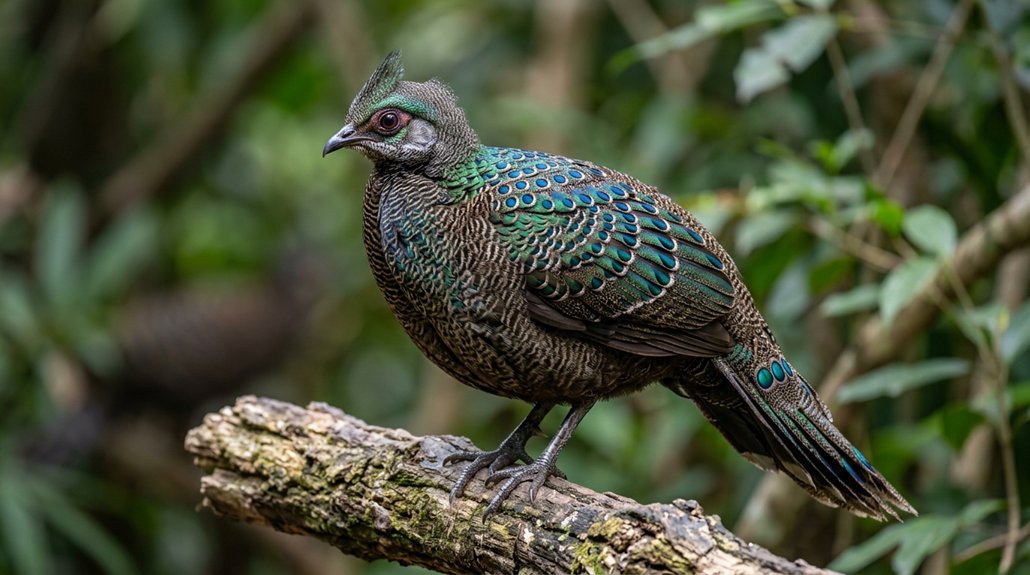
Rare pet birds are often rare because they’re legally protected, hard to source, or poorly suited to ordinary homes. You may know species like Black Palm Cockatoos, Golden Conures, Victoria Crowned Pigeons, and Australian King Parrots, plus ornamental Archangel pigeons. Toucans, crows, and owls usually aren’t ideal pets because they need specialized diets, enclosures, and permits. If you’re evaluating one of these birds, you’ll want to understand the real space, cost, and legal demands behind ownership.
Key Takeaways
- Rare pet birds are often limited by legal protection, captive suitability, or conservation status, not just by how hard they are to find.
- Black Palm Cockatoos need very large, secure aviaries, heavy-duty enrichment, and experienced handling because of their size and powerful beaks.
- Golden Conures are tightly regulated and endangered, so ownership usually requires permits, breeder verification, and full legal documentation.
- Australian King Parrots, Green Aracaris, owls, and corvids demand specialized diets, housing, and handling best suited to experienced keepers.
- Domestic breeds like Archangel pigeons are rare-looking but well adapted to captivity, unlike wild species that should never be casually acquired.
What Makes a Pet Bird Rare?
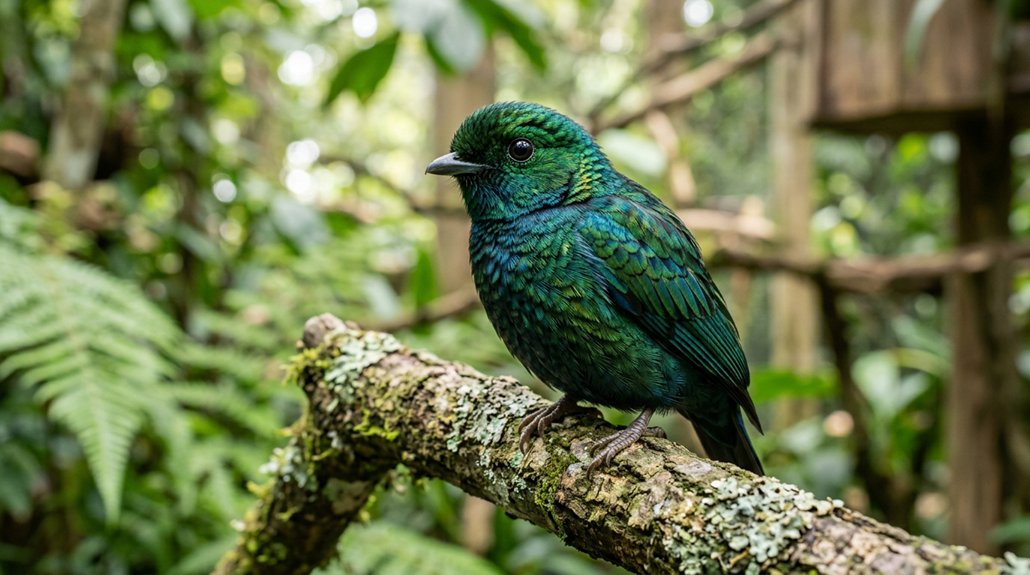
A pet bird is considered rare when one or more factors limit its availability, legality, or suitability in captivity. You’ll usually see rarity tied to conservation status: Endangered or Critically Endangered species are seldom traded because populations are declining and permits are restricted. Legal frameworks such as the MBTA, CITES, and national wildlife laws can make ownership illegal or heavily regulated. You also need to take into account husbandry; some birds require expansive space, specialized diets, or complex behavioral enrichment, which narrows the pool of suitable keepers. Trade rarity can reflect wild scarcity, market demand, or captive breeding history. Breeding ethics matter, too, because non-domesticated species may be poorly adapted to captivity, while long-managed breeds are far more common.
Rare Pet Birds for Experienced Owners
If you’re an experienced keeper, you’ll find that rare birds like Black Palm Cockatoos, Golden Conures, and Australian King Parrots demand large enclosures, strict dietary management, and advanced handling skills. Species such as Green Aracaris add further complexity with constant fresh fruit requirements, heavy mess, and rapid-flight injury risks. Owls and corvids are even less suitable, since they’re often regulated or protected and usually belong only in licensed facilities or expert rehabilitation settings.
Experienced Owner Birds
For experienced keepers, rare pet birds should be chosen only with a clear understanding of their size, intelligence, husbandry demands, and handling risks. You’ll need advanced bonding techniques and enrichment strategies for birds such as Black Palm Cockatoos, which are powerful, hard-beaked, and often less affectionate than their appearance suggests. Australian King Parrots and large macaws demand confident handling and long-term commitment, while African Greys need intensive mental stimulation to avoid behavioral decline. Golden Conures are tightly regulated and shouldn’t be pursued without full legal documentation and conservation awareness. Toucans like Green Aracaris add risk through fast flight and fragile bodies, making close handling hazardous. These species reward expertise, but they aren’t suitable for casual ownership or limited avian experience.
Space And Diet Needs
Space and diet are often the limiting factors with rare pet birds, even for experienced keepers, because their enclosure size and feeding requirements can be far beyond standard avian setups. You’ll need to match species-specific space, enclosure ventilation, and diet exactly.
- Black Palm Cockatoos need very large aviaries, strong structures, and room for a heavy-bodied bird to move safely.
- Victoria Crowned Pigeons require wide, open ground space for natural dipping and walking behaviors.
- Green Aracaris need constant ripe fruit, so expect high cost, spoilage, and frequent cleaning.
- Golden Conures demand legal, ethical sourcing and long-term planning; owls, by contrast, require whole-rodent diets and permits.
Seasonal foraging can help you design enrichment, but it shouldn’t replace precise nutritional management.
Hard-To-Tame Species
| Species | Key challenge |
|---|---|
| Black Palm Cockatoo | Huge beak, complex training |
| Golden Conure | Regulated, endangered trade |
| Green Aracari | Fruit-only feeding, messy |
| Owl | Permits, prey diet |
Black Palm Cockatoos need advanced flight training and can be intimidating. Golden Conures are tightly controlled, so you must verify legality first. Australian King Parrots may bond yet resist affection, and their hard beaks demand skill. Green Aracaris require fresh fruit continuously and can strike your face in fast flight. Owls usually aren’t suitable pets at all.
Black Palm Cockatoo Care and Temperament
You’ll need to approach a Black Palm Cockatoo as a highly intelligent, strong-willed hookbill that isn’t particularly affectionate and often requires consistent, expert training plus structured enrichment to prevent behavior problems. You should expect loud vocalizations and a long-term commitment, with handling that stays calm, deliberate, and based on clear boundaries. Because this species is large and powerful, you’ll also need substantial aviary space, durable perches and toys, and careful management of its intense beak use.
Temperament And Training
Black Palm Cockatoos are highly intelligent birds, but they’re not naturally affectionate and can be difficult to manage without experienced, consistent handling. You’ll need structured, patient training to direct their strong problem-solving instinct into acceptable behaviors.
- Use problem solving enrichment with puzzle toys and foraging tasks.
- Reinforce desired actions with short, regular positive-reinforcement sessions.
- Apply boundary setting strategies early; they’re stubborn and may resist handling.
- Prioritize safety because their upper beak is intimidating and their bite is powerful.
You should also build socialization gradually, since they don’t always seek human contact. To reduce boredom, stress, and destructive noise, keep training precise, varied, and mentally demanding.
Space And Handling Needs
With temperament and training established, space and handling become the next major considerations for Black Palm Cockatoos. You’ll need aviary design that supports a bird about 20 inches long and 31–42 ounces, with ample vertical room plus long flight runs for exercise. Heavy-duty bars, locks, and perches are essential, since their beak can defeat weak hardware. Outside the enclosure, provide supervised flight time in a secure room or large aviary. Your handling protocols should assume a hard-beaked, low-cuddling parrot: use calm, consistent cues, avoid rough restraint, and work only if you’re experienced. Offer durable foraging toys, puzzle feeders, and destructible items to channel chewing and tool-use behaviors. Because of their size and demands, they’re best suited to highly experienced owners committed to specialized, long-term care.
Victoria Crowned Pigeon Space Needs
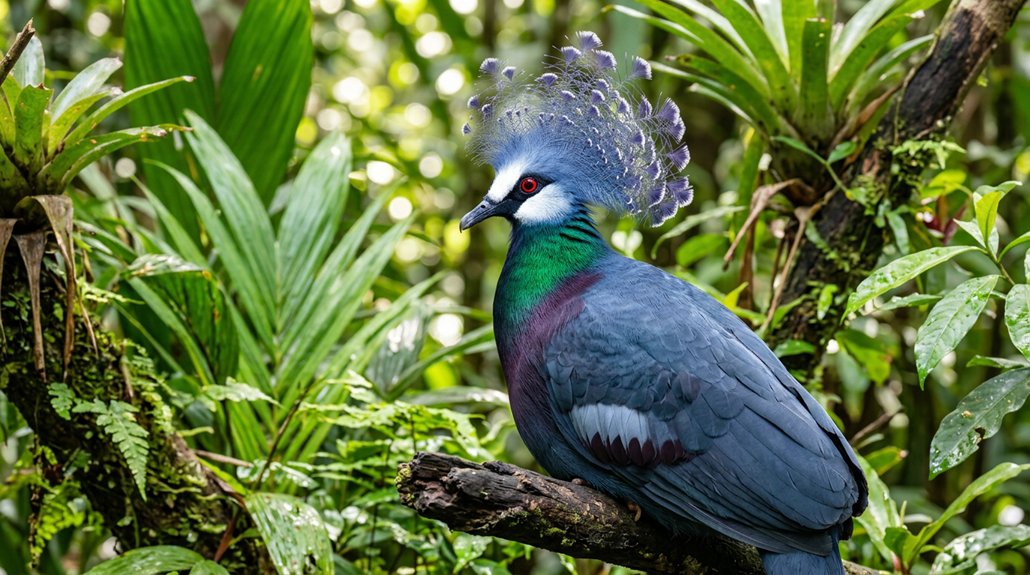
Victoria crowned pigeons need exceptionally large enclosures because these ground-oriented birds reach about 29 inches in length and weigh roughly 5.5 pounds. You can’t house them in standard cages; prioritize broad ground space and forest mimicry to support walking, foraging, and courtship displays.
Victoria crowned pigeons need very large enclosures, with broad ground space and forest-like cover for natural behavior.
- Provide an expansive aviary or free-flight pen.
- Use sturdy flooring with low perches for resting.
- Include leaf litter, low vegetation, and sheltered zones.
- Install secure fencing to prevent escape and predator access.
Heights should allow comfort, but floor area matters most. You’ll also need open sections for dipping dances and enclosed spots that reduce stress. Enrichment should include scattered feed, hiding places, and varied substrate. With these specifications, you’ll promote natural behavior, physical stability, and long-term welfare in captivity.
Golden Conure Availability and Protection
The Golden Conure, also called the Queen of Bavaria Conure, is an endangered parrot that’s exceptionally rare in the pet trade and tightly regulated because of historic overcapture. If you’re evaluating one, expect limited availability and significant legal scrutiny. Adult birds are about 14 inches long, weigh roughly 8 ounces, and show a bright yellow body with dark green-tipped flight feathers. You can’t rely on casual sellers; legal sales occur only occasionally through reputable breeders. Captive-bred individuals are hard to locate, and conservation permitting may be required for ownership or transfer. You should use breeder verification to confirm origin, documentation, and compliance with national and international rules. Because wild survival remains uncertain, improper acquisition can directly intensify pressure on the species and undermine protection efforts.
Australian King Parrot Traits and Care
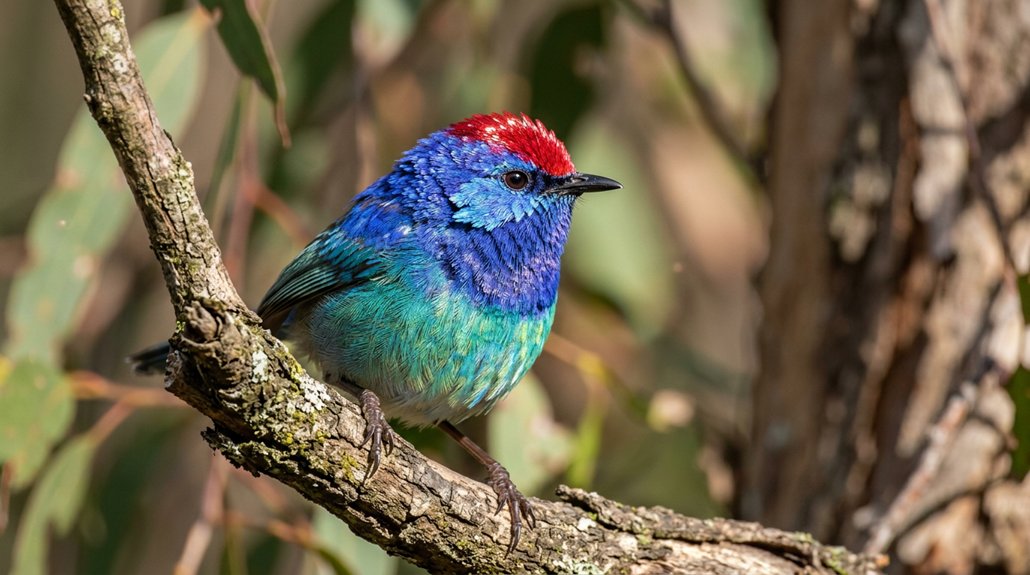
Striking yet demanding, Australian King Parrots measure about 16–18 inches long and weigh roughly 9 ounces, with males showing a fully red head and chest while females are mostly green with a red belly patch and blue rump. You’ll notice clear color dimorphism and a powerful, hard beak.
Striking and demanding, Australian King Parrots feature vivid dimorphism and a powerful beak built for durable fare.
- They bond well, yet they can resist hands-on affection.
- You should house them in a spacious aviary with lots of out-of-cage exercise.
- Provide pellets, fresh produce, and safe seeds or nuts for balanced nutrition.
- Use aviary enrichment and regular training to prevent boredom.
Because they’re intelligent, you’ll need durable toys, sturdy perches, and consistent interaction. Their long lifespan and social needs mean this bird isn’t a casual purchase for you.
Archangel Pigeon and Pet Pigeon Varieties
Unlike the more demanding Australian King Parrot, pet pigeons are often selected for their stable temperaments and predictable care needs, and the Archangel pigeon is a standout fancy breed. You’ll recognize it by metallic bronze or gold body color, contrasting black, white, or blue wings, and often unfeathered legs, dark orange eyes, or a crest. At about 13–14 inches and 12 ounces, it’s compact yet striking. Its breeding history in Europe extends to royal collections since the 13th century, and fanciers have produced many color varieties through archangel genetics. That selective breeding shaped its ornamental plumage and dependable domestic temperament. Like Kings, Fantails, Tumblers, and Homers, it belongs to established fancy lineages. Because it’s domesticated, it thrives in captivity and shouldn’t be released.
Why Toucans, Crows, and Owls Are Poor Pets
Although toucans, crows, and owls can be fascinating to observe, they’re poor choices for most private homes because each has highly specialized husbandry demands that typical owners can’t meet. You’d need species-specific expertise, not general bird care.
- Toucans need constant ripe fruit, large space, and careful sanitation; their messy feeding and powerful bills create handling risks.
- Crows and other corvids are cognitively complex, yet many are protected by law, creating serious legal issues if you keep them.
- Owls require whole rodents daily, nocturnal routines, and secluded housing; they don’t bond with you like companion birds.
- All three need enclosures, diet, and behavior management beyond standard pet setups, so welfare problems and conservation concerns quickly arise.
Care Costs, Space, and Legal Risks
Beyond husbandry complexity, rare pet birds also create major financial, spatial, and legal burdens. You’ll face thousands in initial setup and recurring ongoing costs for cages, aviaries, enrichment, specialized diets, and avian veterinary care. Large parrots can live 50 years, so budgeting is lifelong.
| Expense | Impact |
|---|---|
| Large cage | High upfront cost |
| Aviary space | Construction and upkeep |
| Diet | Fruit, rodents, or specialty feed |
| Legal compliance | Permit requirements and records |
Species like Black Palm Cockatoos, Blue-and-Gold Macaws, and Victoria Crowned Pigeons often need flight rooms or outdoor aviaries, not standard cages. Endangered birds such as Golden Conures may be tightly regulated, while corvids and owls can be illegal without permits. If you ignore local and federal rules, you risk fines, confiscation, and conservation harm.
Frequently Asked Questions
What Is the Rarest Bird You Can Keep as a Pet?
The rarest bird you can legally keep is usually a highly regulated parrot, like a Golden Conure; you’ll need permits, expert care, and current hyacinth macawcare tips and kakapo conservationupdates before considering ownership.
What Is the 3 3 3 Rule for Birds?
You’re using a guideline: 3 days of shock, 3 weeks of adaptation, and 3 months of bonding. You’ll track behavioral milestones, adjust habitat enrichment, and remember it’s a heuristic, not a strict timetable.
What Is the Rarest Species of Bird?
You’ll usually cite the Javan blue-banded kingfisher as one of the rarest, with perhaps under 50 mature birds left. Among endemic finches and nocturnal parrotlets, scarcity often reflects limited range, habitat loss, and survey bias.
What Are the 5 Mythical Birds?
You’re looking at five mythical birds: legendary phoenix, mythical roc, Thunderbird, Simurgh, and Garuda. Ironically, none are pets, yet each carries precise cultural roles—rebirth, storm power, healing wisdom, and divine speed.
Conclusion
You may think a rare bird is a jewel for your home, but it is often a lock and key: beauty bound to demanding care. If you choose one, you must provide space, time, legal compliance, and expert husbandry, or the bird’s brilliance will fade like a caged sunrise. For most people, admiration is better than ownership. Let rarity remain a signal for responsibility, not a trophy, and you’ll protect both the bird and yourself.