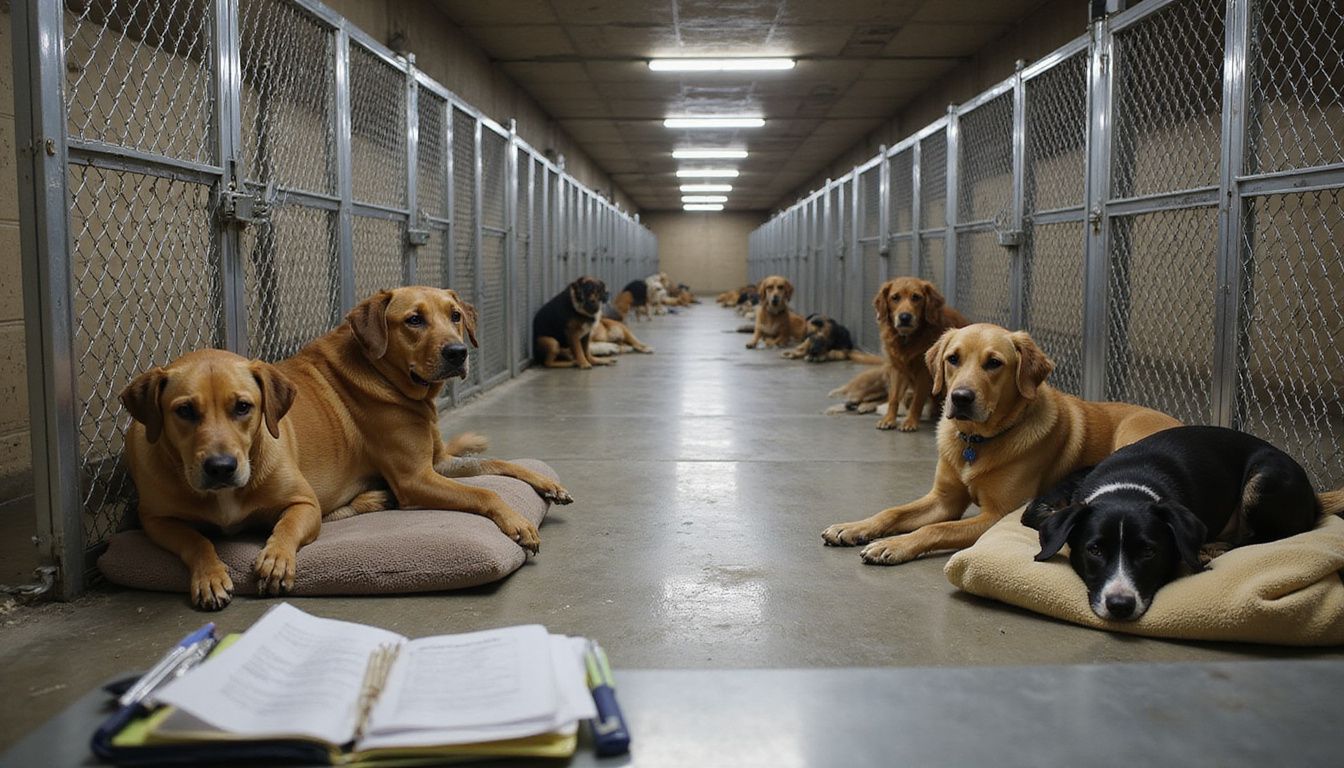
Ever catch your kids watching puppy videos on repeat and wonder if your family could actually handle a dog?
You’re not imagining how big this decision really is.
Last year, shelters saw a 63% jump in dog surrenders. Most of those families just didn’t understand what dog ownership actually takes on a daily basis.
That’s exactly why I put this guide together for you.
We’ll walk through the money, the training, the space you’ll need, and all the stuff nobody warns you about until it’s too late. Grab a coffee, and let’s go through it together so you know exactly what you’re signing up for.
Key Takeaways
- Dog ownership means daily exercise, mental stimulation, and steady care for the dog’s whole life. That’s a real commitment for your entire family.
- First-year costs run about $6,100, with ongoing yearly costs between $2,000 and $3,400. Budgeting ahead, and maybe pet insurance, makes a huge difference.
- Shelters saw a 63% jump in dog surrenders last year, mostly because families didn’t grasp what daily dog care actually involves.
- Match the breed, energy level, and age to your real lifestyle and living space, not the life you wish you had, to avoid mismatched expectations.
- Good training and socialization prevent problem behaviors. In fact, 75% of socialization is really about teaching your dog to calmly ignore people and other animals.
Assessing Your Family’s Readiness for Dog Ownership
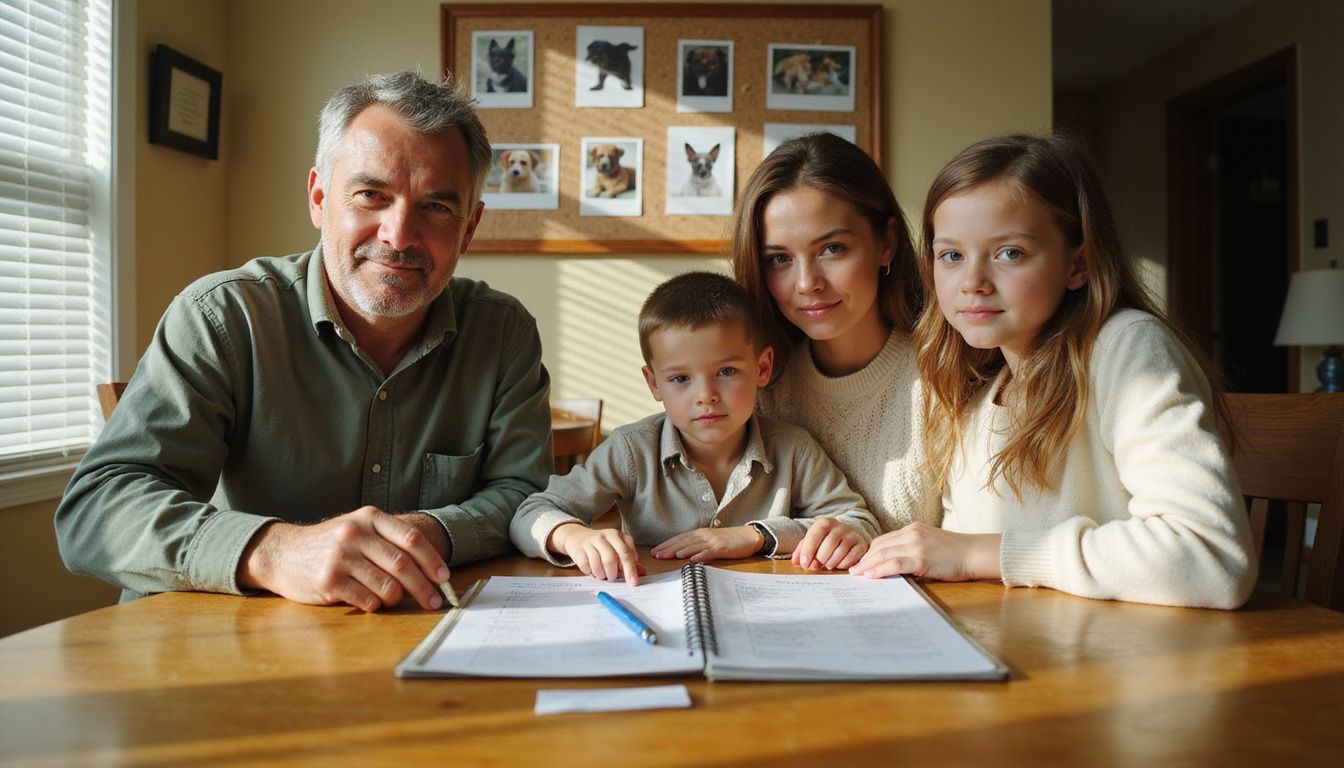
Before you bring a dog home, sit down with your family and have an honest talk about time, energy, and commitment. Dogs need daily exercise, mental stimulation, and steady care for their whole lives, so ask yourself if your household can really deliver on that promise, day after day.
How much time and energy does caring for a dog require?
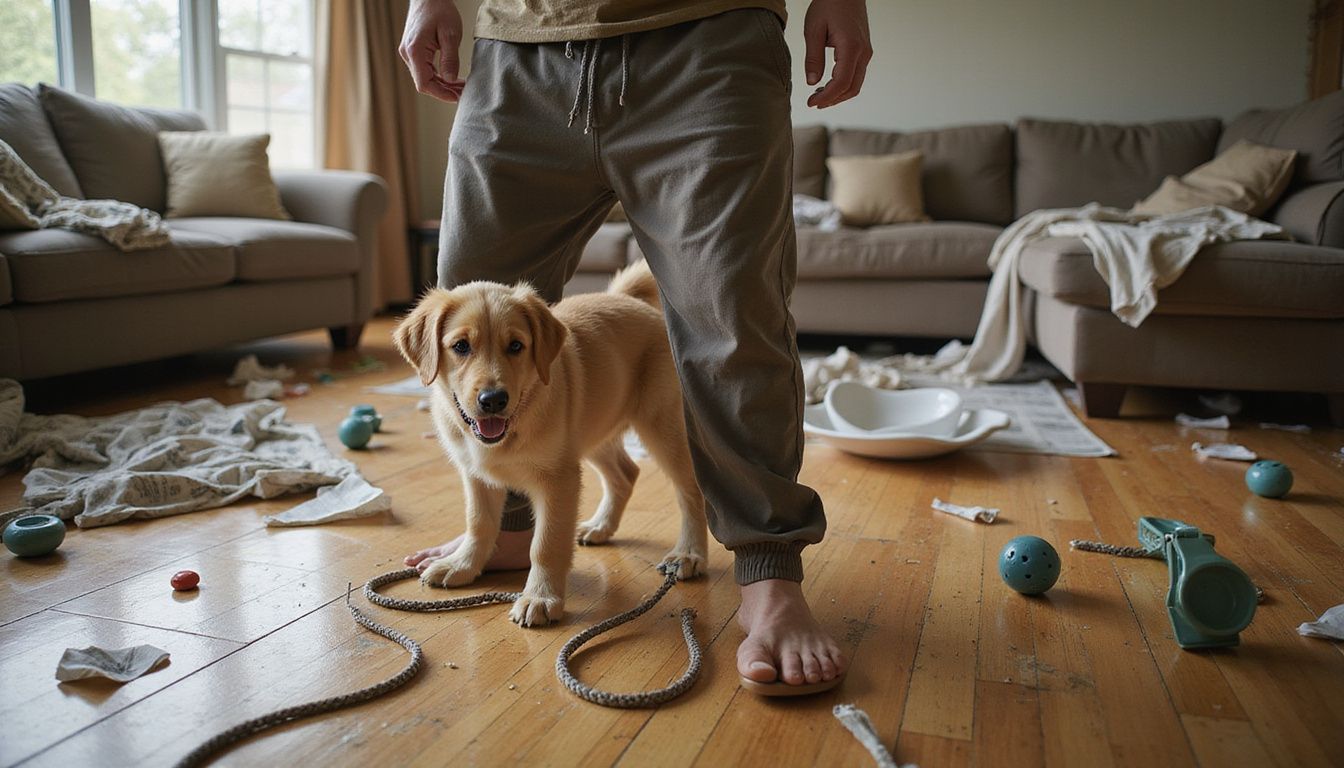
Caring for a dog takes far more time and energy than most people expect, especially in a puppy’s first year. Your new companion needs frequent bathroom breaks, steady training sessions, and someone watching over them for most of the day.
According to a December 2024 survey by Royal Canin North America, more than half of new dog owners go through the “puppy blues,” real stress, anxiety, and a feeling of being completely overwhelmed by sudden care demands. If you feel that way in the first few weeks, you’re in good company. It just means the workload is real, not that you made a mistake.
Puppies need potty breaks every two to three hours, which gets exhausting fast if you’re also driving kids to school or practice. Here’s proof a strict potty training routine actually works: a practice group of 12 puppies, all between 8 and 12 weeks old, followed one simple plan for two weeks.
- Outside every 2 to 3 hours, with short crate naps in between trips
- About 25 minutes a day total spent on potty trips and reward steps
- House-soiling accidents dropped from 6 a day to just 0 or 1 by day 10
Consistency beat effort every single time in that group. Families who stuck with the schedule saw fewer accidents fast, even without doing anything fancy.
Mental stimulation and physical exercise take up several hours a day too. Your dog needs walks, play, and interactive games to stay healthy and content.
A dog is not just for Christmas; a dog is for life, and that life demands your presence.
Your first year costs money and time in equal measure. Routine vet care, vaccinations, and basic supplies eat into both your wallet and your calendar.
You’ll likely need extra help filling the gaps too:
- Day care services, if you work full time and can’t be home during the day
- Dog walkers, for midday breaks when your schedule runs long
- Professional trainers, like those at Pupford Academy, for structured skill building
Separation anxiety builds fast in dogs left alone too long, so plan for care during the hours you’re away. Your household also needs dog-proofing, food prep time, grooming sessions, and mental exercise woven into your daily routine.
The Animal Welfare Act makes it clear that dogs deserve real care, attention, and companionship, not neglect or being left alone all day.
Are children ready to handle dog ownership responsibilities?
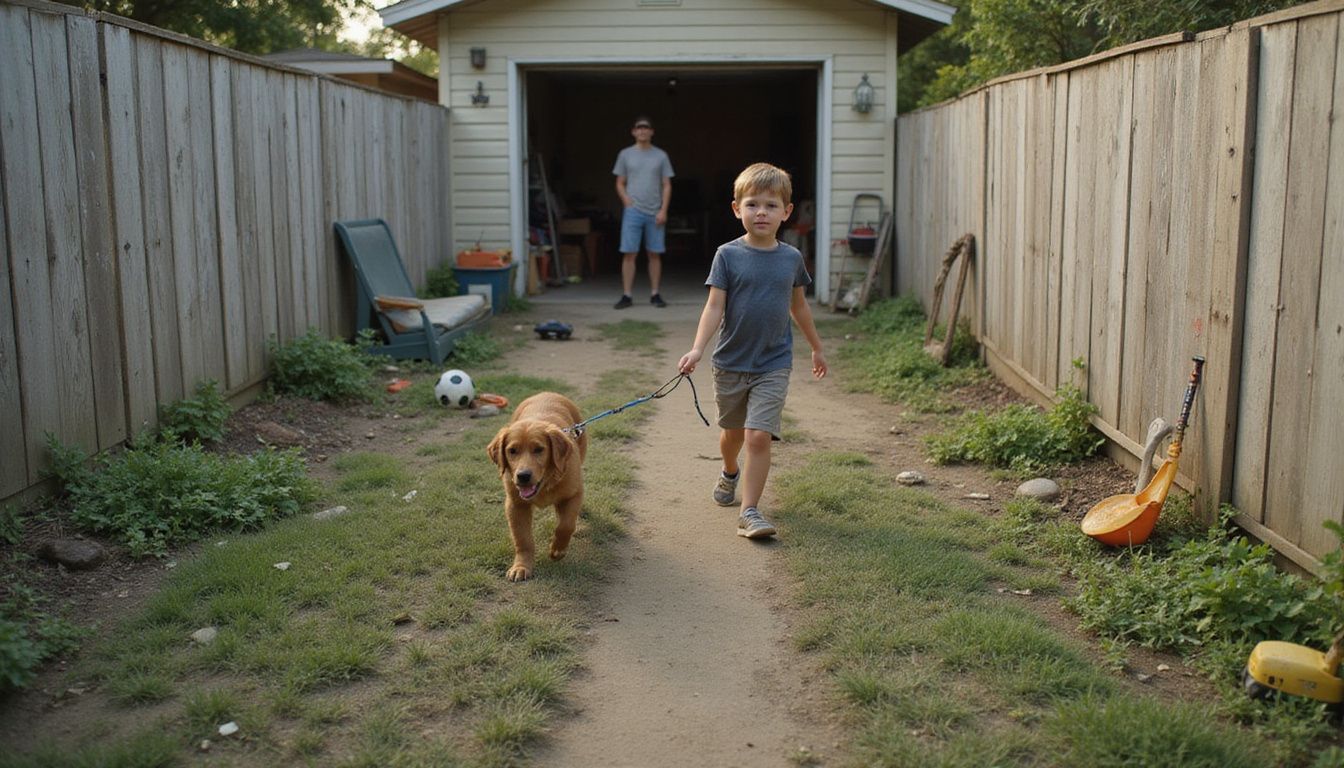
Your kids probably mean every word when they promise to walk, feed, and groom the new dog every day. That excitement often fades fast though, sometimes within just a few weeks.
This reality hits a lot of families hard. Parents typically shoulder most of the responsibility, from dog training to daily dog care routines, no matter how many promises got made along the way.
A June 2026 survey of U.S. pet dynamics published by Dogster found that 66% of people in multi-person households call themselves the “primary pet parent,” and 58% say they end up doing absolutely all of the pet care work themselves. So here’s how responsibility can actually look, broken down by age:
- Five-year-olds: pour kibble into the food bowl
- Ten-year-olds: take the dog for short walks, help with dog grooming, or learn simple dog first aid course basics
- Teenagers: research dog body language, or look into joint supplements for aging dogs
Your role becomes less about supervising and more about doing the actual work yourself. Still, giving kids age-appropriate tasks matters, since small jobs build responsibility and real empathy for their new companion.
The key here is consistency, not perfection. Your kids learn that the dog depends on them for comfort and care, and that lesson builds character in ways lectures never can.
You become the safety net, stepping in when they forget or lose interest. That involvement turns dog companionship into a family experience that strengthens bonds across generations.
Financial Considerations
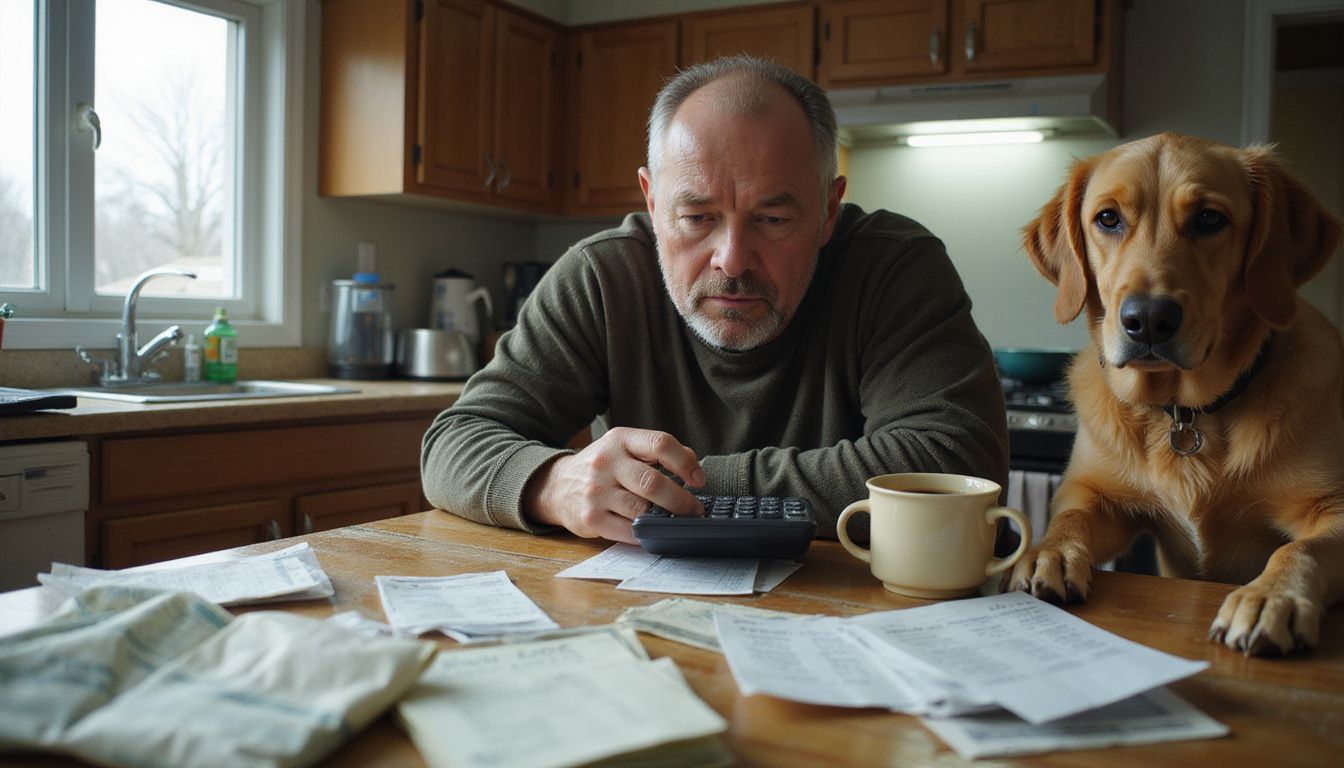
Owning a dog costs real money upfront, and every month after that. You’ll pay for food, vet visits, toys, and supplies that add up faster than you’d think.
What are the initial and ongoing costs of owning a dog?

Getting a dog means opening your wallet in ways you might not expect. Understanding the money side now helps you prepare for this rewarding, but pricey, adventure.
| Cost Category | Initial Expenses | Ongoing Annual Costs | Notes |
|---|---|---|---|
| Purchase or Adoption | $800 | None | One-time cost from breeders or adoption agencies |
| Startup Supplies | $500 | None | Includes collars, leashes, beds, and food bowls |
| General Supplies | $2,000 | Included in ongoing | Food, treats, toys, and accessories for first year |
| Veterinary Care | $2,000 | $1,000-$1,500 | Checkups, vaccinations, spaying/neutering in year one; routine visits after |
| Professional Training | $800 | $200-$400 (optional) | Obedience classes and behavioral guidance |
| Daycare Services | None | $300+ (optional) | If you work full-time and need supervision |
| Grooming | None | $500-$1,000 | Varies by breed size and coat type |
| Pet Insurance | None | $300-$600 | Protects against emergency vet bills |
| Total First Year | $6,100 | $2,000-$3,400+ | Varies based on choices and dog needs |
Your first year hits hardest, with roughly $6,100 in startup costs. That $800 purchase price or adoption fee is just the start. Add $500 for supplies like crates and leashes, then about $2,000 more for food, treats, and toys during those first twelve months.
Recent tracking of 50 households adopting dogs found a median first-year spend of $6,050, clustering tightly around that $6,100 figure. Spending ranged from $4,200 to $7,900 depending on the choices families made, with vet costs creating the widest swing, from $1,200 to $2,600. About 28% of households used daycare or walker services, adding roughly $360 a year, and 42% of families chose pet insurance, adding around $420 a year.
Veterinary expenses deserve serious attention. Budget around $2,000 for year one to cover checkups, vaccinations, and spaying or neutering. Professional training runs about $800 if you take classes, and daycare might add $300 more if your schedule demands it.
Smart planning makes all of this manageable. Here’s a simple system that works for a lot of families:
- Set aside $500 as a starting cushion before your dog even comes home
- Add $50 to $100 a month to a dedicated savings account
- Ask your vet about payment plans for bigger, unexpected bills
After that first year, the money flows differently. Food and treats stay fairly steady, grooming runs $500 to $1,000 a year depending on breed size, and regular vet visits land at $1,000 to $1,500 annually for preventive care. Pet insurance protects your bank account during emergencies, running $300 to $600 a year.
Breaking costs into categories keeps your budget realistic. Monthly expenses usually land around $150 to $300 for food and basic care, but an unexpected vet visit can spike that fast, which is why the emergency fund matters so much. Grooming might happen every 6 to 8 weeks for some breeds, while others need far less attention.
Why is pet insurance important for your dog?
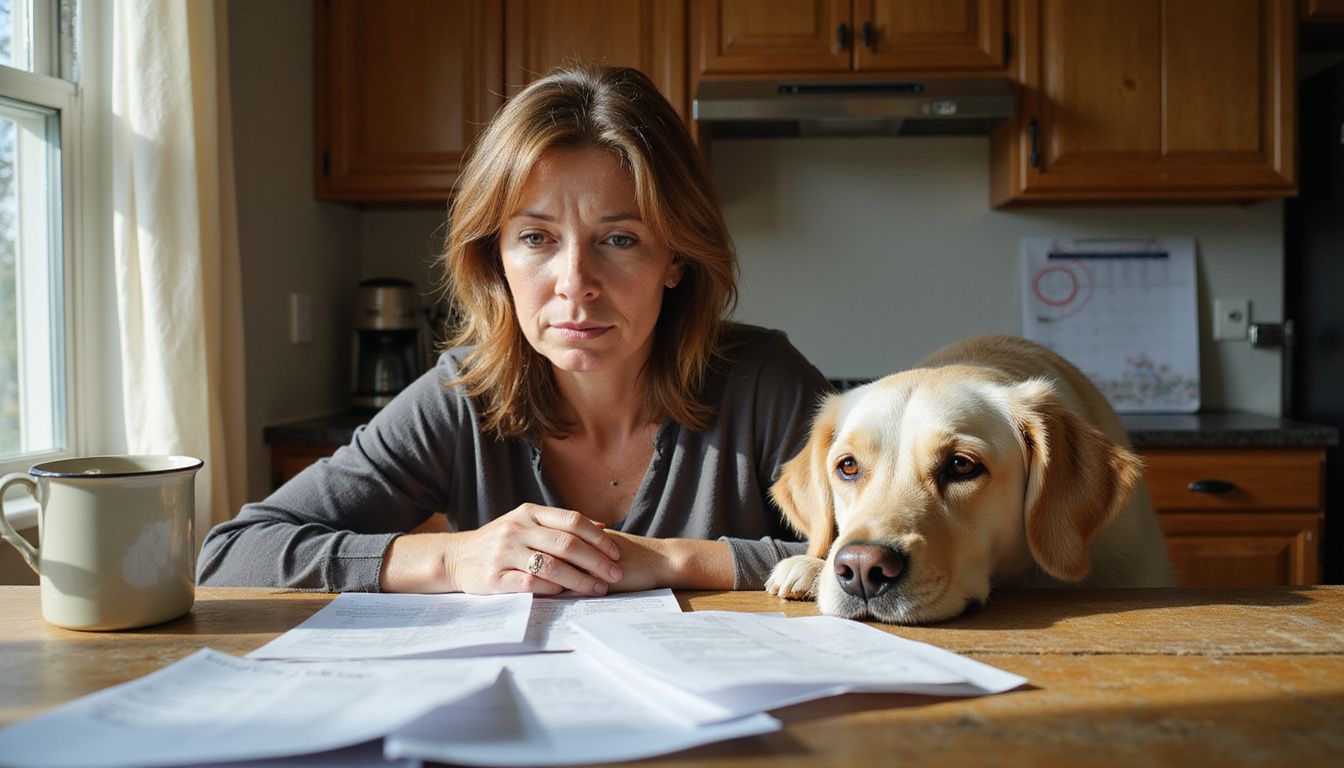
Beyond the upfront costs of supplies and food, vet bills can hit your wallet hard. A single emergency can cost $3,000 to $5,000 for an accident or serious illness, and pet insurance acts as your financial safety net for exactly that kind of moment.
This coverage protects you from sudden vet expenses that could drain your savings fast. Many pet owners find out too late that they can’t afford critical care without it.
According to an April 2025 study by PetSmart Charities and Gallup, 52% of U.S. pet parents have skipped or declined vet care their pet needed, and 70% of those owners said cost was the reason why. That’s a hard number to read, but it shows exactly how fast a lack of coverage can force an impossible choice on a family.
“The best investment in your dog’s health is planning for the unexpected before it happens.”
Opening a separate savings account for pet expenses helps, but insurance offers real peace of mind. You pay a monthly premium, and the insurer covers most of the major costs when your dog needs help, keeping your new dog starter course on track without money stress derailing your plans.
Before you pick a plan, check for these details:
- Accident-only coverage versus accident-and-illness coverage
- Whether breed-specific or genetic conditions are included
- Waiting periods before coverage actually kicks in
- The reimbursement percentage and any annual payout limits
Your rescue dog or purebred Chihuahua deserves quality care without you facing impossible choices about money. Insurance means you get to say yes to the treatment your dog needs, not just the one you can afford that day.
You protect your pet’s future and your family’s financial stability at the same time. That kind of preparation turns dog ownership from a financial gamble into a manageable, joyful experience.
Choosing the Right Dog for Your Family
Finding the right dog for your family means matching energy levels, size, and age to your actual lifestyle, not the lifestyle you wish you had. Your dog’s breed, temperament, and physical needs should fit into your daily routine, your home, and your family’s real capacity to care for them.
Matching dog breeds and energy levels to your lifestyle

Your lifestyle shapes which dog breed will actually thrive in your home. Matching energy levels matters more than most people think.
| Your Lifestyle Type | Energy Level Match | Breed Examples | What You Should Know |
|---|---|---|---|
| Active, Outdoorsy Person | High Energy Required | Working breeds, Border Collies, Australian Shepherds | Working breeds demand significant time for exercise, training, and engagement. These dogs need jobs to do. Without proper outlets, they become destructive. Plan for daily runs, hikes, or agility training. Your commitment level must be serious. |
| Moderate Activity Level | Medium Energy | Beagles, Cocker Spaniels, Mixed breeds | Beagles are noted for their tendency to overeat and excessive vocalizations, indicating their dramatic nature. They need regular walks and mental stimulation. Breed-specific groups help you find recommendations for good breeders and understand breed quirks. Research prevents surprises later. |
| Quieter, Home-Based Routine | Low to Medium Energy | Toy breeds, Pugs, Cavalier King Charles Spaniels | Toy breeds adapt well to apartment living and shorter exercise sessions. They still need daily walks and mental enrichment. Smaller dogs suit people with limited outdoor space. Training remains important regardless of size. |
| Families with Young Children | Medium Energy, Patient Temperament | Golden Retrievers, Labrador Retrievers, Gentle mixed breeds | Avoid high prey drive breeds like terriers, which may not suit owners who dislike chasing behavior. Gentle breeds tolerate rough play better. Socialization from puppyhood builds tolerance around kids. Training prevents accidents and teaches respect. |
| Limited Time, Busy Schedule | Low Energy | Bulldogs, Basset Hounds, Shih Tzus | Lower energy dogs need less exercise but still require daily attention. They may have health concerns requiring veterinary care. Never skip walks or mental play, even for calm breeds. Boredom affects all dogs, regardless of energy type. |
Research matters a lot here. A simple 7-question scoring tool helps families measure lifestyle fit before adopting, covering things like daily outdoor time, household size, and grooming tolerance, for a score between 0 and 21. In a 30-household trial, those scores predicted satisfaction clearly: low-fit matches (0 to 7) reached only 30% high satisfaction at 60 days, medium-fit scores (8 to 14) hit 67%, and high-fit scores (15 to 21) delivered 90% satisfaction.
That kind of tool works because it forces you to be honest about your real routine, not the one you imagine having. A quick score like this can prevent the mismatched expectations that so often lead to surrenders.
Before you commit to a breed, ask yourself a few tough questions:
- Does this breed have a high prey drive, like terriers, that might not suit someone who dislikes chasing behavior?
- How many hours of daily exercise does this breed actually need?
- What does this breed typically cost at the vet compared to others?
- How much shedding and grooming should I expect?
Working breeds need far more time than toy breeds, and a mismatch leaves both the dog and the family frustrated. Talk to breed-specific groups about real experiences with particular dogs, and visit shelters or events like Discover Dogs to spend time with different breeds before deciding.
Age matters here too. Puppies need more time than adult dogs, while senior dogs offer calm companionship with fewer demands. Size affects how well you can handle and control the dog, so small breeds tend to suit apartments better while large breeds need more space to move. Your living situation, work hours, and personal energy all determine the right fit, more than anything on paper ever will.
Considering dog size and age for your household
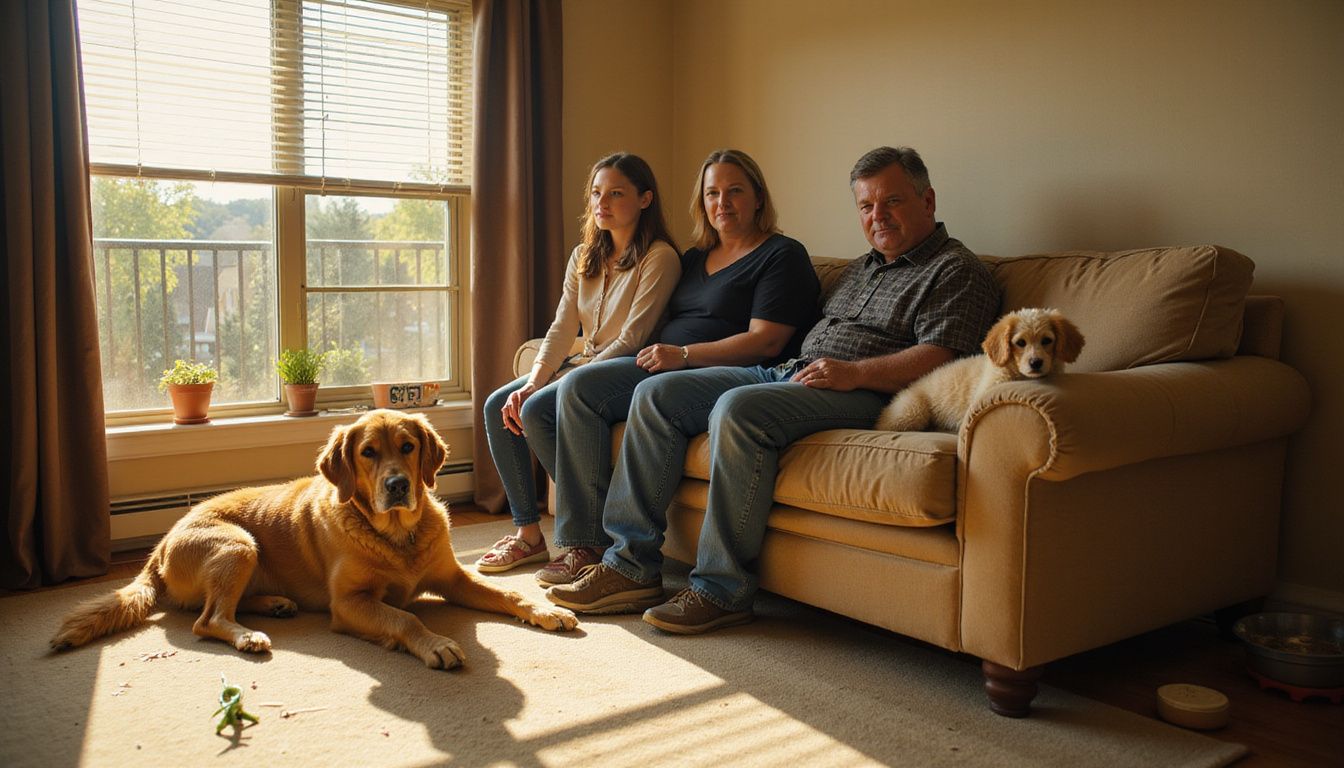
Size matters more than you might think when picking a dog. Toy poodles fit snugly in apartments and need minimal space, while Great Danes need room to stretch their long legs. Think hard about what fits your actual living situation.
Small breeds like Chihuahuas work well in tight quarters, but large breeds need yards and open space to move around. If you live in an apartment without a backyard, a smaller dog just makes more sense.
Data from a late 2025 RentCafe housing analysis shows that around 80% of U.S. rental apartments allow pets, but most enforce strict weight limits, usually capping dogs at 25 to 50 pounds. That rule alone can rule out large breeds before you even get to choose one, so check your lease terms before you fall for a big, floppy-eared dog.
The right size dog for your home is the one that actually fits your space, not the one you wish you had room for.
Age plays a huge role in how much work you take on too. Puppies need constant attention, training, and socialization to grow into well-behaved companions. Adult dogs often come already trained and calmer, which makes them easier to manage day to day.
Senior dogs offer companionship with fewer demands, though they may need extra vet visits. Most dogs live between 10 and 15 years, so think hard about your ability to care for a pet across that whole span.
Adopting an older rescue dog can be rewarding, and you’ll know their personality right away instead of guessing. Match the dog’s age and size to what fits your daily routine, your family’s strength, and your living space, and you’ll set everyone up to succeed.
Preparing Your Home
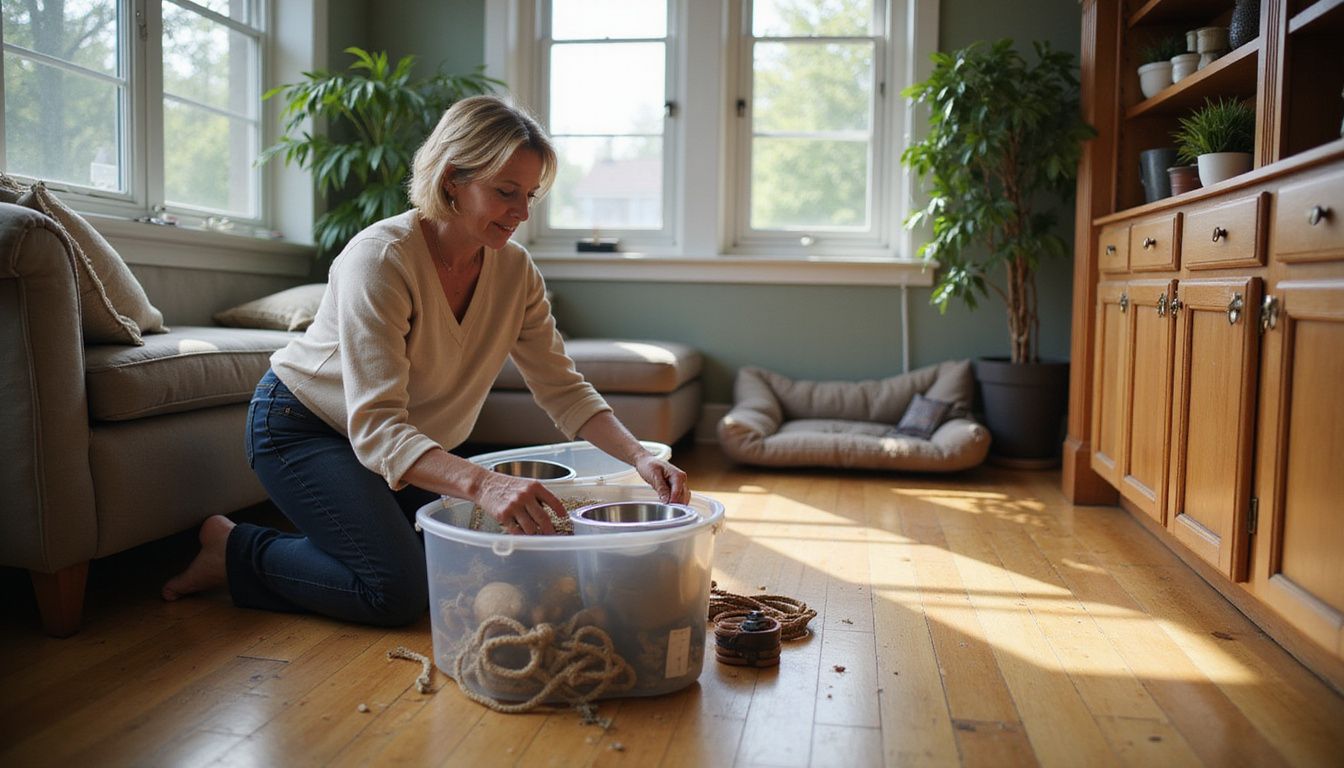
Your home needs real changes before your dog arrives. You’ll want to remove hazards, set up safe spaces, and gather all the supplies your new companion needs.
How do you dog-proof your living space?
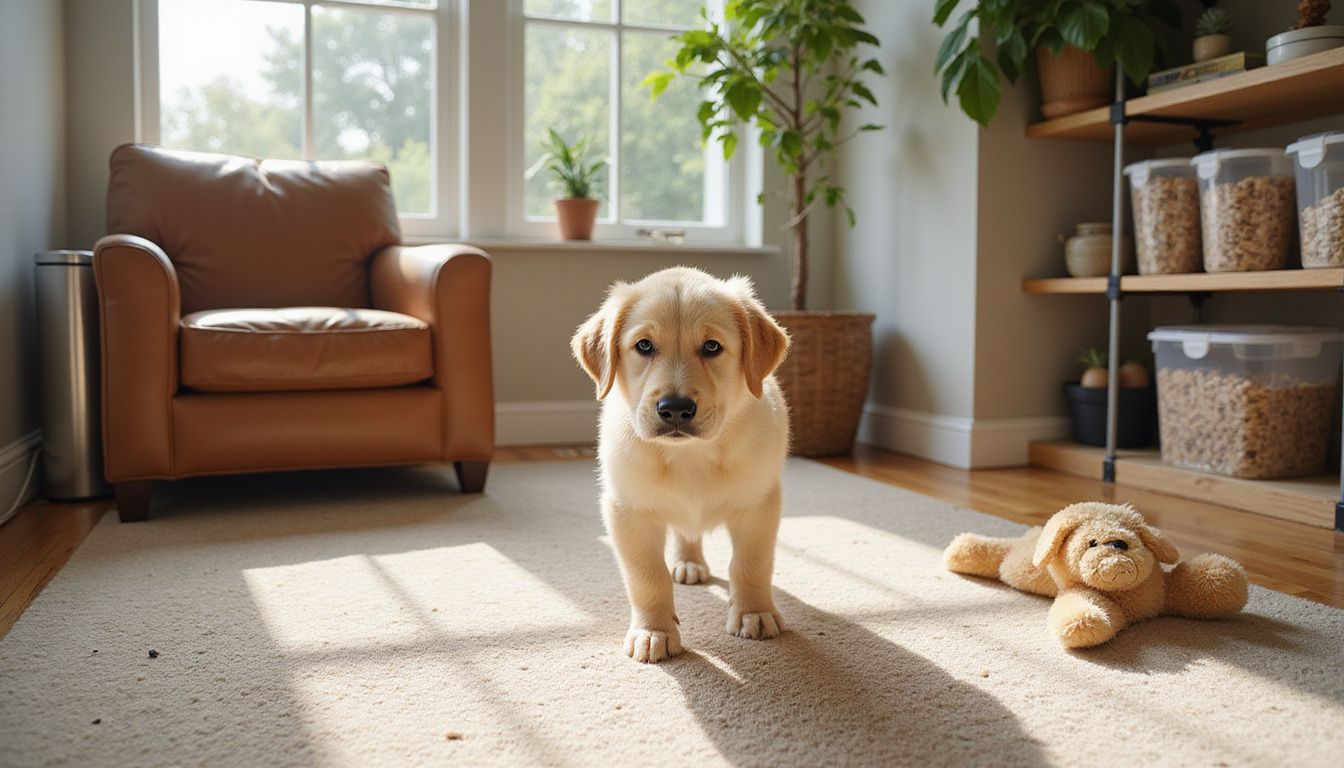
Getting a dog means turning your home into a safe space for your new companion. You’ll need to spot hazards and clear them out before your dog walks through the door.
- Secure all garbage cans with locking lids, or store them in cabinets your dog can’t reach. Dogs love rummaging through trash, and some of what’s in there can hurt them.
- Clear away chocolate, garlic, onions, grapes, and anything with xylitol, like peanut butter, from easy reach. These foods can seriously harm your dog.
- Check your indoor plants and remove lilies, poinsettias, and rhubarb. These rank among the most common household plants that poison dogs.
- Store pet food in airtight containers to keep it fresh. This makes options like dehydrated dog food much easier to manage and store safely.
- Hide electrical cords, medications, and cleaning supplies behind closed doors or in high cabinets where curious paws can’t reach.
- Inspect toys before you buy them. Skip squeaker toys and anything with small parts that could become a choking hazard.
- Skip bones, antlers, rawhides, pig ears, and pizzle sticks. These can splinter or cause blockages in your dog’s gut.
- Scan your yard for poisonous plants, and keep pesticides and fertilizers locked away from your dog’s reach.
- Download the ASPCA pet poison app on your phone for quick access to emergency info if your dog eats something toxic.
- Save the ASPCA Animal Poison Control number in your contacts for fast help during an emergency.
What essential supplies do you need to buy before bringing a dog home?
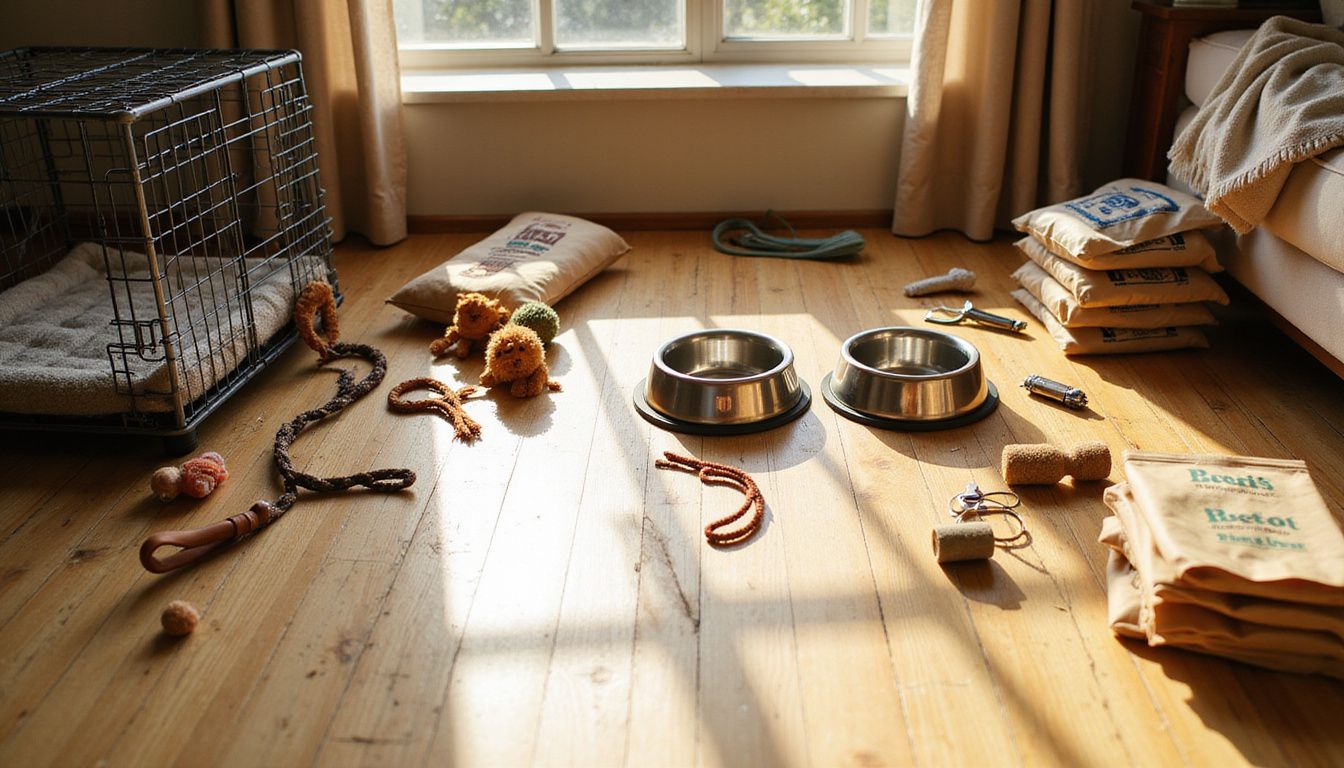
Once your home is dog-proofed and safe, stock up on the right supplies before your new companion arrives. Having everything ready makes the transition smoother and helps your dog settle in faster.
- Buy stainless steel food and water dishes instead of plastic. Plastic can harbor bacteria and cause skin problems over time.
- Grab puzzle feeders to slow down your dog’s eating pace and add some mental stimulation to mealtime.
- Pick a properly fitting collar and harness. Harnesses work best for smaller breeds since they take strain off the neck.
- Buy a standard leash instead of a retractable one. Standard leashes give you far better control on walks.
- Invest in a crate that fits your dog’s size. It gives them a safe space to rest and helps with house training.
- Stock up on the same food brand your dog ate before adoption to avoid stomach upset during the transition.
- Gather basic grooming supplies, like brushes, nail clippers, and shampoo suited to your dog’s coat type.
- Pick up waste bags and a pooper scooper for bathroom breaks and yard cleanup.
- Get toys suited to your dog’s age and energy level to keep them entertained and support healthy play.
- Grab a dog bed or blanket where your companion can rest in a quiet corner of your home.
Establishing Boundaries and Training
Your dog needs clear rules from day one, and your kids need to learn that the pup’s bed, food bowl, and toys belong to that four-legged friend alone. Professional training classes and socialization outings give your dog the skills to behave well around your family, and they teach your kids to read your pet’s body language so everyone stays safe and happy.
How can children learn to respect the dog’s space?
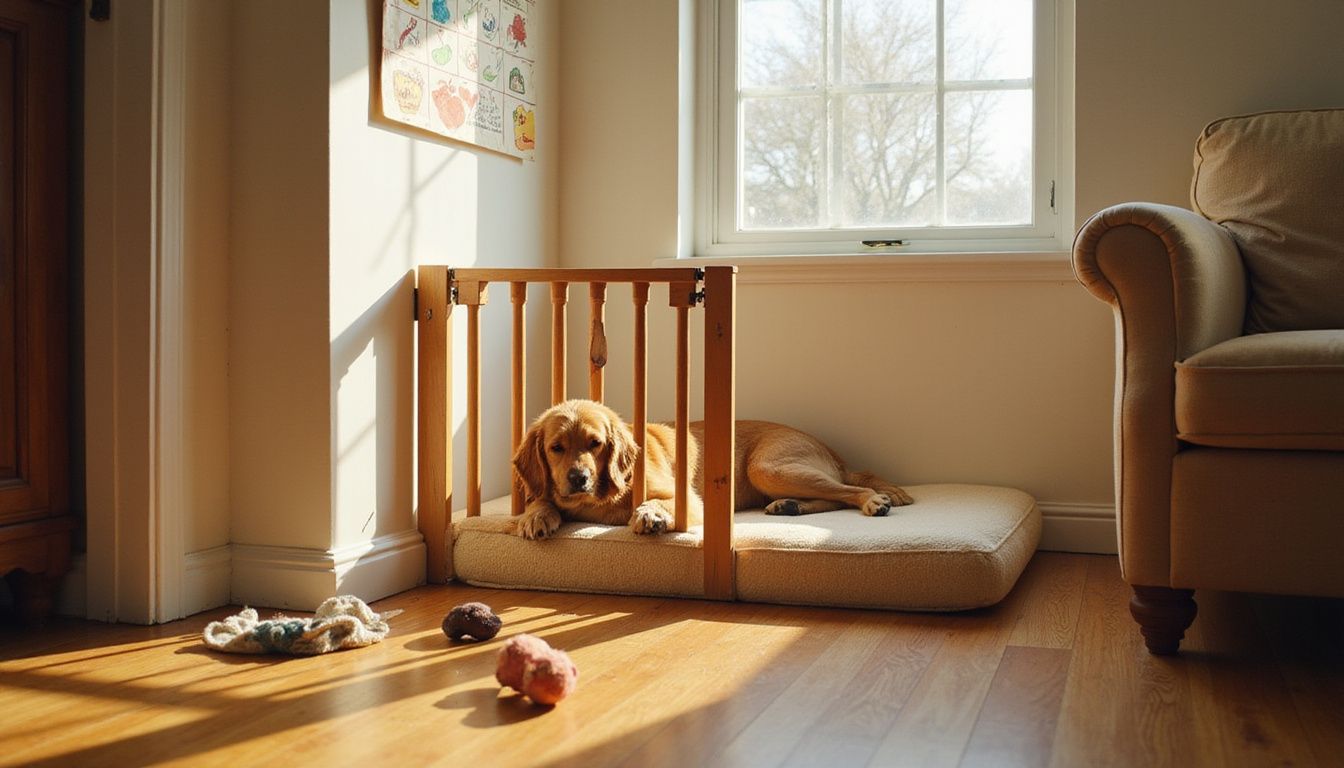
Teaching kids to respect a dog’s space protects both the pet and your family. Kids who learn these boundaries early build empathy, and they help prevent accidents that could hurt the dog.
- Build a dog checklist with your kids that spells out off-limit areas, like the dog’s bed or feeding zone. Clear rules give kids ownership of the responsibility.
- Give each child a specific role, like feeding duty or playtime monitor. Assigned tasks help kids understand boundaries and build real empathy for the pet.
- Teach kids to spot when the dog needs rest. Dogs need quiet time, especially puppies, so kids should leave the animal alone during naps or mealtime.
- Set up a safe space where the dog can retreat without interruption. This teaches kids that the pet deserves privacy, just like they do.
- Show kids how to handle the dog gently, including where to pet and where to avoid touching. Model the behavior you want repeated.
- Set a rule that kids must ask before petting or playing with the dog. This simple habit builds respect and gives the dog some control over the interaction.
- Supervise every interaction between kids and the dog, especially with young children in the house. Active supervision stops mischief before it starts.
- Try canicross or other outdoor activities together so kids burn off energy alongside the dog. Tired kids tend to make better choices about respecting boundaries.
- Praise kids when they respect the dog’s space correctly. Praise builds good habits faster than punishment ever will.
Why invest in proper training and socialization for your dog?
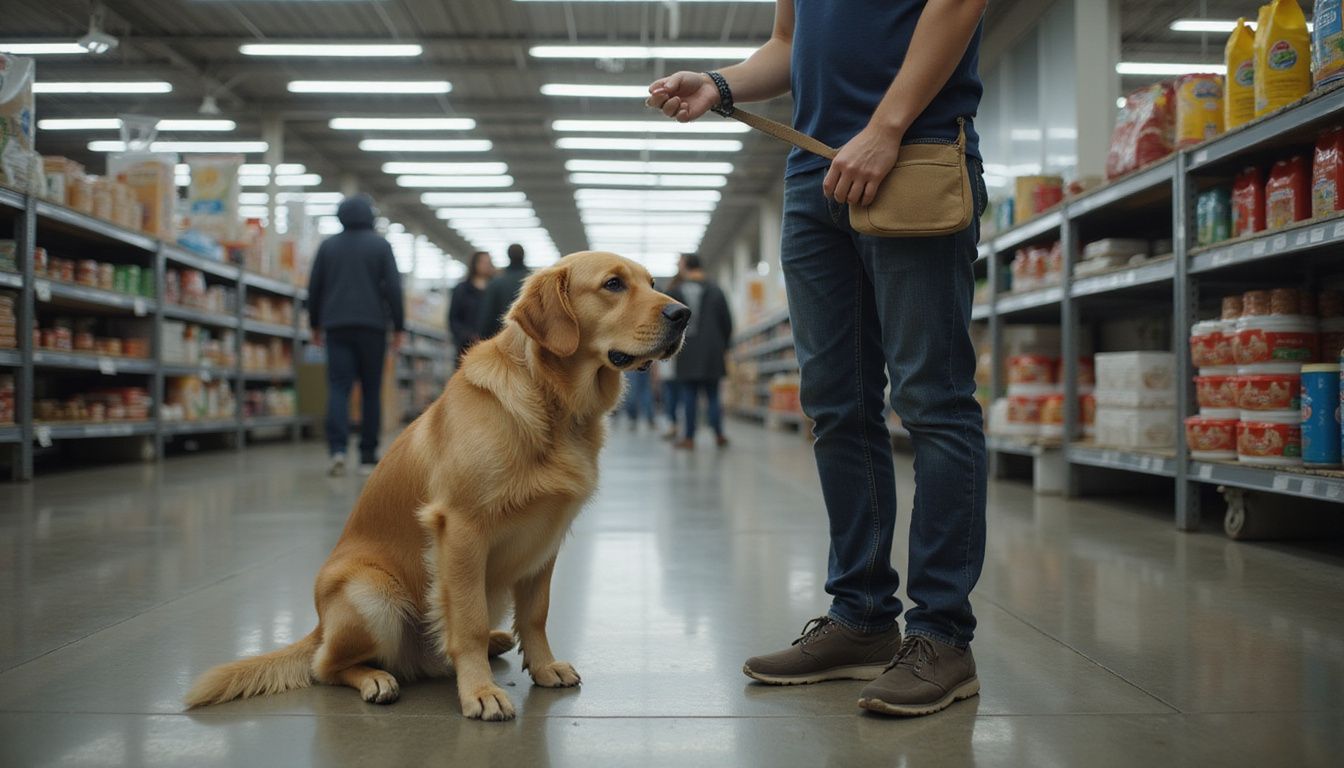
Training and socialization form the backbone of a well-behaved dog. Dogs that get proper training communicate better with their owners, which prevents frustration on both sides.
A trained dog listens to commands, stays safe in dangerous situations, and behaves well around family members. According to data from the Insurance Information Institute for 2023, the average dog bite claim in the United States reached $58,545, with insurers paying out more than $1.1 billion in total, proof that training works as a real safeguard, not just a nice extra.
Socialization goes hand in hand with training, and 75% of it actually involves teaching your dog to calmly ignore other people and animals, not befriend every creature they meet. That skill prevents a lot of the stress and unwanted behavior that comes from poor social habits, so start with a simple checklist like this one:
- Expose your pup to stores, foot traffic, and different noise levels, one experience at a time
- Pair each new experience with treats and praise to build confidence
- Get your dog comfortable in the crate, so it feels like a reward, not a punishment
- Handle paws, ears, tail, and gums daily, so future vet visits feel normal
- Take monthly no-big-deal vet visits for weigh-ins and treats after your dog’s initial vaccinations
This foundation of training and socialization builds real communication between you and your dog. It turns potential chaos into a calm household, and it sets up your next step: getting your home ready for this new family member.
Conclusion
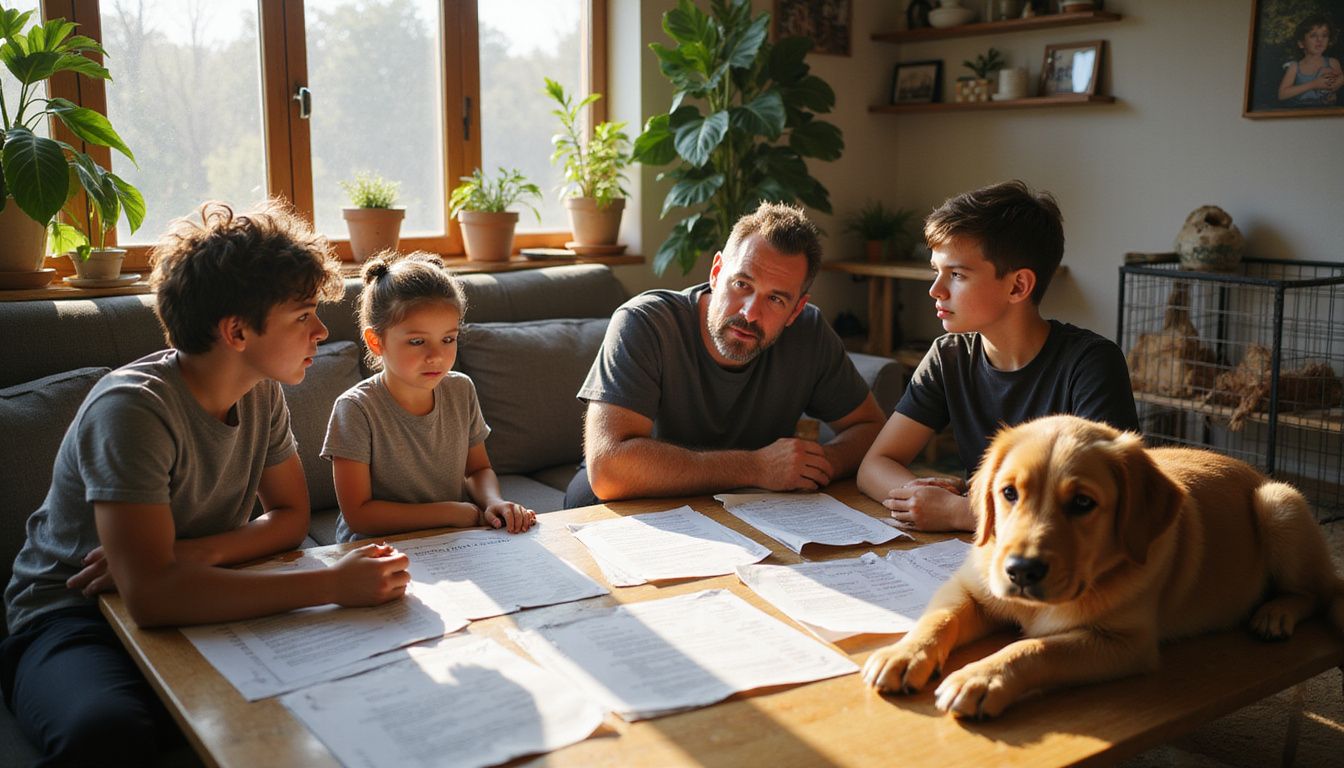
Getting a dog is not a casual decision, and now you know exactly what it demands.
You’ve learned that readiness matters, costs add up fast, and the right breed makes all the difference.
You’ve also seen how to prepare your home, set boundaries, and invest in training that actually works. None of these steps are complicated. They’re simple actions that prevent heartbreak and regret down the road.
Dogs everywhere, from the UK to right here at home, deserve owners who show up fully. That’s exactly what you’re preparing to do.
Your commitment to learning before bringing a dog home puts you ahead of the thousands of families who surrender pets each year, the very families behind that troubling 63% jump in shelter admissions.
Take action today. Assess your family’s readiness, build your support network, and connect with certified trainers near you. Responsible dog ownership starts with exactly this kind of homework, and your future furry companion is waiting for an owner who gets it right from the start.
FAQs
1. Is a dog a big commitment for a family?
Yes, dogs typically live 10 to 13 years and need daily care throughout their entire lives. They require walks, feeding, playtime, and regular vet checkups. Think of it like adding a new family member who depends on you completely.
2. What breed is best for kids?
Labrador Retrievers are consistently ranked as the top family dog by the American Kennel Club for their gentle and patient nature with children. Always let your child meet any dog first to make sure they get along.
3. How much does owning a dog cost each year?
Dog ownership typically costs between $1,500 and $2,000 annually in the US, covering food, routine vet visits, and basic supplies. Budget extra for unexpected vet emergencies or training classes.
4. Should parents wait until kids are older to get a dog?
Not necessarily, but kids under age 5 typically need constant supervision around dogs. Even young children can help with simple tasks like filling water bowls while you handle the main care.